Warmer Weather Is Sending Rodents, Termites, And Mosquitoes Toward Homes Before Summer Peaks
Warmer weather in Connecticut is bringing rodents, termites, ants, wasps, and mosquitoes back toward foundations, garages, decks, gutters, sheds, trash areas, and damp corners of the yard.
A recent FOX61 report said pest activity is increasing as temperatures rise, with rodents and insects moving in search of food, water, and shelter.
The warning gives homeowners a short list of places to check before summer pest activity peaks: foundation cracks, loose weather stripping, clogged gutters, standing water, stacked firewood, outdoor food sources, and damp wood near the house.
Rodents can use small exterior gaps to get indoors. Mosquitoes can use small amounts of standing water to lay eggs. Termites and carpenter ants can point homeowners back to moisture problems, wood-soil contact, or damaged wood that needs a closer inspection.
Food, Water, and Shelter Are the First Things To Remove
The FOX61 report said warmer-weather pests are moving closer to homes while looking for food, water, and shelter.
The EPA uses the same prevention approach in its integrated pest management guidance. The agency says prevention includes removing conditions that attract pests, including food, water, and shelter.
A property check should start with trash cans, pet food, compost, outdoor cooking areas, brush piles, clogged gutters, foundation cracks, loose weather stripping, damp areas near the house, and clutter close to entry points.
Small Gaps Can Bring Rodents Indoors
Rodent prevention starts with the gaps around the house.
The CDC says homeowners should look for holes inside and outside the home, including around windows, doors, vents, foundations, crawl spaces, pipes, utility lines, attics, basements, floor drains, and dryer vents.
The CDC says mice can fit through a hole about the width of a pencil. That makes small openings around siding, pipe penetrations, garage doors, crawl-space vents, and foundation edges worth sealing before rodents find them.
Outside, the CDC recommends sealed garbage, clean grilling areas, trimmed grass and shrubbery, raised woodpiles kept away from the house, and outdoor food sources kept away from the structure.
Standing Water Can Turn Yard Items Into Mosquito Sites
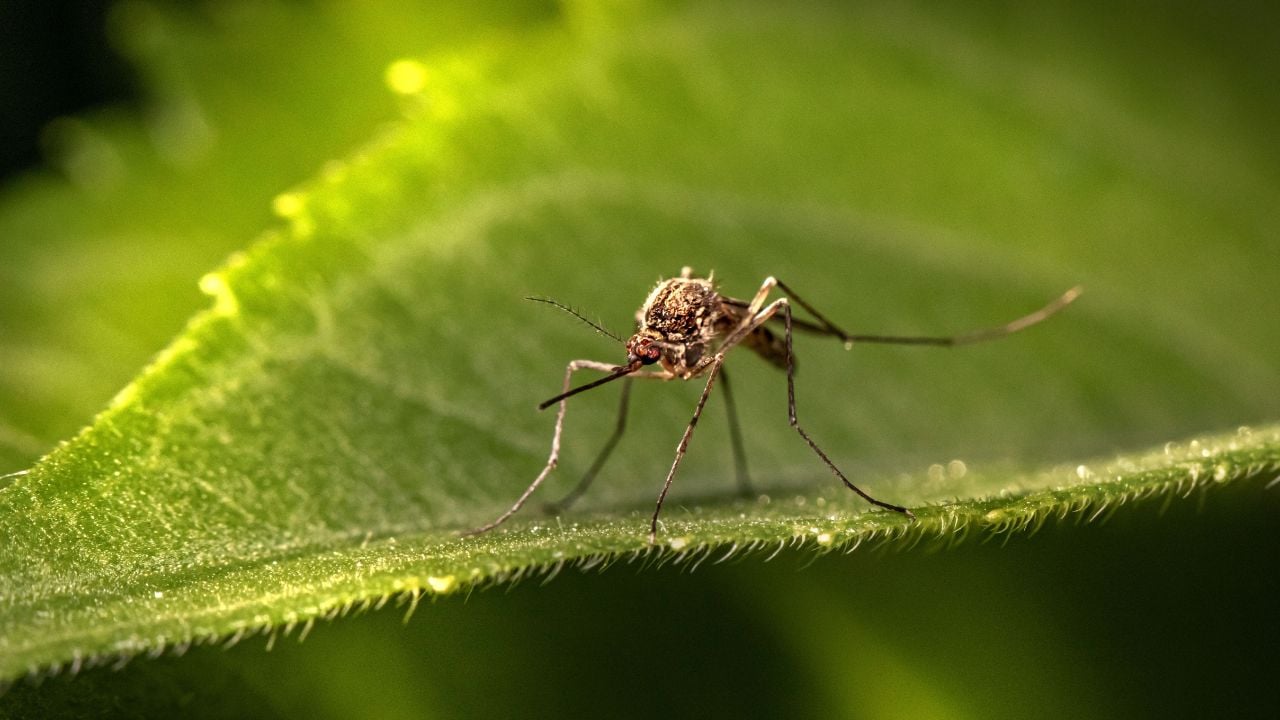
Mosquito control around the home starts with standing water.
Connecticut’s Mosquito Management Program says the best way to manage mosquitoes around a home is to eliminate standing water where mosquitoes can lay eggs.
The state lists birdbaths, wading pools, abandoned pools, roof gutters, rain barrels, tree holes, wheelbarrows, pails, paint cans, ornamental pools, and puddling from overwatering as places homeowners should check.
The same Connecticut guidance says the state public health code prohibits homeowners from creating or maintaining mosquito sources on their property, with violators subject to enforcement by local health departments.
Damp Wood Can Point to Termites or Carpenter Ants
Termites and carpenter ants require a different inspection because their warning signs can be easy to miss.
UConn IPM says possible termite signs include mud-like material on walls, swarmers in or around the home, thin mud tubes connecting the nest to wood, shed wings, buckling paint, small holes on wood surfaces, and wood that sounds hollow when knocked.
The same UConn guidance recommends hiring a professional pest inspector to properly diagnose a termite problem. It also lists eliminating wood-soil contact and controlling moisture problems as preventive steps.
Carpenter ants are different from termites, but moisture still matters. UConn says carpenter ants often nest in moist wood and warns homeowners not to store firewood against the house.
One Walk Around the House Can Catch the Biggest Pest Openings
Start at the foundation line, garage door, basement windows, crawl-space vents, utility penetrations, gutters, downspouts, trash area, compost bin, firewood stack, birdbath, planters, rain barrel, tree holes, and any wood that touches soil.
Inside, check under sinks, behind appliances, near pet food, around floor drains, in the basement, and wherever pipes or wires pass through walls.
Mud tubes, repeated rodent droppings, wasp nests near high-traffic areas, damaged wood, unexplained wing piles, or standing water that cannot be drained are reasons to call a licensed pest professional or local health department, depending on the problem.