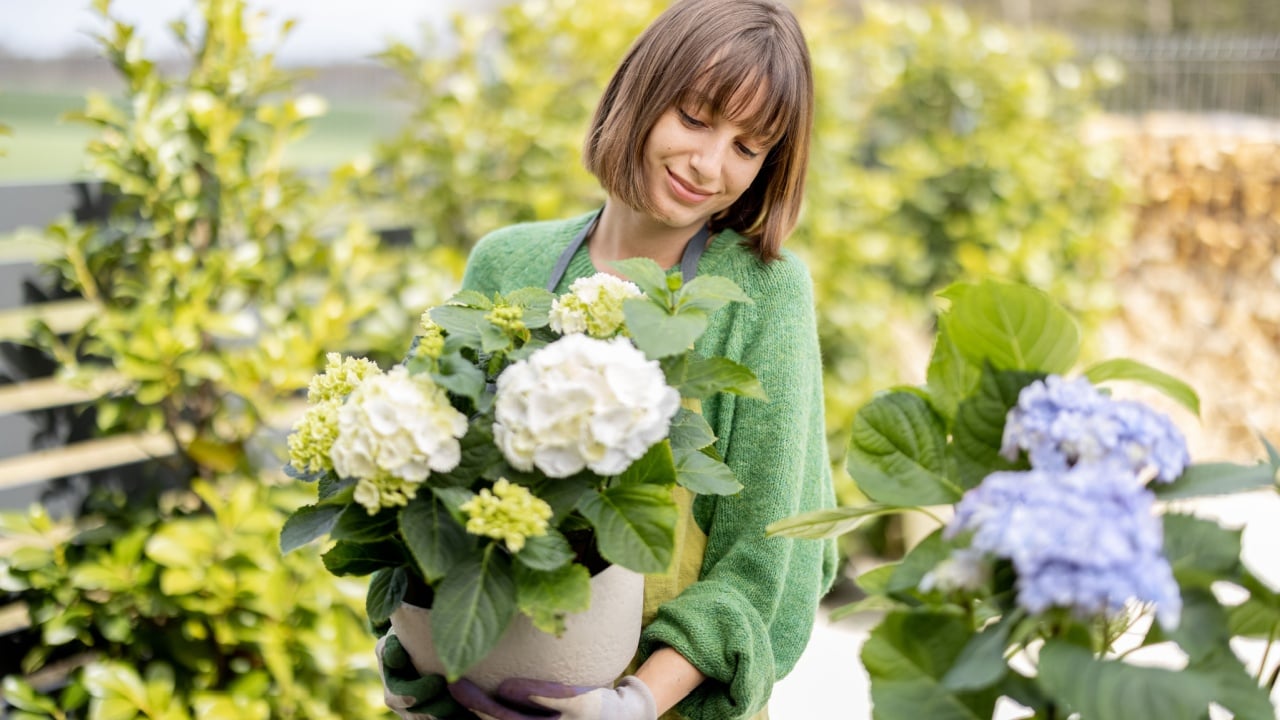
Want to Grow Hydrangeas? Keep These 4 Kinds of Plants Far Away
Hydrangeas are the peacocks of the flower garden. Their lush, show-stopping blooms and thick foliage naturally draw the eye. Happily, hydrangeas are fairly easy to grow: They need partial sun, slightly acidic soil, and moist but not saturated conditions.
They also need the right neighbors. Put them too close to the wrong plants, and they’ll struggle to reach their full potential.
What could be sadder, botanically speaking, than a lackluster hydrangea? We’ll tell you: A hydrangea that doesn’t bloom at all.
Don’t let that happen! When planning your landscape, avoid the following kinds of companion plantings.
1. Plants With Conflicting Needs (such as Roses and Lavender)
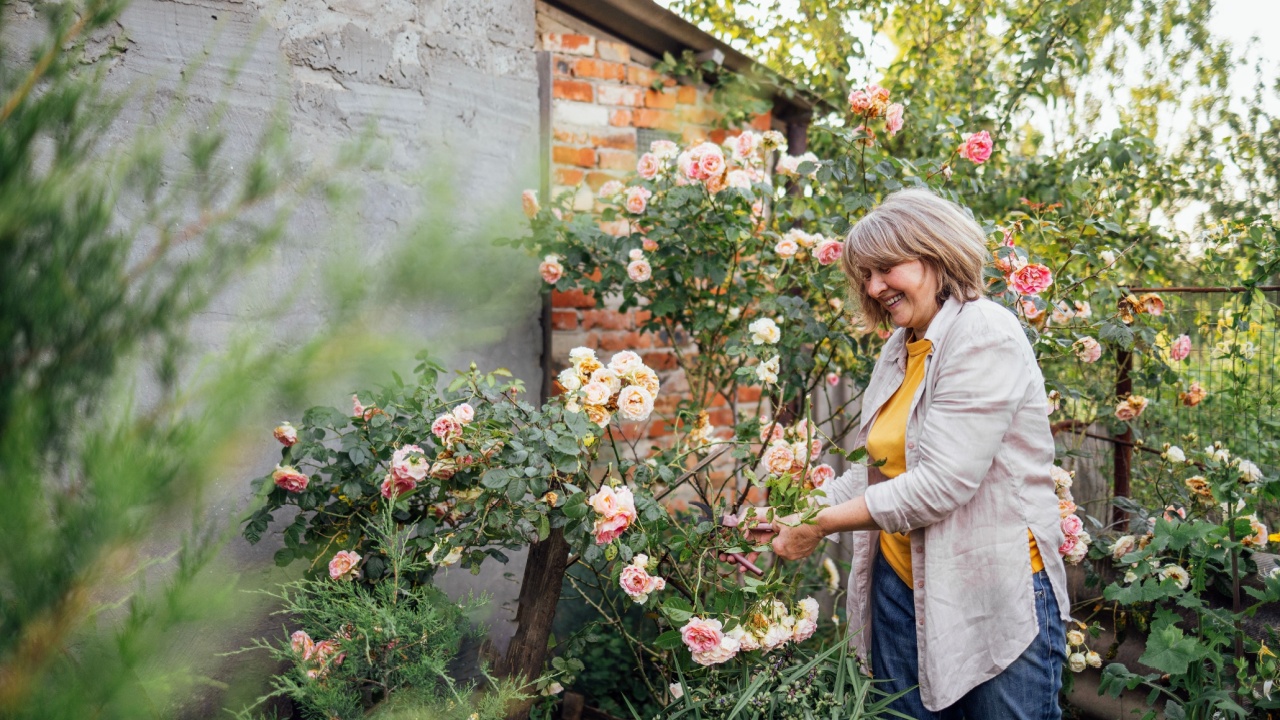
Sounds obvious, right? But even a seasoned gardener can let their love for specific plants affect a hydrangea’s best interests.
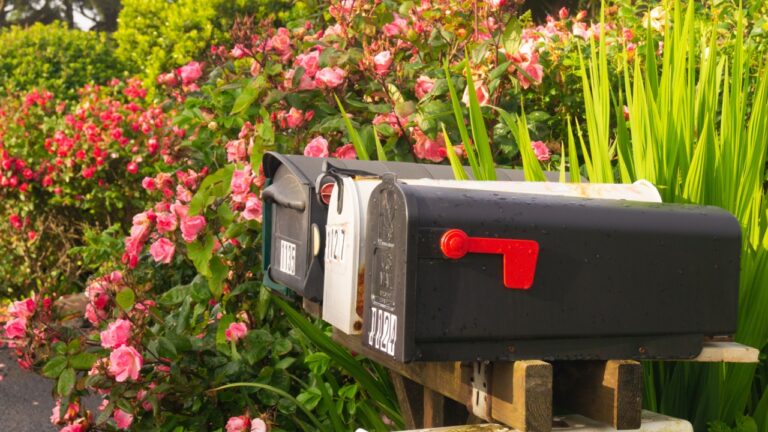
For example, suppose you envision a wilderness of roses and hydrangeas. Stop right there: Roses do best in full sun and slightly drier soil.
Or maybe you’re a lavender enthusiast who wants that multi-use herb everywhere in the yard. Nope: Lavender is another plant that prefers a drier medium, and the extra water that hydrangeas need to survive could lead to lavender root rot.
Do your research, and pair like with like. Putting plants with opposing needs together is a recipe for landscape failure.
2. Root Spreaders
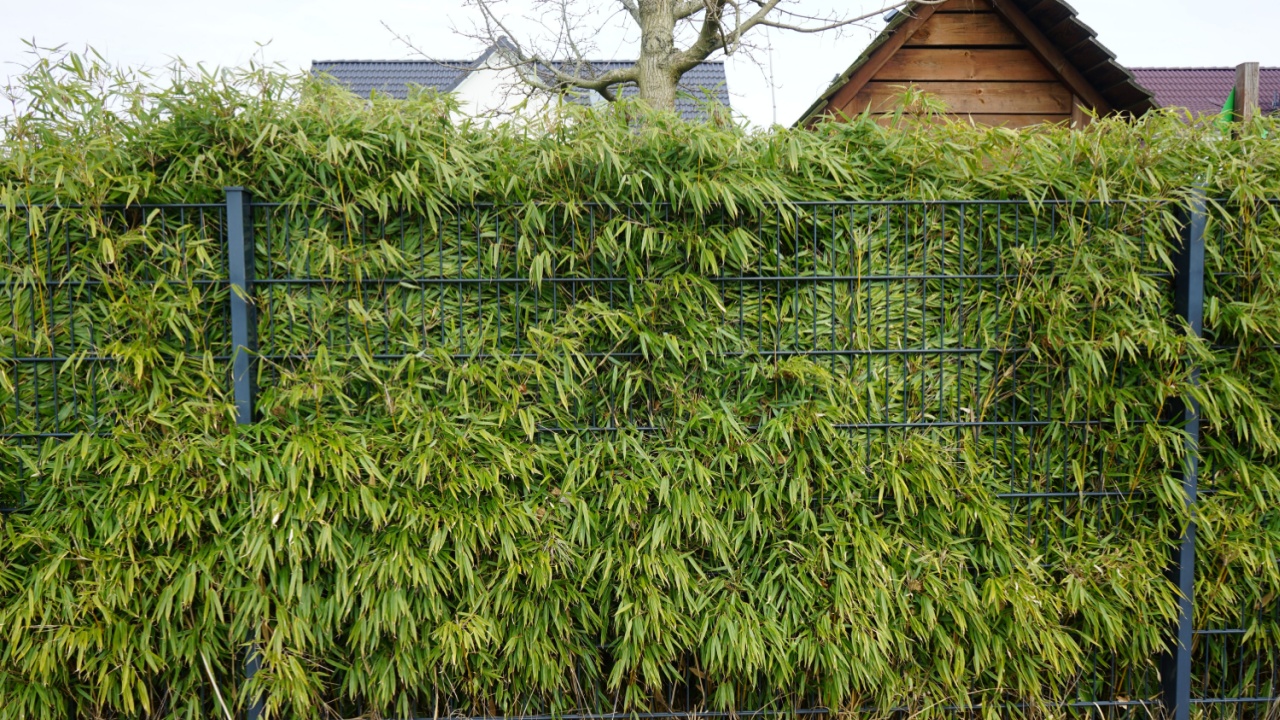
Some plants are aggressive colonizers. For example, a small amount of bamboo will spread faster than celebrity gossip and just as quickly take over your yard. (Your neighbor’s yard, too – and they probably won’t thank you.)
Anyone who’s ever planted mint knows that it’s almost impossible to eradicate. Ditto plants like dame’s rocket, Japanese knotweed, trumpet vine, and a host of other vigorous invaders.
Keep aggressive root spreaders away from your hydrangeas. In fact, be very careful about choosing such plants at all unless you like to weed. And weed. And weed.
3. Thirsty Beasts
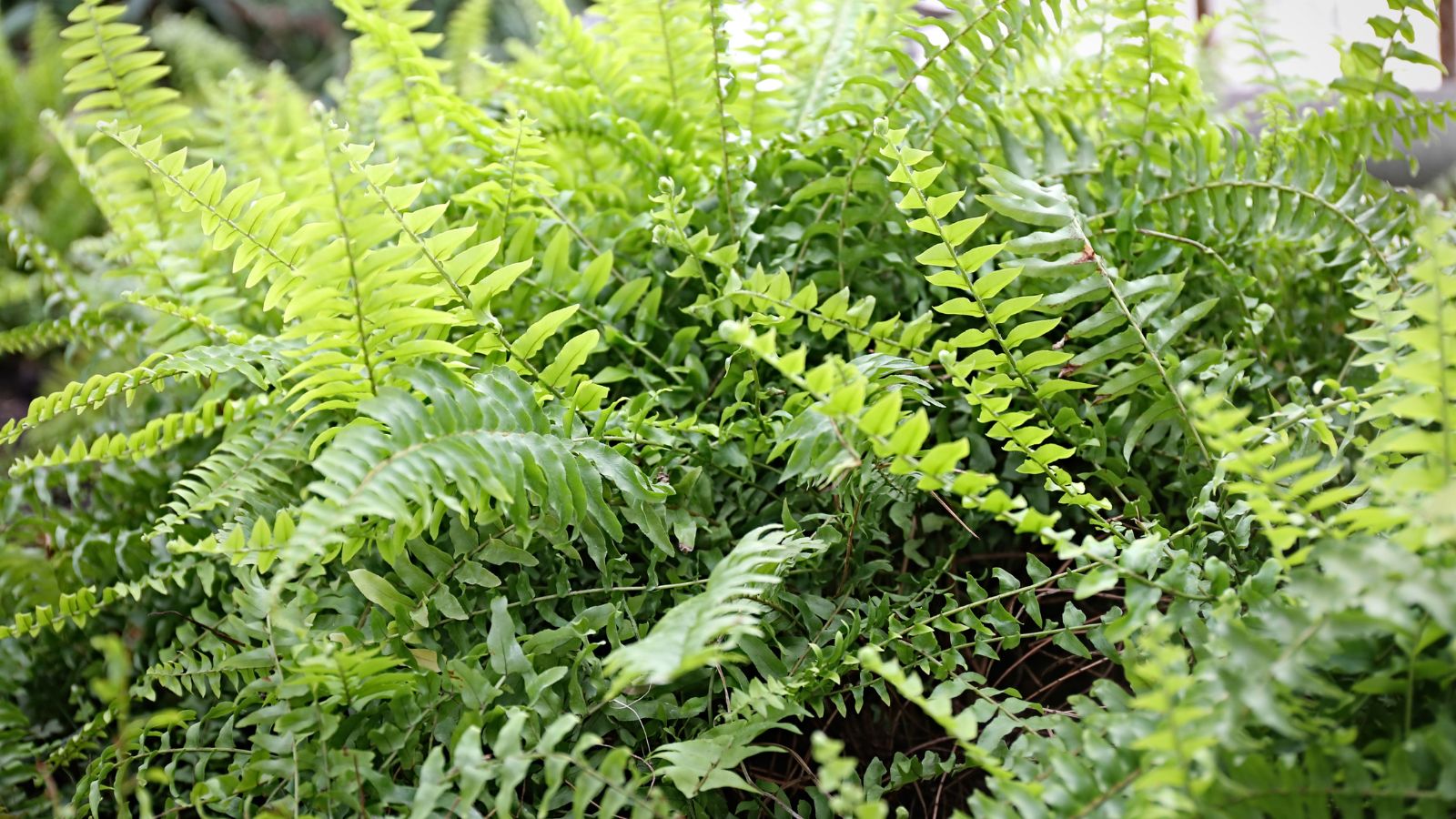
Some plants can never get enough to drink – which means they’ll try to steal your hydrangea’s share of the irrigation.
Sure, some tall, feathery ferns would look lovely in that bed. But ferns are notorious water hogs, and your hydrangeas will suffer.
If you’re in a region where eucalyptus grows, lucky you! But don’t plant hydrangeas too close to that tree, which is also known for copious water consumption.
4. Shadowy Giants

When it comes to choosing companion plantings, hydrangeas don’t have it made in the shade. They like dappled sun, not a blackout. Without enough light, they’ll get leggy and weak and produce a lot fewer blooms.
Obviously, you shouldn’t put them near an evergreen tree or a shrub that blocks the light. But gardeners sometimes forget how high some annuals can grow. For example, some people love sunflowers precisely because they can soar to 12 feet or higher in a single summer. A plant that is tall is going to cast some shade.
Let those shadowy giants have their day in the sun – far away from your hydrangeas.
Keep Your Blooms Happy

Hydrangeas are gorgeous beasts that are well worth a little effort – and again, it’s not that much work:
- Provide partial shade.
- Water regularly, but don’t saturate.
- Monitor soil acidity.
But it’s also important to keep certain plants away from the hydrangea beds. Choose the wrong botanical neighbors and your plants will suffer. Make the right companion planting choices, and your hydrangeas will thrive and delight
Read more
8 Mistakes Sabotaging Your Hydrangeas
Why Aren’t My Hydrangeas Blooming? Troubleshooting These Beauties