
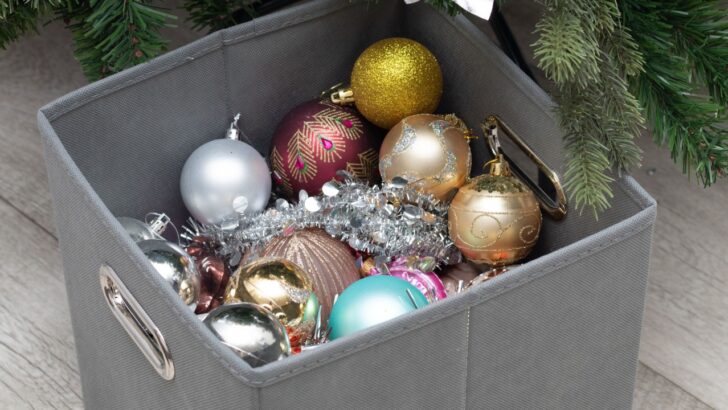
That dusty box in the attic labeled “Xmas Stuff” might be hiding more than just sentimental value. While some old holiday decor is best left to memory, certain vintage Christmas treasures have become highly sought-after collector’s items.
Before you Marie Kondo your way through generations of holiday history, it’s worth knowing which pieces could be worth a surprising sum. From iconic store displays to the ceramic trees of our childhoods, some decorations are more than just nostalgic; they’re valuable.
Here is a look at 15 vintage Christmas decorations that have collectors and enthusiasts checking their bank accounts twice. You might just own a piece of profitable holiday history. (Note: Most exact images are not depicted due to copyright concerns.)
1. Harold Gale Santa Store Display (1950s)

Image Credit: Shutterstock.
These are not your average shopping mall Santas. Created by Harold Gale, a former display designer for a major department store, these intricate Santa Claus figures were the centerpiece of many a festive window display in the 1950s (not pictured above). Known for their detailed clothing, expressive faces, and impressive size, they captured the magic of the season for millions of shoppers. Their commercial-grade quality and limited production make them a rare find today.
Collectors prize these Santas for their craftsmanship and connection to the golden age of American retail. A well-preserved Harold Gale Santa, especially a larger, motorized version, can be worth hundreds, if not thousands, of dollars.
Quick Look:
- Why It’s Valuable: High-quality construction, iconic mid-century design, and rarity.
- What to Look For: Check for the Harold Gale tag, original clothing, and any motorized functions. Condition is everything; faded suits or missing beards will lower the value.
- Care Tips: Store in a climate-controlled environment, away from direct sunlight and moisture. Use a soft brush to gently dust the fabric.
2. Vintage German Feather Tree (Early 1900s)
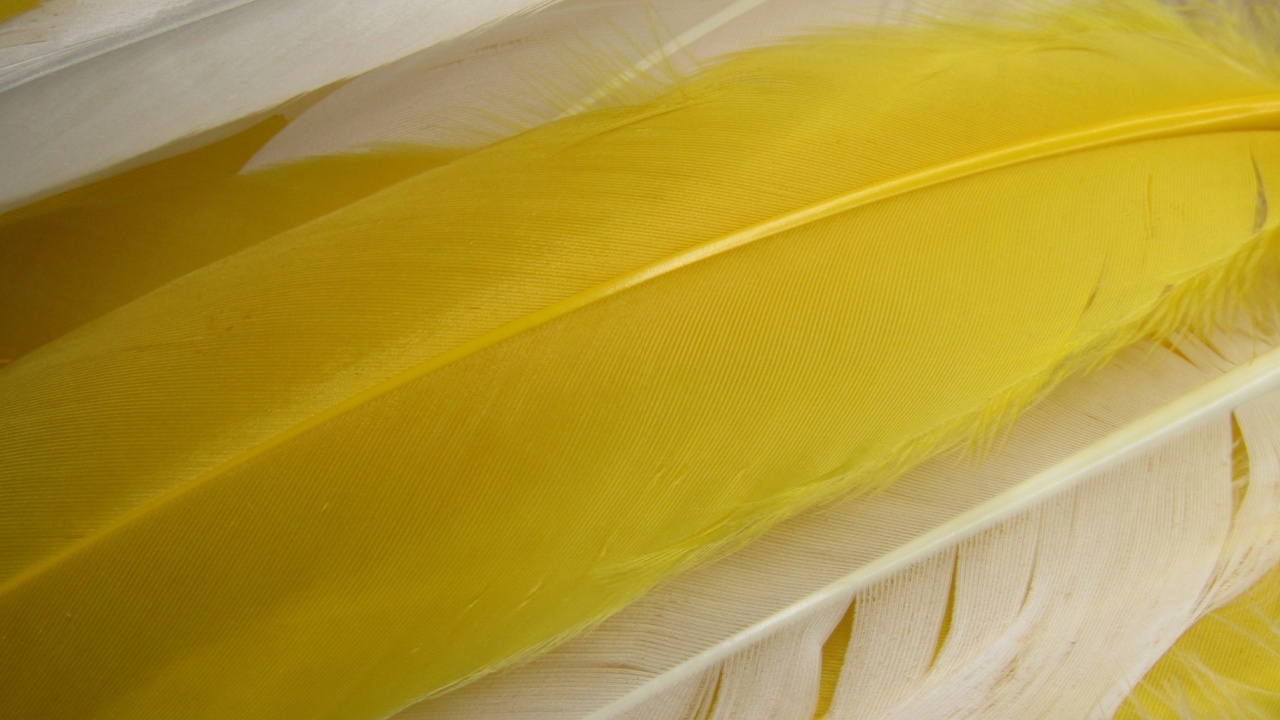
Image Credit: Shutterstock.
Long before the bushy firs we know today, German feather trees were the height of holiday fashion. These sparse trees, made from dyed goose feathers wrapped around wire branches, were created in response to concerns about deforestation in Germany. Their minimalist branches were perfect for displaying delicate ornaments and candles without overwhelming them.
Authentic early 20th-century feather trees are exceptionally rare and coveted for their historical significance. They represent one of the first types of artificial Christmas trees and are a testament to early conservationist thinking. Depending on size and condition, they can command impressive prices.
Quick Look:
- Why It’s Valuable: Age, historical importance, and delicate, handmade construction.
- What to Look For: Goose feather construction, wire branches, and a simple wooden base. Original trees often have small red berries on the branch tips.
- Care Tips: Handle with extreme care. The feathers are fragile. Store it upright, covered in a breathable cloth, in a dry, dark place to prevent feather deterioration.
3. Vintage Bubble Lights (1940s–50s)
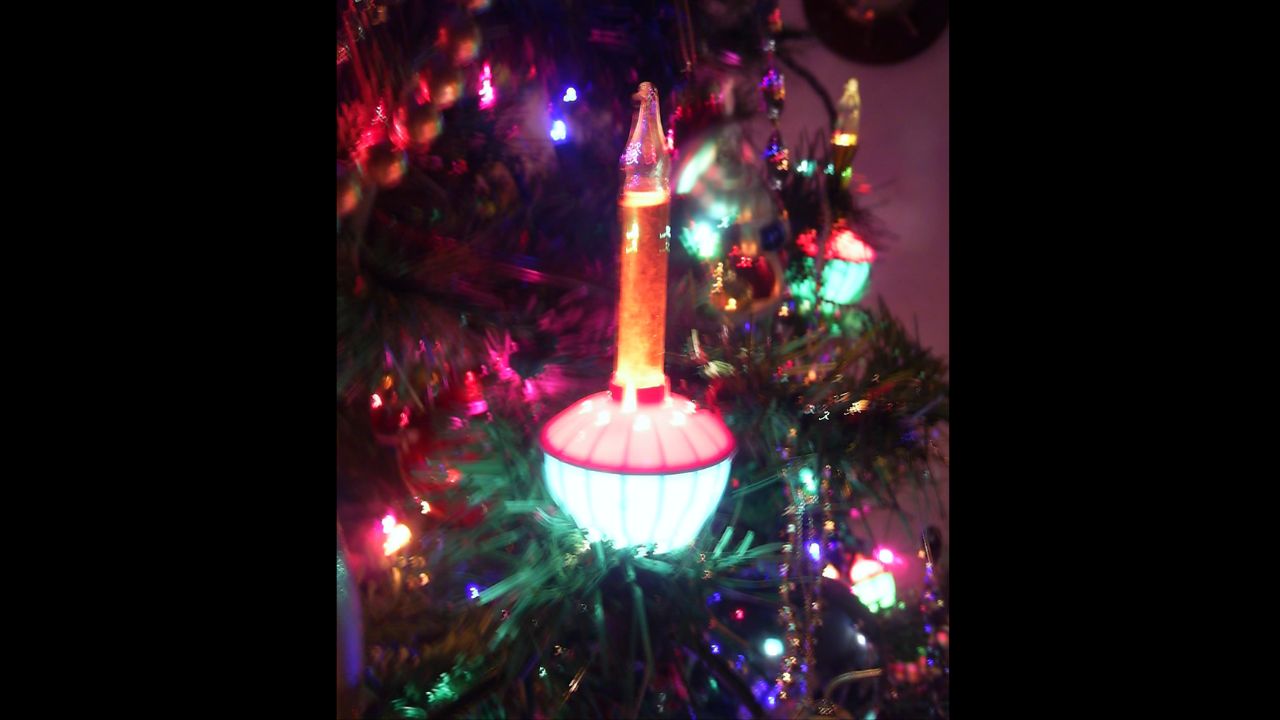
Photo Credit: D Patterson – Public Domain/Wiki Commons.
Nothing says “retro Christmas” quite like the gentle bubbling of vintage Christmas lights. Patented in the 1940s, these lights contain a tube filled with methylene chloride, which has a low boiling point. As the incandescent bulb heats the base, the liquid inside boils and sends a continuous stream of bubbles to the top. This mesmerizing effect captivated families for decades.
Original bubble lights, especially complete sets in their original packaging from brands like NOMA, are collectors’ gold. They evoke a strong sense of nostalgia, and finding a working set is becoming harder every year.
Quick Look:
- Why It’s Valuable: Nostalgic appeal, unique mechanical function, and scarcity of working, complete sets.
- What to Look For: Sets with all original components, the original box, and functioning lights. Multi-colored sets are particularly desirable.
- Care Tips: Test them carefully. Do not leave them unattended, as old wiring can be a fire hazard. Store them in their original box to prevent the glass tubes from breaking.
4. Shiny Brite Glass Ornaments (1940s–60s)
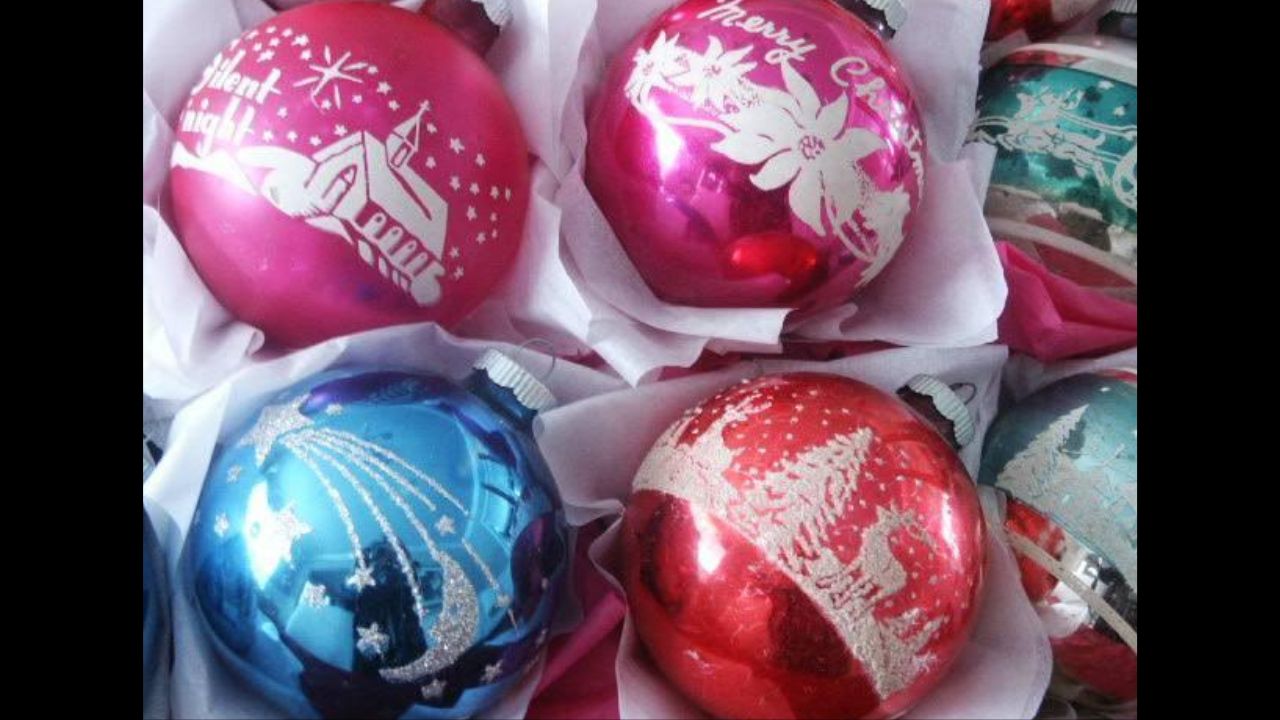
Photo Credit: RLogos – Public Domain/Wiki Commons.
Before plastic ornaments took over, Shiny Brite was the biggest name in Christmas. These delicate glass ornaments, first produced in America in the late 1930s, are known for their distinctive silver lining (which made them “shine brighter”) and colorful, simple designs. During WWII, the metal caps were replaced with cardboard tabs due to metal rationing, making those versions particularly interesting to collectors.
A box of common Shiny Brite ornaments might not fund your retirement, but rare shapes, stenciled designs, and complete sets in their original striped boxes are highly desirable. They represent a significant piece of American holiday history.
Quick Look:
- Why It’s Valuable: Brand recognition, historical context (especially WWII-era pieces), and a wide variety of collectible designs.
- What to Look For: The “Shiny Brite” name on the metal cap, original packaging, and unusual shapes or patterns.
- Care Tips: These ornaments are incredibly fragile. Wrap each one individually in acid-free tissue paper and store them in a sturdy, sectioned box.
5. Vintage Aluminum Christmas Tree (1960s)

Photo Credit: Mavarin at English Wikipedia – CC BY-SA 3.0/Wiki Commons.
The “space-age” aluminum Christmas tree was the pinnacle of modern 1960s holiday style. Popularized by companies like Evergleam, these metallic marvels were never meant to look like real trees. Instead, they were futuristic sculptures designed to be illuminated by a rotating color wheel, creating a dazzling light show. They famously appeared in “A Charlie Brown Christmas,” where they were snubbed in favor of a small, natural sapling.
Once considered tacky, these aluminum trees are now celebrated for their retro charm. Taller trees, especially those in rare colors like pink or gold, and those complete with their original box and color wheel, can sell for a significant amount.
Quick Look:
- Why It’s Valuable: Strong nostalgic connection to the 1960s, unique aesthetic, and rarity of complete, well-preserved sets.
- What to Look For: All original branches, the pole, and the stand. The original box and a working color wheel dramatically increase the value.
- Care Tips: Store all pieces in the original box or a similar container. Wear gloves when handling the branches to avoid bending the delicate aluminum “needles.”
6. Department 56 Griswold Holiday House

Image Credit: Shutterstock.
For fans of “National Lampoon’s Christmas Vacation,” this piece is the holy grail. As part of its movie-themed collections, Department 56 released a ceramic version of the Griswold family home, complete with Clark’s over-the-top light display. This piece perfectly captures the chaotic spirit of the beloved holiday film.
Its connection to a pop culture phenomenon makes it a perennial favorite. Retired versions of the house, especially those in mint condition with their original box and light cord, are highly sought after by both Department 56 collectors and movie buffs.
Quick Look:
- Why It’s Valuable: Pop culture significance, brand recognition, and high demand from a dedicated fan base.
- What to Look For: Perfect condition with no chips or cracks. The original box, sleeve, and working light are essential for top value.
- Care Tips: Store in the original foam packaging to protect delicate parts like the gutters and icicles. Check the light cord for any signs of wear before use.
7. Vintage Ceramic Christmas Tree with Lights (1970s)
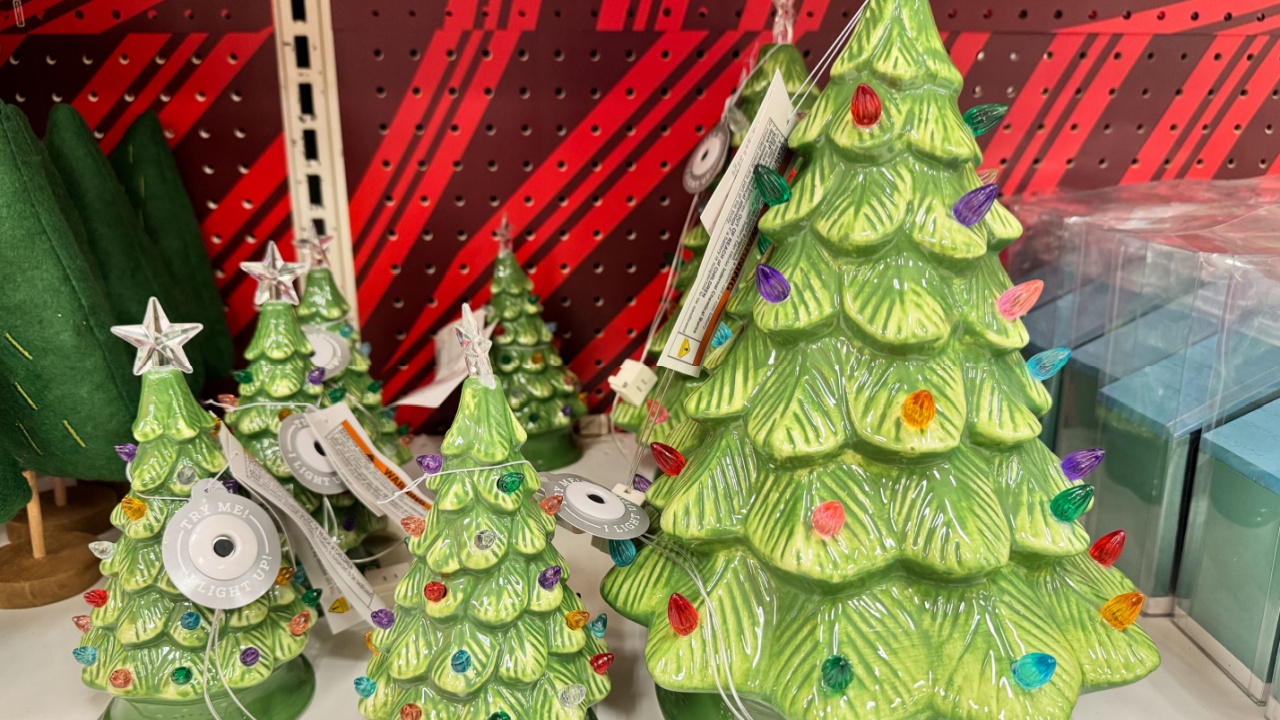
Image Credit: melissamn / Shutterstock.
Almost everyone’s grandmother or great-aunt had one of these. The light-up ceramic tree was a massively popular craft project in the 1970s. People would buy the mold, fire it in a kiln, and paint it themselves in ceramics classes. Each tree was unique, fitted with small, colorful plastic “bulbs” that would glow when the internal light was switched on.
While millions were made, nostalgia has driven their prices sky-high. Trees made from vintage molds, especially large ones or those in unusual colors like white or pink, are fetching surprising sums. An original from the 70s has a handmade quality that newer reproductions lack.
Quick Look:
- Why It’s Valuable: Extreme nostalgic power, handmade charm, and high demand from those looking to recapture a piece of their childhood.
- What to Look For: A vintage mold stamp on the bottom, no chips or cracks, and a full set of the original plastic light pegs. The star topper should also be present.
- Care Tips: Handle carefully to avoid chipping the glaze. Store the small plastic bulbs in a separate bag so they don’t get lost.
8. Vintage Empire Blow Mold Santa Claus (1968)
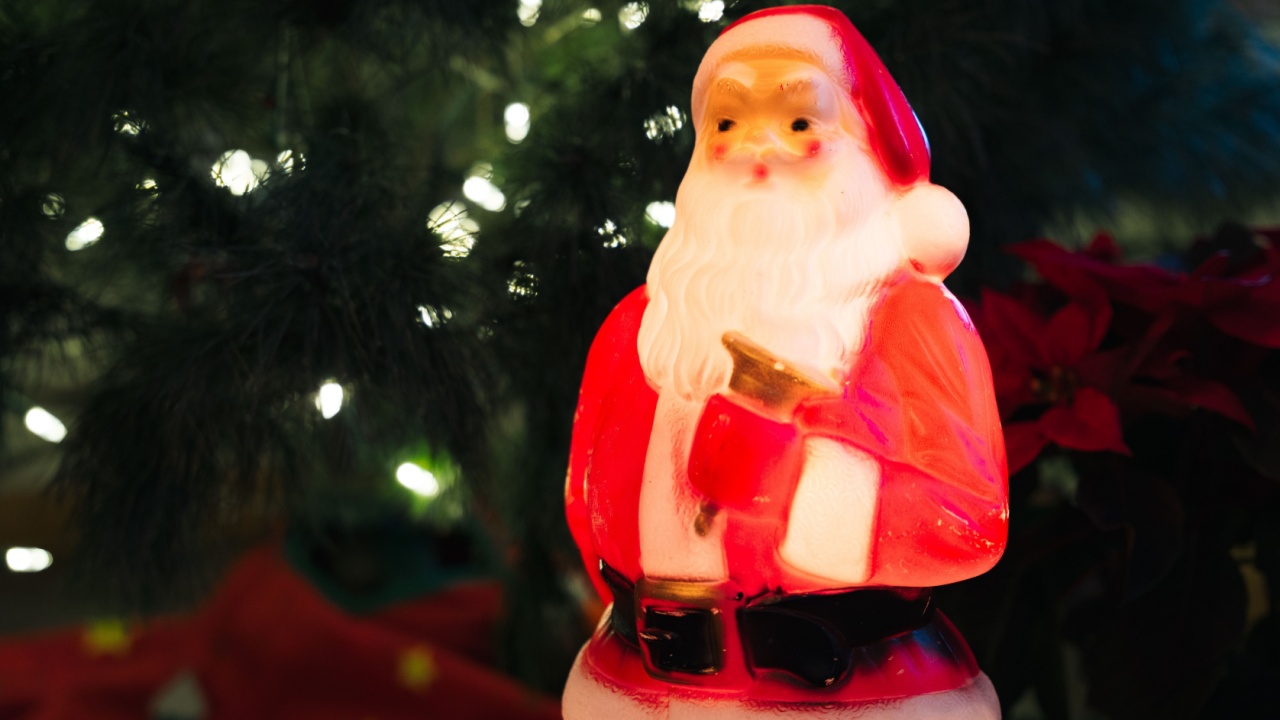
Image Credit: Logan Bush / Shutterstock.
These glowing plastic figures were the cheerful sentinels of suburban lawns for decades. Empire Plastic Corporation was a major producer of blow-mold decorations, and their 1968 Santa Claus is one of the most iconic designs. Standing around 40 inches tall, this jolly figure holding a toy bag was a staple of outdoor Christmas decor.
Original, vintage blow molds are seeing a huge resurgence in popularity. Collectors seek out pieces with minimal paint fading and no cracks. A well-preserved 1968 Empire Santa is a fantastic retro find that can be worth a handsome amount, far more than its modern-day counterparts.
Quick Look:
- Why It’s Valuable: Iconic design, nostalgic connection to vintage outdoor decor, and scarcity of well-preserved examples.
- What to Look For: The “Empire Plastic” stamp and date on the back. Bright, unfaded paint is a huge plus. Make sure there are no major cracks or dents.
- Care Tips: Clean gently with mild soap and water. To prevent fading, apply a UV-protectant spray. Store indoors to protect the plastic from becoming brittle in extreme temperatures.
9. Grandeur Noel Bethlehem Village Collector’s Edition (2001)
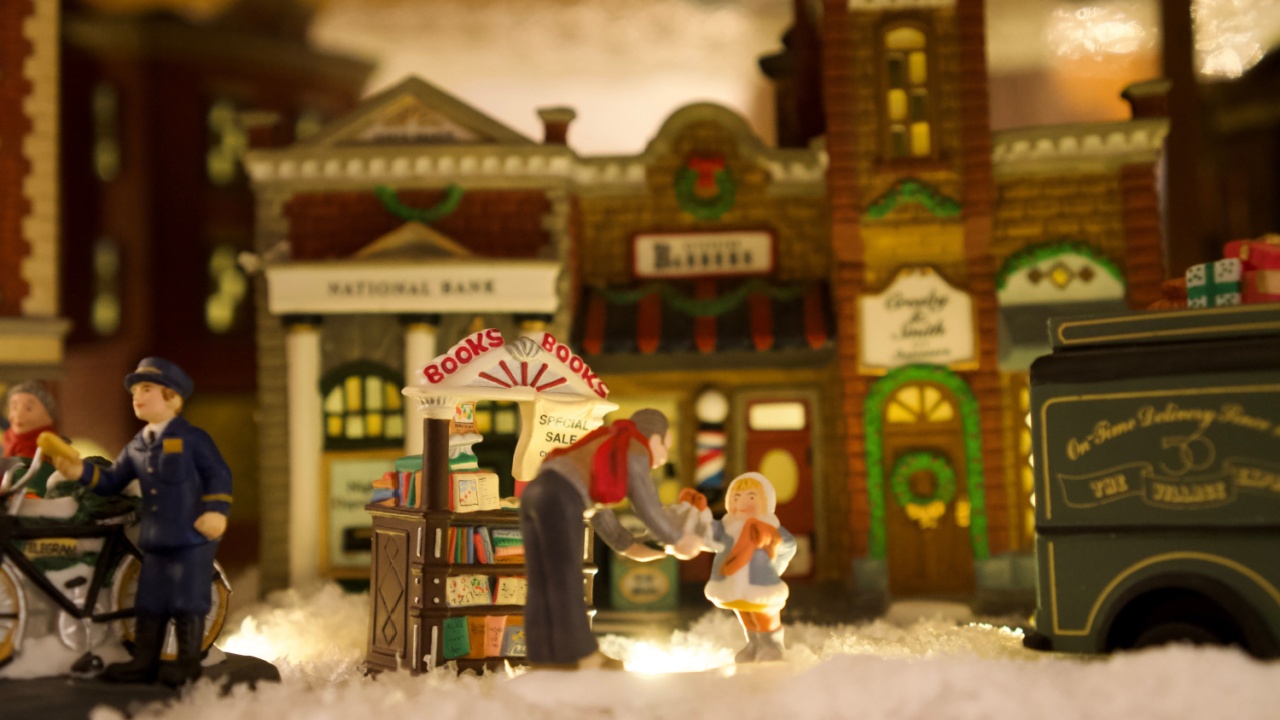
Image Credit: Shutterstock.
Though not as old as other items on this list, this expansive nativity set has quickly become a collector’s item. Sold exclusively at Sam’s Club in the early 2000s, the Grandeur Noel Bethlehem Village was a massive, multi-piece porcelain set that included buildings, figures, and animals to create a complete nativity scene.
Its sheer size, detail, and the fact that it was only available for a limited time have made complete sets highly valuable. Many people bought the set but have since lost or broken pieces, making a complete, mint-condition village a rare and desirable find.
Quick Look:
- Why It’s Valuable: Limited availability, impressive scale, and the difficulty of finding a complete set in good condition.
- What to Look For: A full set with all figures, buildings, and accessories. The original packaging is a huge bonus. Check each piece for chips or repairs.
- Care Tips: Store in its original compartmentalized boxes. If you don’t have them, wrap each piece individually before storing it to prevent damage.
10. Mid-Century Christmas Church Cathedral (1950s–60s)

Image Credit: Shutterstock.
These charming cardboard or plastic churches, often decorated with glitter and containing a small light inside, were a common sight under Christmas trees in the mid-20th century. Many played a music box version of “Silent Night” when wound. They represent a simpler, more serene vision of the holiday season.
Made in Japan or the USA, these churches are treasured for their delicate, kitschy beauty. Pieces with intact cellophane “stained glass” windows, minimal glitter loss, and a working music box are particularly valuable to collectors of mid-century decor.
Quick Look:
- Why It’s Valuable: Nostalgic mid-century aesthetic, delicate construction, and the rarity of finding them in good, working condition.
- What to Look For: Intact windows, working music box and light, and minimal damage to the cardboard structure. The original box adds significant value.
- Care Tips: These are very fragile. Store in a sturdy box, away from humidity, which can warp the cardboard and degrade the glue.
11. Vintage Glass Tree Topper (1950s)
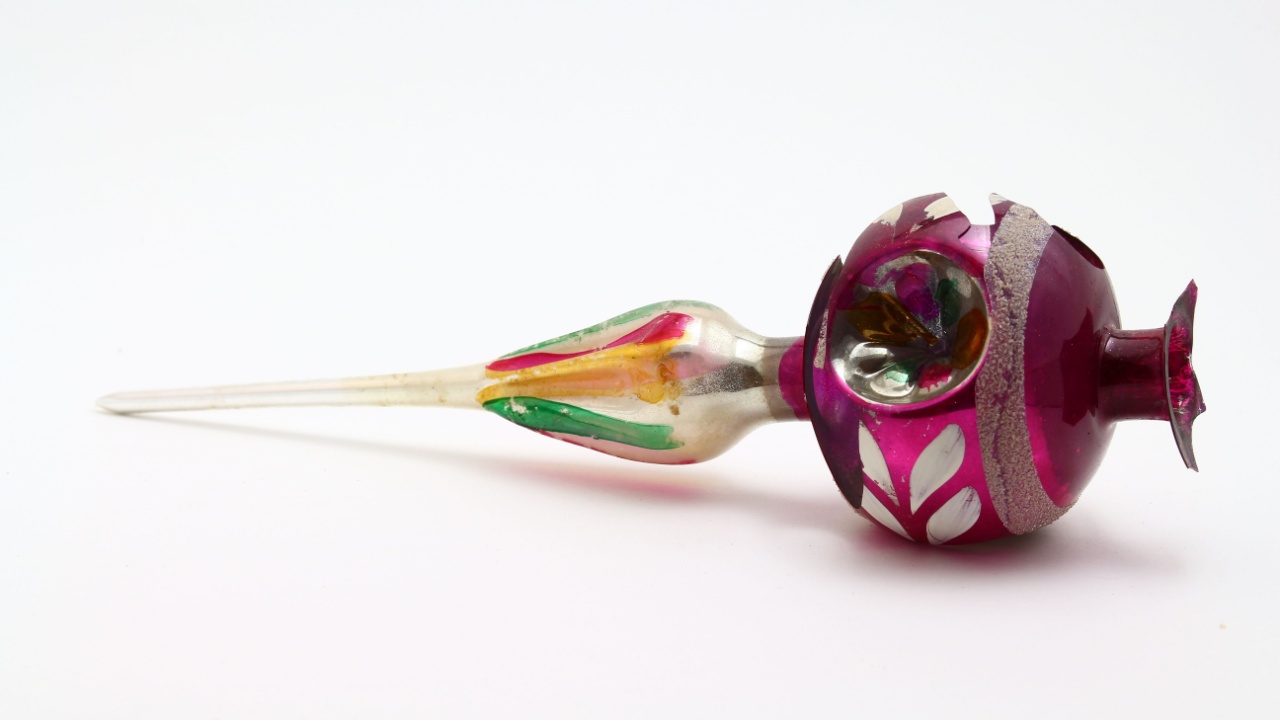
Image Credit: Shutterstock.
The crowning glory of any mid-century Christmas tree was its topper. The 1950s produced some of the most beautiful and intricate glass tree toppers, often featuring multiple tiers, indentations, and delicate hand-painted details. These were typically made in West Germany or Poland and represented the pinnacle of glass-blowing artistry.
A vintage glass topper in excellent condition, especially one with complex reflector indentations or an unusual shape, is a prized possession. They are the fragile, shining stars of the vintage ornament world, and their value reflects their delicate beauty.
Quick Look:
- Why It’s Valuable: Intricate craftsmanship, fragility (making survivors rare), and beautiful mid-century design.
- What to Look For: No cracks or breaks in the glass. The delicate spire at the bottom should be intact. Minimal paint loss is ideal.
- Care Tips: This is likely the most fragile item in your collection. Store it in a rigid box with plenty of soft padding, completely separate from other ornaments.
12. Vintage Santa Claus Coca-Cola Advertising Display (1940s–50s)
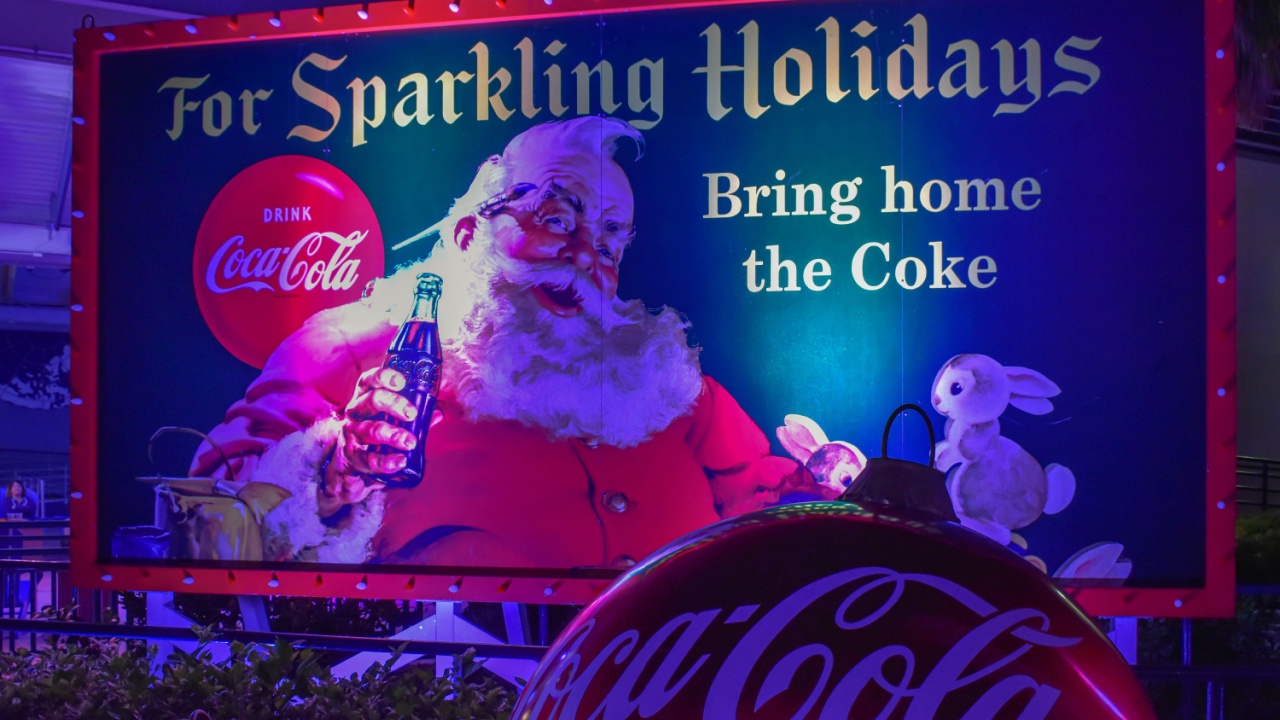
Image Credit: VIAVAL TOURS / Shutterstock.
Coca-Cola arguably created the modern image of Santa Claus through its advertising campaigns. The rosy-cheeked, jolly Santa painted by Haddon Sundblom became the standard. Cardboard store displays from the 1940s and 50s featuring this iconic Santa are now highly sought-after pieces of advertising history.
These displays were meant to be temporary and were often thrown away after the holidays, so survivors are rare. Their value comes from the intersection of Christmas nostalgia and advertising memorabilia. A large, vibrant display in good condition can be worth a small fortune.
Quick Look:
- Why It’s Valuable: Rarity, iconic branding, and crossover appeal for both Christmas and advertising collectors.
- What to Look For: Bright, unfaded colors and minimal creasing or water damage. Displays that are three-dimensional or have moving parts are especially valuable.
- Care Tips: Keep it out of direct sunlight to prevent fading. If possible, frame it behind UV-protective glass. Store flat in a dry environment.
13. Vintage Christmas Putz Houses (1930s–50s)
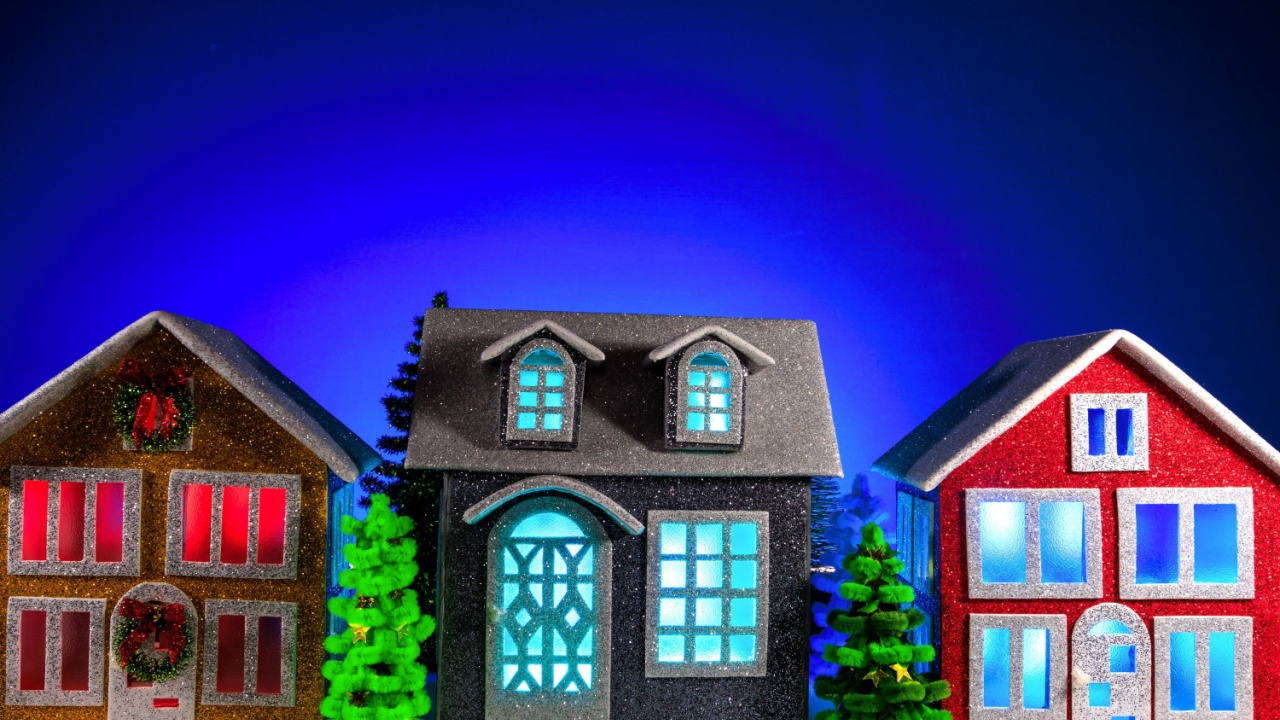
Image Credit: Shutterstock.
“Putz” is from the German word “putzen,” meaning “to decorate.” These small cardboard houses, churches, and castles were used to create festive village scenes, often around the base of the Christmas tree. Early versions from the 1930s were made in Japan and are known for their loofah trees and coconut-covered roofs.
A whole village of these little houses creates a magical scene, and collectors will pay top dollar for rare buildings or large, complete sets. Their handmade, whimsical quality makes them a favorite among vintage collectors.
Quick Look:
- Why It’s Valuable: Age, handmade charm, and the wide variety of styles to collect. Pre-WWII Japanese versions are particularly prized.
- What to Look For: Intact cellophane windows, minimal glitter loss, and the “Japan” stamp on the bottom. Unique buildings like castles or windmills are more valuable.
- Care Tips: Like the cardboard churches, these are very fragile. Handle them carefully and store them in a dry place to prevent warping and mildew.
14. Department 56 Gingerbread House (2008)
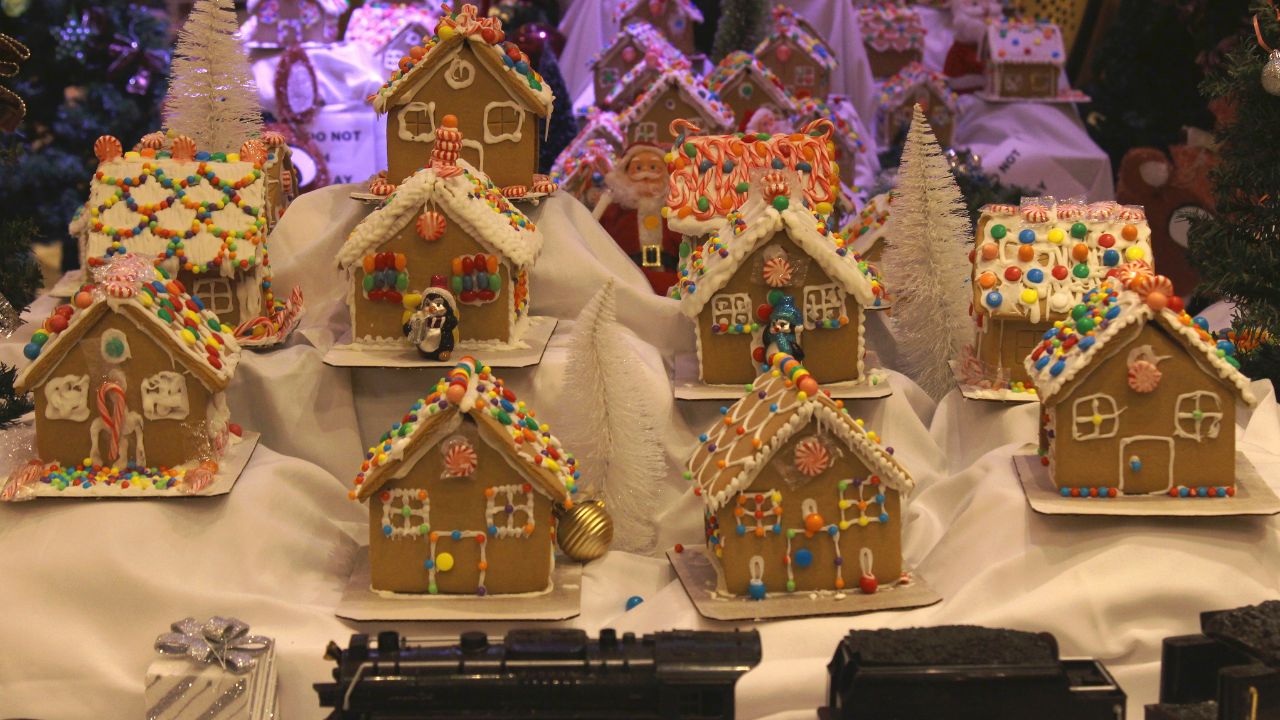
Photo Credit: Prayitno / Thank you for (12 millions +) view from Los Angeles, USA – Ginger Bread Village – CC BY-SA 2.0/Wiki Commons.
Another more modern but highly collectible piece is the “Gingerbread House” from Department 56’s North Pole Series. Released in 2008, this piece is adored for its intricate candy-themed details, from gumdrop shingles to peppermint stick columns. It captures a whimsical, idealized vision of Santa’s village.
This piece was only produced for one year, making it a “retired” piece that is now hard to find. Its limited run and popular design have driven up its value on the secondary market, making it a sweet score for collectors.
Quick Look:
- Why It’s Valuable: Limited one-year production run, high demand from Department 56 collectors, and charming design.
- What to Look For: Mint condition with no chips or breaks. The original box, sleeve, and light cord are essential for maximum value.
- Care Tips: Keep it stored in its original foam packaging. The tiny, delicate candy details can easily break off if not handled with care.
15. Department 56 Dickens Village Series (1980s–90s)
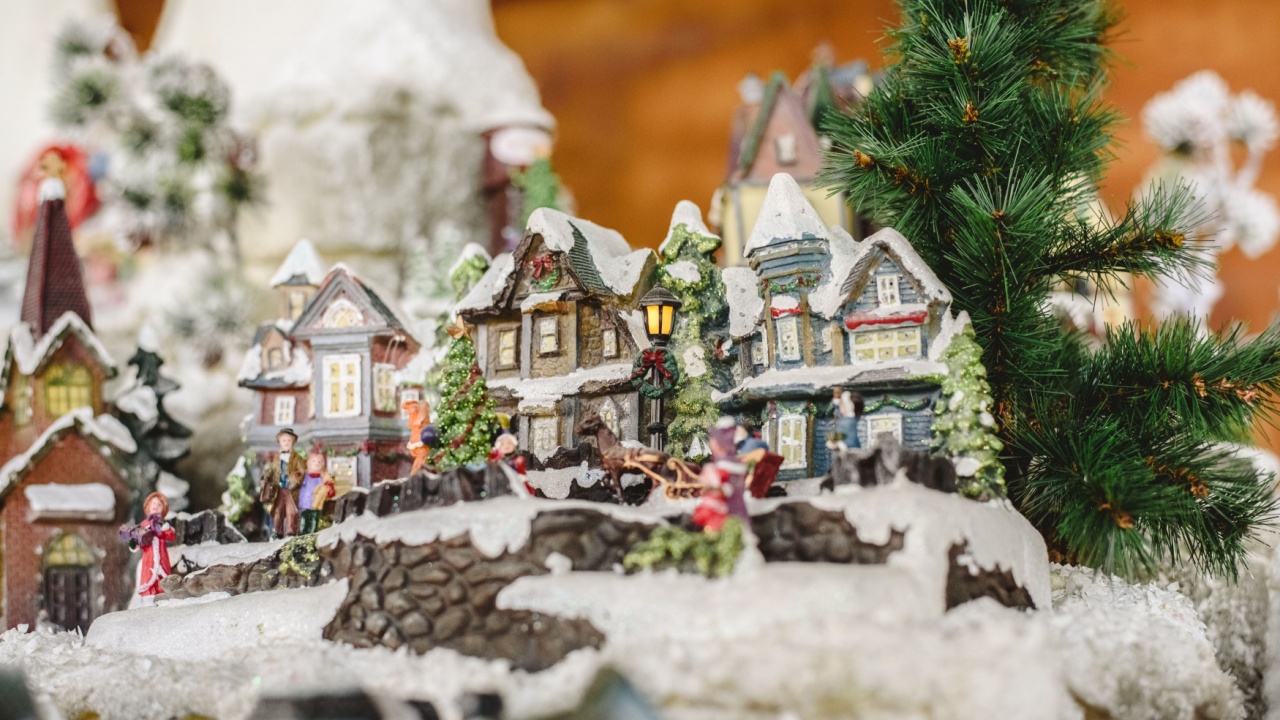
Image Credit: Shutterstock.
Department 56 kicked off the collectible village craze with its Dickens Village series in 1984. These hand-painted porcelain buildings were inspired by the architecture and characters of Victorian England, evoking the world of “A Christmas Carol.” Early pieces from the first few years of production are now highly valued.
Collectors look for the “Original Snow Village” or early Dickens pieces. Retired buildings, especially those produced for only a short time, can be quite valuable. A complete, well-cared-for collection from the 1980s can represent a significant investment.
Quick Look:
- Why It’s Valuable: Brand heritage (the original collectible village), nostalgia, and the rarity of early retired pieces.
- What to Look For: Check the bottom for the production date. Pieces from 1984–1986 are generally the most valuable. Condition and original packaging are paramount.
- Care Tips: Dust regularly with a soft brush. Store each building in its original box and styrofoam to protect it from chipping during the off-season.
Finding Your Own Treasure
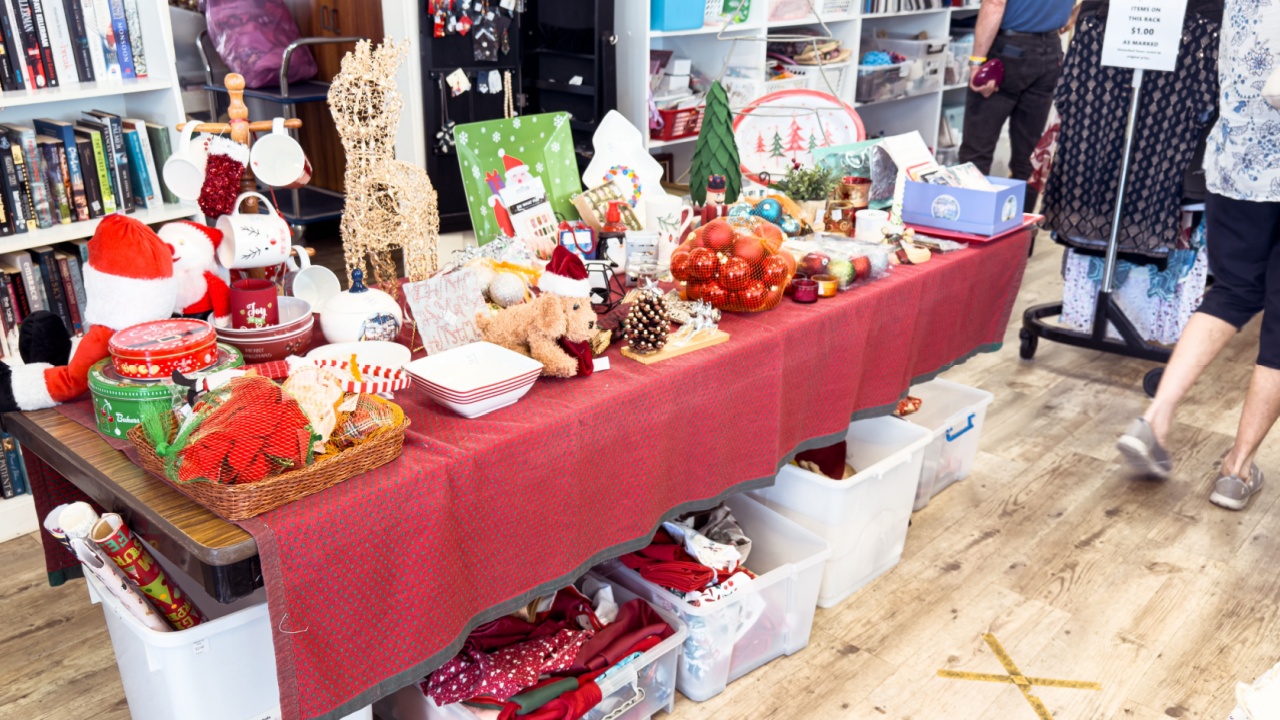
Image Credit: ruditirta / Shutterstock.
Ready to start the hunt? The best places to find vintage gems are often hiding in plain sight. Begin by exploring local antique shops, flea markets, and estate sales. You never know what you might uncover in a box of old decorations. Online marketplaces are also a great resource, but be sure to check seller ratings and ask for detailed photos to verify condition.
Looking to sell or simply hoping to appreciate the history you own, knowing the story behind these pieces adds another layer of magic to the holiday season.