
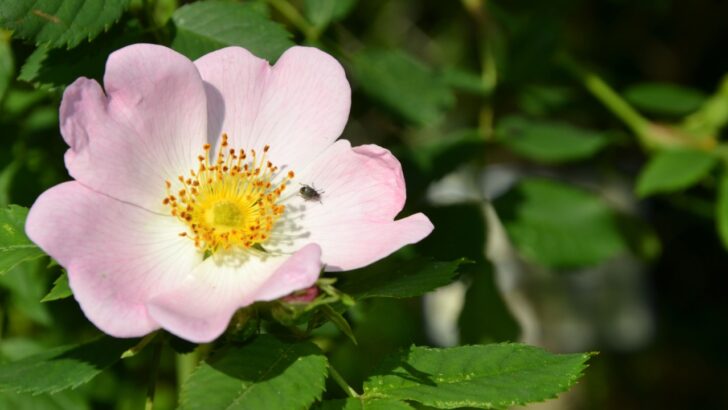
Nothing says romance, resilience, and habitat support like a wild rose—in fact, these carefree shrubs are nature’s way of adding lasting beauty and wildlife value to any space. Whether you’re seeking blossoms for pollinators, erosion control, or just an easy-breezy woodland hedge, wild roses deliver color, fragrance, and year-round structure. This list mixes beloved North American natives, a few global standouts, and some lesser-known gems—so you can customize your garden’s look and ecological impact.
Ready to bring your garden to life? Explore these wild roses, each with a short description, helpful details on height, grow zones, sun requirements, and quick care tips to help you succeed.
1. Nootka Rose (Rosa nutkana)
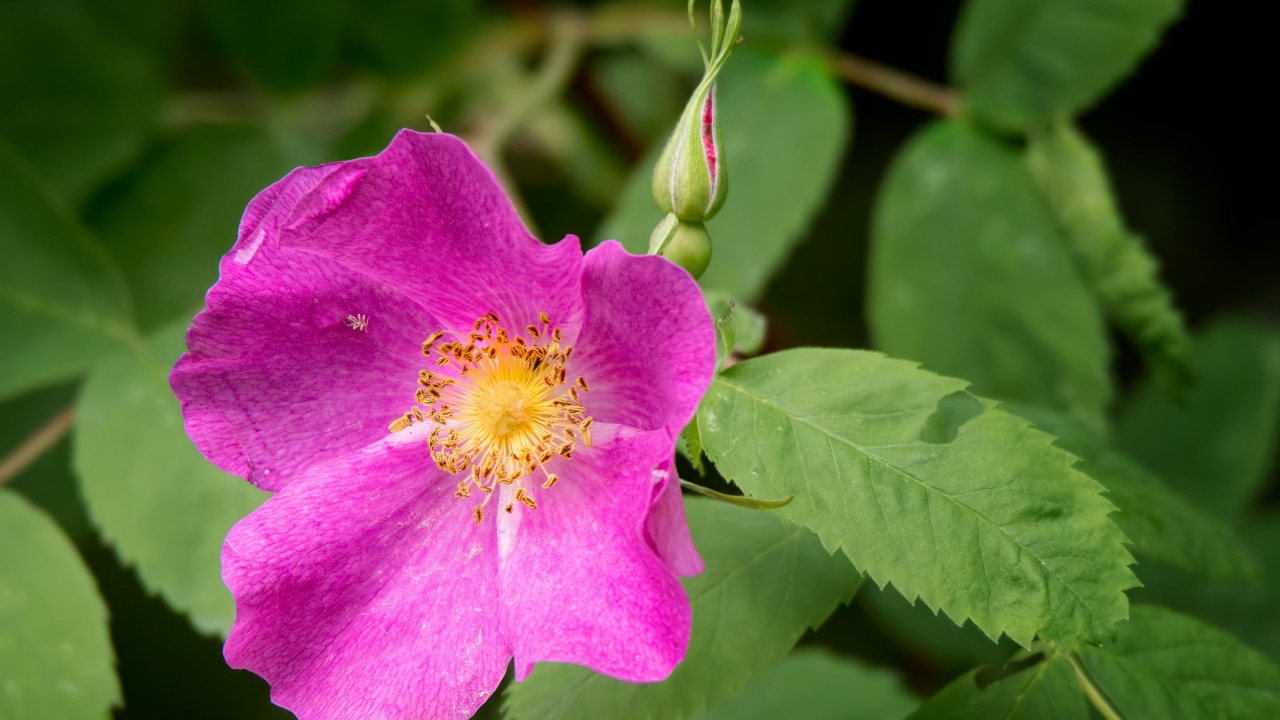
Image Credit: Shutterstock.
With large, mid-pink single blooms and brilliant red hips, Nootka Rose is a standout for woodland edges or naturalistic borders. The flowers are highly fragrant, drawing pollinators and nesting birds that benefit from the winter hips and dense thickets.
- Height: 5–10 feet
- Grow Zones: 3–10
- Sun: Full sun to partial shade
- Care Tips: Plant in moist to moderately dry soils with good drainage. It tolerates shade and rugged sites. Prune after flowering to maintain size, and leave hips for wildlife through winter.
Warning: This rose is considered invasive in a lot of North America. Check with your local extension office or choose a different rose on this list.
2. Smooth Rose (Rosa blanda)
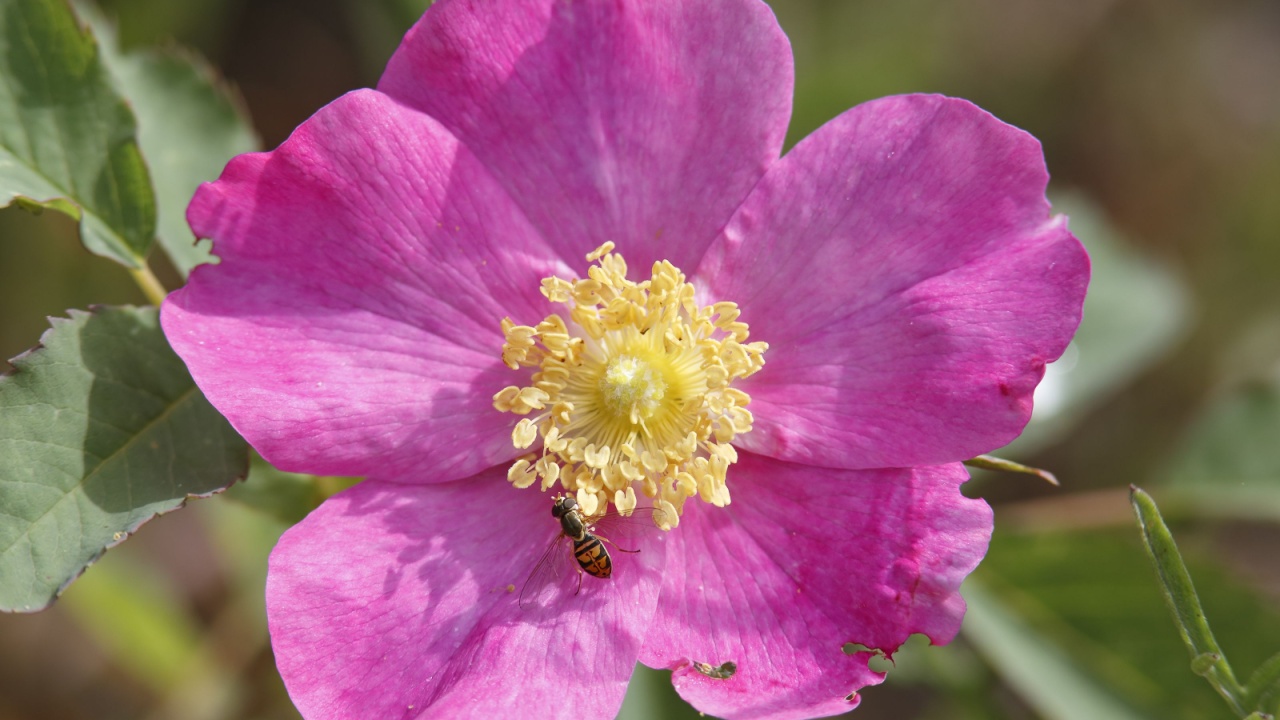
Image Credit: Shutterstock.
If you prefer a fuss-free rose, Smooth Rose offers delicate pink and white flowers and virtually thornless canes. Enjoy carefree summer blooms and a dense, low-growing shape ideal for pollinator patches and informal borders.
- Height: 3–5 feet
- Grow Zones: 3–7
- Sun: Full sun to partial shade
- Care Tips: Tolerates poor soils and some drought once established. Cut back suckers in late winter to encourage branching. Water well during establishment, but otherwise needs minimal care.
3. Dwarf Prairie Rose (Rosa arkansana var. suffulta)

Image Credit: Shutterstock.
This tough prairie perennial stays compact, with bright pink blooms and fiery autumn leaf color. A fantastic groundcover or wildflower lawn alternative that’s adored by butterflies and bees.
- Height: 1–2 feet
- Grow Zones: 4–7
- Sun: Full sun
- Care Tips: Plant in open, sunny sites. Tolerant of drought and poor soils. Mow or trim low in late winter to encourage bushy new growth.
4. Woods’ Rose (Rosa woodsii)
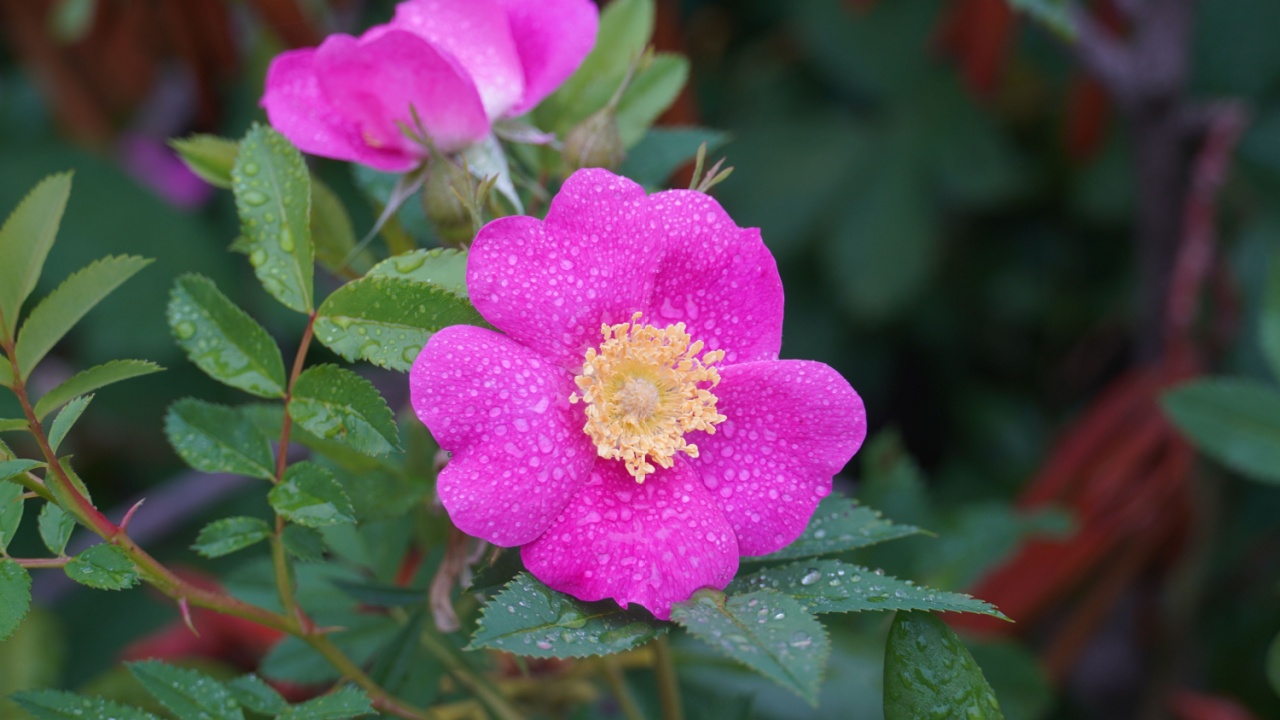
Image Credit: Shutterstock.
A rugged Western native, Woods’ Rose is prized for clusters of pink, lightly scented flowers and showy red hips. It creates valuable habitat for songbirds and pollinators and forms beautiful thickets.
- Height: 4–6 feet
- Grow Zones: 2–8
- Sun: Full sun to partial shade
- Care Tips: Thrives in challenging soils—from dry uplands to streambanks. Prune for shape after bloom. Its dense growth can be rejuvenated by occasionally cutting older stems to the ground.
5. Dog Rose (Rosa canina)
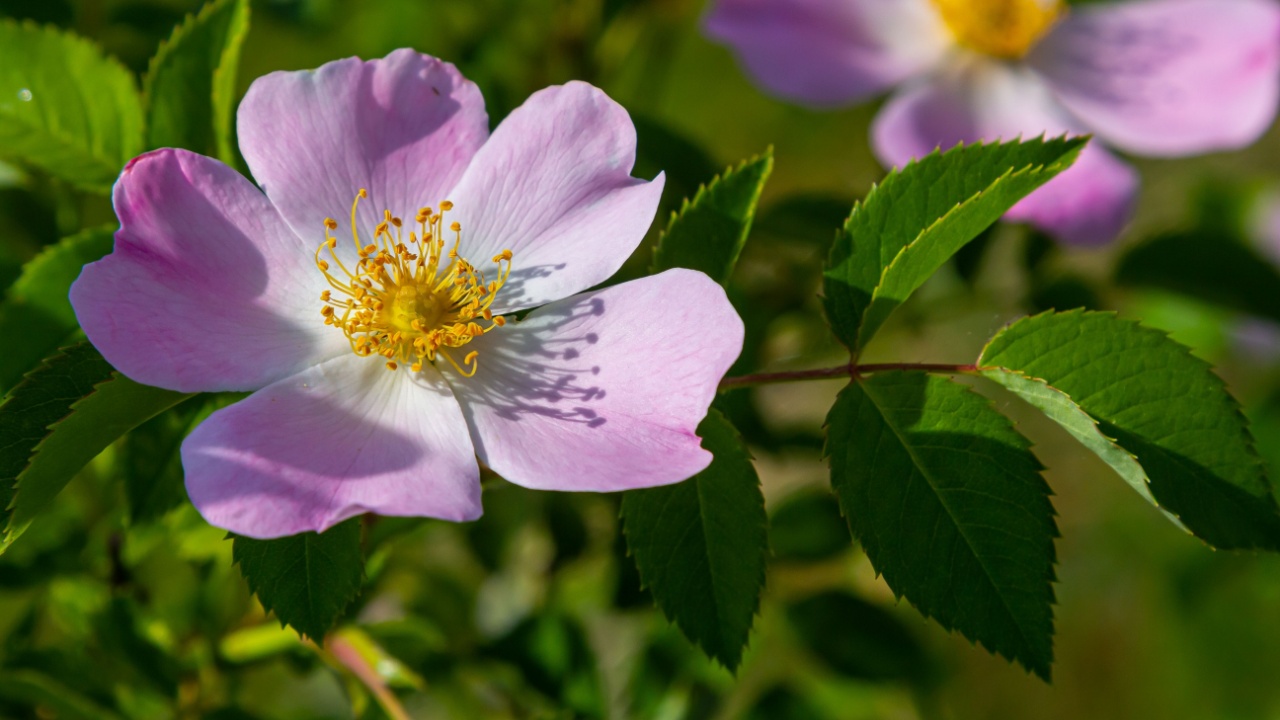
Image Credit: Shutterstock.
A robust European favorite, Dog Rose bursts with delicate, pale pink flowers in early summer on arching, prickly stems. Its vivid red hips are edible and loved by wildlife.
- Height: 6–13 feet
- Grow Zones: 4–9
- Sun: Full sun to partial shade
- Care Tips: Adapts to most soils; give it space to sprawl. Prune lightly after flowering. Its rambling habit makes it perfect for a wildlife or country garden hedge.
Warning: Considered invasive in parts of North America and New Zealand, consult your local extension office.
6. Arctic Rose (Rosa acicularis)
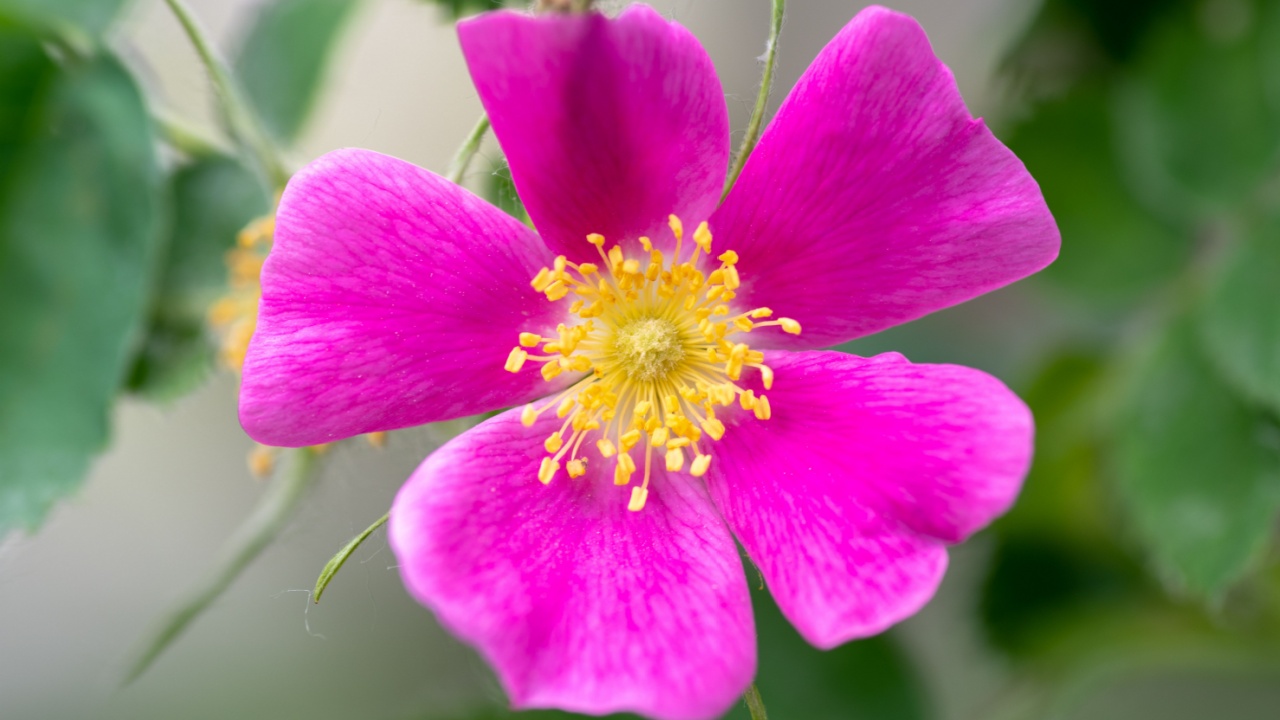
Image Credit: Shutterstock.
Also called the Prickly Wild Rose, Arctic Rose thrives in northern gardens, blooming pink amid frosty climates and producing vitamin-rich hips that birds relish during winter.
- Height: 3–7 feet
- Grow Zones: 2–9
- Sun: Full sun to partial shade
- Care Tips: Grows best in well-drained soil. Prune in early spring to liven up new growth. Leave hips intact through winter for local wildlife.
7. Prairie Rose (Rosa arkansana)
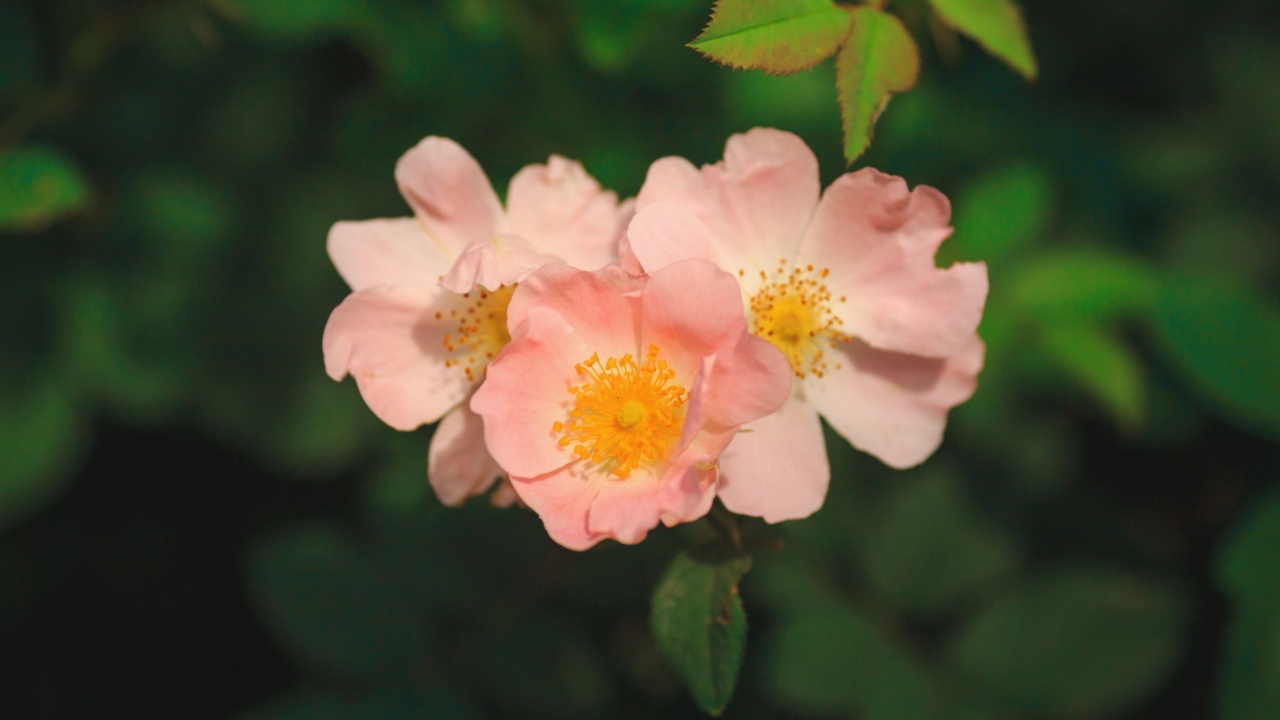
Image Credit: Shutterstock.
Native to the Midwest, Prairie Rose features bright pink flowers and impressive toughness, tolerating drought, wind, and poor soil. Its roots grip soil tightly, stabilizing prairie landscapes.
- Height: 2–4 feet
- Grow Zones: 4–7
- Sun: Full sun
- Care Tips: Plant in open, sunny areas, providing space to spread. Cut old stems back after the season for best bloom next year.
8. Climbing Prairie Rose (Rosa setigera)
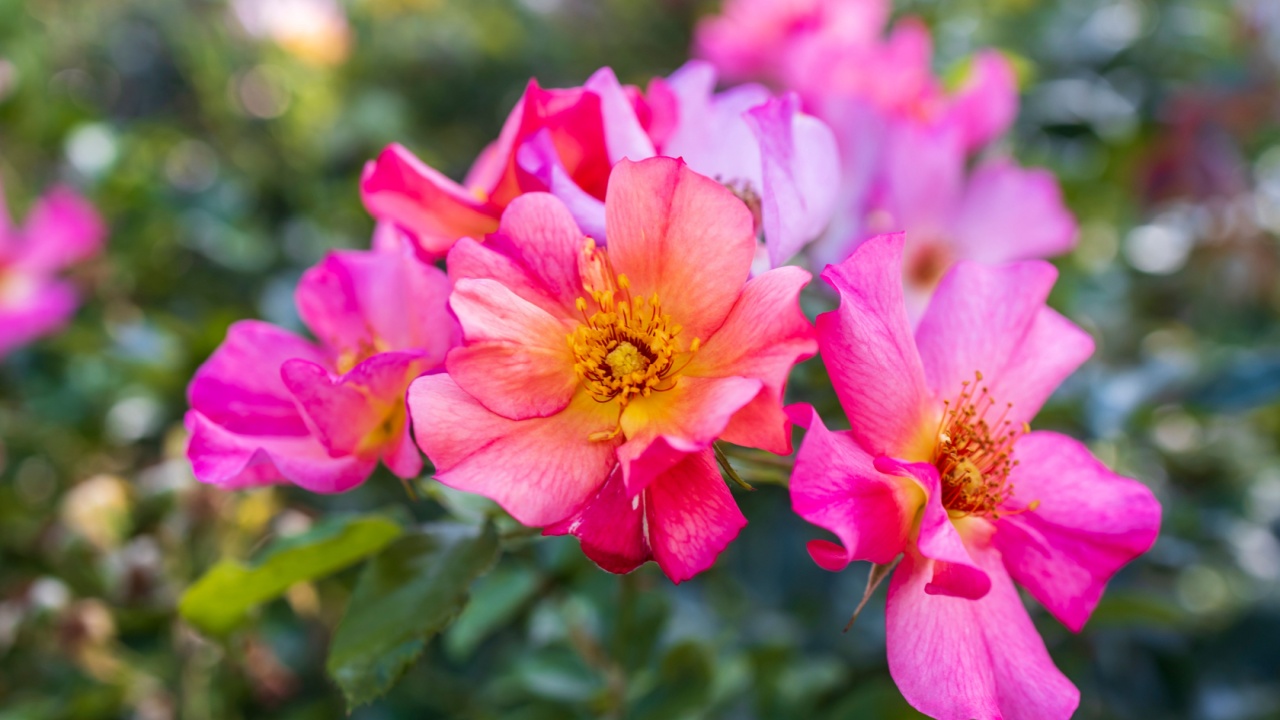
Image Credit: Shutterstock.
North America’s native climbing rose, Climbing Prairie Rose sends up arching canes laden with clusters of soft pink blooms and bold orange-red hips enjoyed by birds.
- Height: 4–15 feet
- Grow Zones: 3–9
- Sun: Full sun to partial shade
- Care Tips: Train along trellises, fences, or let sprawl across ground. Prune to manage shape and size just after flowering.
9. Carolina Rose (Rosa carolina)

Image Credit: Shutterstock.
Ideal for sunny meadows or woodland edges, Carolina Rose has fragrant, luminous pink blossoms and dense, bushy growth that offers food and habitat to birds and beneficial insects.
- Height: 2–5 feet
- Grow Zones: 3–8
- Sun: Full sun to partial shade
- Care Tips: Water regularly in the first year. Drought-tolerant once established. Remove older canes to tidy up and rejuvenate plants.
10. Swamp Rose (Rosa palustris)
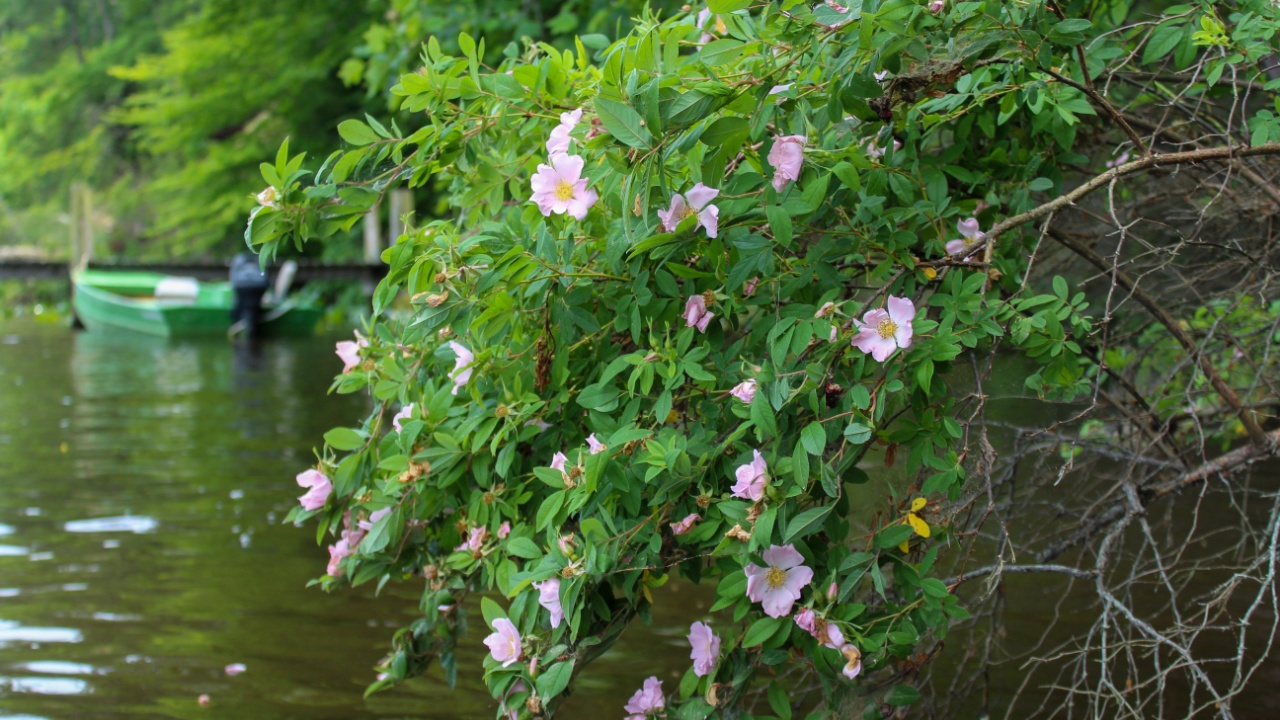
Image Credit: Shutterstock.
A natural fit for boggy soils or pond edges, Swamp Rose shines with ballerina-pink flowers and generous clusters of round hips. It’s tolerant of both flooding and sandy ground.
- Height: 3–6 feet
- Grow Zones: 2–9
- Sun: Full sun to partial shade
- Care Tips: Loves rich, moist soils but tolerates clay and sand. Thin dense colonies routinely to improve air circulation.
11. European Burnet Rose (Rosa spinosissima)
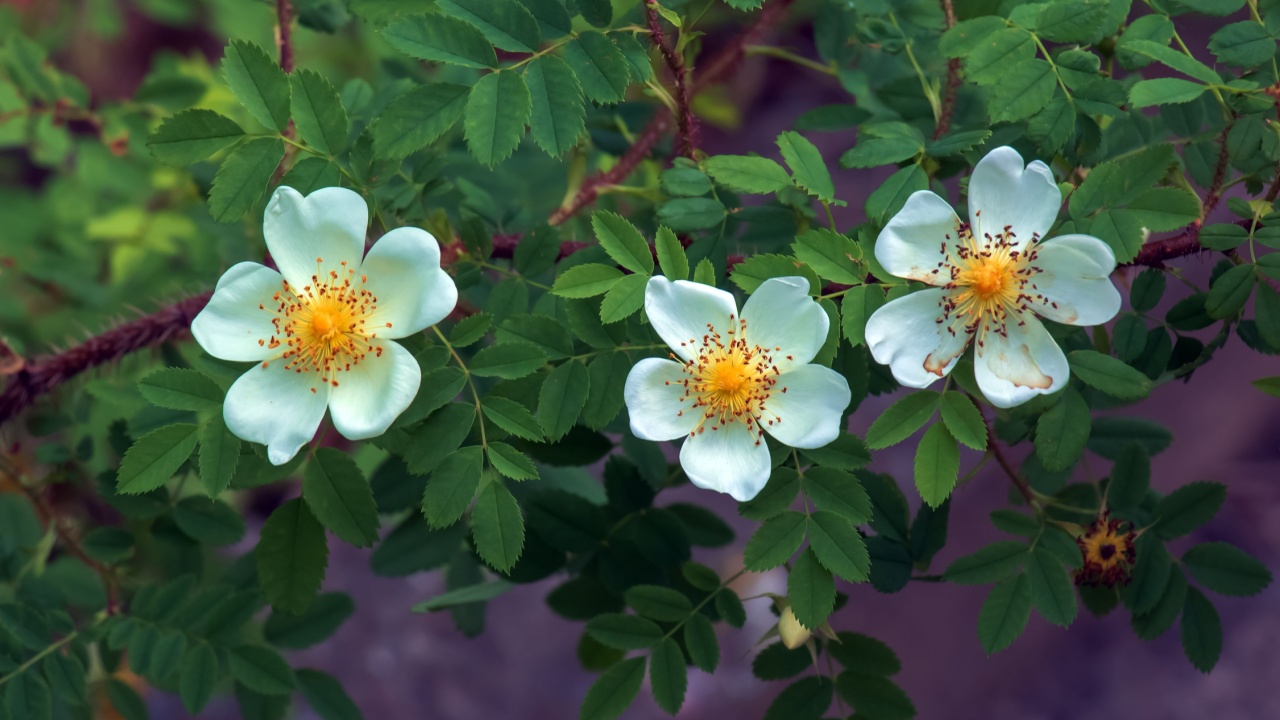
Image Credit: Shutterstock.
A compact, resilient species cloaked in creamy white flowers and bristly prickles. Its small, purple-black hips add fall and winter interest.
- Height: 2–5 feet
- Grow Zones: 3–7
- Sun: Full sun to partial shade
- Care Tips: Fits well in sandy or rocky soils, including coastal sites. Minimal pruning needed—remove dead or overly crowded wood.
12. California Wild Rose (Rosa californica)
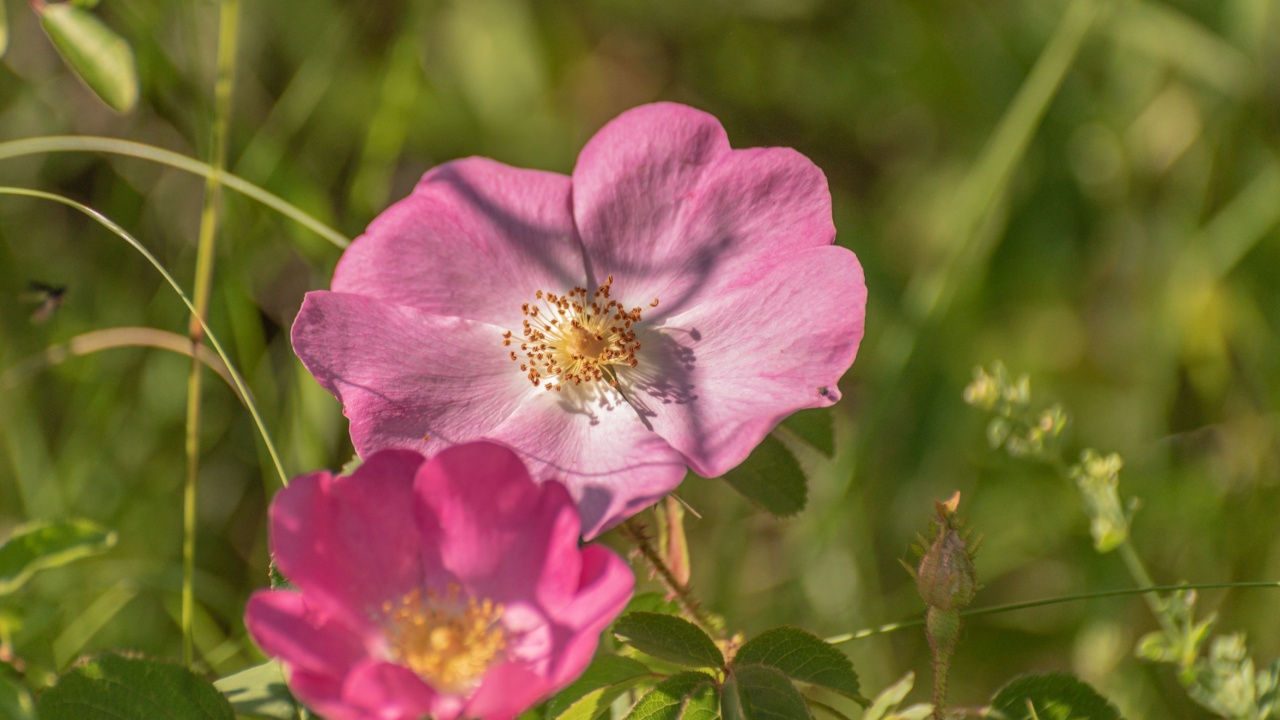
Image Credit: Shutterstock.
Pacific Coast charm in shrub form, California Wild Rose gives pink blooms in late spring and summer and features almost evergreen leaves in mild climates.
- Height: 6–10 feet
- Grow Zones: 6–9
- Sun: Full sun to partial shade
- Care Tips: Thrives in both wet and dry soils. Prune in winter for size control. Its dense, thorny growth is a gift for nesting wildlife.
13. Small-Leafed Rose (Rosa minutifolia)
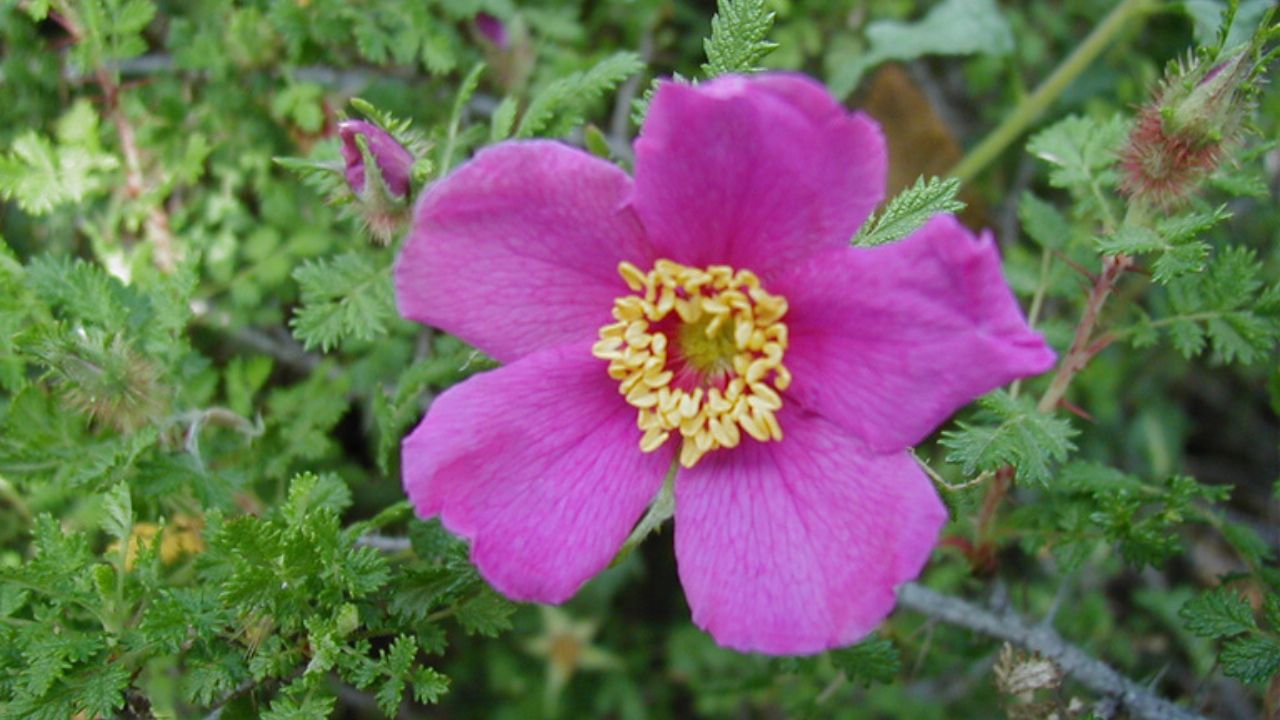
Image Credit: Charles E. Jones – CC BY-SA 2.5/Wiki Commons.
A treasure for hot, dry areas, this rare miniature rose sports tiny leaves and pale pink, fragrant flowers. Its compact shape is perfect for tucking into rock gardens.
- Height: 1–3 feet
- Grow Zones: 9–11
- Sun: Full sun
- Care Tips: Needs excellent drainage and protection from overwatering. Mulch to retain moisture in especially arid settings.
14. Buffalo Rose (Rosa setigera ‘Buffalo’)
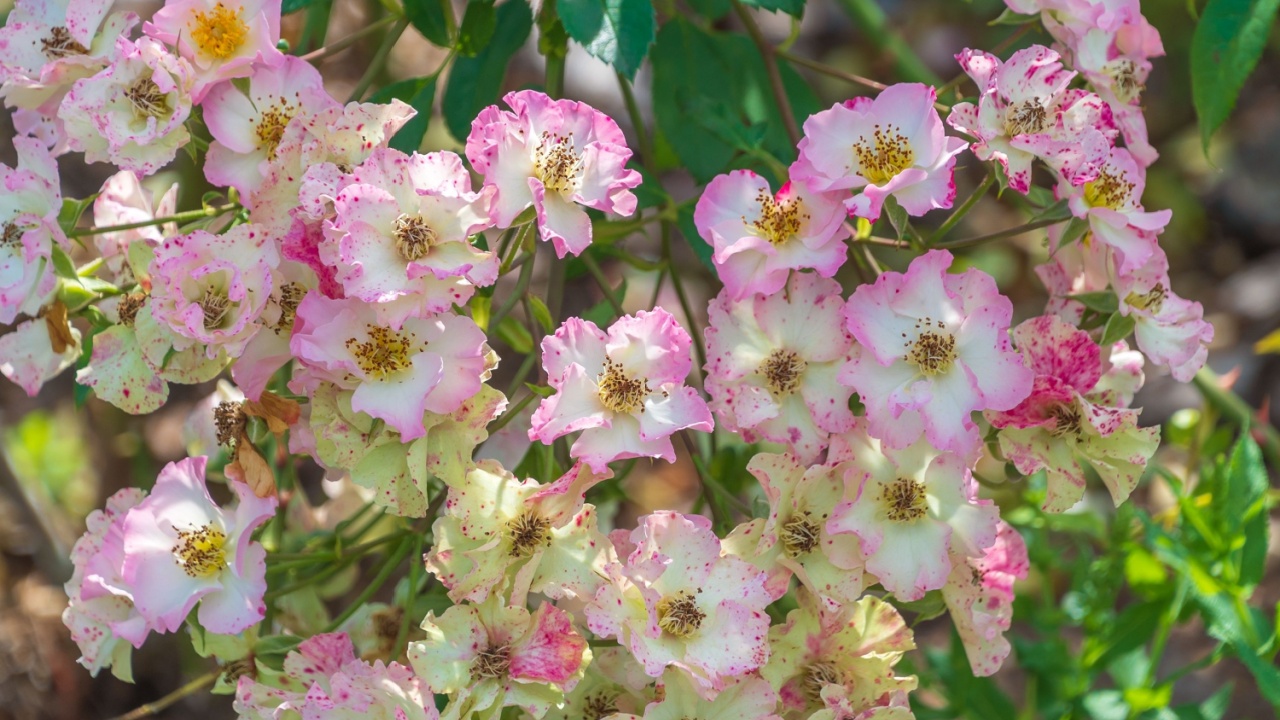
Image Credit: Shutterstock.
A cultivated American selection, Buffalo Rose features fragrant, deep pink blooms and natural mounding growth, ideal for smaller gardens or restoration sites.
- Height: 3–6 feet
- Grow Zones: 4–8
- Sun: Full sun
- Care Tips: Lightly trim after blooming to shape and promote more flowers. Prefers regular soil; excessive moisture can hinder performance.
15. White Prairie Rose (Rosa foliolosa)
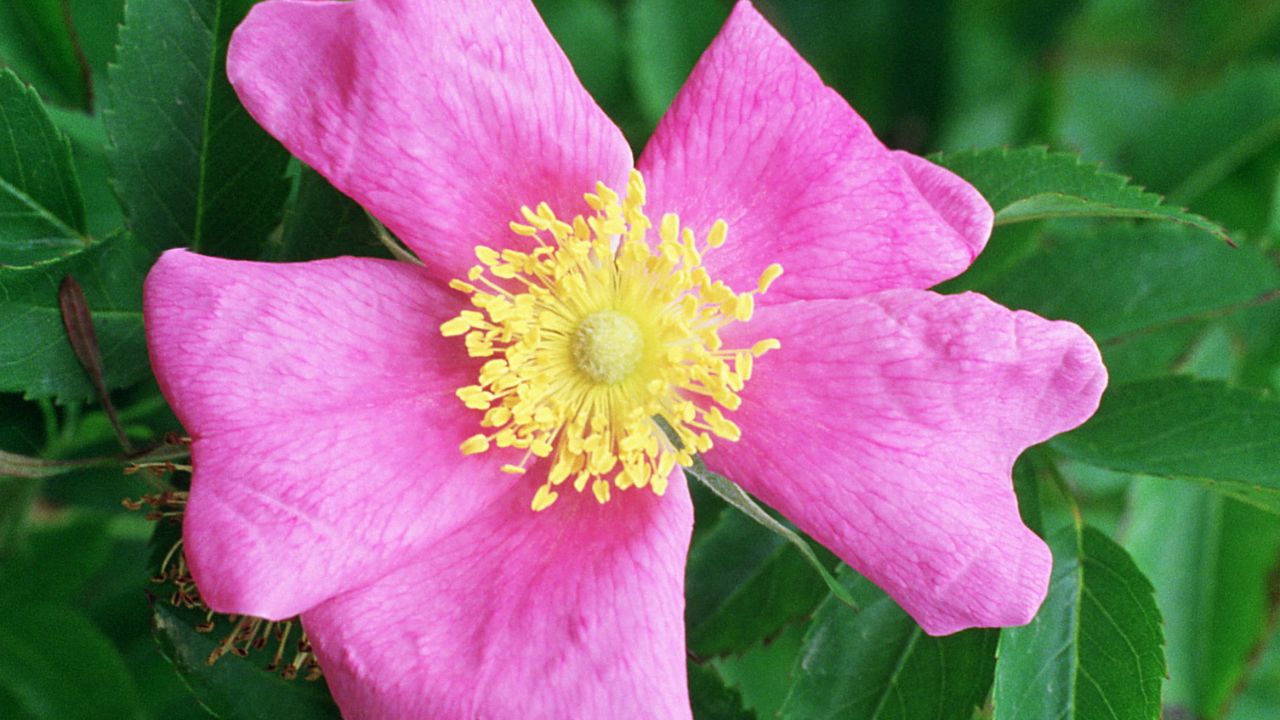
Image Credit: A. Barra – Own work – CC BY-SA 3.0/Wiki Commons.
This Southern native produces dainty white flowers with blush centers on a compact, leafy plant. Its nearly thornless stems make it easy to manage in borders.
- Height: 6–12 inches
- Grow Zones: 7–9
- Sun: Full sun to partial shade
- Care Tips: Adaptable to sandy or clay soils. Water young plants deeply; established plants need little irrigation.
16. Ninebark Rose (Rosa multiflora)

Image Credit: Shutterstock.
Often used for erosion control, Ninebark Rose is vigorous, with arching canes and airy clusters of white or pale pink blooms. Orange hips provide autumn color.
- Height: 6–15 feet
- Grow Zones: 5–8
- Sun: Full sun to partial shade
- Care Tips: Prune back hard in late winter to control spread—this one’s a fast grower! Keep an eye out to avoid invasiveness in sensitive areas.
17. Rugosa Rose (Rosa rugosa)
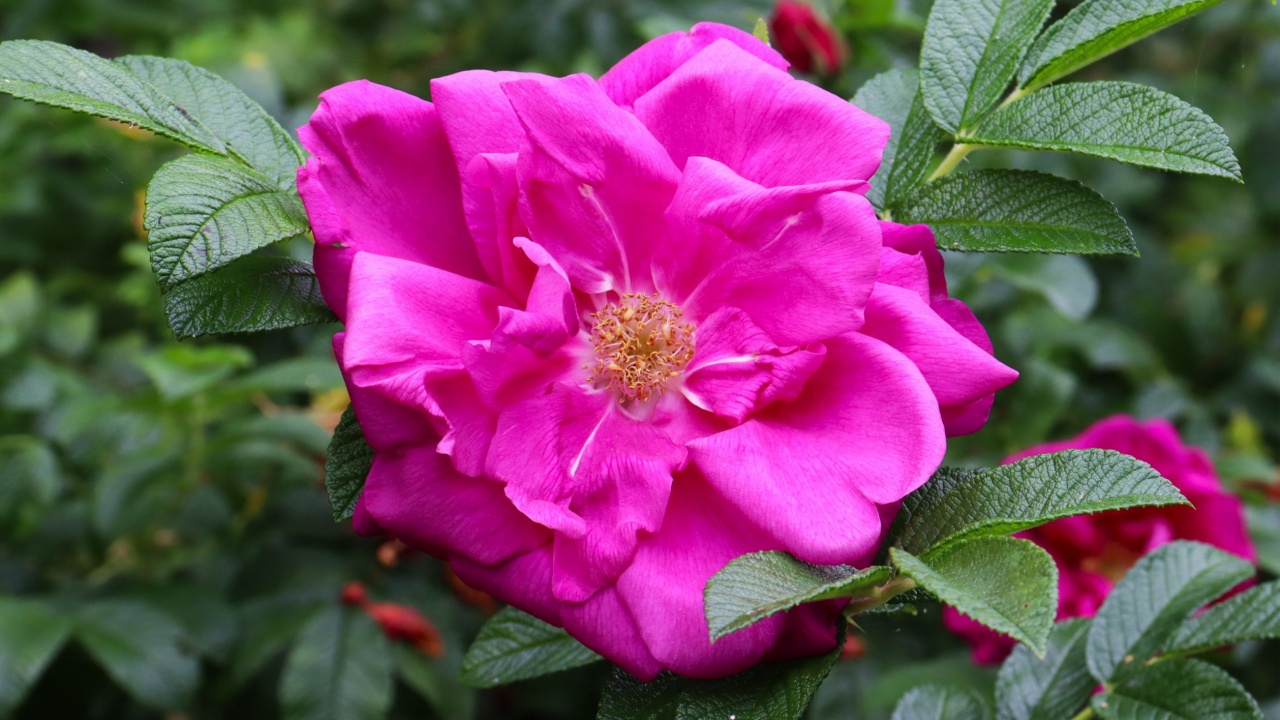
Image Credit: Shutterstock.
Celebrated for resilience, Rugosa Rose is salt- and wind-resistant with wrinkled, glossy foliage and heavily-scented purple-pink flowers. Large, vitamin-rich hips draw birds and offer jelly potential.
- Height: 4–8 feet
- Grow Zones: 2–7
- Sun: Full sun
- Care Tips: Plant in sandy or poor soils and coastal gardens. Remove suckers for a neater appearance and prune old wood in spring for best blooms.
Warning: Monitor suckers to prevent invasive spreading.
18. Shining Rose (Rosa nitida)
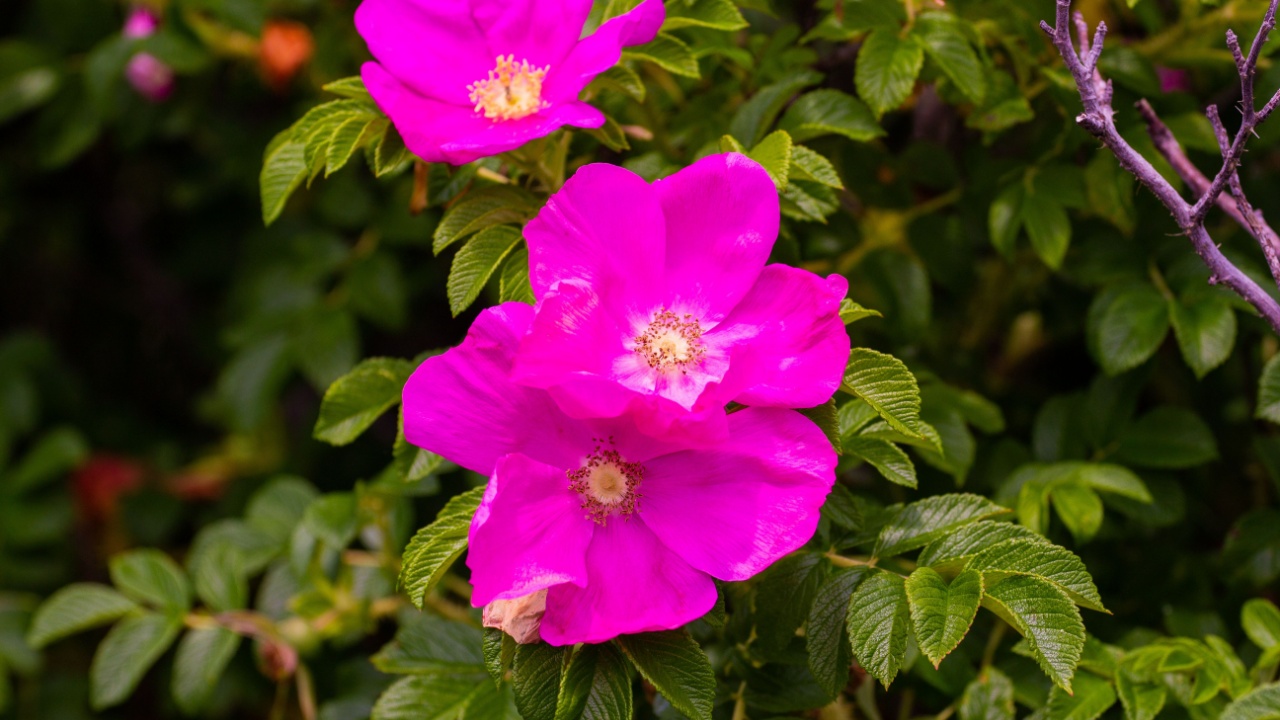
Image Credit: Shutterstock.
A native to the Northeast, Shining Rose stands out with magenta blooms and highly glossy, bristly leaves. Fantastic fall foliage and deer resistance make it an outstanding groundcover.
- Height: 2–3 feet
- Grow Zones: 4–7
- Sun: Full sun to partial shade
- Care Tips: Performs best in cool, moist, acidic soils. Mulch to conserve soil moisture and feed with compost once yearly.
19. Shagbark Rose (Rosa pisocarpa)
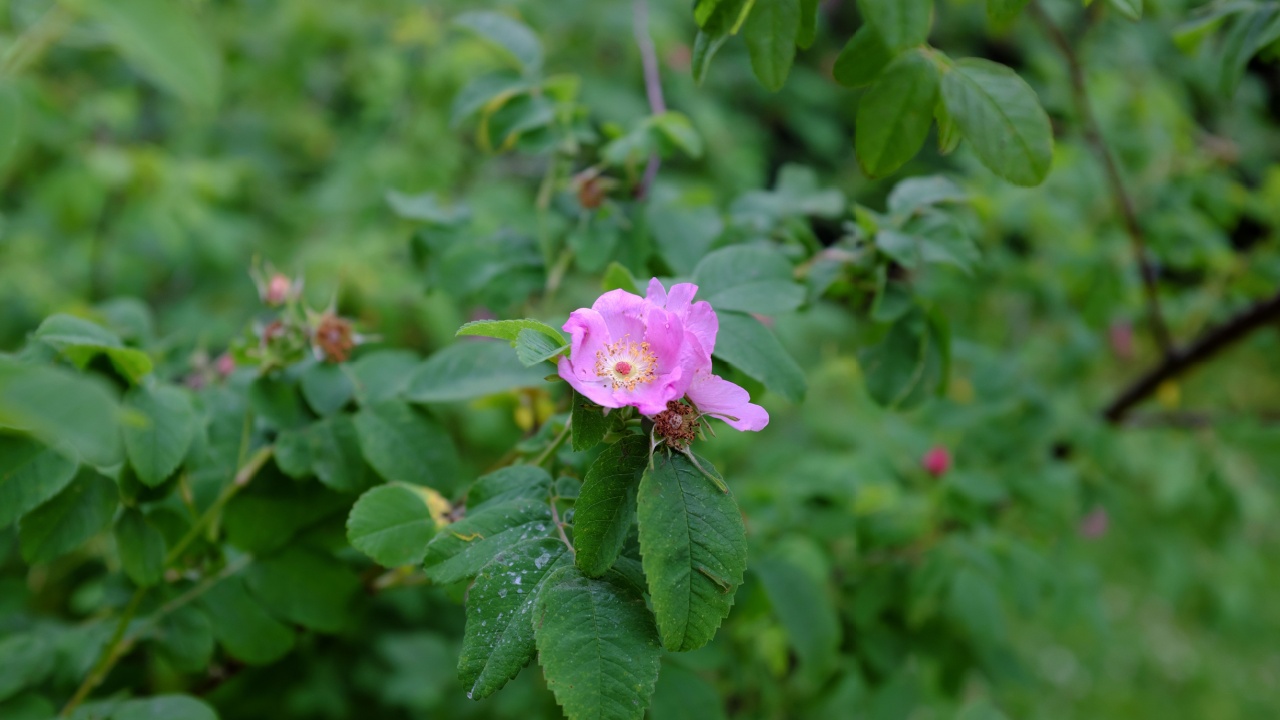
Image Credit: Shutterstock.
Perfect for streambanks or damp garden corners, Shagbark Rose has pink blossoms, orange leaves in fall, and unique shaggy bark.
- Height: 4–8 feet
- Grow Zones: 5–9
- Sun: Full sun to partial shade
- Care Tips: Thrives in wet ground, tolerating some summer dryness. Prune the oldest stems to ground level every few years for vigor.
20. Virginia Rose (Rosa virginiana)
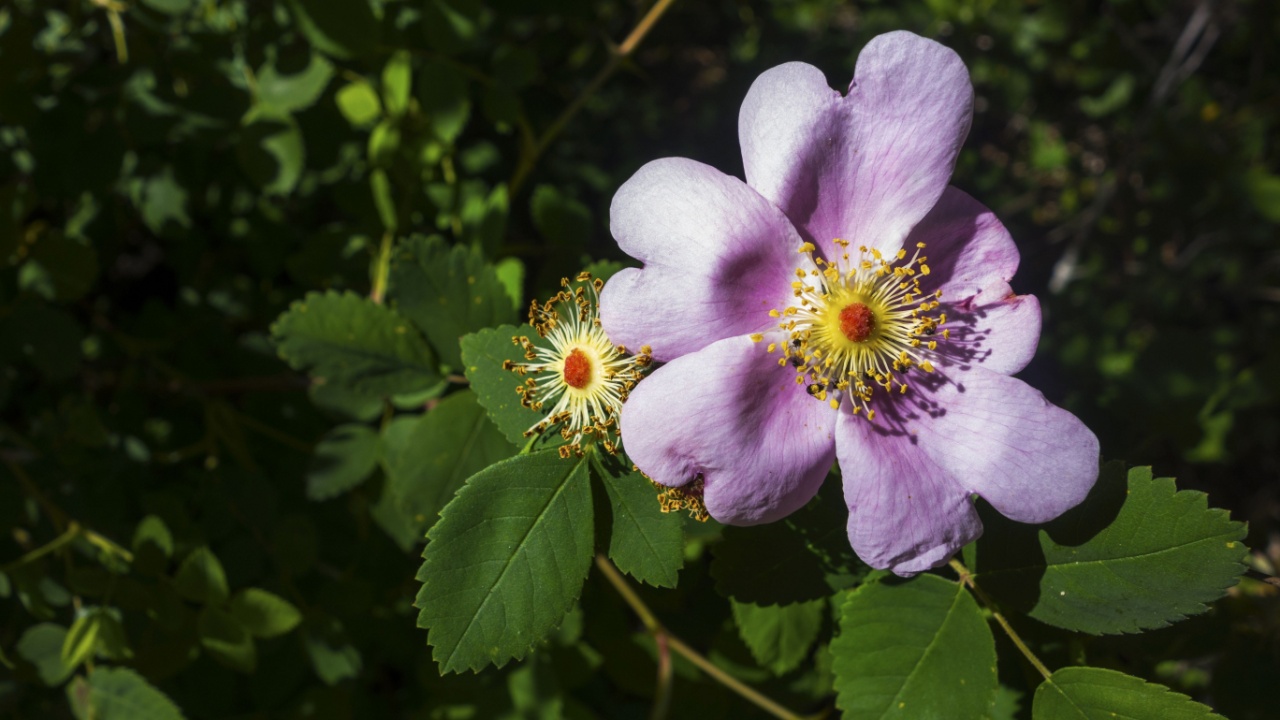
Image Credit: Shutterstock.
This upright, robust native lights up gardens with vibrant pink flowers and bold autumn color. Persistent hips provide winter food for birds.
- Height: 5–8 feet
- Grow Zones: 3–8
- Sun: Full sun to partial shade
- Care Tips: Loves fertile, evenly moist soils. Prune out old or weak canes in early spring to stimulate fresh bloom.
Add Some Natural Beauty
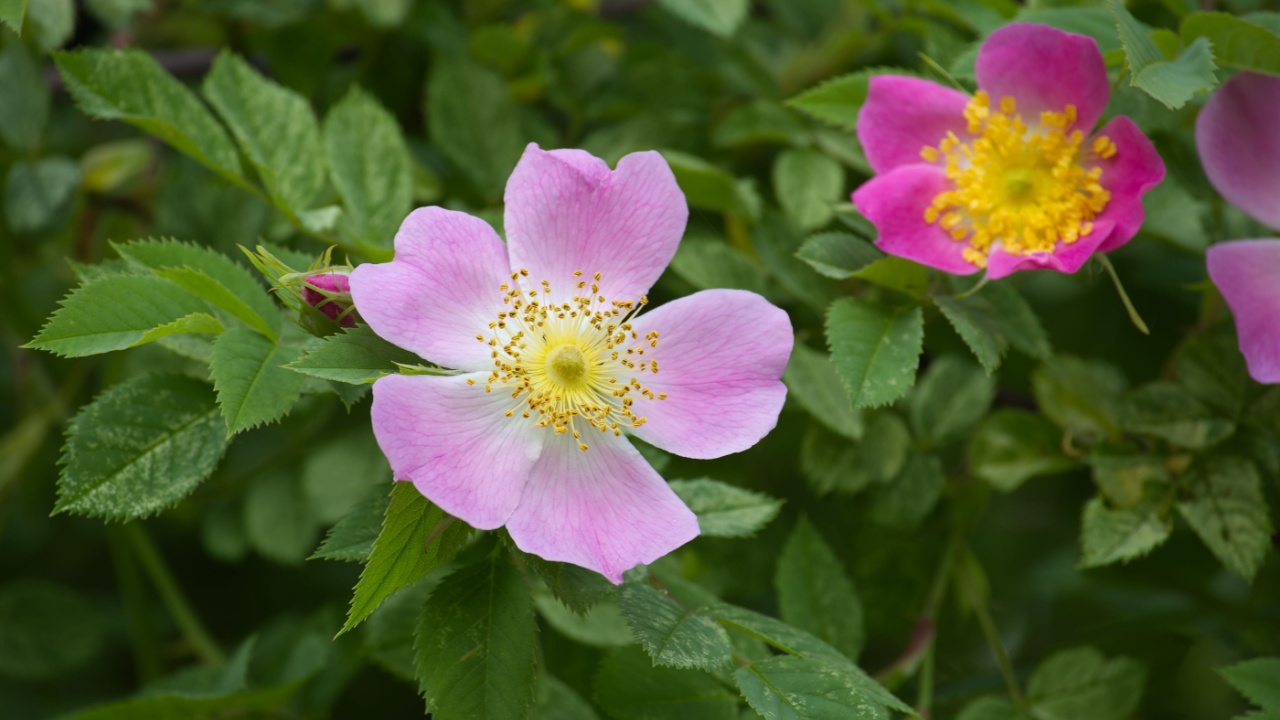
Image Credit: Shutterstock.
Wild roses are some of the toughest, most adaptable, and rewarding shrubs for gardeners seeking both beauty and biodiversity. Nurturing your roses can bring your garden beauty to the next level.
Whatever your climate or garden size, there’s a wild rose ready to lend color, fragrance, and habitat—so bring these wonderful natives home and let your garden thrive naturally!