
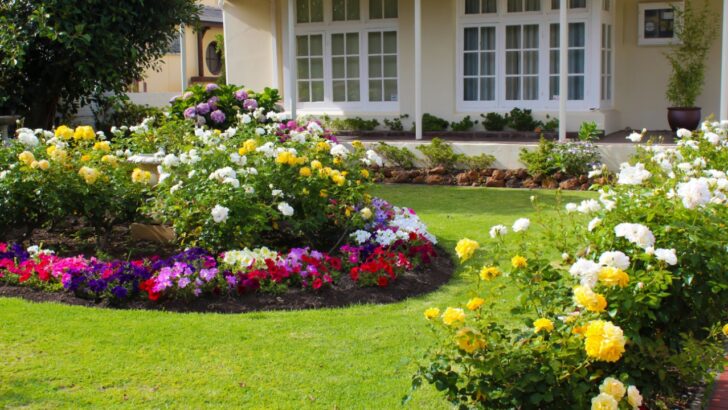
Keeping your flower beds neat and grass-free can feel like a losing battle, but the right garden edging makes a world of difference. Edge barriers create clean divides between lawn and flower beds while preventing grass roots from creeping into your carefully tended blooms.
With these 16 types of edging options, you’ll find creative, functional, and stylish ways to keep your garden looking its best.
Asking the Experts
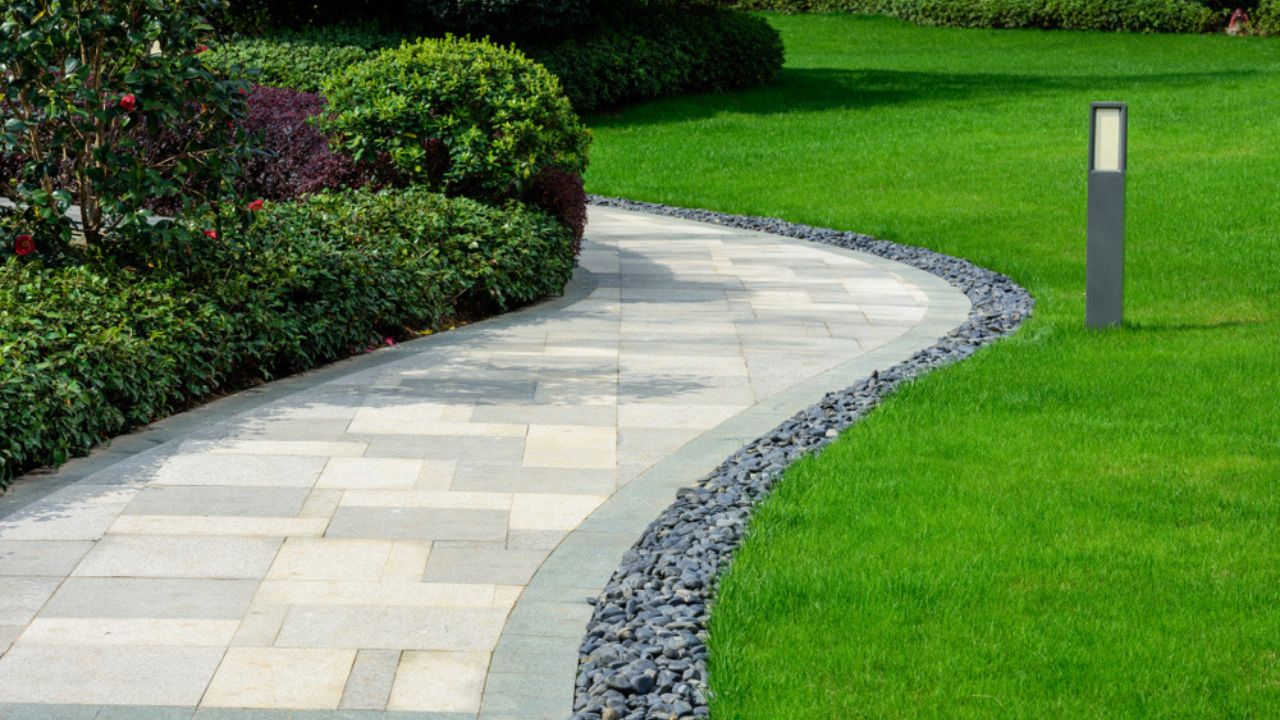
Image Credit: Shutterstock.
To ensure our recommendations were grounded in reliable, practical advice, we consulted expert gardening resources that specialize in lawn and landscape care. We reviewed tips and product comparisons from site’s like Eufy’s Lawn Care Blog and Live to Plant, both of which offer detailed insights into effective edging techniques and materials.
Their expertise, plus our own experience as gardeners, helped guide our selection of edging options that not only stop grass from invading flower beds but also enhance the overall appearance and longevity of your garden design.
1. Brick Edging
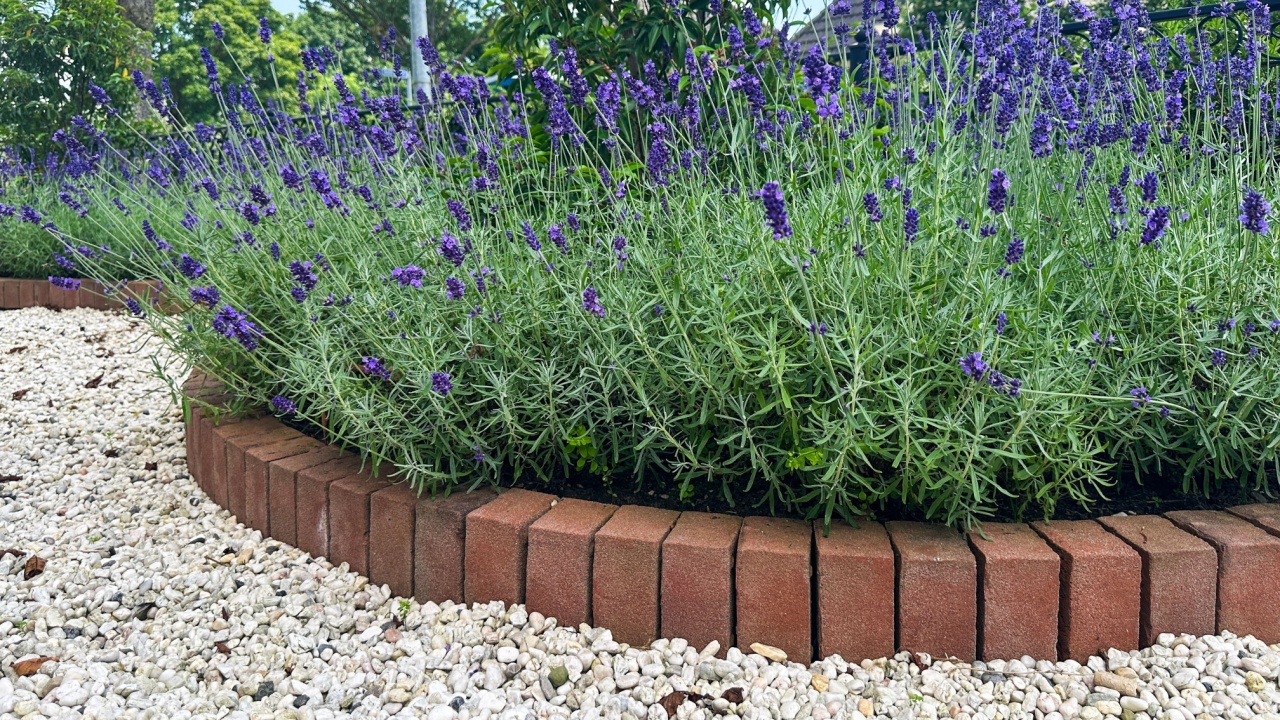
Image Credit: Shutterstock.
Brick edging is a timeless option that adds both durability and aesthetic appeal to your garden. The heavy weight of bricks creates a reliable barrier against grass roots moving into your flower beds.
The earthy red tones of bricks complement virtually any garden style, and the material’s strength ensures minimal maintenance over the years. You can align them in a neat row or create a decorative pattern, depending on your preference.
Pro Tip: Lay bricks securely with a sand or mortar base to prevent shifting over time.
2. Stone Edging
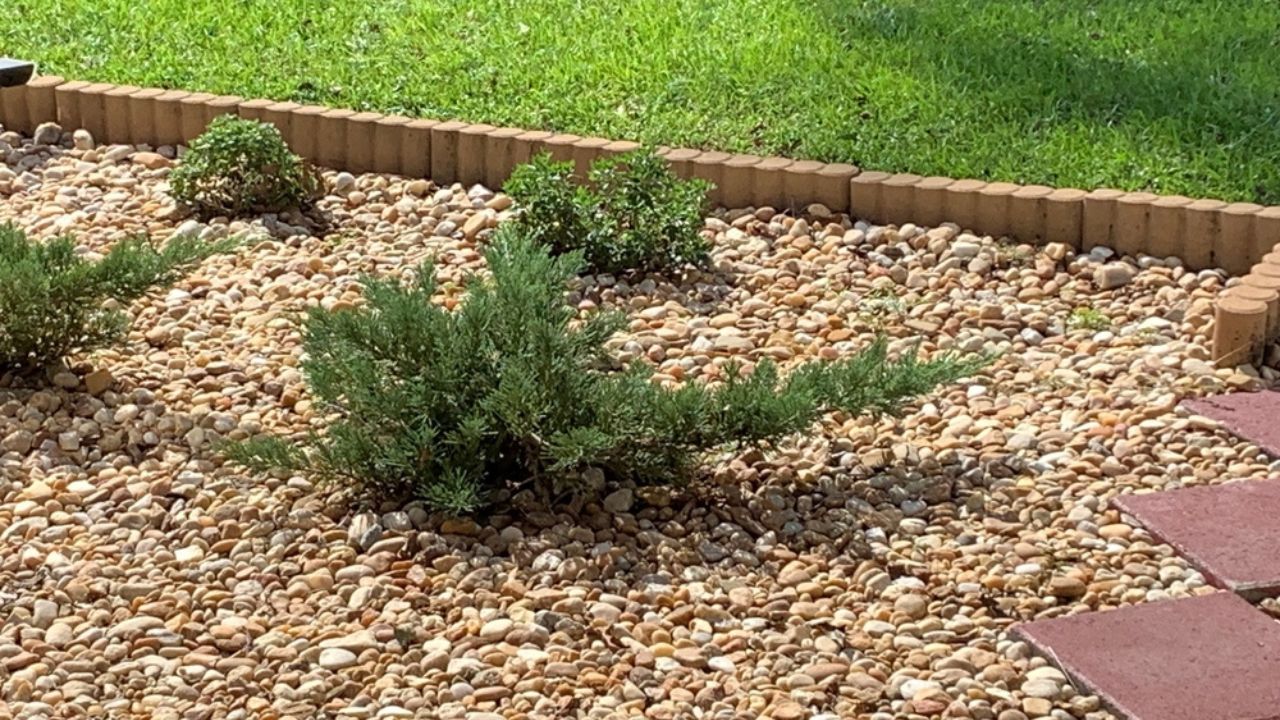
Image Credit: Shutterstock.
For a rustic, natural look, stone edging is a popular choice. Stones can be laid in a straight line or stacked to create a raised border that effectively blocks grass growth.
Using locally sourced stones is eco-friendly and reduces costs, while also tying your garden design to the surrounding landscape. The irregular shapes and textures of stone make this edging unique—no two designs will look alike.
Tip: Choose flat rocks for a more uniform appearance and easier installation.
3. Plastic Edging
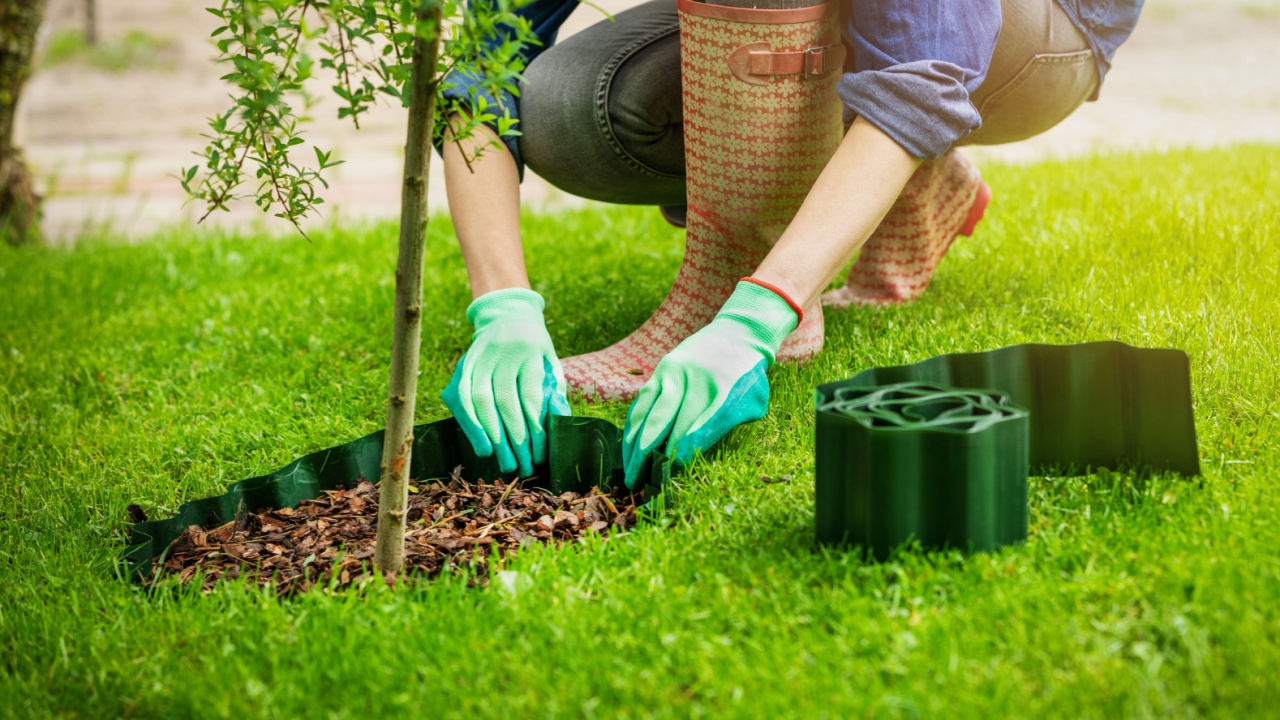
Image Credit: Shutterstock.
Plastic garden edging provides an affordable, lightweight, and flexible option for shaping flower beds. It’s especially useful for curved garden designs due to its pliable nature.
Plastic edging creates a physical barrier that’s low profile, letting your plants remain the focus. Its weather-resistant properties make it easy to maintain, and installation is as simple as staking the material into the soil.
Pro Tip: Anchor the edging securely to prevent it from lifting or shifting over time.
4. Metal Edging
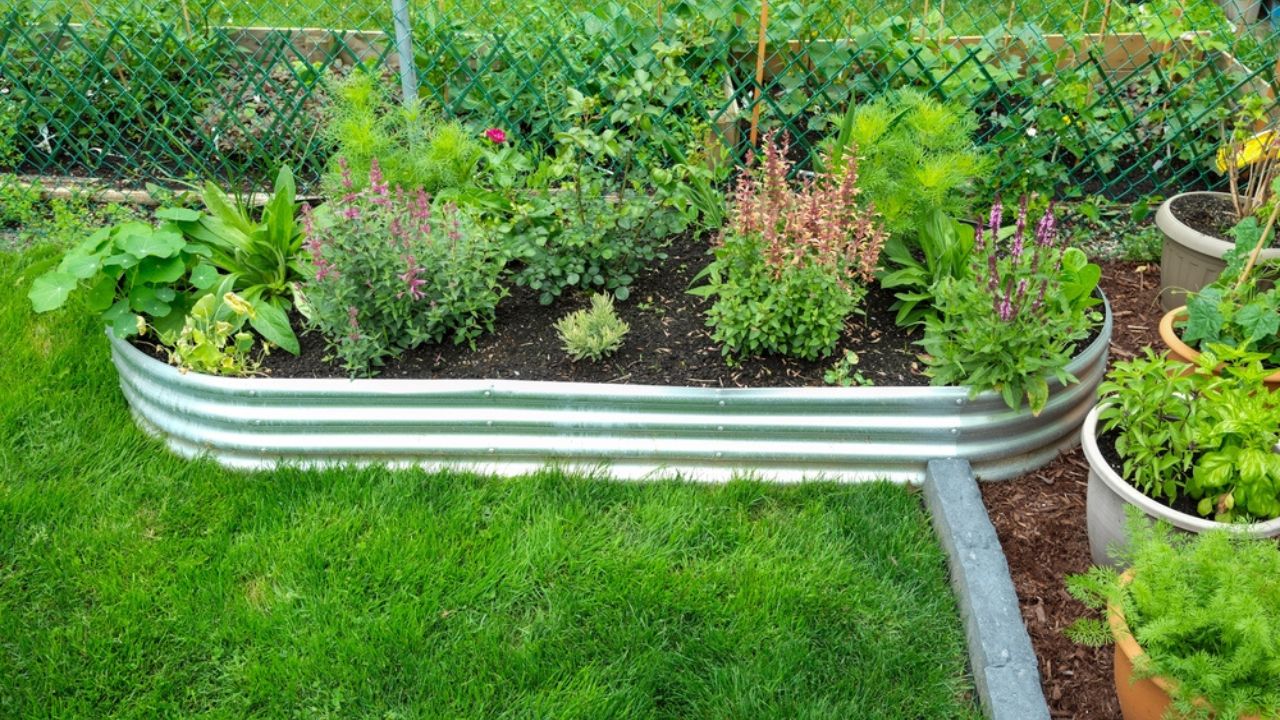
Image Credit: Shutterstock.
Metal edging, whether steel or aluminum, offers sleek, modern lines for a clean and polished appearance. Metal strips effectively prevent grass creep by being firmly anchored into the ground.
This durable option withstands weather and is less likely to warp or crack compared to other materials. It suits contemporary and minimalist garden designs perfectly.
Tip: Choose rust-resistant finishes to maintain the metal’s sleek look over the years.
5. Concrete Edging
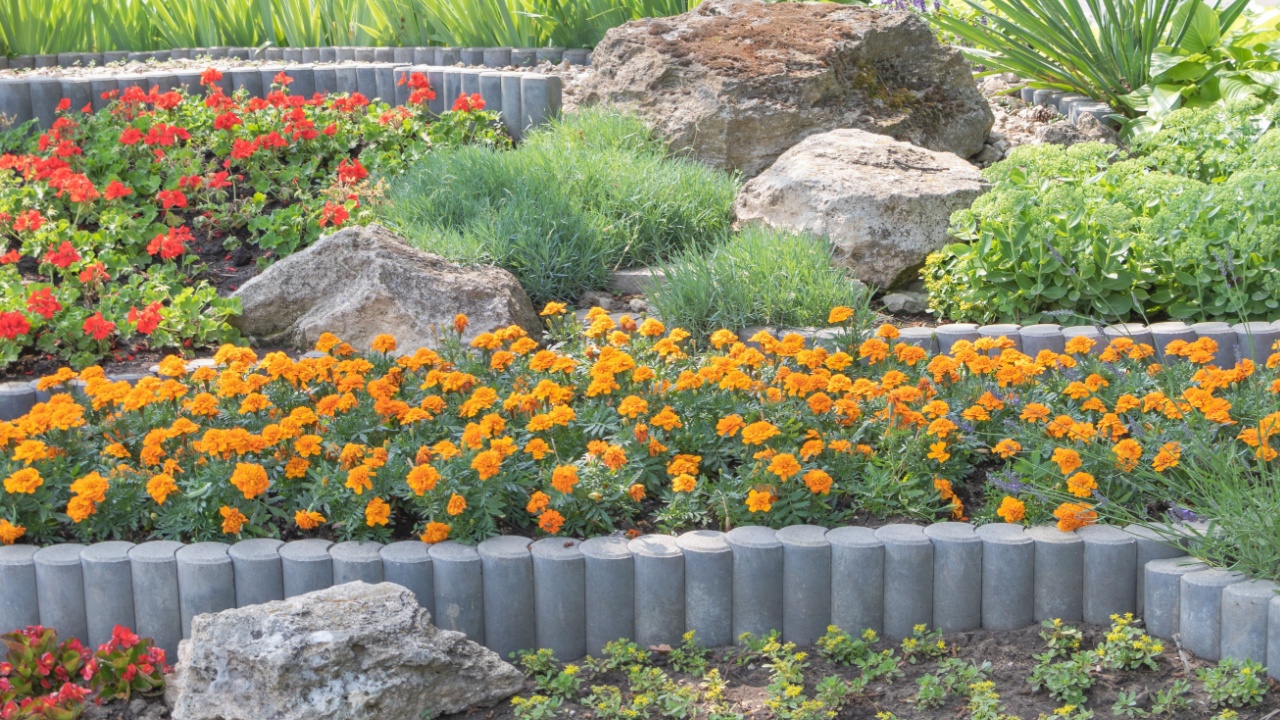
Image Credit: Shutterstock.
Concrete edging is one of the most robust barriers you can install to keep grass out. It offers longevity and can be custom-molded into virtually any shape to suit your garden’s design.
For added flair, concrete can be stained, stamped, or painted to complement the surrounding flower beds. Its weight firmly anchors it in the soil, ensuring grass roots cannot penetrate.
Tip: Use concrete edging to define garden pathways as well as flower beds.
6. Wooden Edging
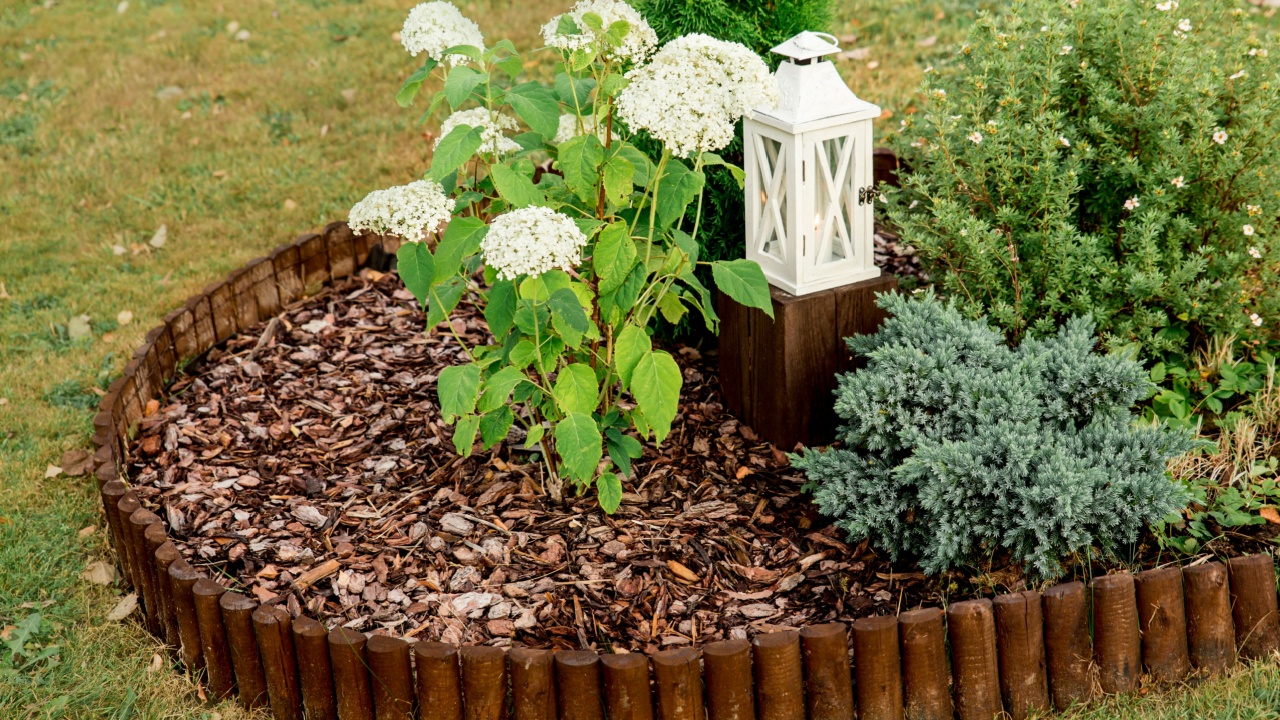
Image Credit: Shutterstock.
For a classic and natural touch, wooden edging remains a favorite. Treated wood, such as cedar or redwood, resists decay and pests, making it a lasting choice.
Wooden planks or logs create an earthy border that blends seamlessly with plantings, while their thickness helps deter grass creep. It’s a versatile option that fits casual, cottage-style gardens as well as more formal landscapes.
Tip: Treat the wood for longevity and maintain its natural look by applying a protective sealant.
7. Bamboo Edging
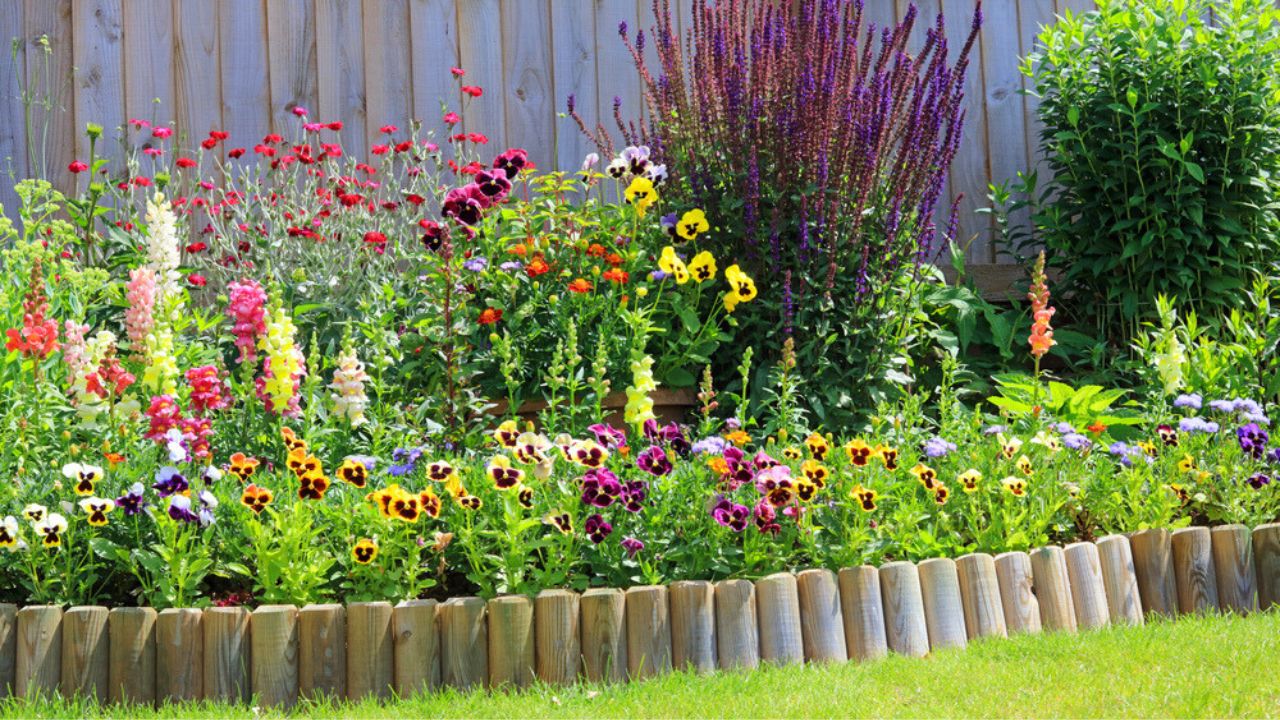
Image Credit: Shutterstock.
Bamboo edging brings an exotic flair to your garden while serving as a lightweight and durable barrier against grass roots. It’s ideal for gardens inspired by Japanese or tropical aesthetics.
Bamboo rolls or segments are easy to install by simply pegging them into the ground. They’re biodegradable and environmentally friendly, making them a sustainable choice.
Tip: Use shorter bamboo stakes for curved garden designs or higher segments for dramatic effects.
Note: This option is visually appealing and eco-friendly, but effectiveness varies depending on soil contact and durability.
8. Rubber Edging
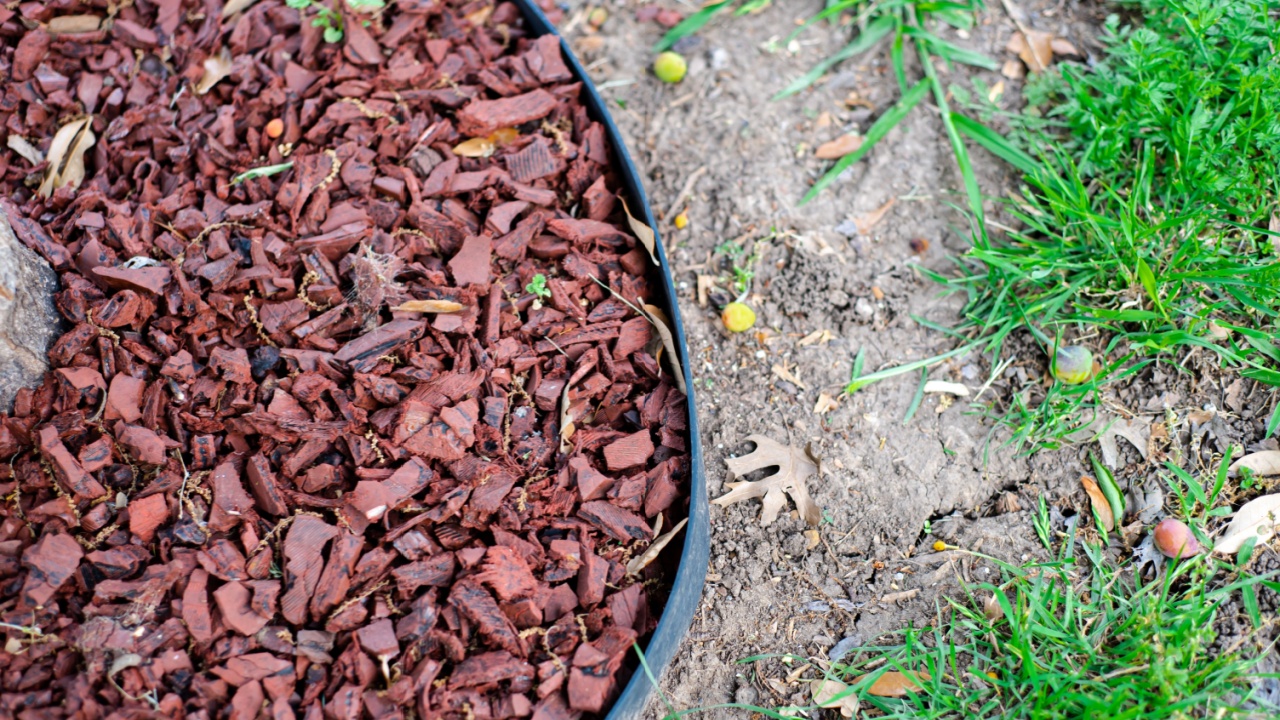
Image Credit: Shutterstock.
Rubber edging, often made from recycled materials, is a flexible and eco-conscious choice for maintaining flower bed borders. It is highly durable, resisting weather changes and cracking over time.
Its soft, pliable material makes it safe for children and pets while creating a reliable barrier to prevent spreading grass. Rubber edging often mimics other materials like wood or stone for a polished look.
Tip: Select a rubber edging with a textured appearance to mimic natural materials.
9. Gabion Edging
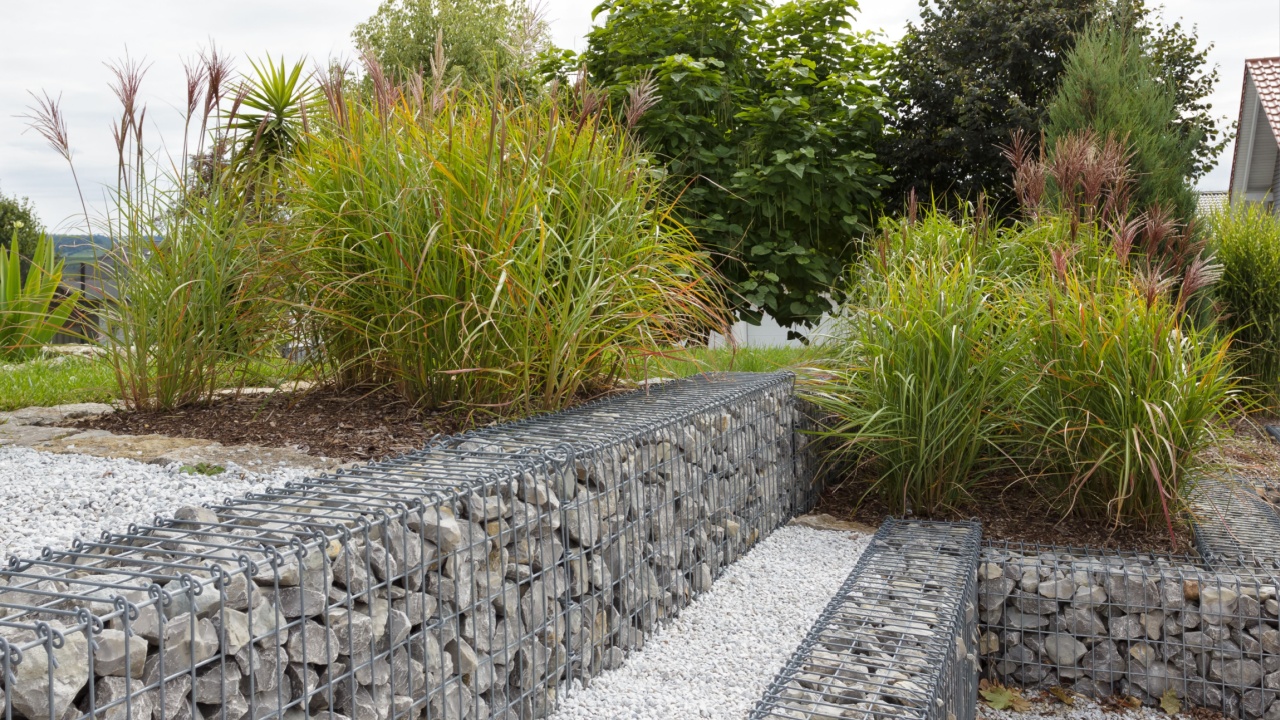
Image Credit: Shutterstock.
Gabion edging combines metal wire cages filled with stones, creating a rugged, modern design. Its weight and density make it an impenetrable border for grass roots.
Gabion walls are durable and can be customized in height and width, making them ideal for raised flower beds or adding a dramatic architectural touch.
Tip: Use decorative stones to match the aesthetics of your garden for an upscale look.
10. Glass Bottle Edging
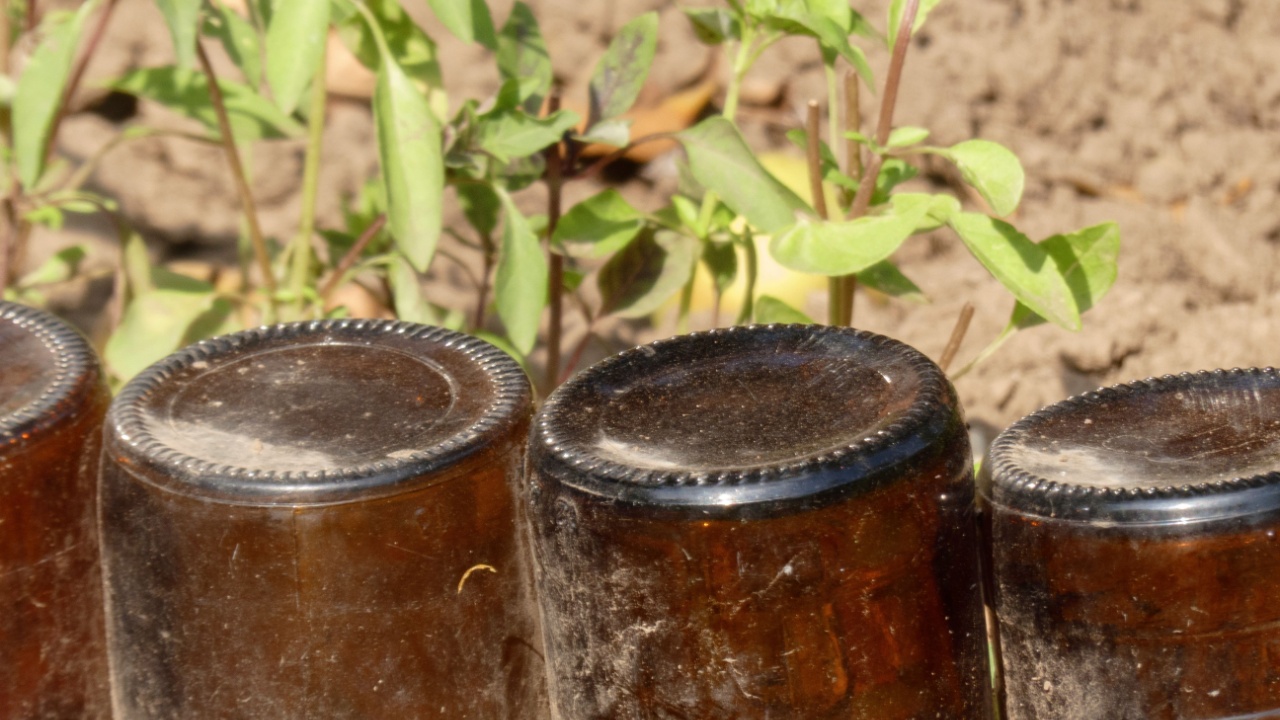
Image Credit: Shutterstock.
Recycled glass bottles provide a whimsical and artistic way to edge flower beds. When buried neck-down, the bottles can potentially create a strong physical barrier while adding pops of color and light reflection.
This creative option is perfect for eco-friendly gardeners looking to repurpose materials in a fun and functional way. It’s also budget friendly.
Tip: Use bottles of uniform size for easier alignment and a more cohesive look.
11. Log Edging
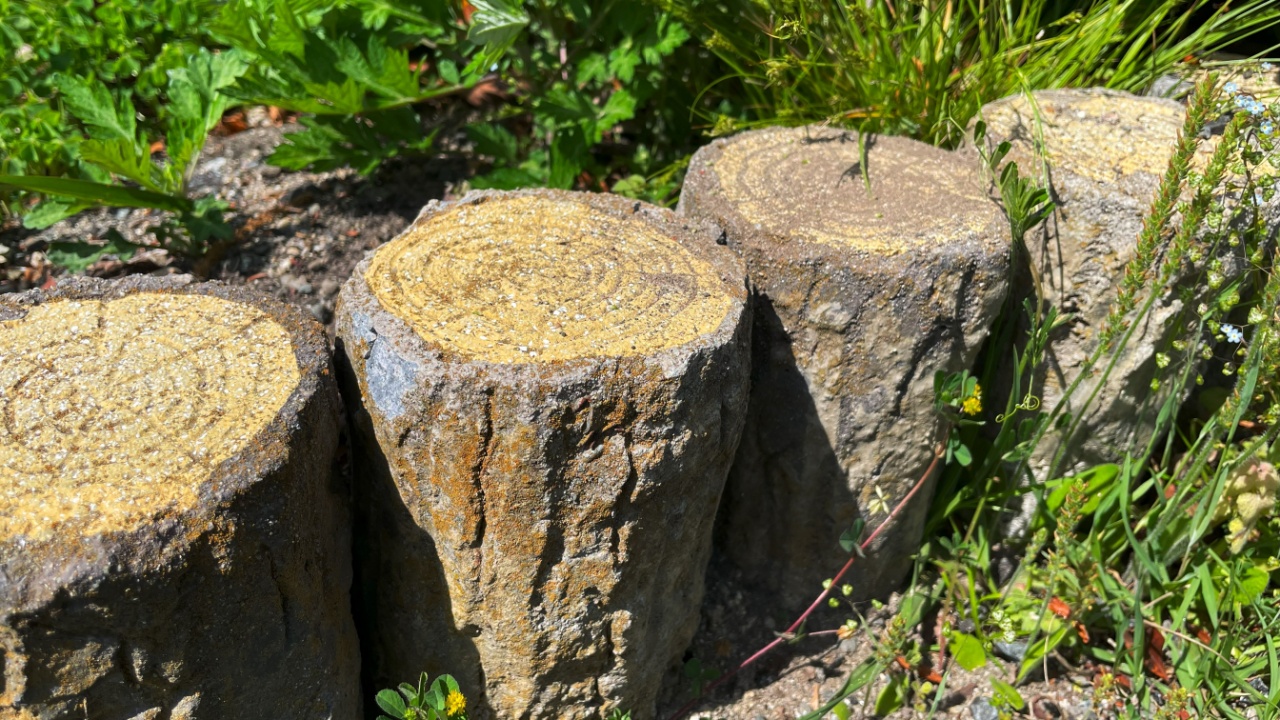
Image Credit: Shutterstock.
Logs bring woodland charm to your garden while forming a thick barrier against grass. Whether you use full logs or half-log segments, this natural edging fits in beautifully with rustic or themed gardens.
Pine, cedar, or other rot-resistant woods ensure the longevity of your log border.
Tip: Secure logs with stakes to keep them in place and prevent shifting over time.
12. Terracotta Edging
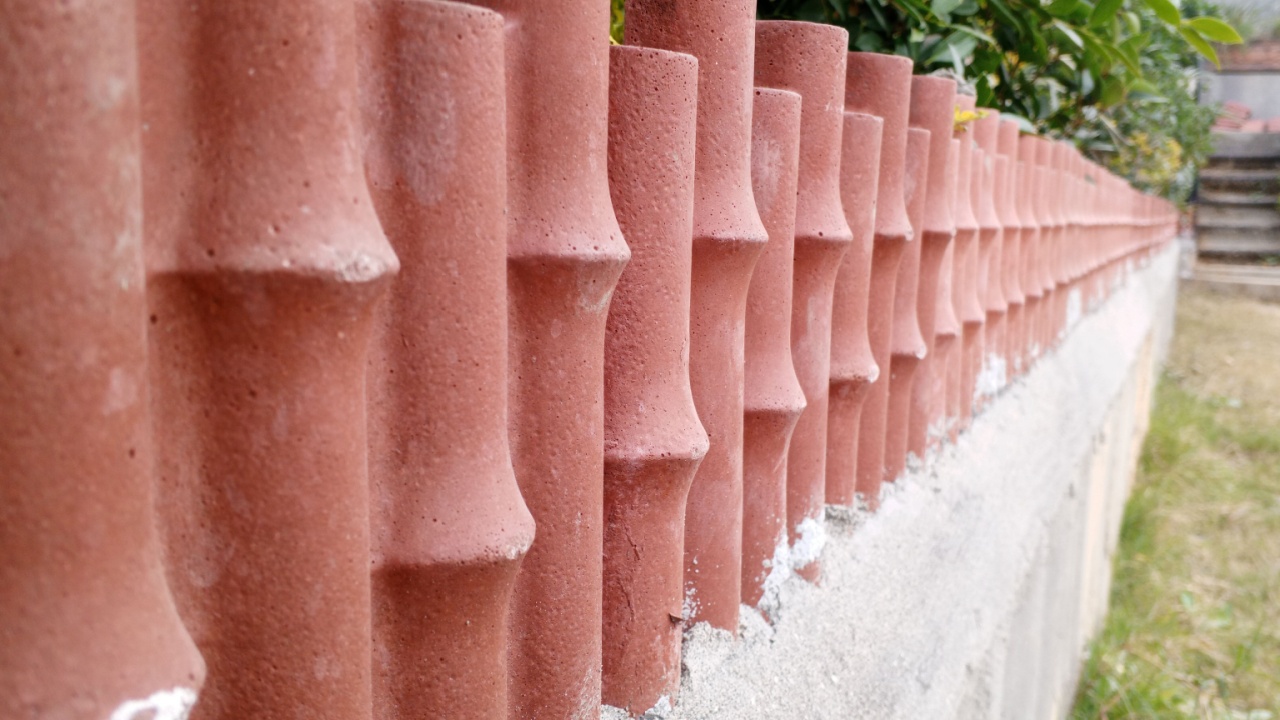
Image Credit: Shutterstock.
Terracotta edging adds warmth and classic appeal to flower beds. With its porous texture, terracotta also helps with water drainage, supporting plant health.
This traditional material is available in various shapes, from scalloped edges to straight tiles, offering versatility in design.
Tip: Choose frost-resistant terracotta if you live in a colder climate.
13. Recycled Pallets
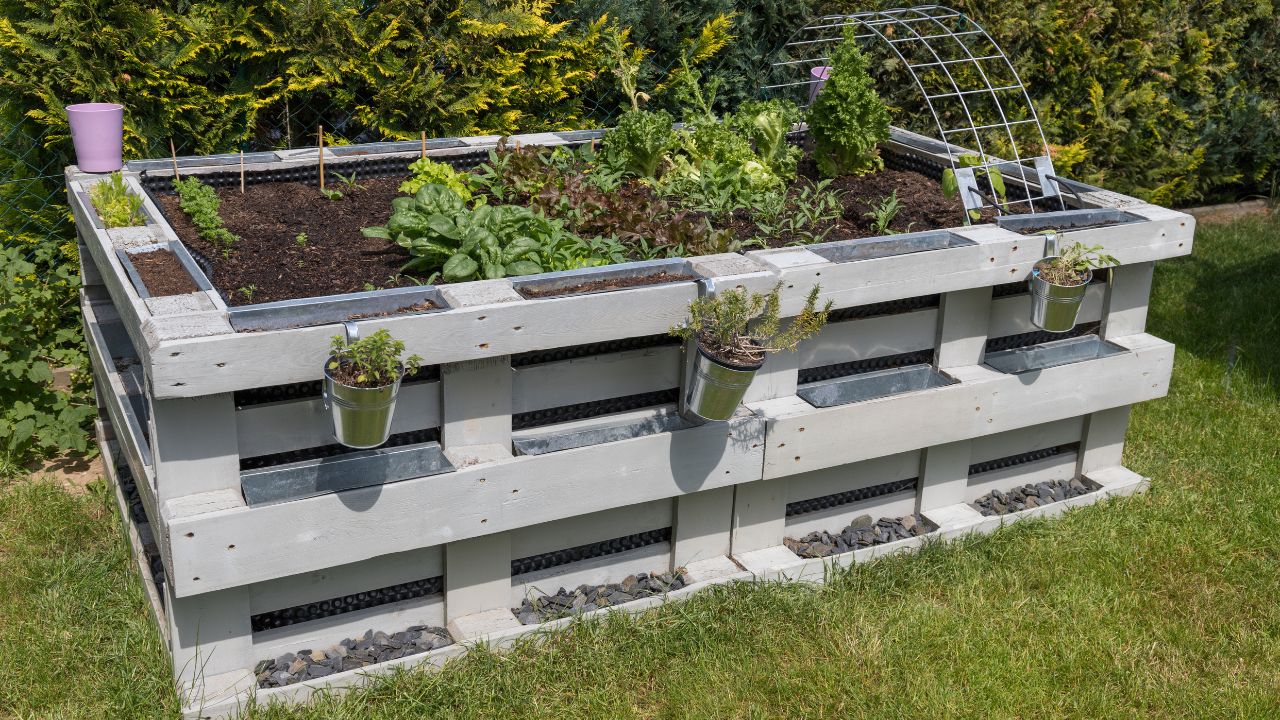
Image Credit: Shutterstock.
Turn old wooden pallets into attractive DIY edging. When cut and arranged, pallet boards create a rustic yet functional barrier that’s highly effective against encroaching grass.
The recycled nature of this option makes it environmentally friendly and cost-effective.
Tip: Sand down the wood for a smooth finish and seal it to prevent weather damage.
14. Living Edging
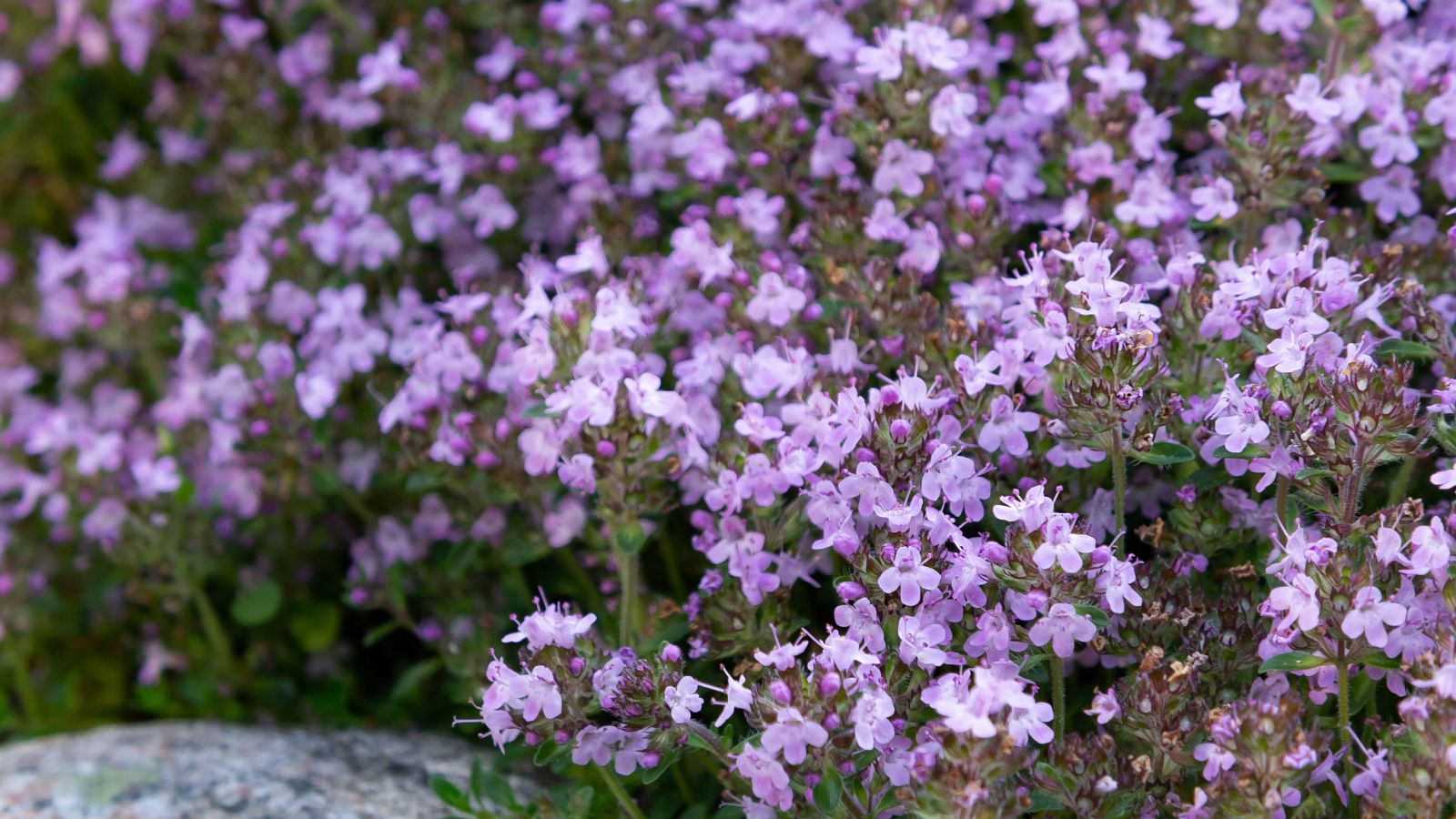
Image credit: YAY Images.
Dense, low-growing plants such as boxwood or creeping thyme act as living borders for flower beds. This organic solution keeps grass out while adding vibrant textures and colors.
Aside from their aesthetic appeal, these living barriers contribute to soil health and attract pollinators.
Tip: Prune regularly to keep hedges tidy and functional.
15. Mulch Trench Edging
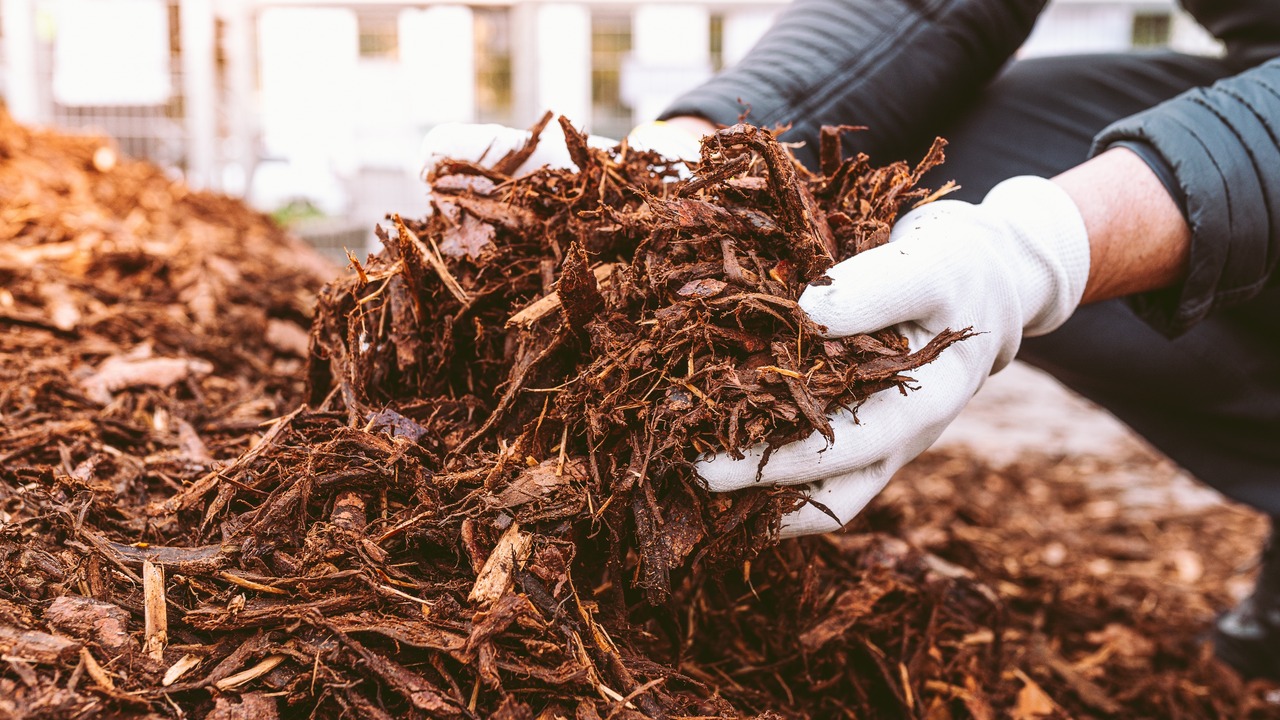
Image Credit: Shutterstock.
A mulch trench is a straightforward, low-cost option for keeping grass in check. Simply dig a shallow trench and fill it with wood chips or bark mulch to create a natural separation.
This method is especially practical for curved flower beds and informal garden designs.
Tip: Refresh the mulch periodically to maintain its effectiveness and appearance.
16. Slate Edging
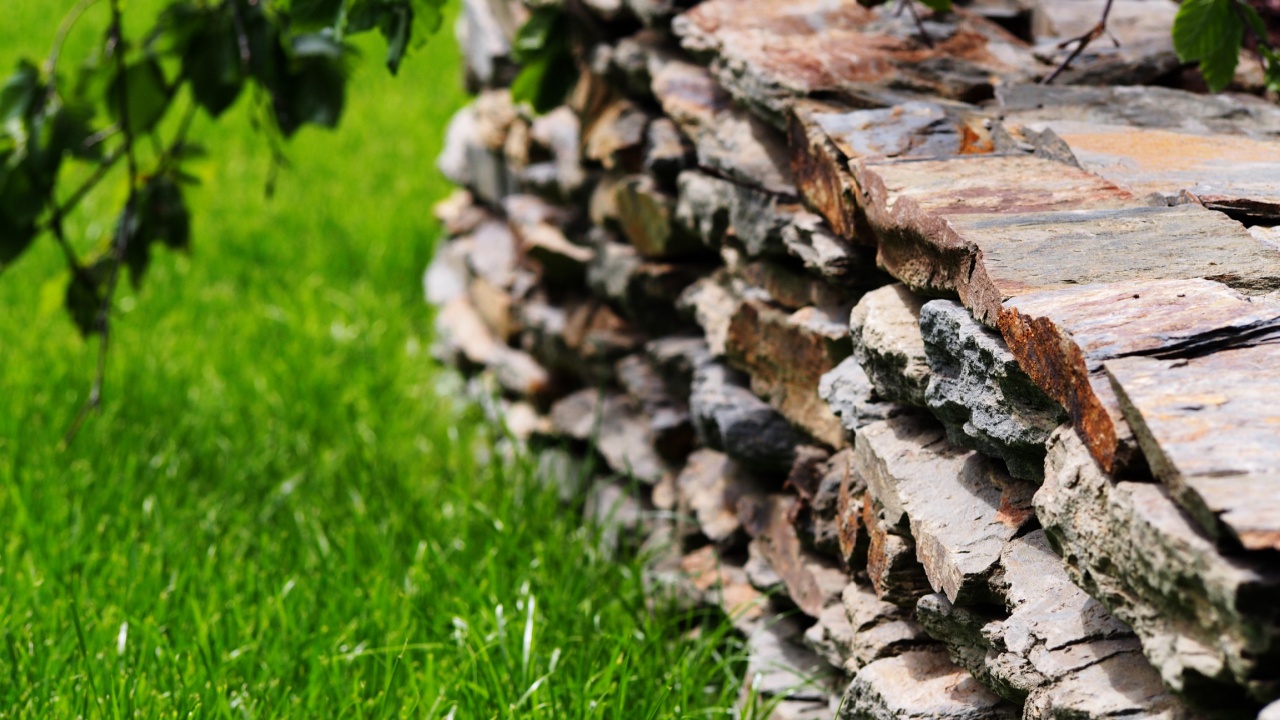
Image Credit: Shutterstock.
Slate stones add a modern and natural touch to your garden while offering excellent durability. Flat slate pieces are easy to arrange and create a strong barrier against creeping grass roots.
Their dark tones provide a beautiful contrast to colorful flowers, making them both functional and decorative.
Tip: Arrange slate pieces tightly to minimize gaps where grass can sneak through.
Pick What Works for Your Aesthetic and Functional Goals
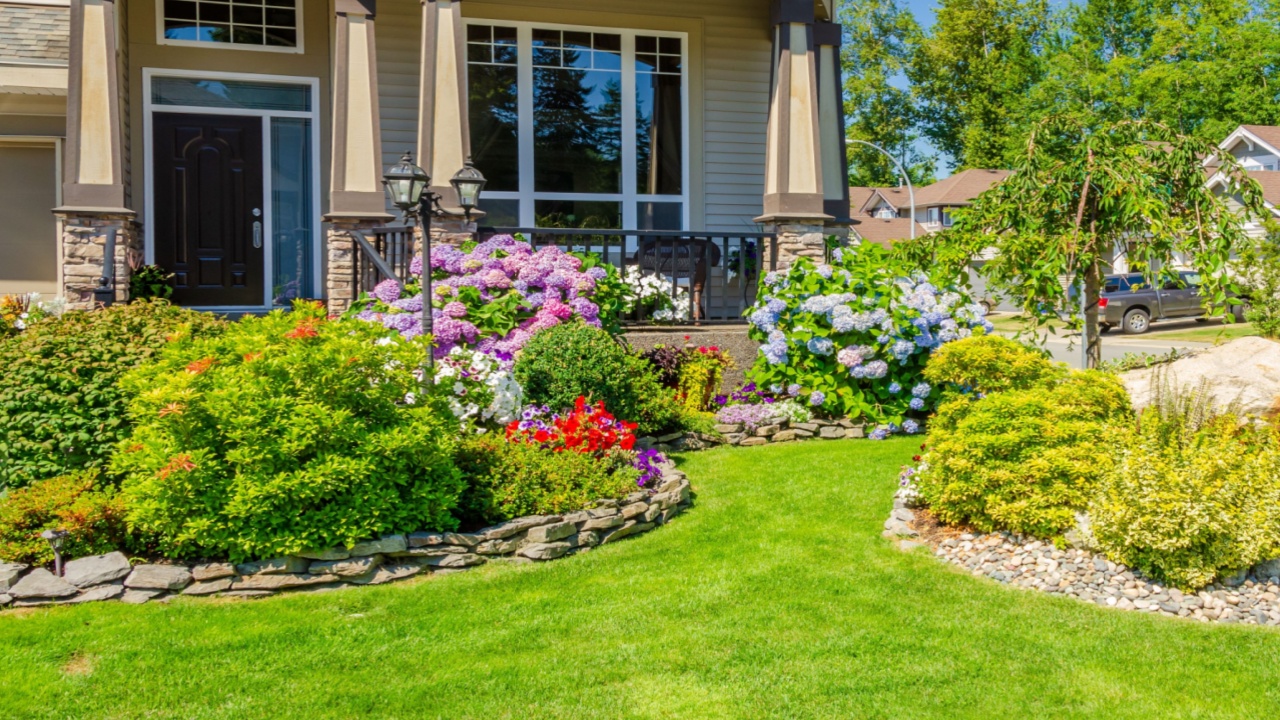
Image Credit: Shutterstock.
Edging doesn’t just define your flower beds—it protects them. These 16 types of edging not only enhance the beauty of your garden but also serve as reliable barriers against creeping grass.
Whether you’re drawn to rustic wood, sleek metal, or creative options from recycling, you’ll find the perfect solution to suit your style and needs. With the right edging, you can enjoy a tidy, thriving garden year-round.