Two Coyotes Attacked a 135-Pound Dog in an Alabama Backyard in Broad Daylight
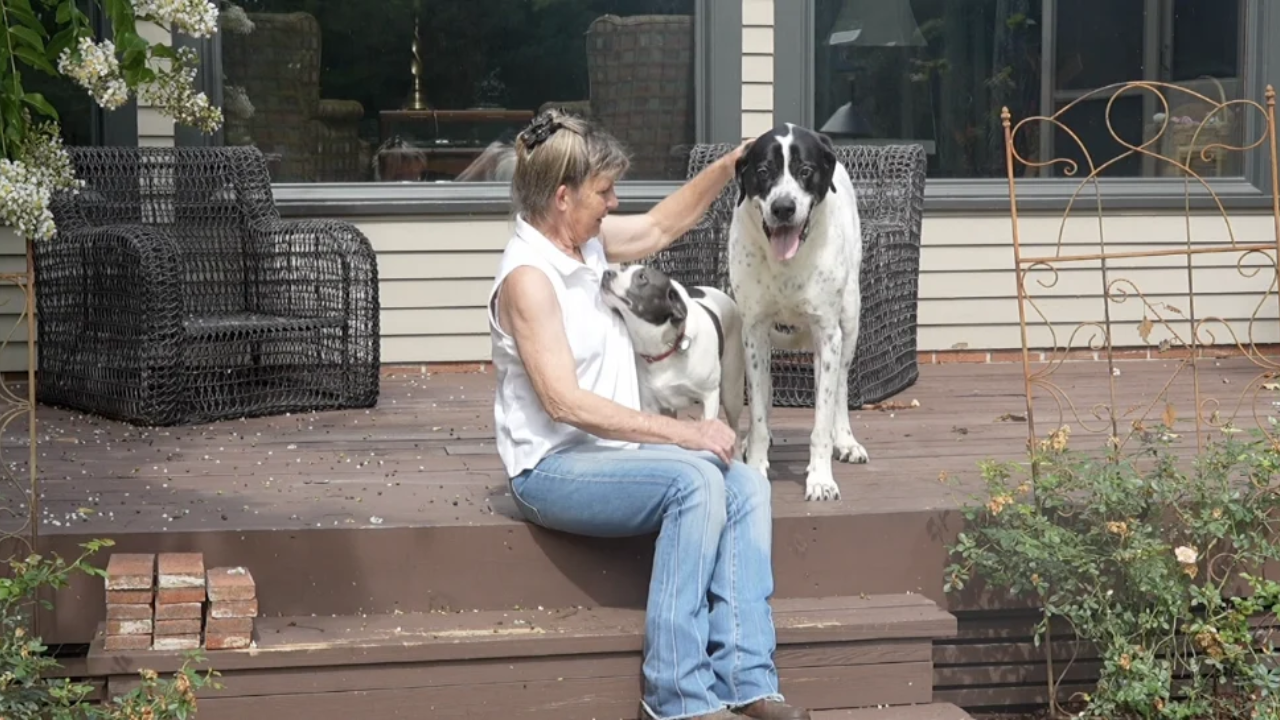
What would you do if a coyote attacked your beloved pet right out in the open? One Madison County, Alabama, homeowner is warning her neighbors to stay alert after two coyotes attacked her dog in her own backyard. Jennifer Bashore, who’s lived on her property for nearly 50 years, said the animals attacked her 135-pound Great Dane mix, Chunk, in the middle of the day. According to WAFF, the dog survived but needed emergency care.
Bashore said Chunk jumped off the deck and was set upon by the two coyotes almost immediately. She said she started yelling, and the coyotes let the dog go. Chunk suffered two puncture wounds and is recovering, though she said he has become hesitant to go into the backyard since the attack.
Bashore found the animals’ behavior somewhat suspect. She said they took down a 135-pound dog in broad daylight and didn’t appear to be afraid of her at all, saying the encounter was rare and unsettling. Coyotes usually keep their distance from people, not approach and attack.
Still, Bashore doesn’t want the coyotes to be killed. She did install an electric wire along part of her fence to keep them out while still letting her dogs use the yard. She added that she does plan to haze the animals if they come back. Her main goal, she said, is to warn others.
Why a Daytime Attack by an Unafraid Coyote Stands Out
Seeing a coyote during the day isn’t always a warning sign. Coyotes often hunt for their pups through spring and summer and pass through yards in daylight. The thing you need to look for is the animal’s behavior. That can definitely be a bad sign.
Wildlife agencies say a coyote that does not run off when yelled at, that approaches people or leashed pets, or that shows no fear has usually become habituated, and Massachusetts wildlife officials list exactly those behaviors as signs of a coyote that has lost its wariness of humans.
How to Protect Pets From Coyotes
Hazing is the best way to push a coyote back and instill a fear of people. It means making yourself big and loud, shouting, waving your arms, banging pots, or even spraying a hose. You continue doing so until the animal leaves the area entirely. After that, you need to repeat those moves if the coyote returns. The guidance is never to run. Running can often trigger a chase.
Wildlife agencies recommend keeping all pets on a leash and under direct supervision outdoors rather than leaving them alone in a yard, feeding pets indoors, and securing trash and bird feeders. Fencing works best when it stands at least 6 feet tall, extends into the ground to stop digging, and has a roller bar or an outward overhang so a coyote can’t climb over. That should give you and your pets a fighting chance.