

Watching a hummingbird hover delicately at a flower, its tiny wings beating up to 80 times per second, ranks among gardening’s most magical moments. These jewel-toned aerial acrobats don’t visit flowers randomly—they’ve co-evolved with specific bloom shapes that perfectly match their feeding anatomy. Tubular flowers, with their elongated throats and hidden nectar reserves, create the ideal hummingbird dining experience.
The relationship between hummingbirds and tubular flowers represents millions of years of evolutionary partnership. As hummingbirds developed longer beaks and specialized tongues to reach deep nectar sources, plants evolved increasingly tubular blooms to ensure these efficient pollinators would visit repeatedly. This symbiotic dance continues in your garden today, where the right flower choices can transform your backyard into a hummingbird haven.
Creating a hummingbird garden isn’t just about beauty—though these flowers deliver spectacular displays. You’re supporting wildlife corridors that help these incredible migrants complete journeys spanning thousands of miles. Ruby-throated hummingbirds, for instance, cross the entire Gulf of Mexico in a single 18-hour flight, burning through stored fat reserves that garden nectar sources help replenish.
This collection of 14 tubular flowers ensures continuous blooms from spring through fall, providing the reliable nectar sources hummingbirds need while creating a garden that pulses with life and color throughout the growing season.
From the Experts

Image Credit: Shutterstock.
All information in this guide has been verified using trusted horticultural and wildlife sources to ensure accuracy for gardeners and hummingbird enthusiasts alike. Plant characteristics, hardiness zones, and care requirements were confirmed through extension programs such as North Carolina State Extension. Native plant and pollinator relationships were cross-checked with the Lady Bird Johnson Wildflower Center.
Additionally, detailed flower morphology and hummingbird attraction were verified using reputable horticultural references including the Missouri Botanical Garden Plant Finder and the Royal Horticultural Society Plant Database. This ensures that each flower recommended in this article is accurately described, truly tubular, and capable of providing high-quality nectar sources for hummingbirds.
1. Beardtongue (Penstemon)
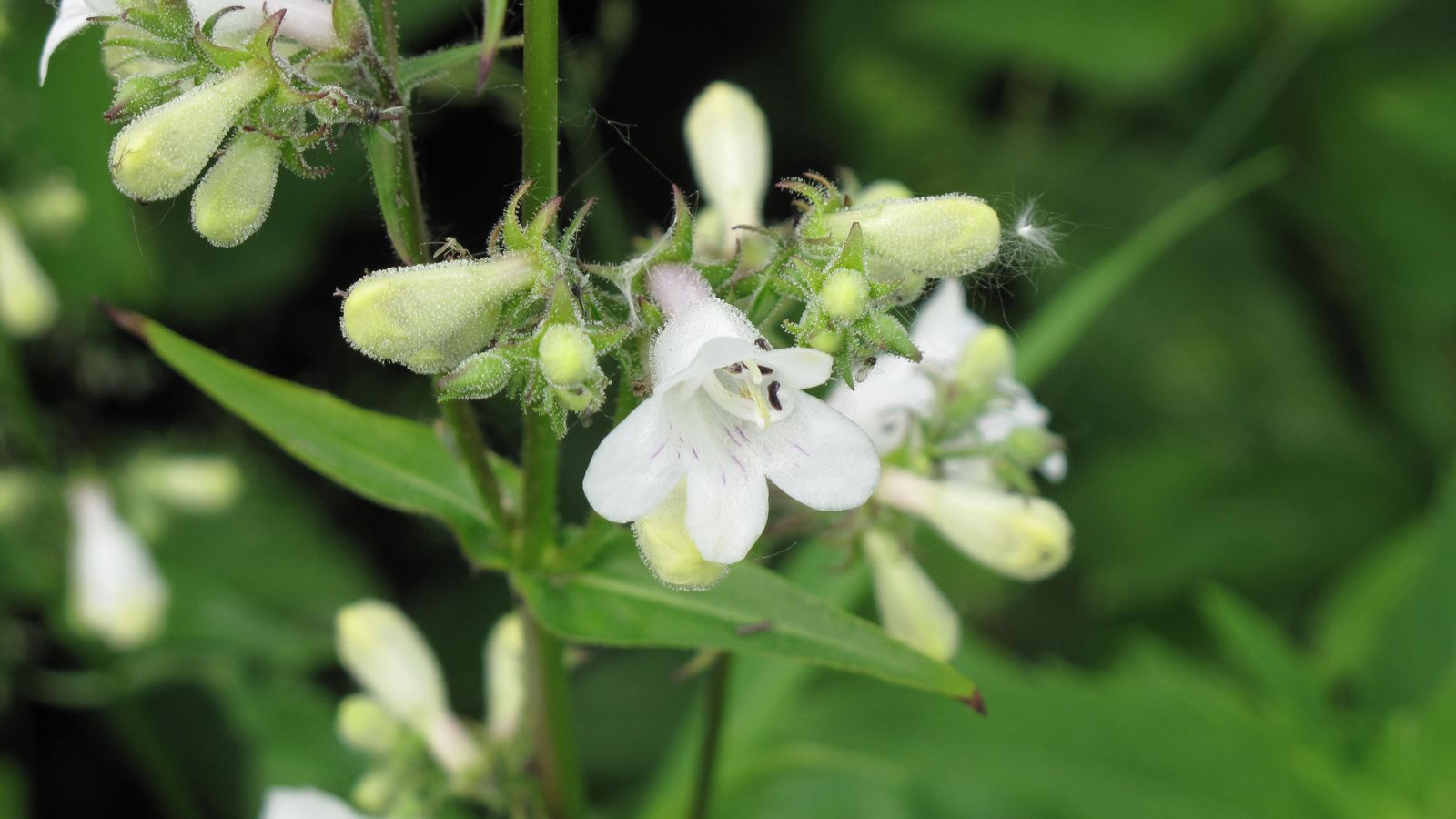
Image Credit: Ayotte, Gilles, 1948- – Bibliothèque de l’Université Laval, CC BY-SA 4.0/Wiki Commons.
Beardtongue flowers showcase the perfect tubular architecture that hummingbirds find irresistible. These elongated, bell-shaped blooms feature a narrow opening that excludes larger insects while providing easy access for hummingbird beaks. The flower’s interior design includes distinctive ridges and markings that guide hummingbirds directly to nectar sources located deep within the tube.
Native penstemons have co-evolved with local hummingbird populations across North America, creating highly specialized relationships. Rocky Mountain penstemon perfectly matches the feeding patterns of broad-tailed hummingbirds, while foxglove beardtongue attracts ruby-throated hummingbirds throughout eastern forests.
Growing Requirements
- Hardiness zones: 3-10 depending on species
- Light: Full sun to partial shade
- Soil: Well-draining, slightly alkaline preferred
- Water: Drought tolerant once established
Planting and Care Tips
Choose native species for your region to ensure optimal hummingbird attraction. Plant in spring after frost danger passes, spacing 12-18 inches apart. Avoid rich soils that promote weak, floppy growth. Deadhead spent flowers to encourage continuous blooming from late spring through fall. Most species require little winter protection and often self-seed in suitable locations.
2. Trumpet Honeysuckle (Lonicera sempervirens)
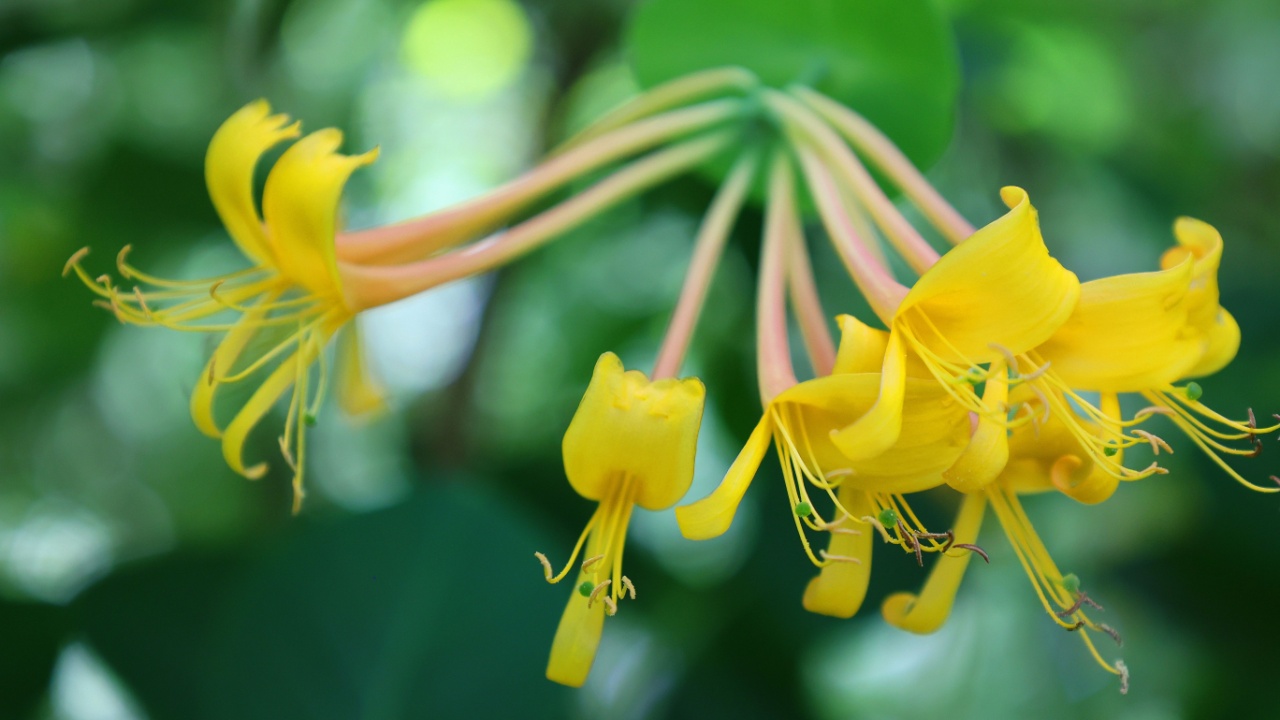
Image Credit: Shutterstock.
This native climbing vine produces clusters of bright red tubular flowers that seem custom-designed for hummingbird beaks. Each flower measures 1-2 inches long with a narrow opening that perfectly accommodates hummingbird feeding apparatus while excluding most other nectar thieves. The flowers’ bright red color falls within the spectrum hummingbirds see most clearly.
Unlike invasive Japanese honeysuckle, trumpet honeysuckle provides excellent wildlife value without aggressive spreading behavior.
Growing Requirements
- Hardiness zones: 4-9
- Light: Full sun for best flowering
- Soil: Adaptable to various soil types
- Water: Moderate moisture, drought tolerant when established
Planting and Care Tips
Install sturdy supports as mature vines can reach 20 feet. Plant in spring, mulching around the base to retain moisture during establishment. Prune lightly after flowering to maintain shape—avoid heavy pruning which reduces next year’s blooms. This vine benefits from afternoon shade in extremely hot climates.
3. Cardinal Climber (Ipomoea sloteri)
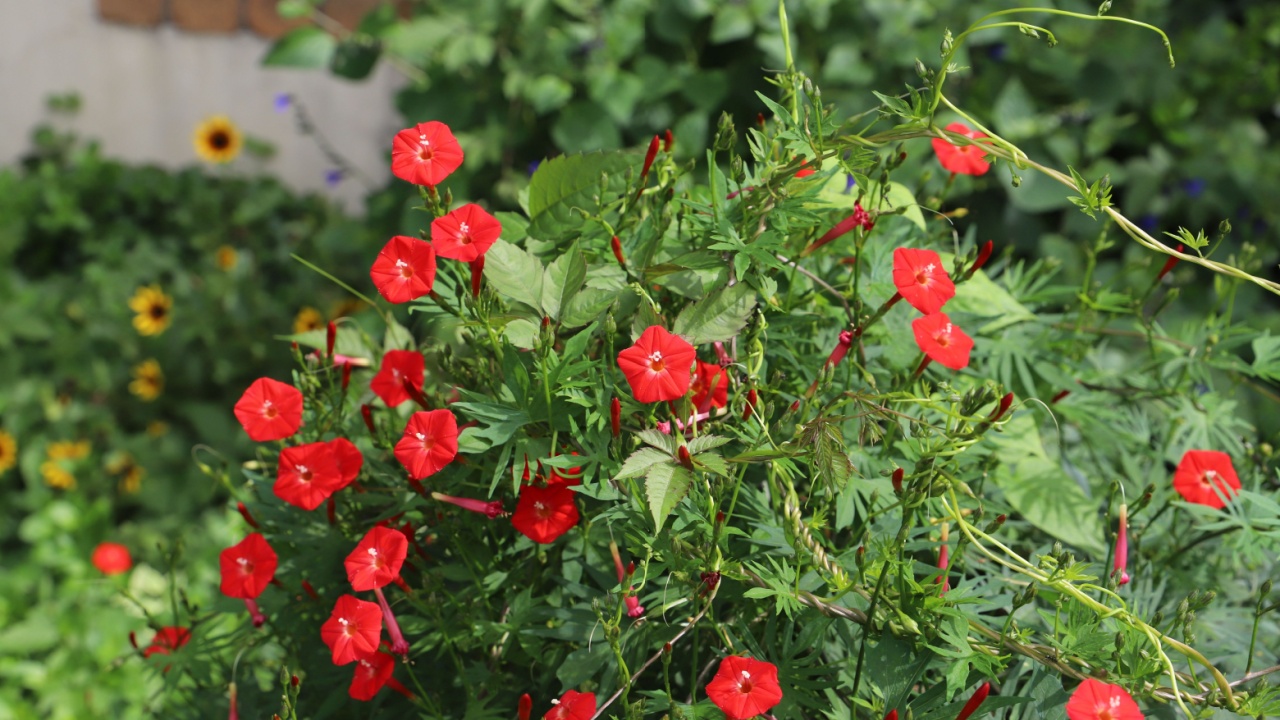
Image Credit: Shutterstock.
Cardinal climber produces masses of bright red, star-shaped tubular flowers that create a vertical hummingbird feeding station. Each 1.5-inch flower features a deep, narrow tube leading to abundant nectar reserves. The vine’s rapid growth and continuous blooming from summer through fall provide reliable nectar sources throughout peak hummingbird season.
This hybrid morning glory combines the best traits of its parent plants without the invasive tendencies that plague some family members. The deeply lobed foliage creates an attractive backdrop for the vivid scarlet blooms that seem to glow in garden settings.
Growing Requirements
- Hardiness zones: Annual in most areas, perennial in zones 10-12
- Light: Full sun
- Soil: Rich, well-draining soil
- Water: Consistent moisture for best performance
Planting and Care Tips
Start seeds indoors 6-8 weeks before last frost, or direct sow after soil warms. Scarify seeds lightly before planting to improve germination. Provide strong trellises or fence support as vines can reach 10-15 feet. Feed monthly with balanced fertilizer during active growth. In cold climates, treat as annual or bring container plants indoors for winter.
4. Honeybells Cuphea (Cuphea x ‘Honeybells’)
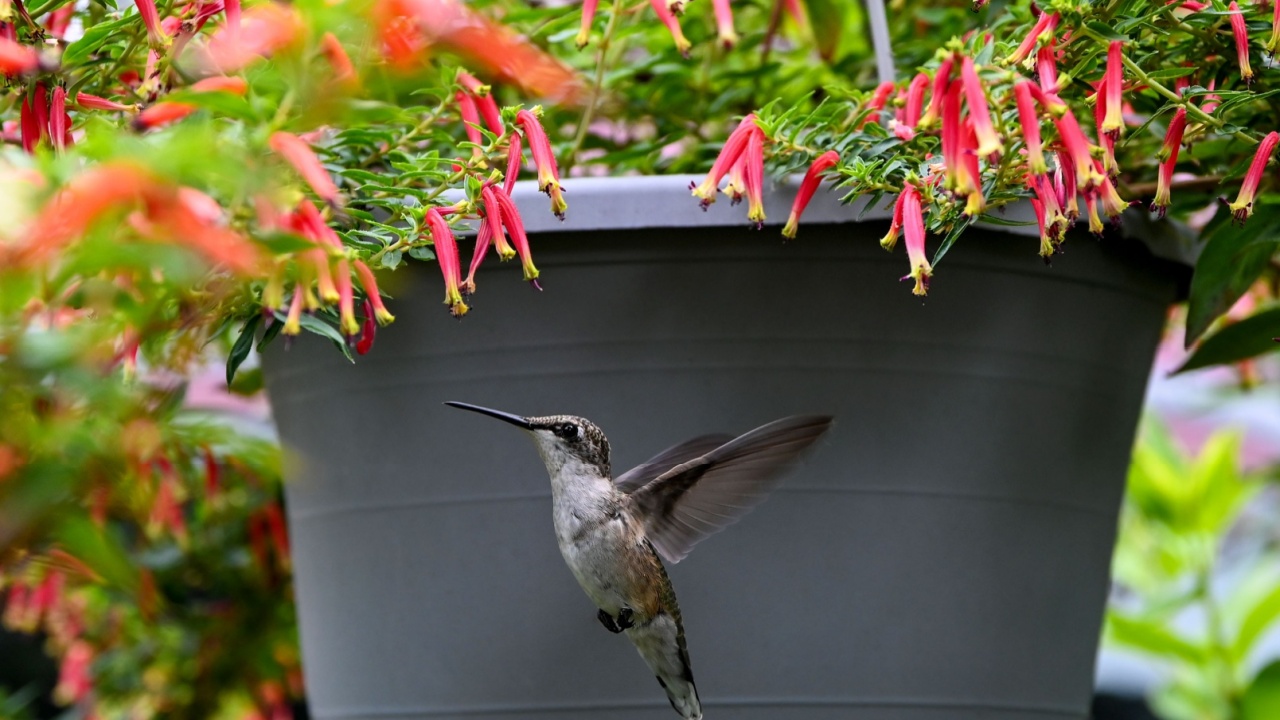
Image Credit: Shutterstock.
This compact shrub produces hundreds of deep pink tubular flowers edged with bright yellow—a color combination hummingbirds find particularly attractive. Each flower measures about 1 inch long with a narrow tube that flares slightly at the opening, creating the perfect landing platform for hovering hummingbirds.
Cuphea blooms continuously from spring through frost without deadheading, making it an exceptionally low-maintenance hummingbird magnet.
Growing Requirements
- Hardiness zones: 8-11, grown as annual in colder areas
- Light: Full sun to partial shade
- Soil: Well-draining, moderately fertile
- Water: Regular moisture during growing season
Planting and Care Tips
Plant after all frost danger passes, spacing 18-24 inches apart. These heat-loving plants thrive in containers and mixed borders. Pinch growing tips when plants reach 6 inches to encourage bushier growth. Feed lightly every 4-6 weeks with balanced fertilizer. In cold climates, take cuttings in fall for overwintering indoors.
5. Firecracker Plant (Cuphea ignea)
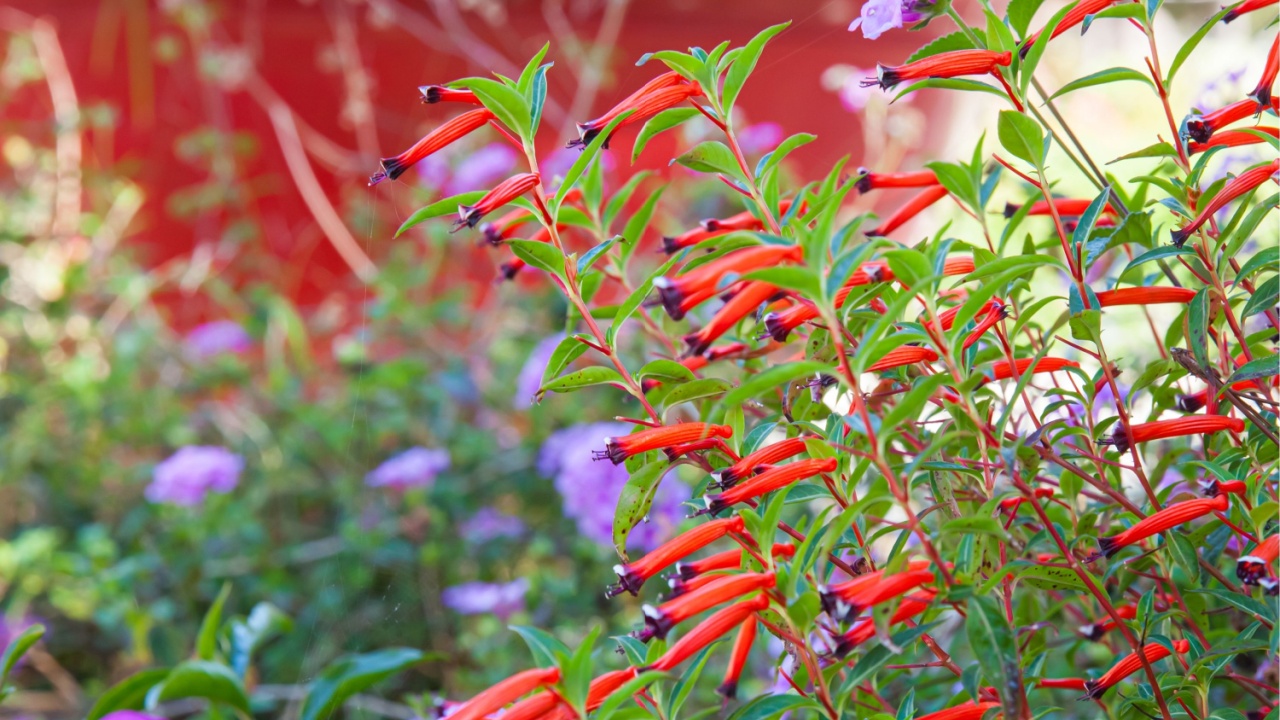
Image Credit: Shutterstock.
Firecracker plant earns its common name from tubular orange-red flowers tipped with yellow and black—resembling tiny lit cigars. These 1-inch tubular blooms provide perfect hummingbird access while the contrasting colors create strong visual signals that attract birds from considerable distances.
Native to Mexico and Guatemala, this cuphea species has adapted to various garden conditions while maintaining its compact, mounded growth habit. The continuous flowering habit means fresh nectar is always available, making gardens with firecracker plants regular hummingbird stops.
Growing Requirements
- Hardiness zones: 10-12, annual elsewhere
- Light: Full sun to partial shade
- Soil: Average, well-draining soil
- Water: Moderate, drought tolerant when established
Planting and Care Tips
Start from seed indoors 10-12 weeks before last frost for earliest blooms. Plant outdoors when soil temperatures reach 65°F consistently. Space 12-15 inches apart as mature plants form neat 12-inch mounds. These plants self-clean, requiring no deadheading. Protect from strong winds that can damage delicate flowers.
6. Hummingbird Mint (Agastache)
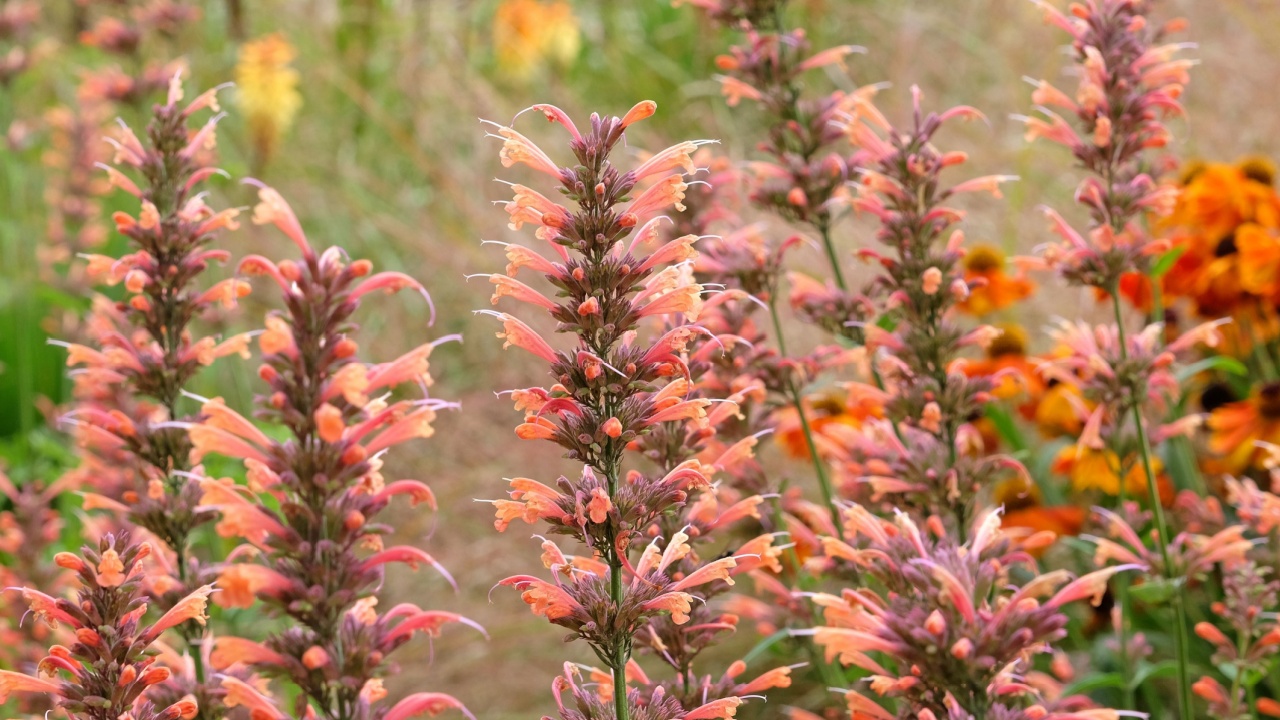
Image Credit: Shutterstock.
Despite its common name, hummingbird mint produces distinctive spike-shaped flower clusters composed of hundreds of tiny tubular florets. Each individual flower measures less than half an inch but collectively creates substantial nectar sources that can support multiple hummingbirds simultaneously. The flowers’ construction allows easy access while the plant’s aromatic foliage deters pest insects.
Agastache species native to western North America have particularly strong relationships with local hummingbird populations. Broad-billed and black-chinned hummingbirds show marked preferences for native hummingbird mints over non-native alternatives.
Growing Requirements
- Hardiness zones: 5-10 depending on species
- Light: Full sun
- Soil: Well-draining, tolerates poor soil
- Water: Drought tolerant, avoid overwatering
Planting and Care Tips
Choose species suited to your climate—some are more cold-hardy while others handle extreme heat better. Plant in spring, spacing 18-24 inches apart. These plants resent wet winter conditions, so ensure excellent drainage. Cut back spent flower spikes to encourage additional blooms. Most species readily self-seed in suitable locations.
7. Cape Fuchsia (Phygelius capensis)

Image Credit: Shutterstock.
Cape fuchsia produces drooping clusters of bright orange-red tubular flowers that hang like exotic earrings from sturdy stems. Each flower measures 1-2 inches long with a slightly curved tube that perfectly matches hummingbird feeding angles. The pendant flower arrangement allows easy approach from below, which many hummingbird species prefer.
This South African native adapts well to Mediterranean and similar climates, providing reliable blooms from late spring through fall. The evergreen foliage in mild climates ensures year-round garden structure while the long flowering season supports extended hummingbird activity.
Growing Requirements
- Hardiness zones: 7-10
- Light: Full sun to partial shade
- Soil: Well-draining, moderately fertile
- Water: Regular moisture, drought tolerant when established
Planting and Care Tips
Plant in spring after frost danger passes, choosing locations with good air circulation. Mulch around plants to retain moisture and suppress weeds. Deadhead spent flower clusters to encourage continued blooming. In marginal hardiness zones, plant in protected locations and mulch heavily for winter protection.
8. Indian Pink (Spigelia marilandica)
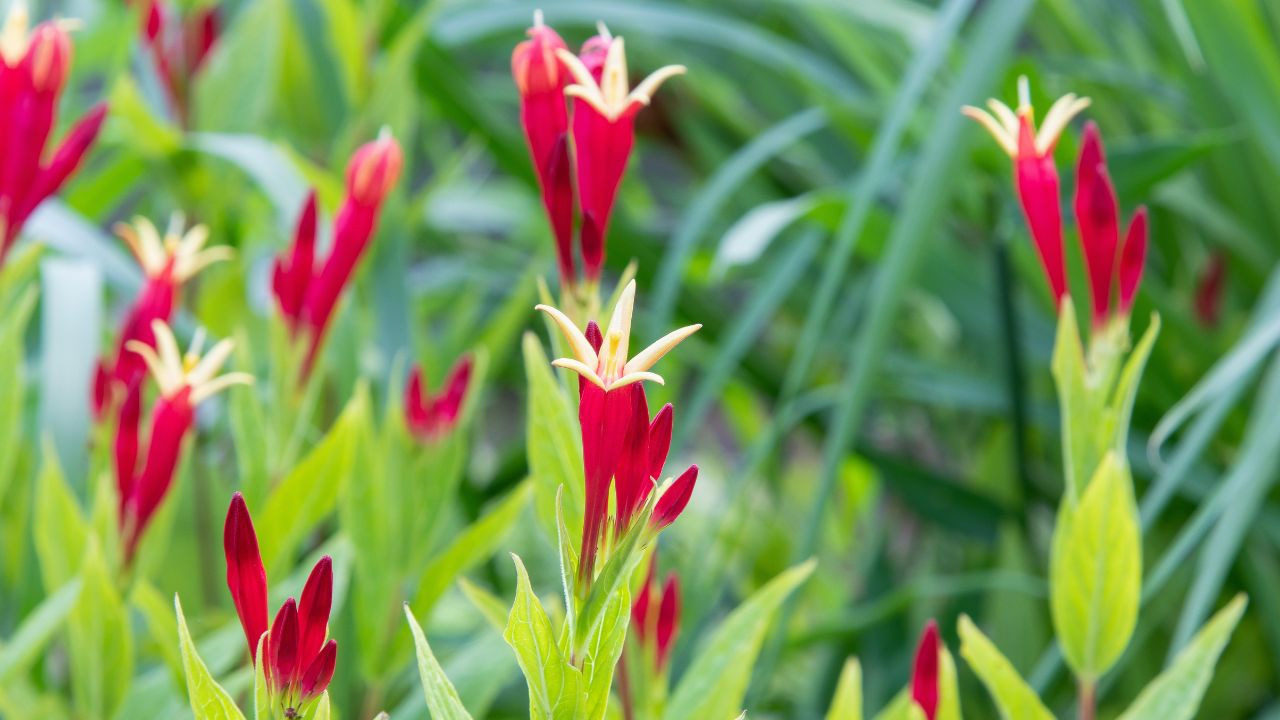
Image Credit: Shutterstock.
Indian pink produces unique upright tubular flowers that are bright red on the outside and pale yellow inside—a color combination that creates strong visual contrast for hummingbirds. Each flower measures 1-2 inches long with a narrow tube that flares into five star-shaped petals, creating both tubular access and landing platform.
This native southeastern wildflower has become increasingly popular in shade gardens for its ability to attract hummingbirds to areas where few other hummingbird plants thrive. The distinctive flower shape and coloration make it immediately recognizable to both gardeners and hummingbirds.
Growing Requirements
- Hardiness zones: 6-9
- Light: Partial to full shade
- Soil: Rich, consistently moist soil
- Water: Regular moisture, does not tolerate drought
Planting and Care Tips
Plant in spring in locations that remain consistently moist but well-draining. Add compost or leaf mold to improve soil structure and moisture retention. This plant benefits from mulching to keep roots cool and moist. Avoid planting in windy locations as flowers can be damaged. Allow natural self-seeding in suitable locations.
9. Virginia Bluebells (Mertensia virginica)

Image Credit: Depositphotos.com.
Virginia bluebells produce drooping clusters of bell-shaped flowers that transition from pink buds to soft blue blooms. Each flower measures about 1 inch long with a gently curved tube that provides excellent hummingbird access. The nodding flower arrangement allows approach from multiple angles, accommodating different hummingbird feeding preferences.
These early spring bloomers provide crucial nectar sources during initial hummingbird migration periods when few other flowers are available.
Growing Requirements
- Hardiness zones: 3-9
- Light: Partial to full shade
- Soil: Rich, moist, well-draining soil
- Water: Consistent moisture during growing season
Planting and Care Tips
Plant bulbs or transplants in fall for spring blooming. Choose locations that remain moist during the spring growing season but can dry somewhat in summer after foliage dies back. Mark planting locations as plants go completely dormant by midsummer. Allow natural self-seeding to establish colonies over time.
10. Flowering Tobacco (Nicotiana sylvestris)
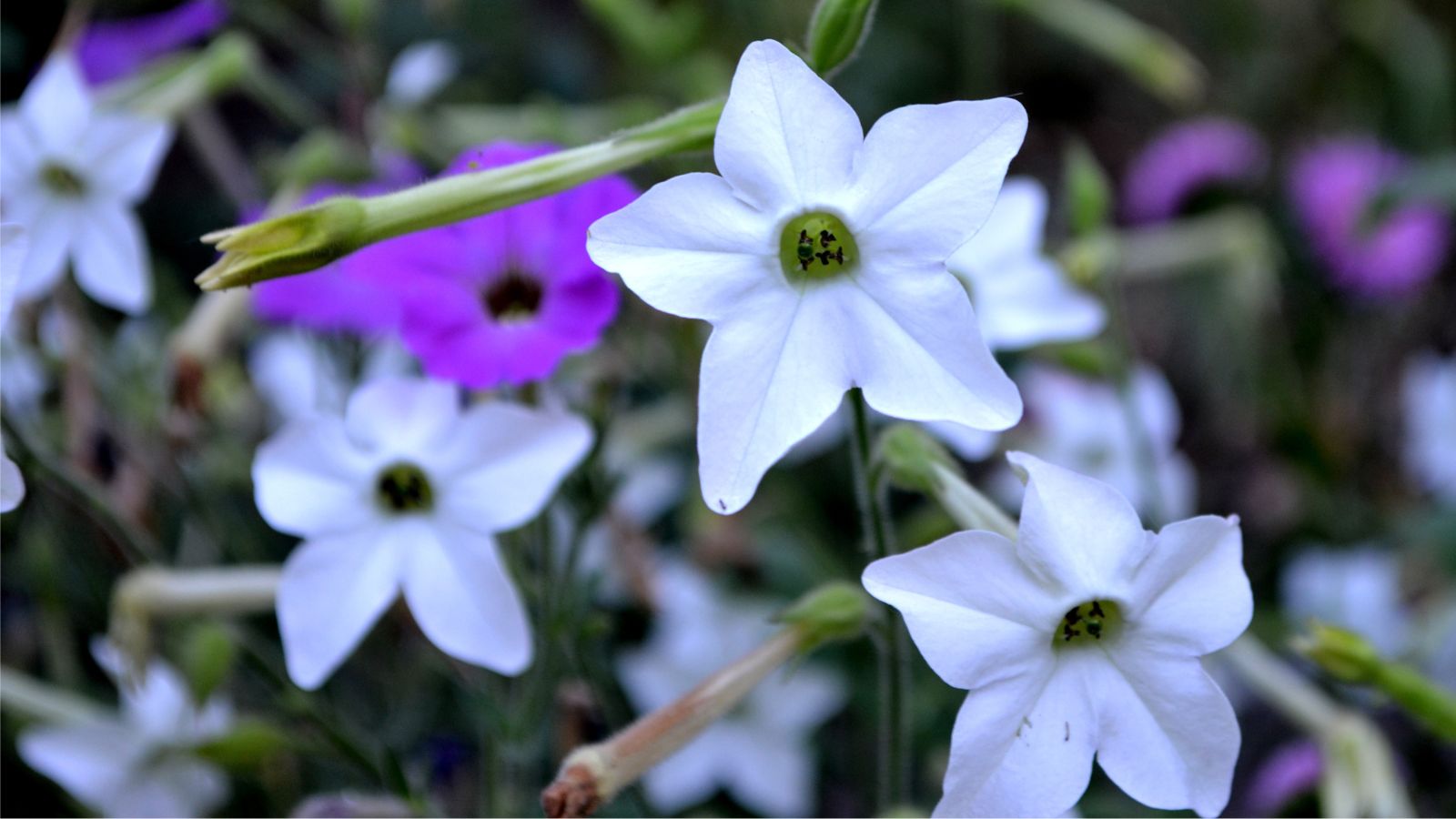
Image Credit: Depositphotos.com
Flowering tobacco produces dramatic clusters of long, white tubular flowers that can measure up to 4 inches in length. These flowers open in evening hours, releasing intense fragrance that attracts both hummingbirds and night-flying moths. The substantial tube length accommodates even long-billed hummingbird species while the white color remains visible in low light conditions.
This South American native has adapted to various garden conditions while maintaining its impressive flower displays.
Growing Requirements
- Hardiness zones: 10-11, grown as annual elsewhere
- Light: Full sun to partial shade
- Soil: Rich, well-draining soil
- Water: Regular moisture during growing season
Planting and Care Tips
Start seeds indoors 6-8 weeks before last frost—seeds are tiny and need light to germinate. Plant outdoors after soil warms, spacing 18-24 inches apart. Provide support for tall varieties that can reach 4-5 feet. Deadhead spent flowers to encourage continued blooming. Save seeds from best-performing plants for next season.
11. Wild Petunia (Ruellia humilis)
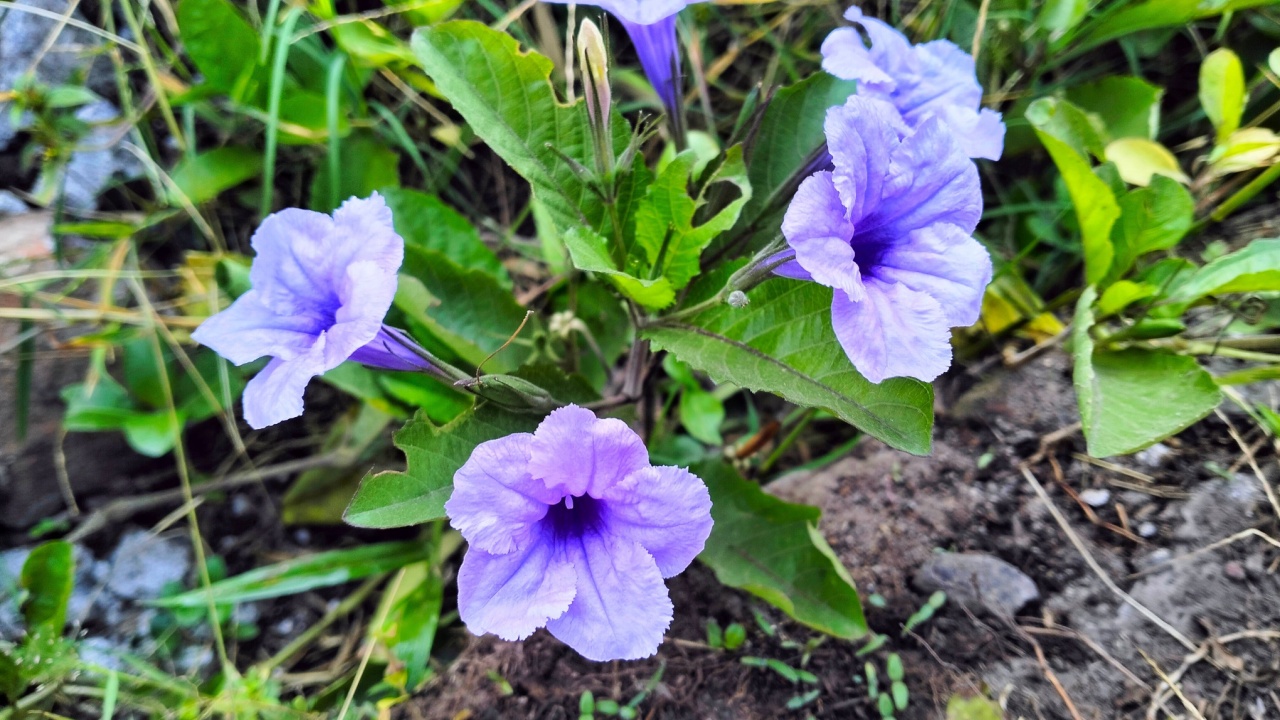
Image Credit: Shutterstock.
Wild petunia produces funnel-shaped flowers in soft lavender shades, each measuring about 2 inches across with a distinct tubular throat. Despite the name, this native plant isn’t related to garden petunias but provides similar tubular flower structure that hummingbirds find attractive. The flowers open in morning hours and typically last only one day, but plants produce continuous new blooms throughout the summer.
This prairie native spreads through underground rhizomes to form colonies that provide multiple nectar sources in close proximity—an arrangement that supports territorial hummingbirds while accommodating multiple birds during migration periods.
Growing Requirements
- Hardiness zones: 4-8
- Light: Full sun to partial shade
- Soil: Well-draining, tolerates poor soil
- Water: Drought tolerant, avoid overwatering
Planting and Care Tips
Plant seeds or transplants in spring after frost danger passes. This plant can spread aggressively in ideal conditions, so consider containing it or allowing naturalization in wild garden areas. Deadheading prevents aggressive self-seeding but reduces natural colony expansion. Cut back in late fall or early spring.
12. Bee Balm (Monarda didyma)

Image Credit: Shutterstock.
Bee balm produces distinctive crown-shaped flower heads composed of numerous tubular flowers arranged in whorled clusters. Each individual flower measures 1-2 inches long with a curved tube that perfectly accommodates hummingbird beaks and tongues. The bright red color and clustered arrangement create highly visible nectar sources that attract hummingbirds from considerable distances.
Growing Requirements
- Hardiness zones: 4-9
- Light: Full sun to partial shade
- Soil: Rich, consistently moist soil
- Water: Regular moisture, does not tolerate drought
Planting and Care Tips
Plant in spring in locations with good air circulation to prevent powdery mildew. Space 18-24 inches apart as plants spread through underground runners. Divide every 3-4 years to maintain vigor and prevent overcrowding. Choose mildew-resistant varieties for best performance in humid climates.
13. Cardinal Flower (Lobelia cardinalis)

Image Credit: Shutterstock.
Cardinal flower produces spectacular spikes of bright red tubular flowers that seem almost too vivid to be real. Each flower measures about 1.5 inches long with a distinctive split lower lip that provides a landing platform while the upper petals form a protective hood over the reproductive parts. This specialized structure ensures that only long-billed pollinators like hummingbirds can effectively access the nectar while transferring pollen.
Growing Requirements
- Hardiness zones: 3-9
- Light: Full sun to partial shade
- Soil: Rich, consistently moist to wet soil
- Water: Requires consistent moisture, tolerates boggy conditions
Planting and Care Tips
Plant in spring in locations that remain consistently moist throughout the growing season. This plant thrives near water features, rain gardens, or naturally wet areas. Mulch heavily to retain moisture and keep roots cool. Cardinal flowers are typically short-lived perennials but often self-seed in suitable locations. Divide clumps every 2-3 years to maintain vigor.
14. Trumpet Vine (Campsis radicans)

Image Credit: Shutterstock.
Trumpet vine produces large, orange-red trumpet-shaped flowers that measure 2-3 inches long and wide—among the largest tubular flowers available for hummingbird gardens. The substantial flower size accommodates even the largest North American hummingbird species while providing generous nectar rewards for the energy expended in hovering and feeding.
This vigorous native vine can be aggressive in ideal growing conditions, but its incredible hummingbird attraction value often justifies careful management.
Growing Requirements
- Hardiness zones: 4-9
- Light: Full sun for best flowering
- Soil: Adaptable to various soil types
- Water: Drought tolerant once established
Planting and Care Tips
Plant in spring with very strong support structures as mature vines can become quite heavy. Consider root barriers or container growing to control spread in small gardens. Prune heavily in late winter to control size and encourage flowering on new growth. Remove suckers regularly to prevent unwanted spreading.
Creating Your Hummingbird Paradise

Image Credit: Shutterstock.
These 14 tubular flowers provide the foundation for a garden that will attract and support hummingbirds throughout their active season. By choosing varieties that bloom at different times, you ensure continuous nectar availability from early spring through late fall when most hummingbirds complete their southward migration.
Remember that hummingbirds also need clean water sources, nesting materials, and small insects for protein. Creating a complete hummingbird habitat involves more than just flowers, but these tubular blooms provide the high-energy nectar sources that make your garden an irresistible destination for these remarkable birds.
The magic of watching hummingbirds visit flowers you’ve carefully chosen and planted creates a deep connection between gardener, wildlife, and the natural world. Each flower you add to your hummingbird garden represents another invitation to these aerial jewels to make your outdoor space part of their daily territory.