
TSA Officers Find Five Stolen Cannonballs Inside Checked Bag at Alabama Airport
Airport security officers see all kinds of strange things inside travelers’ luggage, but a recent discovery at an Alabama airport was a bit more shocking than usual. What they found looked like something that belonged in a history museum, not someone’s bag.
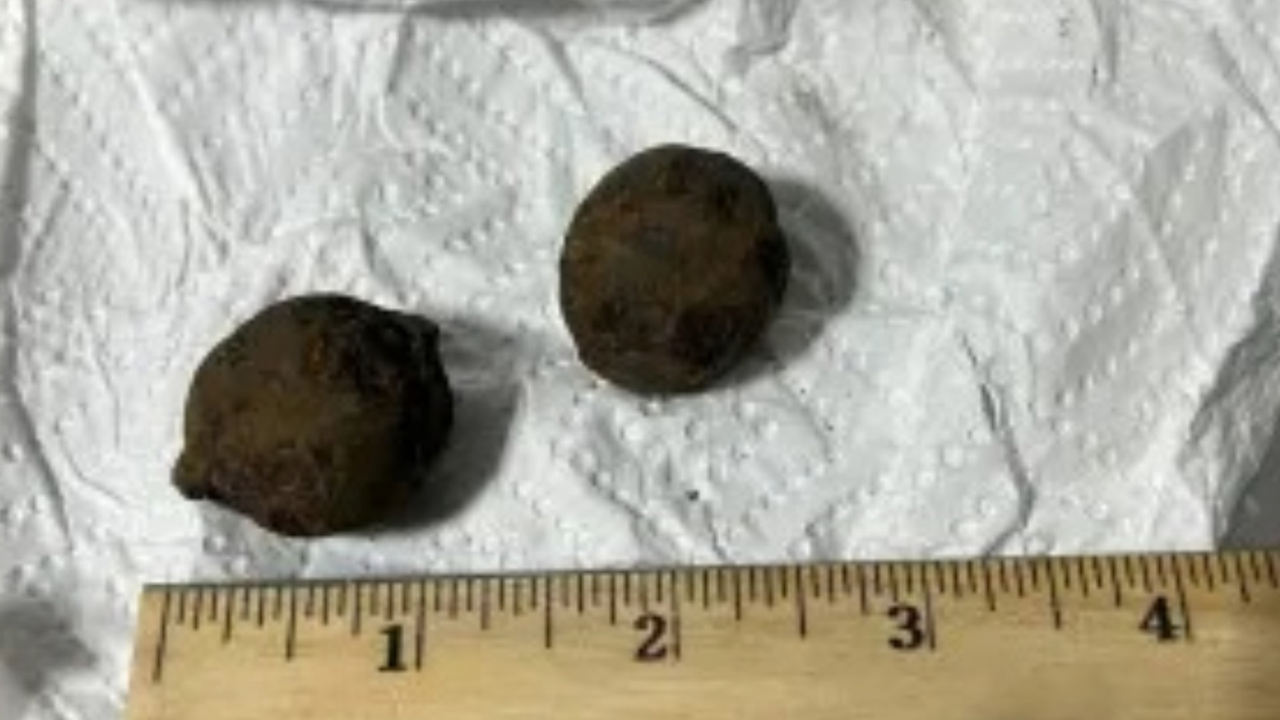
Transportation Security Administration officers at Gulf Shores International Airport found five small cannonballs wrapped in paper towels inside a passenger’s checked bag.
The historic artifacts had been stolen from nearby Fort Morgan, a National Historic Landmark that has guarded the entrance to Mobile Bay since 1834. Police said the passenger was unaware of how the cannonballs had been taken.
Fortunately, the cannonballs were inert and did not contain explosive material. They still could not travel on the plane, and authorities eventually returned them to the historic site.
A TSA Officer Thought It Might Be a Medicine Ball at First

According to a TSA announcement, the bag triggered an alarm during screening on July 18. Lead TSA Officer Justin Dupree saw a large, opaque object on the X-ray screen and initially thought it might be a medicine ball.
When the bag was inspected, officers discovered five cannonballs of different sizes wrapped in paper towels. The largest were about the size of grapefruits and weighed roughly as much as a small shot put.
Dupree could not immediately determine whether the cannonballs were active explosives. “I couldn’t see a fuse and need to get some help quick,” he recalled to TSA Employee Stories. He contacted Supervisory TSA Officer Richard Cash, who agreed that the bag could contain a dangerous item.
The Cannonballs Were Inert, but Still Prohibited

Cash contacted a TSA explosives specialist and other law enforcement officials. The Baldwin County Sheriff’s Office then responded to the airport to investigate the objects.
While officials determined that the cannonballs were inert and did not contain any explosive material, they were still classified as artillery munitions and were prohibited from traveling on the aircraft. Inert means that they no longer contains no active explosive material, black powder, or the live fusing components which make them dangerous.
Dupree, who has worked for the TSA for four years, had previously encountered inert grenades and training munitions. “I had never seen anything quite this unique,” said Dupree. “I’ve seen inert grenades and training munitions but never an Indiana Jones-esque stolen artifact-type situation.”
TSA Alabama Federal Security Director Tara Corse praised the officers for recognizing the potential danger and following the proper procedures. She also reminded travelers that weapons and replicas can cause security alerts, safety concerns and flight delays even when they are no longer active.
The Cannonballs Were Eventually Returned to Fort Morgan
A police investigation determined that the cannonballs had been stolen from Fort Morgan, although authorities said the passenger did not know how they had been taken. The Baldwin County Sheriff’s Office was able to return all five artifacts to the historic site.
Located about 22 miles west of Gulf Shores, Fort Morgan was completed in 1834 and designed to protect the main shipping channel into Mobile Bay. It later played an important role in the Civil War’s Battle of Mobile Bay.
The fort is now operated as a museum and historic site by the Alabama Historical Commission. After their unexpected trip through airport security, the five cannonballs are back where they belong.


