Trying a Dry January? Set Up Your Home to Make It Through the Month
Dry January often starts with ambition and slips by the second week (like most resolutions). The line between sticking with it and giving in is usually the home itself. When the kitchen still reads like a cocktail setup, the brain keeps asking for a drink.
Changing the space changes the cues. Clearing visual triggers, adjusting routines, and adding better options make alcohol less automatic and sobriety easier to hold onto. This article explains how to shape a living space that supports Dry January through
1. Clear the Cues from Daily Sightlines

The easiest way to consume alcohol is to have it within arm’s reach. Visibility serves as a constant mental nudge. Moving bottles out of the line of sight reduces the frequency of these cues. Take every bottle of spirits, wine, and beer and move them to a high shelf, a basement, or a locked cabinet.
If the bottles are difficult to reach, the brain has more time to intercept the impulse to pour a drink. Out of sight truly means out of mind when it comes to dopamine-driven habits. If you’re going out, this might mean avoiding places you tend to drink or only entering with a solid plan. If going to a friend’s, let them know you’re doing a dry January and see if they can hide their spirits for you (or even ask them to join!).
2. Inventory and Restock with High-Quality Alternatives
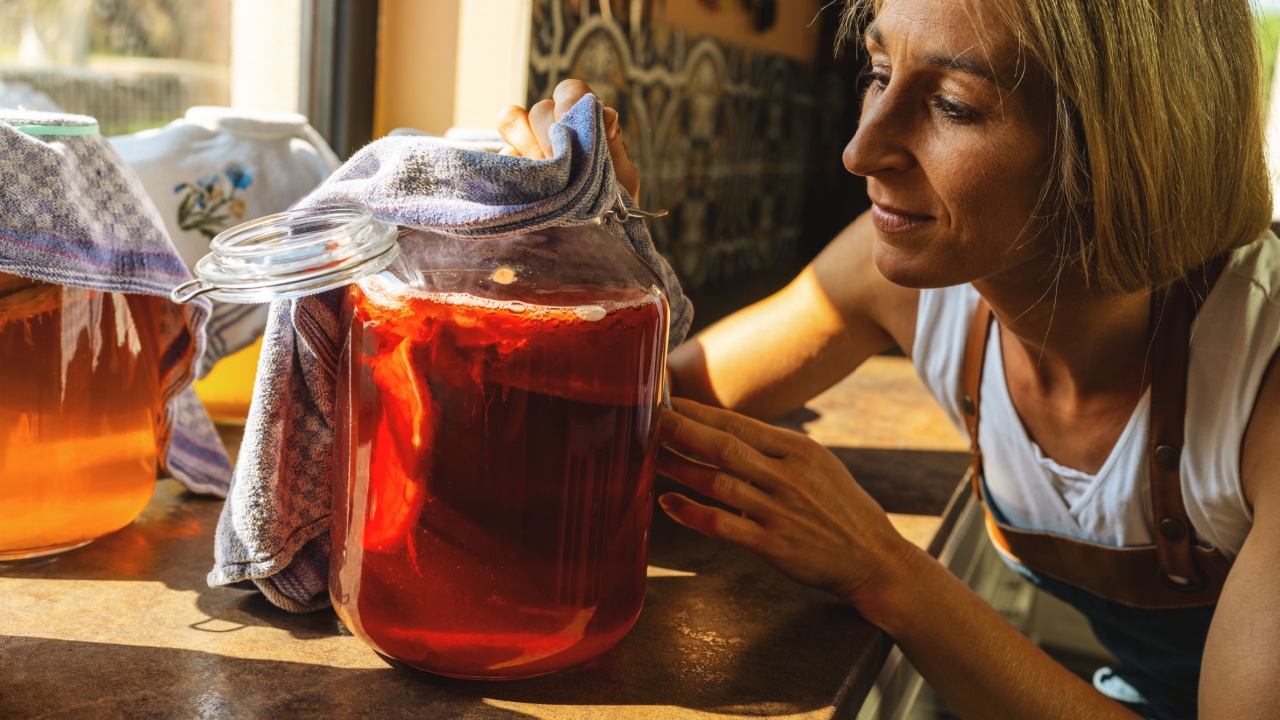
Space in the fridge can feel like a void. Replace the missing beer or wine with sophisticated non-alcoholic options. Look for botanical spirits, hopped sparkling waters, or kombucha (homemade or store-bought).
These drinks provide the ritual of opening a bottle and the complexity of flavor without the ethanol. Having a dedicated “mocktail” shelf provides a sense of abundance rather than deprivation.
3. Reorganize Glassware and Bar Tools
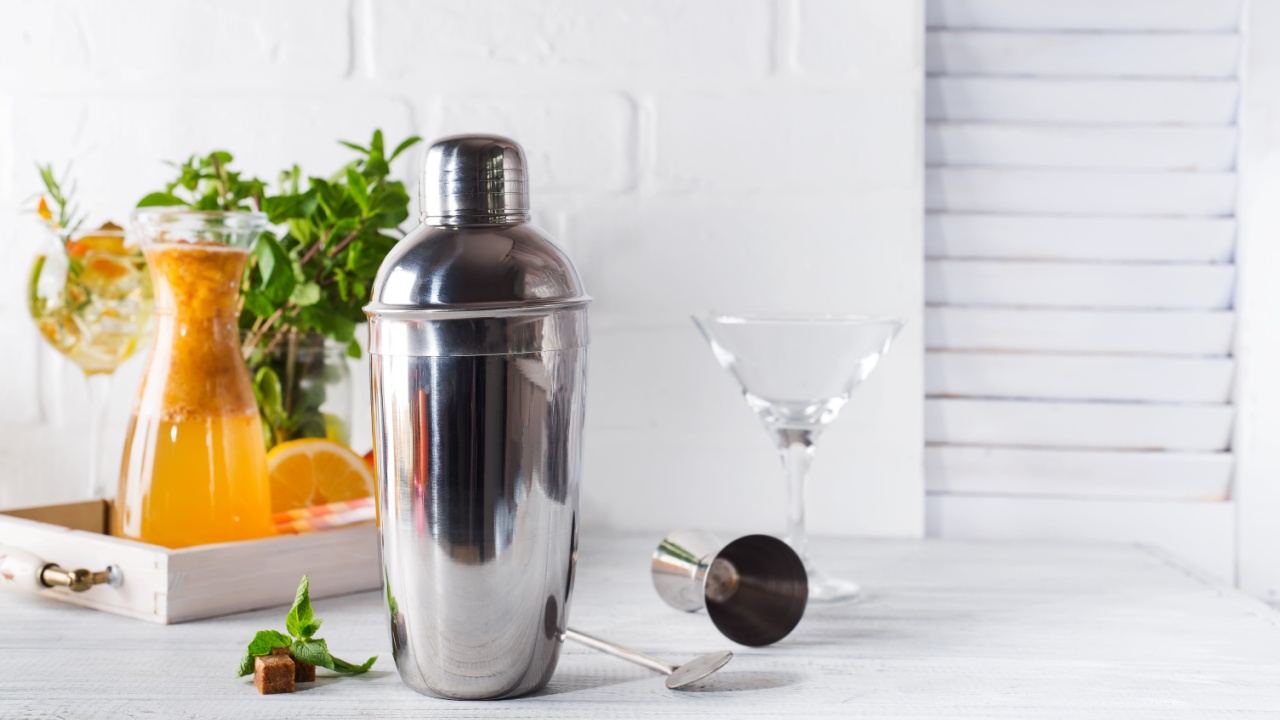
Wine glasses and shakers also signal the brain to prepare for a drink. During Dry January, these items should be tucked away. Replace them on the counter with a French press, a high-end tea kettle, or attractive tumblers for water.
When the environment suggests hydration instead of intoxication, the daily routine shifts naturally. Using a fancy glass for sparkling water can still feel celebratory without the morning-after regret.
4. Designate a “Wind Down” Zone Away from the Kitchen

Many people associate the kitchen or the bar cart with the transition from work to relaxation. Break this association by creating a new evening ritual in a different part of the home. Set up a reading nook with a lamp or a space for a hobby.
By physically moving to a different spot when the “witching hour” hits, the brain disconnects the concept of relaxation from the act of drinking.
5. Prioritize Sleep-Centric Bedroom Upgrades

Alcohol severely disrupts REM sleep, though it might help a person fall asleep faster. Use Dry January to focus on real rest. Upgrade bedding, use a white noise machine, or introduce an evening magnesium supplement routine.
Since waking up without a hangover is a primary benefit of Dry January, making the bedroom a sanctuary reinforces the rewards of the month. The physical feeling of being well-rested becomes a powerful motivator to keep going.
6. Establish a Visual Progress Tracker
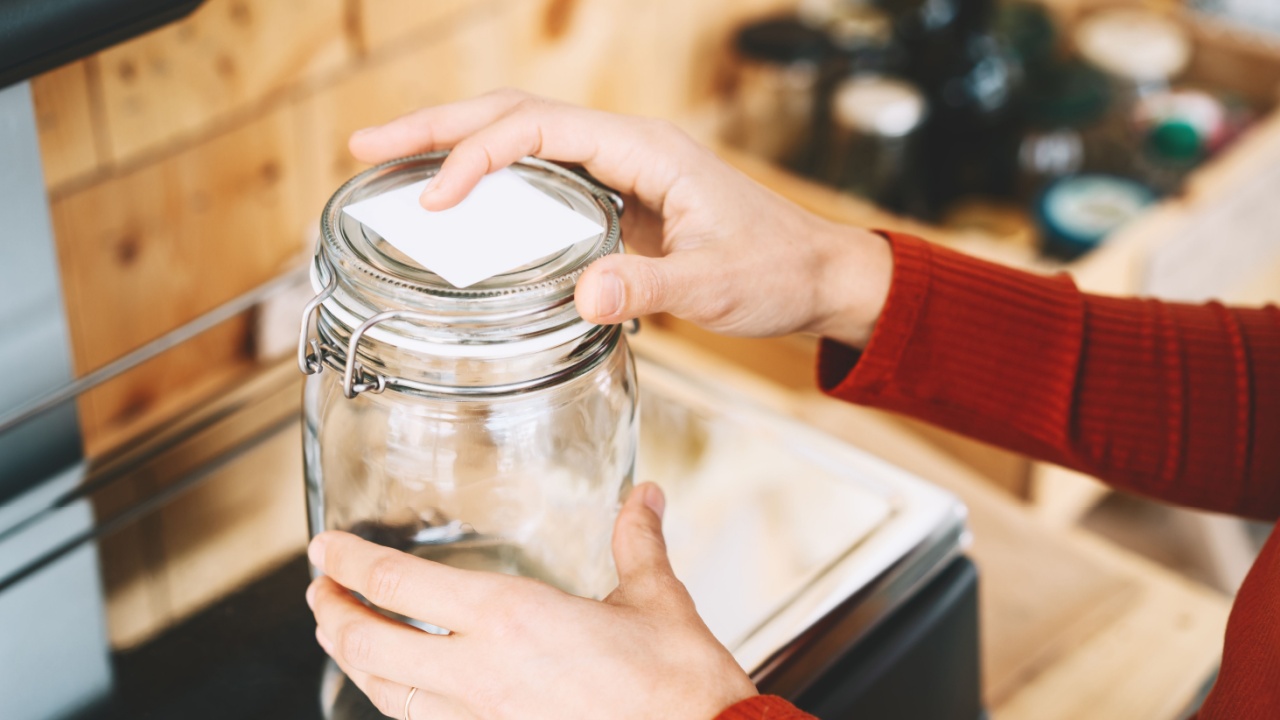
The digital world is fleeting, but a physical tracker in the home provides a constant sense of achievement. Place a calendar on the fridge or a jar on the counter where a five-dollar bill is added for every drink not purchased.
Seeing the visual representation of success builds momentum. It turns a month of “no” into a visible series of “yes” votes for health.
7. Enhance the Aromatherapy Profile of the Home
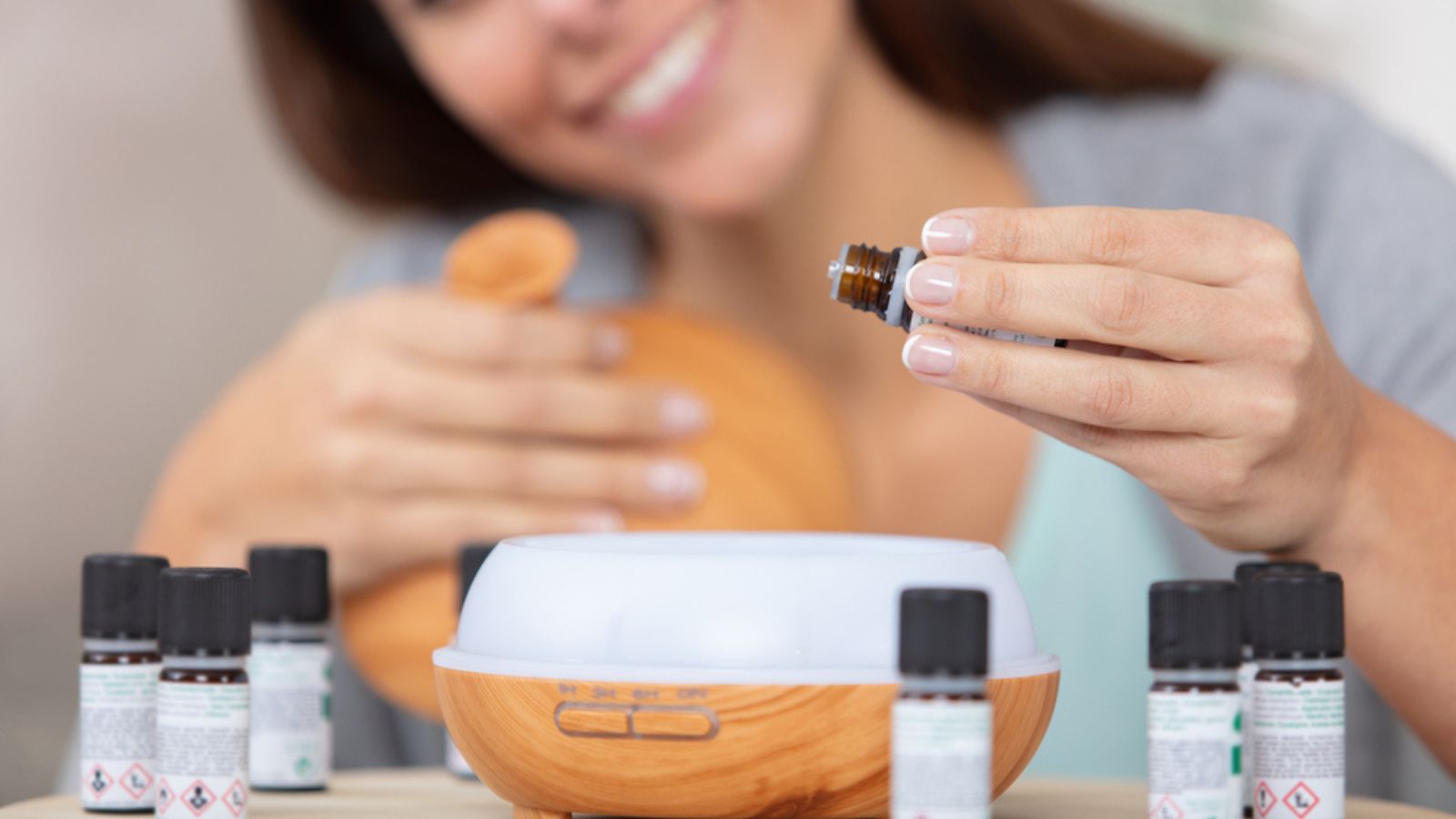
Scent is a powerful mood regulator. If a home smells like a brewery or a stale bar, it won’t help the cause. Use essential oil diffusers or candles with citrus, peppermint, or eucalyptus scents.
These aromas are invigorating and clean, contrasting with the heavy, fermented scents of alcohol. A fresh-smelling home encourages a “clean slate” mentality that supports a month of detoxification.
Celebrate the Wins and Keep What Works

Finishing a dry month comes down to prep work. When the house supports sobriety, choosing a juice over a gin becomes much easier. As the month ends, look at which changes felt the most helpful.
Moving back to a routine might mean bringing bottles back, or it might mean keeping the clean, alcohol-free setup exactly as it is. Check the bank account, notice the better sleep, and keep the habits that actually improved the home.