Many homebuyers can’t resist properties with big, blossoming trees in their yard. Not only do they mimic a picture-perfect landscape, but they offer ample shade and the ideal location for that tire swing your kids always wanted.
But while these gorgeous spruces might be a selling point for some, not all provide the tranquil oasis you might be envisioning. In fact, there are certain trees that can do considerable damage to a backyard space, and experts insist you avoid them at all costs.
If you can’t imagine that giant, billowy tree in your yard causing any harm, read on for some tips from gardening experts on the five trees that can wreak havoc on your property, many of which probably never even crossed your mind.
Oak
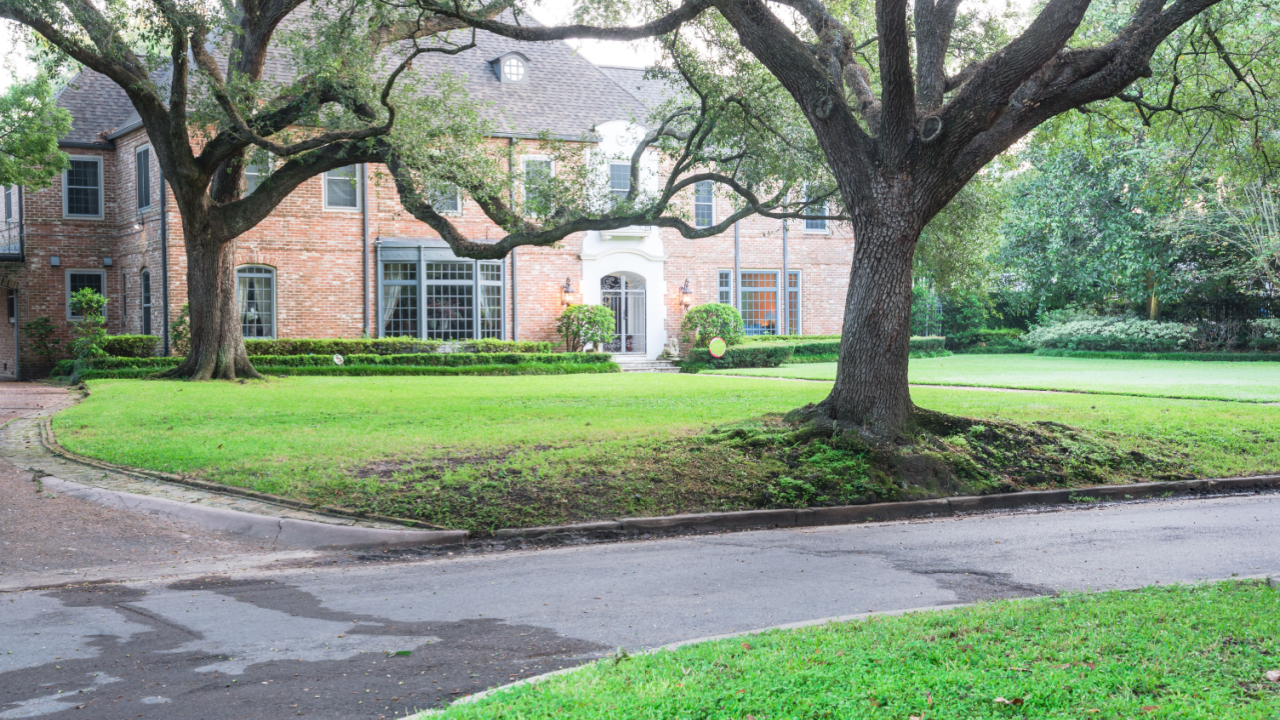
Image Credit: Shutterstock.
One tree that could produce devastation to your backyard area, especially if you have a pool or other hardscaping features, is an oak. You might be thinking, “But why? Oak trees are common, and their beautiful spiral leaf arrangement is to die for!”
However, according to Jeremy Yamaguchi, CEO of Cabana, a pool company in San Diego, California, they could be a nightmare for your home’s surroundings.
“The problem with these trees is that their roots are invasive and strong,” Yamaguchi says about their destructive nature. “They will spread far and wide — impacting anything in their path.”
“They can break through your in-ground pool, cause your gazebo to become lopsided, wreck your sprinkler lines, and more,” he adds.
Some fun facts about oak trees: They are prominent throughout America and include many different species, such as white oak, bur oak, swamp white oak, chinquapin oak, black oak, pin oak, and red oak, per the Conservation Foundations website. They also are long-living trees with an average lifespan of 150 to 250 years (the oldest being over 1,000 years old).
Maple
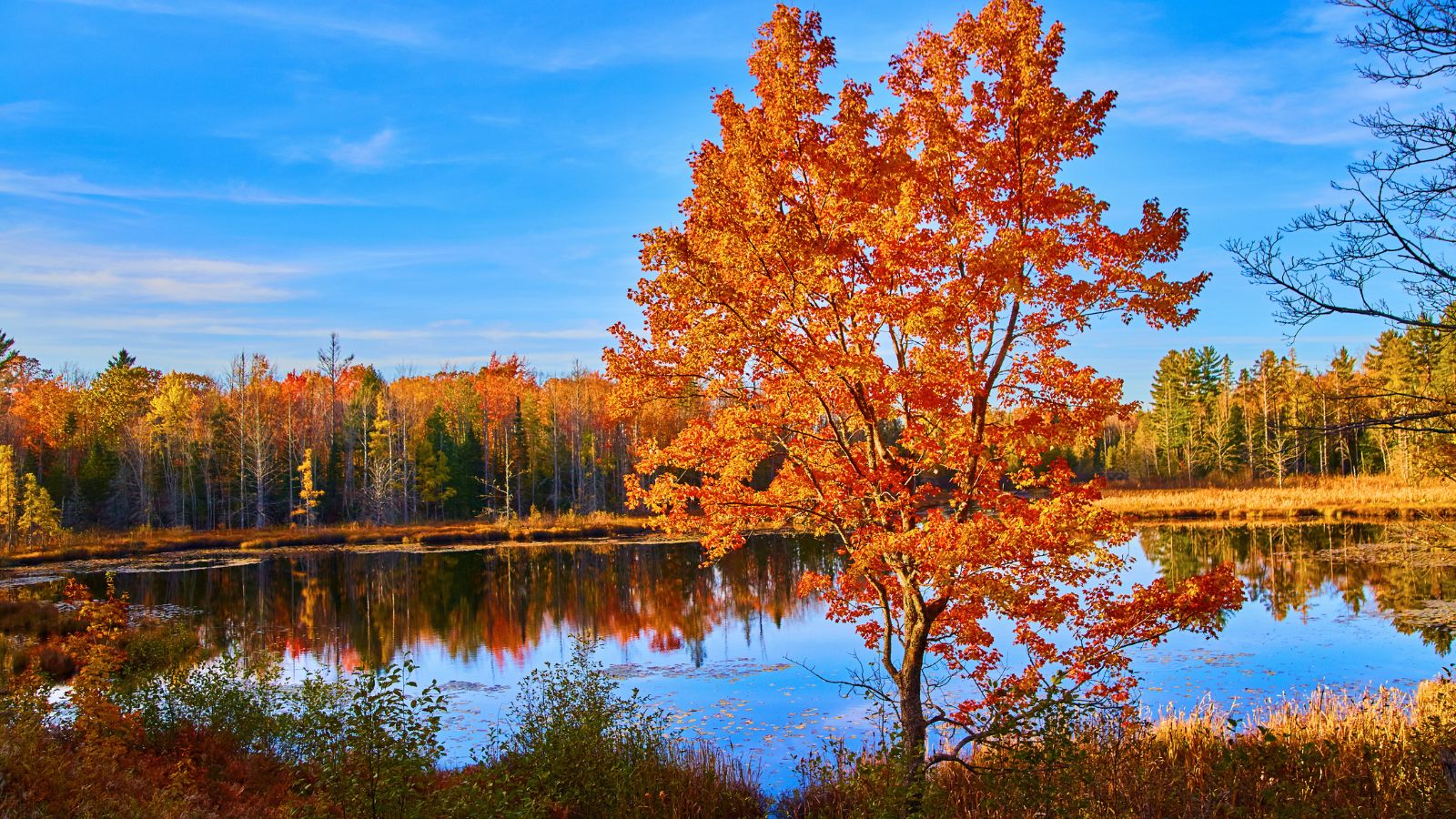
Image credit: YAY Images.
Maple trees also don’t have the best reputation, at least according to pool experts, as Yamaguchi calls out the infamous shrub for its damaging effects. He notes that just like oak trees, maples tend to ruin things surrounding them, and there are over a dozen different species of them.
According to the Nashville Tree Conservation Corps website, there are 13 species of maple innate to North America and nearly 130 types found throughout America, Europe, and Asia. But don’t let their breathtaking looks fool you.
An article in Southern Living reveals the impacts of the Silver Maple, in particular, which has roots that are known to clog water lines and damage sidewalks. It also points out that their weak branches are no match for rough weather, and the plethora of seeds it drops each season creates a mess that isn’t so picturesque.
Magnolia
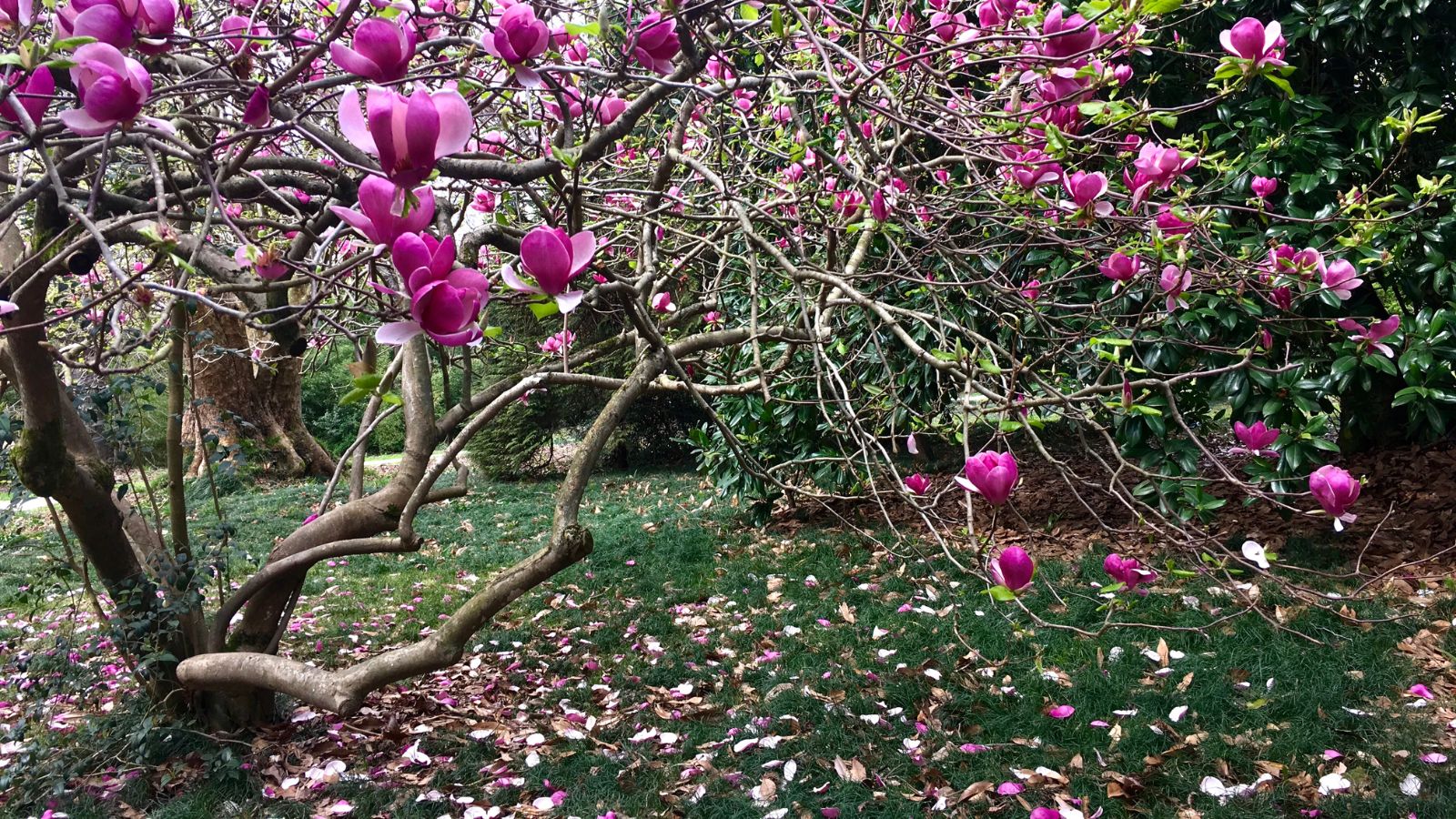
Image credit: YAY Images
Magnolia trees are captivating to look at, but you might think twice about having one in your yard after reading their disturbing traits. The aforementioned Southern Living article also references Southern Magnolias, but not to highlight their beauty.
The piece deters readers from the magnolia plant because it is far too large for an average-sized backyard. On top of that, the year-round leaf drop forges a mess that never goes away, and the crowded undersoil space makes it challenging for any other plants to thrive near it.
While this is just one of the more than 200 varieties of magnolia trees, as per The Spruce, many of them produce their own challenges depending on the space. So, it might be best to steer clear of these types of trees altogether.
Bradford Pear
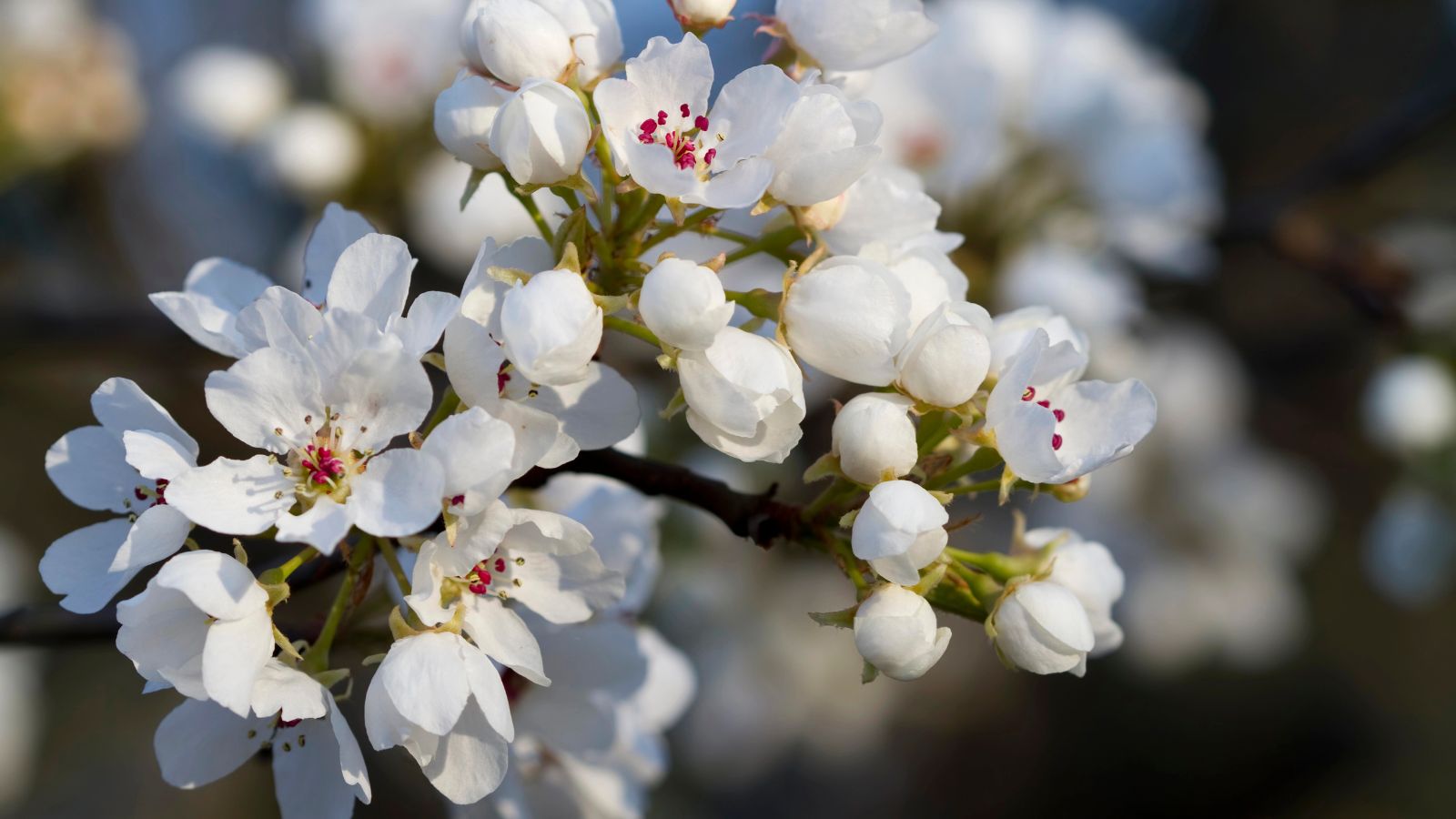
Image credit: Depositphotos.
If you haven’t heard, gardening experts have frequently shouted from the rooftops how much they dislike the Bradford Pear tree and encouraged people not to plant it. Here’s why.
For one, their smell is so invasive that many U.S. cities have begged homeowners to get rid of them, as per Better Homes and Gardens. Also, although their flowers are remarkable to look at, the wind easily picks up its tiny seedlings, littering them around your lawn and driveway.
Bradford Pear trees are also known as Pyrus Calleryana or Callery Pear, a part of the Rosaceae family and native to China or Vietnam.
Willow
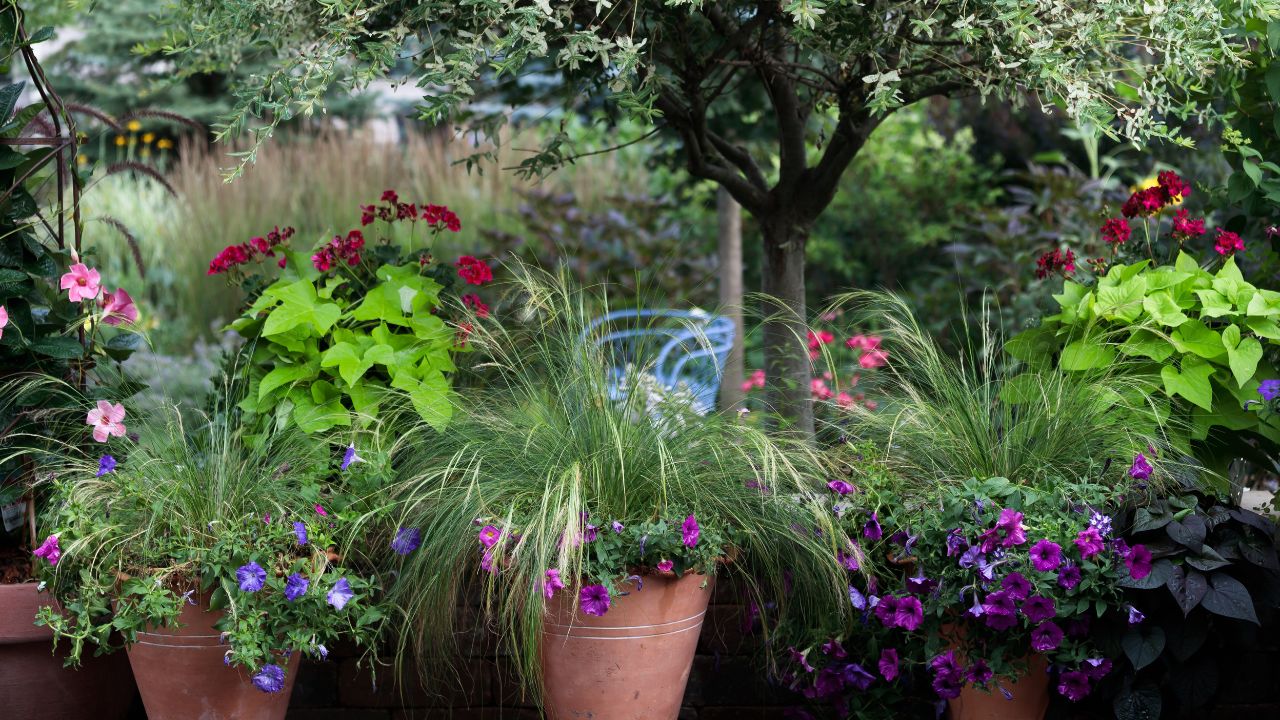
Image Credit: Shutterstock.
Rounding out our top five trees that are worst for your yard are willow trees. These types of trees are common in many parts of the U.S., including Texas, Oklahoma, and California. However, according to Ryan Farley, CEO of LawnStarter, a popular lawn care services company, they aren’t the easiest to care for.
“Willows are definitely a big one when it comes to trees, and I’d recommend some caution with them,” Farley says. “Willows are notorious for their root systems, which can be so aggressive in lots of cases they can start to interfere with your underground systems and even your home’s foundation if you’re unlucky.”
Farley also notes that these large trees offer little sunshine into your yard, making growing other plants and crops increasingly difficult. “I really only recommend these trees for large yards that can accommodate them at their full size and planted far away from a home,” he adds.
Well, there you have it. The five trees that experts agree are the worst additions to your yard due to damaging elements, awful smells, a lack of sunshine, and other annoying factors. We suggest considering these points when house hunting or if you’re thinking about removing that pesky maple tree from your backyard. Although we imagine you’ve already made your decision after reading this.