
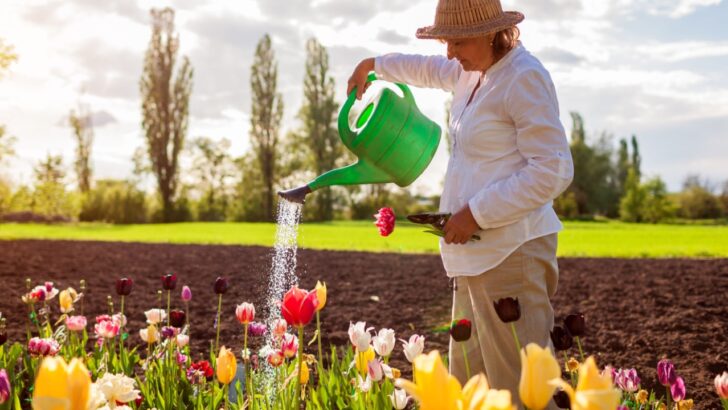
October signals a beautiful transition in the garden. The intense heat of summer fades, replaced by crisp air and a rich palette of autumn colors. While it might feel like the gardening season is winding down, this month is a crucial time for preparing your outdoor space for the winter ahead and setting the stage for a vibrant spring.
By tackling a few key tasks now, you can protect your plants, enrich your soil, and ensure your garden emerges healthier and more productive next year. This is your chance to work with nature, tidying up the remnants of summer while laying the groundwork for future growth.
1. Plant Garlic and Spring-Blooming Bulbs
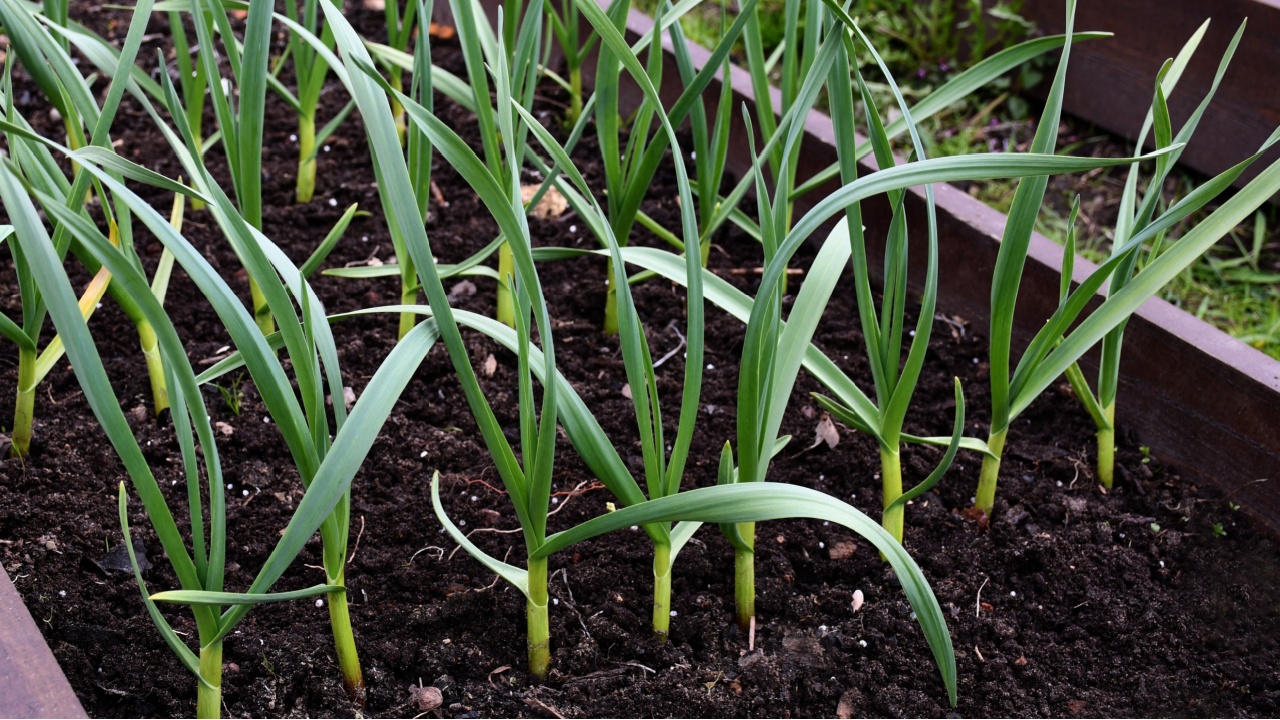
Image Credit: Shutterstock.
October is the ideal time to plant garlic and spring-blooming bulbs, such as tulips, daffodils, and crocuses. Planting them now allows their root systems to establish before the ground freezes, giving them a head start for a spectacular spring display. Garlic planted in the fall produces larger, more flavorful bulbs than spring-planted varieties. Similarly, spring bulbs require a period of cold dormancy to trigger their blooming cycle. The cool, moist soil of autumn provides the perfect environment for these plants to settle in. When you see those first green shoots emerge after a long winter, you’ll be so glad you took the time for this simple task.
Quick Tips:
- Garlic: Separate a healthy bulb into individual cloves. Plant the largest cloves about 2 inches deep and 4-6 inches apart, with the pointy end facing up.
- Bulbs: Plant bulbs at a depth that is 2-3 times their height. For example, a 2-inch tall tulip bulb should be planted 4-6 inches deep.
- Location: Choose a well-draining spot that receives at least 6 hours of sun in the spring.
- Watering: Water them well after planting to help settle the soil and encourage root growth.
2. Build a New Compost Pile
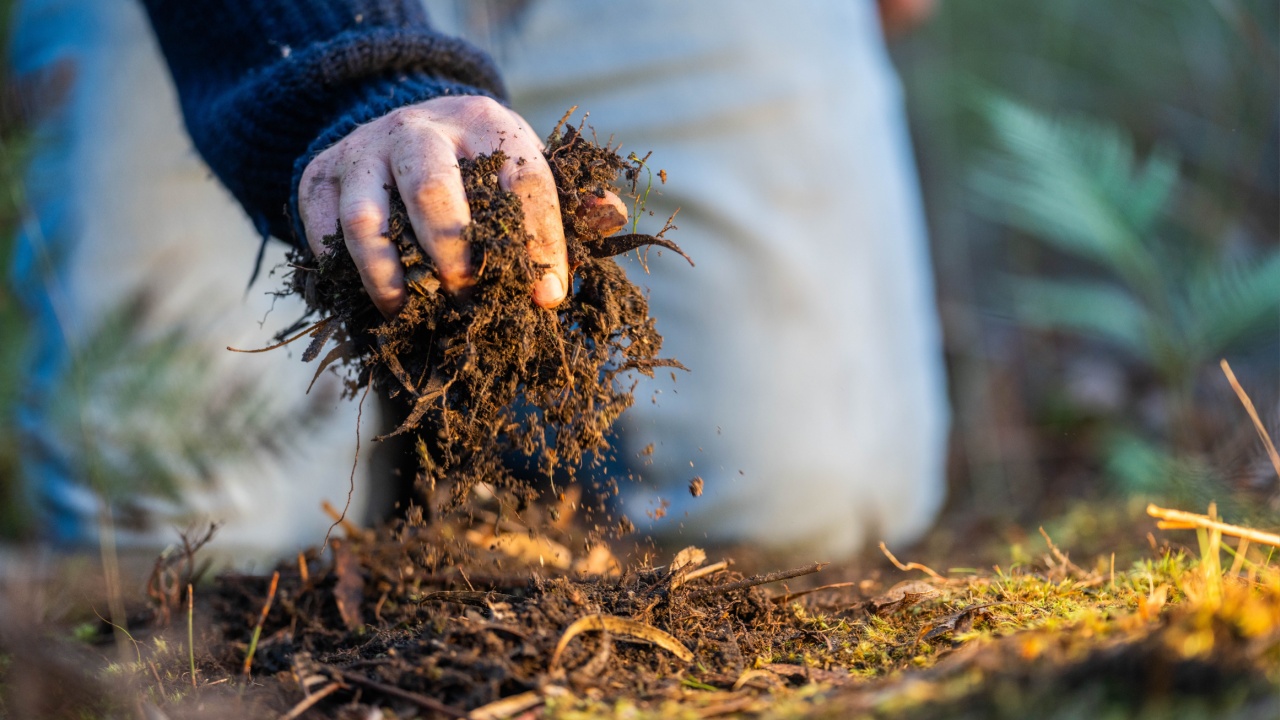
Image Credit: Shutterstock.
Autumn offers an abundance of materials perfect for starting a compost pile. Fallen leaves, leftover garden debris, and frost-damaged annuals are all valuable “brown” (carbon-rich) and “green” (nitrogen-rich) ingredients. Starting a pile now means it will have all winter to break down, creating nutrient-rich humus for your garden beds next spring. Composting is a cornerstone of sustainable gardening. It reduces yard waste, improves soil structure, and provides a free, organic source of nutrients for your plants. A healthy compost pile supports a thriving ecosystem of beneficial microorganisms that are essential for soil health.
Quick Tips:
- Layering: Alternate layers of “green” materials (like vegetable scraps and green plant cuttings) with “brown” materials (like dried leaves and small twigs).
- Moisture: Keep the pile as damp as a wrung-out sponge. Water it if it becomes too dry.
- Aeration: Turn the pile with a pitchfork every few weeks to introduce oxygen, which speeds up decomposition.
- Stockpile: Don’t have enough greens? Stockpile extra bags of fallen leaves to add to your kitchen scraps throughout the winter.
3. Protect Tender Plants and Harvest the Rest
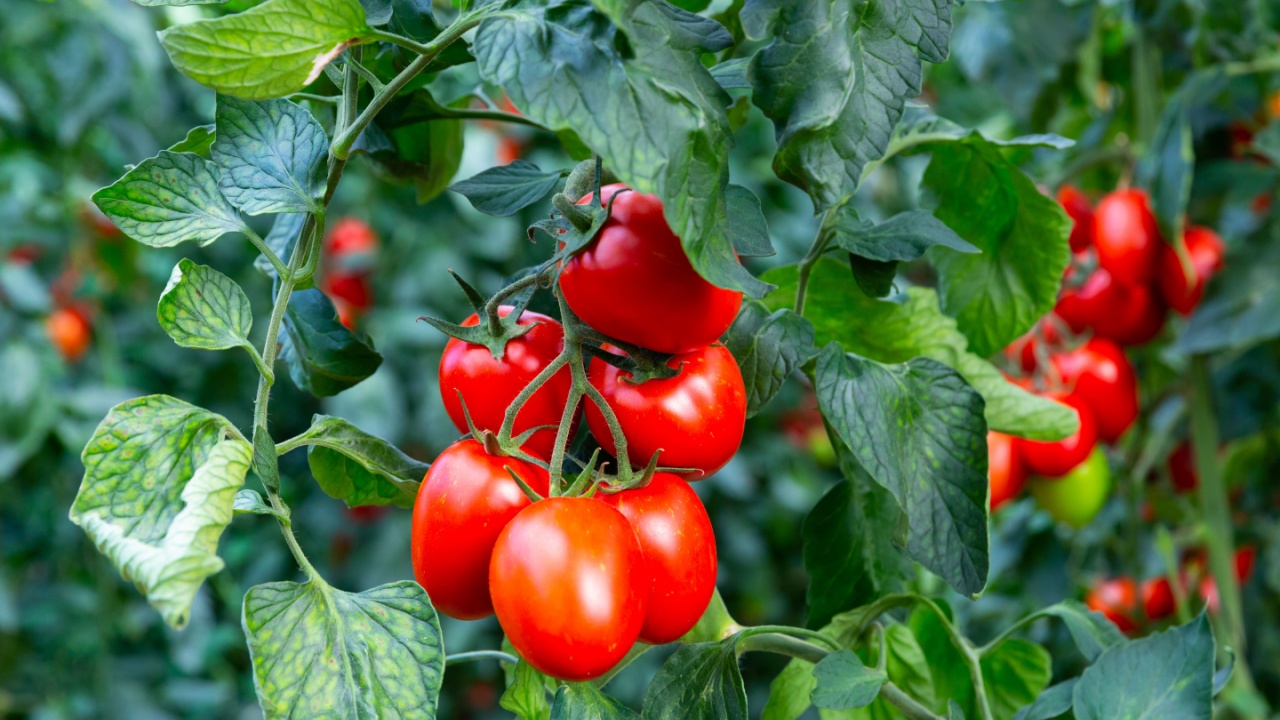
Image Credit: Shutterstock.
The first light frosts of October don’t have to mean the end for your tender summer vegetables. Plants like tomatoes, peppers, and basil can often be protected to extend your harvest season by a few more weeks. Before a hard freeze sets in, it’s crucial to bring in the final harvest. Protecting your plants allows you to enjoy every last bit of your summer garden’s bounty. Harvesting everything, including green tomatoes and unripe peppers, prevents them from being lost to frost. Green tomatoes can be ripened indoors, giving you “fresh” tomatoes well into November.
Quick Tips:
- Protection: Cover tender plants with a light blanket, sheet, or plastic tarp in the late afternoon to trap ground heat overnight. Be sure to remove it in the morning.
- Final Harvest: Pick all remaining tomatoes (even green ones), winter squash, and pumpkins before a hard freeze.
- Indoor Ripening: Place green tomatoes in a single layer on newspaper in a cool, dark place like a basement or garage. They will slowly ripen over several weeks.
- Herbs: Clip any remaining tender herbs like basil, chop them, and dry or freeze them in ice cube trays with water or olive oil for winter use.
4. Sow a Cover Crop
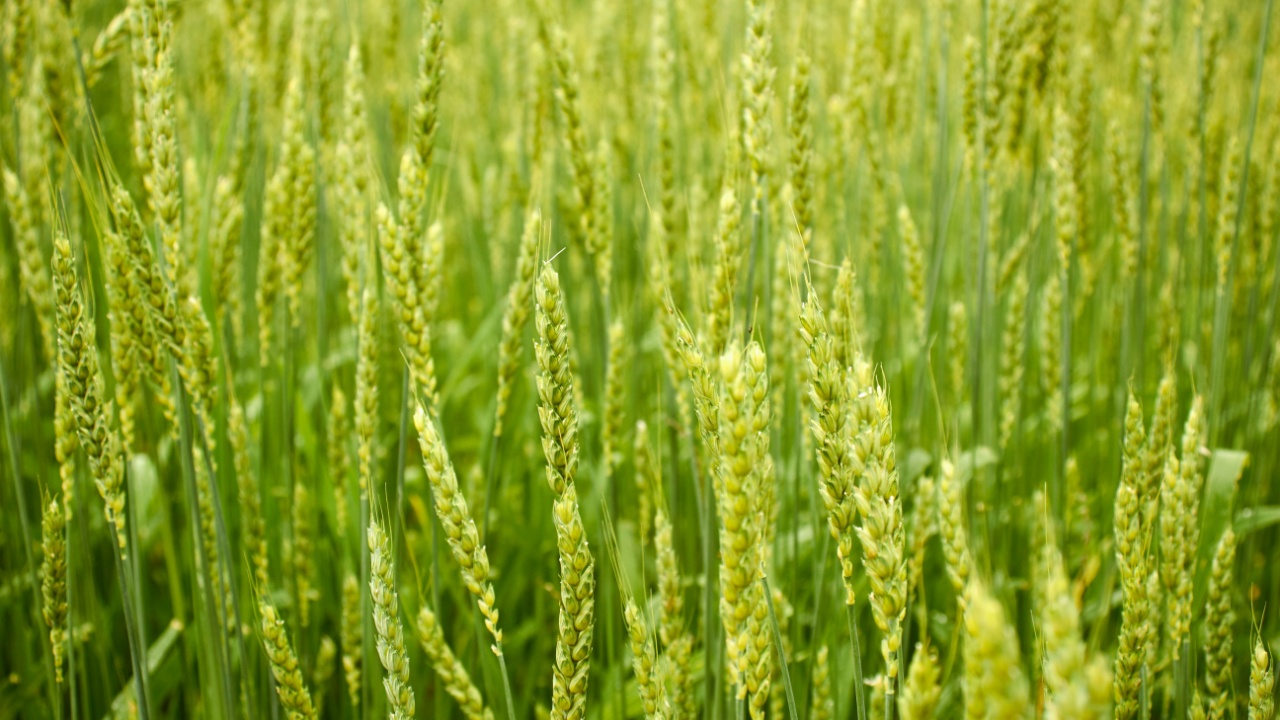
Image Credit: Shutterstock.
Once you’ve cleared out your annual vegetable beds, don’t leave the soil bare. Sowing a cover crop, also known as “green manure,” is one of the best things you can do for your soil over the winter. Hardy options like winter rye, hairy vetch, or crimson clover can be planted in the fall. Cover crops act as a living mulch, preventing soil erosion from winter winds and rain. Their roots help break up compacted soil, and when you turn them into the soil in the spring, they decompose and add valuable organic matter and nutrients. This practice improves soil fertility and structure year after year.
Quick Tips:
- Preparation: Lightly rake the soil surface to create a good seedbed.
- Sowing: Broadcast the seeds evenly over the prepared area according to the package instructions.
- Raking: Gently rake the seeds into the soil to ensure good contact.
- Spring Management: In early spring, before the crop sets seed, mow it down and turn it into the soil. Wait about three weeks before planting your spring vegetables.
5. Clean and Store Garden Tools
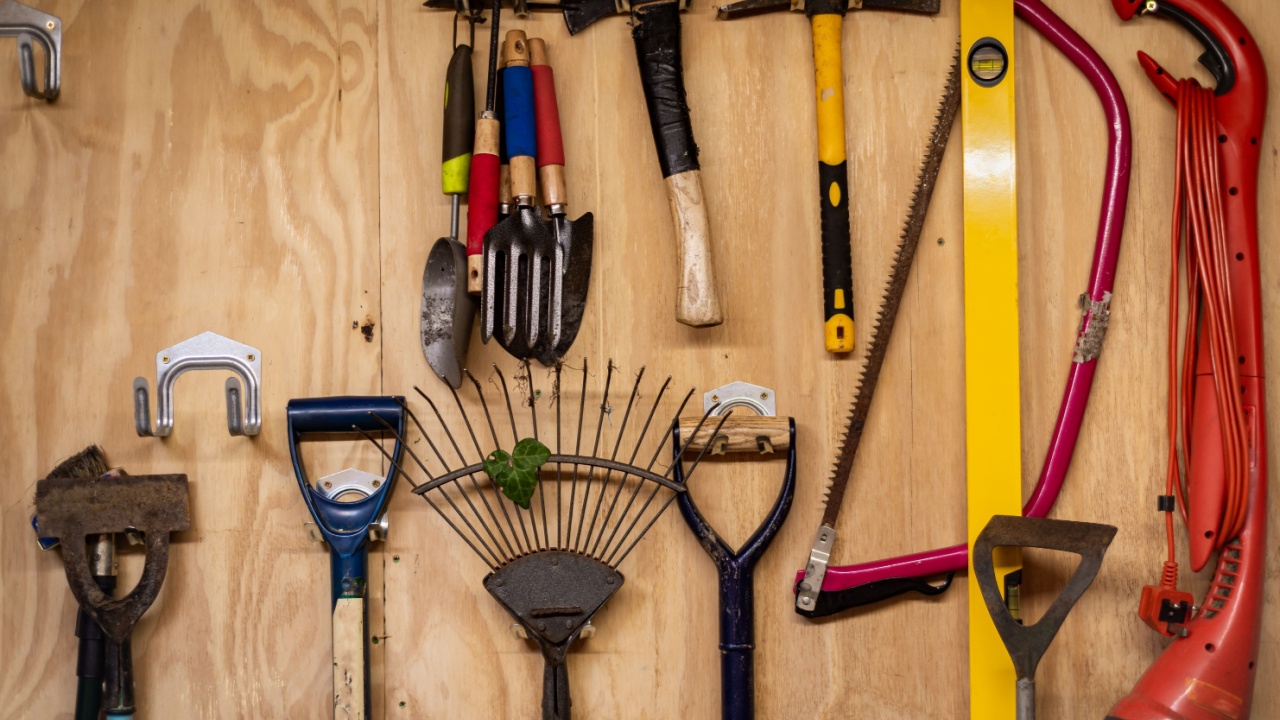
Image Credit: Shutterstock.
With the busiest part of the gardening season over, October is the perfect time to give your tools some much-needed attention. Cleaning, sharpening, and properly storing your tools before winter will protect your investment and ensure they are ready to go next spring. Proper tool maintenance prevents rust and keeps blades sharp, making your gardening tasks easier and more efficient. Clean tools also help prevent the spread of plant diseases from one season to the next. Taking an hour to do this now will save you from the frustration of dealing with rusty, dull tools when you’re eager to start planting in the spring.
Quick Tips:
- Cleaning: Use a wire brush to remove caked-on dirt and rust. Wash with soap and water, then dry thoroughly.
- Sharpening: Use a mill file to sharpen the edges of shovels, hoes, and pruners.
- Oiling: Wipe down metal parts with a light machine oil or WD-40 to prevent rust. Condition wooden handles with linseed oil to prevent cracking.
- Storage: Store tools in a dry, protected place like a garage or shed.
6. Divide Perennials
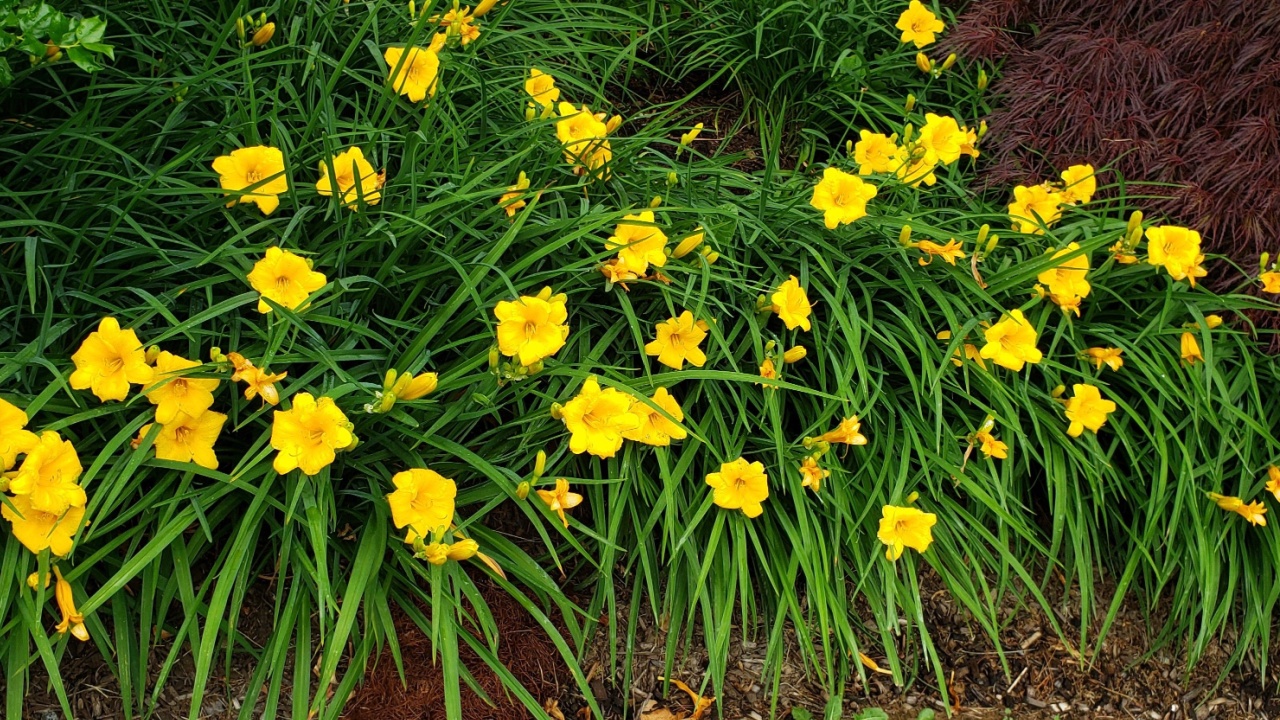
Image Credit: Shutterstock.
Fall is an ideal time to divide overgrown perennials like hostas, daylilies, and irises. Dividing plants every three to five years helps rejuvenate them, encourages more vigorous growth and blooming, and is an easy way to multiply your stock for free. When perennial clumps become too large, the center can die out, and flowering may decrease due to competition for resources. Dividing them gives the roots more room to grow, resulting in healthier, more attractive plants. It also gives you new plants to expand your garden or share with friends.
Quick Tips:
- Timing: Divide perennials on a cool, overcast day to minimize stress on the plant.
- Digging: Carefully dig around the entire clump and lift it out of the ground with a garden fork.
- Separating: Use a sharp spade, garden knife, or two forks back-to-back to separate the clump into smaller sections. Ensure each new division has plenty of roots and several healthy shoots.
- Replanting: Replant the divisions immediately at the same depth they were previously growing. Water them thoroughly and add a layer of mulch to protect them over the winter.
7. Prepare and Protect Fruit Trees
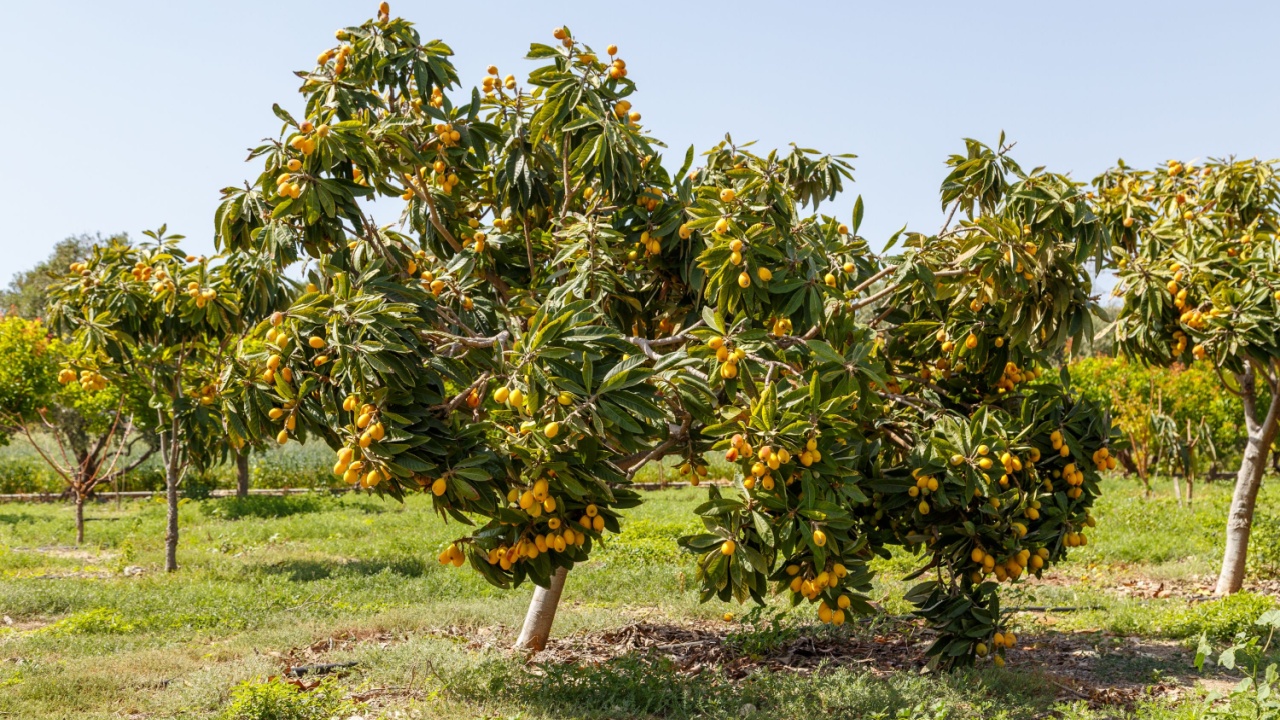
Image Credit: Shutterstock.
Giving your fruit trees some attention in the fall can help prevent disease and pest issues next year. Cleaning up fallen fruit and leaves is a simple but effective way to interrupt the life cycles of many common orchard pests and fungal diseases. Pests and diseases often overwinter in fallen fruit and leaf litter at the base of trees. By removing this debris, you eliminate their winter habitat, reducing the likelihood of an infestation next spring. Adding a protective barrier around the trunk can also prevent damage from rodents looking for a food source in the winter.
Quick Tips:
- Sanitation: Rake up and dispose of all fallen fruit and leaves from around the base of your fruit trees. Do not add diseased material to your home compost pile.
- Mulch Check: Pull any mulch away from the tree trunk. Mulch piled against the bark can trap moisture and invite disease or pests.
- Trunk Protection: For young trees, install a plastic tree guard or a cylinder of hardware cloth around the lower trunk to protect it from rabbits and voles over the winter.
- Watering: Give your trees a deep watering before the ground freezes, especially if the fall has been dry.
8. Don’t Be Too Tidy
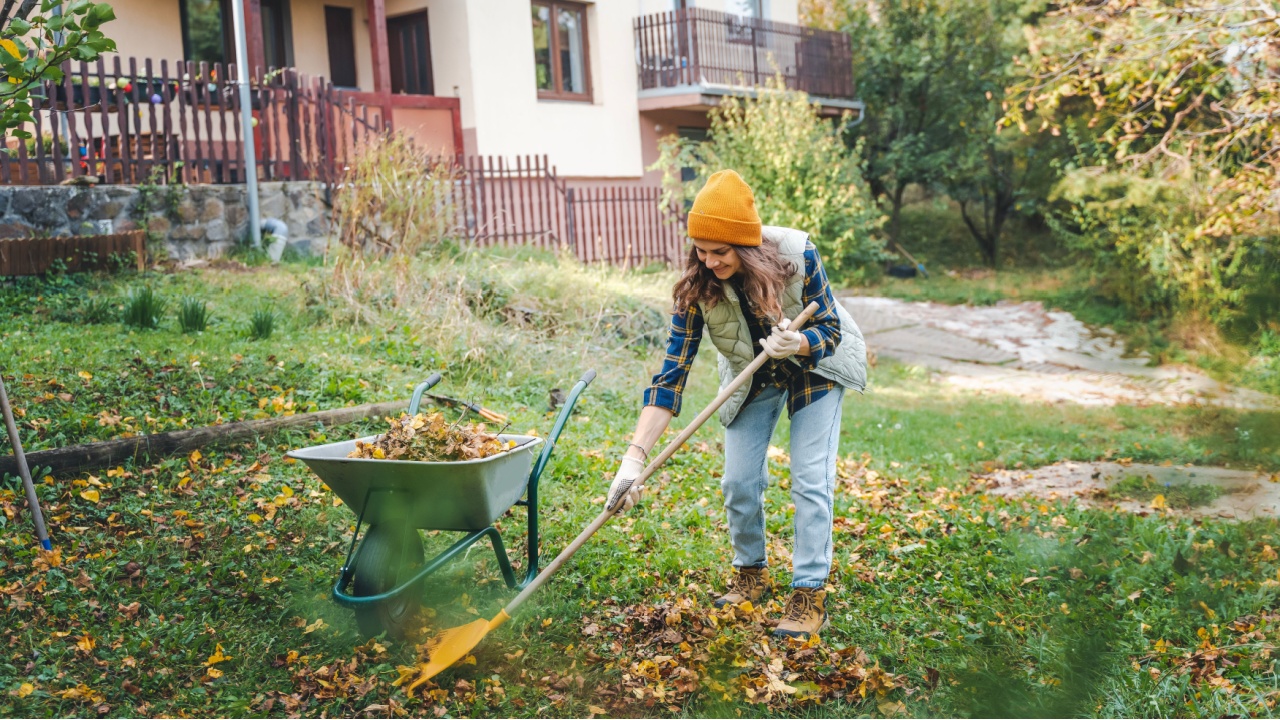
Image Credit: Shutterstock.
While it’s important to clean up diseased plant material, resist the urge to make your garden perfectly sterile. Leaving some leaves on the ground and leaving the seed heads on perennials like coneflowers and black-eyed Susans provides critical resources for wildlife. Leaf litter offers shelter for beneficial insects, spiders, and even amphibians to overwinter. The seed heads of native plants provide a vital food source for birds like finches and jays throughout the cold months. A slightly “messy” garden is a habitat-rich garden that supports a healthy ecosystem.
Quick Tips:
- Leave the Leaves: Allow leaves to remain as a natural mulch in perennial beds and under shrubs.
- Save the Stems: Let the stems and seed heads of sturdy perennials stand through the winter for birds and insects.
- Create a Brush Pile: Gather fallen branches and twigs into a small pile in an out-of-the-way corner of your yard to create shelter for wildlife.
- Spring Cleanup: Wait until late spring, when temperatures are consistently above 50°F (10°C), to do your final garden cleanup. This gives overwintering beneficial insects a chance to emerge.
October Prep Sets Up Spring Success

Image Credit: Shutterstock.
As you complete these October tasks, your garden will be well-prepared for its winter slumber. This is also a great time to reflect on the past season. Take a walk through your yard and make notes about what worked well and what you’d like to change next year.
Perhaps you want to add a new garden bed where the lawn struggled, or maybe you’ve identified the perfect spot for a new fruit tree. Dreaming and planning now will fuel your excitement and guide your efforts when the gardening season begins anew.