

Tomatoes are the crown jewel of the summer garden—bursting with flavor, glowing in the sun, and showing off their juicy charm in salads, sauces, and sandwiches. But with all the advice out there, it’s easy to get tangled in tomato-growing myths that do more harm than good.
Should you prune every sucker? Water daily? Only make sauce with Roma varieties? Not necessarily.
At Backyard Garden Lover, we believe gardening should be grounded in truth and joy, not pressure and perfection. So we dug into the data and peeled back the fiction to bring you 11 common tomato-growing myths—and the real, research-backed facts mixed with personal anecdotes every home gardener should know.
Let’s set the record straight so your tomatoes (and your confidence) can thrive.
1. Panic when leaves turn yellow
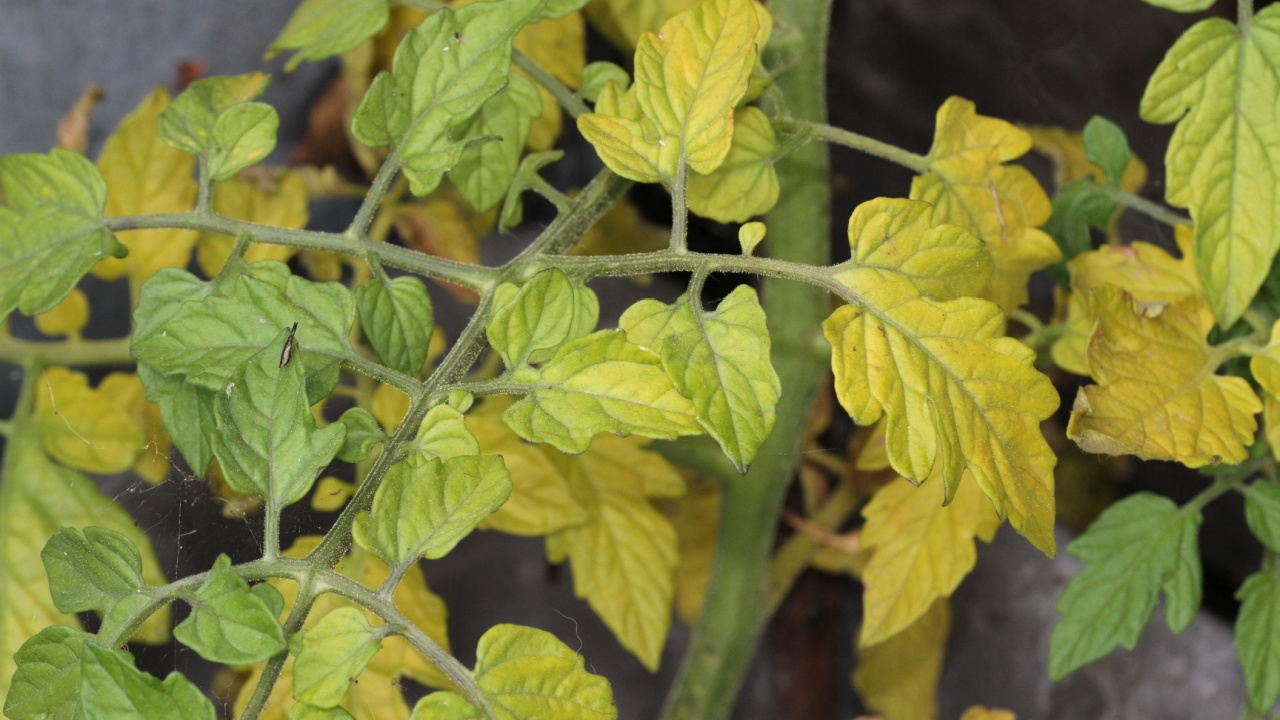
Image Credit: Shutterstock.
Yellowing leaves near the soil usually mean they’re just aging, not that your whole plant is failing. As tomatoes grow, they naturally shed old leaves, especially those shaded by new growth.
Keep airflow healthy by snipping leaves that touch the soil or crowd fruit clusters. This easy hack not only tidies up your plant but also helps prevent fungal issues from taking root.
2. Only certain tomatoes make good sauce
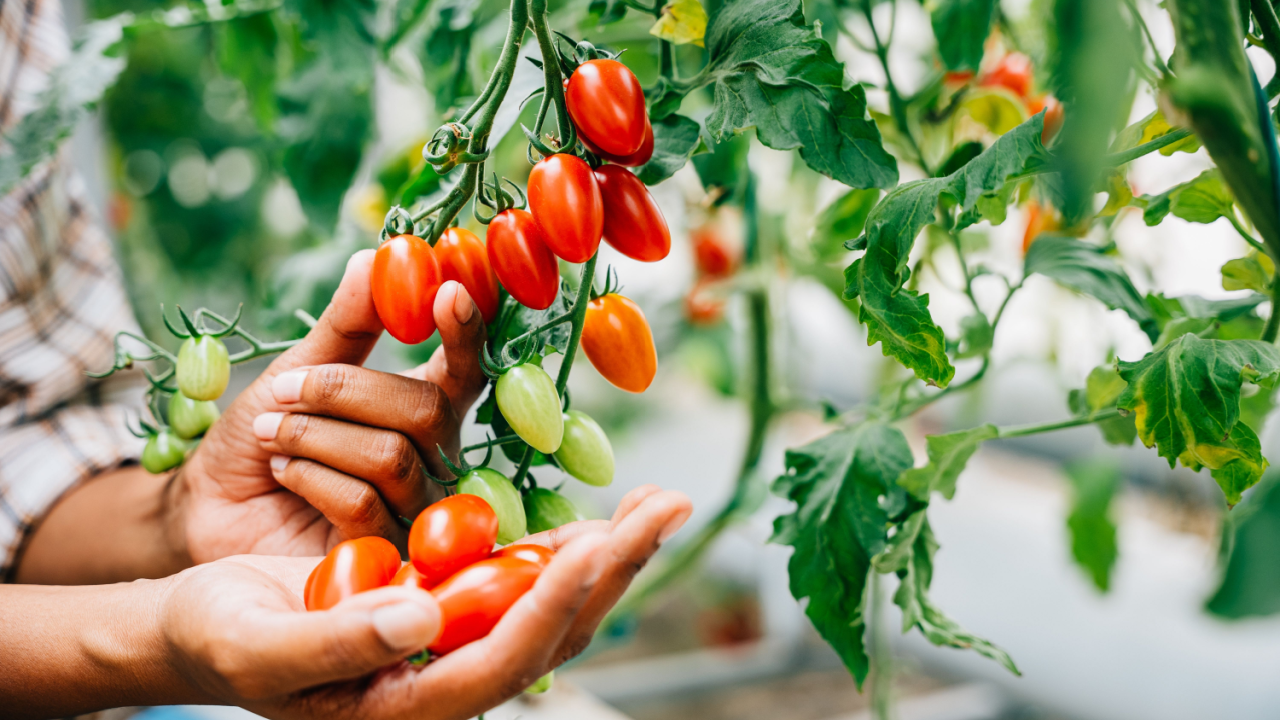
Image Credit: Shutterstock.
Every tomato ripens beautifully into sauce—you just need the right technique. While Roma and paste types cook down faster, slicers and heirlooms thicken just fine when simmered longer. The flavor results are your reward! .
If you love sauce, plant a variety mix. Use paste types when you want quick evening pantry prep, and choose slicers when you’re experimenting with flavors and textures.
3. You should manually pollinate blossoms at home

Image Credit: Shutterstock.
You only need to shake blossoms or “tickle” them when growing tomatoes in indoor greenhouses. Thankfully, in your backyard, pollinators and breezes do the job naturally.
If pollinators are scarce, a gentle shake on a non-windy day can help. But for most gardens, nature’s own traffic—bees, wind, butterflies—takes care of it beautifully.
4. Shade stops tomatoes from ripening

Image Credit: Shutterstock.
Tomatoes don’t need full sun to ripen, just enough light for photosynthesis (in the leaves). In fact, constant harsh sun can sunburn fruit. Leaves act like natural filters, protecting tomatoes while they ripen, so shaded fruit still turns red and sweet.
To guard against pests or splitting, pick tomatoes at the breaker stage (first color changes) and let them finish in cool indoor storage. You’ll still enjoy garden-fresh taste without constant sun exposure.
5. Prune all the suckers (or don’t)
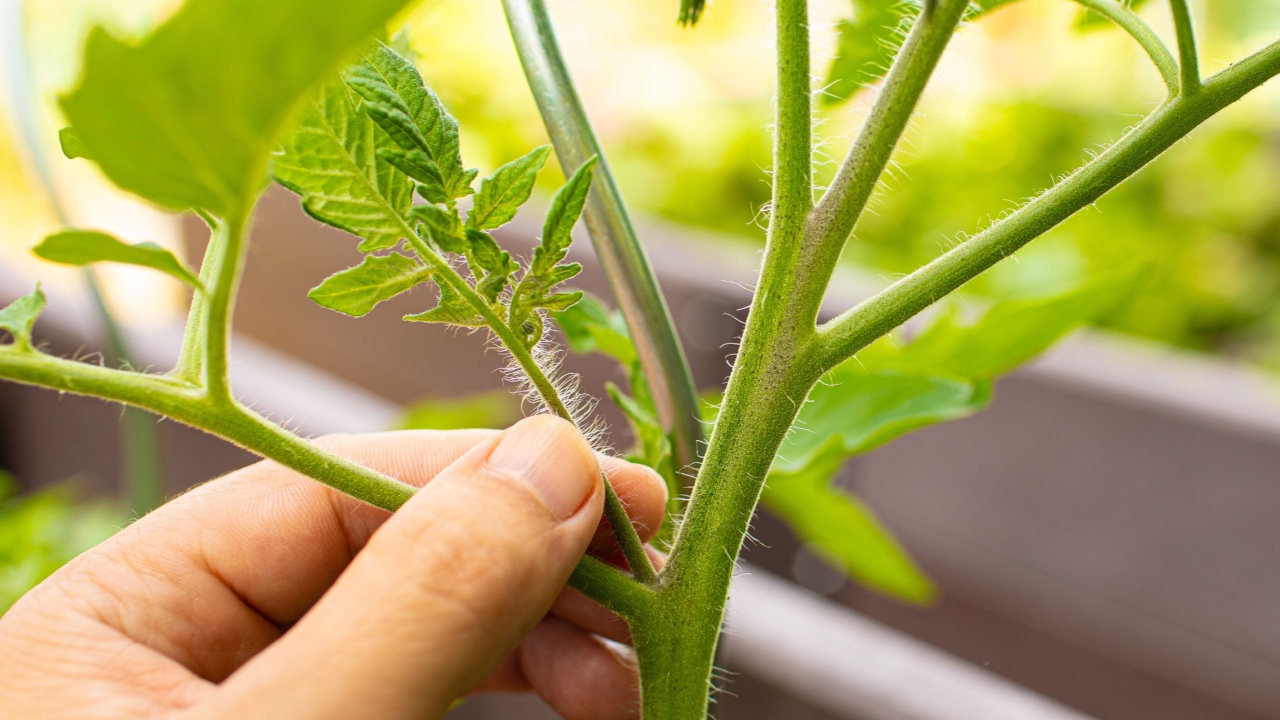
Image Credit: Shutterstock.
Pruning side shoots (“suckers”) is not mandatory (yes, there are a lot of arguments both ways). Pruning gives bigger, earlier tomatoes and cleaner plants, but letting the suckers grow extends your harvest season and adds yield.
Decide what you value most—size or quantity—and stick to that strategy. The key is consistency: once you decide to prune or let it go, follow the plan throughout the season.
6. Blossom-end rot is from calcium depletion

Image Credit: Shutterstock.
Blossom-end rot is more about uneven soil moisture than calcium deficiency. When the soil alternates between dry and soaked, calcium uptake gets disrupted, causing soft spots on fruit.
Your cure? Consistent watering. Mulch well and use drip irrigation or a soaker hose to keep moisture steady. Less drama, more delicious—and fewer black spots.
7. Ripening on the vine is better

Image Credit: Shutterstock.
Tomatoes that have begun to redden (even just a bit) can be picked and allowed to finish indoors, with no taste penalty. In fact, this practice helps protect fruits from pests, birds, and cracking from rain.
Store them at room temperature and they’ll continue to develop sweetness naturally. Just avoid hot sun indoors or cold refrigerators—temperatures around 70 degrees F are ideal.
8. It’s not okay to refrigerate tomatoes
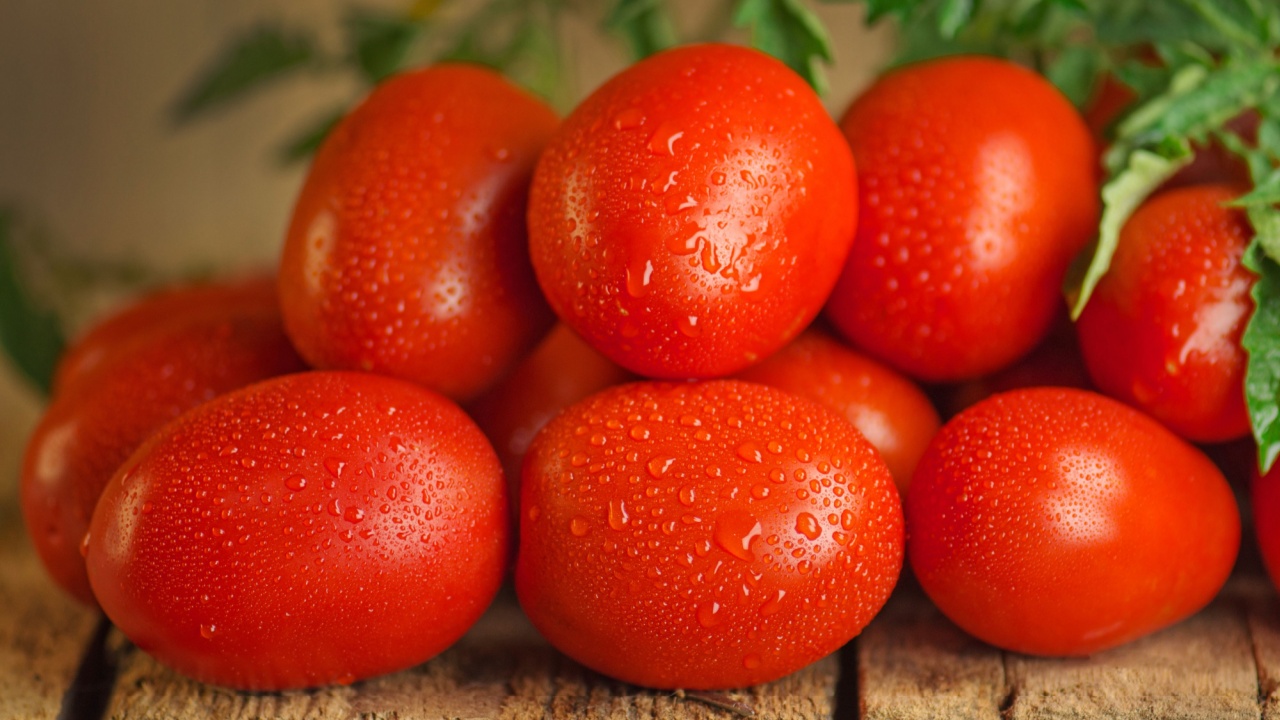
Image Credit: Shutterstock.
Okay, hear me out (I know there are strong opinions on this one). Storing fully ripe tomatoes in the fridge won’t ruin the flavor if you eat them soon after. Yes, long-term cold exposure can dull taste—but a short fridge stay (1–2 days) prevents over-ripening, and flavor rebounds once the tomato returns to room temp.
To preserve texture, place tomatoes upside-down on the counter after refrigeration so warmth can circulate evenly through the stem scar.
9. Water daily
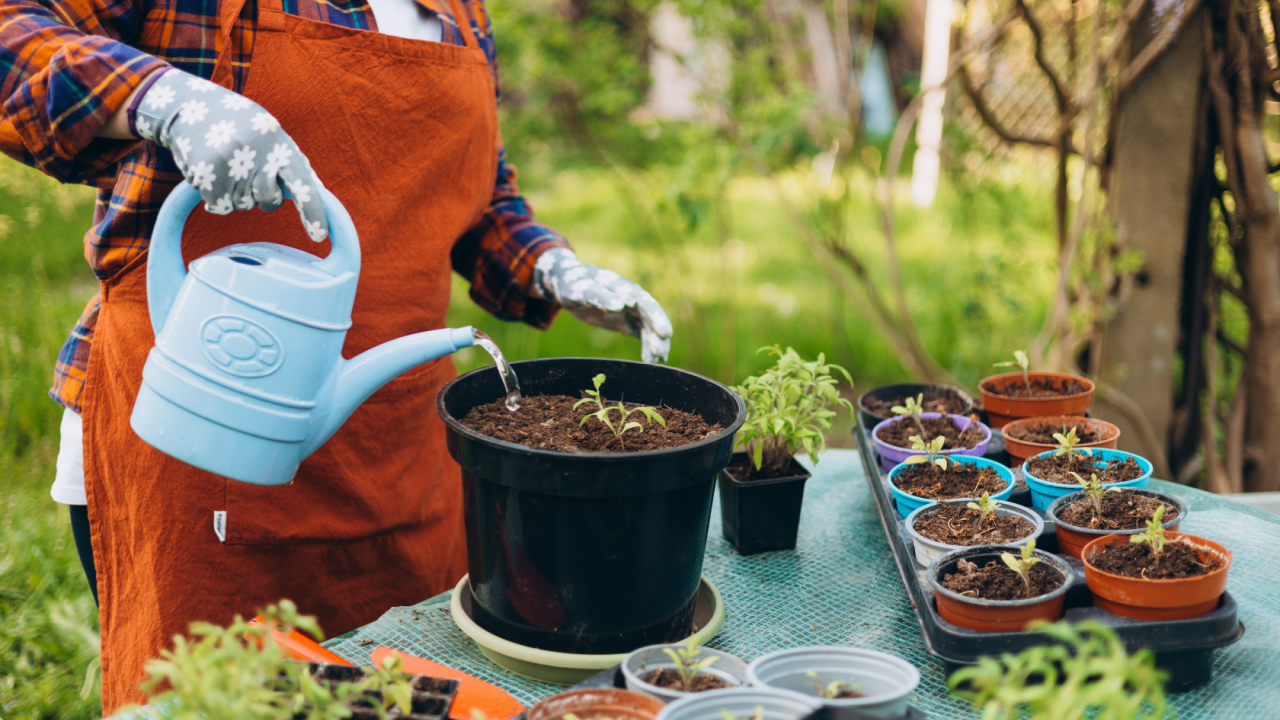
Image Credit: Shutterstock.
Tomatoes crave steady water, ideally 1–1.5 inches per week, rather than shallow daily sprinkling. Proper hydration reduces stress, prevents splitting, and supports nutrient uptake.
For beds, water deeply every few days. In containers, check the soil daily and soak deeply when it starts to dry—this encourages deeper root growth and stronger plants.
10. Cherry tomatoes are only good for snacking
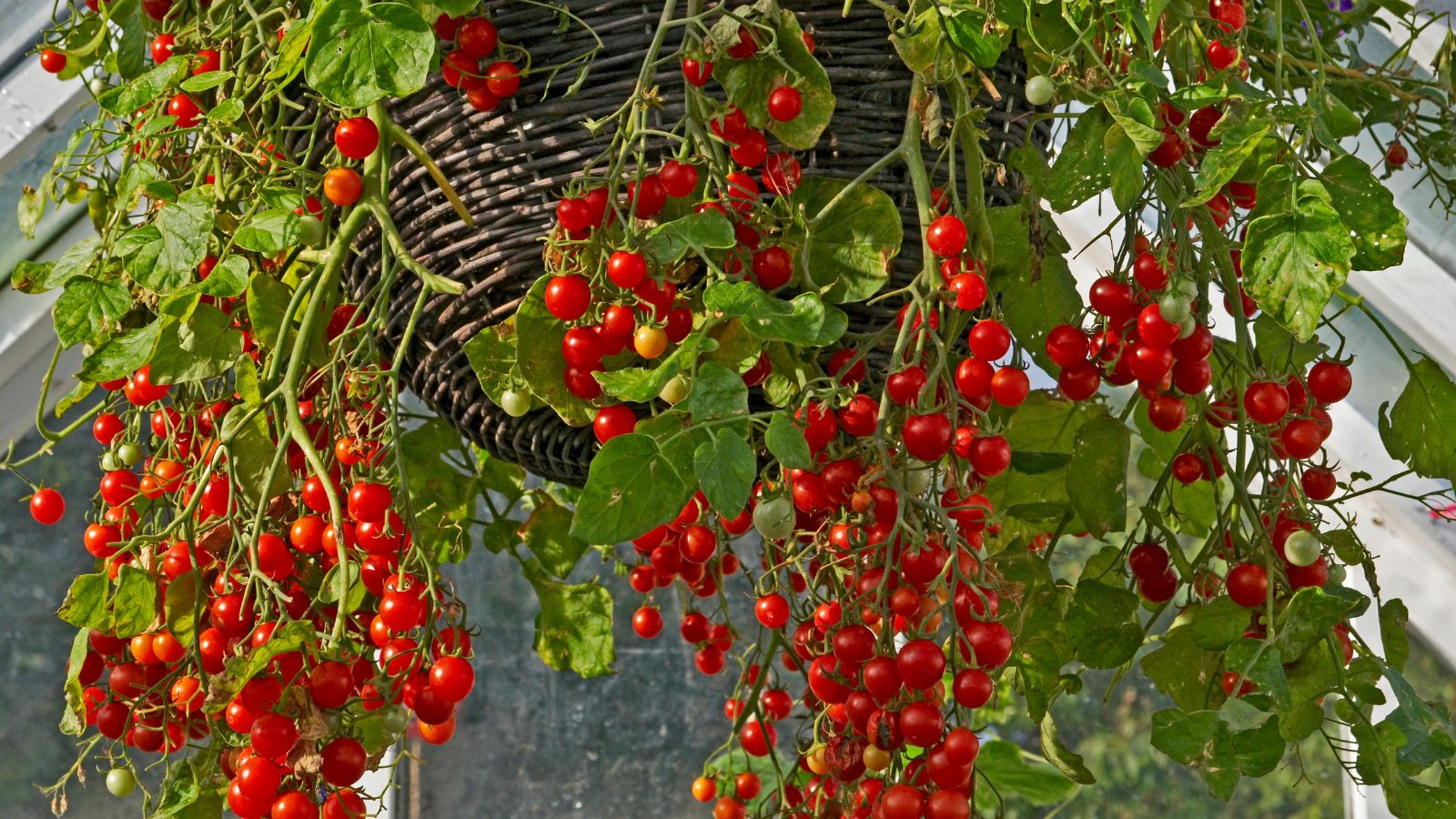
Image Credit: Depositphotos.com.
As mentioned earlier, you can use whichever tomatoes you have in your garden to make a sauce. For some, just plan for a bit more cook time. Layer in herbs, garlic, and olive oil, and you’ll end up with a richly flavored sauce nonetheless.
Arguably, one of our favorite tomatoes to use in homemade sauce is cherry tomatoes. It might be a bit more watery, but it offers excellent flavor and a nice light sauce for those long, hot summer days!
See more ideas on what to do with your large tomato crop.
11. You have to follow the rules
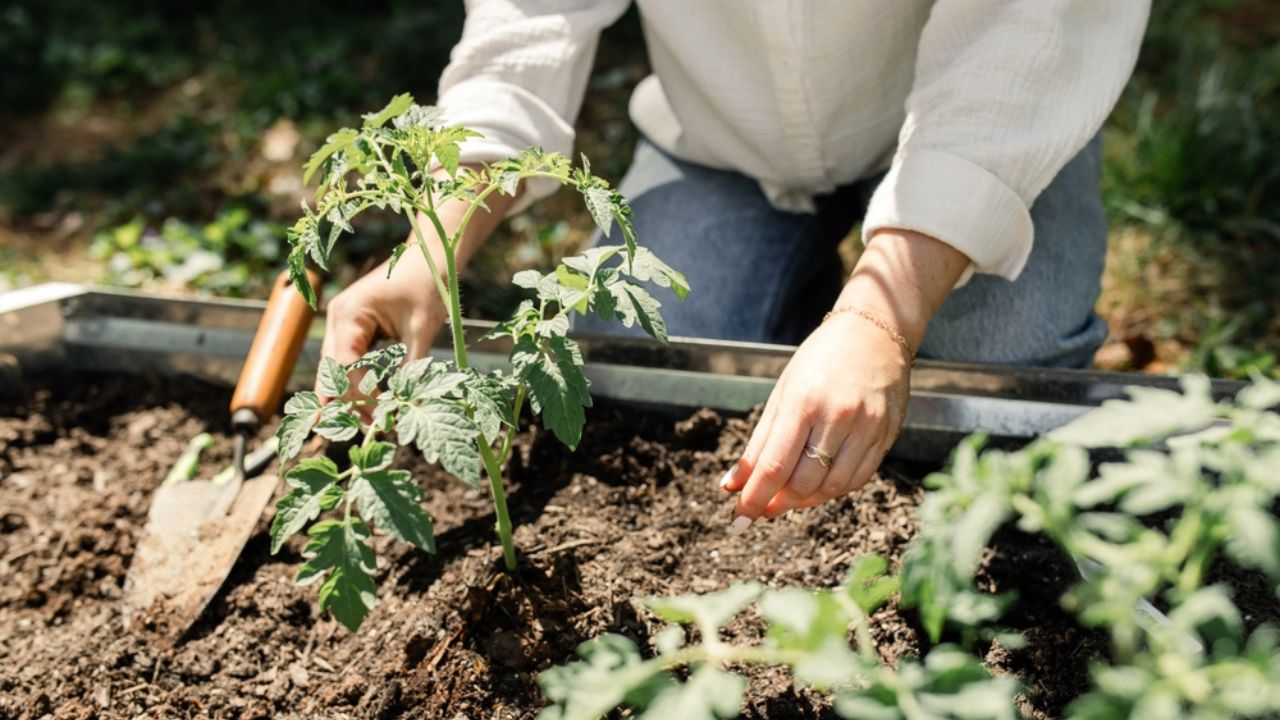
Image Credit: Shutterstock.
The first to tomato growing is… there are no rules. Find what works best for your yard, preferences, and time. It’s easy to get caught up in being a “perfect” gardener, but the best ones get their hands dirty and fly by the seat of their pants (at least initially). Then, they learn from their mistakes and do better next time.
Why it matters in your backyard

Image Credit: Shutterstock.
Tomato growing doesn’t need overthinking. Ditch the myths, embrace consistent watering, and choose whether you want early harvest or season-long yield. With a mix of beloved varieties and simple techniques, your garden is bound to flourish. Want a watering calendar or heirloom variety guide next? Just ask!