
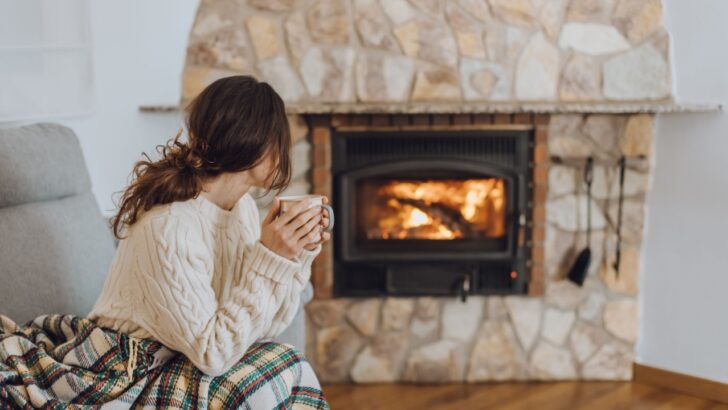
Winter can sneak up faster than we expect. One day, you’re enjoying your backyard coffee in the crisp autumn air, the next, your pipes are frozen and your gutters are overflowing with ice. Winterizing early saves money but also plenty of headaches.
With a focused weekend and this practical checklist, you can tackle the essential tasks that will keep your home warm, safe, and energy-efficient all season long.
Whether you’re a homeowner or a garden lover protecting your landscape, these 11 steps combine professional home-maintenance advice with outdoor wisdom.
Where We Got This Data
This guide draws on expert-backed recommendations from trusted sources in home maintenance, energy efficiency, fire safety, gardening, and seasonal preparedness. We referenced guidance from national energy departments, university extensions, fire protection associations, and horticultural experts to ensure each tip is practical, safe, and effective for winterizing your home and garden.
1. Inspect Your Roof and Gutters
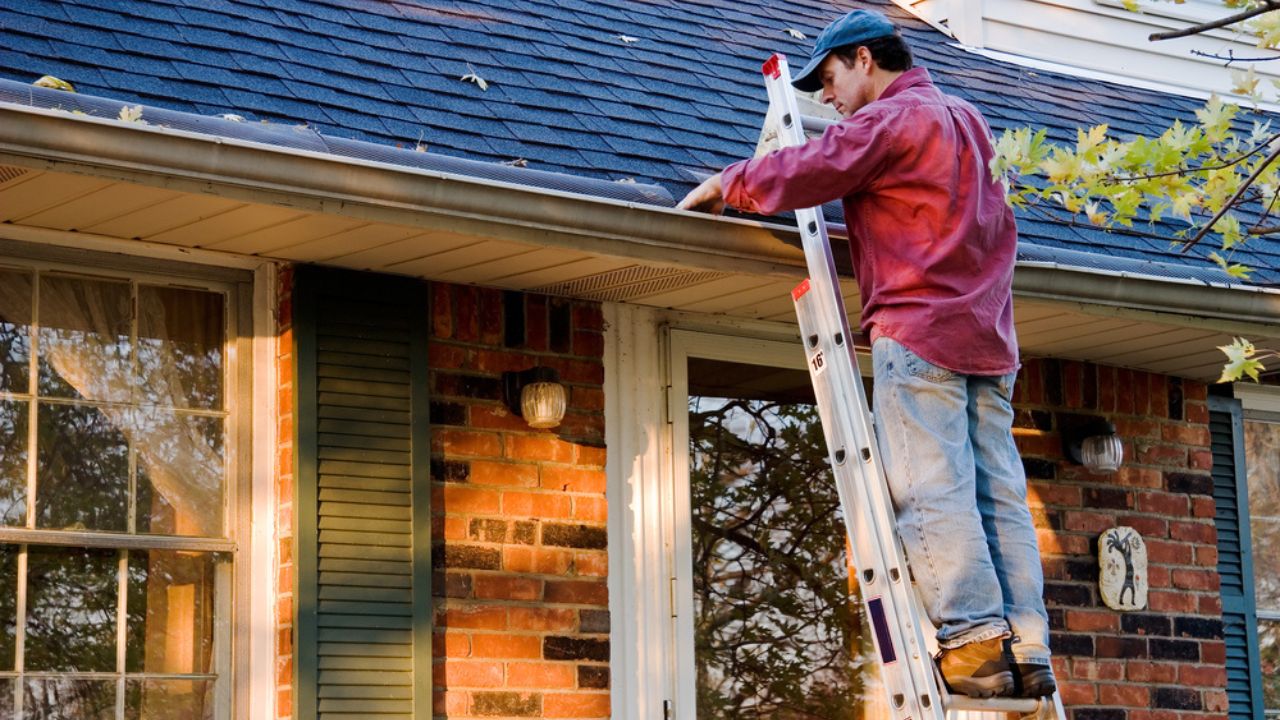
Image Credit: Shutterstock.
A well-maintained roof and clean gutters are your first defense against winter water damage. Clogged gutters can lead to ice dams, which cause leaks inside walls and attics. Check for missing shingles, cracked flashing, and sagging sections. If you notice dark spots or moss, water may already be seeping in.
Regular gutter maintenance helps prevent water buildup that could damage siding or flood your garden beds when snow melts. Ensure downspouts extend at least five feet from your foundation to divert runoff. If you collect rainwater, disconnect barrels before freezing temperatures arrive to prevent cracking.
Quick checklist:
- Look for missing shingles and cracks
- Check flashing around chimneys and vents
- Remove all debris from gutters
- Ensure downspouts direct water at least 5 feet from your foundation
- Consider gutter guards to minimize future maintenance
2. Seal Drafts and Air Leaks

Image Credit: Shutterstock.
Even small leaks can waste significant energy. The U.S. Department of Energy estimates that sealing air leaks can cut heating costs by up to 20%. Use weather-stripping, caulk, or foam sealant around windows, doors, vents, and outlets. Pay special attention to basement and attic spaces, where leaks are most common.
Sealing drafts keeps you warmer and also prevents humidity changes that can harm wood furniture and houseplants. Walk around your home on a windy day or use an incense stick to spot air movement. Fixing even minor leaks can make a big difference in comfort and efficiency.
Quick checklist:
- Apply weatherstripping to all exterior doors and windows
- Install door sweeps on exterior doors
- Use foam gaskets behind outlet and switch covers
- Seal gaps around baseboards with caulk
- Check attic hatches and seal if needed
3. Service Your Heating System

Image Credit: Depositphotos.com.
Your heating system works hardest during winter, so servicing it beforehand can prevent breakdowns. A clean filter improves air quality and efficiency. The U.S. Department of Energy notes that replacing filters monthly can lower energy use by 5–15%. Have a professional inspect your furnace, ducts, and vents.
For wood or pellet stoves, check for creosote buildup to avoid fire hazards. If you use a heat pump, ensure the outdoor unit is clear of leaves and debris. Proper maintenance ensures your system runs safely and efficiently through the coldest nights.
Quick checklist:
- Replace or clean furnace filters
- Test thermostat accuracy and response
- Schedule a professional heating system inspection
- Bleed radiators if you have a hot water system
- Clear vents and registers of furniture and debris
4. Protect Pipes from Freezing
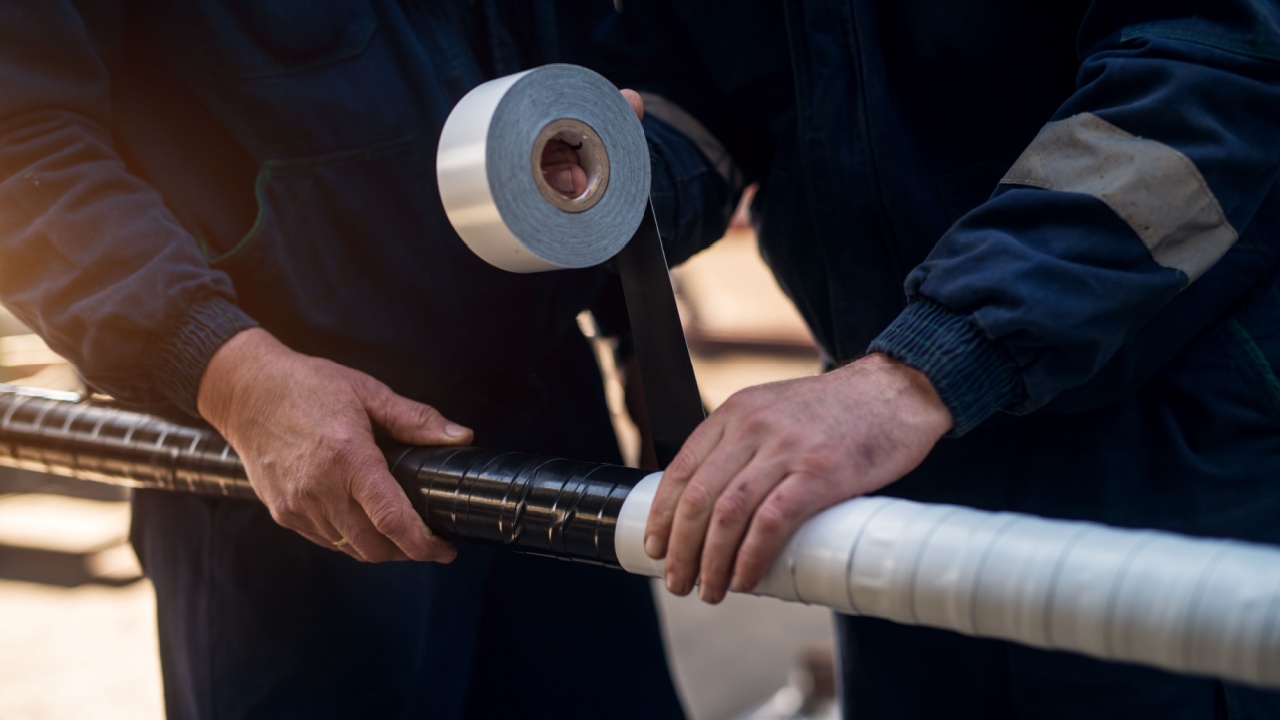
Image Credit: Shutterstock.
Frozen pipes are one of winter’s most expensive disasters. A burst pipe can cost over $5,000 in repairs. Insulate pipes in unheated areas like basements, attics, and garages using foam sleeves or heat tape.
Outdoor faucets and hoses also need attention. Drain and disconnect hoses, then shut off exterior water valves. If you have an irrigation system, blow out excess water to prevent cracks. A little prep can save you from a flood when temperatures drop.
Quick checklist:
- Insulate exposed pipes with foam sleeves
- Shut off and drain outdoor faucets
- Store garden hoses indoors
- Let faucets drip during extreme cold
- Know where your main water shut-off valve is located
5. Insulate Windows and Doors

Image Credit: Shutterstock.
Windows and doors are responsible for 25–30% of home heat loss. Installing insulating film, storm windows, or thermal curtains helps retain heat and reduce drafts. Check for cracked seals and broken panes that allow warm air to escape.
Adding insulation not only saves energy but also keeps humidity stable — good for both you and your indoor plants. For older homes, consider adding door sweeps and double glazing for an extra layer of protection against cold air infiltration.
Quick checklist:
- Install storm windows or window insulation film
- Hang thermal curtains or cellular shades
- Use draft stoppers at the bottom of doors
- Check window locks and tighten if loose (a tight seal improves insulation)
- Consider temporary plastic sheeting for rarely used windows
6. Check Smoke and Carbon Monoxide Detectors
Image Credit: Shutterstock.
With furnaces and fireplaces running, indoor air quality and safety matter more than ever. The National Fire Protection Association (NFPA) reports that three out of five home fire casualties occur where smoke alarms weren’t working. Test all detectors, replace batteries, and consider upgrading to smart models.
Place CO detectors near sleeping areas and any fuel-burning appliances. Even portable heaters can produce deadly carbon monoxide if improperly ventilated. Make testing detectors part of your seasonal checklist.
Quick checklist:
- Test all smoke and carbon monoxide detectors
- Replace batteries in all units
- Replace detectors older than their recommended lifespan
- Ensure you have detectors on every floor
- Install detectors near sleeping areas
7. Stock Up on Winter Supplies

Image Credit: Shutterstock.
Prepare for winter by stocking up on essential supplies before the first storm. Have salt or ice melt ready for walkways, and easily accessible snow shovels. Don’t forget a snow brush and ice scraper for your car. Inside, keep non-perishable food, bottled water, flashlights with extra batteries, and warm blankets for potential power outages.
For garden lovers, keep burlap, frost cloths, or plant covers handy for protecting outdoor plants during cold snaps. Having a well-stocked shed means you can react quickly when temperatures drop.
Quick checklist:
- Purchase salt or pet-safe ice melt
- Ensure you have working snow shovels
- Stock non-perishable foods and water
- Keep flashlights and batteries accessible
- Have extra blankets and warm clothing available
8. Clean and Inspect Your Fireplace and Chimney

Image Credit: Shutterstock.
A cozy fire can quickly turn dangerous if your chimney isn’t clean. Creosote buildup is a leading cause of chimney fires. Have a professional sweep your chimney annually and check the damper to ensure proper ventilation.
Inspect your fireplace for cracks or blockages, and burn only seasoned wood to minimize soot. If you use gas logs, check for leaks and ensure the pilot light functions properly. Safe heating means a warmer, safer winter.
Quick checklist:
- Schedule professional chimney cleaning and inspection
- Test damper operation
- Stock seasoned firewood
- Check the fireplace screen for damage
- Review fire safety practices with household members
9. Protect Outdoor Garden Structures
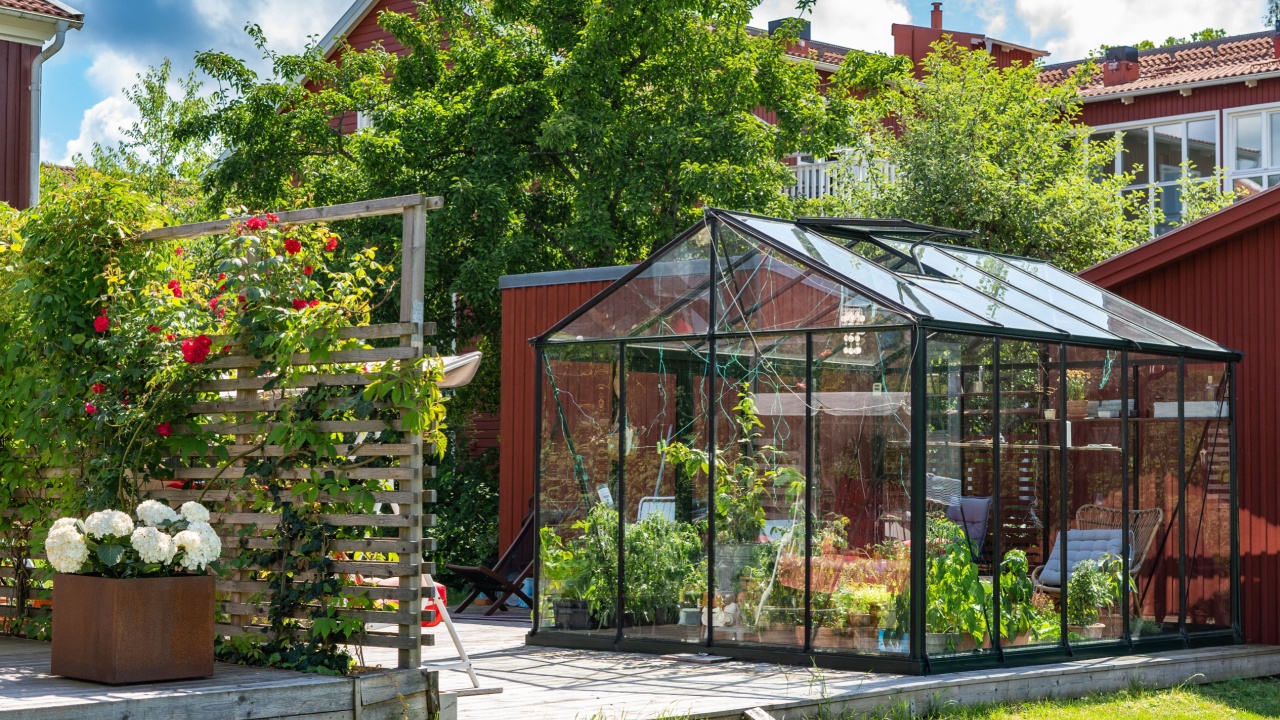
Image Credit: Shutterstock.
Garden sheds, greenhouses, and patio furniture face harsh winter weather. The University of Illinois Extension advises storing outdoor furniture or covering it with waterproof tarps. Check sheds for leaks or loose panels and reinforce roofs to handle snow load.
For greenhouses, clean windows to maximize sunlight and check that heaters or thermostats are working. Store garden cushions, tools, and decor inside to extend their lifespan and keep your garden looking tidy through winter.
Quick Checklist:
- Store or cover outdoor furniture
- Check sheds for leaks and repair
- Inspect greenhouse heaters
- Clean glass or polycarbonate panels
- Secure decor from wind damage
10. Winterize Garden Tools and Equipment
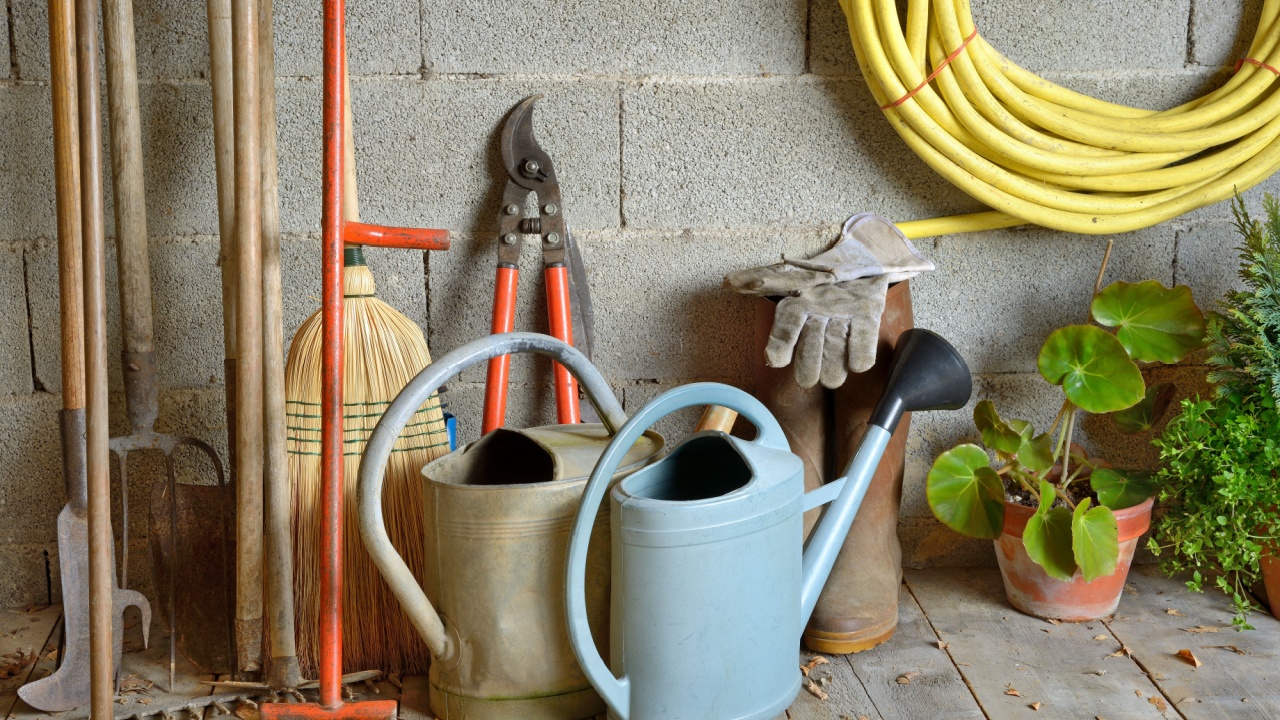
Image Credit: Shutterstock.
Metal tools can rust quickly when left damp or exposed to freezing air. Clean, sharpen, and oil blades before storing. Run gas-powered tools like mowers or trimmers until empty or add stabilizer to fuel, as recommended by Penn State Extension.
Proper tool care ensures everything works smoothly in spring and saves money on replacements. Hang or store tools in a dry area off the ground to prevent corrosion.
Quick Checklist:
- Clean and dry all metal tools
- Oil blades and hinges to prevent rust
- Empty or stabilize fuel tanks
- Store in a dry, elevated space
- Sharpen tools before spring use
11. Prepare Lawn and Soil for Winter
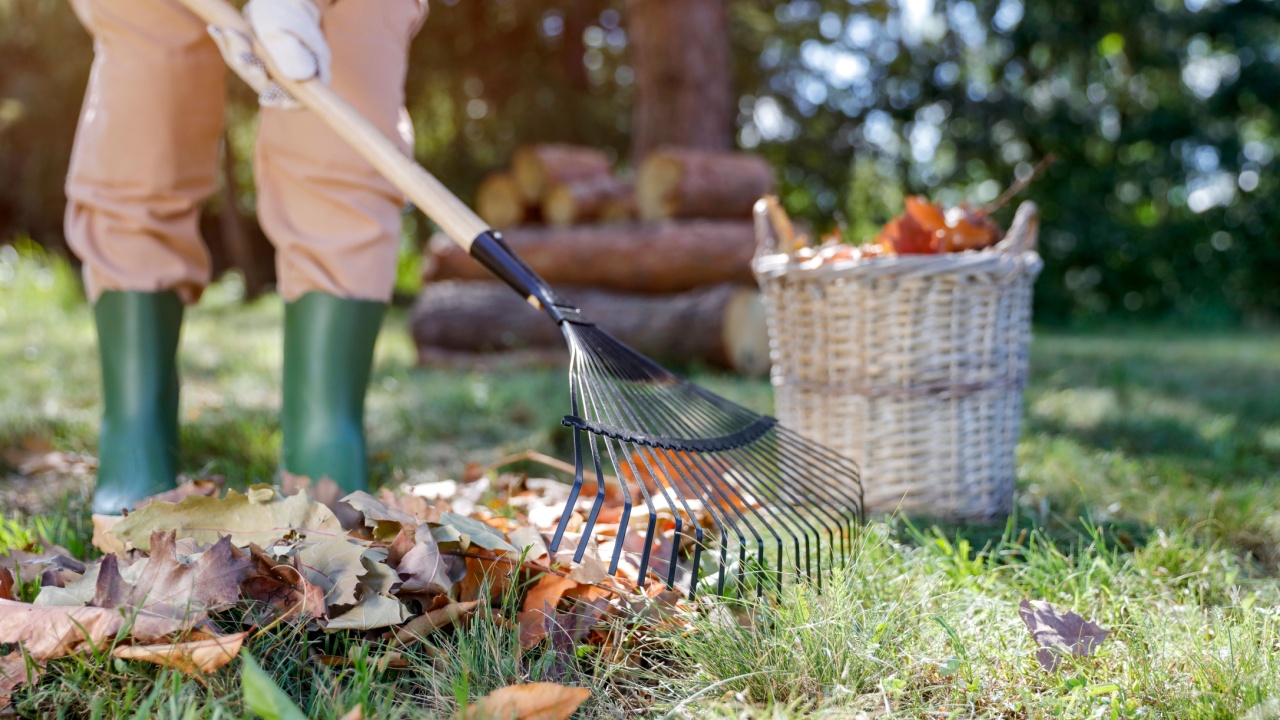
Image Credit: Shutterstock.
Healthy winter soil makes for a strong spring garden. Texas A&M AgriLife recommends applying compost or mulch before winter to enrich the soil and prevent erosion. Raking leaves and spreading them as mulch can also protect roots and encourage microbial activity even in cold months.
Avoid fertilizing late in the season, which can trigger new growth that won’t survive frost. Instead, focus on moisture retention and protection from freeze-thaw cycles.
Quick Checklist:
- Rake and mulch fallen leaves
- Add compost for soil enrichment
- Avoid late-season fertilizer
- Cover bare spots to prevent erosion
- Test soil pH for spring planning
Your Winter-Ready Home and Garden
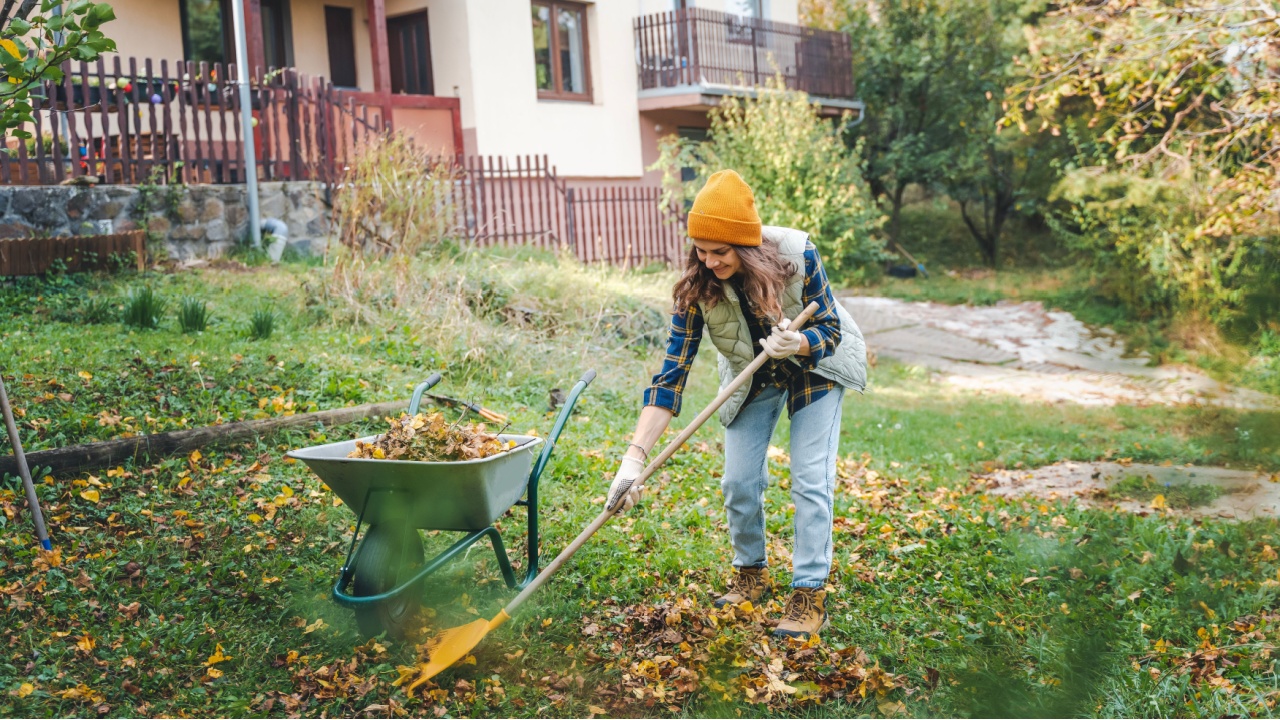
Image Credit: Shutterstock.
With just a weekend of smart preparation, you can transform your home and garden into a cozy, resilient space ready for winter. From insulating attics to protecting perennials, these 11 tasks cover both comfort and longevity. Proactive maintenance reduces repair costs, conserves energy, and promotes a healthier living environment.