
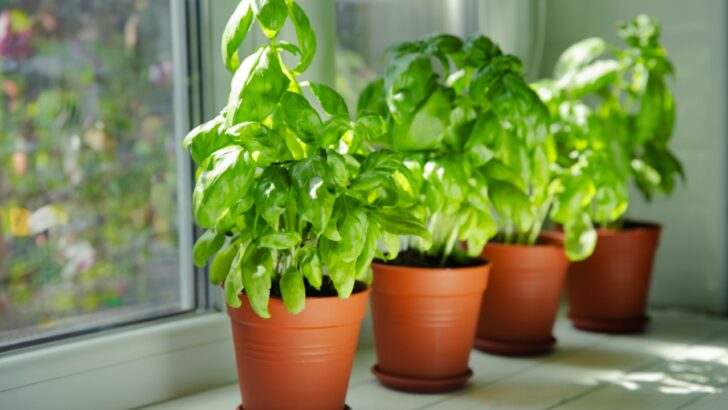
Basil is the heart of the summer garden. Its sweet, aromatic leaves can transform a simple pasta dish, elevate a fresh tomato salad, and form the soul of a perfect pesto. For home gardeners, there’s nothing quite like stepping outside to snip a few fresh leaves. But often, basil plants grow tall and lanky, producing just a handful of leaves before going to seed. If you’ve ever felt disappointed by a sparse basil plant, you’re in the right place.
Growing an abundant, bushy basil plant is easier than you think. With a few key techniques, you can encourage your plant to branch out, producing a continuous supply of fragrant leaves all season long.
1. Keep Them Warm and Cozy
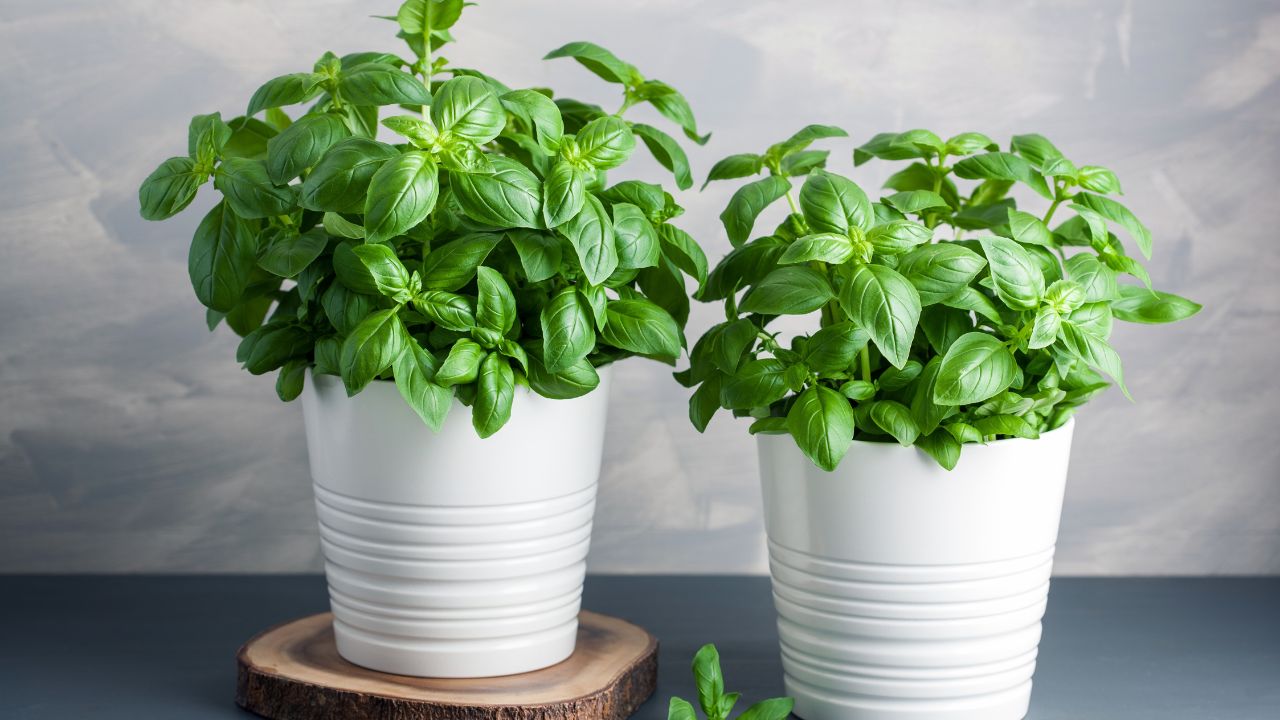
Image Credit: Shutterstock.
Basil despises the cold. Originating in tropical regions, it thrives in warmth and will struggle in chilly temperatures. Planting too early in the spring is a common mistake that can stunt the plant’s growth or even kill the plant.
Wait until all danger of frost has passed and nighttime temperatures are consistently above 50°F (10°C) before you plant your basil outdoors. If you start from seeds indoors, give them about 6-8 weeks to grow before transplanting them into your garden. For those growing in containers, you have the advantage of mobility. If an unexpected cold snap is in the forecast, simply bring your pots inside or into a garage overnight.
Quick Guide:
- When to Plant: After the last frost date, when nights are above 50°F (10°C).
- Container Care: Move pots indoors during cold snaps.
- Why it Works: Warmth encourages vigorous, healthy foliage growth and prevents the plant from becoming stressed.
2. Give Them Plenty of Sun
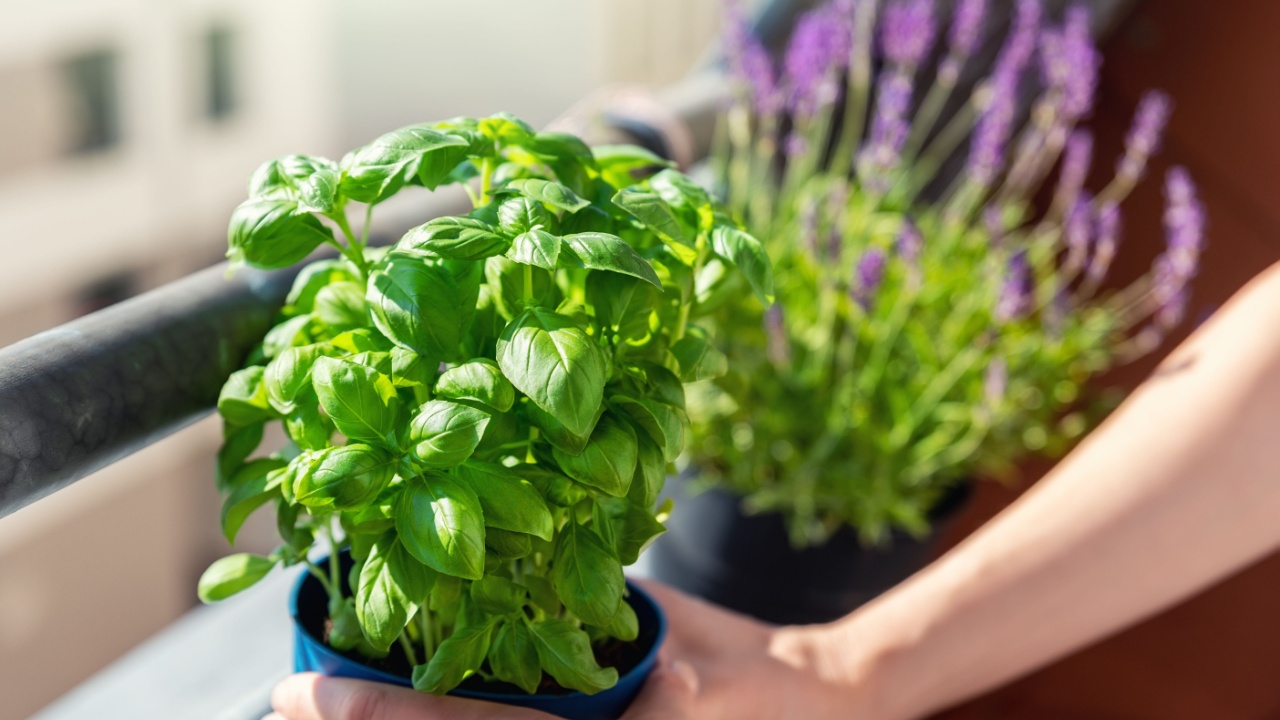
Image Credit: Shutterstock.
Like many herbs, basil converts sunlight into flavorful essential oils. To develop that classic, rich taste, your plant needs at least six to eight hours of direct sunlight each day. A south-facing spot in your garden or on your patio is ideal.
If your plant isn’t getting enough sun, it will tell you. The stems may become long and “leggy” as the plant stretches to find light, and the leaves will likely be smaller and less flavorful. If you are growing basil indoors, place it on your sunniest windowsill. If natural light is limited, consider supplementing with a grow light to ensure it gets the energy it needs.
Quick Guide:
- Sunlight: Aim for 6-8 hours of direct sun daily.
- Signs of Low Light: Leggy stems and pale, small leaves.
- Indoor Growing: Use a sunny windowsill or a grow light.
- Why it Works: Ample sunlight fuels photosynthesis, which is essential for producing the oils that give basil its robust flavor and aroma.
3. Ensure Excellent Drainage
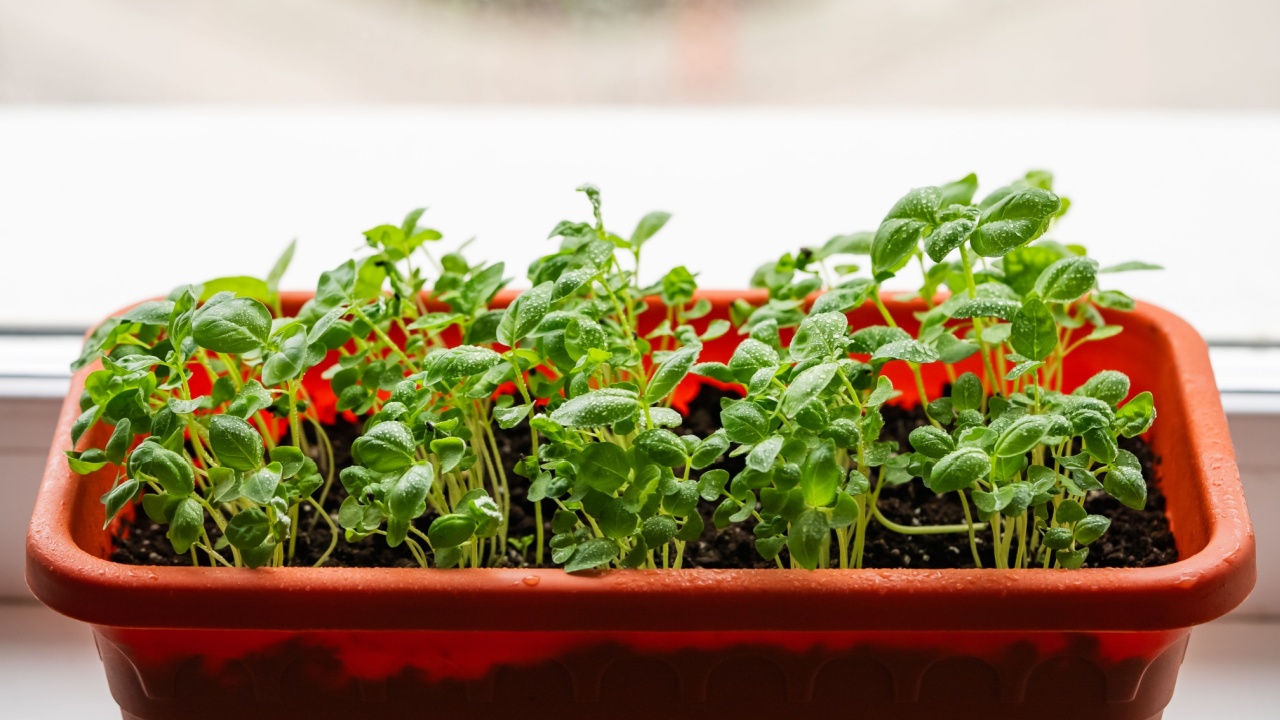
Image Credit: Shutterstock.com.
Basil enjoys moist soil, but it absolutely cannot tolerate “wet feet.” When roots sit in waterlogged soil, they can’t access oxygen and are prone to rot, which will quickly kill your plant. Proper drainage is non-negotiable for a healthy basil plant.
If you’re planting in a container, choose one with multiple drainage holes. You can also add a layer of gravel or small stones at the bottom of the pot before adding soil to create an extra buffer against waterlogging. For garden beds with heavy clay soil, amend the area with compost or sand to improve its structure and allow water to drain more freely.
Quick Guide:
- Pots & Containers: Must have drainage holes.
- Garden Beds: Amend heavy clay soil with compost to improve texture.
- Why it Works: Good drainage prevents root rot and ensures the roots can breathe, which is vital for nutrient uptake and overall plant health.
4. Water Consistently and Correctly
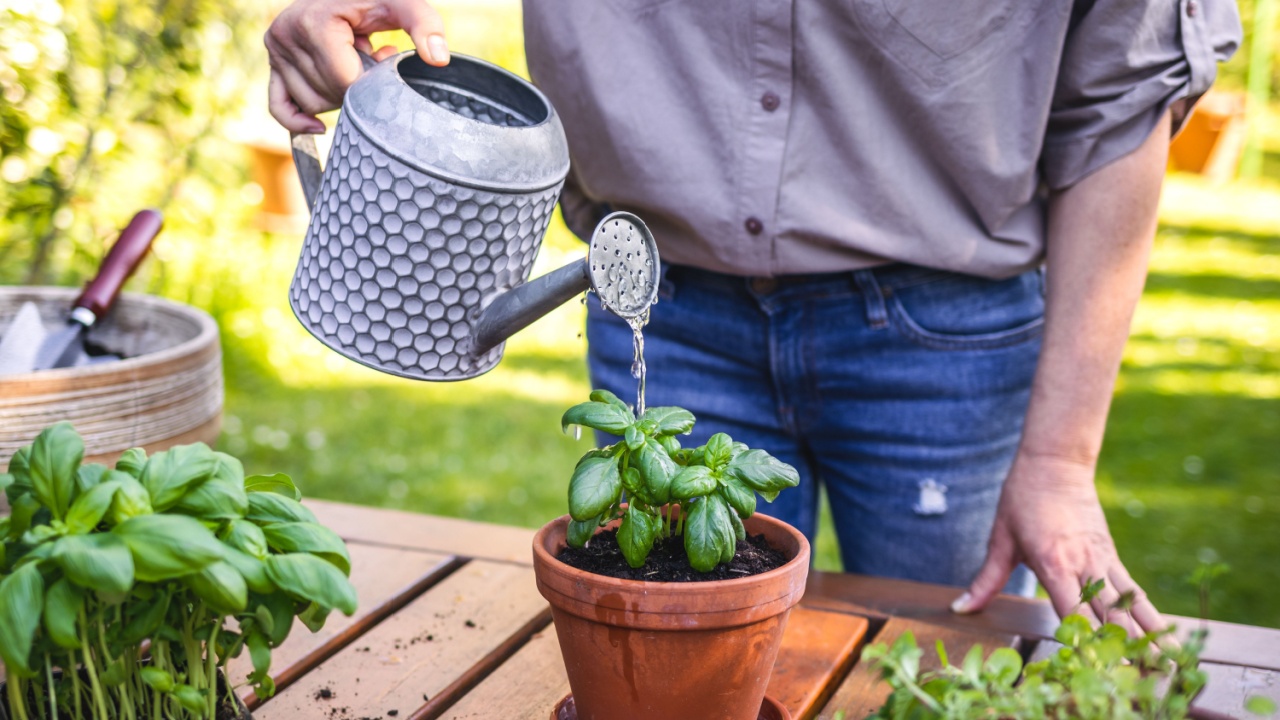
Image Credit: Shutterstock.com.
Finding the right watering balance is key. Basil needs consistently moist soil, but not soggy. Allowing the soil to dry out completely can stress the plant, while overwatering leads to root rot. A good rule of thumb is to water deeply once or twice a week, depending on the heat and humidity. For potted basil, you may need to water more frequently, as containers dry out faster.
Always check the soil before watering. Stick your finger about an inch deep; if it feels dry, it’s time to water. When you do water, aim for the base of the plant. Soaking the soil directly avoids wetting the leaves, which can help prevent fungal diseases like downy mildew. A slow, deep watering encourages roots to grow downward, creating a stronger, more resilient plant.
Quick Guide:
- Frequency: Water when the top inch of soil is dry. Containers need more frequent watering.
- Method: Water the soil at the base of the plant, not the leaves.
- Why it Works: Consistent moisture prevents stress, while watering the soil directly reduces the risk of leaf diseases and promotes a strong root system.
5. Prune Early and Often
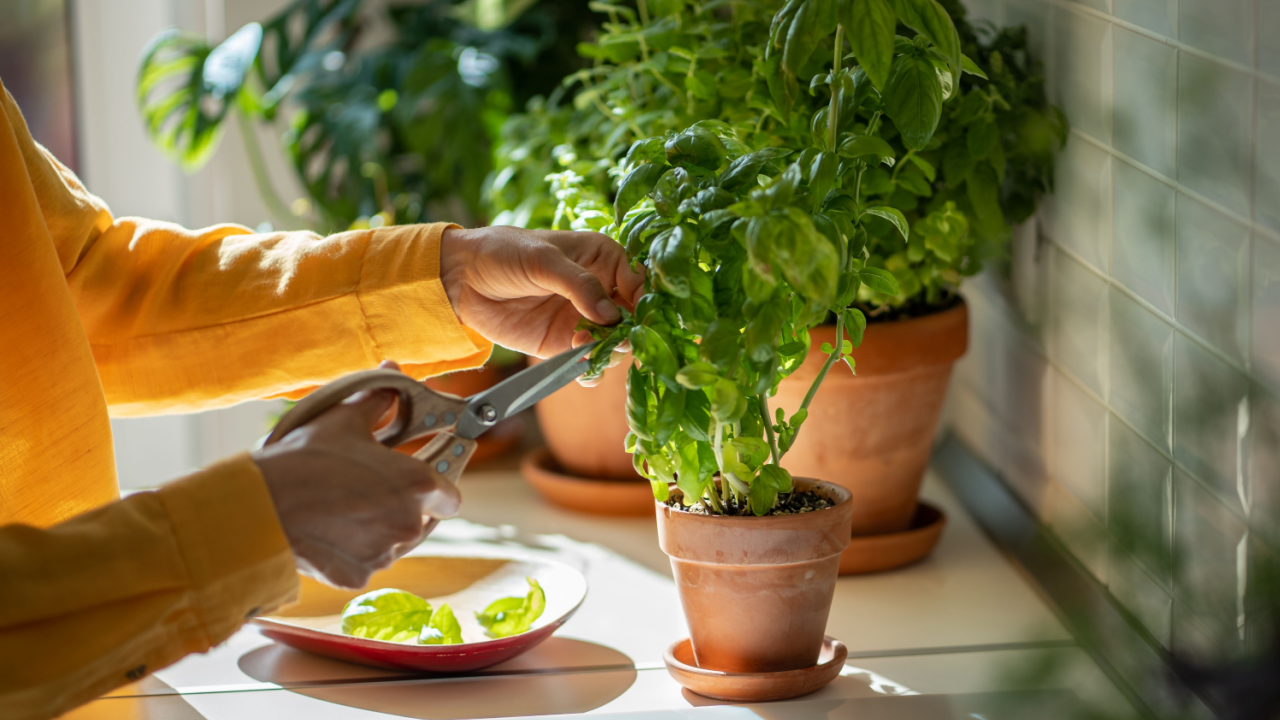
Image Credit: Shutterstock.
This is the most important secret to a big, bushy basil plant. Pruning encourages the plant to grow outwards instead of just upwards. It may feel wrong to cut your plant back, but every time you make a cut, you signal the plant to send out two new branches from that spot.
Start pruning when your plant is about six inches tall and has several sets of leaves. Don’t just pick off individual leaves. Instead, locate a central stem and follow it down to a point where two smaller leaves are branching off to the sides. Snip the main stem just above this pair of leaves. This technique, called “pinching,” forces the plant to divert its energy into those two side shoots, which will then grow into new main stems. Continue doing this every couple of weeks.
Quick Guide:
- When to Start: Once the plant is 6 inches tall.
- How to Prune: Cut the main stem right above a set of two side leaves.
- Frequency: Every 2-3 weeks throughout the growing season.
- Why it Works: Pruning signals the plant to branch out, creating a fuller, bushier shape with more harvestable leaves.
6. Don’t Let it Flower
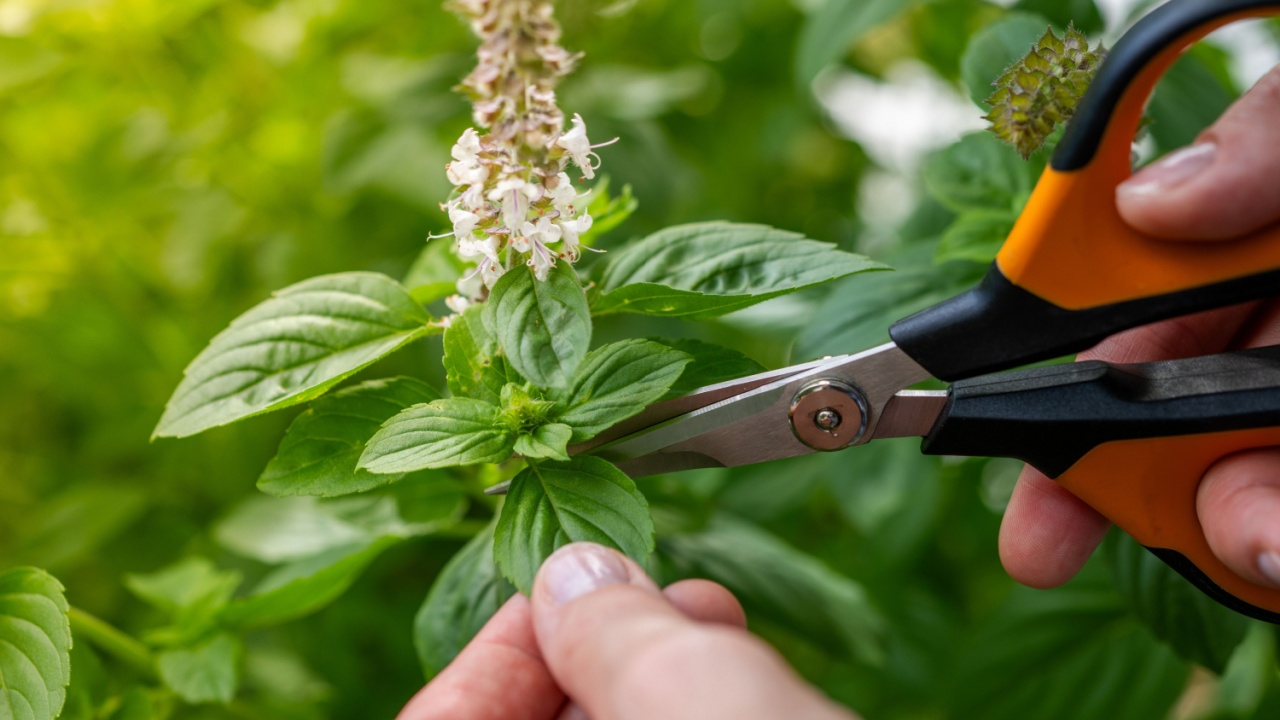
Image Credit: Shutterstock.com.
When you see little flower buds forming at the top of the stems, it’s a sign that the plant is entering its final life stage. It is shifting its energy from producing tasty leaves to making seeds. This process, called “bolting,” also changes the chemical composition of the leaves, often making them bitter.
To keep your basil productive and flavorful, you must pinch off these flower buds as soon as you see them. Simply snip the entire flower stalk off. This redirects the plant’s energy back into foliage production, extending your harvest season significantly. If you miss a few and they bloom, the flowers are edible and make a pretty garnish for salads.
Quick Guide:
- What to Do: Pinch off flower buds as soon as they appear.
- Harvesting: If flowers bloom, remove them to encourage more leaf growth.
- Why it Works: Prevents the plant from “bolting” (going to seed), which keeps the leaves from turning bitter and extends the harvest.
7. Feed Your Plant Regularly
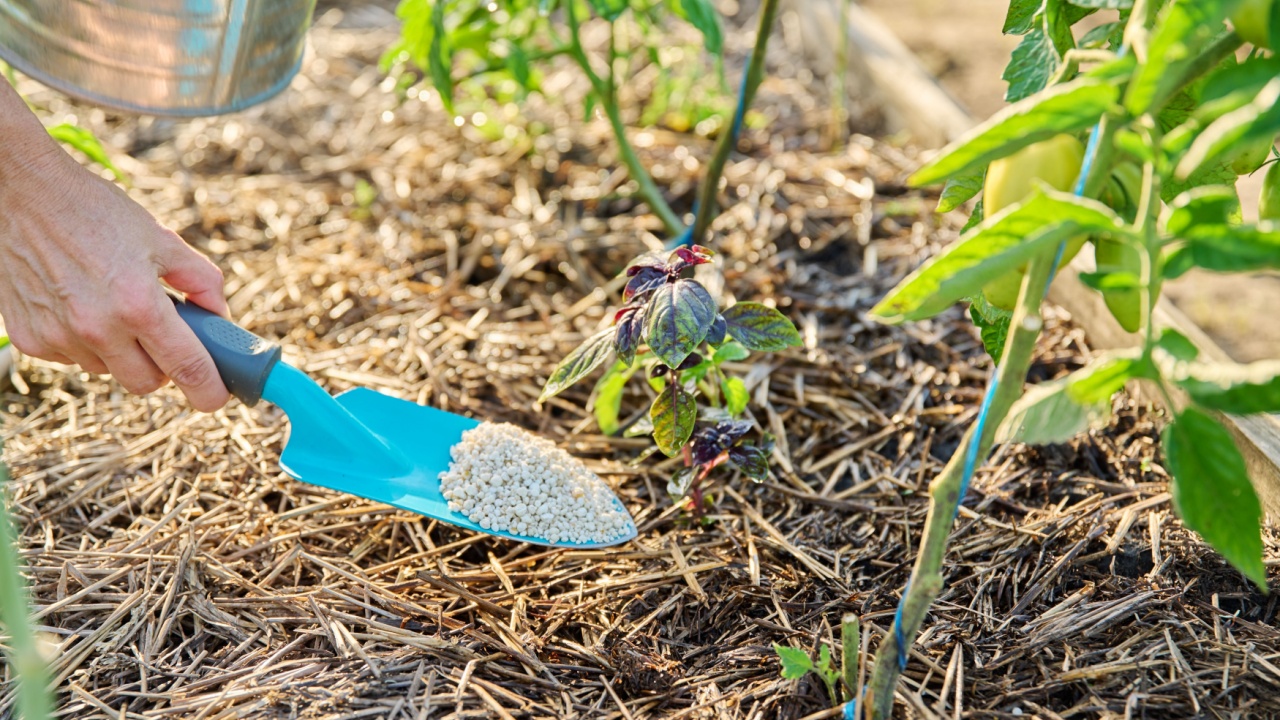
Image Credit: Shutterstock.com.
Basil is a fast grower and can quickly deplete the nutrients in its soil. To support its lush growth, you’ll need to provide some extra food. A balanced, all-purpose liquid fertilizer is a great choice.
For basil in containers, feed it with a diluted liquid fertilizer every 3-4 weeks. For plants in garden beds with rich, amended soil, you may only need to fertilize once or twice during the season. Be careful not to over-fertilize, especially with high-nitrogen formulas. Too much nitrogen can produce rapid growth but result in a weaker flavor.
Quick Guide:
- Frequency: Every 3-4 weeks for container plants; less often for garden plants.
- Type: Use a balanced, all-purpose liquid fertilizer.
- Caution: Avoid over-fertilizing, as it can diminish the flavor.
- Why it Works: Fertilizing replenishes essential nutrients in the soil, providing the fuel needed for continuous, healthy leaf production.
8. Choose Good Neighbors (Companion Planting)

Image Credit: Shutterstock.
Some plants just grow better together. Companion planting is the practice of pairing plants that benefit each other, whether by deterring pests, improving soil, or enhancing growth. Basil has a few friends in the garden that can help it thrive.
Tomatoes are basil’s classic companion. It’s said that planting basil near tomatoes can improve the tomato’s flavor and repel pests like tomato hornworms and whiteflies. Basil also grows well alongside peppers, oregano, and chamomile. Avoid planting it near other aromatic herbs like rosemary or sage, as they have different watering needs.
Quick Guide:
- Best Companions: Tomatoes, peppers, and oregano.
- What to Avoid: Planting near herbs with different water needs, like rosemary.
- Why it Works: Companion plants can help repel pests and may even improve the growth and flavor of your basil.
9. Manage Pests Naturally
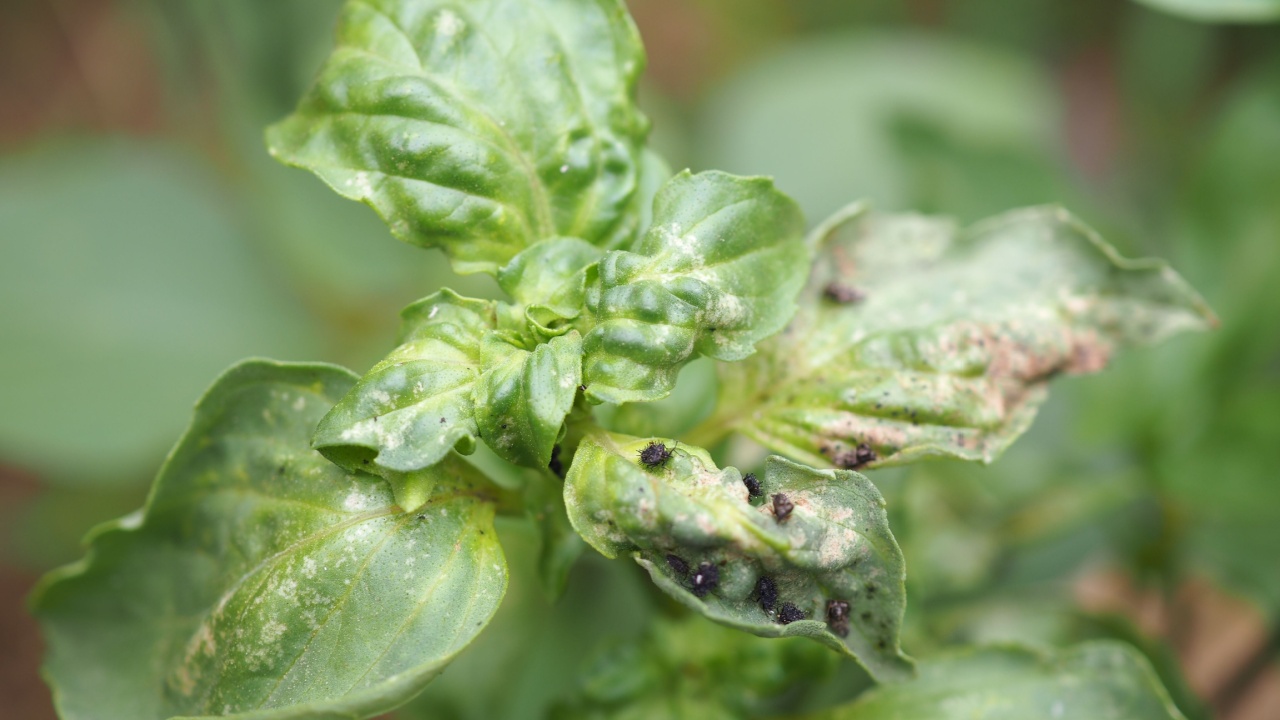
Image Credit: Shutterstock.com.
While basil is fairly robust, it can sometimes attract pests like aphids, spider mites, or Japanese beetles. A healthy, well-cared-for plant is your first line of defense, as pests often target stressed plants.
If you spot a few aphids, you can often dislodge them with a strong spray of water from the hose. For more persistent infestations, a simple insecticidal soap solution (a few drops of mild dish soap in a spray bottle of water) can be effective. Japanese beetles can be hand-picked off the plants and dropped into a bucket of soapy water. Since you’ll be eating the leaves, always opt for natural, non-toxic pest control methods.
Quick Guide:
- Common Pests: Aphids, spider mites, Japanese beetles.
- Natural Solutions: A strong water spray for aphids, hand-picking for beetles, and insecticidal soap for larger issues.
- Prevention: Keep plants healthy to make them less attractive to pests.
- Why it Works: Using natural pest controls keeps your harvest safe to eat and protects beneficial insects in your garden.
The Road to Basil Bounty
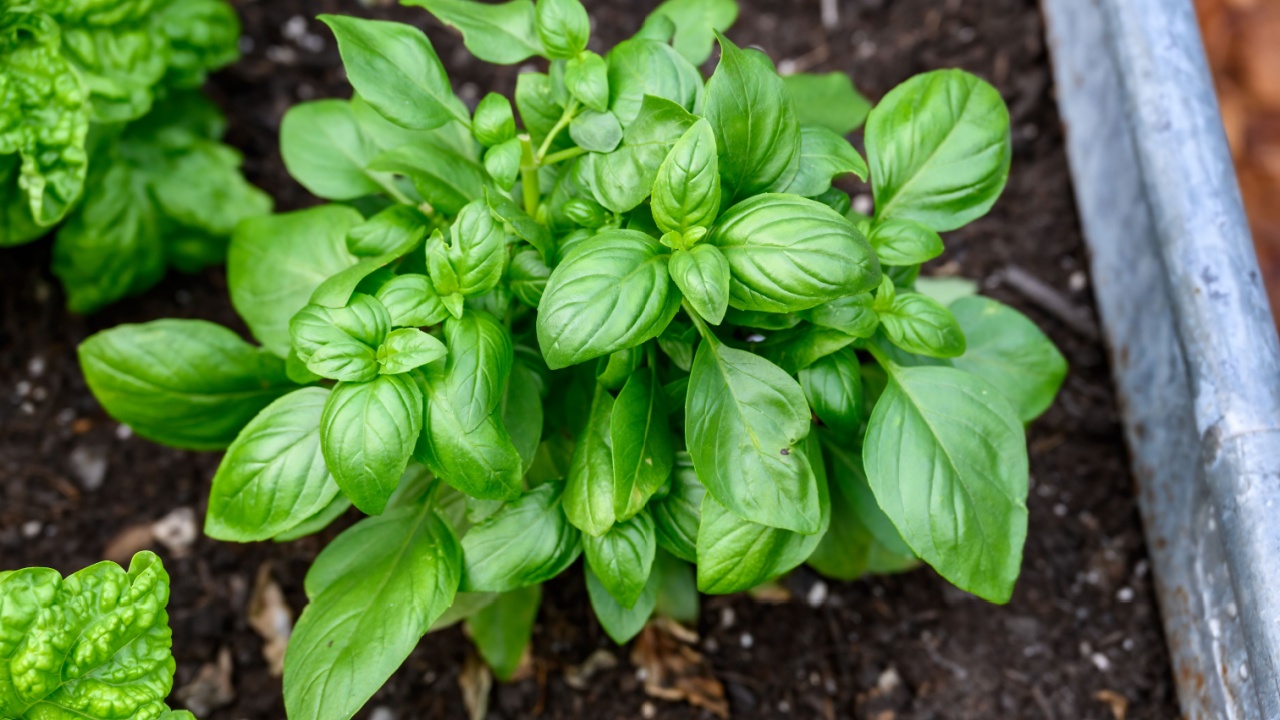
Image Credit: Shutterstock.
Now that you’re on your way to growing big, beautiful basil plants, the fun really begins. Keep up with your watering and pruning schedule, and you’ll have more basil than you know what to do with.
Use your harvest to make fresh pesto, which can be frozen in ice cube trays for a taste of summer in the middle of winter. Toss whole leaves into salads, layer them with fresh mozzarella and tomatoes for a Caprese salad, or chop them up to infuse olive oil. With these tips, your garden will provide an endless supply of this incredible herb all season long.