

A good night’s sleep is the foundation of a productive and happy day. Yet, our bedrooms can become multi-purpose spaces filled with distractions (aka, glowing screens and piles of laundry). If you find yourself struggling to unwind and drift off, it might be time to transform your bedroom from a chaotic space into a serene sleep sanctuary.
Here are 12 essential tips to create a peaceful environment that promotes deep, restorative rest.
Where We Got This Data
The information in this article draws on established sleep research, expert recommendations, and widely recognized studies in health and wellness. It reflects findings from scientific investigations, professional sleep organizations, and surveys that explore how the environment and daily habits influence rest.
1. Declutter Your Space for a Clear Mind

Image Credit: Shutterstock.
A cluttered room can often lead to a cluttered mind, making it difficult to relax. Your bedroom should be a place of peace, not a storage unit for things that don’t have a home.
Remove any items that don’t contribute to rest or relaxation. This includes work-related materials, exercise equipment, and excessive decorative items. A study found a direct link between clutter and procrastination, and putting off sleep is no exception. By creating a visually calm and organized space, you signal to your brain that it’s time to switch off and prepare for sleep.
Quick Tips:
- Spend five minutes before bed putting things away.
- Invest in under-bed storage containers, decorative baskets, or a stylish ottoman to hide away essentials.
- For every new item you bring into the bedroom, get rid of an old one.
2. Invest in a Quality Mattress and Bedding
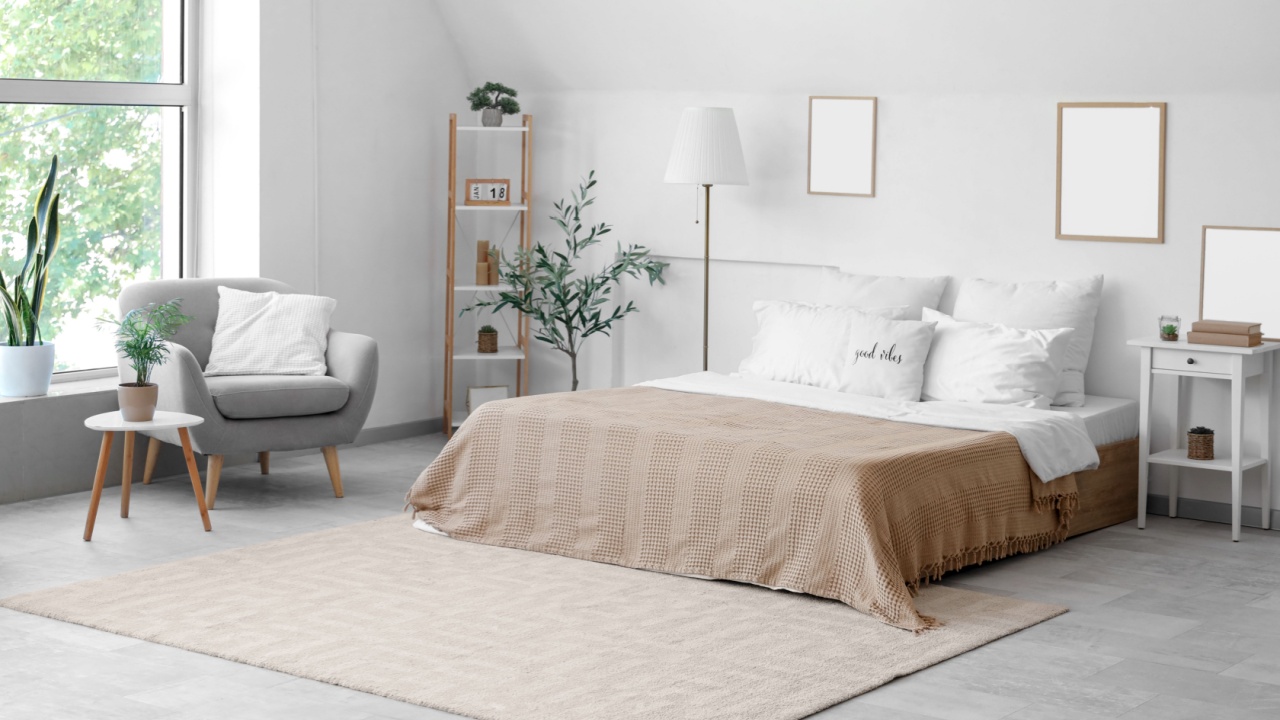
Image Credit: Shutterstock.
You spend about a third of your life in bed, so investing in a high-quality mattress and comfortable bedding is non-negotiable for creating a sleep sanctuary. An old, unsupportive mattress can lead to aches, pains, and restless nights.
Similarly, scratchy or non-breathable bedding can cause discomfort and temperature fluctuations. Opt for natural, breathable fabrics like cotton, linen, or bamboo, which help regulate body temperature and feel soft against the skin.
Quick Tips:
- Most mattress companies offer trial periods. Take advantage of them to find the perfect fit for your sleep style.
- Use a combination of sheets, a quilt or duvet, and a blanket to easily adjust to your ideal temperature.
- Your pillows should support your neck and spine. Replace them every 1-2 years to ensure they’re still providing adequate support.
3. Choose a Soothing Color Palette

Image Credit: Shutterstock.
Color psychology plays a significant role in setting the mood of a room. To promote tranquility, paint your bedroom in soft, muted colors that have a calming effect.
Think of shades inspired by nature, such as soft blues, gentle greens, warm grays, and earthy neutrals. According to a Travelodge survey, people with blue bedrooms get more sleep than any other color. Bright, stimulating colors like red or vibrant yellow can increase heart rate and energy levels, making them less ideal for a restful environment.
Quick Tips:
- Test a few of your favorite calming shades on your wall before committing.
- Introduce soothing colors through bedding, curtains, and rugs.
- If you love a bold color, use it as a small accent on a throw pillow or a piece of art rather than on the entire wall.
4. Control the Light

Image Credit: Shutterstock.
Light is one of the most powerful cues for our body’s internal clock. Exposure to light, especially blue light from screens, can suppress the production of melatonin, the hormone that makes us feel sleepy.
To create a true sleep sanctuary, you need to make your room as dark as possible. Install blackout curtains or blinds to block out streetlights and early morning sun. If you can’t eliminate all light sources, a comfortable sleep mask is an excellent alternative (but not as good as a dark room).
Quick Tips:
- Put away all screens (phones, tablets, laptops) at least an hour before bed.
- Use electrical tape to cover tiny LED lights on chargers or electronics.
- If you need a light on in the evening, use a low-wattage lamp with a warm-toned bulb.
5. Keep it Cool

Image Credit: Shutterstock.
Your body temperature naturally drops as you prepare for sleep, and a cool room can facilitate this process.
The National Sleep Foundation recommends a bedroom temperature between 65 to 68 degrees Fahrenheit (15.6 to 20 degrees Celsius) for optimal sleep. A room that’s too warm can interfere with your sleep cycle and cause you to wake up during the night.
Quick Tips:
- Set it to lower the temperature an hour or so before your bedtime.
- A fan can help circulate air and create a gentle, cooling breeze.
- Natural fibers like cotton or linen are much better at wicking away moisture than synthetic materials.
6. Introduce Calming Scents
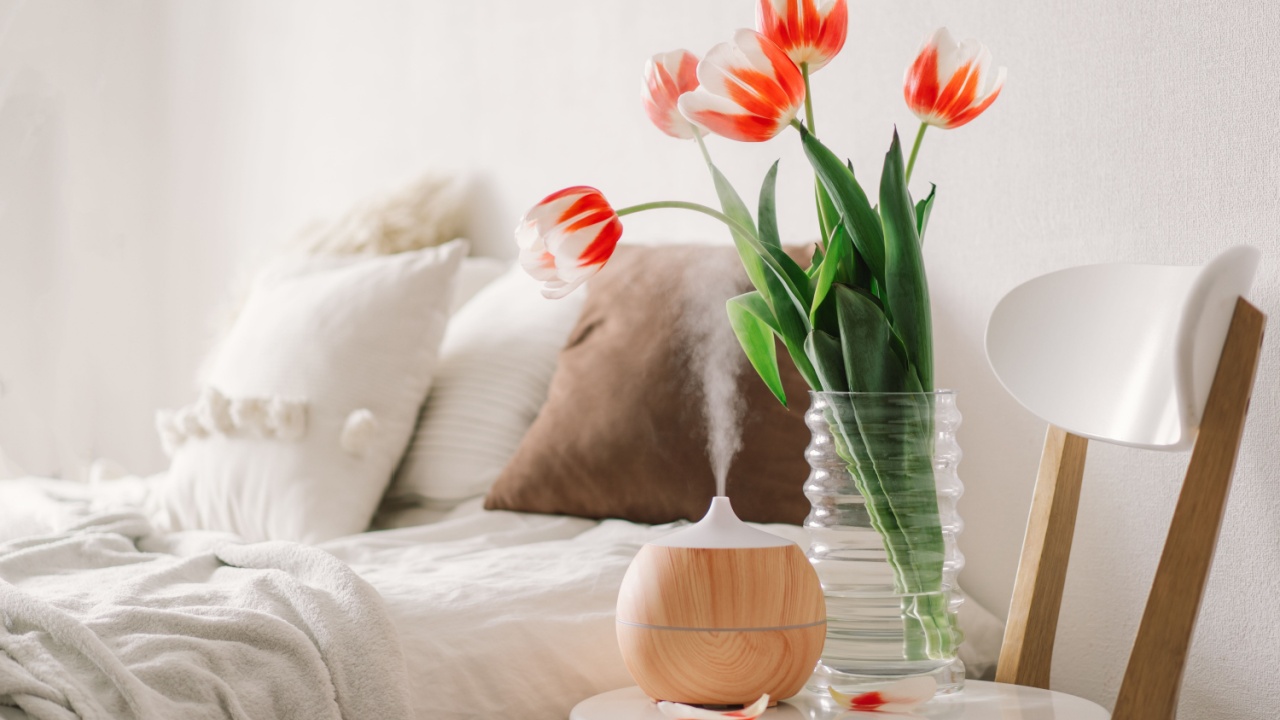
Image Credit: Shutterstock.
Aromatherapy is another effective way to promote relaxation. Certain scents, like lavender, chamomile, and jasmine, have been scientifically shown to reduce anxiety and promote sleep.
You can incorporate these scents into your bedroom using an essential oil diffuser, a linen spray, or scented sachets. A study found that participants who sniffed lavender before bed experienced more deep, slow-wave sleep.
Quick Tips:
- This is a safe way to disperse essential oils into the air without an open flame.
- Mix a few drops of lavender essential oil with water in a spray bottle and lightly mist your pillows before bed.
- A small bag of dried lavender or chamomile placed under your pillow can provide a subtle, lasting scent.
7. Minimize Noise

Image Credit: Shutterstock.
Unwanted noise is a major sleep disruptor. Whether it’s a partner’s snoring, traffic from the street, or a dripping faucet, sound can easily pull you out of sleep.
Create a quiet environment by using a white noise machine, which produces a consistent, soothing sound that masks other noises. Alternatively, a fan can serve the same purpose. For more extreme noise issues, consider soundproofing measures like heavy curtains or a rug to absorb sound.
Quick Tips:
- There are many free apps available for your phone that offer a variety of sounds, from rain to ocean waves.
- A simple and effective solution for blocking out a wide range of noises.
- Repair that leaky faucet or squeaky floorboard that’s been bothering you.
8. Bring in Houseplants

Image Credit: Shutterstock.
Incorporating nature into your bedroom can have a wonderfully calming effect. Houseplants add a touch of green beauty while also improving air quality.
Plants like Snake Plants, Spider Plants, and Peace Lilies are known for their air-purifying abilities, filtering out common household toxins. Caring for plants can also be a mindful, relaxing activity to incorporate into your daily routine.
Quick Tips:
- If your bedroom doesn’t get a lot of sun, opt for plants that thrive in lower light conditions, like the ZZ plant or Pothos.
- This is the most common mistake new plant parents make. Check the soil moisture before watering.
- Choose pots in neutral colors and natural materials like terracotta or ceramic to complement your sanctuary’s aesthetic.
9. Make Your Bed Every Morning

Image Credit: Shutterstock.
The simple act of making your bed each morning can have a surprisingly powerful impact on your mindset. It’s a small accomplishment that starts the day on a productive note and makes your bedroom look instantly neater.
According to a survey by the National Sleep Foundation, people who make their bed every day are 19% more likely to report getting a good night’s sleep regularly. Plus, climbing into a neatly made bed at night feels much more inviting and luxurious.
Quick Tips:
- If a dozen decorative pillows feel like a chore, streamline your setup to just the essentials.
- Link the task to another morning activity, like brushing your teeth, to help it stick.
- Teach kids to make their beds to instill a sense of order and responsibility.
10. Reserve the Bed for Sleep and Intimacy Only
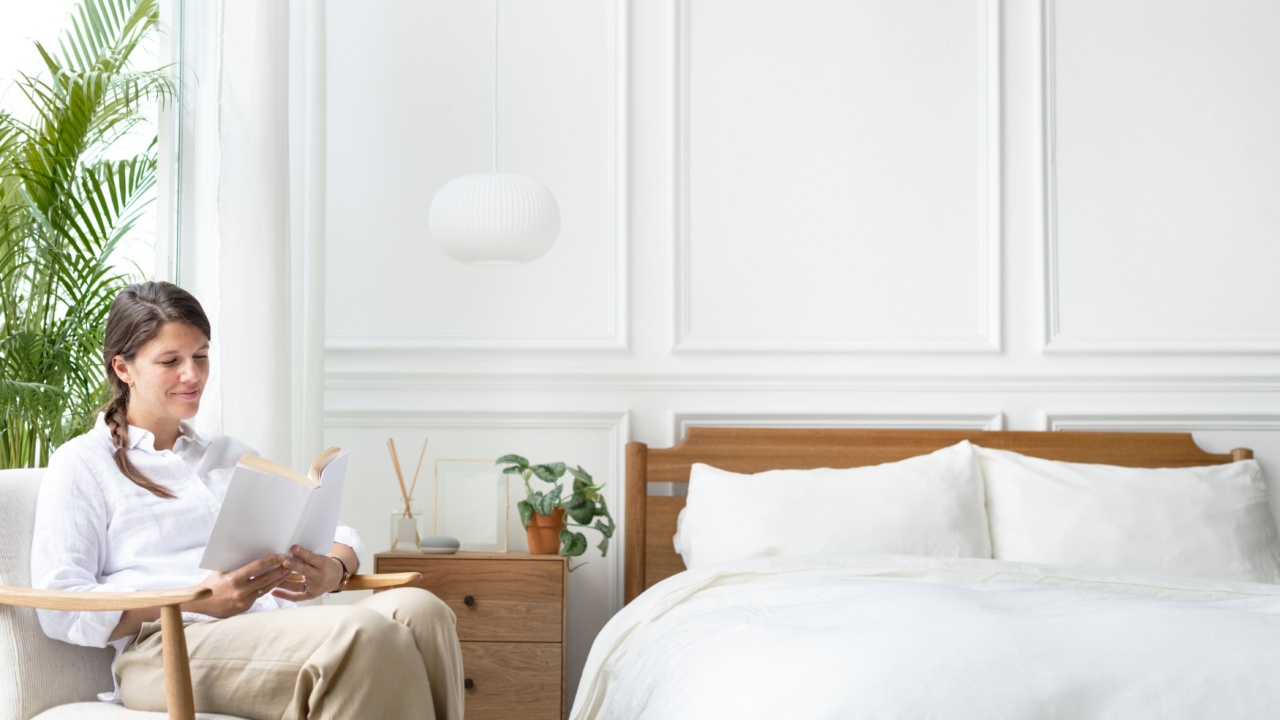
Image Credit: Shutterstock.
To strengthen the mental association between your bed and sleep, it’s crucial to avoid using it for other activities.
Working from your bed, eating, or scrolling through social media can confuse your brain, making it harder to switch into “sleep mode” when it’s time to rest. Reserve your bed for just sleep and intimacy. It trains your brain to recognize that getting under the covers is the signal to wind down.
Quick tips:
- If you work from home, set up a desk in another room or a corner of your living space.
- If you enjoy reading before bed, do it in a comfy chair next to your bed instead of in it.
- Make it a rule to only eat in the kitchen or dining room.
11. Create a Personal Wind-Down Ritual

Image Credit: Shutterstock.
Just as you have a routine to start your day, a consistent wind-down ritual can signal to your body that it’s time for bed.
This could be anything from reading a few chapters of a book, doing some gentle stretches, meditating, or sipping a cup of herbal tea. The key is consistency. A predictable routine helps regulate your body’s internal clock and makes it easier to fall asleep and wake up at the same time every day.
Quick Tips:
- Your ritual doesn’t need to be long; even 15-20 minutes can make a difference.
- Choose content that is relaxing rather than stimulating.
- Write down any worries or to-do lists to get them out of your head before sleep.
12. Use Natural Textures

Image Credit: Shutterstock.
Incorporating a variety of natural textures can make your bedroom feel more grounded, cozy, and luxurious. Consider the texture of various materials when you touch them. A soft wool throw, a smooth wooden nightstand, a nubby linen pillow, or a plush sheepskin rug can all add depth and sensory comfort to your space. These elements connect you to the natural world, which has a calming effect that is inherently soothing.
Quick Tips:
- Combine smooth cotton sheets with a chunky knit blanket and velvet pillows.
- A jute or sisal rug can add texture and warmth to your floors.
- A wooden headboard or a marble tray on your dresser can add an earthy, organic feel.
Your Bedroom, Your Sanctuary

Image Credit: Shutterstock.
Creating a sleep sanctuary is an investment in your health and happiness. Start by implementing one or two of these tips and gradually build from there. For more ideas on how to create a beautiful and functional living space, explore our guides on backyard design and home gardening to bring more peace and nature into every corner of your life.