
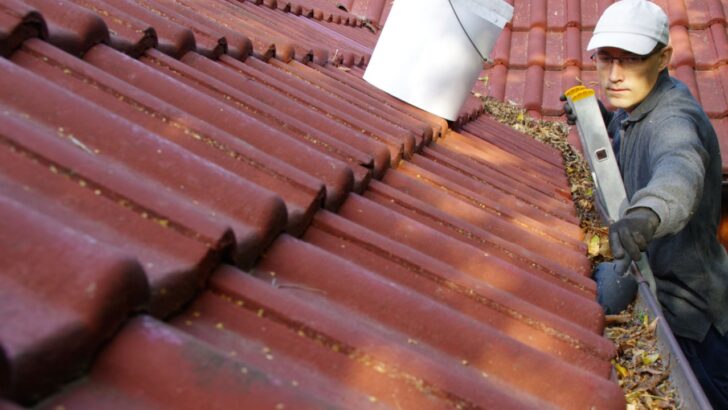
What if the smallest things in your home and yard were quietly preparing to cause the biggest headaches during winter? Cold weather tends to shift everyone’s focus to big-ticket concerns like heating bills and cozy blankets. However, minor home inefficiencies and neglected projects can increase overall energy loss by a significant amount during the winter months and put your home at risk for fires, floods, and beyond.
Winter might feel like a “pause” season, but your home doesn’t actually stop aging. Moisture keeps sneaking around, filters still clog, drafts still slip through, and outdoor materials expand and contract. These tiny changes build up quietly, and by the time spring rolls around, the fix isn’t tiny anymore. That’s why these little winter jobs matter. Handle them now, and you won’t be stuck with expensive surprises later.
1. Disconnect and Drain Outdoor Hoses & Faucets
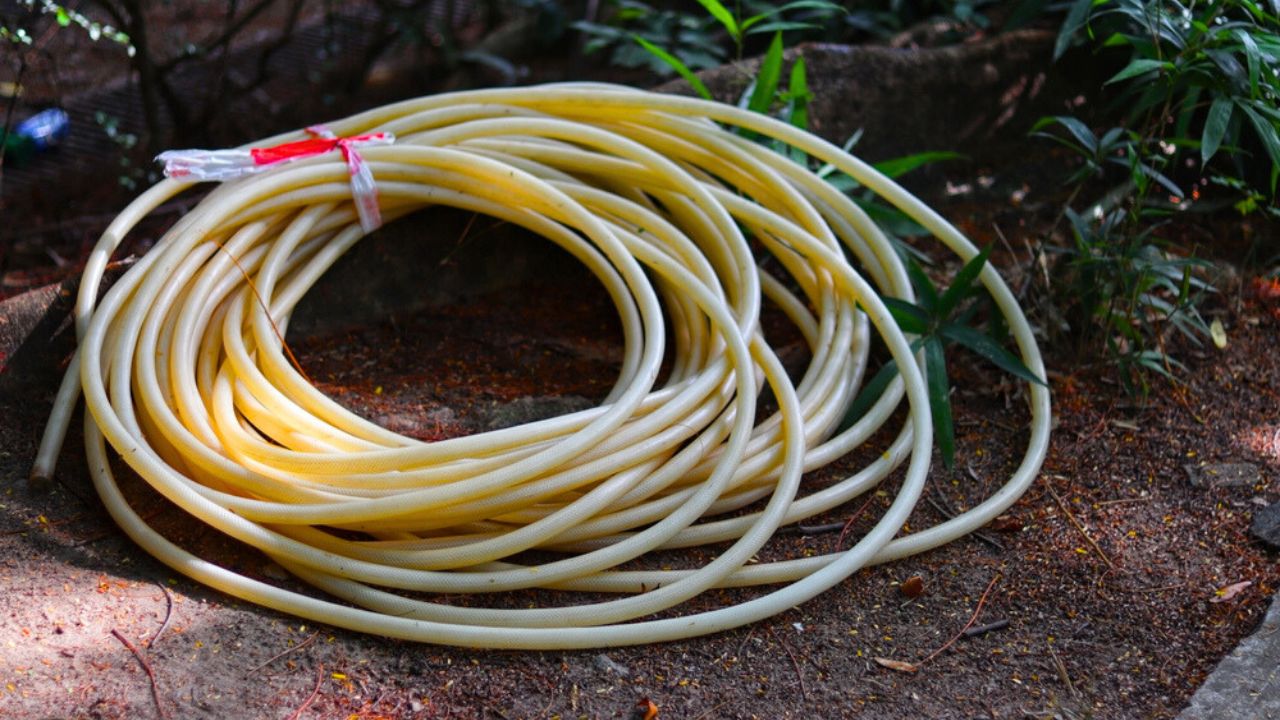
Image Credit: Shutterstock.
In winter, any water left trapped inside garden hoses and outdoor faucets can freeze and expand, and that expansion often bursts the pipe right inside the wall. This is the classic winter problem most of us regret only after it’s too late.
What to Do:
- Disconnect all hoses
- Drain fully (flip upside down)
- Store hoses somewhere dry
- If you have an indoor shutoff valve, close it and open the outdoor faucet to let leftover water drain out.
2. Wrap Exposed Pipes in Unheated Spaces
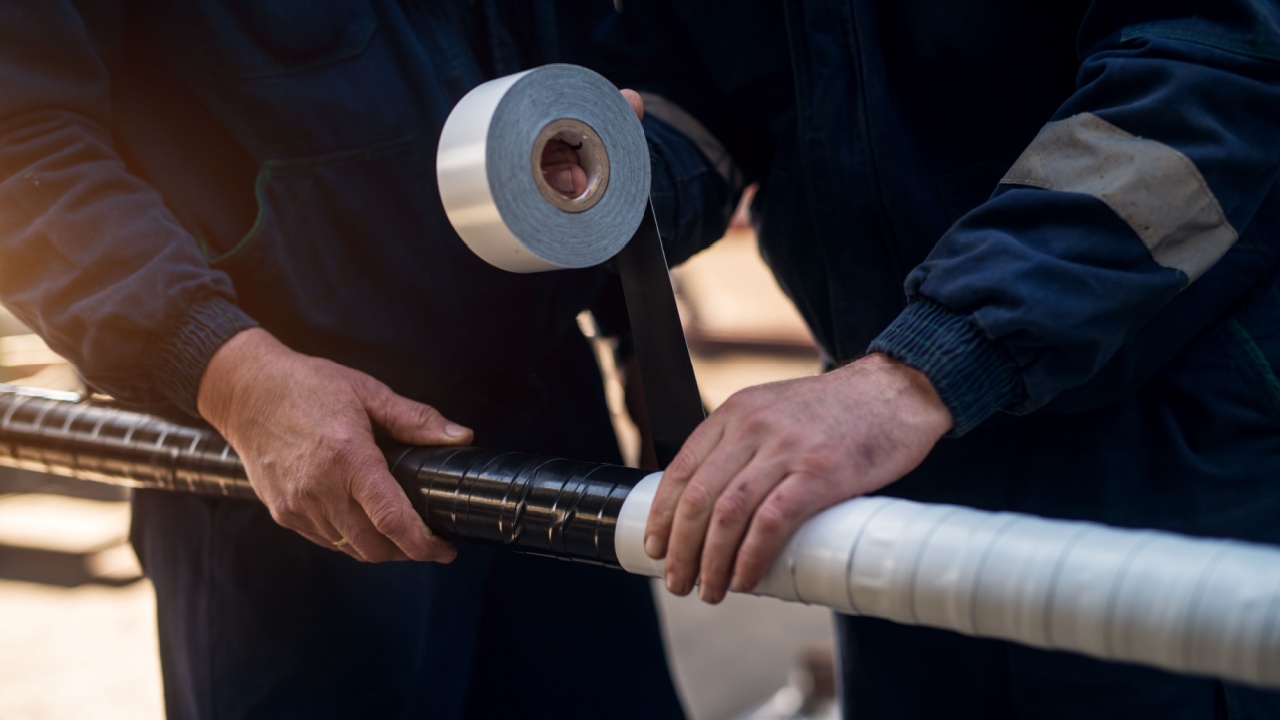
Image Credit: Shutterstock.
Pipes in unheated garages, basements, crawl spaces, and behind cabinets near exterior walls are winter’s weak spots. Leaving them bare is basically inviting freezing trouble. Insulation slows heat loss and keeps water moving instead of freezing.
What to Do:
- Slip foam pipe sleeves over all exposed water lines
- Cover bends and corners carefully cold hits these hardest
- Add heat tape (pipe-rated) to trouble spots that freeze often
- Secure sleeves with tape or zip ties if they feel loose
3. Fix Drafts Around Doors
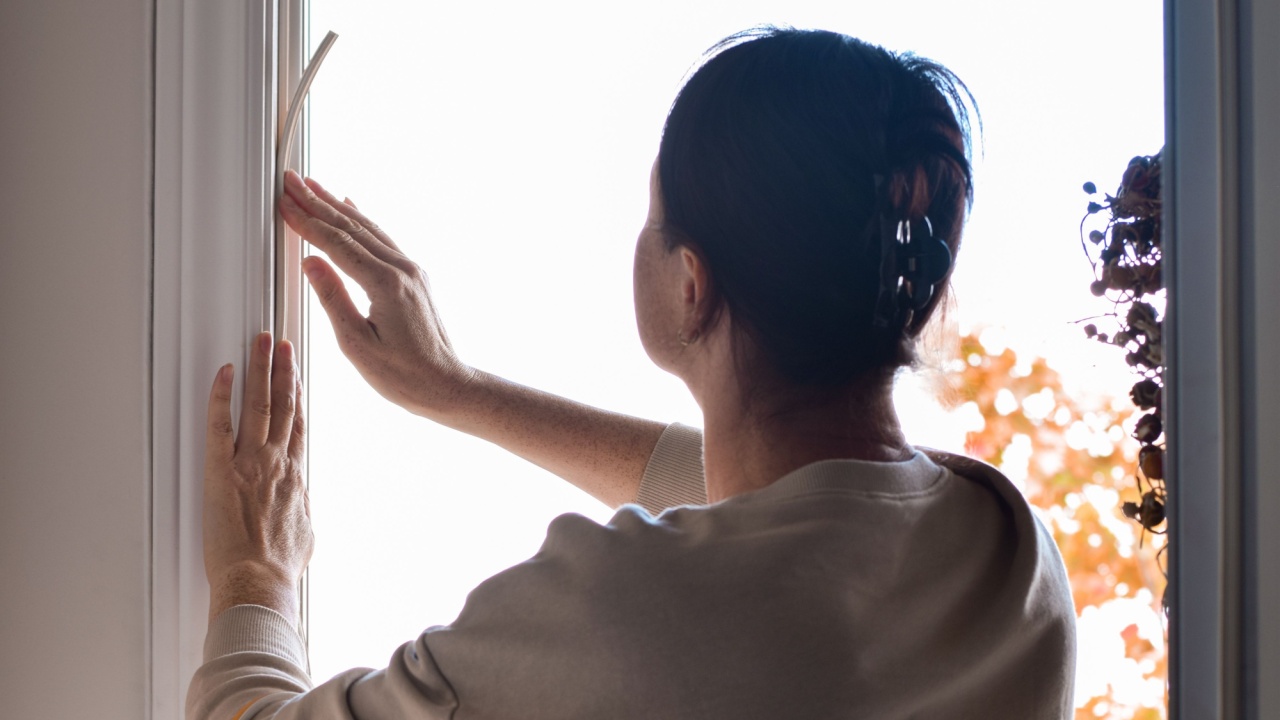
Image Credit: Shutterstock.
Air leaks feel tiny, but sealing them is one of the cheapest ways to cut winter heating loss. Even a sliver of daylight around a door or tiny gaps where cables and pipes enter your house lets warm air slip out and cold air slip in. That makes your heater work harder, and your home feels chillier than the thermostat says.
What to Do:
- Test leaks by closing a door on a dollar bill; if it slides out easily, air is sneaking in.
- Add or replace weatherstripping around doors
- Install door sweeps at the bottom if there’s a gap
- Caulk around exterior wall penetrations like cable lines, gas pipes, and dryer vents.
4. Clean Gutters and Ensure Downspouts Send Water Away
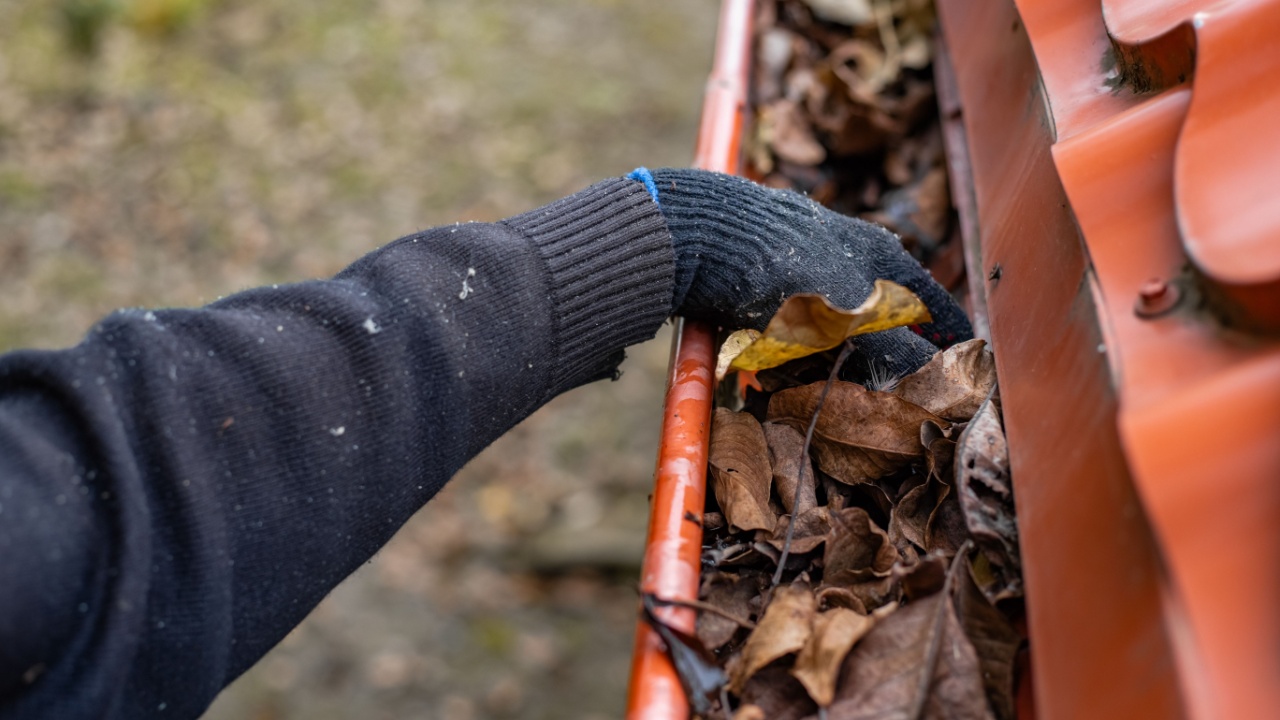
Image Credit: Shutterstock.
Water that can’t run freely through gutters backs up and turns into ice at the roof edges. Ice dams push water under shingles, and that water can leak into ceilings, walls, or run down and pool at your foundation.
What to Do:
- Scoop out leaves and debris
- Flush with a hose to test the flow
- Add downspout extensions so water drains away from the house foundation
5. Change Your Furnace Filter and Check Airflow
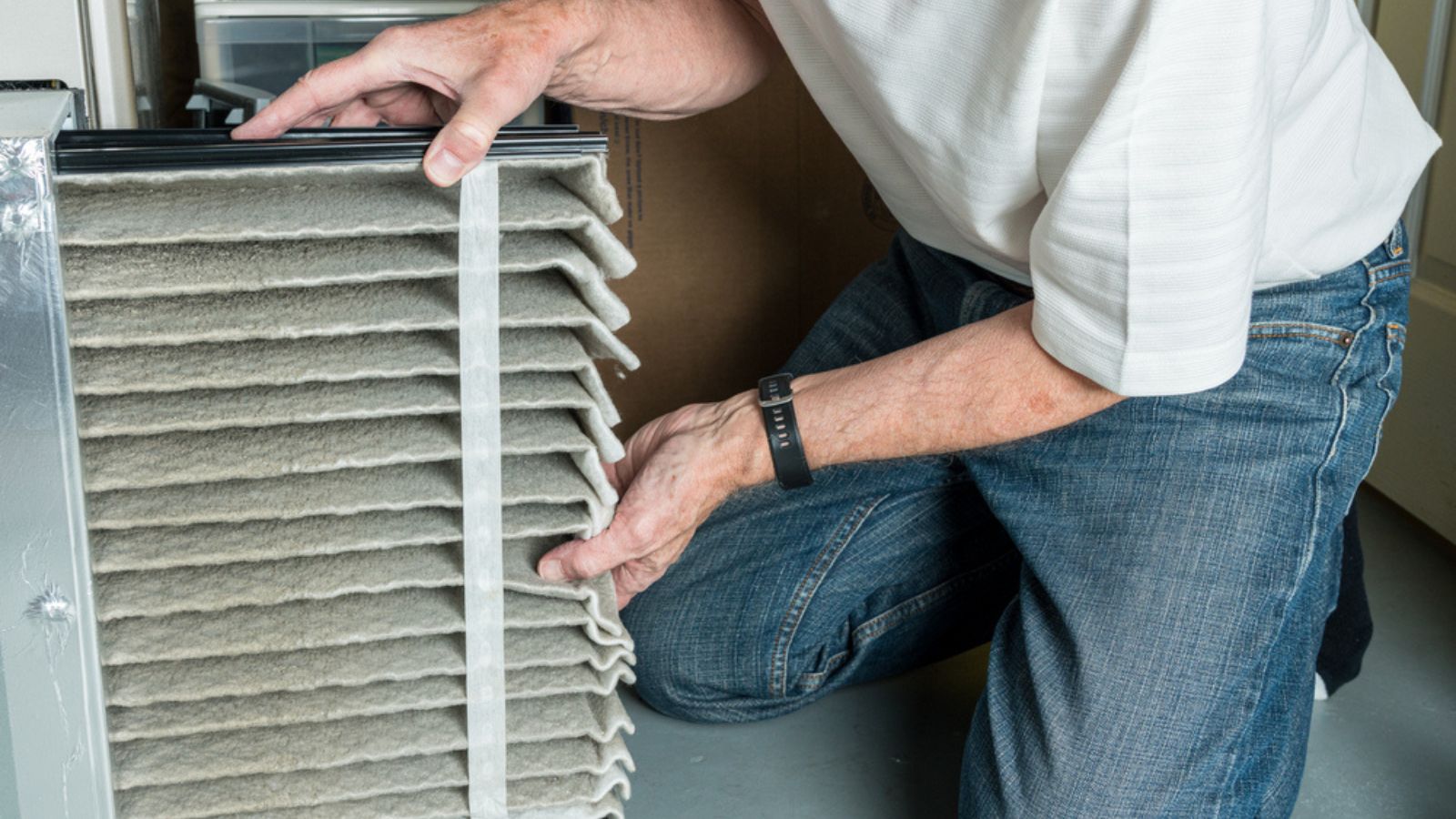
Image Credit: Deposit Photos.
Dirty furnace filters choke airflow, make systems inefficient, and can even shorten your furnace’s life. A clogged filter makes your heater work harder to push air around, wasting energy and potentially overheating parts. Clean filters keep air flowing and reduce strain on your system.
What to Do:
- Remove the old furnace filter
- Insert the correct size/type as recommended by your HVAC manual
- Vacuum return air grilles to boost airflow
- Clean floor registers to reduce dust circulation
6. Clean the Dryer Vent Beyond the Lint Trap

Image Credit: Shutterstock.
Most people clean the lint trap, but lint builds up far back in the vent hose and exterior duct too. That’s both a safety risk and an efficiency hit as lint is highly flammable. When heat can’t escape, dryers run longer, cost more to operate, and pose a fire hazard. Clearing the entire vent path keeps your dryer safe and efficient.
What to Do:
- Pull the dryer out and disconnect the hose
- Use a long brush or vacuum to remove lint from the hose and wall duct
- Check the outside vent flap to make sure it opens freely
- Do this at least once a year
7. Test Smoke Alarms & Carbon Monoxide Detectors

Image Credit: Shutterstock.
This is easily the most important thing a lot of us forget until something terrifying happens. Winter heaters, fireplaces, woodstoves, and space heaters all raise the risk of smoke and dangerous carbon monoxide.
CO is invisible and odorless, and the only way to be safe is to have functioning detectors. Smoke alarms catch smoldering fires early, too.
What to Do:
- Press the test button on all alarms
- Replace batteries if needed
- Replace units older than the manufacturer’s recommendations.
- Place CO detectors on every level of your home and near bedrooms.
Tiny Projects, Big Peace of Mind
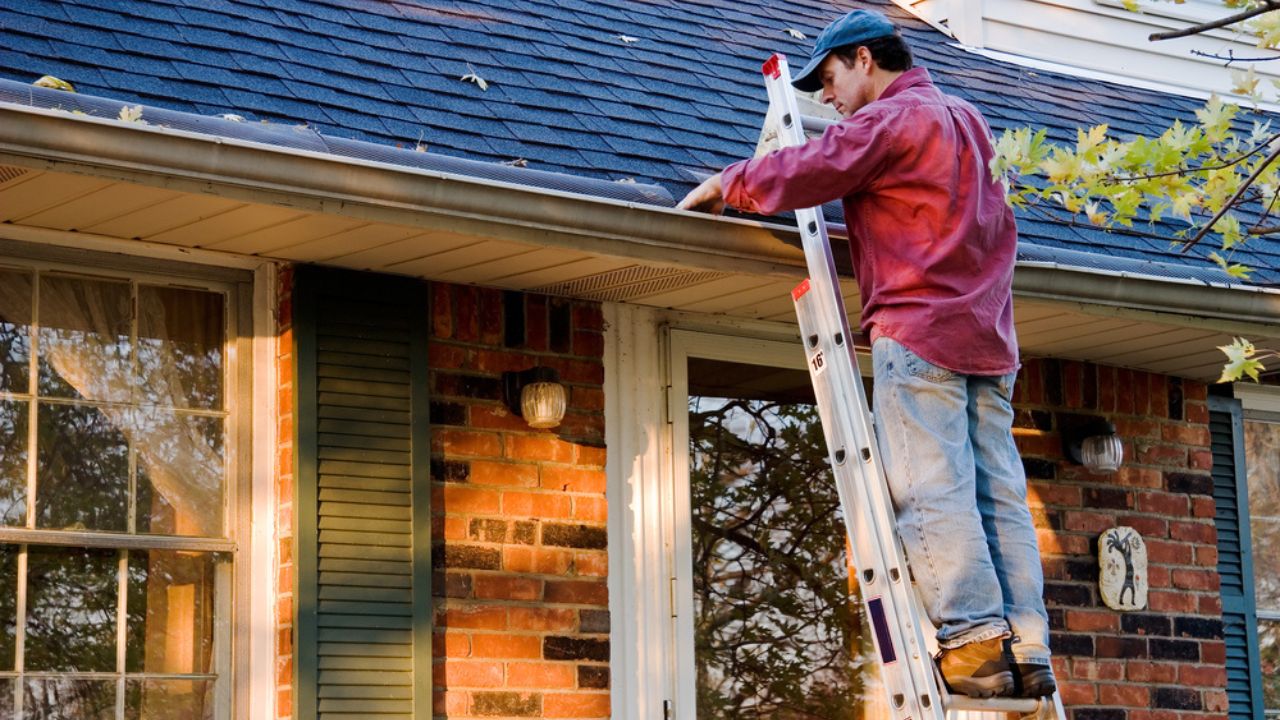
Image Credit: Shutterstock.
These winter tasks might look small, but they protect some of your home’s most vulnerable systems like plumbing, heating, structure, ventilation, safety alarms, and water management. You’ll notice the difference in lower heating bills, fewer surprises, and much less stress when temperatures dip.