
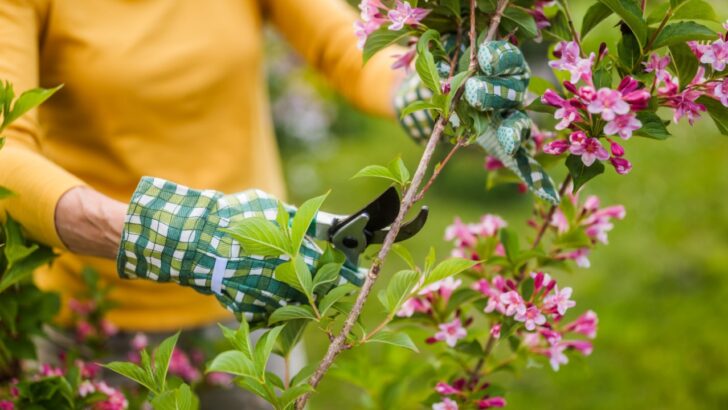
Pruning is one of the most satisfying tasks for a gardener. That satisfying snip promises better shape, more flowers, and healthier growth. But what if I told you that sometimes, putting the shears down is the best thing you can do for your plants?
Knowing when not to prune is just as critical as knowing when to make those cuts. An ill-timed trim can stress your plants, invite disease, reduce your harvest, or even eliminate a whole season of beautiful blooms. Understanding the natural cycles of your plants is key to helping them thrive.
Pruning at the wrong moment can work against their biology, forcing them to use precious energy on healing instead of growing strong roots or producing flowers. This guide will walk you through ten specific scenarios when you should step away from your plants and let them be, as verified by gardening experts.
1. During a Drought
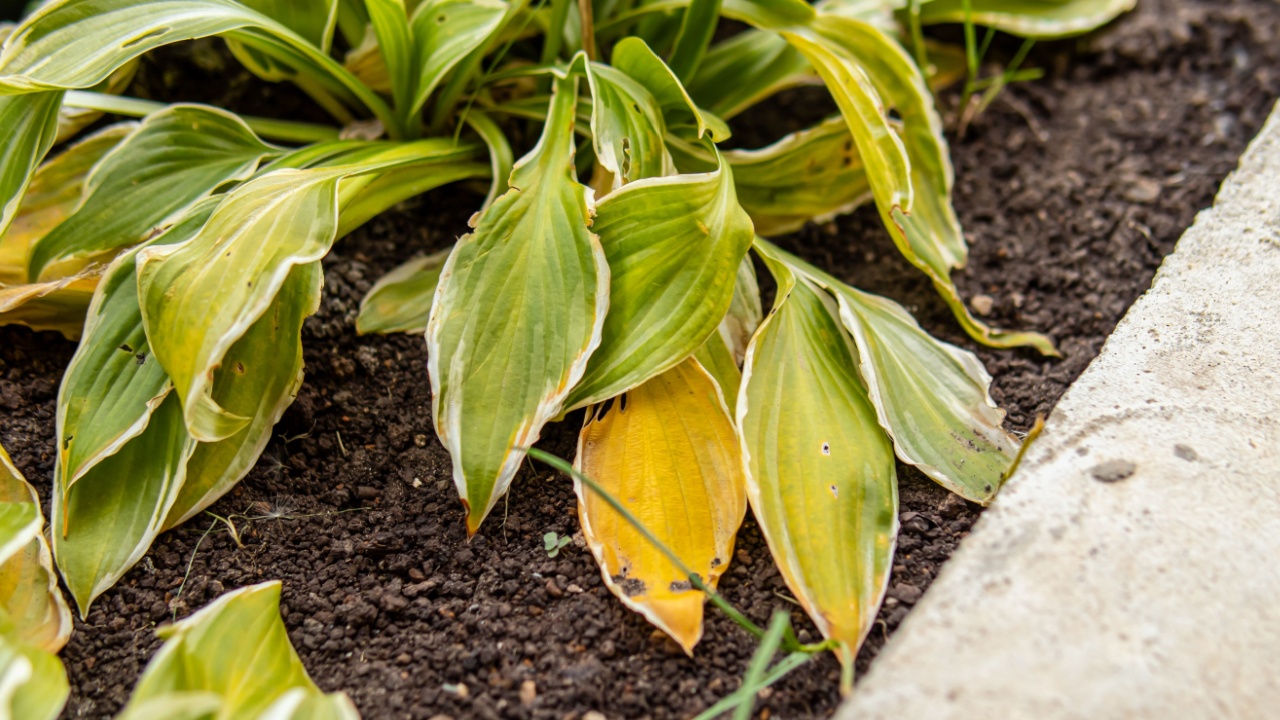
Image Credit: Shutterstock.
When rainfall is scarce and the soil is parched, your plants are in survival mode. All their energy and available moisture are being directed to essential functions, like keeping their roots and core systems alive. Pruning during a drought sends a mixed signal, triggering the plant to push out new, tender growth that it simply cannot support.
This new growth demands a significant amount of water and nutrients, resources that are already in short supply. By forcing this response, you divert water away from the plant’s vital organs, leading to stress, dieback, and increased vulnerability to pests. Instead of helping, you could be causing significant harm.
Your Action Plan:
- Wait for Rain: Hold off on any pruning until the drought has passed and your plants are fully rehydrated. This may mean waiting until the next growing season.
- Focus on Watering: Your primary job during a drought is to provide deep, infrequent watering to encourage strong root systems. Water early in the morning to minimize evaporation.
- Mulch Generously: Apply a thick layer of mulch around the base of your plants to help retain soil moisture and keep roots cool.
2. When Trees and Shrubs Are Going Dormant
Image Credit: Shutterstock.
As autumn approaches, you might feel the urge to tidy up your garden before winter. However, late fall is one of the worst times to prune woody plants like trees and shrubs. During this period, they are actively preparing for winter dormancy by slowing their metabolism and storing energy in their roots.
Pruning in the fall stimulates new growth, which is the opposite of what the plant is trying to do. This fresh, tender foliage won’t have time to harden off before the first frost, making it extremely susceptible to cold damage. This not only harms the new growth but can also create entry points for diseases and weaken the entire plant as it enters its most vulnerable season.
Your Action Plan:
- Hands Off in Fall: Resist the temptation to do major pruning in autumn. Wait until late winter or early spring when the plant is fully dormant.
- Light Cleanup Only: If you must, you can remove any clearly dead or broken branches, but avoid any significant reshaping or trimming.
- Prepare for Winter: Focus on other winter prep tasks, like adding mulch, watering evergreens deeply before the ground freezes, and wrapping delicate shrubs.
3. In Wet and Rainy Conditions
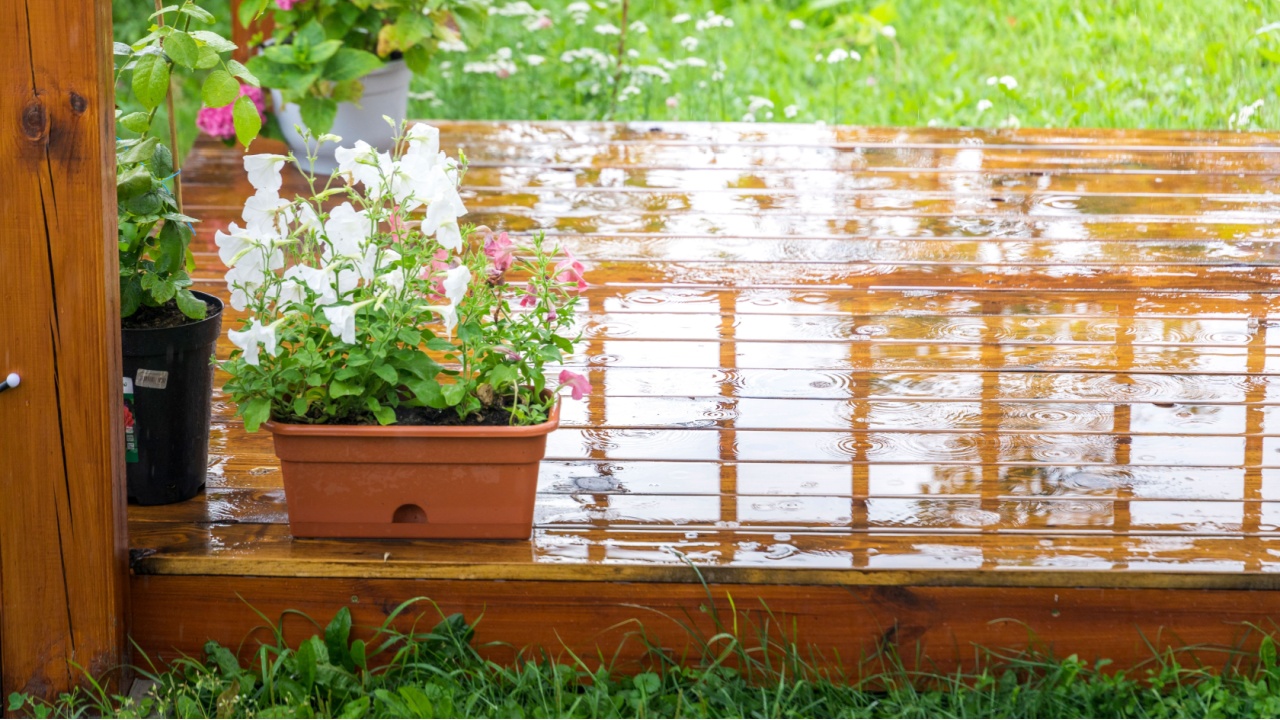
Image Credit: Shutterstock.
Pruning creates open wounds on a plant. When you prune in wet conditions, either during a rainstorm or when morning dew is still clinging to the leaves, you are essentially rolling out the welcome mat for fungal and bacterial diseases. Water is a primary vehicle for these pathogens, allowing them to spread quickly from one part of the plant to another, or from your tools to the fresh cuts.
Diseases like fire blight, powdery mildew, and various cankers thrive in moist environments. A clean pruning cut made in dry weather allows the plant to start callusing over quickly, forming a natural barrier. In wet weather, that wound stays moist and exposed for longer, giving pathogens the perfect opportunity to take hold.
Your Action Plan:
- Wait for Dry Foliage: Always prune when the plant’s leaves and stems are completely dry. It’s best to wait for a dry, sunny day.
- Clean Your Tools: Before and after pruning, and especially between plants, clean your shears with rubbing alcohol or a bleach solution to prevent spreading unseen diseases.
- Promote Airflow: When you do prune, make cuts that open up the plant’s structure to improve air circulation, which helps foliage dry faster and reduces the risk of future fungal issues.
4. Right Before Plants Are About to Bloom

Image Credit: Shutterstock.
This is perhaps the most heartbreaking pruning mistake. Many popular flowering shrubs and trees, like forsythia, rhododendrons, lilacs, and magnolias, bloom on “old wood.” This means they form their flower buds during the previous growing season. If you prune these plants in late winter or early spring before they bloom, you are cutting off all the potential flowers for the year.
While this won’t necessarily harm the plant’s long-term health, it will certainly rob you of the beautiful display you’ve been waiting for. The plant has already invested energy into creating those buds, and once they’re gone, it won’t produce a new set for the current season.
Your Action Plan:
- Know Your Plant: Identify whether your shrub blooms on old or new wood. As a general rule, if it blooms in spring, it likely blooms on old wood.
- Prune After Flowering: The best time to prune spring-flowering shrubs is immediately after they finish blooming. This gives them the entire growing season to develop new branches and set flower buds for next year.
- Identify Flower Buds: On some plants, you can see the swollen flower buds. If you see them, put the pruners away until after the show is over.
5. When Certain Plant Diseases Are Active
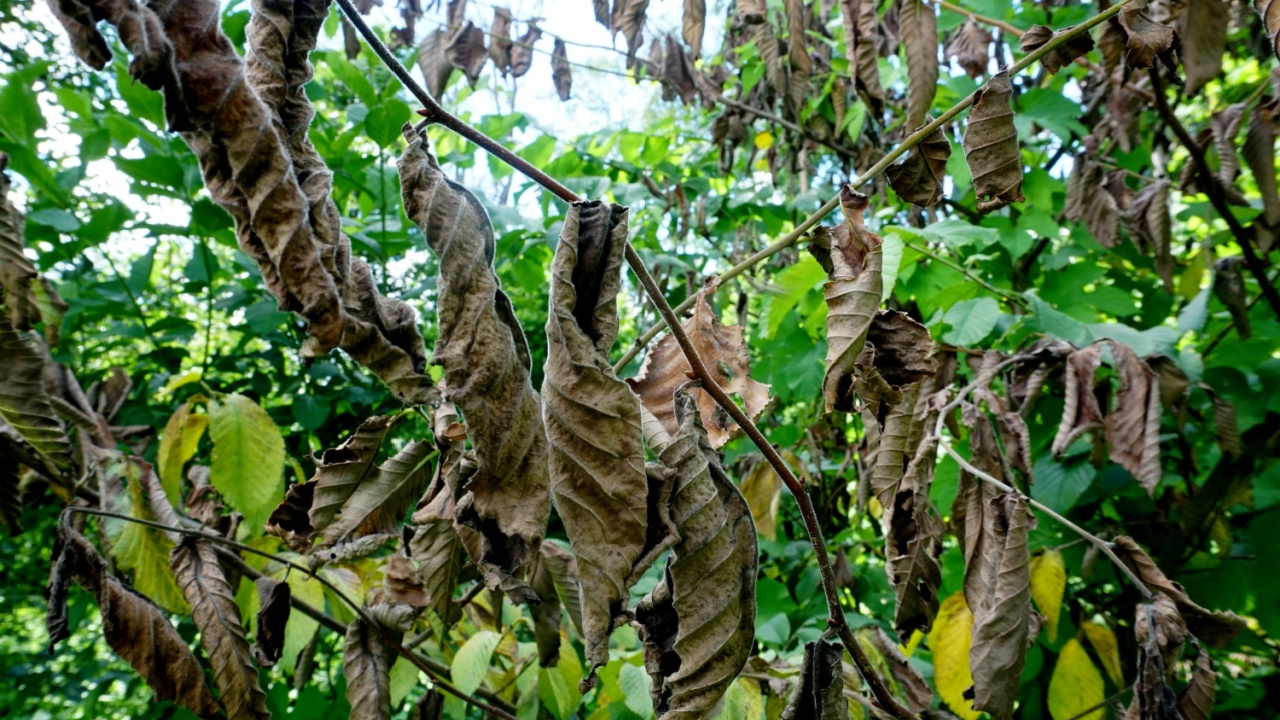
Image Credit: Shutterstock.
Some of the most destructive tree diseases are spread by insects that are attracted to fresh pruning wounds during specific times of the year. For example, oak wilt is a devastating fungal disease spread by sap-feeding beetles. These beetles are most active in spring and summer, and they are drawn to the sap that bleeds from a fresh cut on an oak tree.
Similarly, Dutch elm disease is spread by elm bark beetles, which are also active during the spring and summer months. Pruning oaks and elms during this “high-risk” period can be a death sentence for the tree. It’s crucial to know which diseases are prevalent in your area and time your pruning to avoid the active seasons of their vectors.
Your Action Plan:
- Prune Oaks and Elms in Dormancy: The safest time to prune these trees is during the dormant season, from late fall to early spring, when the disease-spreading insects are not active.
- Contact Local Experts: Check with your local university extension office or a certified arborist. They can provide specific advice on timing your pruning to avoid common regional diseases.
- Never Use Wound Paint: Avoid applying pruning paint or sealant to cuts. These products can trap moisture and inhibit the tree’s natural ability to heal, sometimes making the problem worse.
6. During Extreme Heat Waves
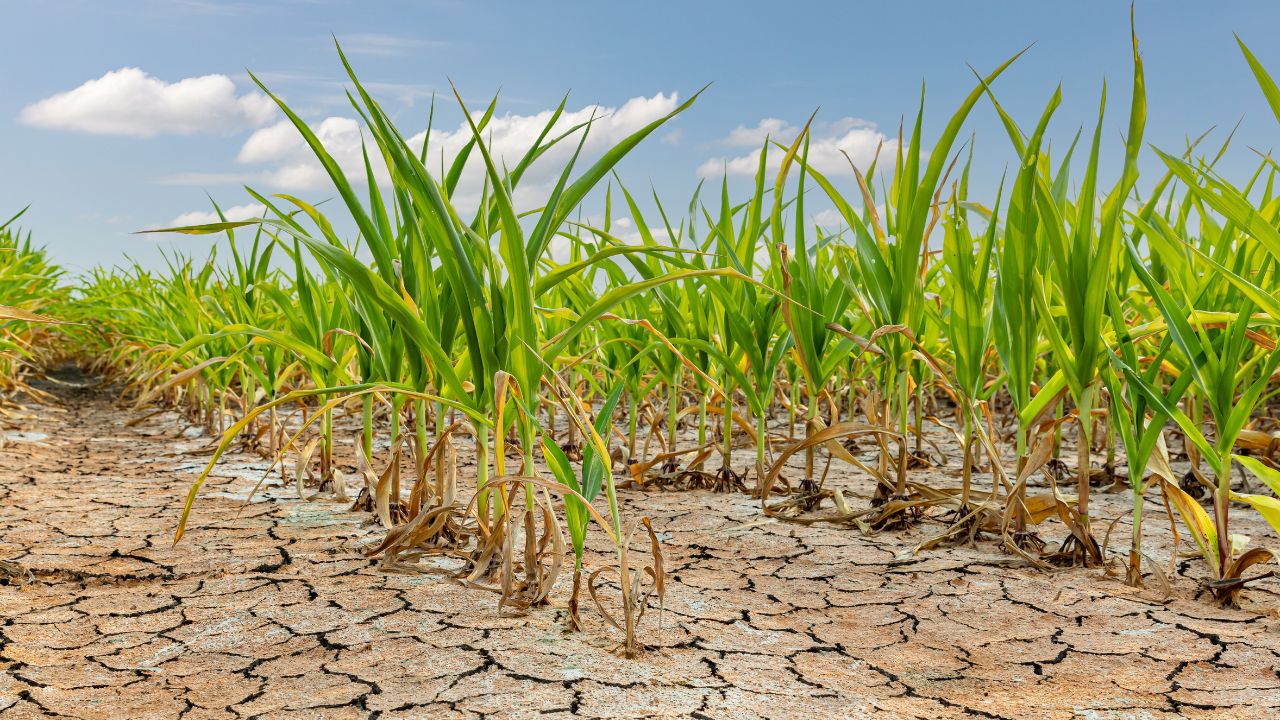
Image Credit: Shutterstock.
Just like during a drought, plants are under immense stress during a period of extreme heat. High temperatures cause plants to lose water more rapidly through transpiration (the plant equivalent of sweating). Their main priority is conserving moisture and staying cool.
Pruning during a heatwave forces the plant to divert its limited energy toward healing wounds and attempting to produce new growth, which will likely scorch in the intense sun. The fresh cuts also create additional points for moisture loss, further dehydrating an already struggling plant. Leaves also provide shade for the plant’s branches and trunk, and removing too much foliage can lead to sunscald on the bark.
Your Action Plan:
- Postpone Pruning: Wait until the heatwave breaks and cooler temperatures return before making any cuts.
- Provide Shade: For smaller or more sensitive plants, consider using shade cloth or setting up a temporary screen to protect them from the most intense afternoon sun.
- Water Deeply: Ensure plants are well-hydrated by watering deeply in the early morning. This gives them the moisture they need to get through the hot day.
7. When Plants Are Newly Transplanted

Image Credit: Shutterstock.
When you move a plant to a new location, it experiences transplant shock. The root system has been disturbed and is not yet established enough to efficiently absorb water and nutrients from its new environment. During this adjustment period, which can last from several weeks to a full year, the plant’s primary focus is on developing a strong root network.
Pruning the top growth at this stage is counterproductive. The leaves are the plant’s food factories, producing the energy through photosynthesis that is needed to fuel root growth. Removing foliage reduces the plant’s ability to create this energy, slowing down its establishment and recovery.
Your Action Plan:
- Only Prune Damaged Parts: When transplanting, only prune branches or roots that were broken or damaged during the move.
- Wait for New Growth: Do not perform any structural pruning until you see clear signs of new, healthy growth, which indicates the root system is beginning to establish itself.
- Keep It Watered: Consistent moisture is the most critical factor for a newly transplanted plant. Keep the soil evenly moist but not waterlogged.
8. When Evergreens Are Pruned in Winter

Image Credit: Shutterstock.
While many deciduous trees are best pruned in winter, evergreens are a different story. Their needles or leaves are especially susceptible to drying out from cold, harsh winter winds. A fresh pruning cut is an open wound that allows precious moisture to escape.
When an evergreen is pruned in winter, it can’t draw up water from the frozen ground to replenish what’s lost through the cut and its foliage. This excessive water loss can lead to winter burn, where needles turn brown and entire branches die back. The damage might not be visible until spring, but it can be severe and permanent.
Your Action Plan:
- Wait for Early Spring: The best time to prune most evergreens is in early spring, just before new growth begins, or in mid-summer after the initial growth spurt has hardened off.
- Avoid Late-Season Pruning: Do not prune evergreens in late fall, as this can stimulate new growth that won’t have time to mature before winter sets in.
- Water Before Winter: Make sure your evergreens are well-watered in the fall before the ground freezes. This helps them stay hydrated throughout the winter months.
9. When Sap Is Flowing Heavily
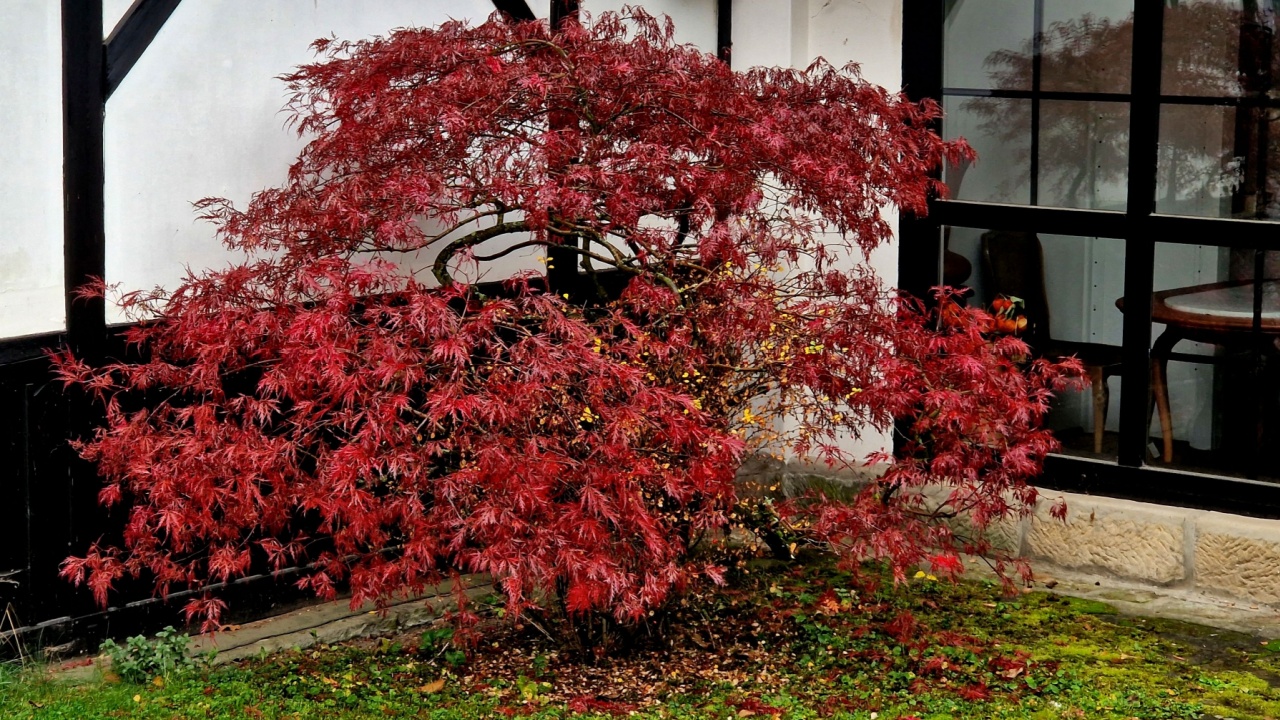
Image Credit: Shutterstock.
In late winter and early spring, certain trees like maples, birches, and elms begin moving large quantities of sap from their roots up to their branches to fuel new growth. If you prune these trees during this time, the cuts will “bleed” profusely.
While this heavy sap flow is usually not life-threatening to a healthy tree, it is messy and can be alarming to see. The sticky sap can drip onto objects below and may damage the bark as it runs down the trunk. It also signals that the tree is in an active growth phase, and it’s generally best to avoid major pruning during this time to allow the tree to focus its energy on leafing out.
Your Action Plan:
- Prune in Full Dormancy or Summer: For heavy sap-producers, the best times to prune are either in mid-winter when they are fully dormant or in late summer after their leaves have fully developed.
- Don’t Panic If It Bleeds: If you do make a cut that bleeds, don’t try to seal it. The flow will stop on its own once the tree has fully leafed out.
- Know Your Trees: Learn to identify which trees in your yard are known for heavy sap flow so you can schedule their pruning appropriately.
10. In Early Winter
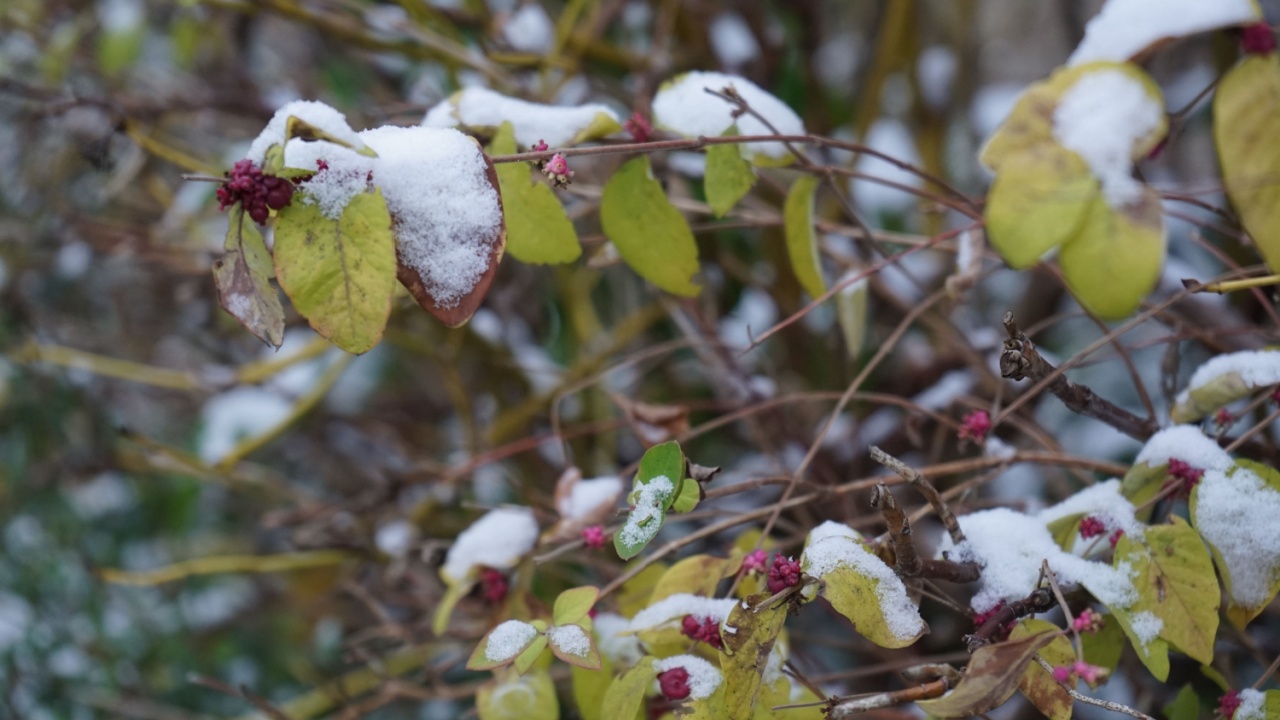
Image Credit: Shutterstock.
Pruning woody plants in early winter combines the risks of fall and mid-winter pruning. The weather is often unstable, with fluctuating temperatures. A warm spell after pruning can trick the plant into producing new growth, which will then be killed by the next hard freeze.
Furthermore, the plant is dormant but hasn’t yet reached the deep, hardened dormancy of mid-winter. A wound made in early winter will remain open for a long time because the plant’s healing mechanisms are extremely slow. This prolonged exposure increases the risk of both winter damage and disease entering the open cut.
Your Action Plan:
- Be Patient: Wait until the coldest part of winter (late January through early March in most climates) when the plant is guaranteed to be fully dormant and less likely to be stimulated into growth.
- Prioritize the 3 Ds: The only pruning you should consider in early winter is the removal of the “3 Ds” dead, damaged, or diseased branches. This can be done at any time of year as it’s essential for plant health.
- Check the Forecast: If you must prune, check the long-range weather forecast and avoid cutting if a significant warm-up followed by a deep freeze is predicted.
Smarter Gardening with a Better Pruning Plan

Image Credit: Shutterstock.
Becoming a great gardener means learning to work in harmony with your plants, not against them. By respecting their natural cycles and avoiding these ten common pruning mistakes, you set them up for success.
Your next step is to observe. Take a walk through your garden and identify the plants you were thinking of pruning. Are they about to bloom? Is a heatwave coming? Knowing when to act is powerful, but knowing when to wait is wisdom. Keep your tools clean, your mind curious, and your hands patient. Your garden will reward you with stronger, healthier, and more beautiful plants.