
Thrift store shopping used to be a straightforward way to find unique pieces for your home and garden without needing a bank loan. The thrill of the hunt often led to discovering treasures that just needed a little love. Lately, the landscape has changed. With the rise of online resellers and a growing interest in secondhand shopping, prices have crept up, turning some formerly great deals into questionable purchases.
Navigating the aisles of your local thrift shop requires a savvier eye than ever before. Many stores now price items based on what they see them selling for online, which can lead to some truly baffling price tags. You want to save money, here are 12 common items in the home and garden space that are often overpriced at thrift stores. We’ll explore why they cost so much and how you can decide if they’re still worth bringing home.
1. Fast Fashion Home Decor
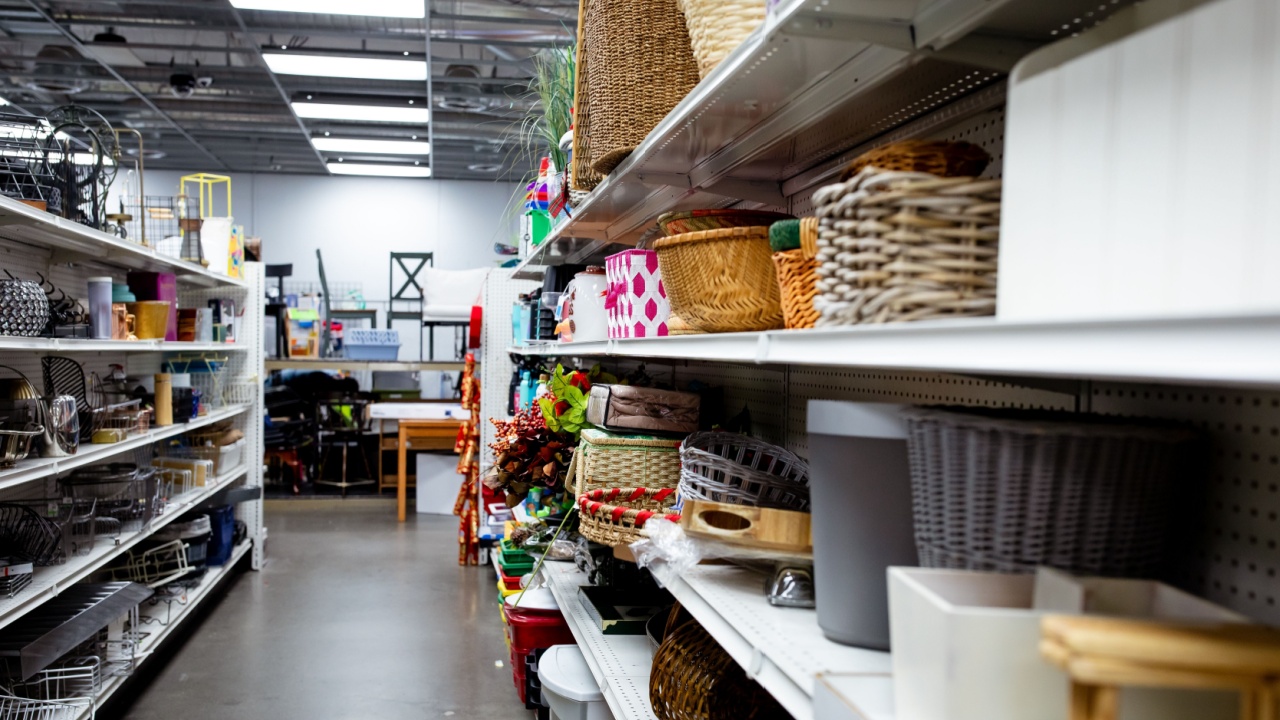
Image Credit: Shutterstock.com.
Items from popular fast-fashion home lines are showing up on thrift store shelves with surprising frequency and even more surprising prices. You might find a trendy vase or a set of decorative pillows that you recognize from a big-box store, but with a price tag that’s almost the same as it was new. Sometimes, it’s even more expensive.
The problem is that these items were not made to last. They were designed to be affordable and temporary, so their quality often reflects that. Paying a premium for a secondhand item that might not survive another season is rarely a good investment. Before you buy, do a quick search on your phone to see the original retail price. You might discover it’s cheaper to buy it new or on clearance from the original store.
Quick Guide:
- Why it’s expensive: Stores price based on current trends, not original quality or value.
- Is it worth it? Rarely. The quality is often low, and you can likely find it new for a similar price.
- Next Steps: Check the original retailer’s website for sales. Focus on older, better-made decor pieces instead.
2. Basic Glassware
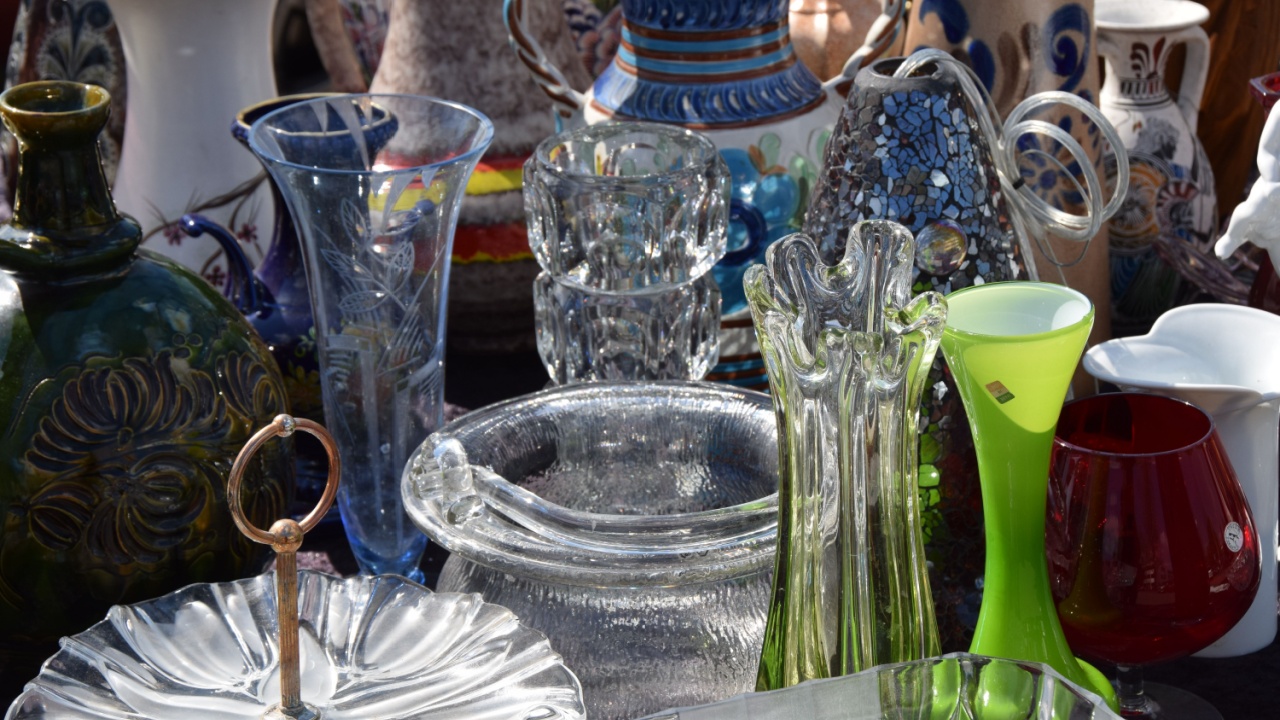
Image credit: Shutterstock.com.
A simple set of drinking glasses or a plain glass vase can seem like a safe bet. However, thrift stores often bundle these common items and price them higher than you would expect. A stack of mismatched, generic glasses might be marked at a price that would get you a brand-new, coordinated set from a discount retailer.
The issue is that basic glassware is produced in massive quantities, making it widely available and inexpensive. Thrift stores sometimes overvalue these everyday items, assuming they are a household staple that people will buy regardless of price. Always check for chips, cracks, and cloudiness caused by dishwasher damage before considering a purchase.
Quick Guide:
- Why it’s expensive: Stores bundle common items, creating an artificially high price point.
- Is it worth it? Usually not. You can often buy new sets for a comparable price at a discount store.
- Next Steps: Inspect each piece carefully for damage. Compare the thrift price to new sets at stores like Target or Walmart.
3. Anything “Vintage” Without a Brand
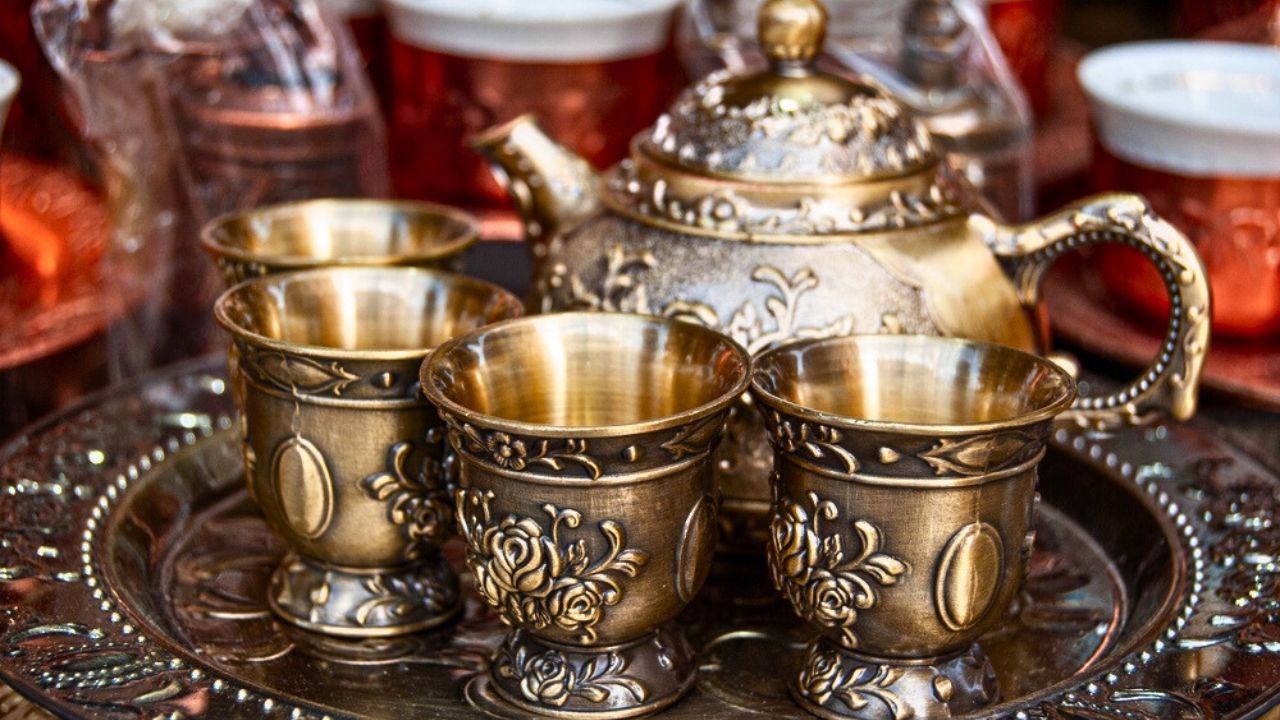
Image Credit: Shutterstock.
The word “vintage” gets used a lot in thrift stores to justify higher prices. You might see a generic, worn-out sweater or a faded piece of art labeled as vintage and priced accordingly. Without a recognizable brand name, unique design, or clear indication of quality, that label is often just a marketing tactic.
For home goods, this could be a set of unmarked ceramic dishes or a rustic-looking wooden bowl. While it looks old, it could be a low-quality item from a few decades ago with no real collector value. True vintage items from respected brands hold their value because of their craftsmanship and design. A simple old item is just that: old.
Quick Guide:
- Why it’s expensive: The “vintage” label is used to inflate the price of ordinary, older items.
- Is it worth it? Only if you genuinely love the item for its aesthetic and are willing to pay the price, not for its resale value.
- Next Steps: Look for maker’s marks or brand names on the bottom of ceramics, furniture, and decor. Research the brand to determine its true value.
4. Worn-Out Garden Tools
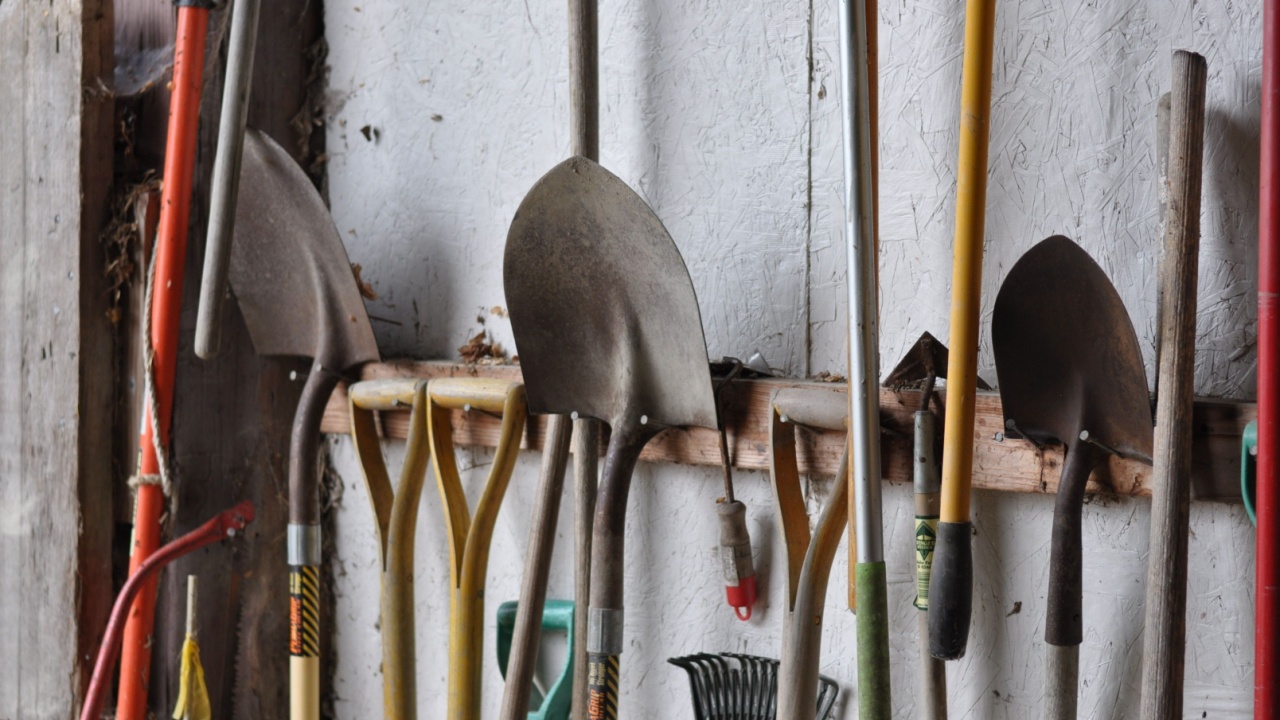
Image Credit: Shutterstock.
Finding a sturdy shovel or a pair of pruning shears can feel like a major score. Many thrift stores, however, price used garden tools higher than their condition warrants. You might find a rusty trowel or a rake with a cracked handle priced at only a few dollars less than a new one.
These tools have often been left outside, exposed to the elements, which leads to rust, weakened wood, and brittle plastic. While you can sometimes restore them, the effort might not be worth the small savings. A cheap, new tool will likely perform better and last longer than a worn-out one that’s already past its prime.
Quick Guide:
- Why it’s expensive: Stores may not account for the wear and tear from outdoor use.
- Is it worth it? Not if it’s rusty, cracked, or dull. The cost of restoration can outweigh the savings.
- Next Steps: Check for loose handles, significant rust, and dull blades. A little surface rust can be removed, but deep corrosion is a dealbreaker.
5. Unbranded or Damaged Cookware
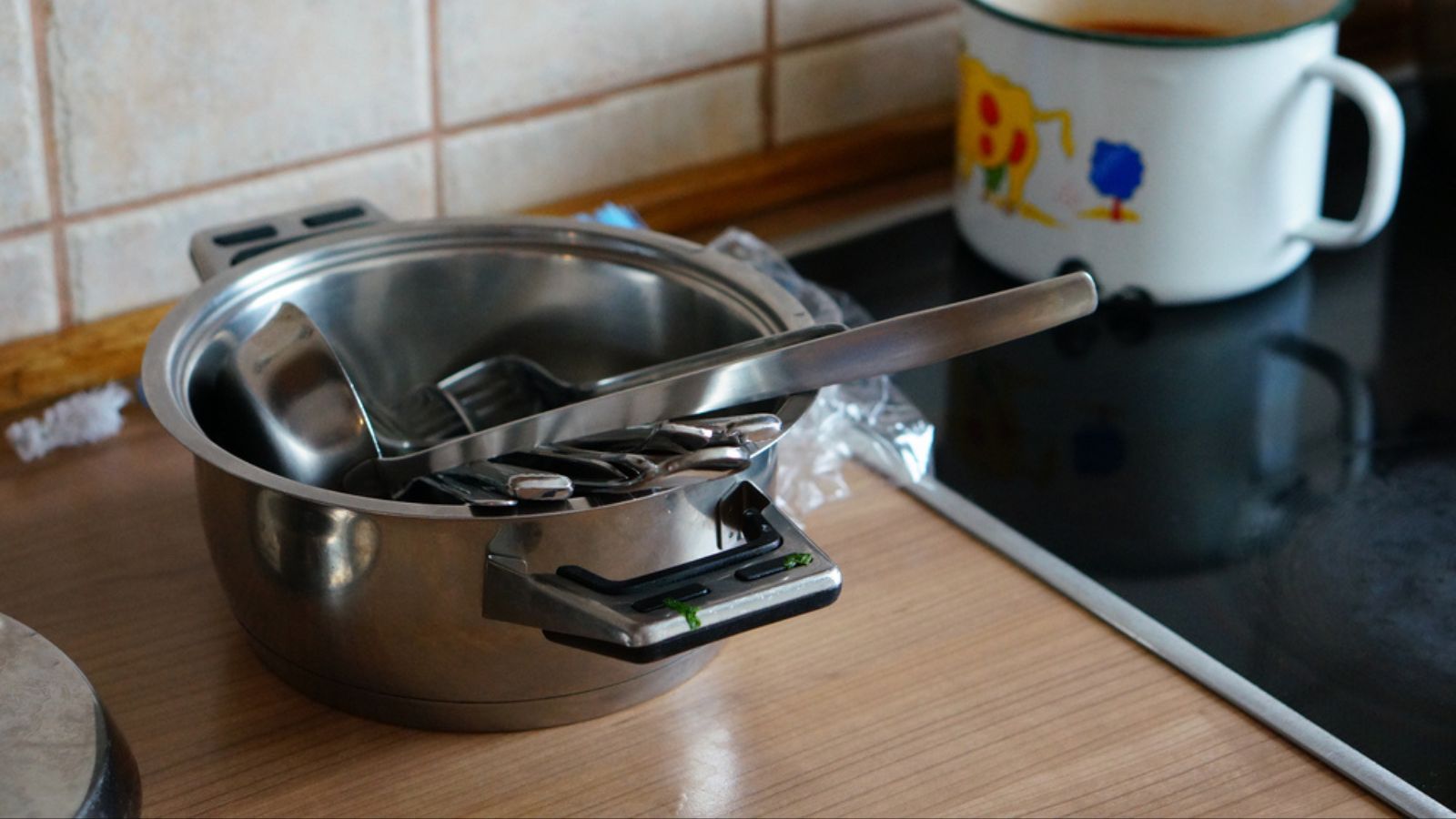
Photo Credit: Depositphotos.com.
Pots, pans, and baking sheets are common thrift store finds, but their condition varies wildly. It’s not unusual to see a scratched non-stick pan or a dented baking sheet priced at $10 or more. These prices are steep for items that are past their functional best. A scratched non-stick coating can be a health concern, and warped pans won’t cook food evenly.
Even if the cookware looks okay, if it’s a generic, no-name brand, you may be overpaying. You can often find new, budget-friendly cookware sets for not much more than the thrift store is charging for a few used pieces. Focus your search on high-quality brands known for durability, like cast-iron skillets or stainless steel pots that can be restored.
Quick Guide:
- Why it’s expensive: Cookware is a household essential, and stores price it as such, often ignoring damage.
- Is it worth it? No, if it’s damaged or a low-quality brand.
- Next Steps: Avoid non-stick pans with any scratches. For brands you don’t recognize, do a quick online search before buying.
6. Used Plastic Food Containers
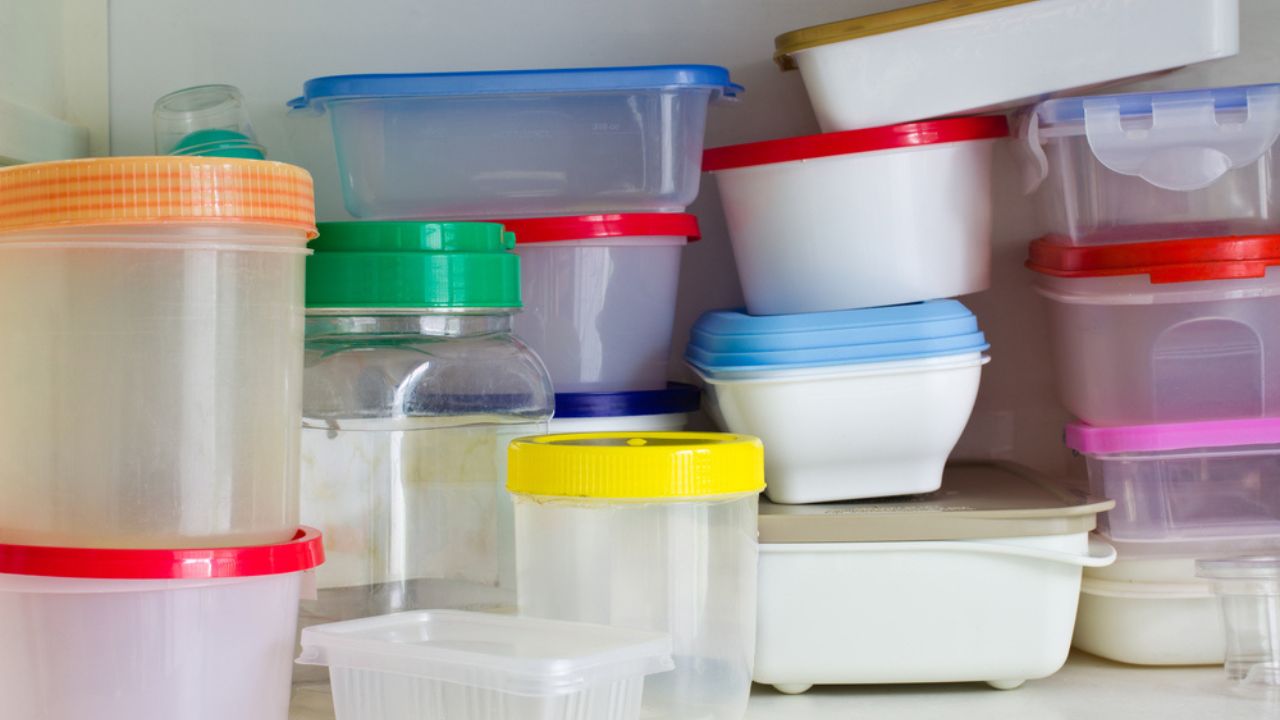
Image Credit: Shutterstock.
A bin full of plastic food containers can seem like a great find, but look closer. Many of these containers are stained, warped from microwave use, or missing their matching lids. Despite this, stores often sell them individually for a few dollars each or in mismatched bundles for more.
Considering you can buy a new, multi-piece set of food containers for a very reasonable price, paying for used, damaged ones doesn’t make financial sense. There are also concerns about the safety of older plastics, which may contain chemicals like BPA. It’s usually better to invest in a new set.
Quick Guide:
- Why it’s expensive: Stores treat them as useful household items without considering their condition or age.
- Is it worth it? Definitely not. Stains and warping are common, and finding matching lids is a gamble.
- Next Steps: Skip the used plastic and buy a new, BPA-free set.
7. Planters and Pots with Cracks or Chips
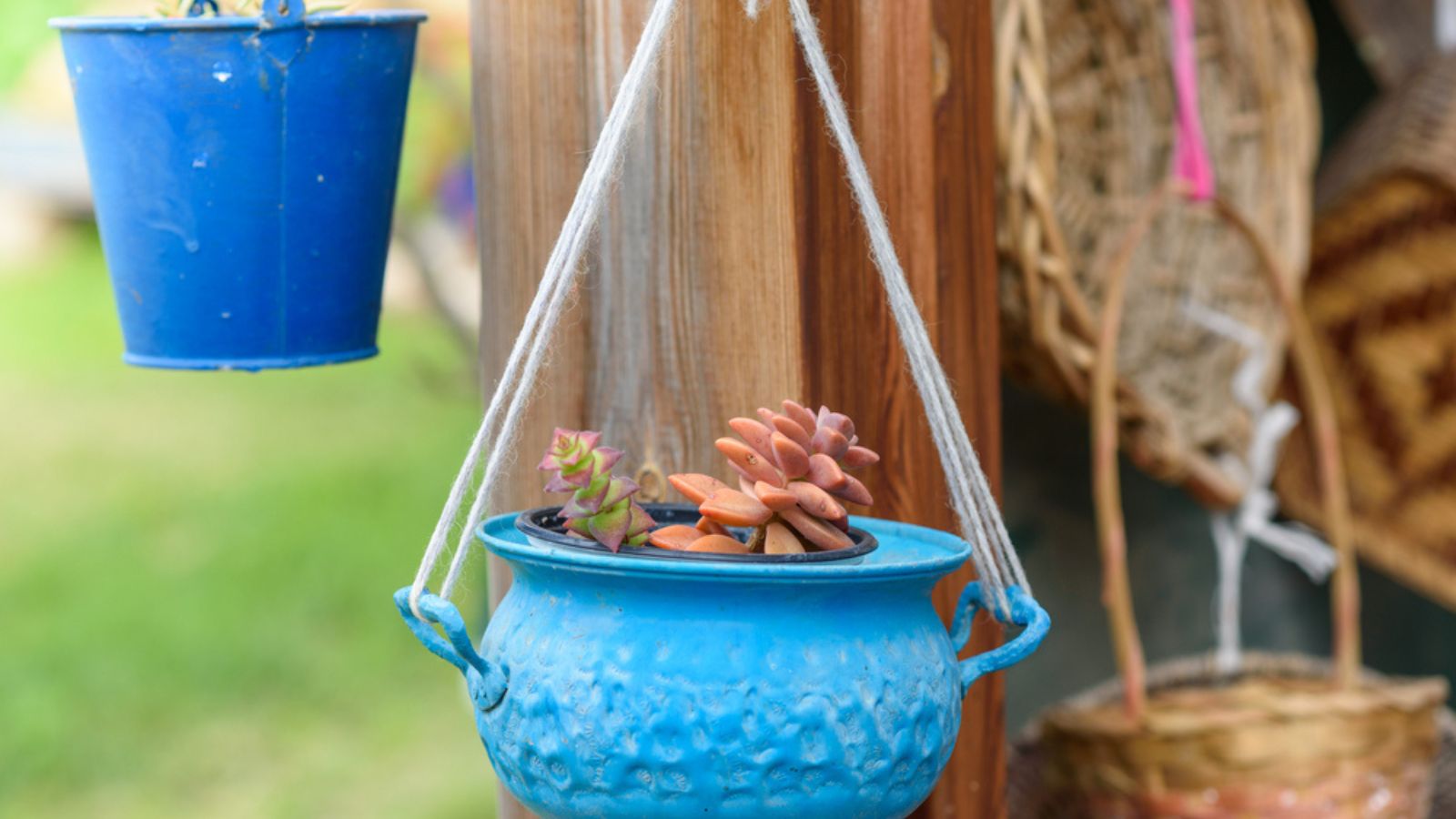
Photo Credit: Depositphotos.com.
A beautiful pot can be the perfect home for a new plant, and thrift stores can be a great source for them. You need to be careful, though. Terra cotta, ceramic, and even plastic pots with visible cracks or chips are often still put out for sale at prices that don’t reflect the damage. A small crack can easily worsen with changes in temperature and moisture, eventually causing the pot to break.
These damaged pots are sometimes priced just a little below their intact counterparts. Unless the pot is a truly unique, high-end piece that you can repair, you’re better off leaving it behind. A broken pot can be a potential disaster for your plant.
Quick Guide:
- Why it’s expensive: Damage is often overlooked during pricing, especially on larger, more decorative pots.
- Is it worth it? No, if the crack compromises the pot’s structure.
- Next Steps: Run your fingers along the inside and outside of the pot to feel for hairline cracks. Tap the side gently; a dull thud can indicate a hidden fracture.
8. Disney VHS Tapes
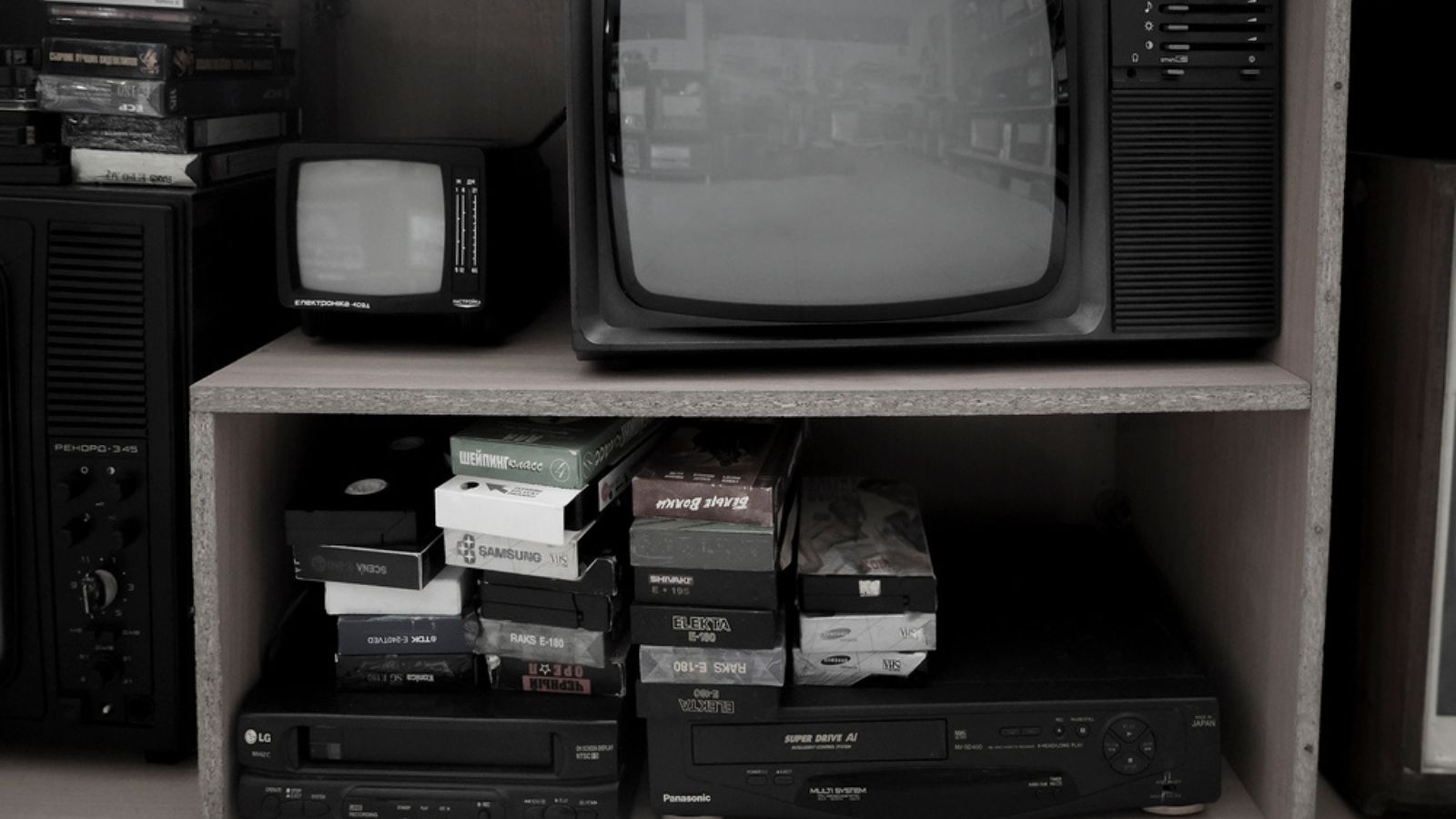
Photo Credit: Depositphotos.com.
A wave of nostalgia has led to some wildly inflated prices on items from the 80s and 90s, and Disney VHS tapes are a prime example. Some thrift stores have started pricing these tapes at astronomical levels, hoping to cash in on the “rare Black Diamond collection” myth. The truth is, millions of these tapes were produced, and they are not rare.
Unless you are a very specific type of collector looking for a pristine, sealed copy of a particular release, there is no reason to pay more than a dollar or two for a Disney VHS tape. They are a fun piece of nostalgia, but they are not a valuable investment for your media collection.
Quick Guide:
- Why it’s expensive: A widespread myth about their rarity has convinced some sellers that they are valuable.
- Is it worth it? No. These tapes are common and not worth the high prices.
- Next Steps: If you want them for nostalgic decor, don’t pay more than a couple of dollars.
9. Incomplete Board Games or Puzzles

Photo Credit: Depositphotos.com.
A rainy day is perfect for a good board game or a challenging puzzle. Thrift stores often have plenty, but missing pieces can make them useless. Despite this, games and puzzles are often sealed with tape and sold “as is” for prices that assume they are complete.
You are taking a big gamble when you buy a used game or puzzle. Paying $8 for a 1000-piece puzzle that only has 998 pieces is a frustrating experience. Unless the store has a return policy that covers incomplete items, it’s often better to skip them or look for games with fewer pieces that are easier to verify.
Quick Guide:
- Why it’s expensive: They are priced as if they are complete and ready to play.
- Is it worth it? It’s a risk. You have no way of knowing if it’s complete until you get home.
- Next Steps: Ask about the store’s return policy for incomplete games. For kids’ games, you can sometimes count the pieces in the box.
10. Items from Discount Stores

Photo Credit: Depositphotos.com.
One of the most frustrating things to see is an item on a thrift store shelf with its original discount store tag still attached, but with a new, higher price from the thrift store. A piece of decor from a store like TJ Maxx or HomeGoods that was originally $12.99 might now be priced at $15.99.
This happens when thrift store employees don’t check for original price tags or when they simply price items based on the brand without considering the original cost. It’s a clear sign that you are not getting a deal. Always inspect items for old tags before making a purchase.
Quick Guide:
- Why it’s expensive: Inattentive pricing that ignores the original, lower cost from a discount retailer.
- Is it worth it? Absolutely not. You are paying more for a used item than it cost new.
- Next Steps: Always look for original price tags, especially on clothing and home decor items.
11. Fake Designer Bags

Photo Credit: Depositphotos.com.
The allure of finding a high-end designer bag for a fraction of the price is strong, but thrift stores are flooded with fakes. From poorly disguised knockoffs to more convincing replicas, these bags are often priced as if they have some inherent value. You might see a bag that is clearly not a Louis Vuitton priced at over $40.
Even worse, some stores will attempt to sell a “good” fake for hundreds of dollars, hoping a shopper won’t know the difference. Unless you are an expert at authenticating designer goods, it is best to avoid them altogether. You will likely be overpaying for a low-quality counterfeit product.
Quick Guide:
- Why it’s expensive: Stores price them based on the logo, not the actual quality or authenticity.
- Is it worth it? No. You are buying a cheap imitation at an inflated price.
- Next Steps: If you are not an expert in authenticating, steer clear. Focus on high-quality leather bags from less famous but well-made brands.
12. Obsolete Electronics
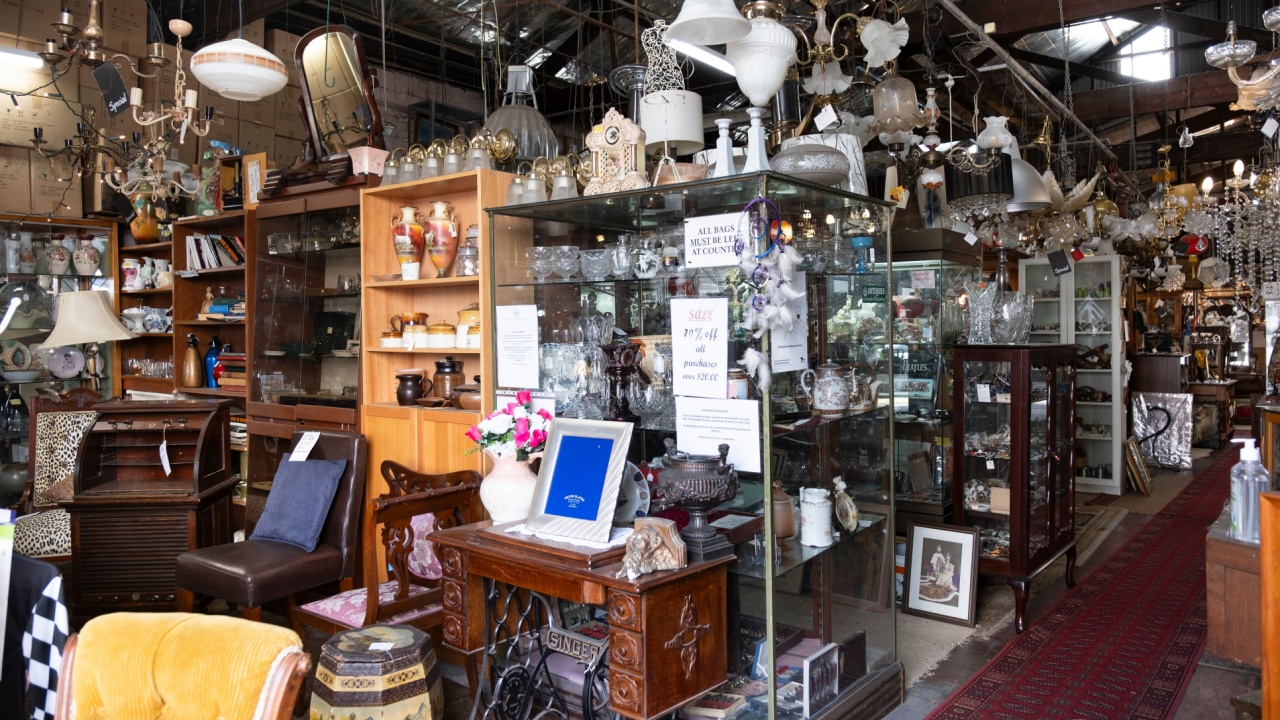
Image Credit: Henk Vrieselaar / Shutterstock.com
That old digital camera or ’90s stereo receiver might look interesting, but electronics from past eras are often a poor investment. Thrift stores may price them based on their original value, not their current utility. A floppy disk drive for $5 or an early-generation digital picture frame for $15 is not a deal.
These items are often incompatible with modern technology, and finding cords, chargers, or compatible software can be nearly impossible. Unless you are a collector or need a specific part for a repair project, most old electronics are little more than future e-waste.
Quick Guide:
- Why it’s expensive: Priced based on nostalgia or original cost, not current technological relevance.
- Is it worth it? Only for collectors or for specific parts. For general use, they are obsolete.
- Next Steps: Before buying, consider if you have the necessary cables and compatible devices to even use it.
Your Next Thrifting Adventure
Image Credit: Shutterstock.
Shopping at thrift stores for your home and garden can still be as rewarding as completing a DIY project. The key is to shop with a discerning eye and a healthy dose of skepticism. Before you head to the checkout, take a moment to research the item on your phone, inspect it thoroughly for damage, and ask yourself if the price truly reflects its value.
By knowing what to look for and what to avoid, you can continue to find those wonderful, unique pieces that bring character to your space. Your home and garden will thank you for making smart, informed choices that save you money and prevent you from bringing home someone else’s overpriced junk.