
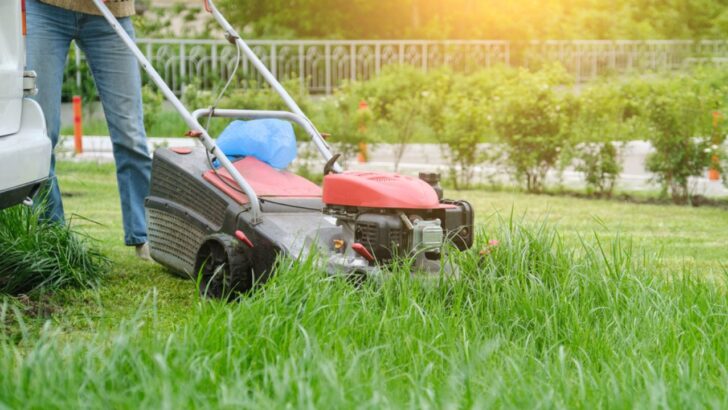
You mow it, water it, feed it—and still, your lawn looks tired, patchy, or just plain disappointing. Sigh. Sometimes, even the most dedicated gardeners unintentionally make mistakes that can leave grass struggling to survive rather than thrive.
The truth is, a lush, barefoot-worthy lawn isn’t just about what you do—it’s also about what you don’t do. From mowing too short to watering too often, some of the most common habits actually work against your lawn’s long-term health. In this guide, we’ll walk you through the lawn care missteps to avoid and show you how small changes can lead to greener, healthier grass all season long.
We scoured the internet for expert advice from sound sources to give you the best lawn care tips.
1. Overwatering (or Underwatering) Your Lawn

Image Credit: Shutterstock.
Giving your lawn water every day might seem considerate, but it’s counterproductive. Shallow, frequent watering encourages weak root systems, making grass more vulnerable to heat stress, pests, and disease. Instead, aim for deep, infrequent watering, about 1–1.5 inches per week, ideally split into one or two early-morning sessions to allow moisture to soak down and avoid evening disease risks.
Similarly, underwatering causes brown patches and stressed turf that take longer to recover. Signs like wilted blades or persistent footprints mean it’s time to water. Test soil moisture by inserting a screwdriver or using a rain gauge to ensure deep saturation—moisture should reach 6–8 inches deep to promote strong root development.
You can also ditch the lawn altogether for these ideas.
2. Mowing Too Short or Too Often

Image Credit: Shutterstock.
Avoid the temptation to scalp your lawn. Cutting more than one-third of the blade height at once stunts root growth and inhibits photosynthesis. Maintaining a grass height of 2–4 inches, depending on species, maintains root health and naturally shades soil, reducing weed growth.
Also, consistently mowing in the exact same stripes compacts the soil and causes mower ruts. Rotate your mowing pattern to prevent compaction and help roots grow straight and deep.
3. Neglecting to Aerate and Top-Dress
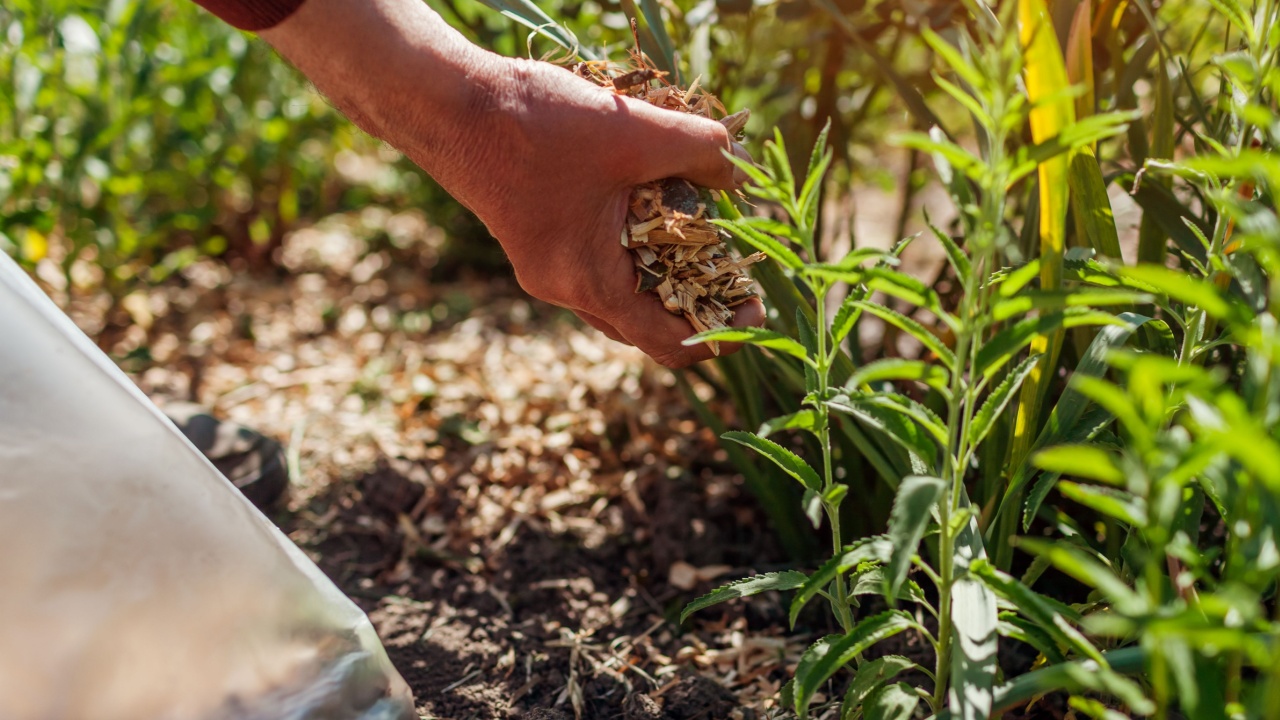
Image Credit: Shutterstock.
Garden paths, play zones, and lawn areas near patios suffer soil compaction from repeated foot traffic. Compacted soil limits air and water infiltration, leading to dry, thin turf patches. Aerating just those high-traffic spots in early summer can restore soil porosity and turf health.
Follow-up with top-dressing using compost nourishes the soil, boosts microbial activity, reduces thatch, and enhances drainage and moisture retention. Apply a thin layer—¼ to ½ inch—in spring or early fall to maintain healthy turf without smothering the grass. Mulch bare spots with grass seed suited to your lawn type, keeping them moist until seedlings establish—this helps reinvigorate worn paths without redoing entire lawn sections.
4. Ignoring Grass and Soil Type
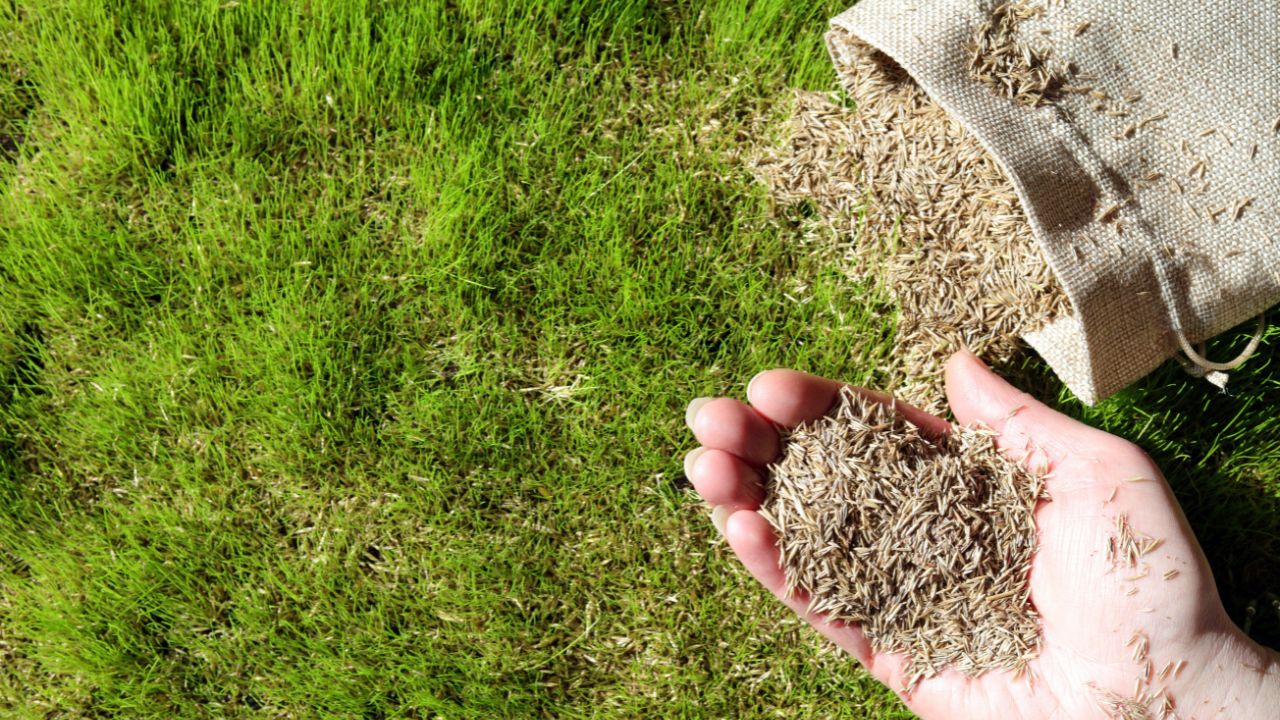
Image Credit: Shutterstock.
Not all lawns are the same. Cool-season grasses (like Kentucky bluegrass or fescue) need more water but thrive in cooler climates, while warm-season grasses (like Bermuda or centipede) prefer heat and dryness. Matching your care routine to your grass seed type is critical for optimal growth.
A simple soil test reveals pH and nutrient needs, letting you tailor amendments effectively. Generic fertilizers may burn lawn areas or worsen compaction if soil needs aren’t addressed first.
5. Forgetting to Check Your Sprinkler System
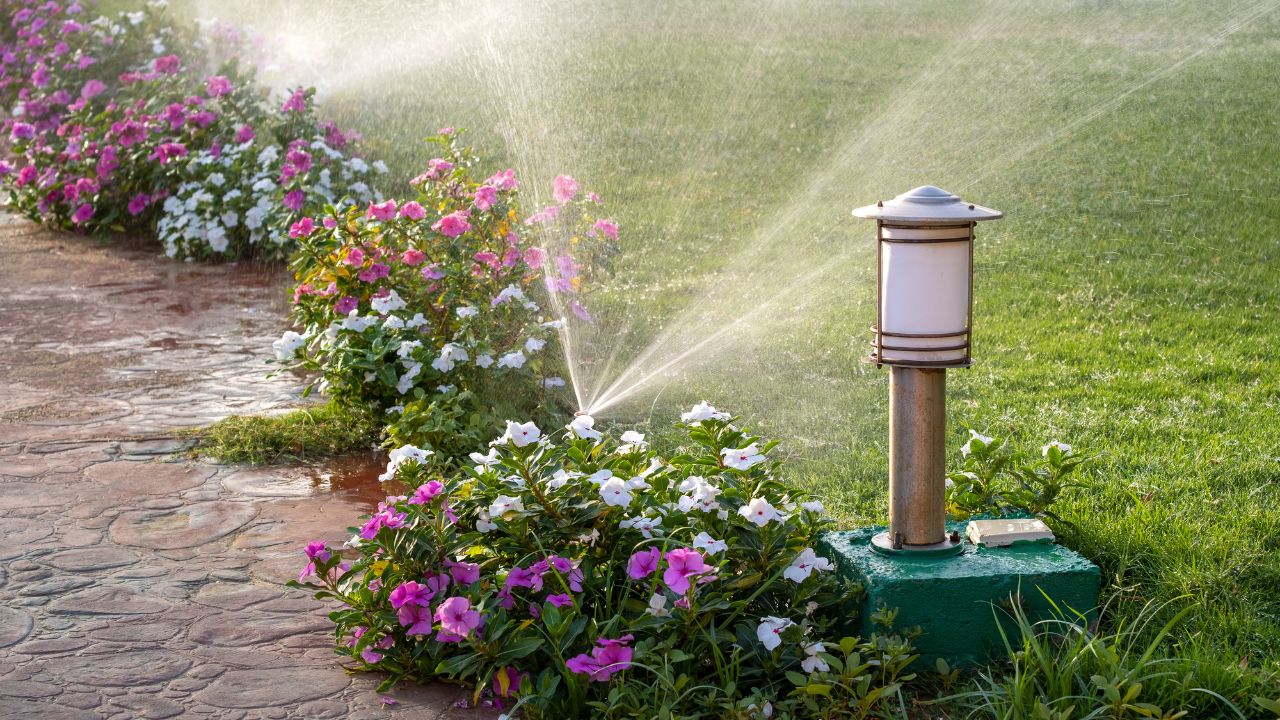
Image Credit: Shutterstock.
Even the best watering plan fails if sprinklers don’t deliver evenly. Misaligned or clogged heads can waste water or leave patches dry. Inspect the system monthly, clean heads, repair leaks, and adjust spray direction to ensure full coverage without watering sidewalks or driveways.
Consider installing a smart irrigation controller with a rain sensor to avoid watering during rainfall and monitor wind conditions—this helps water efficiently and sustainably.
6. Allowing Weeds to Go to Seed

Image Credit: Shutterstock.
A single weed reaching maturity can scatter thousands of seeds, turning a minor nuisance into a widespread issue. Act early by pulling or spot-treating weeds before seed heads form. A thick, well-maintained lawn also naturally suppresses weed growth.
Use pre-emergent herbicides before spring germination once soil temperatures hit around 55 degrees F to prevent weeds like crabgrass, and follow label directions to avoid harming grass.
7. Disposing of Grass Clippings Instead of Mulching

Image Credit: Shutterstock.
Contrary to old advice, mulching clippings can boost lawn health. They break down quickly, returning valuable nitrogen and organic matter to the soil. Just ensure they’re cut regularly and avoid thick clumps that smother grass.
If clumps form, bag the excess or spread lightly for better breakdown. Leaving clippings can reduce fertilizer needs and support soil microbe communities.
8. Raking Leaves Completely and Removing All Thatch
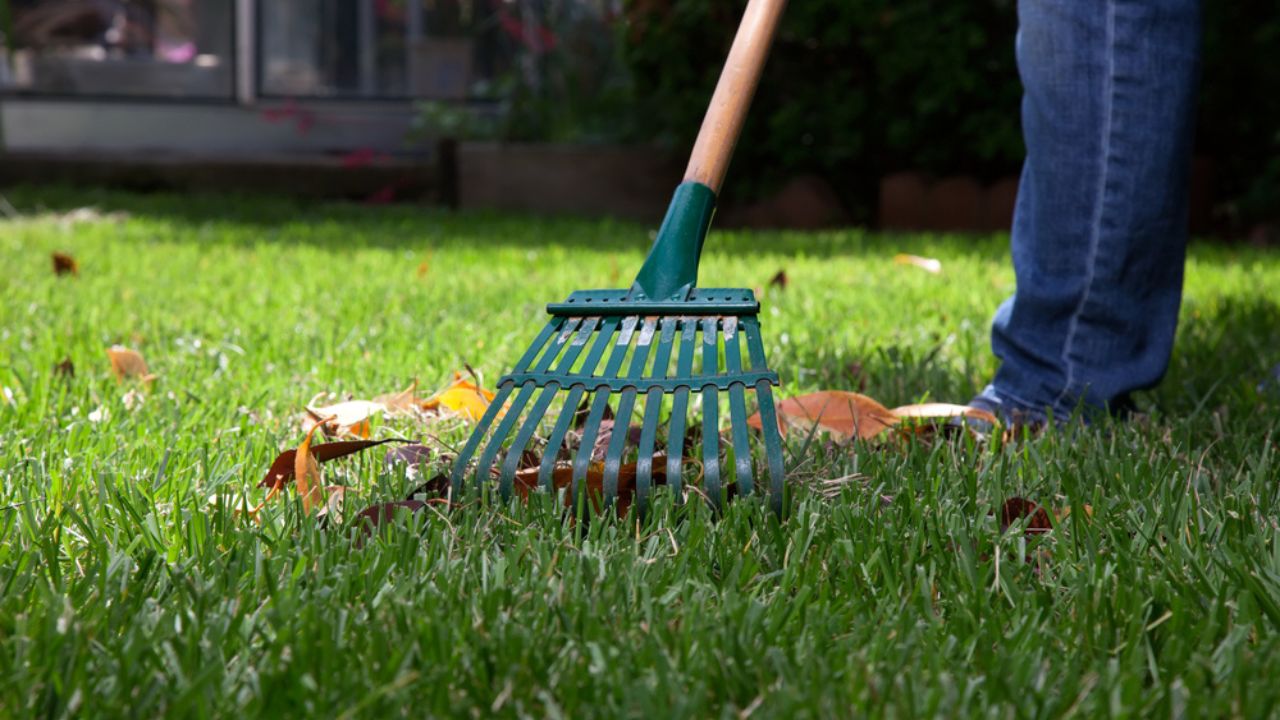
Image Credit: Shutterstock.
This is another mistake similar to getting rid of all grass clippings. Getting rid of every leaf may seem tidy, but decaying leaves act like a natural mulch and compost, feeding your turf. Using a mower’s mulching feature instead of bagging every leaf recycles nutrients and prevents bare patches.
That said, letting leaves accumulate into thick layers can smother grass and reduce sunlight. Light mulching keeps nutrients in balance, but heavy fall raking might still be necessary to protect young spring growth.
9. Ignoring Seasonal Fertilization Timing
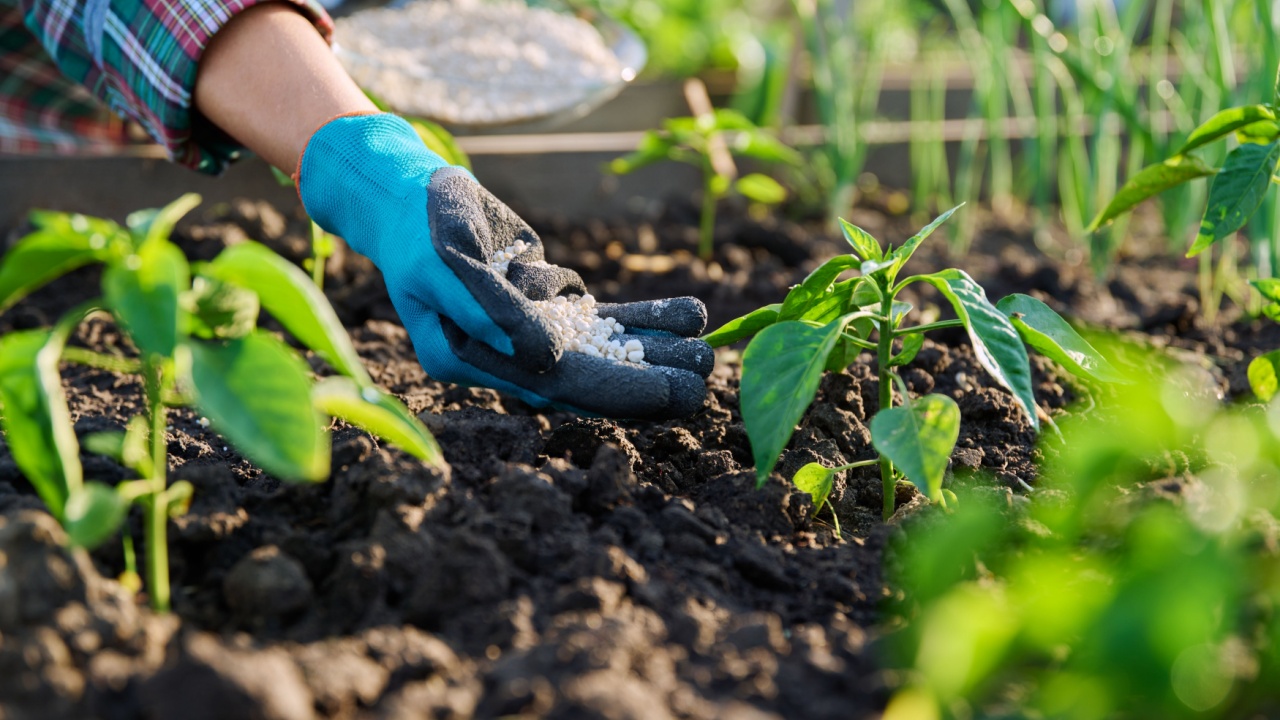
Image Credit: Shutterstock.
Your lawn isn’t a one-time feeding project—seasonal needs change as the year goes on. Applying a balanced, slow-release fertilizer in early fall helps grass recover from summer stress and bolster root systems before winter. In contrast, a lighter, nitrogen-rich feed in spring encourages early growth but shouldn’t be repeated in late summer when heat stress can harm the turf.
Skipping fall fertilization is a missed opportunity. Remember: grass growth slows in winter, but roots keep absorbing nutrients. A well-timed fall application supports turf density, disease resistance, and green revival come spring.
10. Overliming or Under-liming Without Soil Testing
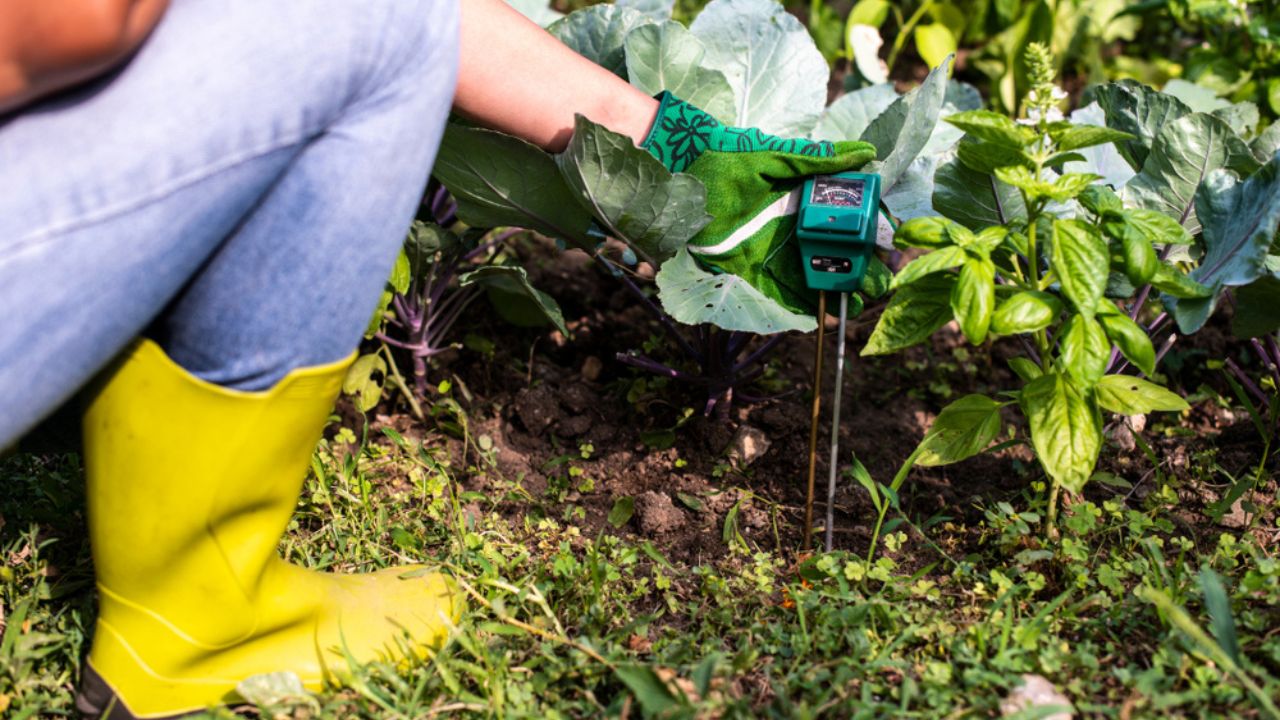
Image Credit: Shutterstock.
Maintaining the right soil pH (typically between 6.0 and 7.0 for most lawn grasses) is crucial. Applying lime blindly or not at all can restrict nutrient uptake. A soil pH test helps you tailor lime applications accurately; too much lime can block iron and other micronutrients.
If your soil is acidic (pH < 6.0), fine lime helps roots thrive and improves fertilizer effectiveness. Conversely, alkaline soils may benefit more from iron-rich amendments than lime. Regular testing ensures you’re using exactly what your lawn needs.
11. Failing to Sharpen Mower Blades Regularly
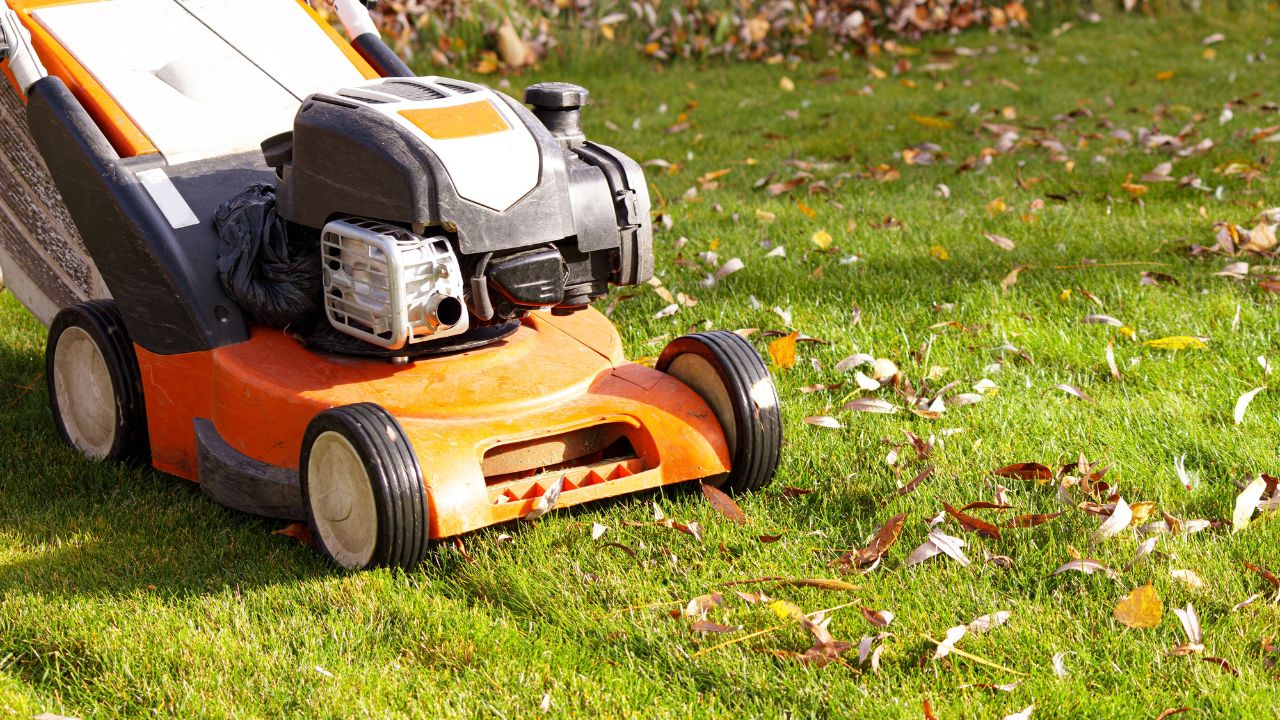
Image Credit: Shutterstock.
Dull mower blades shred grass instead of cleanly slicing it, stressing plants, inviting pests, and turning lawn tips brown.
Sharpening blades 3–4 times per year, or after every 25 hours of mowing, ensures crisp cuts, healthier turf, and improved lawn aesthetics. It’s a simple habit with big benefits.
12. Skipping Pre-emergent Weed Control in Spring
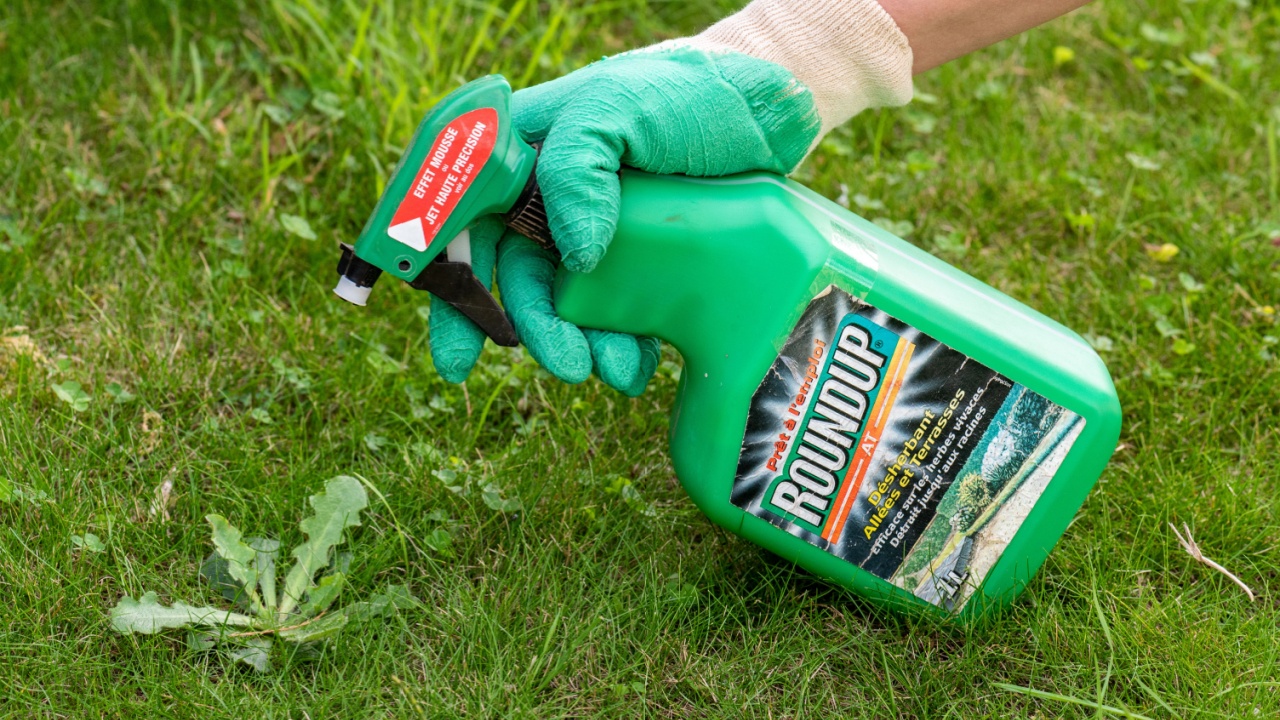
Image Credit: Pixavril at Shutterstock.
If you care about weeds and crab grass, you need to take action in the spring (we try to embrace more native no-mow options). Once crabgrass and annual weeds germinate, they spread fast. A pre-emergent herbicide applied (try to find something gentle) in early spring—when soil temps reach around 55°F (12–15°C)—halts germination and keeps the lawn weed-free.
Be sure to water it in lightly and reapply midseason if rain hasn’t washed it into the soil. Follow label instructions precisely—timing is everything for effectiveness.
13. Overwatering Potted & Container Grass Patches

Image Credit: Shutterstock.
Ornamental grass in containers or small patches can drown quickly if overwatered—these systems dry faster than lawns and can suffer root rot with soggy soil. Water less frequently but deeply, and only when ¾ inch of soil depth is dry.
Use moisture meters to monitor dryness and ensure you don’t flood your turf. Healthy roots need both moisture and air, so let containers partially dry between waterings.
14. Using High-Nitrogen Lawn Sand in Low-Potassium Conditions
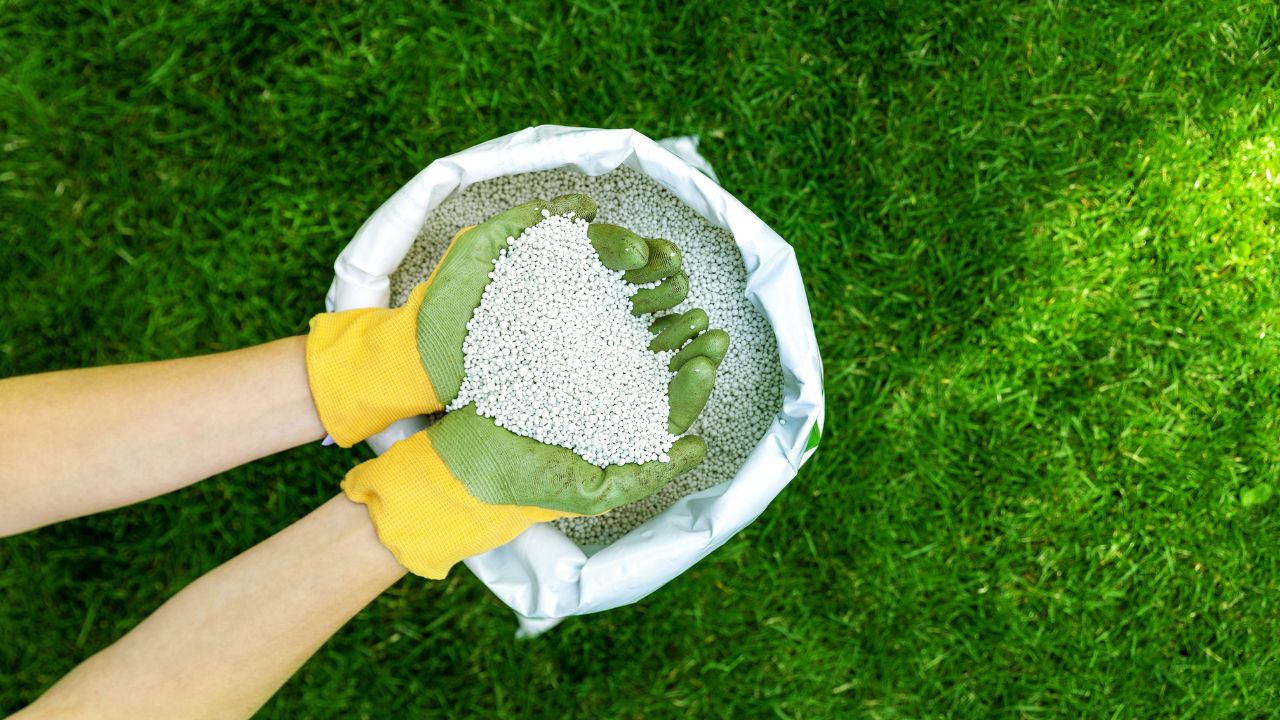
Image Credit: Shutterstock.
Sand mixes for your lawn are useful, but if your soil lacks potassium (K), using high-nitrogen products can create an imbalance. Potassium helps lawns tolerate heat and drought. Excess nitrogen alone creates thirsty, weak grass.
Consult soil tests and use balanced fertilizers with N–P–K ratios that fit your lawn’s needs. Strengthening heat tolerance with potassium-rich blends enhances resilience.
15. Forgetting Disease Vigilance in Warm, Humid Meadows
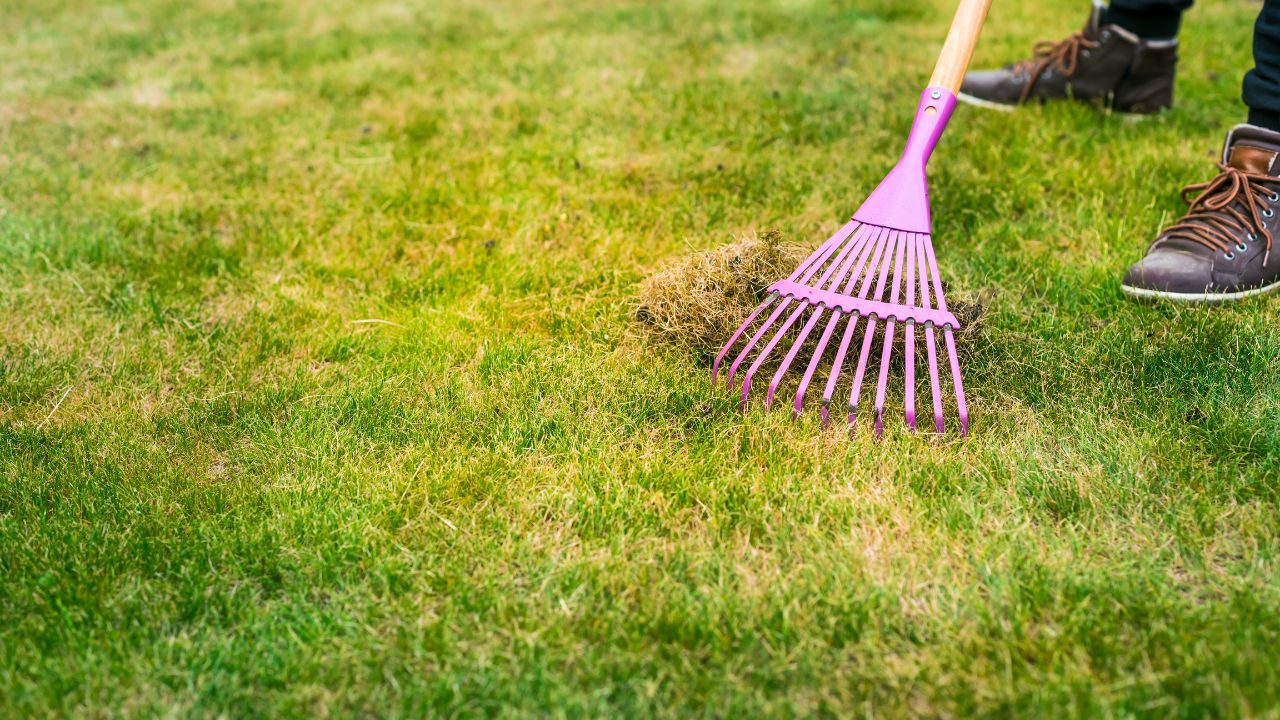
Image Credit: Shutterstock.
Even healthy lawns get disease hotspots—brown patch, dollar spot, and fairy ring thrive when grass stays wet overnight in summer. Avoid early evening watering and promote airflow to help blades dry by midday.
If disease appears, follow with proper fungicide treatment and avoid excessive nitrogen feeding. Early detection and cultural controls often prevent widespread outbreaks.
16. Neglecting Edge Maintenance and Turf Transition Lines

Image Credit: Shutterstock.
Perfect lawns aren’t just about healthy grass—they’re also about neat borders. Overgrown edges between the lawn and garden beds invite weeds and blur clean transitions. Regular trimming or installing hard edges in spring and summer ensures a crisp, tidy look and keeps grass where it belongs.
Sharp edges also prevent grass runners from invading flower beds, minimizing labor later. Use a half-moon edger or a string trimmer along sidewalks and borders to redefine boundaries about once per month during the growing season.
17. Fertilizing Right Before Drought or Heat Waves

Image Credit: Shutterstock.
Timing fertilizer applications just before a heatwave spells trouble. Warm-season grasses may become stressed, and fertilizer salts can intensify dehydration. Always check weather forecasts: postpone feeding until after hot spells or drought warnings.
Ideally, apply fertilizers 24–48 hours before a moderate rain or irrigation. This ensures nutrients are washed into the root zone rather than lingering in surface soil, which can burn grass during sunny days.
18. Power Washing Patios onto the Grass

Image Credit: Shutterstock.
Cleaning off patios with power washers often blasts debris, detergent, and residue into lawns, burning turf and disrupting soil life. Avoid this by directing runoff onto mulch beds or gravel areas.
Cover nearby edges with a tarp or shield spray when power washing. Clean patio surfaces while protecting grass from overspray and chemical splash—your lawn will thank you later.
19. Leaving Pet Waste Unattended

Image credit: YAY Images.
Dog urine and feces harm lawns: urine causes brown spots due to high nitrogen levels, while feces block sunlight and promote fungal disease. Clean pet waste promptly and hose down urine spots to dilute concentrated nitrogen.
Train pets to use designated areas with mulch or gravel. Rinse urine-prone spots weekly to prevent buildup. Safe lawn, happy pets—and fewer lawn quirks!
20. Overlooking Soil Temperature When Seeding or Sodding

Image Credit: Shutterstock.
Planting seed or sod in soil that’s too hot or cold leads to poor germination. Most cool-season grasses need soil between 50–65°F (10–18°C); warm-season varieties do best at 70–90°F (21–32°C) .
Use soil thermometers to check conditions. Early spring or early fall is ideal for cool-season turf; late spring to early summer suits warm-season turf. Proper timing ensures quick establishment and minimizes patchiness.
21. Overlooking Lawn Infertility from Excess Shade
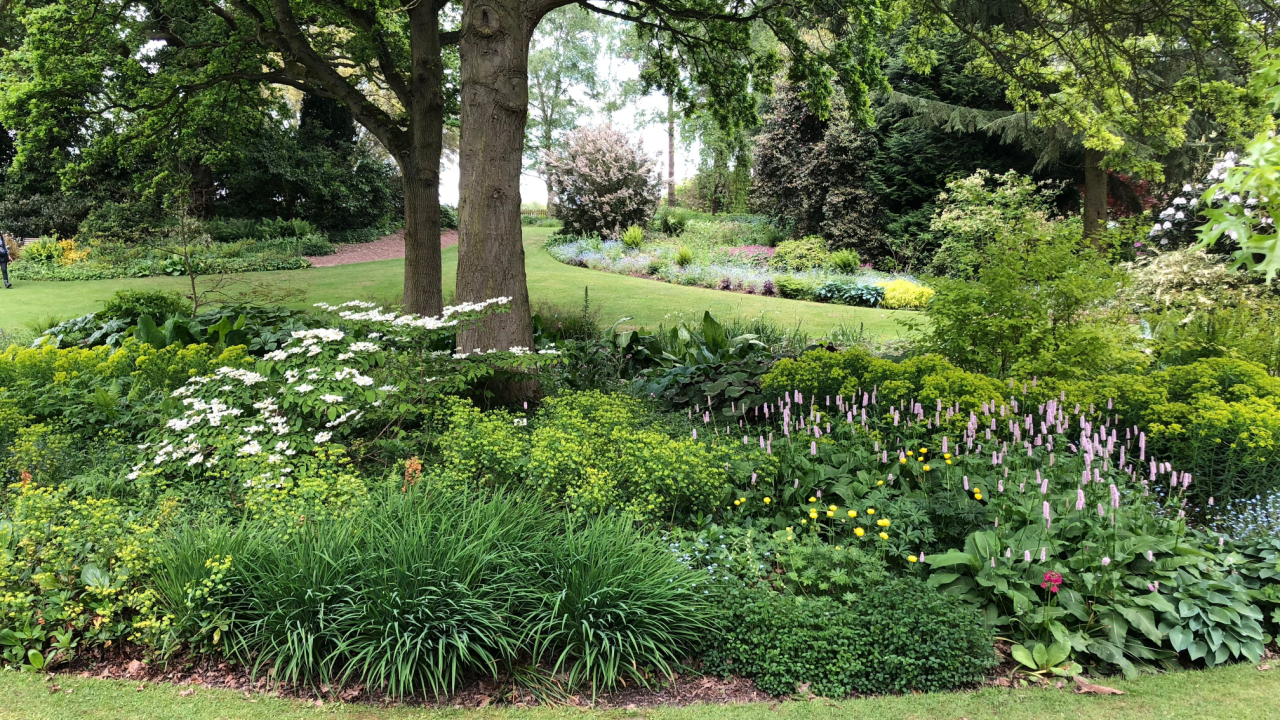
Image Credit: NGarden21 at Shutterstock.
Dense tree canopy may provide shade and beauty, but it also starves grass of sunlight, leading to thin or bald spots. If shade is unavoidable, avoid planting traditional turf and instead grow shade-loving groundcovers like creeping thyme or ajuga.
Alternatively, regularly thin the tree canopy and prune lower branches to increase light penetration. Couple this with mowing at the high end of the turf height range to help grass photosynthesize and persist under shade.
22. Neglecting Edge Trimming Around Trees
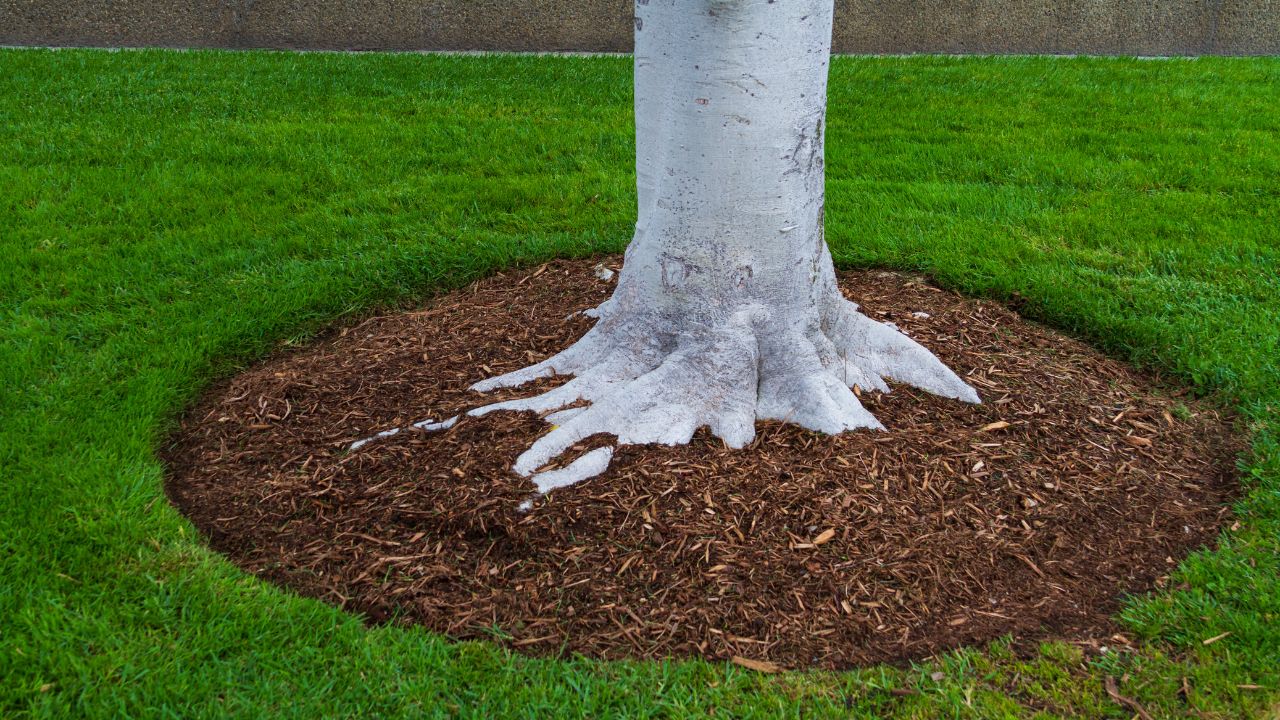
Image Credit: Shutterstock.
Grass piled up around tree trunks damages bark and can invite disease or rot. Maintain a 1–2 foot mulch ring around trees, keeping grass trimmed back and mulch topped to grass level.
This practice protects trees from mechanical damage during mowing, limits fungus risk, and creates a neat focal point—your lawn looks healthy, and your trees stay safe.
23. Forgetting to Winterize Lawn Equipment
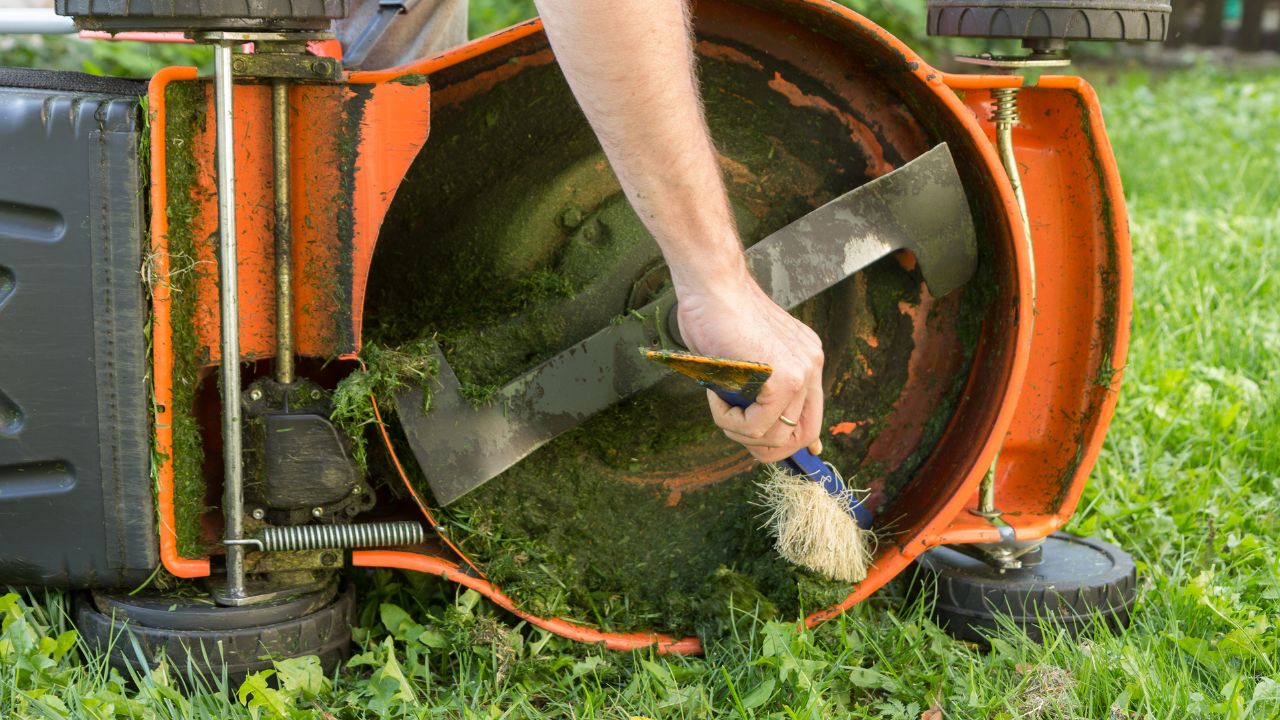
Image Credit: Shutterstock.
Your lawn care shouldn’t end with the growing season. Blades, mowers, and sprinklers that aren’t properly winterized suffer rust, oil breakdown, and damage. Before winter hits, empty fuel, clean and sharpen blades, lubricate moving parts, and store equipment in a dry space.
Don’t neglect sprinkler systems—drain hoses and blow out lines to protect them from freeze damage. A little prep now prevents expensive repairs and ensures you’re ready for spring.
Become a Lawn Expert

Image Credit: Shutterstock.
Awareness is half the battle. If you have a struggling yard, you now have many options to troubleshoot. With small changes, you should notice a slow revival of your lush lawn.
If you’re sick of so much maintenance, try swapping some of that eco-unfriendly grass for native flowers or a vegetable garden.