
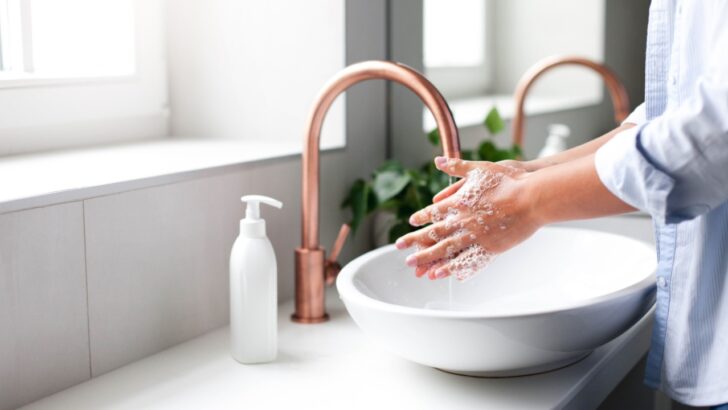
Soap has been a household staple for centuries, and for good reason—it’s incredibly versatile. But while it’s great for scrubbing your hands or washing dishes, there are a few items where soap can do more harm than good. From dulling surfaces to outright ruining delicate materials, it turns out that soap isn’t the universal cleaner many of us assumed it to be.
The truth is that not all dirt and grime respond well to soapy suds and using it on the wrong surfaces can lead to damage that’s costly or impossible to repair. I’ve heard more than a few horror stories of people unintentionally ruining their favorite items, from leather furniture to stainless steel appliances, all because they thought soap was good and safe to use.
This list will make you rethink your cleaning habits. If you’re dealing with antique furniture, high-tech gadgets, or even your favorite cookware, knowing when to skip the soap can save you time, money, and a whole lot of frustration.
So, here it is, folks: a comprehensive list of 10 things you should never clean with soap, brought to you by cleaning experts we found online.
1. Hardwood Floors

Image Credit: Joseph Hendrickson / Shutterstock.com.
Using soap on hardwood floors seems logical, right? Clean floors are happy floors. But soap can leave a sticky residue that builds up over time and can warp the floors.
This residue not only dulls the shine but can also attract more dirt, making your efforts counterproductive. Instead, opt for cleaners specifically designed for hardwood or simply use a damp mop with water.
2. Leather Furniture

Image Credit: Depositphotos.com.
When we think of leather furniture, we think of something hardy and stoic. However, when it comes to cleaning and maintenance, leather can be quite particular about it will tolerate.
Leather is actually quite sensitive to soap. Using soap can dry out the leather, causing it to crack and lose its luster. To keep your leather sofa looking its best, use a specialized leather cleaner and conditioner that maintains its natural oils.
3. Granite Countertops

Image Credit: Depositphotos.com.
Granite countertops are at the forefront of interior design trends at the moment, with more natural resources for home decor being favored by designers. But, before you trip over yourself to get a granite countertop for your new kitchen, be aware of how to care for this kind of material.
Soap leaves behind a film that reduces the stone’s natural sparkle and can even make it more susceptible to stains. You will need to use a granite-specific cleaner to keep your counters gleaming.
4. Silk Fabrics

Image Credit: Depositphotos.com.
When we think of silk, we think of delicate luxury. The exquisite texture, combined with the allure of its lustr,e has a very wide appeal. However, silk is notoriously fragile, and soap can be too harsh, causing the fibers to break down.
Washing silk with soap may lead to discoloration and a loss of that smooth texture. It’s best to use a gentle detergent made for delicate fabrics or take it to a professional cleaner.
5. Houseplants

Image Credit: Depositphotos.com.
Believe it or not, soap isn’t great for cleaning plant leaves. In fact, it can actually be very damaging to your indoor plants.
While some use diluted soap to deter pests, too much can burn the leaves and interfere with photosynthesis. Instead, gently wiping leaves with a damp cloth keeps them clean without harm.
6. Marble Surfaces

Image Credit: Depositphotos.com.
Marble is another highly favored surface for most homeowners and interior designers. It’s a material that feels timelessly luxurious. However, it is also notoriously porous and can be damaged and stained by soap residue.
Soap can seep into the stone, leaving it looking dull and streaky. Use a cleaner specifically formulated for marble to maintain its high-end appearance.
7. Car Windows

Image Credit: Depositphotos.com.
Soap might clean your car’s body, but it shouldn’t be used on your windows. Your car’s windows are lined with a special coating, which can be damaged by soap.
Cleaning with soap tends to leave streaks and a film that can cause glare, especially when driving at night. Use an automotive glass cleaner instead to ensure clear, streak-free windows.
8. Touch Screens

Image Credit: Depositphotos.com.
Do you ever stare at the smudged fingerprints on your touch screens and have to fight the urge to toss your device in the sink and scrub it clean? Keep resisting that intrusive thought, because your smartphones and tablets don’t like soap.
Soap can damage the oleophobic (oil-repellent) coating on touch screens, making them more prone to fingerprints and smudges. A microfiber cloth slightly dampened with distilled water does the trick.
9. Cast Aluminum Cookware

Image Credit: Depositphotos.com.
Harsh soaps can react with cast aluminum, leaving a chalky residue. This means that the non-stick coating has been irreversibly compromised. You may also notice discoloration to the finishing of the pot or pan as well.
This film not only looks bad but can also affect the taste of your food. Instead, warm water, a very mild soap, and a non-abrasive scrubber are sufficient for cleaning.
10. Jewelry with Soft Stones

Image Credit: Depositphotos.com.
Precious stones like opals, pearls, and turquoise are porous and can be damaged by soap.
Soap can seep into these stones, dulling their natural shine and beauty. A soft, damp cloth can be used, but for optimal results, it’s best to consult with a jeweler and get a recommendation for a cleaner that won’t be abrasive or scratch your precious gems.