
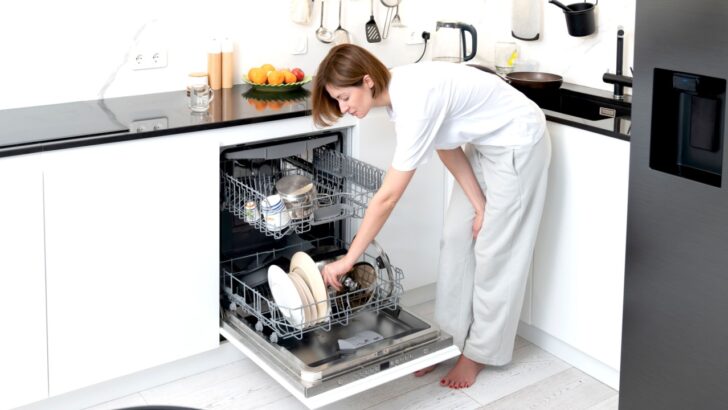
Your dishwasher is one of the hardest-working appliances in your home, making cleanup after family dinners and garden gatherings a breeze. But while this modern marvel can handle most of your kitchen cleanup, certain items should never see the inside of your dishwasher.
Putting the wrong items through a wash cycle can damage both your dishes and your machine, leading to costly repairs or replacements that no homeowner wants to face.
Learn what can and can’t go in the dishwasher to protect your kitchen tools and keep your appliance running smoothly. Some might be more obvious than others!
Where We Got This Data
The information in this article is based on expert guidance from culinary professionals, appliance manufacturers, and home safety specialists. We consulted trusted sources in food safety, material science, and consumer product care to ensure each recommendation reflects current best practices. These insights are grounded in research from university extensions, product manuals, and long-standing kitchen safety guidelines.
1. Wooden Cutting Boards and Utensils
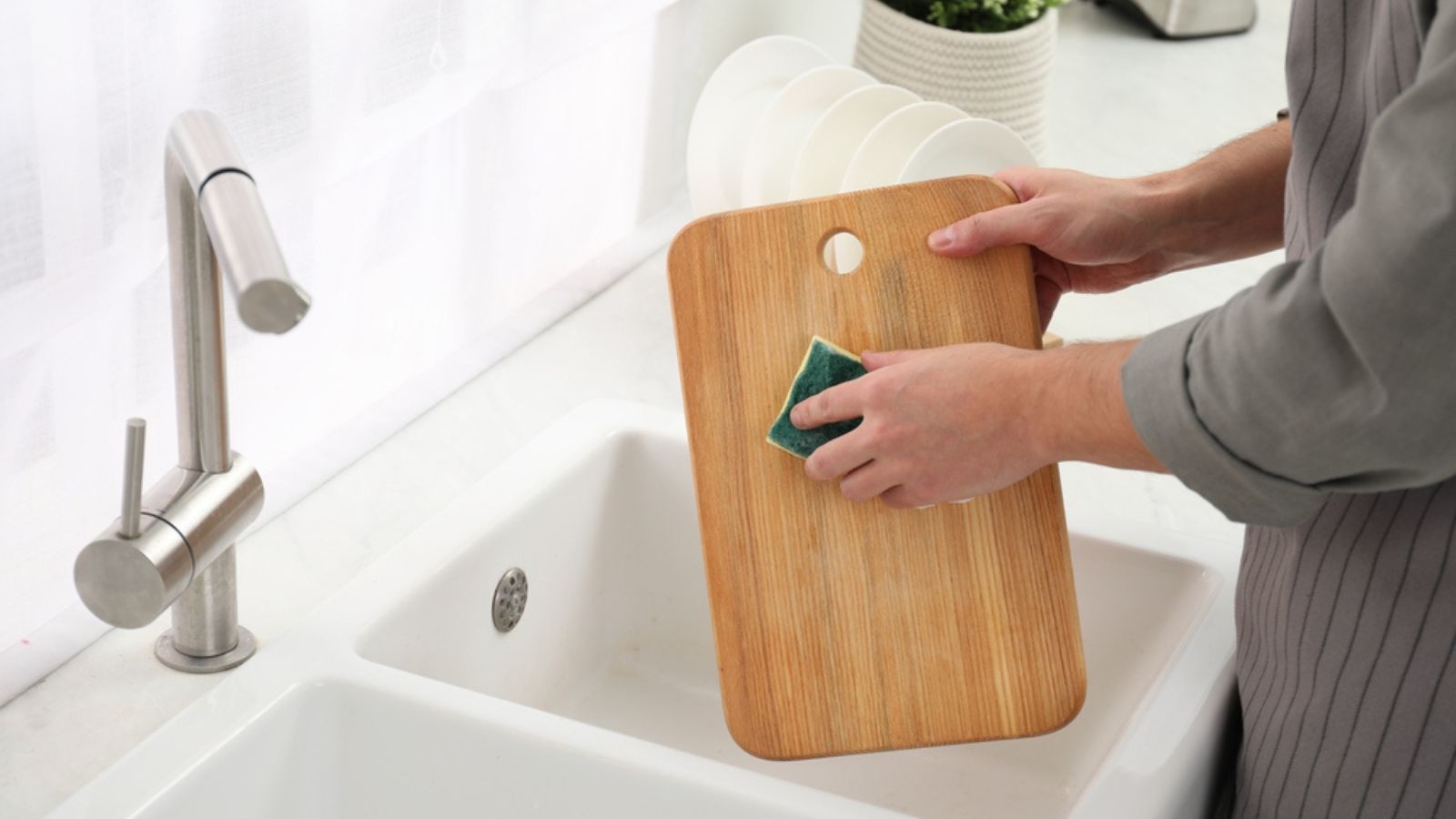
Photo Credit: Depositphotos.com.
The harsh chemicals in dishwasher detergent strip away the natural oils that keep wooden items from drying out and cracking. When protective oils fade, wooden utensils can suffer. Spoons, cutting boards, and bowls may split or warp. This can create food safety risks.
Dishwasher temperatures cause wood to expand and contract, leading to cracks. The prolonged exposure to water and steam only makes the problem worse.
Quick Care Tips:
- Hand wash with mild dish soap in warm (not hot) water
- Dry immediately with a clean towel
- Oil monthly with food-grade mineral oil or specialized cutting board oil
- Sand lightly if the surface becomes rough
2. Sharp Kitchen Knives

Image Credit: Depositphotos.com.
Your quality kitchen knives face a triple threat in the dishwasher. First, those sharp edges can nick the protective coating on dishwasher racks, leading to rust formation. Second, loose knives create a safety hazard when you’re unloading, especially if children help with dishes.
Finally, harsh detergents dull blade edges and can cause wooden or composite handles to loosen, split, or deteriorate.
Professional chefs never put their knives in the dishwasher, and neither should you. Even “dishwasher-safe” knives will maintain their edge longer with proper hand washing.
Quick Care Tips:
- Wash immediately after use with warm, soapy water
- Dry completely before storing
- Use a knife block or magnetic strip for storage
- Sharpen regularly with a honing steel or professional service
3. Cast Iron Cookware
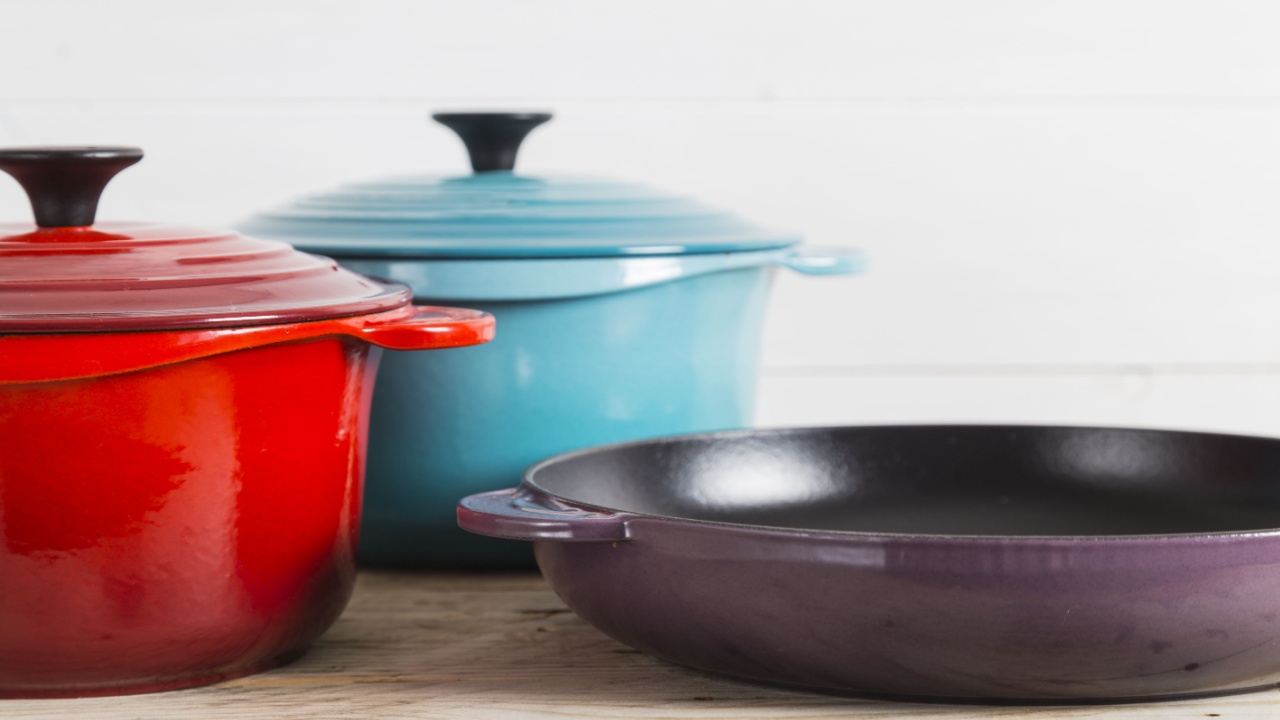
Image Credit: Shutterstock.
Cast iron’s legendary durability depends entirely on its seasoned surface. A protective layer of polymerized oil that prevents rust and creates a naturally nonstick cooking surface.
Dishwasher detergent and excessive water exposure strip away this seasoning, leaving your cast iron vulnerable to rust and requiring you to start the seasoning process completely over.
This applies to all cast iron pieces, including Dutch ovens, skillets, and even enameled cast iron, where the harsh environment can damage the enamel coating and expose the iron underneath.
Quick Care Tips:
- Clean while still warm, using coarse salt as an abrasive
- Rinse briefly with hot water
- Dry thoroughly on the stovetop over low heat
- Apply a thin layer of oil while warm
4. Copper Pans and Mugs
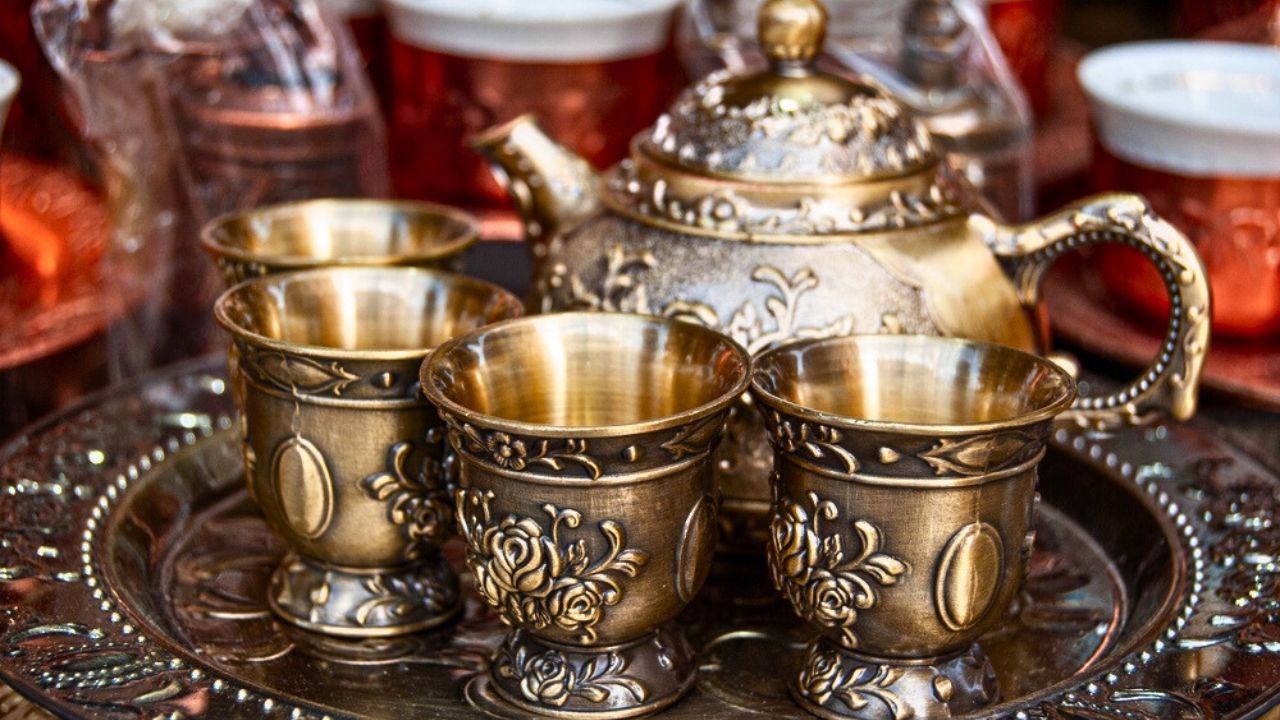
Image Credit: Shutterstock.
Copper’s beautiful shine and excellent heat conductivity make it prized in professional kitchens and trendy home bars.
However, dishwasher chemicals immediately tarnish copper’s finish and can cause permanent pitting that no amount of polishing will remove. Moscow Mule mugs, copper pots, and decorative copper items require gentle hand care to maintain their lustrous appearance.
The alkaline nature of most dishwasher detergents is particularly harsh on copper, causing oxidation that turns the metal green and creates an uneven, damaged surface.
Quick Care Tips:
- Use specialized copper cleaners or make a paste with lemon and salt
- Polish with a soft cloth in circular motions
- Dry immediately to prevent water spots
- Store in a dry location
5. Nonstick Cookware
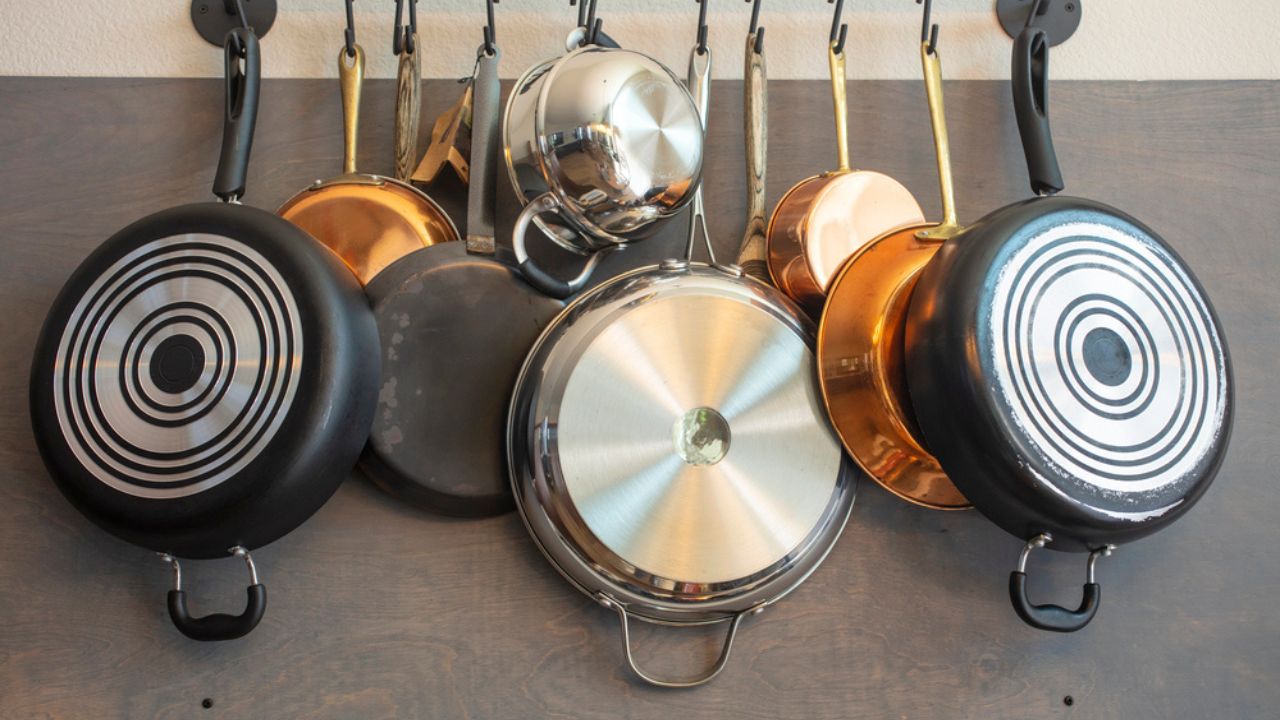
Image credit: Depositphotos.com.
While many nonstick pans carry “dishwasher safe” labels, the combination of harsh detergents and high drying temperatures (up to 180°F) gradually breaks down the nonstick coating. Each wash cycle slightly damages the surface, reducing the pan’s effectiveness and potentially creating food safety concerns if the coating begins to flake.
The high-pressure water jets can also force small food particles under any existing chips or scratches, making them worse and creating areas where bacteria can hide.
Quick Care Tips:
- Use plastic or wooden utensils to prevent scratching
- Clean with gentle dish soap and a soft sponge
- Replace pans when coating shows signs of chipping or flaking
- Avoid cooking sprays, which can build up and damage coatings
6. Aluminum Cookware
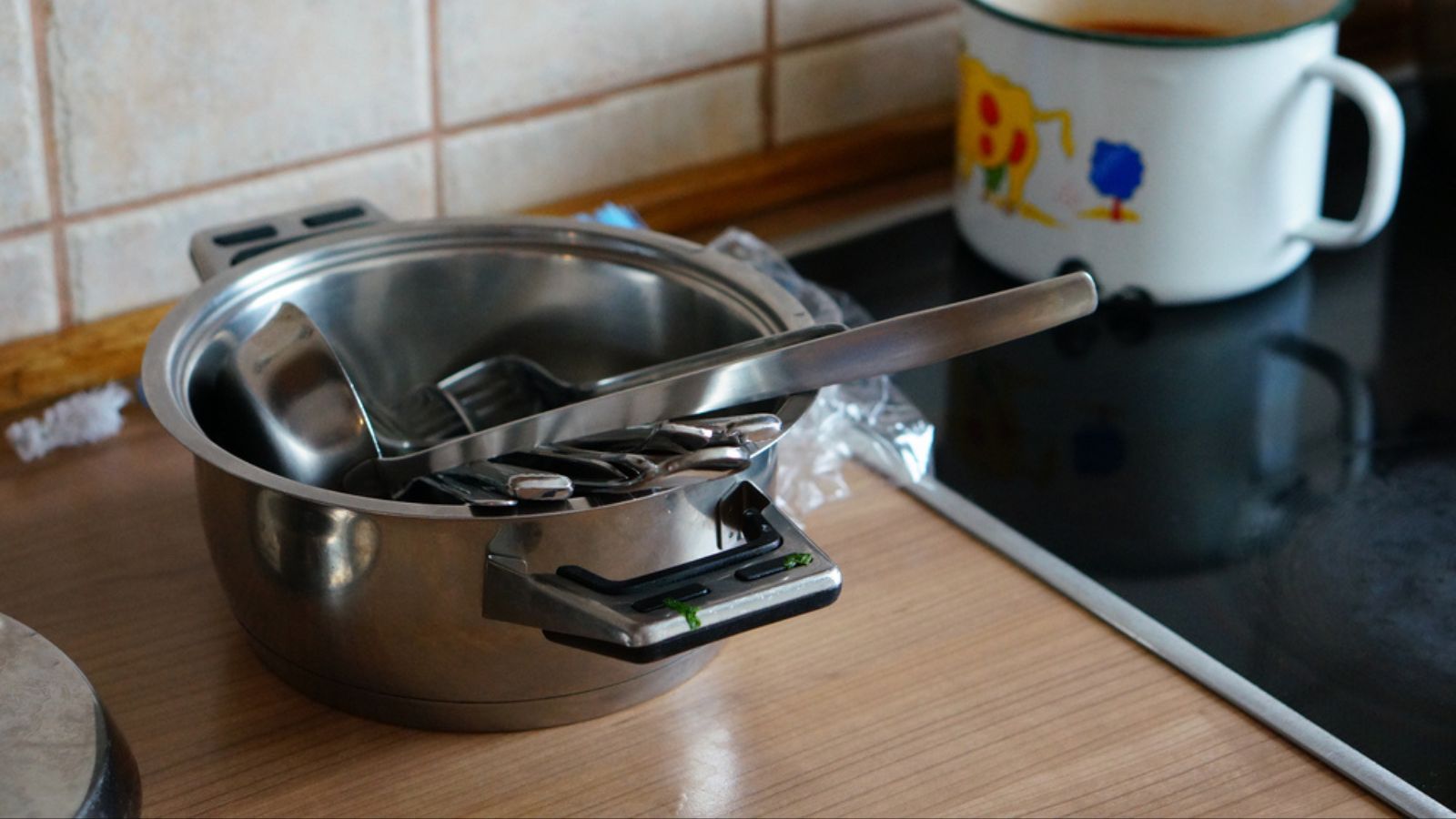
Photo Credit: Depositphotos.com.
Uncoated aluminum reacts poorly to dishwasher detergents, developing white spots, pitting, and permanent discoloration. Even anodized aluminum can lose its protective coating over time with repeated dishwasher exposure.
While the damage is mainly cosmetic, it affects the cookware’s appearance and can create uneven heating surfaces.
Quick Care Tips:
- Hand wash with mild detergent and warm water
- Remove discoloration with cream of tartar paste
- Dry thoroughly to prevent water spots
- Avoid acidic foods that can cause pitting
7. Fine China and Metallic-Trimmed Dishes
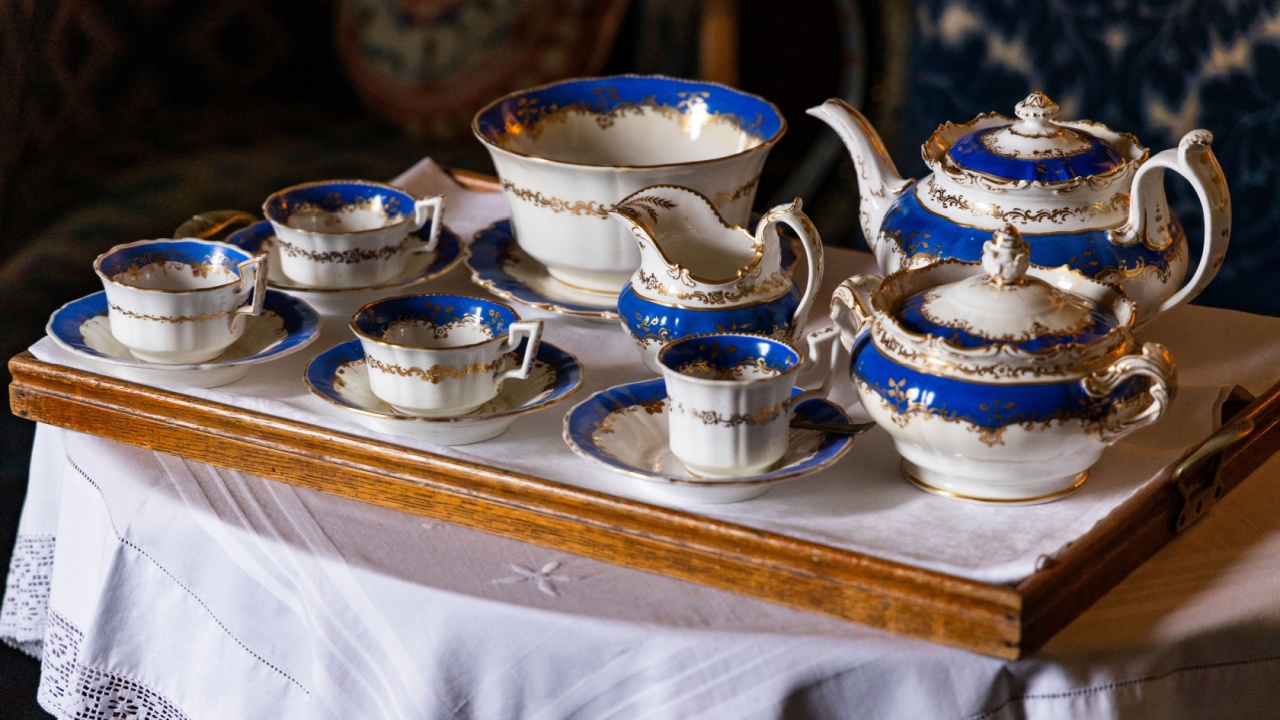
Image Credit: Shutterstock.
Vintage china, delicate porcelain, and dishes with gold or silver trim require careful handling that dishwashers simply can’t provide.
The metallic decorations are particularly vulnerable. Harsh detergents cause flaking and fading that permanently damage these often irreplaceable pieces. Additionally, the high-pressure water jets can cause chips when dishes knock against each other.
Family heirlooms and collectible China represent both sentimental and monetary value that’s impossible to replace once damaged.
Quick Care Tips:
- Use plastic tubs for washing to prevent chips
- Wash in warm (not hot) water with a gentle detergent
- Dry with lint-free towels
- Store with padding between stacked pieces
8. Insulated Drinkware
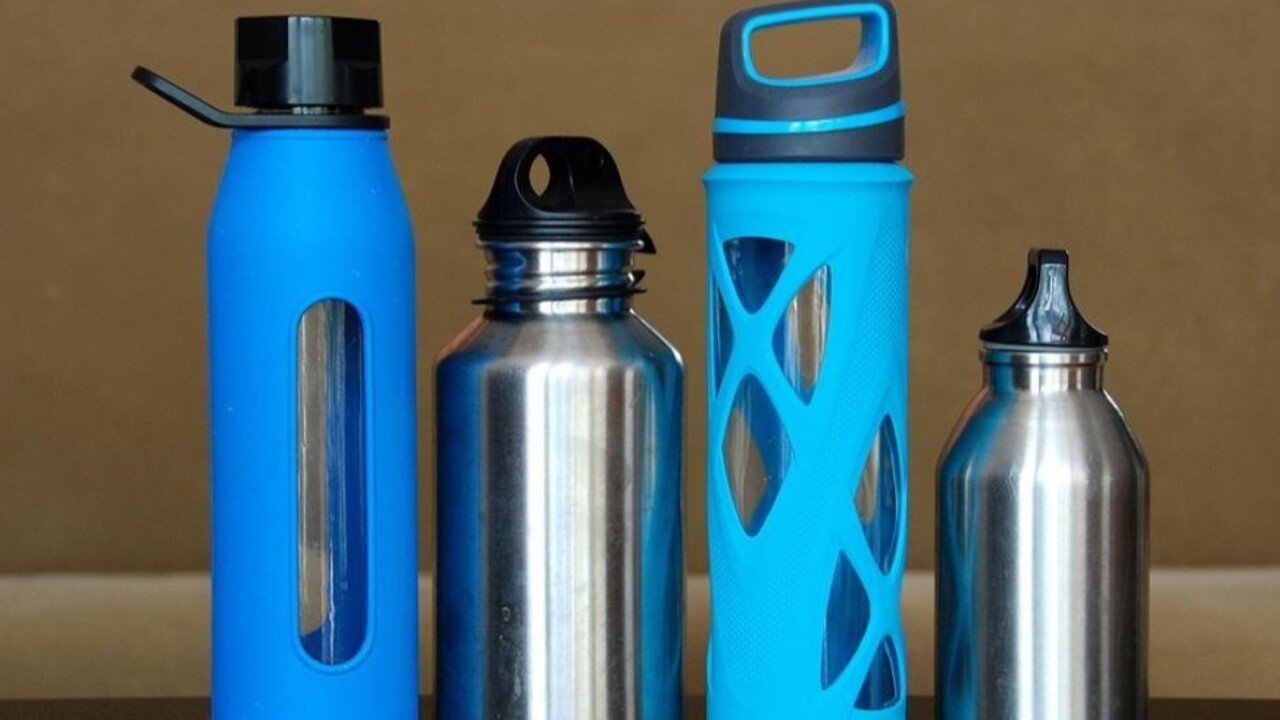
Image Credit: No ho posa, CC0, Wiki Commons.
Travel mugs, thermal tumblers, and insulated water bottles rely on an air gap between two walls for their temperature-retention properties. Dishwasher heat and pressure can compromise the seals that maintain this insulation, allowing water to enter the airspace and ruining the insulating properties permanently.
Even products labeled “dishwasher safe” may specify top-rack only and recommend skipping the heat-dry cycle to protect the seals.
Quick Care Tips:
- Remove coffee stains with a baking soda paste
- Check manufacturer guidelines for specific care instructions
- Use bottle brushes for thorough cleaning of narrow openings
- Replace if you hear liquid sloshing inside the walls
9. Printed and Painted Glassware
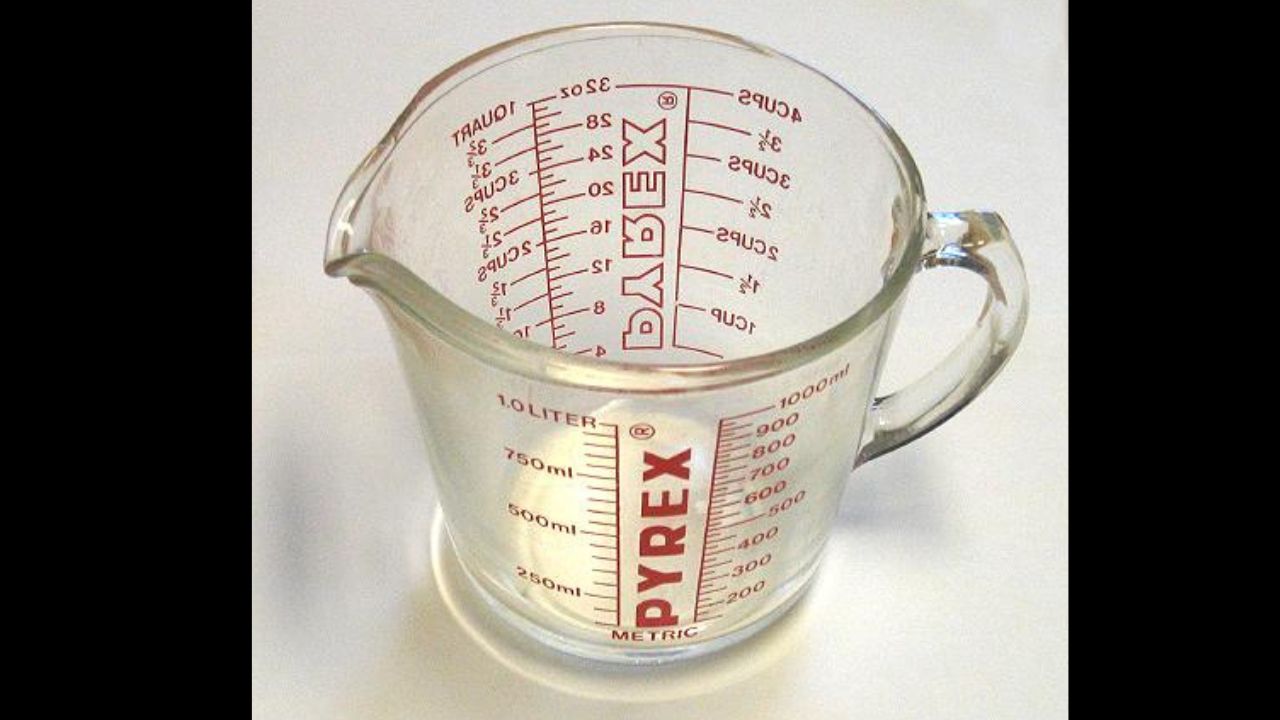
Photo Credit: Dpbsmith at the English-language Wikipedia – CC BY-SA 3.0/Wiki Commons.
Commercial printing and hand-painted designs on glassware rarely withstand repeated dishwasher exposure. The combination of harsh chemicals and high-pressure water gradually removes paint and printed measurements, making your favorite measuring cups useless and ruining decorative pieces.
This is particularly problematic with measuring cups and mixing bowls, where clear, readable markings are essential for cooking and baking accuracy.
Quick Care Tips:
- Use gentle, pH-neutral dish soap
- Avoid abrasive sponges that can scratch printed surfaces
- Store carefully to prevent scratching during storage
- Replace items when markings become illegible
10. Pressure Cooker Lids
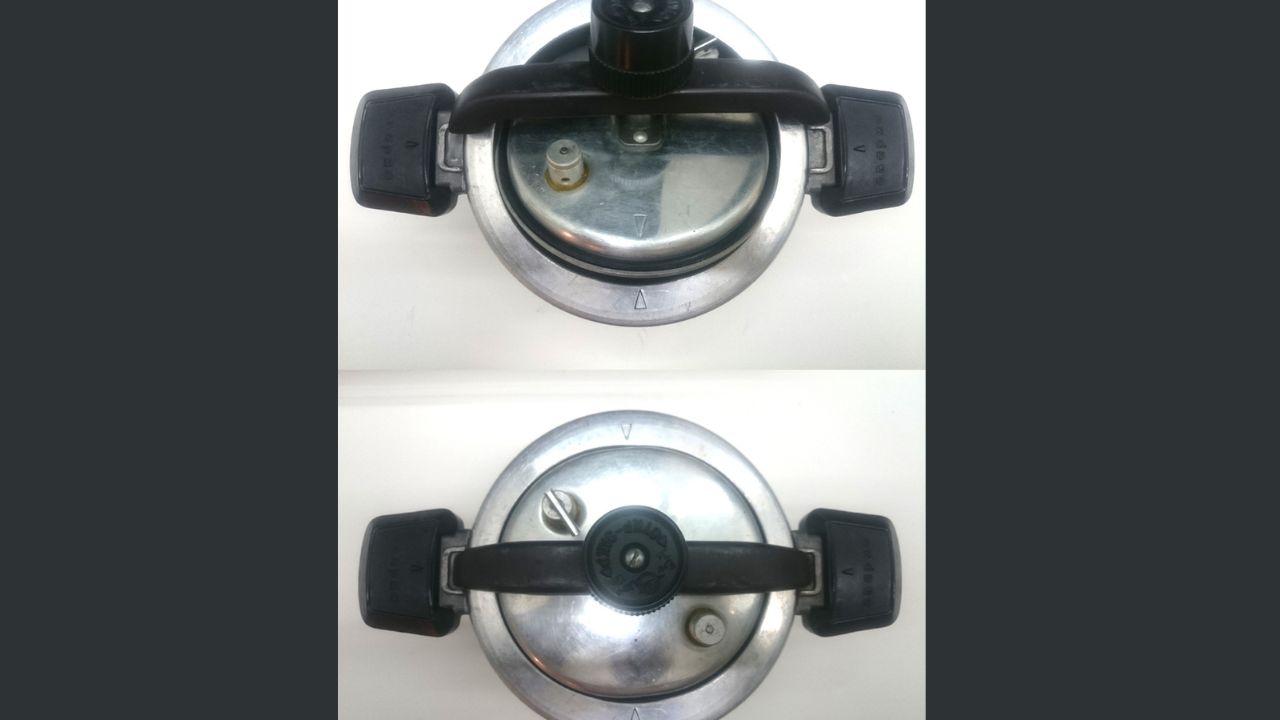
Photo Credit: Boober the bird – Own work – CC BY-SA 4.0/Wiki Commons.
Modern pressure cookers and Instant Pots contain precision valves and sealing mechanisms that can be damaged by dishwasher action.
Small food particles forced into vents and valve systems by high-pressure water can cause dangerous malfunctions, while harsh chemicals degrade rubber seals and gaskets.
Quick Care Tips:
- Remove and clean sealing rings separately according to the manufacturer’s instructions
- Use a small brush to clear valve openings
- Check all moving parts regularly for wear
- Replace worn gaskets promptly
11. Graters and Fine-Mesh Sieves
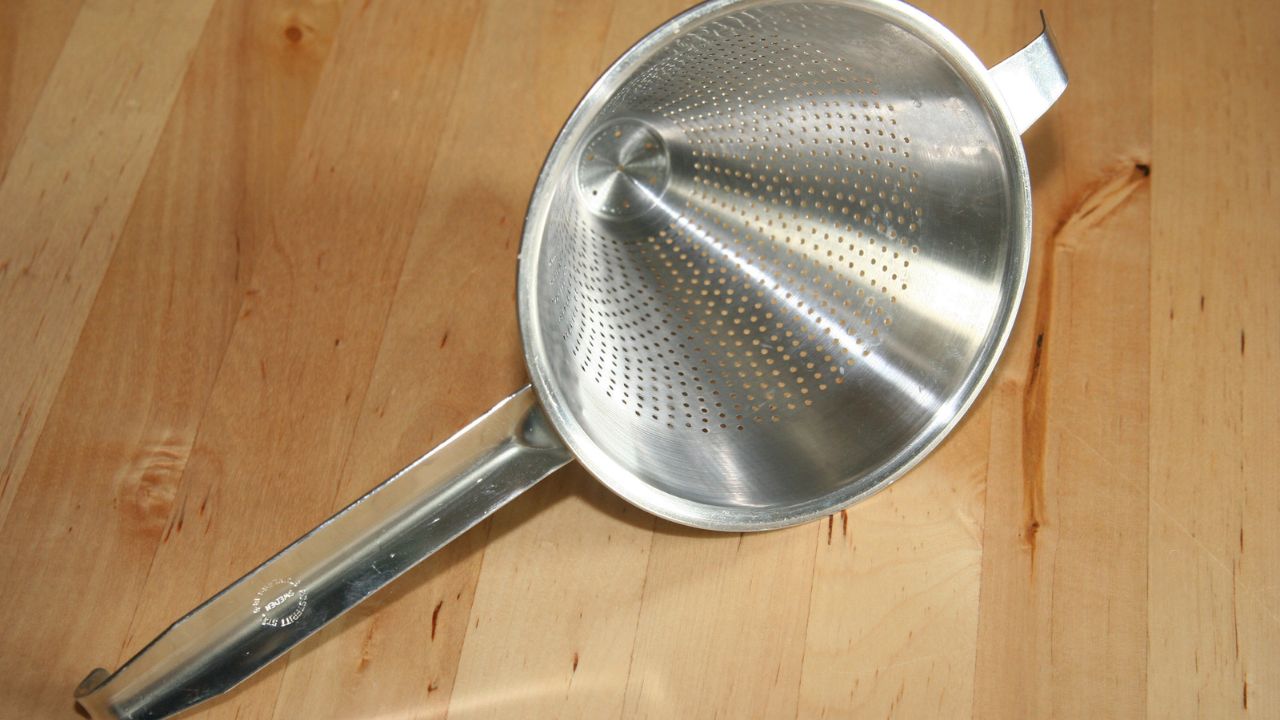
Photo Credit: Dnor – Own work – Public Domain/Wiki Commons.
Kitchen tools with small holes or sharp edges present multiple problems in the dishwasher. Sharp edges can damage dishwasher racks, while small holes trap food particles that high-pressure water can’t effectively remove. The result is partially clean tools that may harbor bacteria and damaged dishwasher components.
Hand washing allows you to work food particles out of small spaces using brushes and targeted cleaning efforts that dishwashers simply cannot replicate.
Quick Care Tips:
- Clean immediately after use while food particles are still soft
- Use an old toothbrush for stubborn particles
- Soak briefly in warm, soapy water if needed
- Dry thoroughly to prevent rust in crevices
12. Acrylic and Melamine Dishware
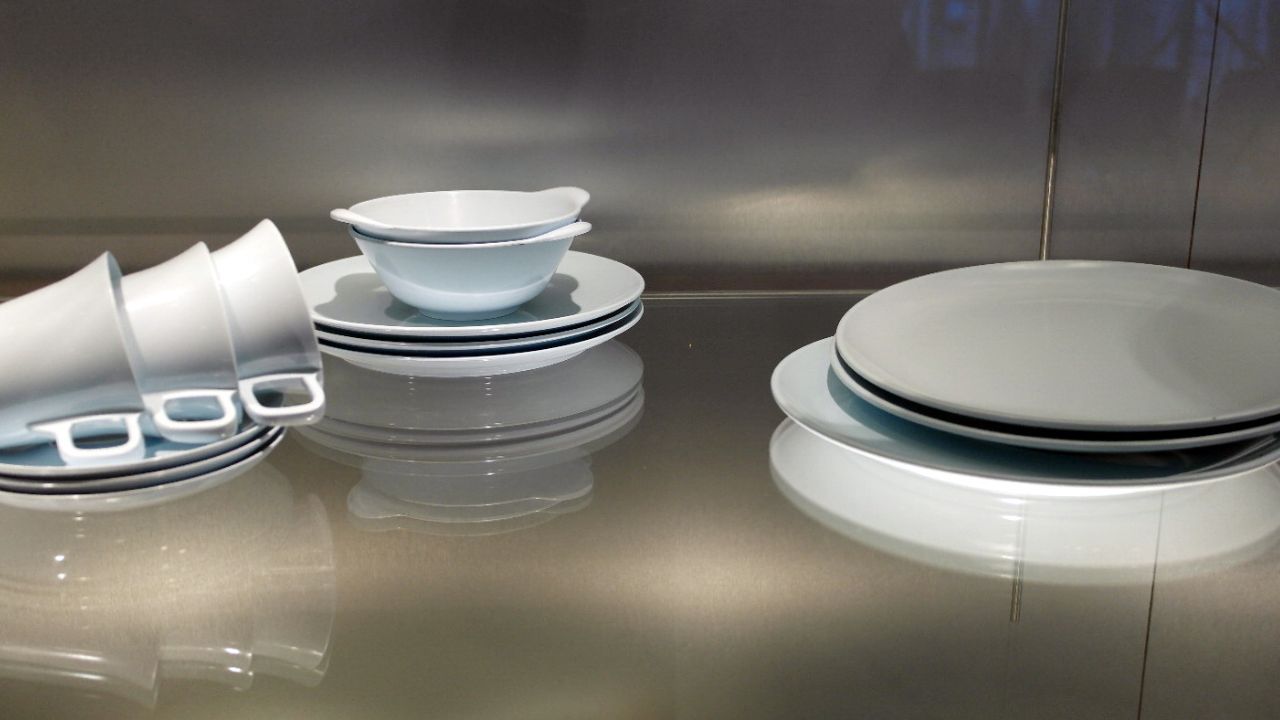
Photo Credit: Kleon3 – Own work – CC BY-SA 4.0/Wiki Commons.
Popular outdoor and children’s dishware made from acrylic or melamine can crack, fade, and warp in dishwasher heat. Cheaper sets are particularly vulnerable, developing hairline cracks that compromise their integrity and create places for bacteria to hide. The bright colors and patterns that make these dishes attractive are often the first casualties of dishwasher exposure.
While some higher-quality melamine products can withstand gentle dishwasher cycles, hand washing extends their life significantly.
Quick Care Tips:
- Use cool to warm water for washing
- Choose soft sponges to prevent scratching
- Replace cracked or heavily scratched pieces
- Store carefully to prevent additional stress on the material
13. Containers with Paper Labels

Image Credit: Shutterstock.com.
Glass jars saved for storage purposes often retain their original paper labels, which create serious problems in dishwashers. As labels dissolve and adhesive loosens, pieces can clog drain filters and disposal systems, leading to expensive repairs. Even waterproof labels can partially detach, creating sticky residue that’s difficult to clean.
The small cost savings of reusing jars aren’t worth the potential repair bills for damaged dishwasher components.
Quick Care Tips:
- Remove labels completely before first washing
- Use commercial adhesive removers for stubborn residue
- Soak in warm water to soften the adhesive
- Check jar mouths for adhesive residue that could affect sealing
14. Milk Glass and Delicate Vintage Items
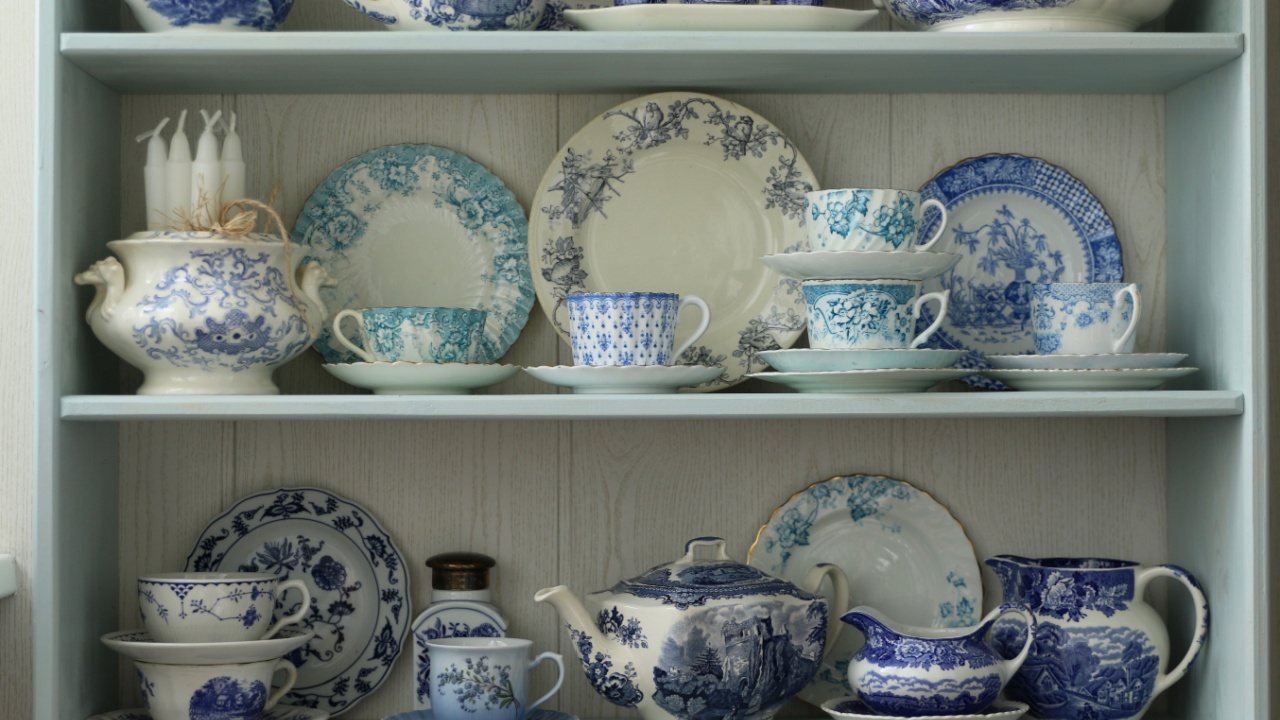
Image Credit: Shutterstock.
Vintage milk glass and other collectible glassware can yellow permanently when exposed to dishwasher heat and chemicals. These often irreplaceable pieces deserve the gentle care that only hand washing can provide. The combination of age, temperature extremes, and harsh detergents can cause crazing, discoloration, and other permanent damage.
Many vintage items were never designed to withstand modern cleaning chemicals and temperatures, making them particularly vulnerable to dishwasher damage.
Quick Care Tips:
- Use lukewarm water and gentle detergents
- Handle one piece at a time to prevent knocking
- Dry with soft, lint-free cloths
- Store with adequate padding and support
Protecting Your Kitchen Investment

Image Credit: Shutterstock.
Knowing what to keep out of your dishwasher protects your favorite kitchen tools and the appliance itself. When you hand-wash, you control the temperature, soap, and how gently you handle things, helping them last for years.
If you’re a busy gardener or a home cook, creating a quick hand-washing routine for these special items will keep your tools ready for your next culinary project. A few extra minutes of care will ensure they serve you well for countless meals, harvests, and family dinners.