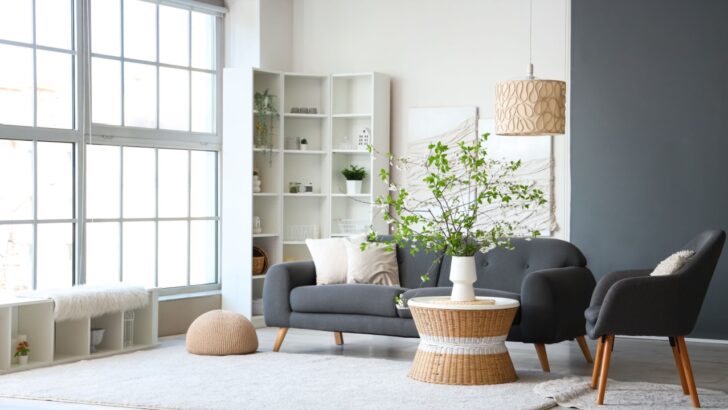
Our homes are reflections of our personalities, and everyone wants their space to look polished and inviting. However, certain design choices and overlooked details can unintentionally make a home appear less sophisticated. The good news? Most of these issues are easily fixable with a bit of thought and effort.
Here’s a list of 21 subtle yet impactful factors that might make your house look cheap, along with actionable tips to elevate your space.
We’re Not Here to Judge

Image Credit: Shutterstock.
Before we dive into the list, it’s important to remember that everyone has different styles and preferences. The goal of this article is not to judge or shame anyone for their design choices, but rather to offer helpful tips and suggestions for those who want to elevate their space.
Ultimately, your home should reflect your personal style and make you feel comfortable and happy. With that being said, let’s get into our list of subtle ways your home might be looking cheap and how to fix them!
1. Clutter

Image Credit: Shutterstock.
Clutter disrupts visual harmony and makes spaces feel chaotic. It blocks natural light, diminishes functionality, and can overwhelm even the most thoughtfully-designed room.
How to Fix It: Start small by decluttering high-traffic areas like entryways and kitchens. Invest in stylish storage solutions like cabinets, woven baskets, or multi-functional furniture. Regularly go through your belongings to donate or toss items you no longer use.
2. Disproportionate Furniture
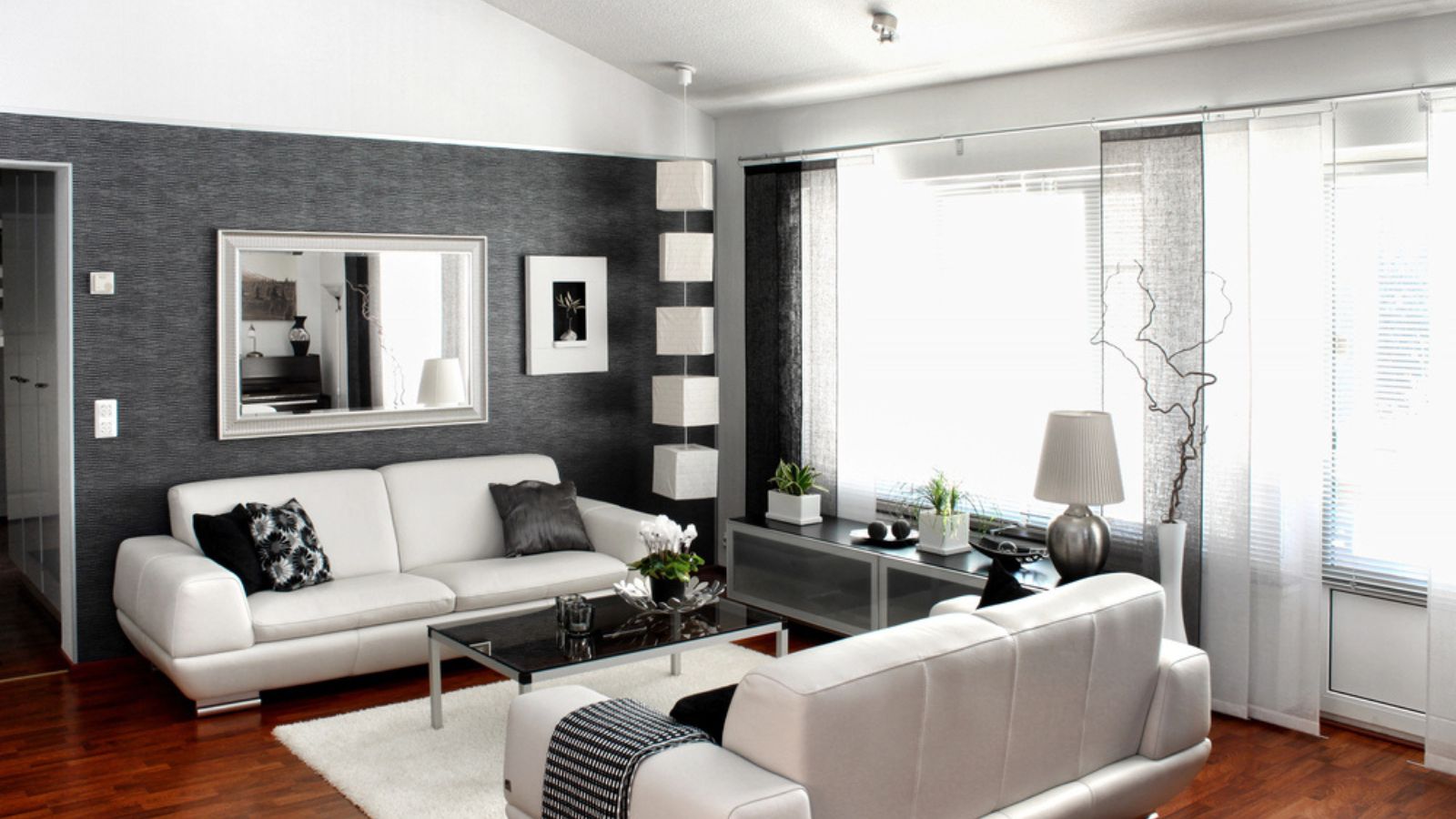
Image Credit: Depositphotos.com.
Oversized or undersized furniture can create awkward visual imbalances, making even a well-furnished space feel haphazard and unrefined.
How to Fix It: Before purchasing furniture, measure your space carefully. Opt for pieces that complement each other in size and proportion. Use design tools or layouts to visualize how new furniture will fit in your room.
3. Badly Installed Curtains
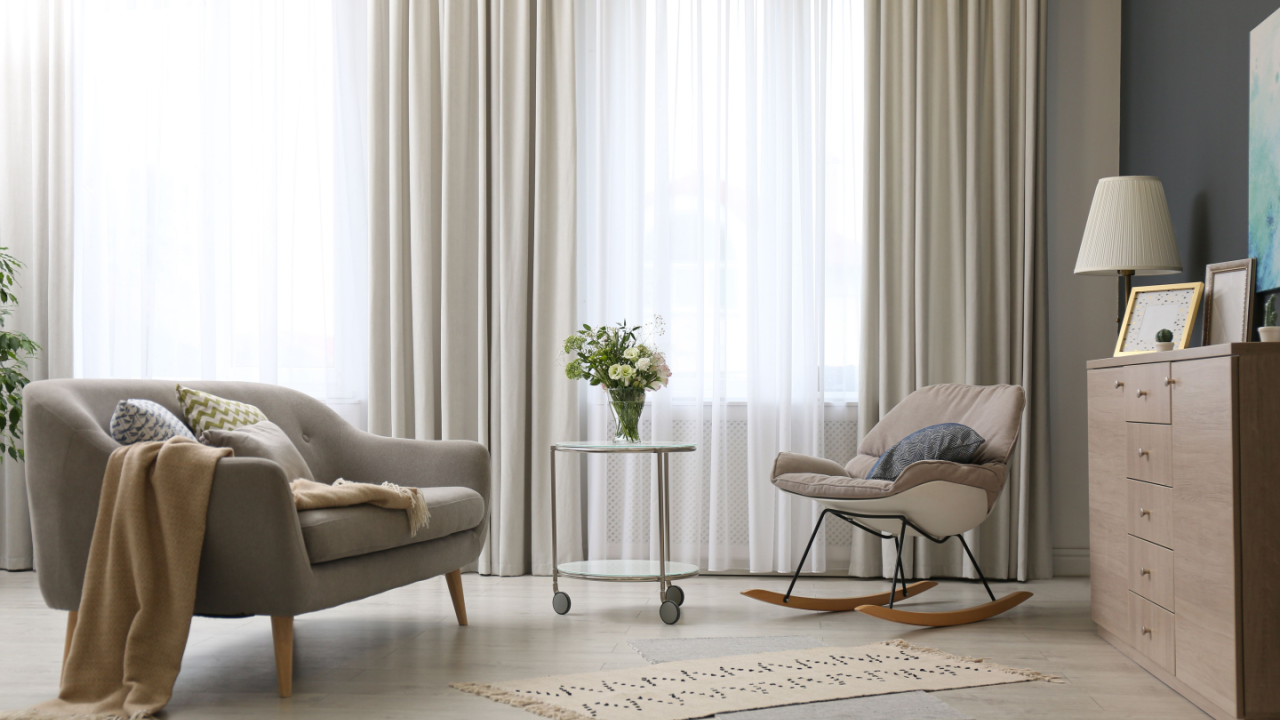
Image Credit: Shutterstock.
Curtains that are too short or improperly hung draw attention to flaws instead of enhancing the space.
How to Fix It: Hang your curtain rods closer to the ceiling and ensure curtains lightly graze the floor. Avoid unlined or sheer curtains unless they’re layered for depth.
4. No Wall Art
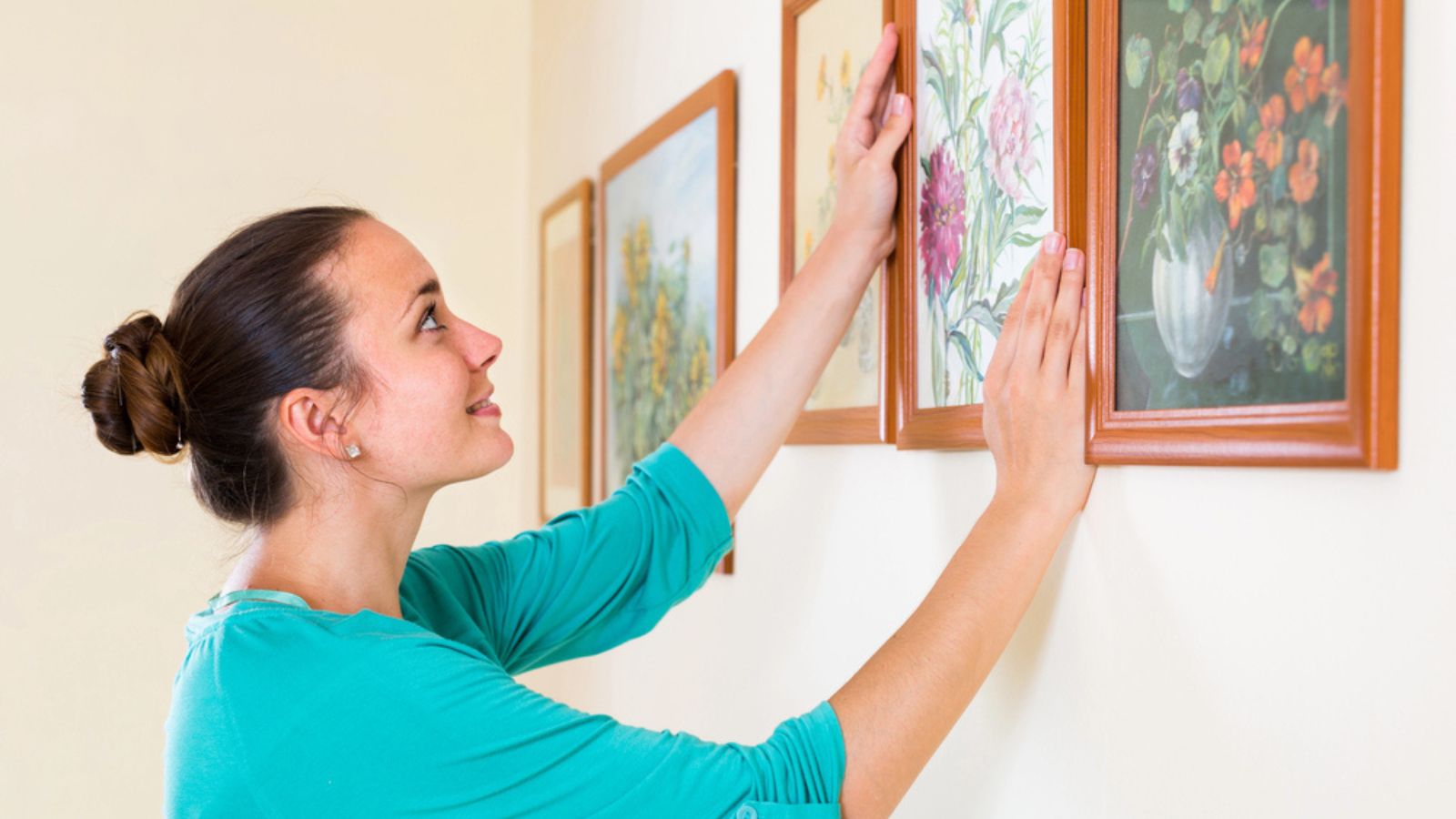
Image Credit: Depositphotos.com.
Bare, undecorated walls make a space feel impersonal and unfinished, as though you just moved in.
How to Fix It: Incorporate art, mirrors, or photos that reflect your personality. Frame family pictures or create a gallery wall with affordable prints or local artwork.
5. Flatpack Furniture Sets
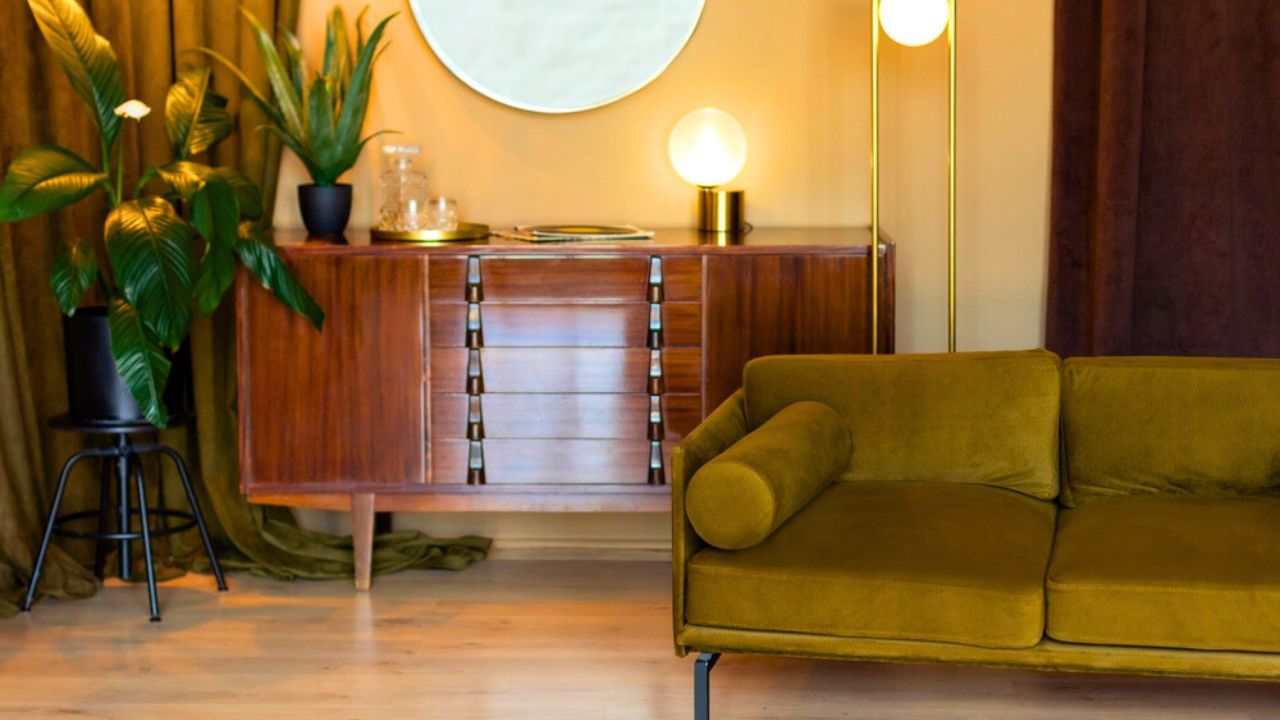
Image Credit: Shutterstock.
Matching flatpack furniture lacks individuality and often comes off as too standardized.
How to Fix It: Complement flatpack pieces with antique or thrifted items to create a more curated aesthetic. Replace standard hardware with unique knobs or handles for a subtle upgrade.
6. Vertical Blinds
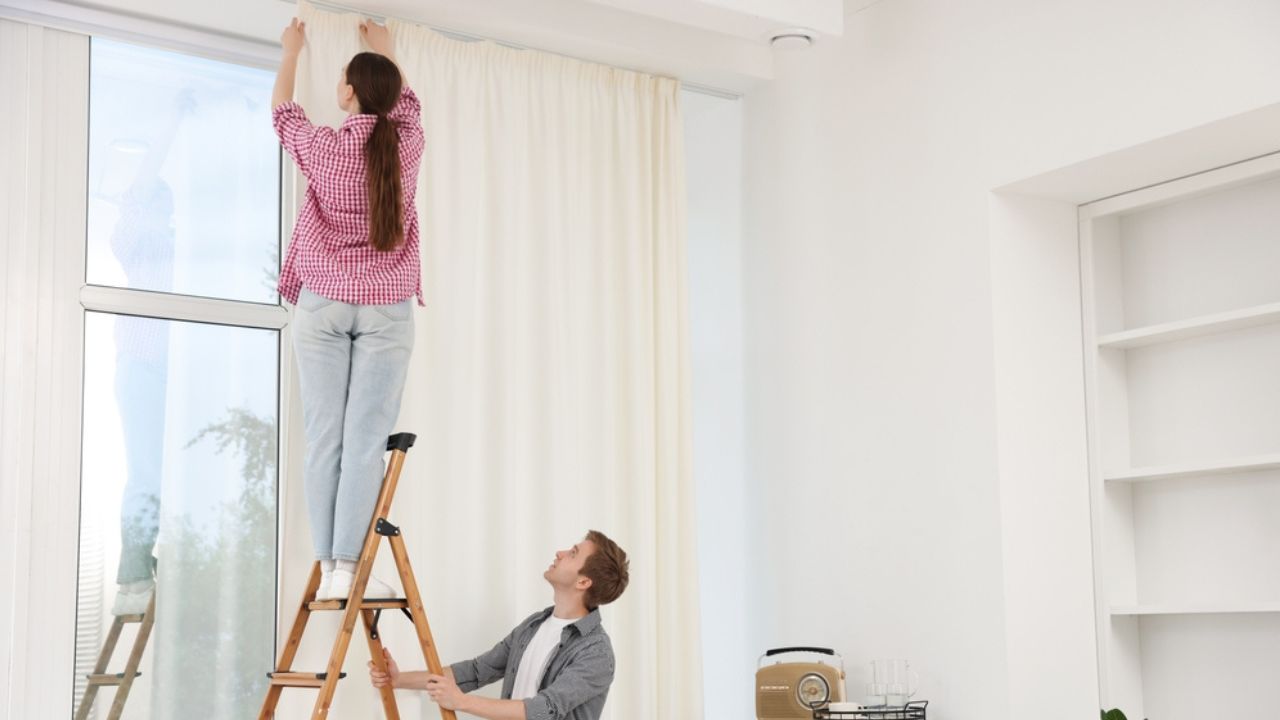
Image Credit: Shutterstock.
Often associated with office spaces, vertical blinds can feel clinical and outdated in a home setting.
How to Fix It: Swap vertical blinds for modern Roman shades, roller shades, or elegant drapery to add softness and sophistication to your windows.
7. Cheap Light Fixtures
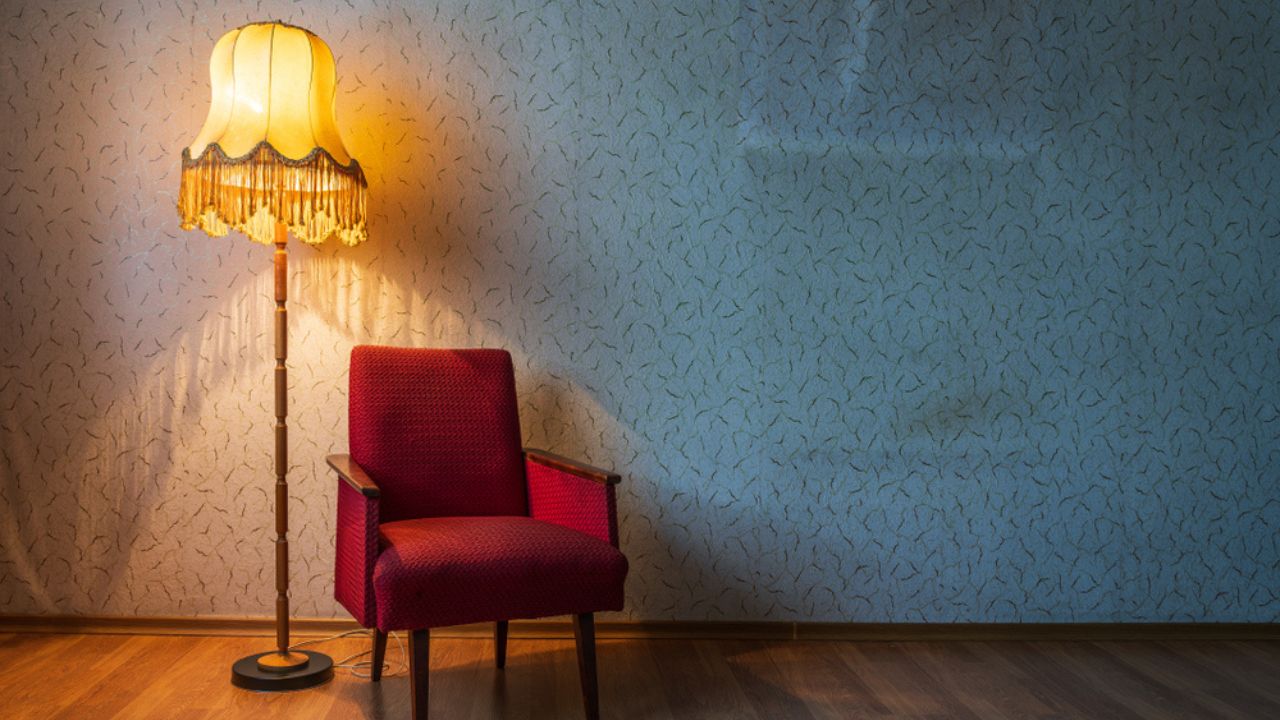
Image Credit: Shutterstock.
Standard builder-grade light fixtures or harsh lighting can instantly downgrade the ambiance of any room.
How to Fix It: Replace outdated fixtures with modern, energy-efficient options like pendant lighting or chandeliers. Layer overhead lights with accent lamps or dimmers for adjustable brightness.
8. Haphazard Flooring

Image Credit: Joseph Hendrickson at Shutterstock.
Using inconsistent flooring types creates visual disruption and diminishes cohesion across rooms.
How to Fix It: Stick to one flooring style—like hardwood, laminate, or tiles—for continuity. If replacing floors isn’t feasible, use large area rugs to create uniformity.
9. Poorly Chosen Area Rugs

Image Credit: Shutterstock.
Rugs that are too small or too large throw off the balance of a space.
How to Fix It: Follow the rule-of-thumb—rugs should be large enough for at least the front legs of furniture to rest on them. Use painter’s tape to outline potential rug dimensions before purchasing.
10. Overcrowded Rooms
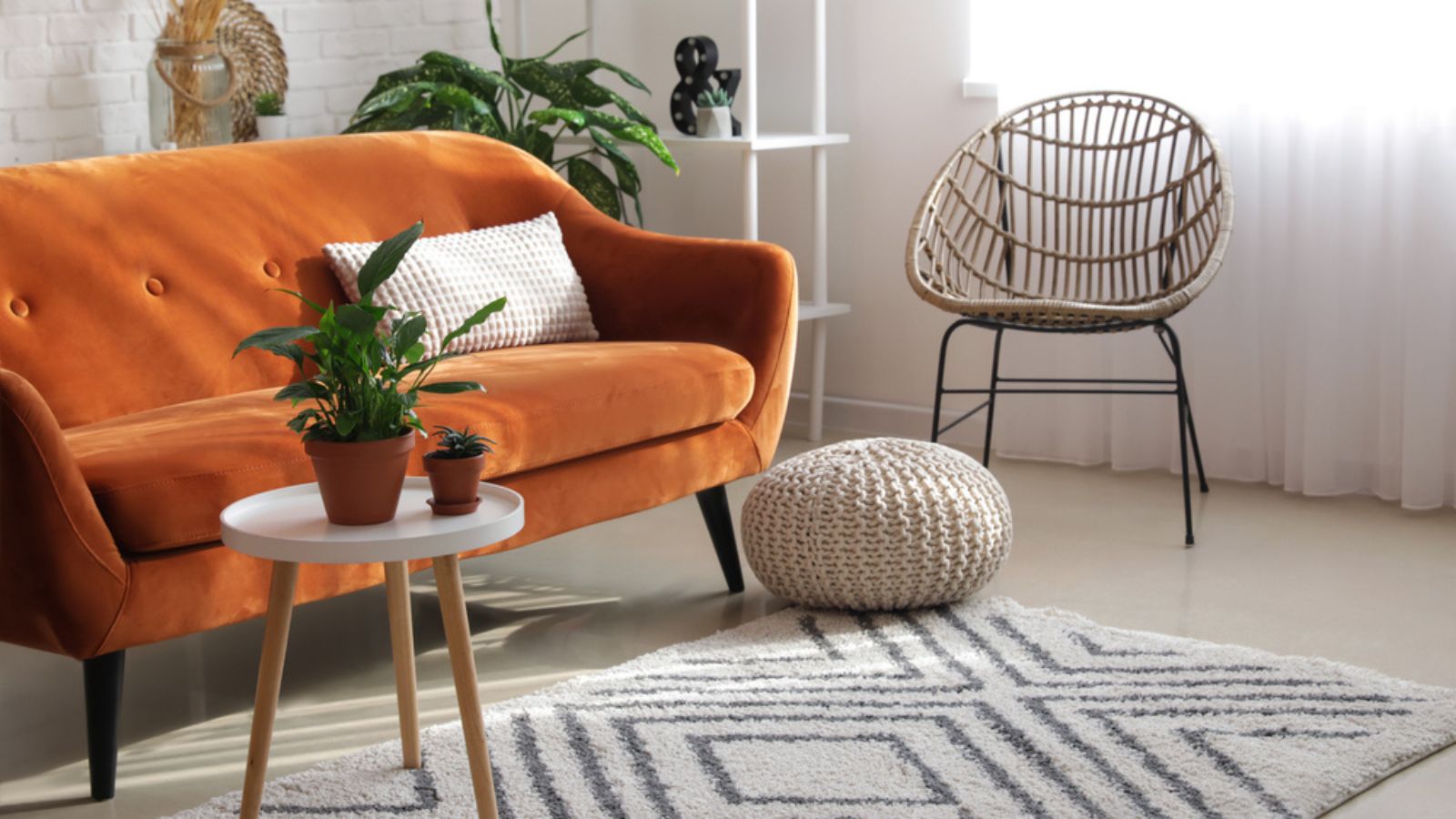
Image Credit: Depositphotos.com.
Jamming too much furniture into one room creates clutter and reduces functionality.
How to Fix It: Prioritize quality over quantity. Opt for fewer, well-chosen pieces that fit the scale of the space, leaving room to move comfortably.
11. Unlined Curtains
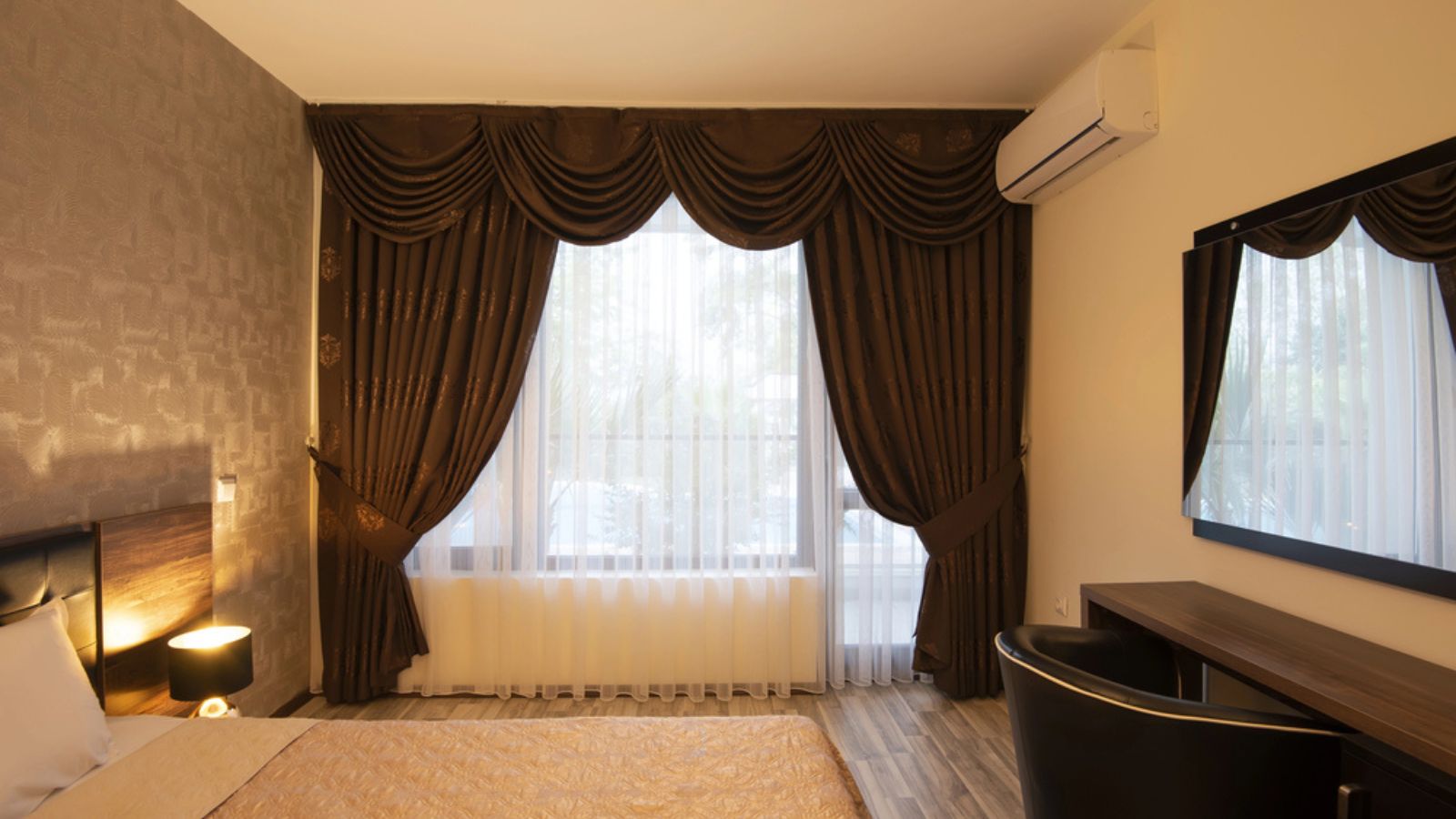
Image Credit: Depositphotos.com.
Unlined curtains look flimsy and allow sunlight to fade the fabric, reducing their longevity.
How to Fix It: Opt for lined or double-layered curtains, which drape more elegantly and offer better light control.
12. Mass-Produced Art

Image Credit: Shutterstock.
Generic artwork lacks personality and often feels disconnected from the overall design aesthetic.
How to Fix It: Seek out unique pieces from local craftspeople, create DIY art, or frame meaningful items such as maps, pressed flowers, or vintage prints.
13. Cluttered Entryway
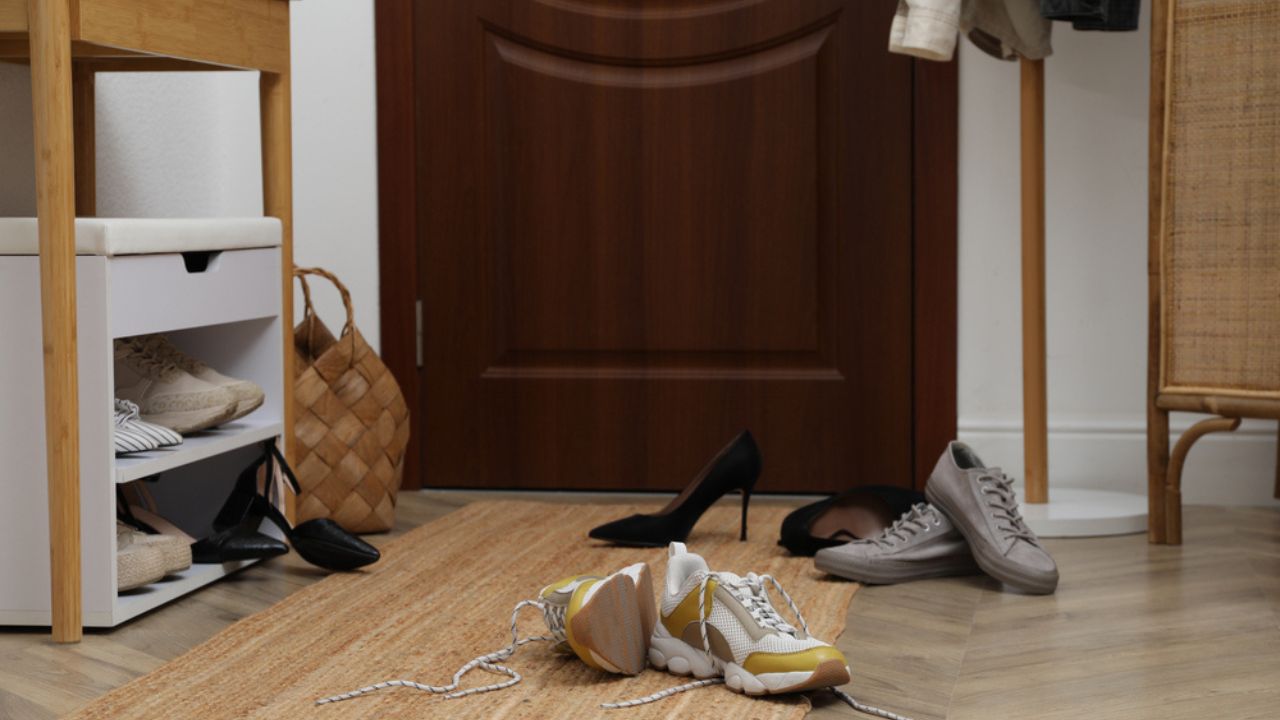
Image Credit: Depositphotos.com.
Shoes, bags, and miscellaneous items piled near the door create a chaotic first impression.
How to Fix It: Use storage benches, coat hooks, or cubbies to streamline your entryway. Add a decorative mirror or vase to elevate the area.
14. Word Art Decor

Image Credit: Shutterstock.
Overused phrases like “Live, Laugh, Love” or “Home Sweet Home” can feel tired and overly trendy.
How to Fix It: Replace word art prints with subtle typography or custom-made pieces with unique messages that mean something to you.
15. Awkward Lighting Placement

Image Credit: Depositphotos.com.
Light fixtures installed too low, too high, or unevenly distributed disrupt the balance of the room.
How to Fix It: Use adjustable pendant lights or wall-mounted fixtures. Layer lighting to ensure various sources illuminate the room evenly.
16. Themed Decor Overload
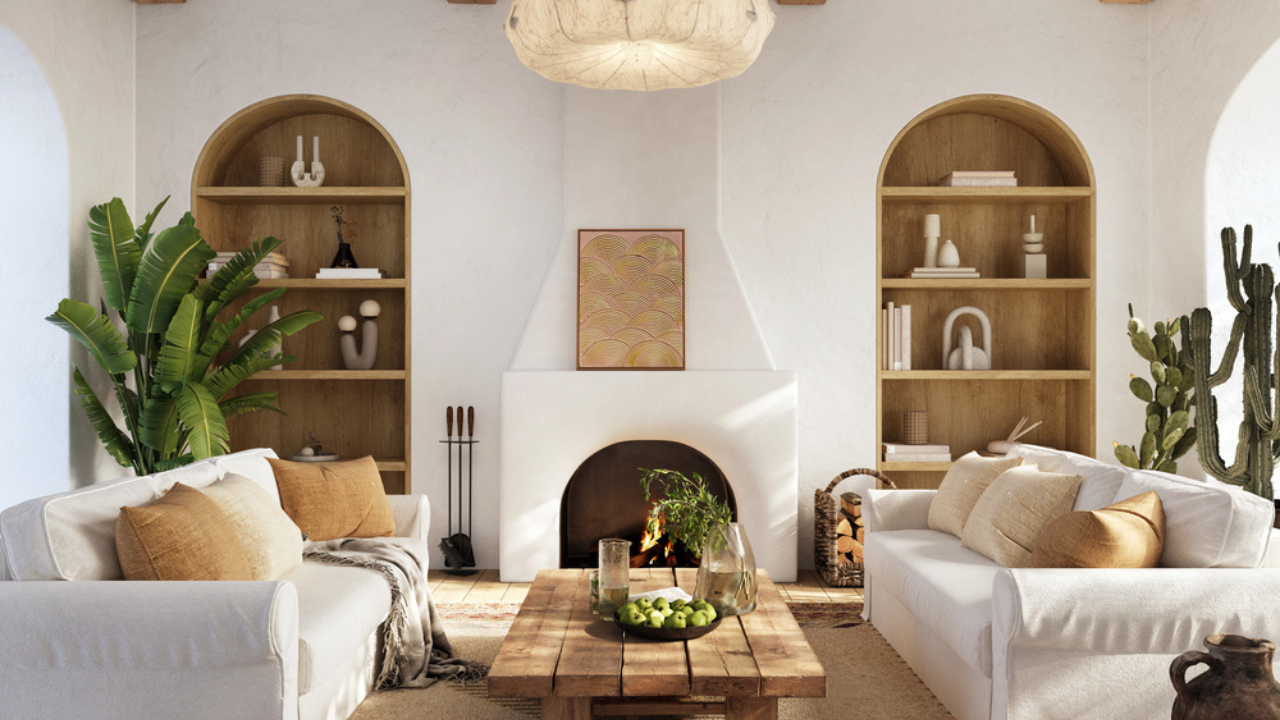
Image Credit: Depositphotos.com
Creating a hyper-focused theme, like nautical or retro diner, can unintentionally veer toward kitsch.
How to Fix It: Incorporate subtle nods to your chosen theme—such as color schemes or one standout piece—without overdoing it.
17. Stick-On Lights

Image Credit: Depositphotos.com.
Stick-on lights lose adhesion over time, leaving patches of glue residue and uneven lighting.
How to Fix It: Opt for permanent lighting fixtures or rechargeable LED strips that blend into your decor seamlessly.
18. Visible Cords
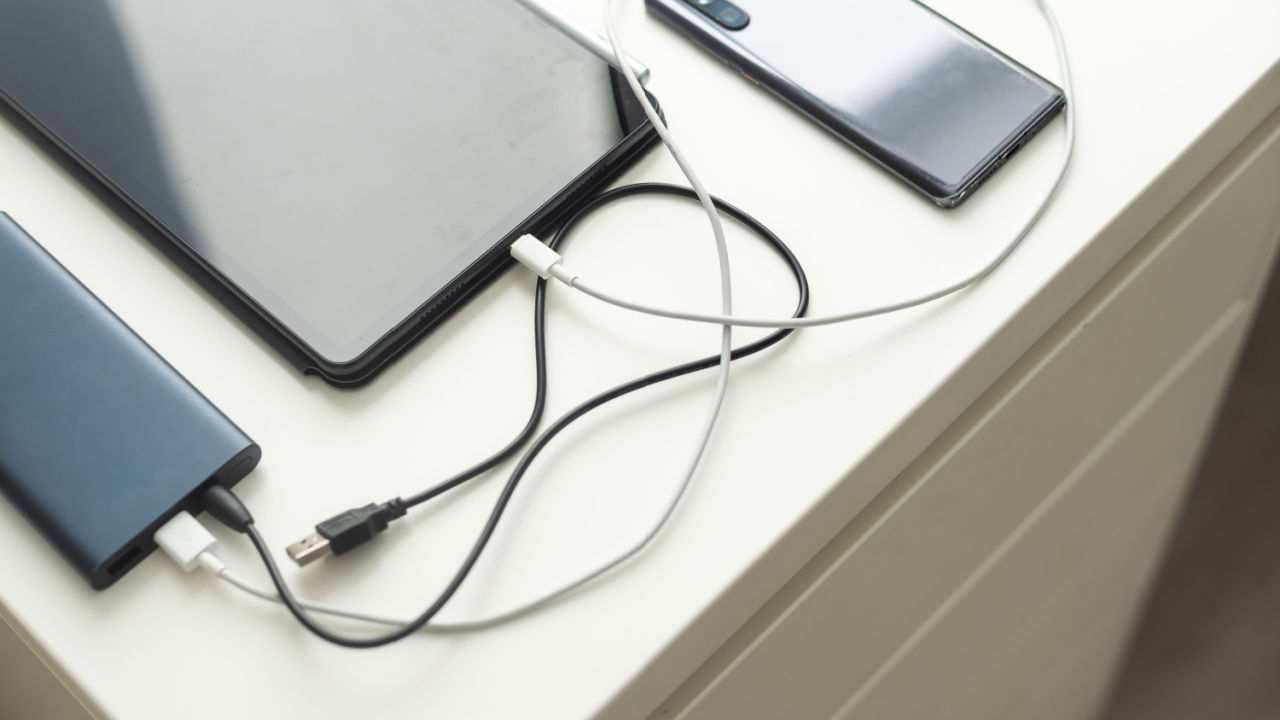
Image Credit: Shutterstock.
Tangled cords on display create visual noise and suggest a lack of attention to detail.
How to Fix It: Use cable organizers, conduit covers, or furniture placement to hide cords and keep areas tidy.
19. Neglected Outdoor Spaces

Image Credit: Shutterstock.
Unkempt lawns, peeling paint, or broken fixtures make even the nicest interiors lose their charm.
How to Fix It: Regularly maintain your outdoor areas with mowing, cleaning, and small upgrades like lighting or new planters.
20. Overstuffed Shelves

Image Credit: Shutterstock.
Crowding every shelf with trinkets and books gives a cluttered, overwhelming look.
How to Fix It: Practice the “rule of thirds”—leave one-third of each shelf open for balance. Use decorative boxes or baskets to contain smaller items.
21. Outdated Paint Colors
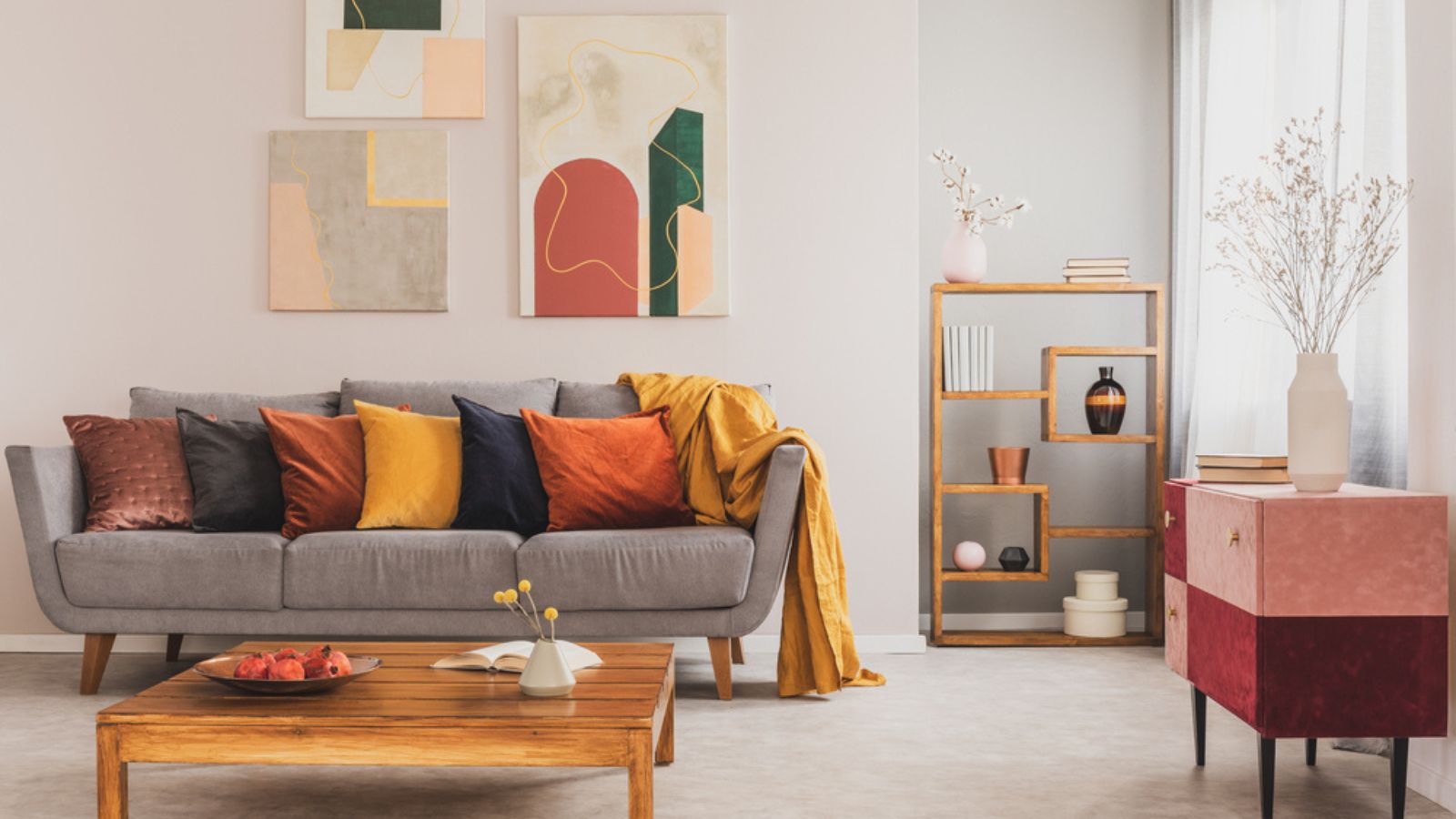
Image Credit: Depositphotos.com.
Color trends evolve, and once-popular shades like beige or olive green can make your space feel dated.
How to Fix It: Stick to timeless neutrals, or use bold, modern hues for accent walls to refresh your rooms without significant expense.
Be Proud of Your Space

Image Credit: Shutterstock.
By addressing small but impactful details, you can elevate the look and feel of your home without a hefty price tag. From decluttering your entryways to investing in cohesive decor, these tips can quickly transform your house into a polished, high-end space.
Remember, thoughtful design isn’t about breaking the bank—it’s about curating a home that feels intentional, welcoming, and tailored to you. Which of these fixes will you tackle first?