
These 12 U.S. States Are Drowning in Debt
Across the United States, state and local governments collectively carry about $6.1 trillion in liabilities, according to recent data from Reason Foundation. The bulk of the debt comes from a litany of issues: pension promises, infrastructure bonds, and retiree health benefits.
That works out to roughly $18,400 in debt per resident, but in some states, the burden is far higher. Needless to say, this fiscal bad health has many implications for current and future generations.
Sadly, a uniting factor in the decline is some of the largest taxpayer liabilities in America. Therefore, it makes sense to research any state before moving there.
1. New York

America’s fourth-most-populated state carries some of the largest government liabilities in the United States. Massive infrastructure systems, pensions, and municipal debt drive this growing fiscal gulf. Together, these obligations help explain why New York consistently ranks among the states with the highest debt burdens per resident.
State budgets have also grown rapidly, according to Politico. New York Governor and lawmakers recently approved a record $254 billion state spending plan, reflecting the scale of government programs and infrastructure commitments.
According to the Reason Foundation’s study, New York City alone had more than $300 billion in total liabilities: the highest per-capita level among major U.S. cities. It doesn’t help that millionaires have been fleeing to states with lower taxes, thus shrinking the state’s taxable revenue base.
2. Illinois

Illinois is often cited as the poster child for state pension debt. The state’s unfunded pension liabilities alone recently climbed to about $143.7 billion, according to the Illinois Legislature’s Commission on Government Forecasting and Accountability.
Perhaps a great symbol of this situation is Dennis Gannon. A retired union leader in Chicago, he managed to secure a pension five times the normal rate due to a perfectly legal loophole. “His pension was juiced up after he was hired by the city for a single day in 1994, then granted an indefinite leave of absence,” reads an ABC News report. “He retired from the city at age 50, a decade later.” Don’t hate the player; hate the game.
3. Massachusetts
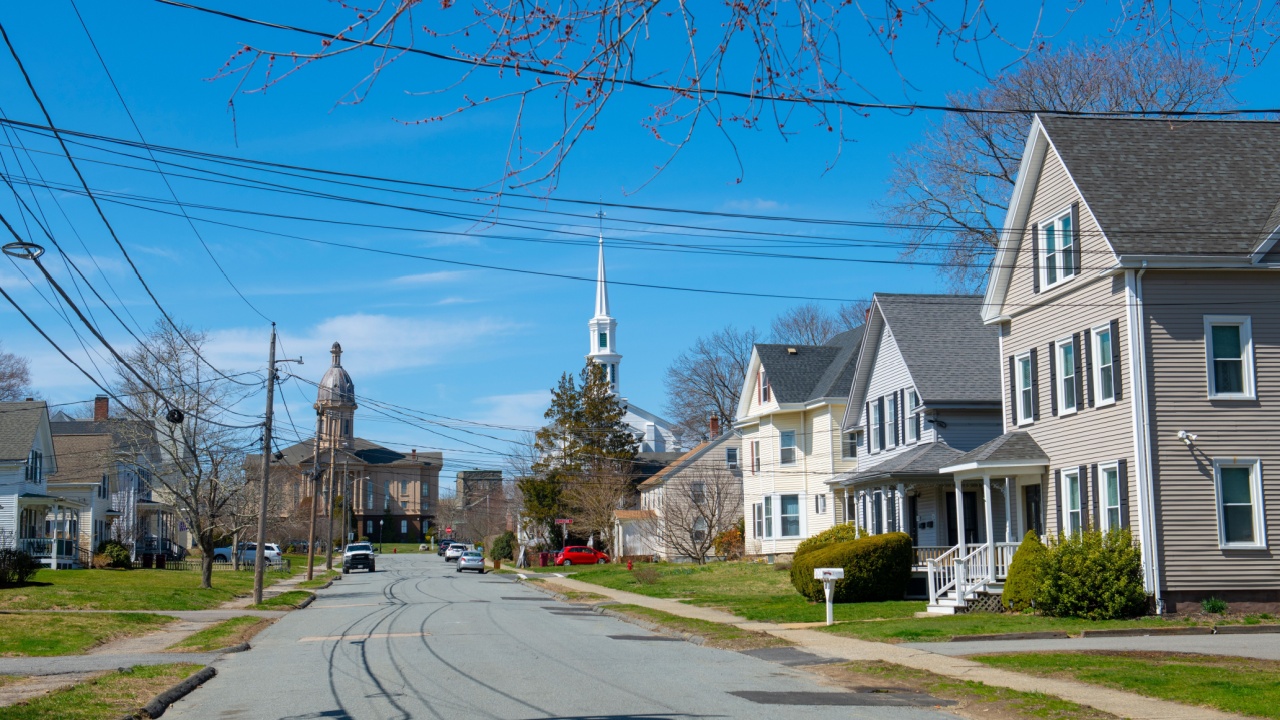
Massachusetts carries substantial liabilities tied to transportation and public pensions. Meanwhile, Boston’s aging transit system is a major factor. Officials estimate that bringing the system up to a proper state of repair could cost tens of billions of dollars.
The Massachusetts Government even admits in official press releases how expensive the state is now becoming. “Recent reports have ranked Massachusetts as having the 2nd highest cost of living in the country,” reads the report. The entry adds how the state’s median is $101,000, but “still not enough for middle-income households to find homes they can afford.”
4. Hawaii

The promise of tropical living might attract wealthy homeowners to buy real estate there, but Hawaii’s isolation is a major factor in its debt. Such distance from the mainland also makes infrastructure projects extraordinarily expensive, and borrowing often fills the gap.
One of the most visible examples is Honolulu’s long-running rail project. An Aloha State Daily news article shows how it has grown to roughly $10 billion in total cost. The Honolulu Authority for Rapid Transportation (HART) Executive Director Lori Kahikina has defended the spending while acknowledging taxpayer concerns, saying the project’s financial oversight is meant to assure residents that officials are “managing every dollar responsibly.”
Major transportation projects, combined with a small population, help push Hawaii’s debt burden well above the national average.
5. California

California’s total state and local liabilities exceed $1 trillion, the largest total debt of any U.S. state, according to data cited in the Reason Foundation study. Budget volatility has also complicated the picture.
Governor Gavin Newsom recently warned that the state faced a $12 billion budget shortfall, driven by fluctuating tax revenue and rising program costs.
To close the gap, the administration has proposed spending cuts and program changes while trying to preserve core services. Despite the state’s enormous economy, the scale of California’s obligations still leaves taxpayers carrying one of the largest debt burdens in the country.
6. Alaska

Alaska’s finances are among the most volatile in the country because oil revenues drive a major share of the state budget. When energy prices fall, deficits can emerge quickly. Revenue forecasts often project a growing deficit tied partly to lower oil revenue expectations.
Currently, an Alaska Daily News review states that The Last Frontier has a draft spending plan that reflects a worrying $285 million shortfall. Perhaps more concerning is the lack of a plan to turn such a fiscal black hole around. These kinds of revenue swings make long-term fiscal planning particularly challenging.
7. North Dakota

North Dakota’s borrowing is often tied to large infrastructure investments supporting its energy and agricultural industries. Because the state has fewer than a million residents, large capital projects can push per-resident liabilities higher than in more populous states.
Governor Doug Burgum emphasized the scale of these investments as far back as 2022 in a Legislative Assembly budget address. “Today, as we find ourselves in competition with every other state for attracting capital and talent, we need a comprehensive, strategic budget,” he declared. The good news: North Dakota’s real gross domestic product grew in the years afterward, according to Statista.
8. Delaware

Revenue swings and long-term commitments have shaped Delaware’s fiscal outlook. The state’s debt burden largely stems from pension obligations and long-term infrastructure commitments. As with other states, outstanding entitlements weigh heavily when divided among the state’s relatively small population.
Delaware officials recently moved to protect the budget after federal tax changes threatened to cut state revenue. Governor Matt Meyer signed legislation aimed at preventing a major shortfall, as the changes could have stripped “as much as $400 million in revenue” from the state budget. House Bill 255 was designed to protect funding for schools, public safety, and other essential services in this small but financially complex state.
9. Wyoming

Wyoming’s debt burden looks high largely because of its small population spread across large infrastructure costs tied to energy development and rural services.
Even when the state runs surpluses, leaders often warn about the boom-and-bust nature of Wyoming’s energy-driven economy. During a recent budget address, Governor Mark Gordon urged lawmakers to bank surplus funds instead of spending them immediately.
Further, a Wyoming Public Radio report revealed his doubts about budget cuts. The governor asked lawmakers for permission to tap Wyoming’s Permanent Mineral Trust Fund to offset losses.
10. Maryland

Maryland has recently faced mounting fiscal pressure despite its wealthy tax base and proximity to Washington, D.C. AP News reports that officials acknowledged Maryland had to close a multibillion-dollar deficit through spending cuts and tax increases. Consequently, the fiscal ratings group Moody’s downgraded the state’s triple-A bond rating to Aa1, its first drop since 1973.
Governor Wes Moore has openly blamed President Trump’s mass layoff of federal workers for the downgrade. With high infrastructure spending and a large public workforce, Maryland continues to carry a significant per-resident debt load.
Read More
12 Reasons You’re Still Living Paycheck to Paycheck, According to Suze Orman