
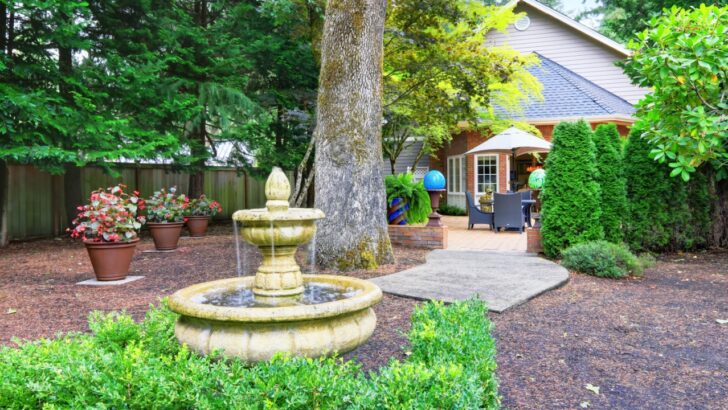
You scroll through social media and see a perfectly manicured backyard oasis. It looks effortless. It looks like the kind of place where you would sip lemonade and read a novel without a single mosquito bothering you. The impulse to transform your own slice of the outdoors into a Pinterest-perfect paradise hits hard.
However, before you start digging holes or ordering truckloads of supplies, you might want to pause. Sometimes, the projects that look the most stunning on a screen are the biggest headaches in reality. They promise relaxation and aesthetic glory but deliver maintenance nightmares and regret. It isn’t that these ideas are inherently bad; it’s just that they often demand way more time, money, and patience than the average weekend warrior has to give.
Let us look at six common backyard upgrades that often turn into cautionary tales. As you scroll and dream of your summer sanctuary, remember to be realistic.
1. Elaborate Water Features
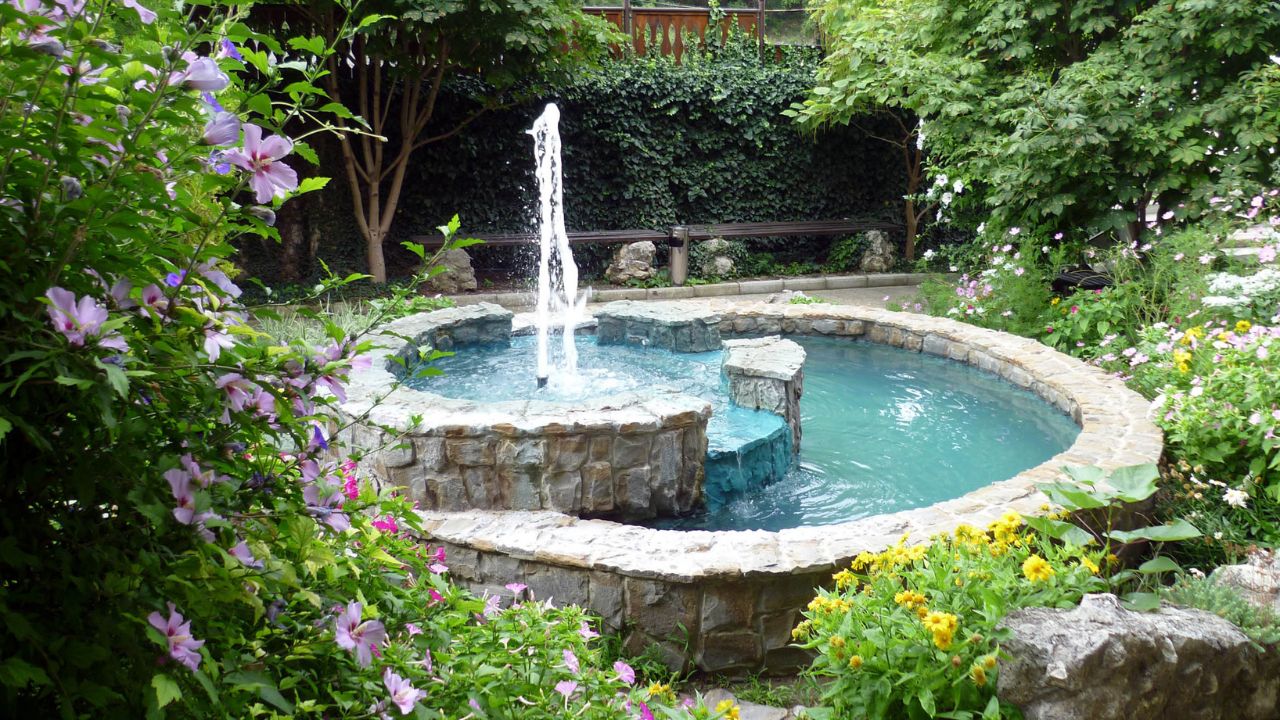
Image Credit: Shutterstock.
The sound of trickling water is supposed to be soothing. A nice pond or a bubbling fountain seems like the ultimate Zen addition to a garden. It brings nature closer, attracts birds, and drowns out the noise of the neighbor’s lawnmower. In theory, it is a peaceful retreat right outside your back door.
In practice, standing water is an attraction for algae, mosquitoes, and unidentifiable sludge. Unless you are ready to become a part-time marine biologist, balancing the pH levels and keeping the filters clean can become a weekly chore. Pumps fail, liners leak, and what was meant to be a crystal-clear oasis often turns into a murky green soup. The maintenance required to keep water moving and clean is significant. If you live in an area with freezing winters, you also have the joy of draining and winterizing the system every year.
2. Artificial Turf
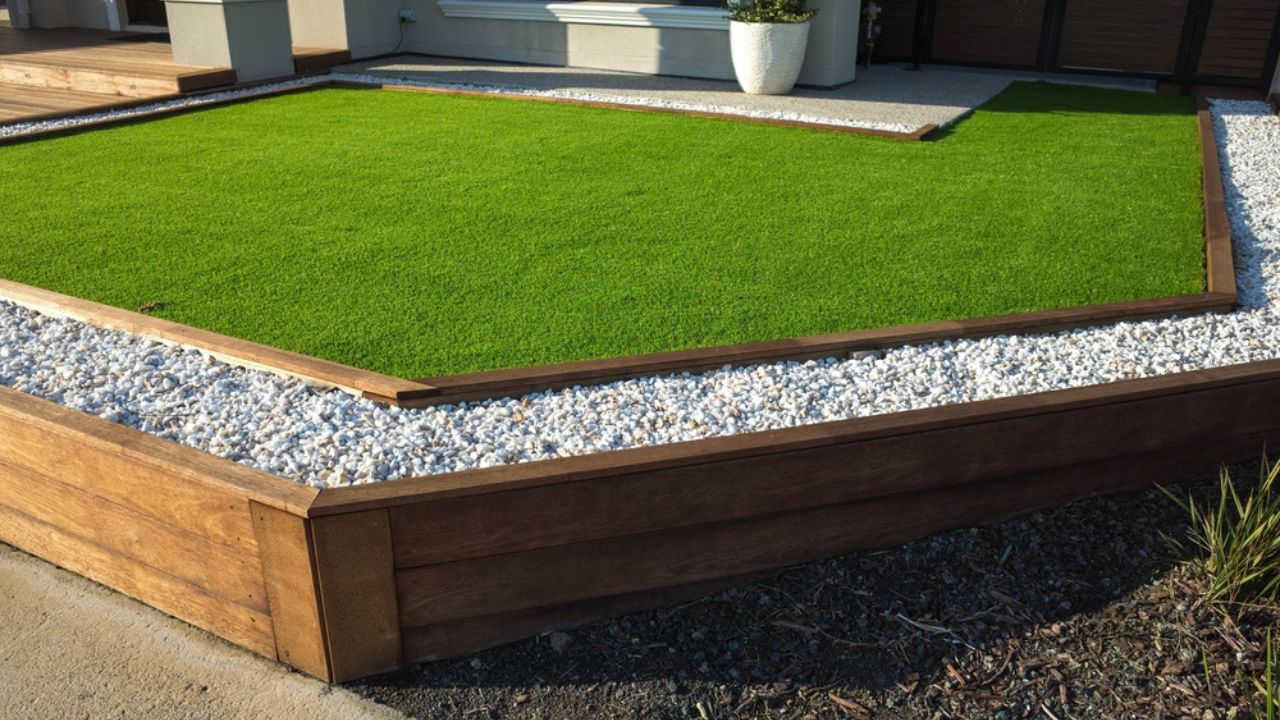
Image Credit: Shutterstock.
Nobody likes mowing the lawn. The promise of artificial turf is seductive: a perpetually green lawn that never grows, never needs water, and never needs fertilizer. It sounds like the ultimate cheat code for a low-maintenance yard. You install it once, and you are done forever.
However, plastic grass has a few dirty secrets. For one, it gets incredibly hot. On a sunny summer day, synthetic turf can reach temperatures high enough to burn bare feet or paws, making your yard unusable during the times you want it most. It also doesn’t clean itself. If you have pets, their business doesn’t decompose into the soil; it sits on top of the plastic, requiring you to hose it down and disinfect it regularly to avoid smells. After a while, it can start to look matted and distinctly fake, losing that lush appeal it had on day one.
3. Vertical Gardens (Living Walls)
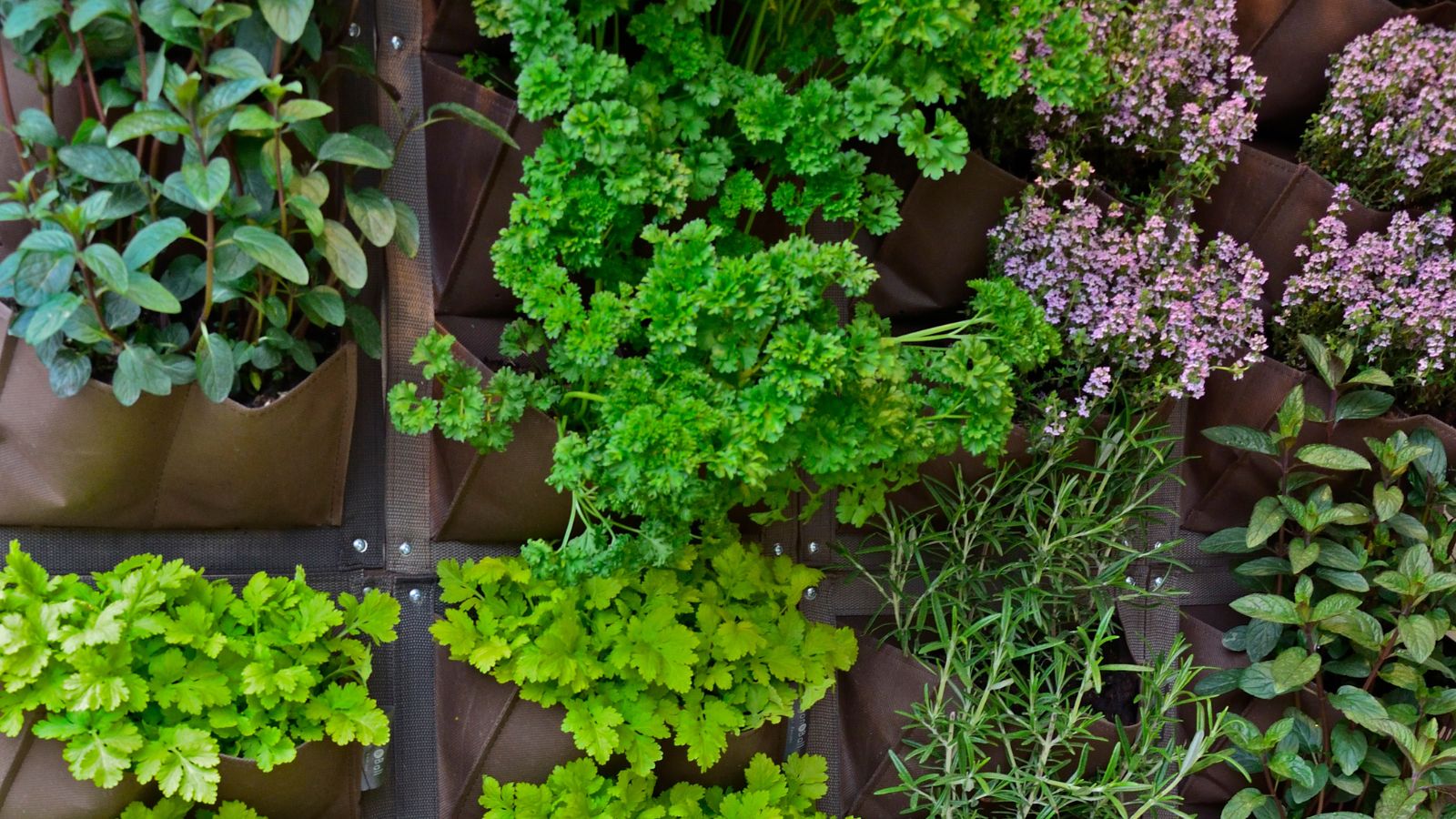
Image Credit: Deposit Photos.
Vertical gardens are architectural marvels. They turn a boring fence or wall into a lush tapestry of greenery. They save space, making them perfect for smaller yards, and they look incredibly modern and chic. It seems like a brilliant way to add more plants without taking up floor space.
The reality is that gravity is a formidable opponent. Water naturally wants to flow down, meaning the plants at the top often dry out while the plants at the bottom drown. Maintaining even moisture across a vertical structure requires a complex irrigation system or very diligent hand-watering. Furthermore, the pockets or containers used for these walls often have very little soil, meaning root systems are cramped and dry out faster than traditional pots. If one plant dies, it leaves a brown, gaping hole in your “wall of life,” ruining the entire aesthetic.
4. Open Fire Pits
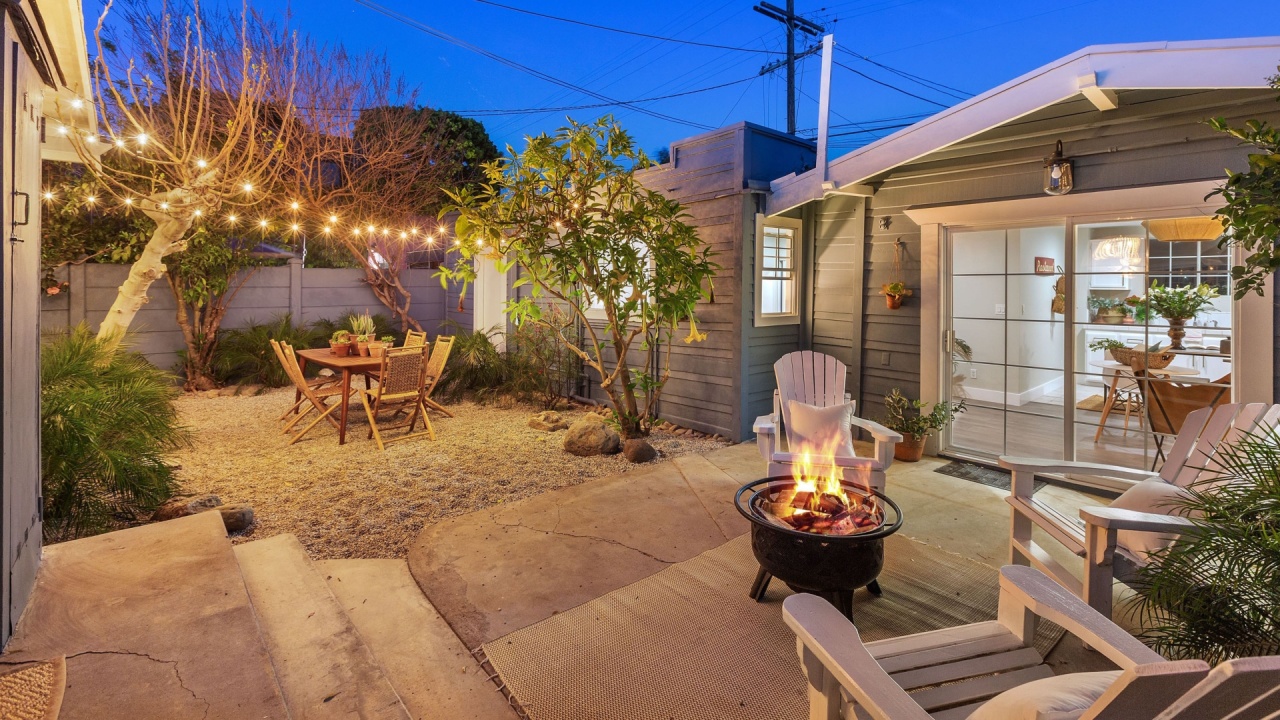
Image Credit: Shutterstock.
A fire pit is the essential gathering spot. You imagine roasting marshmallows, drinking hot cocoa, and laughing with friends around a crackling fire. It adds a focal point to the yard and extends the outdoor season into the cooler months. It feels primal and cozy. Unfortunately, wood-burning fire pits often produce more smoke than warmth. Unless you have a perfectly designed smokeless model, the wind will inevitably blow smoke directly into someone’s face, forcing a game of musical chairs all night.
Then there is the cleanup. Ash management is messy, and a fire pit full of wet, soggy ash after a rainstorm is an eyesore. Many municipalities also have strict burn bans or regulations about how far a fire must be from structures, which can limit where you can legally place one. The romance often fades after the third time you come inside smelling like a campfire for days.
5. Decorative Gravel Mulch
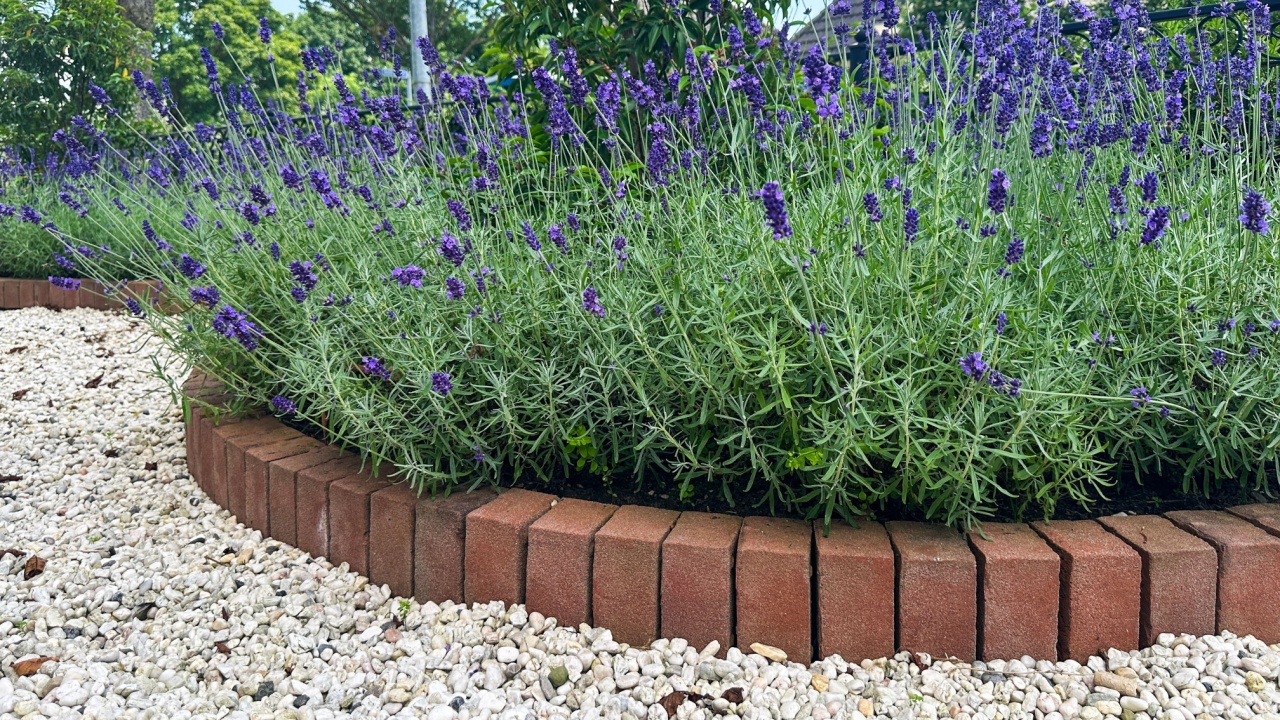
Image Credit: Shutterstock.
Replacing organic mulch with decorative gravel or river rocks looks sharp. It provides a clean, modern look and, unlike wood chips, it doesn’t decompose, so you don’t have to replace it every year. It seems like a “one and done” solution for garden beds. Unfortunately, rocks do not stop weeds. In fact, weeds love to grow in the dust and debris that settle between the stones.
Weeding a rock bed is significantly harder than weeding soil because you can’t easily get a tool in there to pull the roots. Additionally, rocks absorb and radiate heat, which can cook the roots of the plants they are supposed to be protecting. If you ever decide to change your landscaping later, removing tons of heavy gravel is a back-breaking, expensive nightmare compared to simply tilling in wood mulch.
6. Overly Complex Garden Layouts
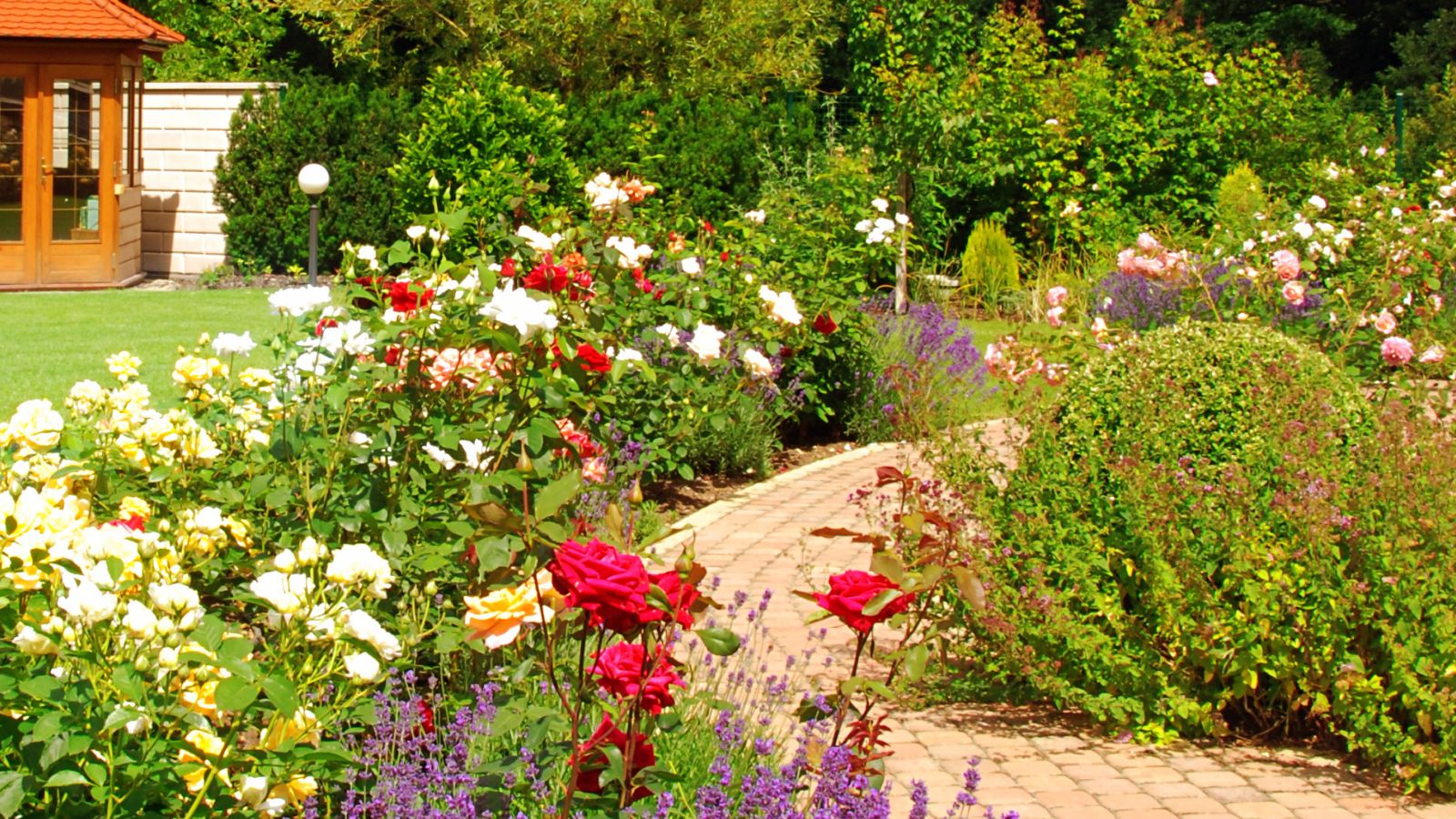
Image credit: YAY Images.
A garden with intricate pathways, geometric hedges, and distinct “rooms” looks like something out of a royal estate. It implies order and sophistication. You might sketch out a plan with a maze of boxwoods or designated zones for every type of flower imaginable. Complexity is the enemy of sustainability in a backyard. Every edge you create is an edge you have to trim.
Every separate zone requires its own maintenance schedule. Elaborate layouts often fight against the natural terrain of your yard, leading to drainage issues or awkward transitions. Nature is chaotic; it wants to grow wild. Trying to impose strict, complex geometry on living things requires constant vigilance and labor. Most homeowners eventually tire of the upkeep, and the crisp lines blur into an overgrown jungle that looks messy rather than designed.
Sprucing Your Backyard
Image Credit: Shutterstock.
It is easy to get swept up in the fantasy of a perfect backyard, but your outdoor space should serve you, not the other way around. If you are looking at your yard and feeling overwhelmed by the possibilities, take a breath. You don’t need a fountain or a vertical garden to enjoy the fresh air.
Focus on how you actually live. If you hate chores, skip the features that require daily attention. If you love plants, put them in the ground where they are happy, not on a wall where they struggle. A simple patio with comfortable chairs and a hardy, low-maintenance garden often provides far more enjoyment than a high-concept design that breaks your back and your bank account. Your backyard is for living in, so make it a place where you can actually relax.