The Secret to Growing Blue Hydrangeas
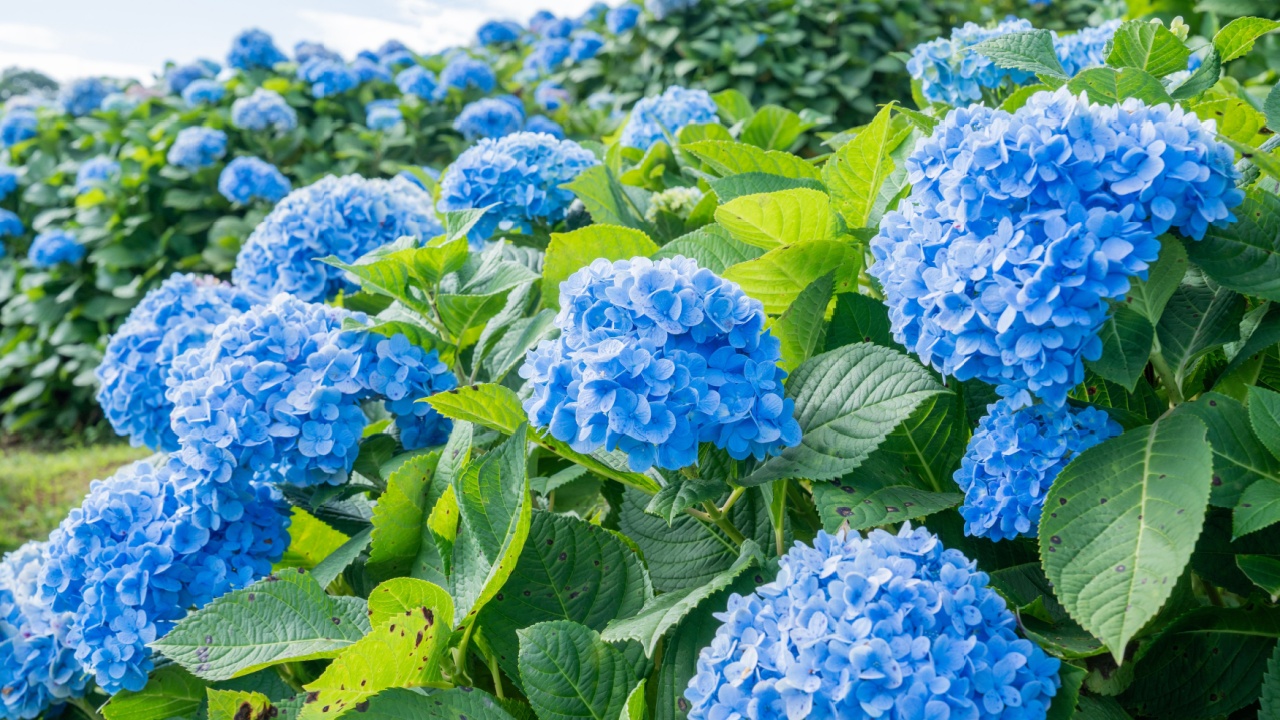
Coveting blue hydrangeas? The answer is in the soil.
You can buy a beautiful blue hydrangea from the nursery, but it won’t stay that way without help. In the absence of the right soil conditions, the plant will start to flower in white or pink rather than that lovely blue hue.
These stunning perennials do need a bit more care than, say, hostas or daylilies. But certain plants are worth a little more effort. Choose the right cultivars and apply some TLC, and you’ll enjoy glorious florals all summer long.
Here’s what you need for a true-blue experience, based on my own research and trial and error as a homesteader.
The Science Behind the Blue
Want blue blooms? Pay close attention to your soil’s pH and phosphorus levels.
A lower pH (6.5 or under) and lower phosphorus allow the plant to plant absorb more aluminum, which it needs to produce blue flowers. If the pH is higher, the aluminum in the soil gets locked down, which means white or pink blossoms.
Think of yourself as a garden chemist: The bluest hydrangeas come from the careful use of aluminum sulfate, in early spring and again in the fall. Follow directions exactly to avoid harming the plant’s roots.
Be patient, since it can take up to two years for the full effect. That’s because the changes will be to developing buds, rather than on the flowers you already have.
#NotAllHydrangeas
Only certain types will turn blue! Hydrangea macrophylla and Hydrangea serrata are the most reliable varieties.
Cultivars with proven track records include Nikko Blue, Endless Summer, and Blue Enchantress. Smaller spaces (including containers) can benefit from more compact varieties, such as Tiny Tuff Stuff and Let’s Dance Blue Jangles.
Hydrangeas need morning sun and afternoon shade. Choose your location carefully. They do best in well-drained soil with low phosphorus, moderate nitrogen, and high potassium. Use a 12-4-8 fertilizer each month from March through July.
Water when the top inch of soil is dry to the touch. Mulching with pine needles or bark will hold in moisture while boosting the soil acidity that helps hydrangeas thrive.
Keeping It Blue
If the blue begins to fade, your soil isn’t sufficiently acidic. Again, follow instructions exactly when adding aluminum sulfate to avoid harming the plant’s roots.
Note: Some people use coffee grounds or vinegar for a more natural way to acidify soil. However, the results will be less consistent.
Does all this sound like a lot of work? Look at it this way: Perennials like coreopsis and gaillardia practically grow themselves, which frees gardeners up to hand-hold their hydrangeas a bit.
Besides, soil testing and amending soon becomes just another garden chore – no different than staking tomatoes or pruning hedges. And the results are undeniable: Stunning swaths of blue flowers that set your garden apart from everyone else’s.
Anyone can grow a white or a pink hydrangea. Flex your gardening muscles and go for the blue.
Read more
8 Mistakes Sabotaging Your Hydrangeas
13 Tips for Fluffy, Perky Hydrangeas the Neighbors Will Envy