The Real Reason Smart Homeowners Are Investing in Battery Storage Systems Now
Let’s be honest for a second. If you’ve looked at your energy bill lately, you probably felt a bit of a sting. It isn’t just you, and it isn’t just “inflation” in some vague, distant sense.
We are currently navigating one of the most volatile energy markets in human history. Right now, smart homeowners are pivoting, and they aren’t just doing it to be “green.” They are doing it because the math finally makes sense, and the world outside is getting a little too unpredictable.
Between the chaos in the Middle East and the plummeting costs of technology, the home battery has moved from a luxury toy to a survival tool.
The Geopolitical Storm Hitting Your Wallet
To understand why everyone is suddenly obsessed with battery storage, we have to look at the map. The 2026 Iran war has essentially rewritten the rules of global energy security.
When the Strait of Hormuz was effectively closed on March 4, 2026, about 20% of the world’s oil trade was suddenly in limbo. That isn’t just a headline; it’s a direct hit to your bank account.
The International Energy Agency (IEA) didn’t mince words, calling this the largest supply disruption in history. Imagine 10 million barrels of oil per day just… gone from the market. That kind of shock ripples through everything from the gas in your car to the electricity powering your laptop.
This geopolitical mess is the primary reason why energy independence is no longer a “prepper” fantasy. When you see oil inventories being depleted at a record pace—faster than the consumption of the UK and Germany combined—you start looking for a buffer. For many, that buffer is a lithium iron phosphate battery sitting in their garage.
The Price of Freedom is Finally Dropping
While energy prices are rising, the cost of storing that energy is going the opposite way. According to BloombergNEF’s 2025 survey, the price of home batteries has dropped by a staggering 90% since 2010.
Just a few years ago, you were looking at $400 per kWh for a battery pack. Today, in 2026, that price has hit a sweet spot between $180 and $200 per kWh. This is the “gamechanger” that experts like Rebecca Dibb-Simkin from Octopus Energy are talking about. It means the barrier to entry has finally crumbled for the average professional.
In the UK, for instance, you can get a 5kWh model from Octopus for about £3,447. If you bundle it with solar, British Gas (via Hive) is offering a 5.32kWh unit for just £2,495.
These aren’t just costs; they are investments in a future where you don’t care what happens in the Strait of Hormuz. The typical payback period has shrunk to somewhere between nine and 13 years, but that’s a conservative estimate.
If you’re smart about using incentives and time-of-use tariffs, you could see that money back in as little as five years. In a world where bills are jumping by nearly £300 a year, that kind of math is hard to ignore.
It’s Not Just Money—It’s Your Mental Health

We don’t talk enough about the emotional toll of energy insecurity. New data from 2026 shows a heartbreaking link between rising bills and mental health struggles. Almost half of the adults in the US are currently facing some form of energy insecurity.
Research indicates that people in this position have more than double the odds of dealing with anxiety and depression. Think about that for a second.
Investing in a battery system isn’t just about the “return on investment” (ROI) in dollars. It’s about the ROI in peace of mind. It’s about knowing that even if the grid falters or the prices triple, your family is safe.
For many, the battery is the ultimate “stress-reliever.” Michelle Graff, an expert in energy policy and assistant professor at the Georgia Institute of Technology, points out that being able to afford a home doesn’t mean you can afford to heat or cool it safely. The battery changes that equation by giving you control over when and how you use the power you’ve stored.
Why the Tech is Finally Ready for Prime Time
We’ve moved past the era of experimental, finicky tech. By mid-2026, Lithium Iron Phosphate (LFP) batteries will have become the gold standard for homes. About 90% of all new battery deployments now use LFP chemistry.
Why does that matter to you? Because they are safer, more stable, and last longer than the old-school batteries in your phone. They handle the daily “cycling” of charging and discharging much better, which is exactly what you need for a home system.
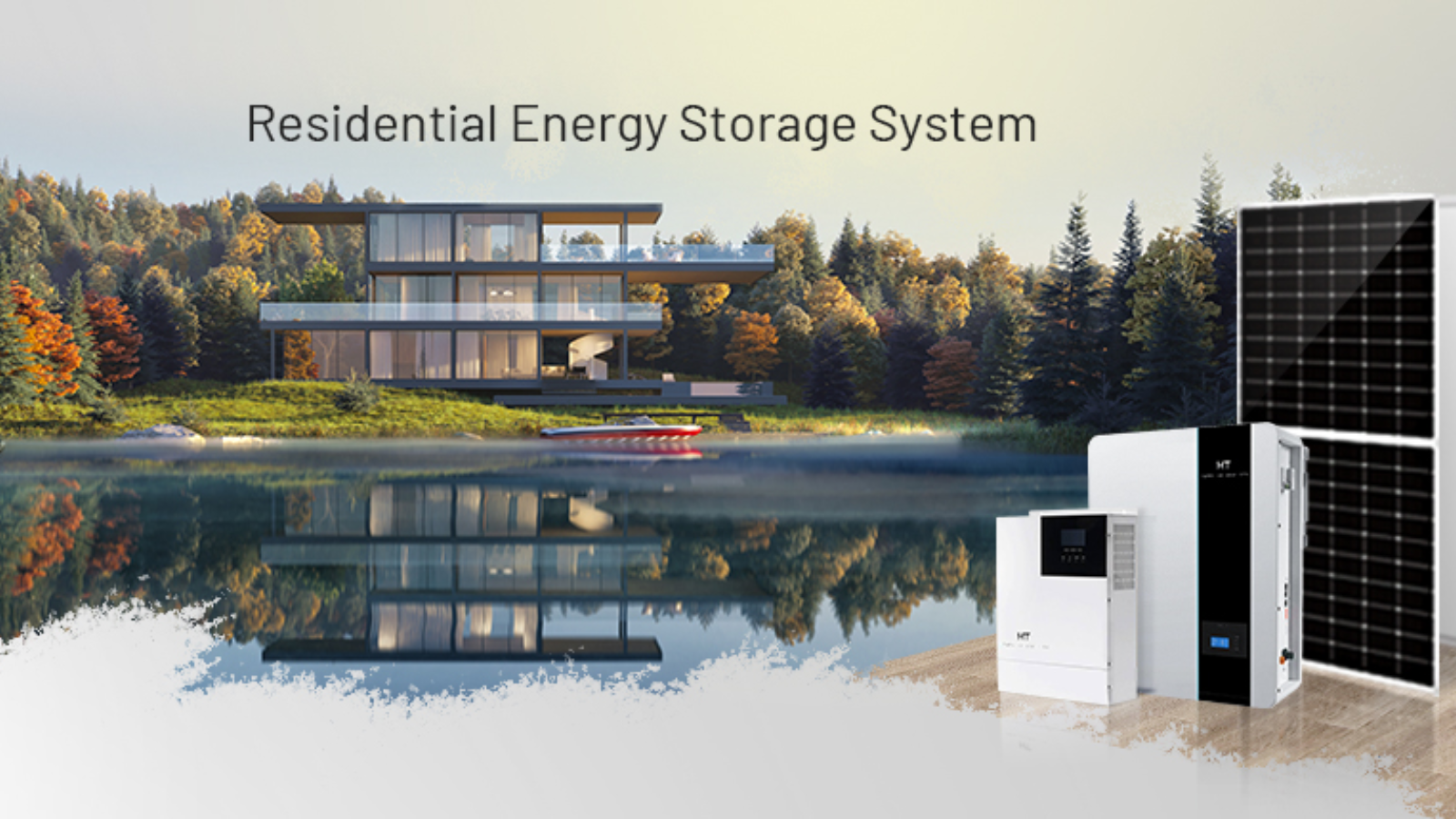
Plus, we are seeing the rise of modular designs. You can start small with a 4.8kWh setup and just stack more units on as your needs grow. It’s like building with Legos, but for your house’s power grid.
We are also seeing the birth of Vehicle-to-Home (V2H) tech. This means your electric car isn’t just for getting to work anymore. It can actually act as a massive backup battery for your house during a blackout. Considering an EV battery is usually much bigger than a home battery, this could keep your lights on for days.
The AI Factor: Why the Grid is Feeling the Squeeze

There’s a new player in the energy game, and it’s hungry: Artificial Intelligence. The massive buildout of AI data centers is putting an unprecedented strain on our electricity grid. By the end of 2026, we’re expecting over 353.4 GWh of new energy storage capacity to be added globally just to keep up.
A lot of that is going straight to data centers. As a homeowner, this should concern you because it means more competition for the same power you use. Americans are worried that these data centers will drive their personal bills even higher.
By investing in a battery now, you’re basically cutting yourself out of that competition. You’re creating your own private reserve so you don’t have to fight the tech giants for every kilowatt.
A Global Movement: From Milton Keynes to Mumbai
This isn’t just a local trend. The residential battery market is exploding everywhere. In Germany, residential batteries account for the bulk of storage deployments.
In the Czech Republic, a staggering 90% of new solar installations now include a battery. Over in Asia, the market is growing even faster, with a 24% annual growth rate. People across the world are realizing that the old way of “buying power as you go” is a massive risk.
Whether it’s to avoid the “peak-time” costs that can skyrocket in the evening or to provide backup during frequent grid disruptions, the motivation is the same.
In the UK, specific areas like Milton Keynes are becoming case studies for success. Households there are earning £300 a year just by selling their extra battery power back to the grid. When you add that to the £458 they save by avoiding peak prices, the system starts paying for itself very quickly.
The “Smart” in Smart Homeowner
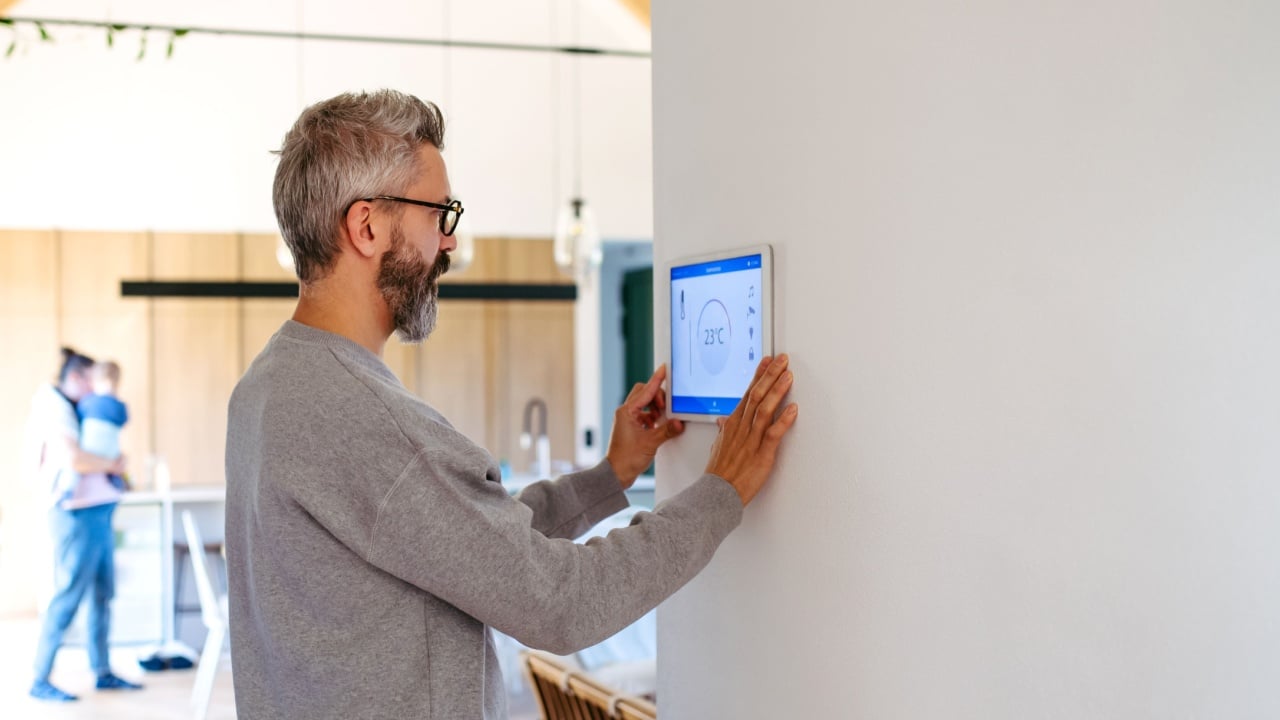
To really win at this, you have to be active. You can’t just install a battery and forget it. The real savings come from using apps to manage your usage. Smart Energy Management Systems (EMS) are now the core of a modern home.
They monitor the weather and electricity prices and decide when to charge your battery for you. It’s about making your everyday energy use “smarter and more resilient,” as Tom Pakenham from Hive puts it.
If you’re a busy professional, this is perfect because the automation does the heavy lifting for you.
Looking Toward 2033: A Future of Independence
If you think the market is big now, just wait. The residential battery market is expected to triple in value over the next seven years. We’re also going to see more “long-duration” systems that can store power for days, not just hours.
The goal is moving from “saving a few bucks” to total energy independence. We’re moving away from burning fossil fuels in our homes entirely. With heat pumps, induction cooktops, and big batteries, the modern home is becoming its own little power plant.
This transition is being driven by homeowners who are tired of being at the mercy of global politics. They want a home that is resilient, sustainable, and, most importantly, affordable to run.
Why You Shouldn’t Wait
The biggest mistake people make is thinking they have time to “wait and see.” But with the Iran crisis continuing to drain oil stockpiles at a record rate, we haven’t seen the last of the price spikes.
The International Energy Agency is already warning that “rapidly shrinking buffers” mean more trouble is ahead. On top of that, the incentives and tax breaks available now might not last forever. In the US, federal and state incentives are major drivers of solar-plus-storage.
In the UK, the move to smart tariffs is creating a “first-mover advantage” for those who can shift their usage overnight.
The Bottom Line
Is a battery a big purchase? Yeah, it is. But so is a car, and a car doesn’t pay for itself by saving you 87% on your commute. The “real reason” smart homeowners are investing now isn’t just one thing.
It’s the perfect storm of a 90% price drop, a 38% oil price surge, and the simple desire to sleep better at night. If you’re looking to protect your wallet and your sanity, there has never been a better time to look into storage.
Smart homeowners are investing in battery storage now because the 2026 Iran war has caused global energy prices to skyrocket, while battery technology costs have plummeted by 90% since 2010.
By pairing batteries with solar power and smart tariffs, households can save up to 87% on electricity bills and gain essential “energy independence,” which significantly reduces the anxiety and depression associated with energy insecurity. With AI data centers further straining the grid, these systems are no longer a luxury but a critical tool for financial and emotional resilience.