The Mistakes That Are Killing Your Container Cucumbers (And What to Do Instead)
If you’ve ever harvested a pot full of bitter, hollow cucumbers after a summer of work, you already know how wrong this vegetable can go.
Container cucumbers have a reputation for being finicky, and for a lot of gardeners, that reputation is earned. Not because cucumbers are actually difficult, but because most people are repeating the same half-dozen mistakes without knowing it.
Container-grown cucumbers can actually outperform in-ground plants. Because you control the soil, the drainage, and the placement, you sidestep many of the soil-borne diseases and pest problems that plague traditional garden beds. A single, properly set-up pot can yield weeks of crisp, sweet cucumbers worth $40 to $80 or more at organic retail prices from a patio, balcony, or back step. However, you have to set it up correctly.
Now is the time to get this right. Here’s what to stop doing, and what to do instead.
Stop Planting the Wrong Cucumber Variety. It’s the First Mistake That Dooms Your Harvest

Most gardeners reach for whatever cucumber seeds are on sale and wonder why their container plants never thrive. According to Savvy Gardening, cucumber varieties fall into two main categories: bush types, which form compact vines just two to three feet long, and vining types, which sprawl up to eight feet. For containers, bush varieties are the safer starting point; they don’t need elaborate trellising, and their compact root systems work well within the limited pot volume.
But variety selection goes even deeper than bush versus vining. The real insider knowledge involves two specific plant traits: parthenocarpic and gynoecious. Parthenocarpic varieties set fruit without pollination, which is a critical feature on balconies or urban patios where bee activity is low. Gynoecious varieties produce nearly all female flowers, which can result in up to twice the yield of a standard plant (but require the presence of pollinators). Find a variety that combines both traits, and you’ve solved two of the most common container cucumber failures at once, as noted by Nextdoor Homestead.
Top cucumber varieties for pots include Diva (sweet, thin-skinned, parthenocarpic, and consistently beloved by experienced container gardeners), Spacemaster and Salad Bush (compact and reliable), Patio Snacker (produces 4-inch mini cucumbers ideal for snacking), and H-19 Little Leaf (no pollination needed and highly disease-resistant, per the Old Farmer’s Almanac).
Never Use Garden Soil in a Container
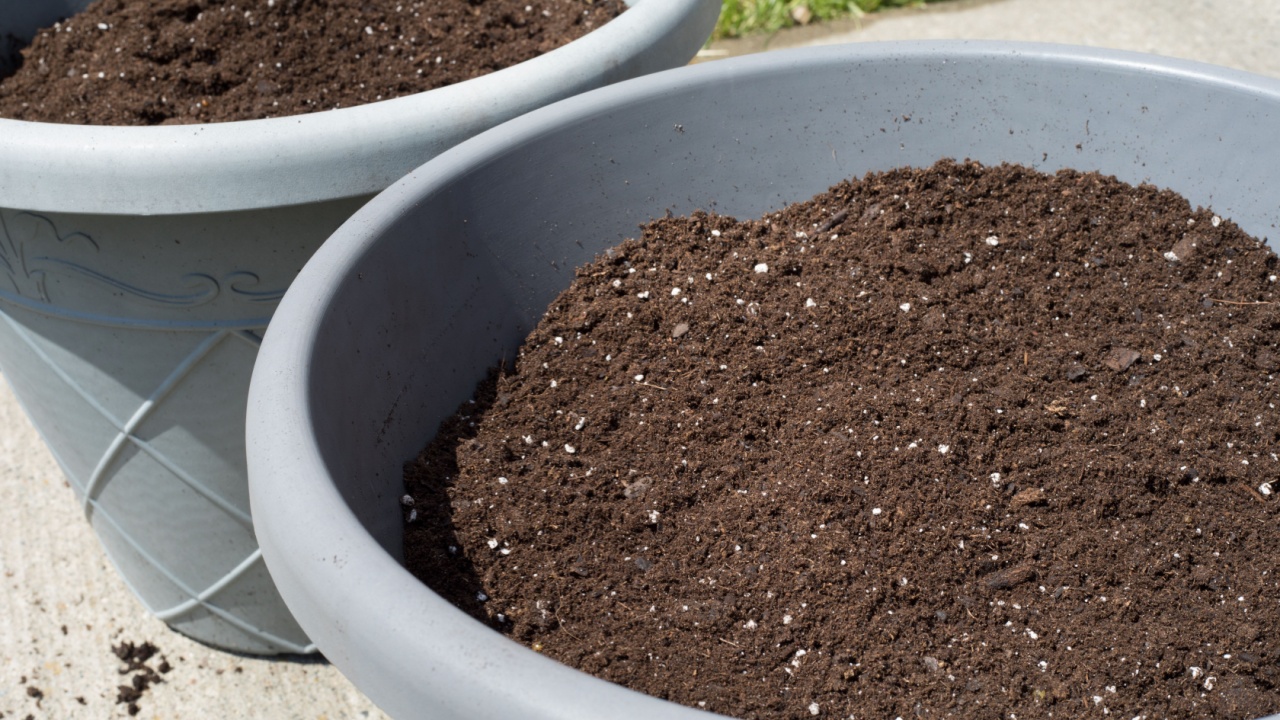
This one is non-negotiable. Garden soil compacts in containers, drains poorly, and slowly suffocates cucumber roots. The Old Farmer’s Almanac points out that many of the diseases that plague cucumbers are soil-borne, and starting fresh with a clean potting mix each season eliminates much of that risk.
The ideal container mix for cucumbers is lightweight, moisture-retentive, and rich in organic matter. A reliable DIY formula consists of equal parts quality potting mix and finished compost. For added drainage and aeration, include a portion of perlite. Target a soil pH between 6.0 and 7.0.
Growfully recommends adding mulch such as straw, chopped leaves, or pine shavings over the surface of the soil to retain moisture and moderate temperature swings during the hottest weeks of summer.
One upgrade worth making is investing in self-watering planters with built-in water reservoirs. Gardener’s Supply notes that self-watering containers provide insurance against the drying out that kills so many container cucumbers, especially for gardeners who travel or work long days and can’t always water on schedule.
The Right Pot Size (Most Gardeners Go Too Small and Wonder Why Nothing Grows)
If your cucumbers are stunted, flowering minimally, or producing undersized fruit, the pot is probably the first place to look. Cucumbers develop an extensive root system, and when that system hits the walls of a too-small container, growth stalls. Thresh Seed Co. notes that cucumber roots can extend roughly three feet in all directions when grown in open soil, making containers a genuine compromise that requires compensating with the right size.
The minimum is five gallons of soil volume per plant, with a container at least 12 inches deep. Bigger is always better. A 20-inch pot can accommodate four to six bush plants. As for container material, plastic is lightweight, affordable, and retains moisture well. Fabric grow bags air-prune roots for a denser root system and handle heat well. Wooden planters (cedar or pine — never treated wood) insulate roots and retain moisture. Avoid black plastic pots in hot climates; they absorb heat and can bake roots. Whatever container you choose, drainage holes are not optional.
A trellis is equally non-negotiable, even for bush varieties. As Kellogg Garden notes, once cucumbers begin to fruit, vines get heavy. Vertical growing keeps plants upright, improves airflow to reduce powdery mildew, and allows fruit to hang freely, producing the straight cucumbers you’re used to seeing at the market.
Stop Moving Your Cucumbers to the Shade, And Water Them Instead
This is the mistake that experienced container gardeners almost universally make at least once before learning their lesson. When cucumbers begin to wilt in midsummer heat, the instinct is to move the pot to a shadier spot. Don’t. Nextdoor Homestead documents this error directly: cucumber plants moved to partial shade grew leggy and stunted from receiving only around six hours of sun per day, even in a hot climate. The problem was never the sun; it was underwatering.
Cucumbers are made of roughly 95% water, and container soil dries out far faster than in-ground beds. In temperatures reaching the high 90s to low 100s degrees F, experienced growers water container cucumbers thoroughly twice a day for young plants and once a day at maturity. For most home gardeners, once daily is the baseline in summer. The knuckle test works well: push a finger into the soil past the first joint: if it feels dry, water thoroughly until water runs from the drainage holes.
What most gardeners don’t realize is that moisture stress is the direct cause of bitter cucumbers. Bitterness signals plant stress, usually from inconsistent watering during fruit development, and thus is almost entirely preventable. Keep the water consistent, and your cucumbers will stay sweet.
Fertilizing Container Cucumbers: What Nursery Pros Know That Most Gardeners Don’t
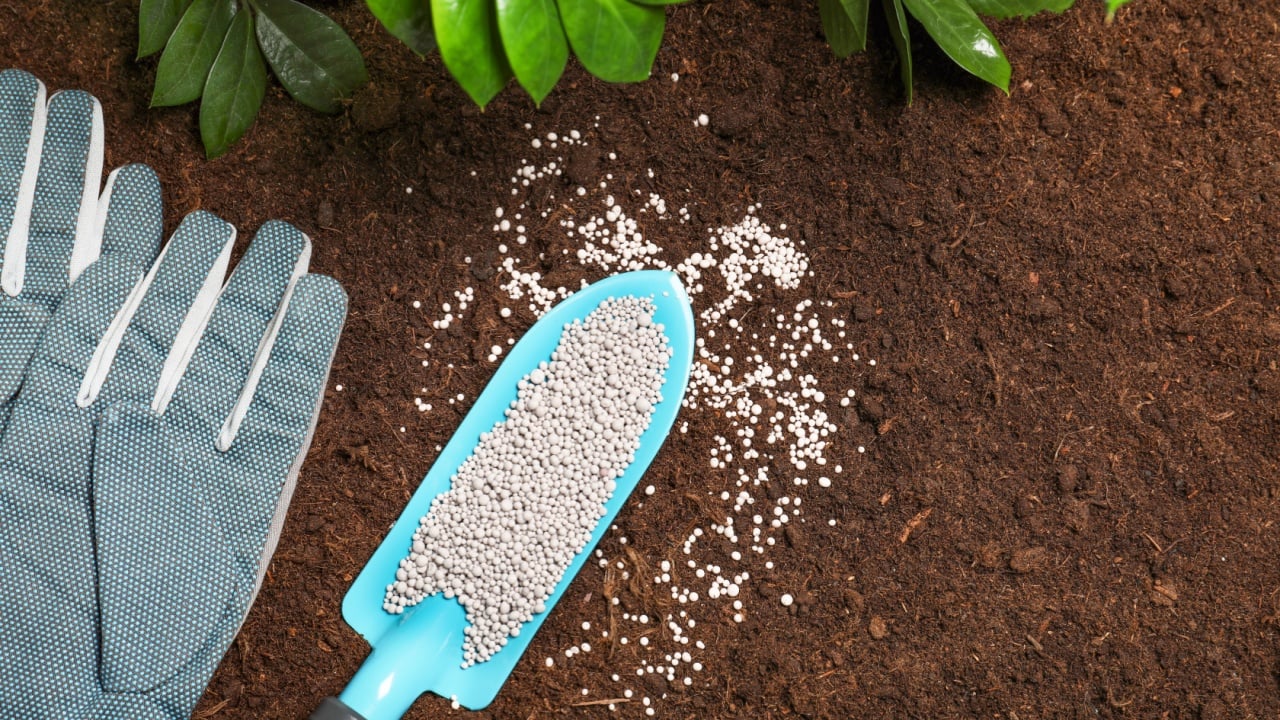
Cucumbers are heavy feeders, and container gardening creates a nutrient problem that in-ground beds don’t have. When you water a container as frequently as cucumbers demand, nutrients wash out the bottom of the pot at every watering. As Nextdoor Homestead explains, clay garden soil holds positively charged nutrients like potassium through electrical attraction, but a container of compost and peat moss does no such thing. Those nutrients rinse straight through.
The fix is straightforward but requires consistency. At planting time, work a slow-release granular fertilizer into the soil mix to give the plant a nutritional baseline for its first several weeks. Then, beginning two weeks after planting, apply a liquid vegetable fertilizer every two weeks throughout the season. Use a low-nitrogen formula; excess nitrogen pushes leafy growth at the expense of fruit. In hot climates where daily watering is the norm, every ten days is a better interval than every two weeks.
Don’t Panic When Your Flowers Fall Off
One of the most reliable sources of mid-summer alarm for new container gardeners is a cucumber plant covered in flowers that drop off without producing a single fruit. This is almost always normal, and it has a simple explanation.
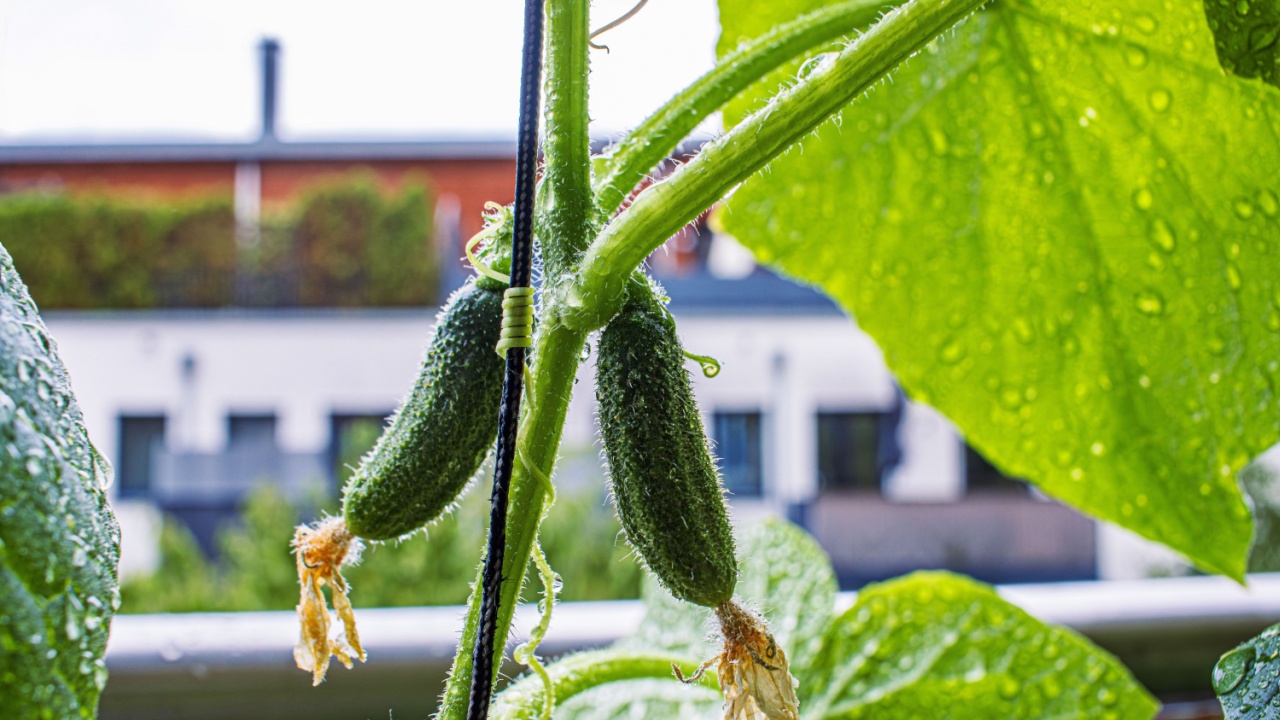
Gardener’s Supply notes that the first flush of flowers on a cucumber plant is typically male flowers. Male flowers have no small fruit bulge at their base; they appear first, in quantity, then drop. Female flowers, which appear with that tell-tale small swelling at the base and will become the cucumber, appear shortly after.
In low-pollinator environments (balconies, screened patios, urban rooftops), hand-pollination may be necessary. The technique is simple: use a small paintbrush or cotton swab to transfer pollen from a male flower’s center to the center of a female flower. Do this in the morning when flowers are fresh and open. Many parthenocarpic varieties eliminate this step, which is one more reason to prioritize them for container growing.
Pests and Disease: What to Watch for Before It’s Too Late
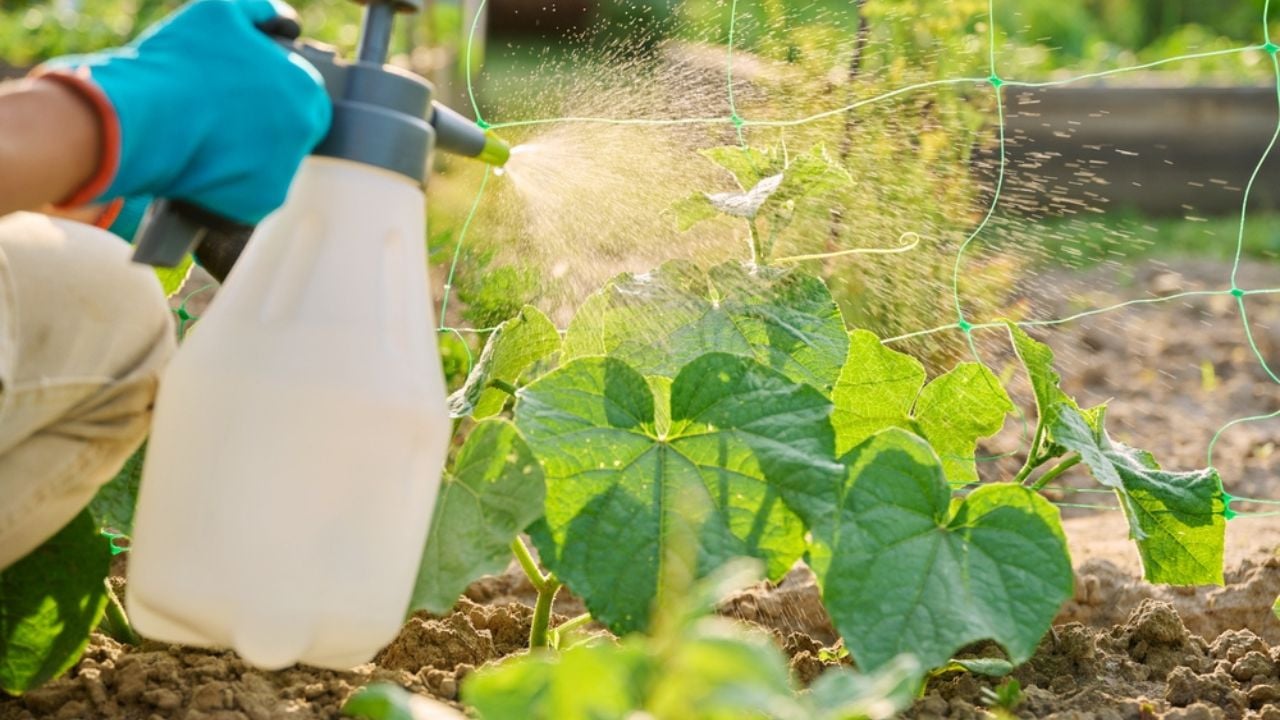
Container growing reduces but doesn’t eliminate pest and disease pressure. The most common disease in container cucumbers is powdery mildew, which appears as white powder dusted across leaf surfaces. It thrives in humid conditions when plants are stressed or when airflow is poor. Remove any severely affected leaves immediately.
Two DIY treatments work reliably: mix one teaspoon of baking soda with one drop of dish soap and one quart of water, then spray on leaves; or dilute one part milk with nine parts water and apply as a foliar spray after each rain, which, per Gardener’s Supply, discourages fungal growth through enzymatic action.
For insect pests, cucumber beetles (yellow-black, fast-moving) respond well to neem oil spray; their orange egg clusters, found on the undersides of leaves, should be destroyed on sight. Squash bugs are brown, shield-shaped, and slower, and are easy to hand-pick and drop into soapy water. For whiteflies, inexpensive yellow sticky traps near the pot reduce populations without any spraying. Cover newly planted seedlings with garden fabric until flowers begin to open, which protects young plants during their most vulnerable stage.
Harvest Before It’s Too Late, And Keep the Cucumbers Coming All Season
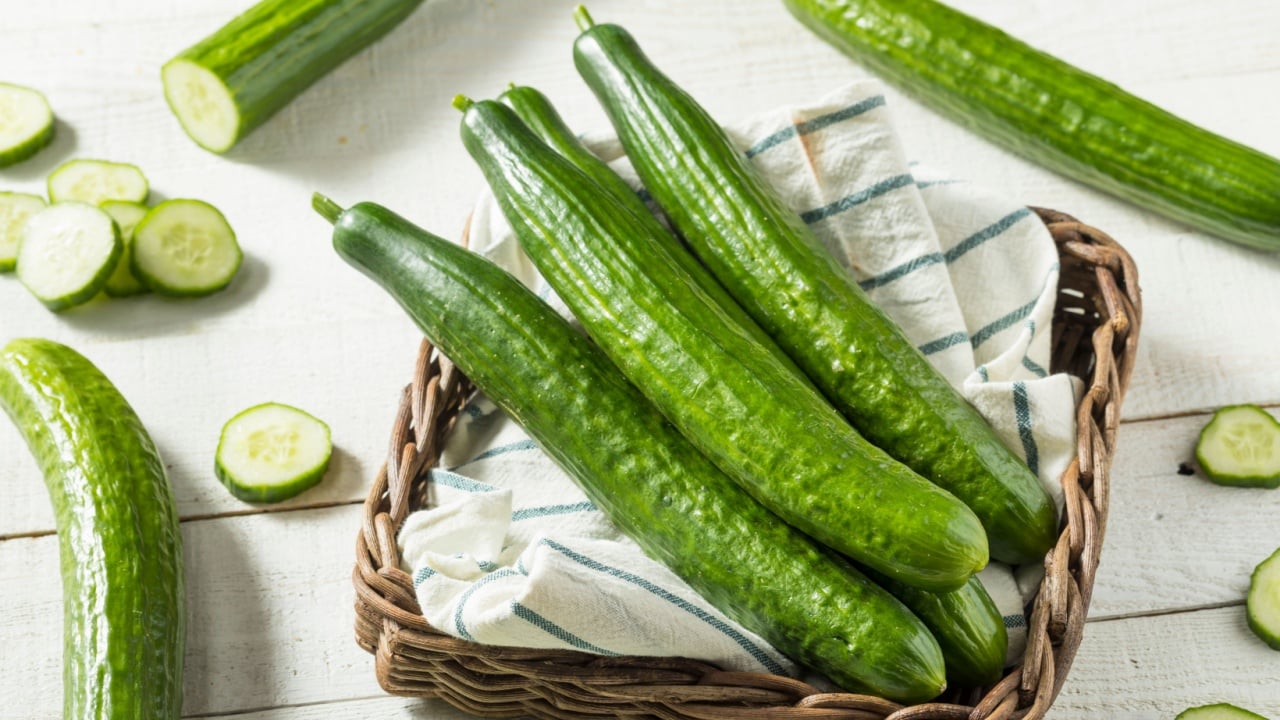
The fastest way to kill a container cucumber’s production is to leave ripe fruit on the vine. When a cucumber is left to mature and yellow, the plant reads the signal as mission accomplished and slows or stops new fruit production. As the Old Farmer’s Almanac advises, pick while cucumbers are small and tender, using a knife or pruners rather than pulling, which can damage the vine.
For most varieties, that means harvesting at 6 to 8 inches for slicers, and 3 to 4 inches for pickling types. Check daily once fruiting begins; cucumbers can go from perfect to overripe in 24 to 48 hours during peak summer heat. Store harvested cucumbers in perforated plastic bags in the refrigerator, where they’ll keep for 7 to 10 days.
To extend your harvest deep into summer and early fall, consider succession planting: start a second container two to four weeks after the first. HGTV notes that staggered planting ensures fresh cucumbers over a longer period and prevents the mid-season production gap that frustrates so many gardeners expecting a sustained harvest.
One 5-gallon pot, one good variety, and a handful of consistent habits. That’s all it takes to grow more cucumbers than you can eat from a space the size of a doormat. The people over 50 who’ve discovered container vegetable gardening in recent years know something that traditional gardeners have been slow to realize: you don’t need a big yard. You need the right setup.
This year, skip the mistakes and set your cucumbers up to actually deliver.
Read more:
Plant these 10 companion plants with your tomatoes — and stop planting these 4
12 set it and forget it perennials that thrive on neglect