The Best Free Garden Planning Tools for 2026 (No Subscriptions Required)
Every great garden starts with a plan: not necessarily a perfect one, but a deliberate one. A thoughtful system saves seeds, space, and time, turning what could be months of guesswork into a clear sequence of decisions made well before your hands ever touch the soil. It also prevents one of the most common mistakes home gardeners make: overcrowding beds in the excitement of spring, only to find themselves scrambling by midsummer with leggy tomatoes competing for light, herbs bolting in the heat, and no room left for the fall crops that could have extended the season by weeks.
Good planning tools help you track planting dates down to your specific frost zone, understand the spacing each variety actually needs to thrive and anticipate harvest windows so you’re not buried under thirty pounds of zucchini in July with nothing coming in by September. The right approach lets you stagger sowings, rotate crops to protect your soil, and make the most of every square foot you have to work with. Whether you’re mapping out a small raised bed on a patio or managing a sprawling backyard plot, a solid plan is what makes a garden feel intentional instead of overwhelming, and what keeps you coming back to it year after year.
The Best Free Digital Garden Planning Tools
The good news? The best free gardening planning resources now make it easier than ever to stay organized without spending a dime.
As a Master Gardener in the State of Colorado, I’ve rounded up my favorite free digital garden planning tools to keep you on track this summer.
Zone-Specific Planting Calculators
Free planting schedulers and zip-code–based calendars calculate when to start seeds indoors and when to transplant outside. Many tools even plot succession planting automatically, which is especially helpful in long growing seasons.
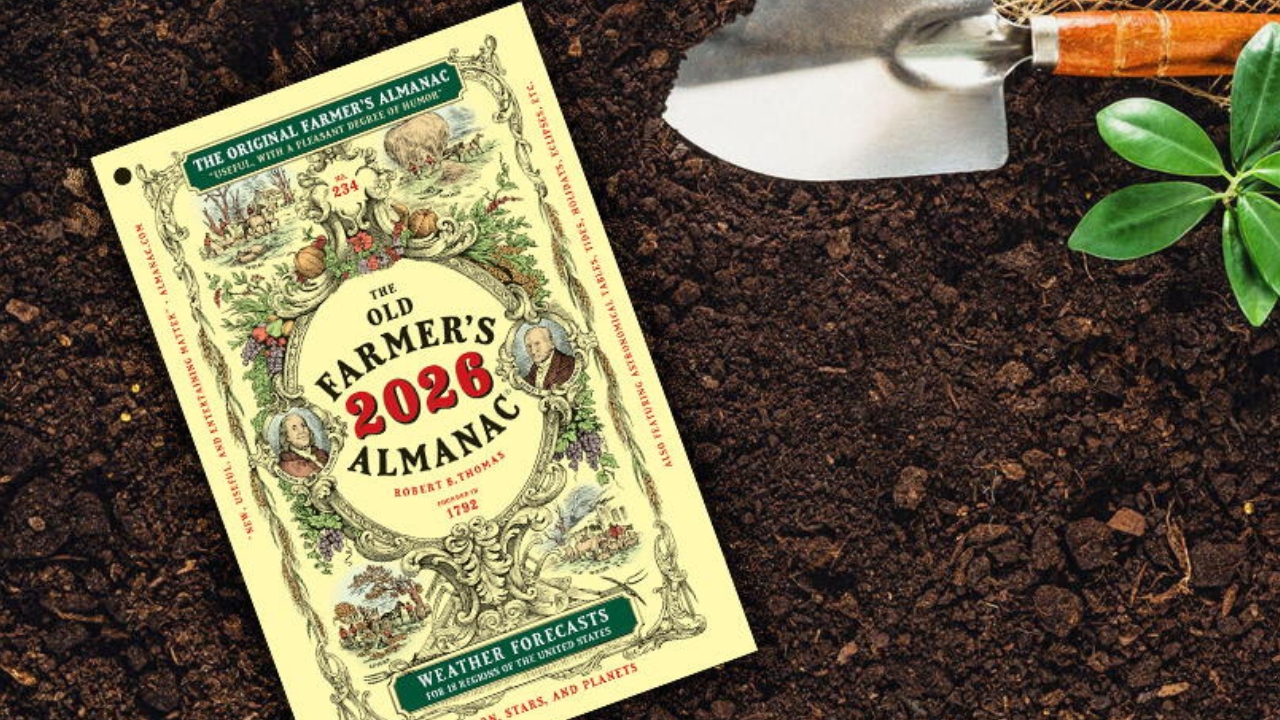
The Old Farmer’s Almanac is one of my favorite, simple zone-specific planting calculators available. Simply enter your zip code, and it will return a calendar of dates for seed starting and planting outside from spring through fall.
As Trees.com explains, planners “teach you how and when to sow, plant, care for, and harvest your garden crops”. That timing guidance alone can transform your yields.
Layout & Bed Planners
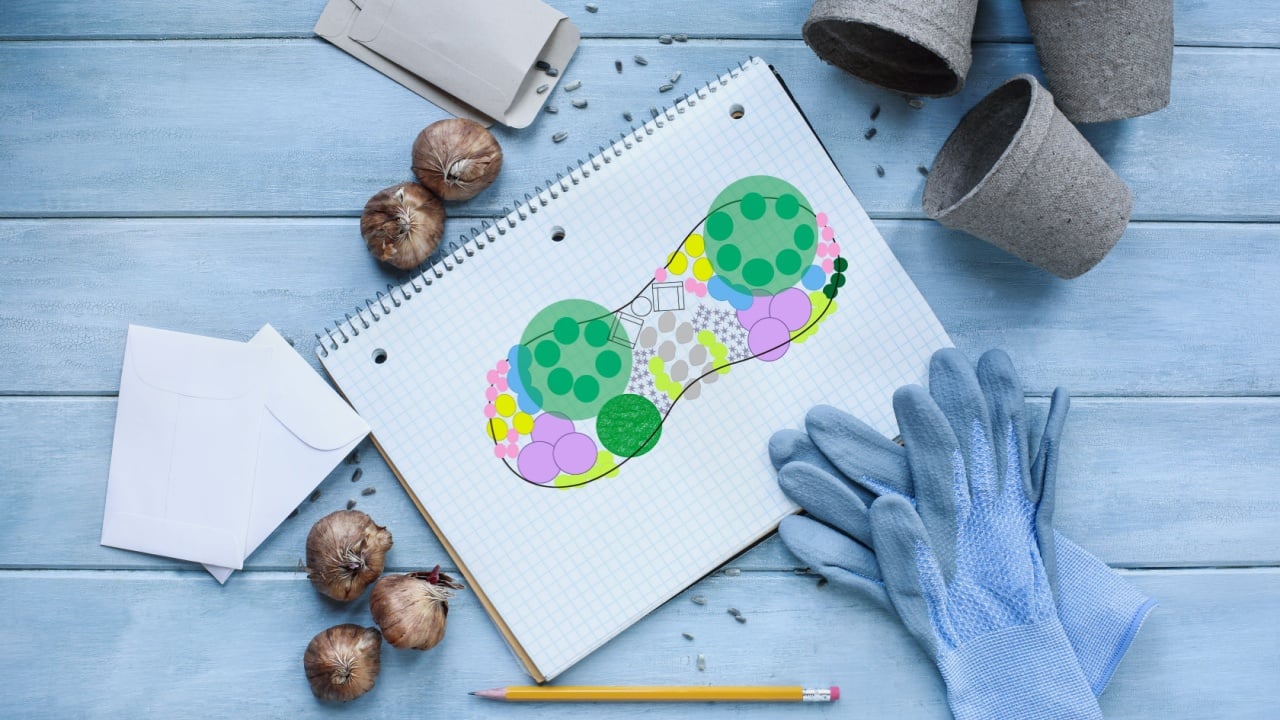
Drag-and-drop planners are ideal for raised beds and square-foot gardening. These tools show how much space each plant truly needs, helping to eliminate the crowdscaping so many gardeners regret by July.
The free version from Gardener’s Supply is one of my favorite drag-and-drop planners, although there are many similar versions available on other websites that allow you to map exact bed dimensions, calculate soil needs, and even print layouts for easy reference.
Companion Planting & Reference Apps

Companion planting charts, pest guides, and plant encyclopedias are often built into free apps. These quick-reference tools make it easy to pair tomatoes with marigolds or check spacing while you’re standing in the garden.
I often reference the companion planting guide provided by the Old Farmer’s Almanac or Burpee’s Seeds when planning my garden, but there are numerous guides available online. Many also offer plant identification and regional growing advice, reducing guesswork when trying something new.
Printable & Low-Tech Free Gardening Planning Resources
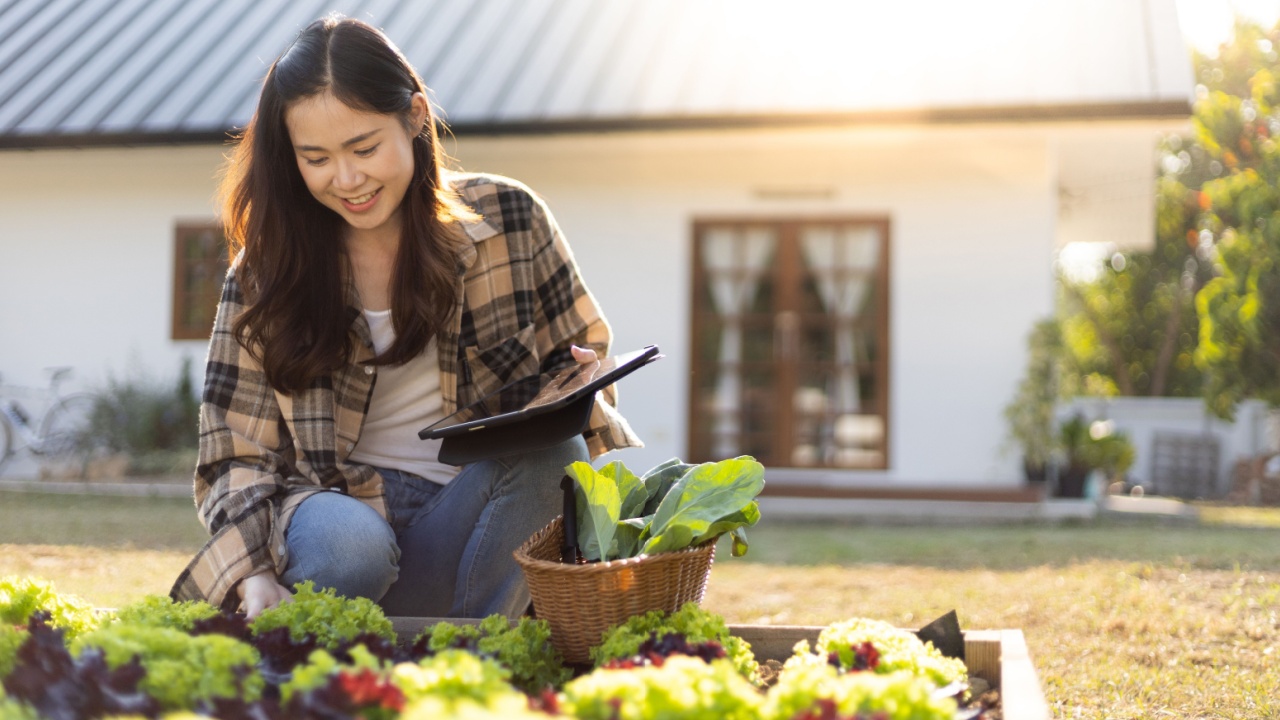
Digital isn’t the only path. Printable planners and simple garden journals remain powerful tools. Writing things down as the garden season evolves reveals patterns about what thrived, what bolted, and what struggled.
Even a simple weekly note in your physical garden planner or journal can prevent repeating mistakes next season.
A hybrid system that consists of digital calendar reminders paired with a handwritten journal often feels less overwhelming than relying on one complex platform.
How to Choose the Right Tool for You

If you’re newer to planning, start simple: a frost-date calculator and a basic bed layout tool. If you garden year-round or grow multiple successions, look for calendar-based reminders.
The best free gardening planning resources aren’t the most advanced; they’re the ones you’ll actually use.
With the right free tools in place, 2026 can be the year your garden feels calm, productive, and beautifully intentional.
Read More
The 7 Best Garden Items to Thrift This Fall
9 Smart Ways to Save Money in the Garden Before Fall Ends