
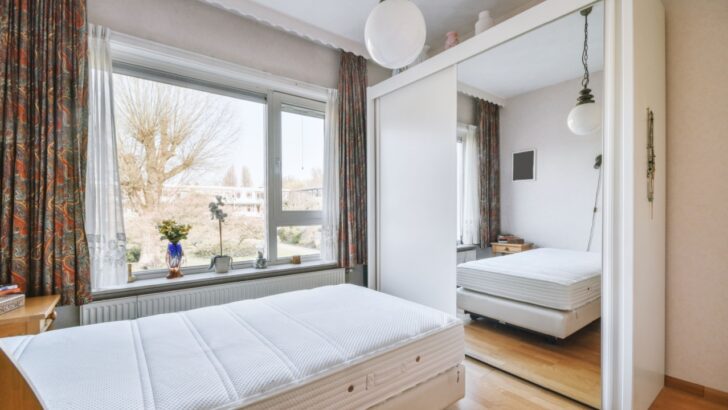
Mirrors do more than reflect a face or a passing outfit. Placed well, they stretch light, steady a room, and quietly fix awkward proportions. Placed poorly, they highlight clutter, cast odd shadows, or leave a space feeling unsettled for reasons no one can quite name.
Let’s find out the smartest and weakest spots for mirrors at home, with clear reasons and practical follow-ups that fit real houses, not showrooms.
1. Best Place: Opposite or Near a Window
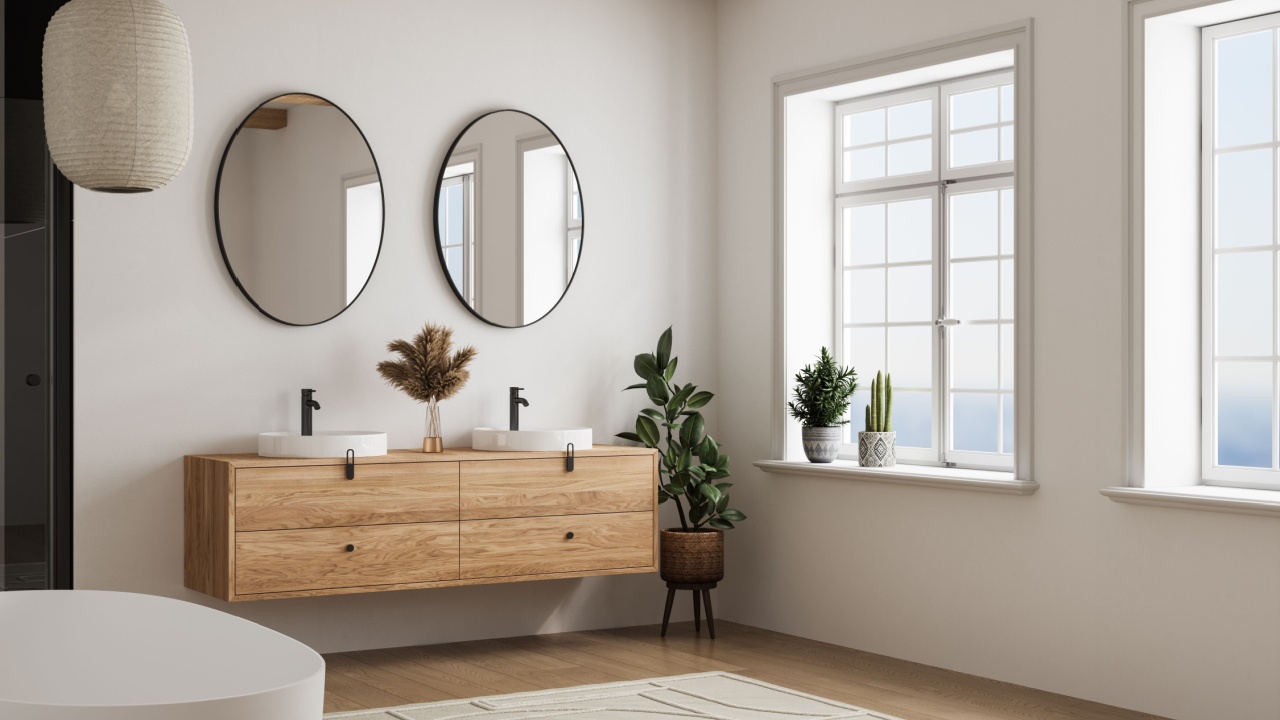
Image Credit: Shutterstock.
A mirror positioned across from a window pulls daylight deeper into a room. This works especially well in living rooms, dining areas, and hallways that feel dim during the day. The mirror reflects outdoor light and a slice of the view, making the space feel more open and awake.
Avoid placing it directly where glare becomes distracting. The goal is soft bounce, not blinding shine. Frames matter here. Simple wood or metal keeps the focus on light, not decoration.
2. Best Place: Entryway or Foyer

Image Credit: Shutterstock.
An entry mirror earns its keep. It offers a last look before heading out and helps small foyers feel less boxed in. Hung at eye level or slightly above a slim console, it creates balance and a clear landing spot for the eye.
Avoid oversized mirrors in narrow entries that already feel tight. Proportion matters more than scale here.
3. Best Place: Above a Fireplace or Sideboard

Image Credit: Shutterstock.
A mirror over a fireplace or dining sideboard brings height and structure. It reflects the room rather than people, which keeps the effect calm and decorative. This placement suits formal living rooms and dining spaces where symmetry matters.
Keep the mirror centered and sized to the furniture below. Too small looks lost. Too large overwhelms.
4. Worst Place: Directly Facing the Front Door
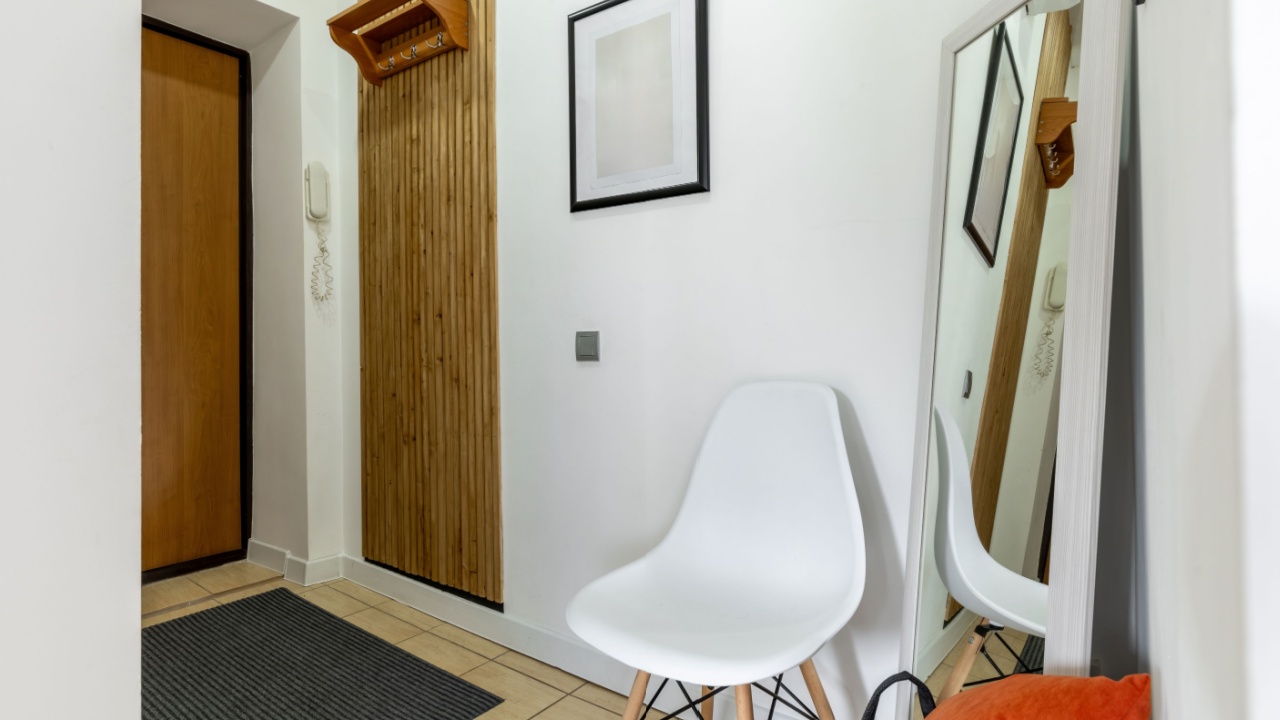
Image Credit: Shutterstock.
A mirror facing the main entrance reflects movement nonstop. It can make an entry feel restless and visually busy. Guests often catch their reflection mid-step, which feels awkward rather than welcoming.
This placement also highlights clutter brought in from outside, from shoes to shopping bags.
5. Worst Place: Behind Seating Areas
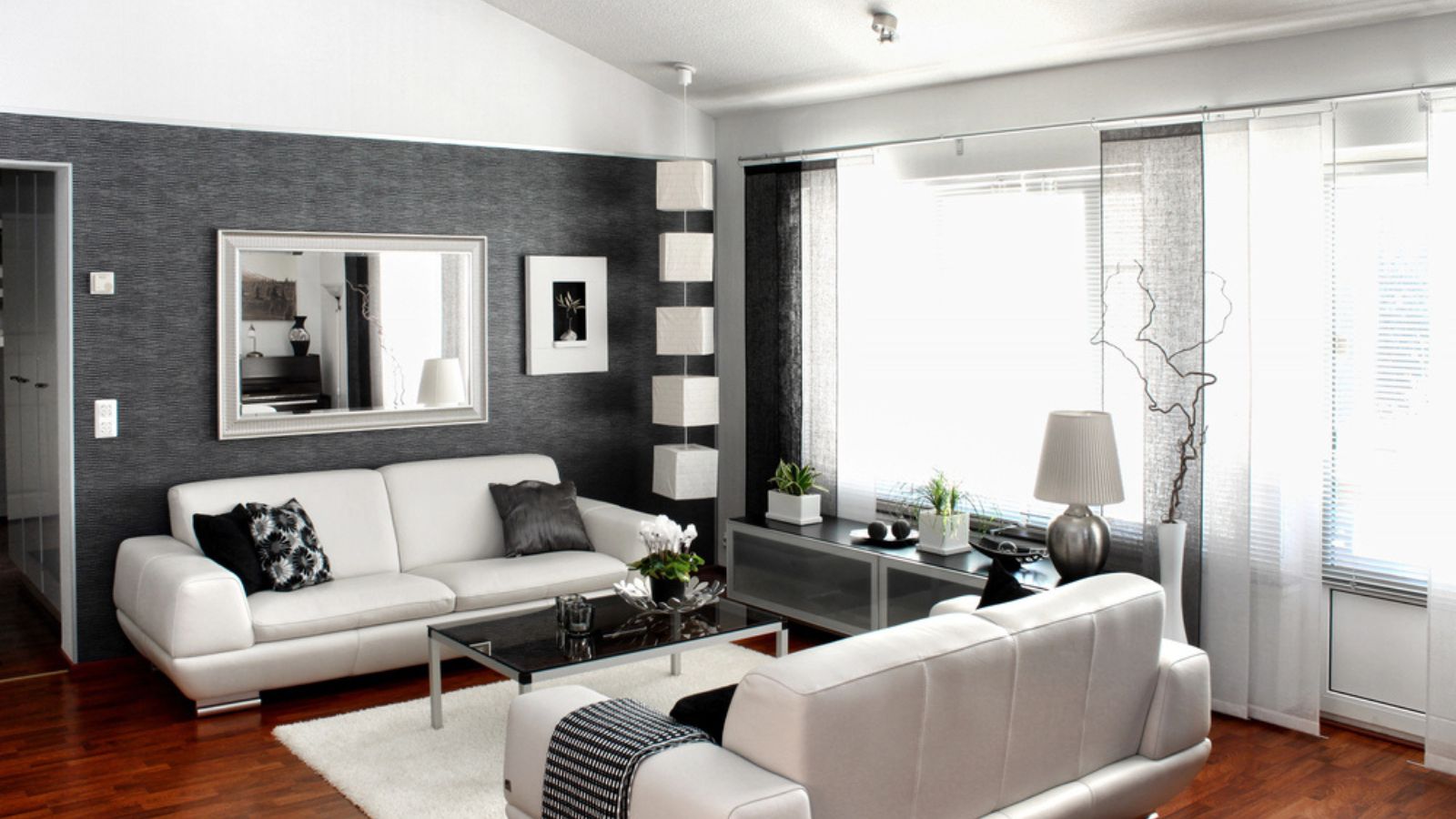
Image Credit: Deposit Photos.
Mirrors placed behind sofas or chairs often reflect the backs of heads and furniture, which adds little value. In dining areas, this can feel especially uncomfortable, with constant motion in the background during meals.
This placement tends to amplify visual noise instead of calming a room. Move the mirror to reflect artwork, plants, or open floor space instead.
6. Worst Place: Bedrooms Facing the Bed
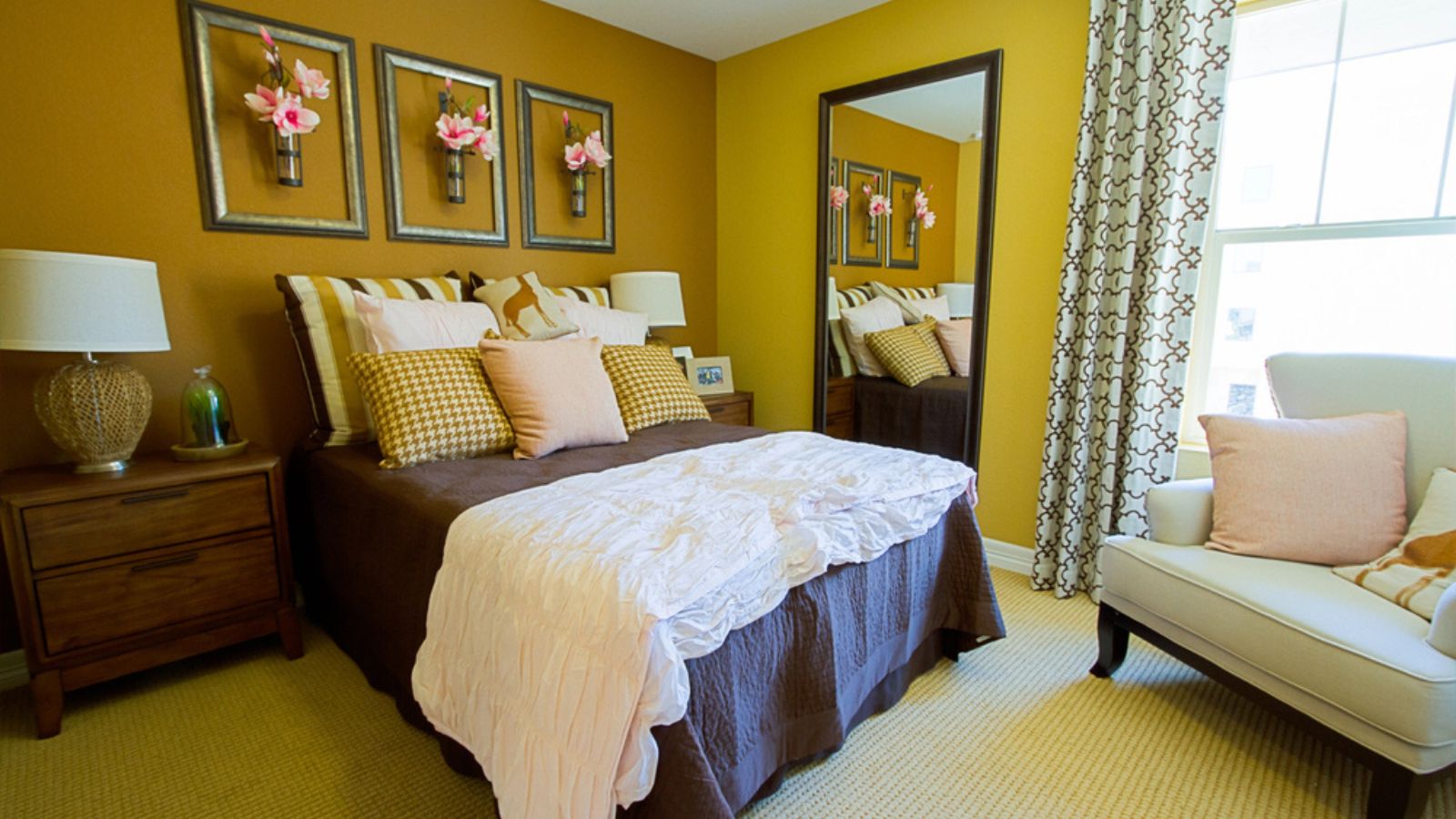
Image Credit: Deposit Photos.
A mirror directly facing the bed draws attention at the wrong moments. It reflects movement, light from devices, and early morning brightness when rest should come first. The room can feel unsettled even when everything else is calm.
Side placements or closet doors work better if a bedroom mirror is needed. Place mirrors inside closets or on side walls where they serve a function without dominating the room.
Mirrors That Add Value
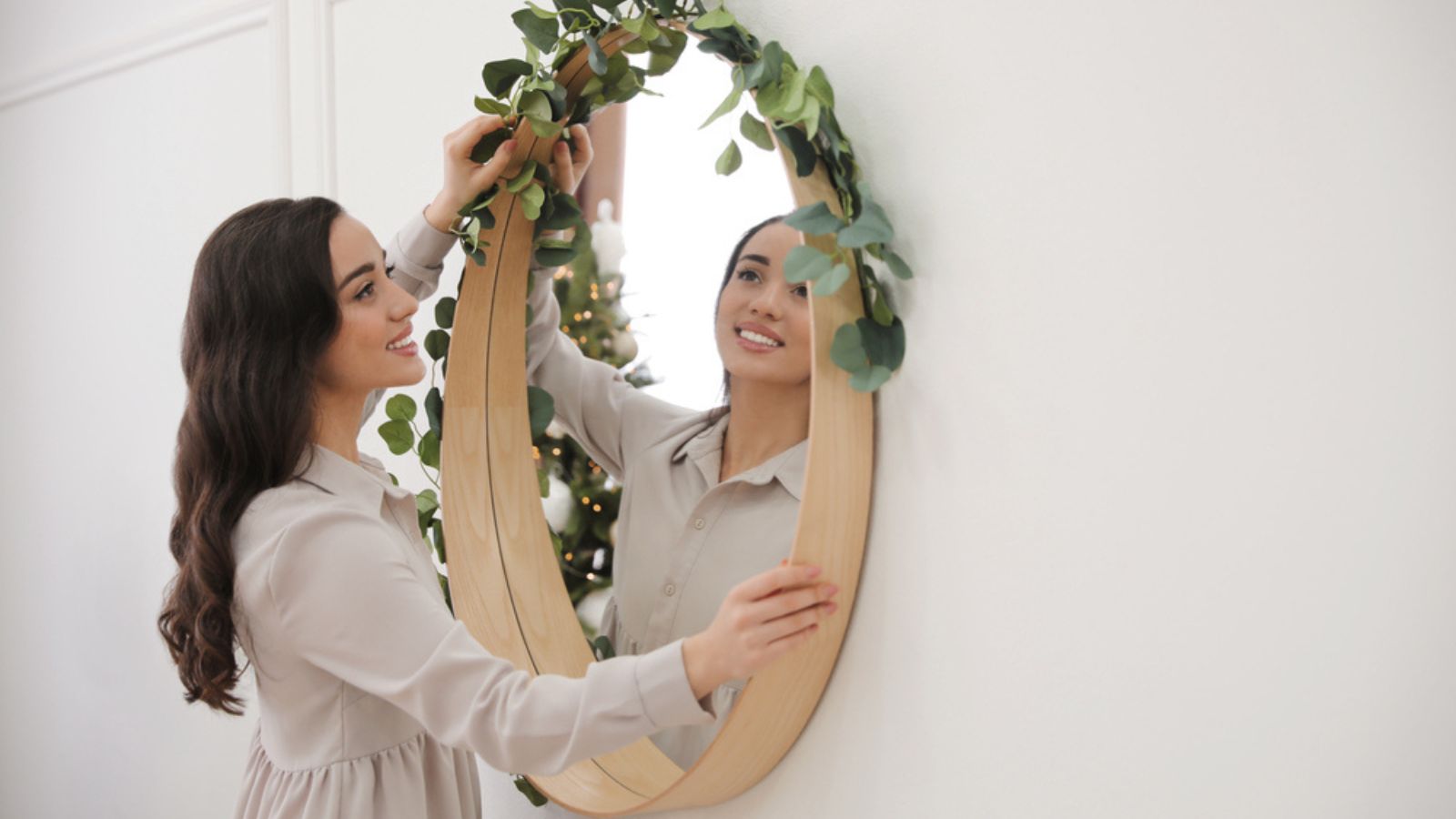
Image credit: Deposit Photos.
Mirrors succeed when they reflect light, space, or something worth seeing. Before hanging one, stand in the spot and notice what will appear in the glass at different times of day. If the reflection feels calm and useful, the placement likely works.
Small shifts in height or angle often make the difference between a mirror that blends in and one that quietly improves the whole room.