

A home in many U.S. cities now requires a household income far above the national average. In some metros, six-figure salaries barely cover mortgage payments on a typical property. In others, housing costs still line up with more realistic earnings.
The cities below reflect places where average home prices and monthly payments stay closer to what many households actually make. Together, they offer a clearer view of where homeownership feels reachable and what income levels support a stable, comfortable lifestyle.
1. Pittsburgh, Pennsylvania — Around $65,200

Image Credit: Shutterstock.
Data from Realtor.com shows that Pittsburgh stands out as one of the most approachable large metro areas for homebuyers. Median home prices remain relatively modest, keeping monthly mortgage payments manageable on an income just above $65,000.
The city’s lower overall cost of living helps stretch paychecks further, leaving room for utilities, transportation, and savings. Buyers often find a mix of older homes with character and updated properties in walkable neighborhoods, which keeps options open across different budgets.
2. Cleveland, Ohio — Around $66,500

Image Credit: artaxerxes_photo / Shutterstock.
Cleveland offers a rare balance of city amenities and restrained housing costs. Home prices hover in a range that allows a mid-$60,000 income to cover mortgage payments without overwhelming a household budget.
Healthcare, education, and manufacturing continue to anchor local employment, which adds stability for buyers planning to stay long term. Neighborhood research matters here, since prices and property taxes can vary widely within the metro area.
3. Detroit, Michigan — Around $67,900

Image Credit: Wangkun Jia / Shutterstock.
Detroit’s housing market spans a broad range, which keeps entry costs lower than in many similarly sized cities. A household income under $70,000 can support homeownership while still leaving financial breathing room.
Many buyers use the affordability to invest in renovations or build savings alongside their mortgage. Careful inspection is important, especially with older housing stock, but the lower upfront cost often offsets future repairs.
4. Buffalo, New York — Around $69,200
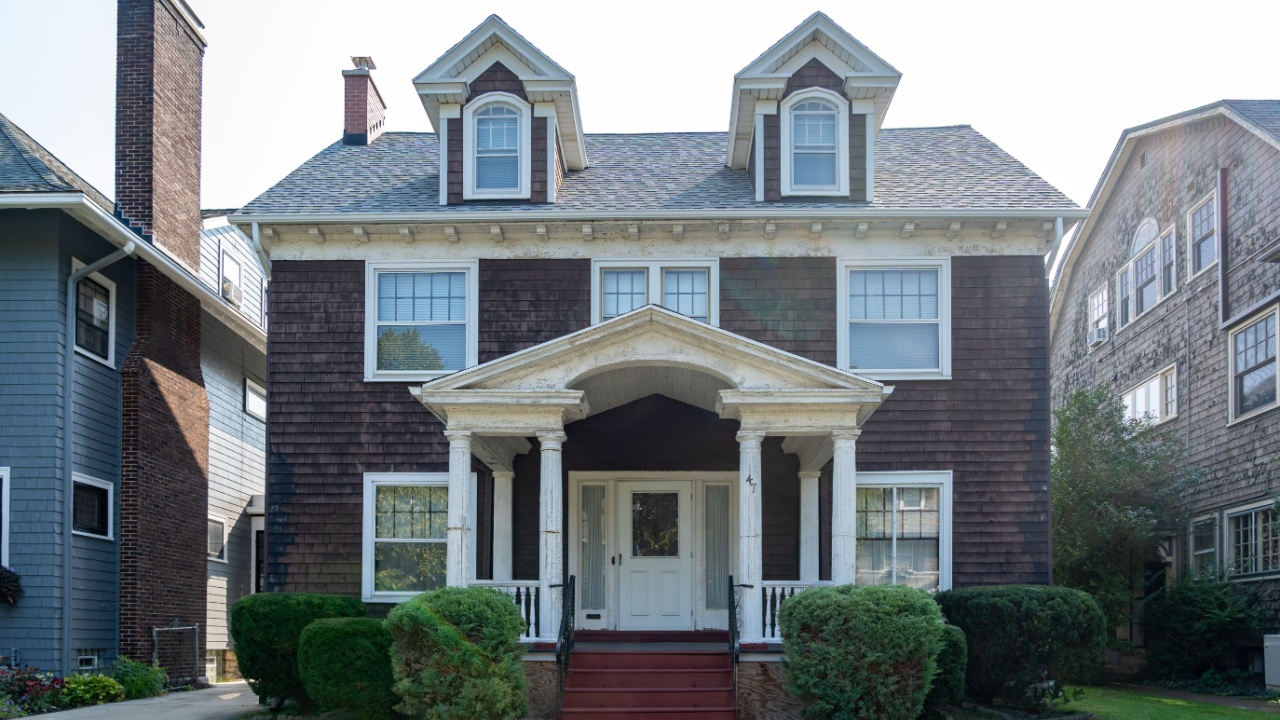
Image Credit: CEW / Shutterstock.
Buffalo combines reasonable home prices with steady reinvestment across the city. An income in the high-$60,000s typically supports monthly housing costs without pushing finances to the edge.
The city appeals to buyers who want access to cultural institutions and a slower pace without paying premium housing prices. Ongoing utility and heating costs deserve attention here, especially in older homes and colder months.
5. St. Louis, Missouri — Around $77,700
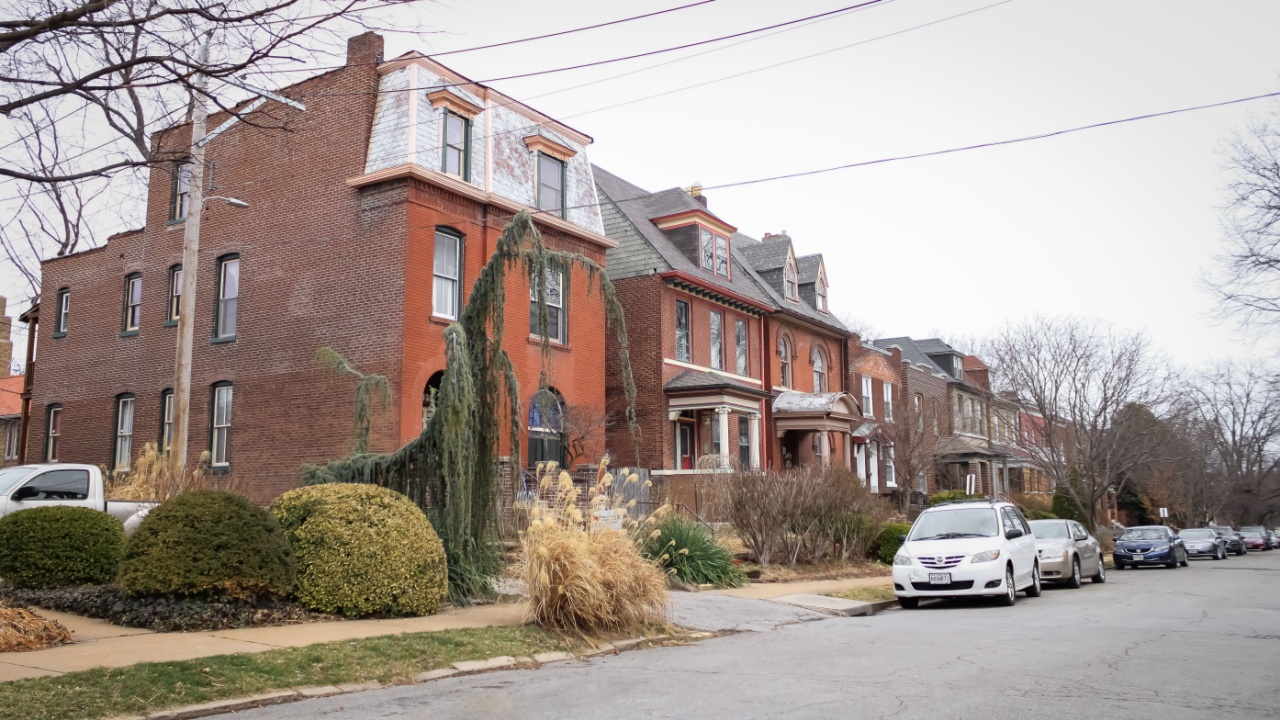
Image Credit: Sabrina Janelle Gordon / Shutterstock.
St. Louis edges higher on the income scale, yet still falls well below many coastal markets. With median home prices under $300,000 in many neighborhoods, an income in the upper-$70,000 range can comfortably support ownership.
The metro offers a wide spread of housing types, from historic brick homes to newer suburban builds. Buyers benefit from taking time to compare neighborhoods, school districts, and long-term resale patterns.
6. Birmingham, Alabama — Around $79,400
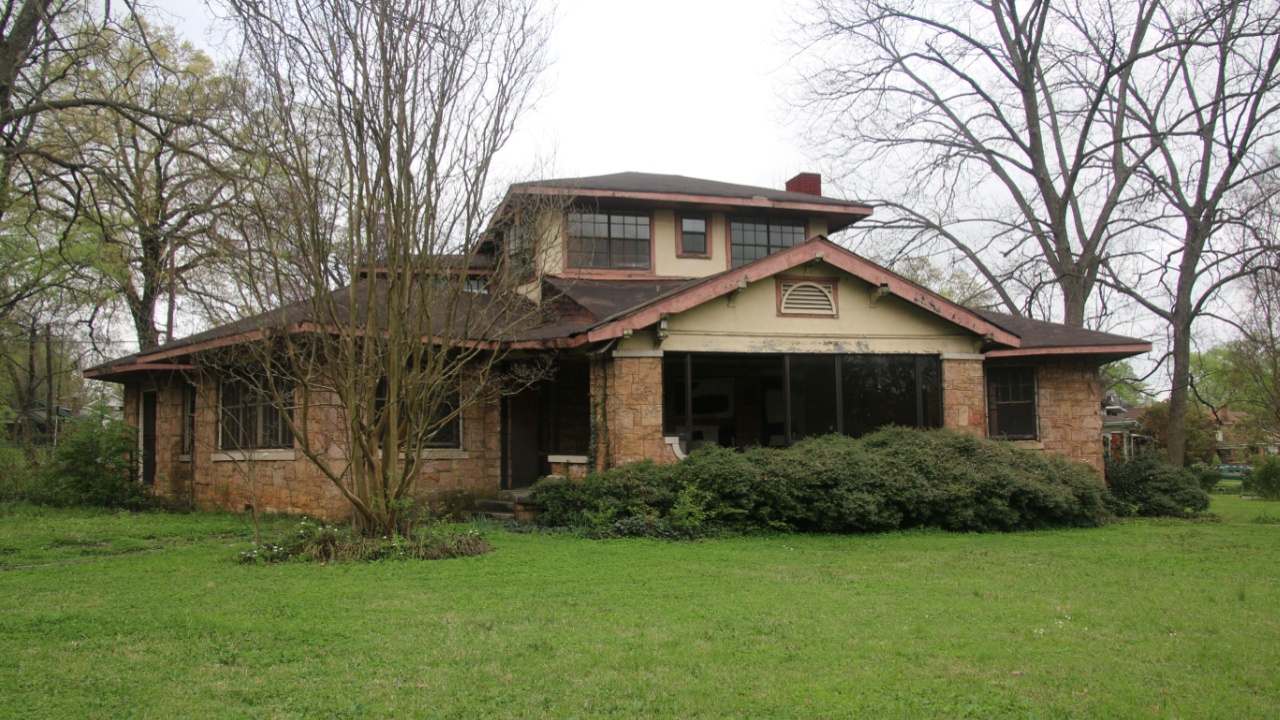
Image Credit: Shutterstock.
Birmingham remains accessible for buyers earning around $80,000 a year, thanks to moderate home prices and living costs that align well with local wages. Housing payments tend to leave room for other priorities, such as retirement contributions or emergency savings.
Job availability and career growth vary by industry, so income stability should be weighed alongside housing affordability when planning a move.
Where the Numbers Meet Real Life

Image Credit: Deposit Photos.
After reviewing these income benchmarks, compare them with your current earnings, job flexibility, and longer-term plans. Can you afford a home where you live? Or would you consider moving somewhere for lower housing costs? If you feel like you’re drowning in debt or can’t afford to live the way you want, it’s good to know there are still affordable pockets in the U.S.