The 6 Seed-Starting Mistakes That Kill Most Gardens Before They Begin
Seed starting looks simple from the outside: fill a tray, drop in a seed, add water, wait. But the gap between what seedlings need and what most of us instinctively give them is exactly where seeds die.
The good news? Every common mistake has a clear, preventable cause, and fixing even one of them can transform your results this season.
A packet of 50 tomato seeds costs around $3 to $4. The plants that those seeds can produce are worth $100 or more at any nursery. Getting seed starting right isn’t just satisfying; it’s one of the most practical things a home gardener can do.
1. The Biggest Seed-Starting Mistake Is Also the Most Invisible: Wrong Timing

Timing is the mistake cited most often by experienced gardeners, and it works in two directions. Start too early, and your seedlings will outgrow their containers and your lighting setup before the last frost passes. The result is rootbound, stressed plants that never quite recover. Start too late, and they never fully catch up, leaving you with a shortened harvest window.
The fix is simple: find your average last frost date and count backward. The Old Farmer’s Almanac offers a free last frost date calculator by zip code. From there, seed packets do most of the work, specifying exactly how many weeks before that date to sow each crop indoors. According to the University of New Hampshire Extension, the right starting window ranges from 4 to 12 weeks before transplanting, depending on the crop and growing conditions.
2. Your Windowsill Is Working Against You

Here is something most gardening guides don’t say plainly enough: a south-facing window in winter provides roughly 10 to 20 percent of the light intensity that seedlings need to grow stocky and strong. This explains why windowsill seedlings almost always disappoint.
The result from too little light is unmistakable: tall, spindly, pale stems leaning toward the glass. This is called legginess, and it has nothing to do with seed quality or soil. It is a result of seedlings stretching toward whatever light they can find; when that light is weak and one-directional, the plant becomes top-heavy and fragile before it ever sees the garden.
The solution is grow lights, and they do not need to be expensive. Garden teacher Lisa Mason Ziegler of The Gardener’s Workshop notes in Homes & Gardens that an inexpensive LED shop light from a hardware store provides everything seedlings need for the few weeks they spend indoors. Run the lights 14 to 16 hours per day, positioned a few inches above the tops of the seedlings, and raise the lights as the plants grow. Healthy seedlings under proper light look noticeably shorter and thicker-stemmed than plants raised in windows.
3. Seeds Don’t Need What You Think They Need
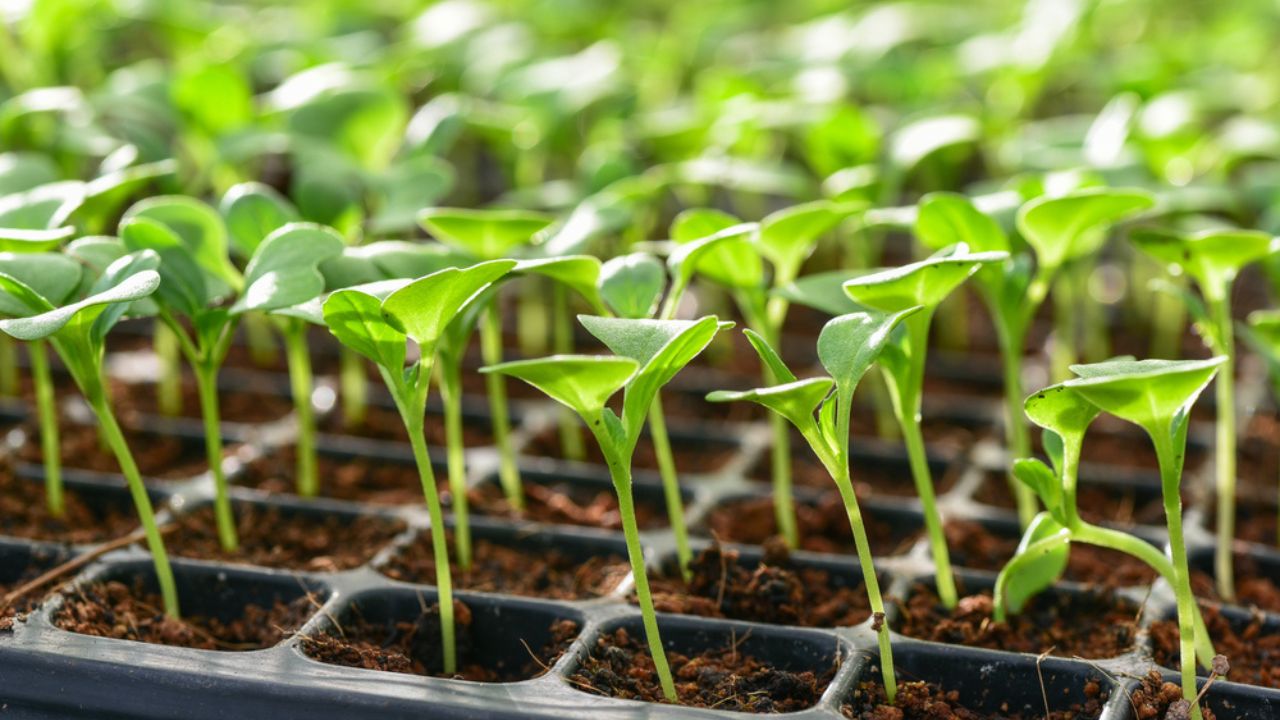
This is the insight that changes everything: a seed carries its own food supply. Everything needed to germinate and push out those first leaves (called cotyledons) is stored inside the seed itself. As Gardenary founder Rachel Arsenault explains, the stored nutrients inside a seed function the way a placenta does, as a complete, self-contained food source for early growth.
Most importantly, resist the urge to fertilize early. Countless experienced gardeners have burned entire trays of seedlings by adding nutrients before the first true leaves appeared. True leaves are the signal to fertilize; before that, hold off.
4. Not Warm Enough
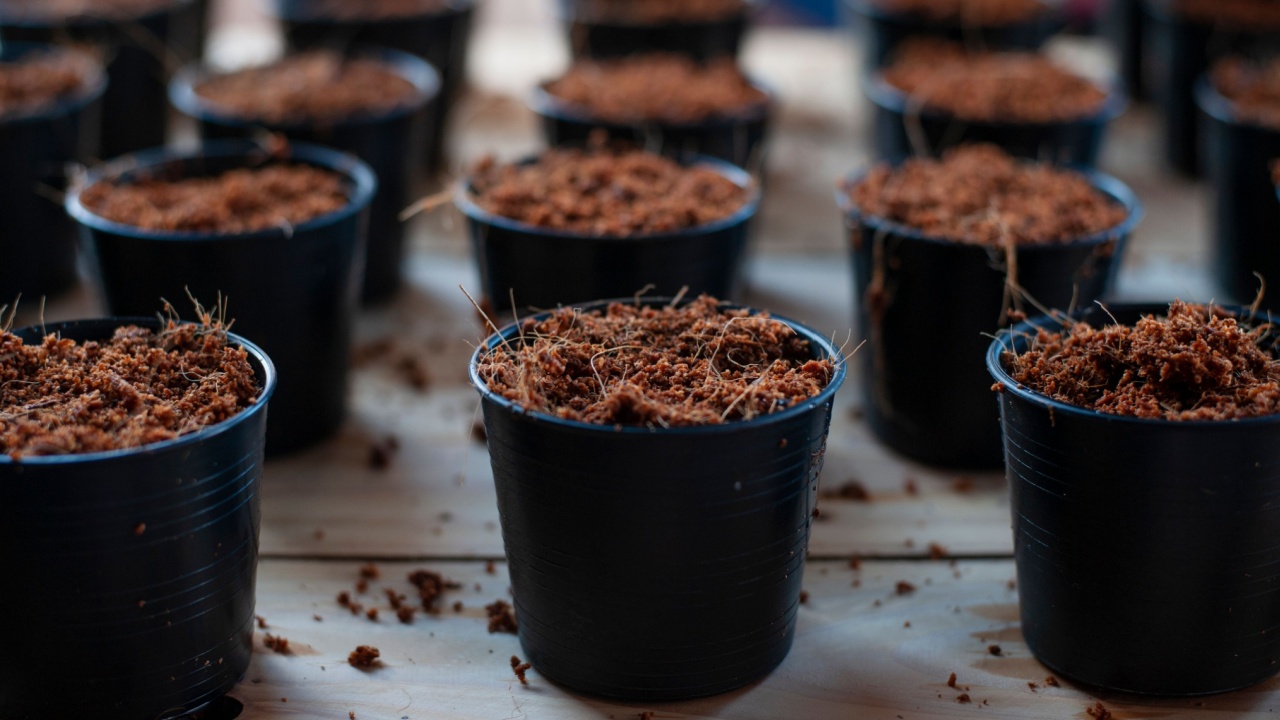
Soil temperature matters more than most beginners realize. According to Joe Lamp’l at Joe Gardener, most vegetable seeds germinate best between 70 and 80 degrees Fahrenheit soil temperature. A cool basement or drafty garage can be 10 to 15 degrees colder at the soil level than the thermostat suggests.
A seedling heat mat paired with a probe thermostat solves this problem reliably. And use a purpose-formulated seed-starting mix, not garden soil or generic potting mix; the lighter, soilless texture lets young roots navigate freely.
5. Overwatering Looks Like Care, But It’s the Leading Cause of Seedling Death
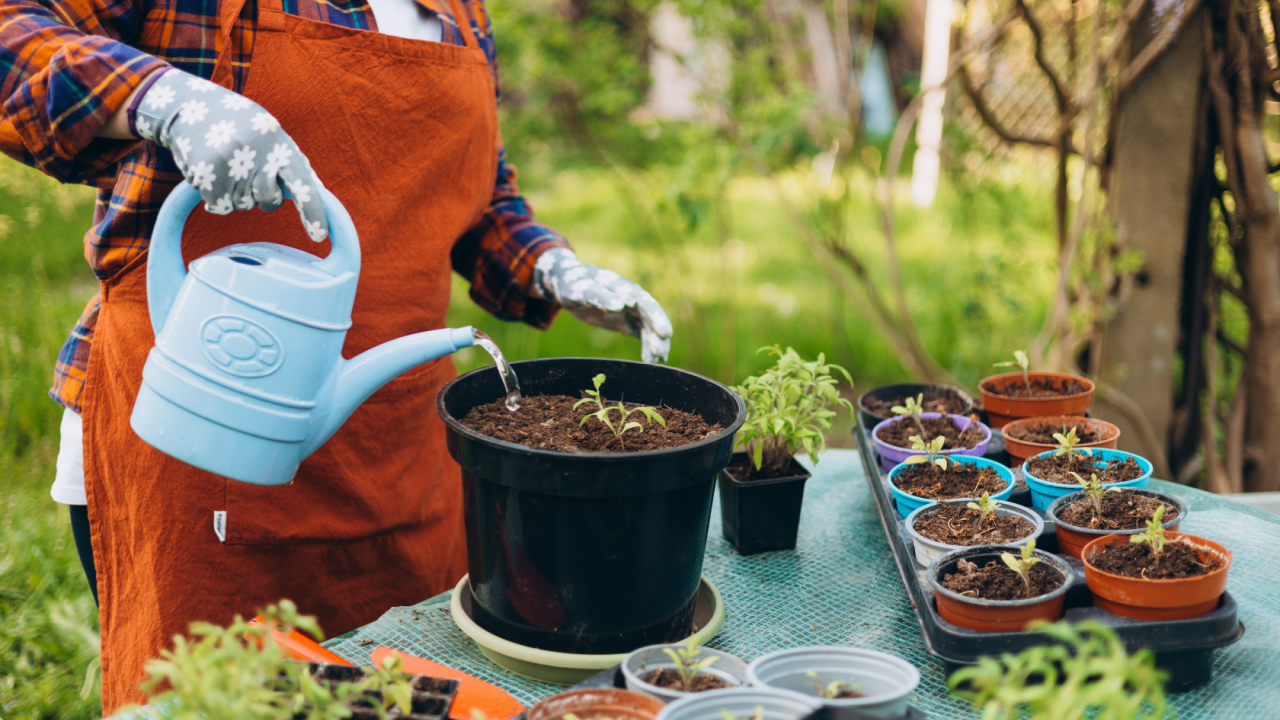
Roots need oxygen as much as they need water. When soil stays saturated, there’s no air in it, and roots suffocate. This leads to damping off, a fungal condition that rots seedlings at the soil line and causes them to collapse seemingly overnight. There is no recovery once it strikes.
The trouble is that soil can look dry on the surface while still being wet below. Joe Lamp’l of Joe Gardener recommends judging moisture by weight rather than appearance: lift the entire tray. A heavy tray doesn’t need water yet, but a noticeably lighter tray does.
The most effective watering method for seedlings is bottom watering, pouring water into the outer tray beneath your containers and letting the soil absorb what it needs from below. This prevents seed displacement, encourages roots to grow downward, and makes overwatering nearly impossible with a little attention. As Idaho Master Gardener Candace Godwin advises in Homes & Gardens, let the soil surface dry slightly before watering again. Being a little dry is far safer than being a little too wet.
6. The Step Everyone Skips at the End: Hardening Off
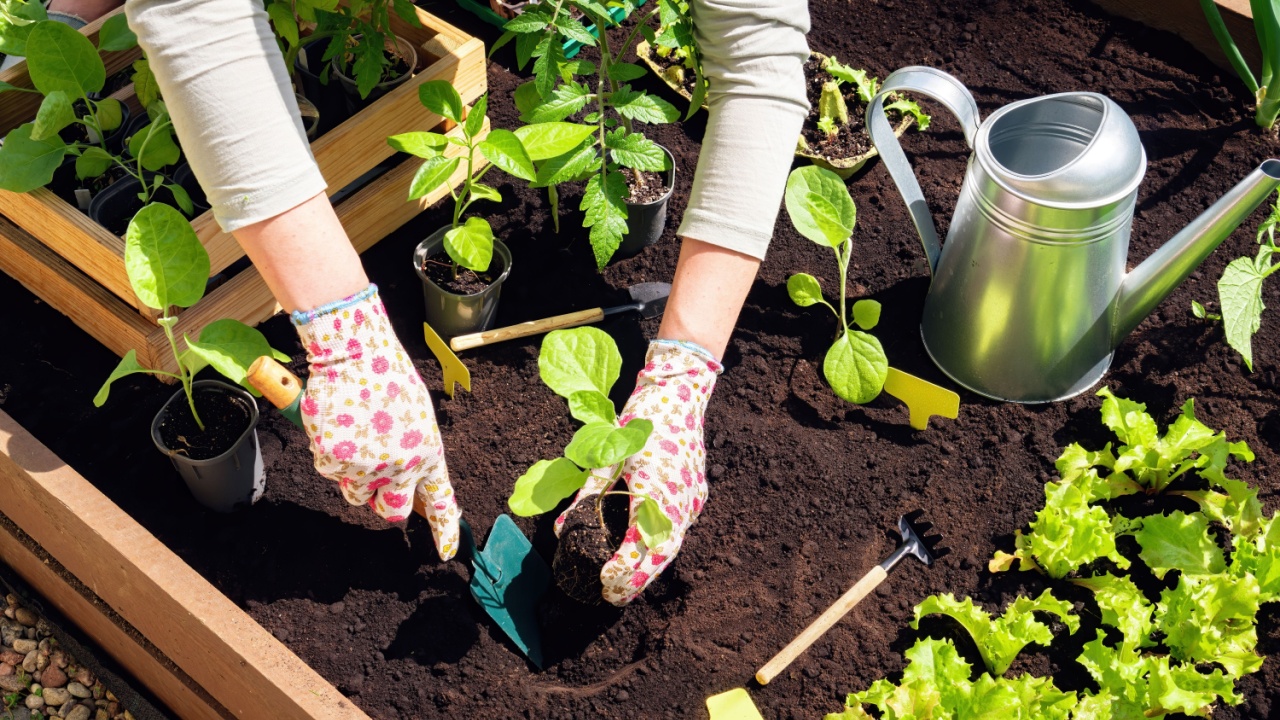
You can do everything right for six weeks and lose the whole tray in an afternoon by skipping this step.
Hardening off is the process of gradually introducing indoor seedlings to real outdoor conditions: direct sunlight, wind, and temperature swings. Plants raised indoors under controlled conditions have soft stems and thin cuticles. They cannot tolerate the intensity of even a mild spring day without preparation. Sudden exposure causes sunscald, wilting, and in serious cases, full plant death.
Homesteader Melissa K. Norris recommends starting with just two hours outdoors in a sheltered, shaded spot, increasing by about an hour each day over 7 to 10 days. By the final few days, plants should be in the spot where they’ll be planted, receiving full sun. It feels slow when you’re eager to get things in the ground, but this is the step that protects every hour of work that came before it.
Seedlings that are properly hardened off take off immediately after transplanting; those that aren’t can sit in shock for weeks, stunted before they’ve truly begun.
What Good Seed Starting Actually Looks Like

None of this requires a dedicated grow room, a multi-shelf lighting rig, or any special expertise. The fundamentals are genuinely simple: a proper seed-starting mix, soil warmth during germination, a grow light positioned correctly, patient and consistent watering, and a gradual transition outdoors.
Seed starting rewards attention more than equipment. Checking on trays daily, adjusting light height as plants grow, and resisting the urge to overwater or over-fertilize are habits, not investments.
And if timing gets away from you one season, there is no shame in buying transplants from a local nursery. The best gardeners know when to grow from seed and when to let someone else carry that part of the season. What matters is that the garden gets planted, the season moves forward, and the lessons get carried into next year.