Texas School Visit Sparks Confused Anger After Officials Enter Child’s Room Alone
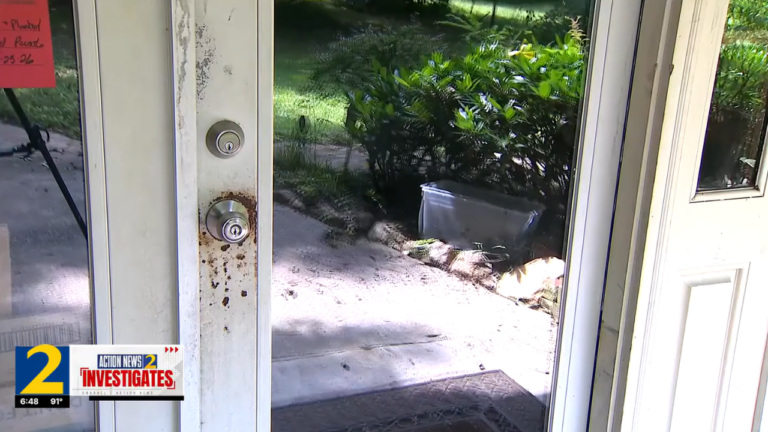
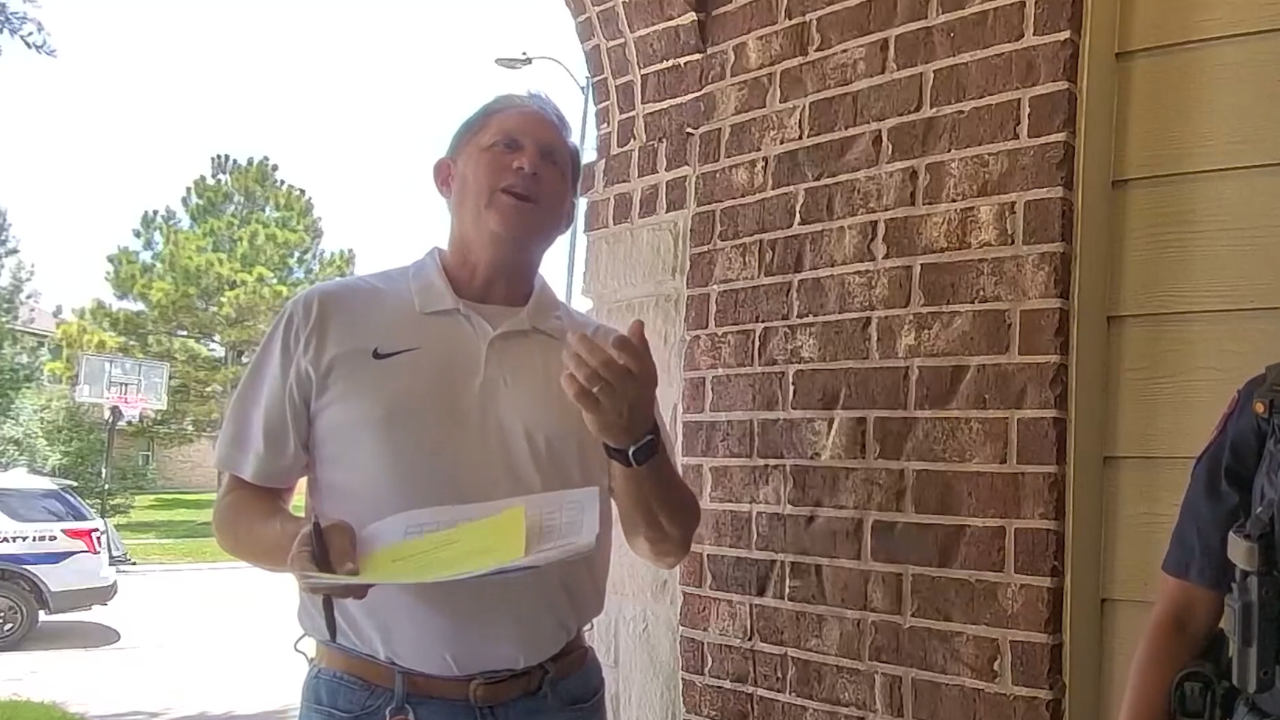
A mother is questioning how her school district handles residency checks after a district official and a police officer came into her home and her son’s bedroom while she was gone. Katy ISD (a Texas school) says the visit was a routine check to confirm the family lives within its boundaries. The mother says she was never notified that it was happening. It was also done without a warrant.
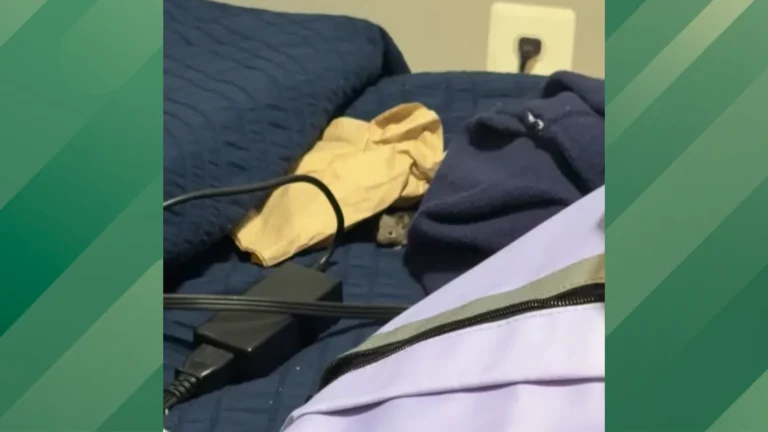
According to the mother, she was away, and her son was home alone when the group arrived. Video from the visit shows a district official greeting the boy, then the adults following him back to his bedroom before leaving a short time later. It’s a bit of an odd video, and the situation seems iffy at best when played back without additional context.
Residency checks themselves are nothing unusual, though. School districts are meant to serve students who actually live within their boundaries. But what’s weird about this story isn’t the check itself. It’s more about how it was carried out, inside a home, in a child’s bedroom, with a police officer present and the parent absent and unable to give consent.
That’s why this situation has drawn tons of attention well beyond this one family. The story really has two halves. First of all, why was this check done without the parents’ consent? And second, why did it have to be done at the time that it was?
Why Districts Check Where Students Live
Public schools are funded to educate the students who live in their attendance zones. Under Katy ISD policy, a resident is someone who lives in the district and intends to stay, and the district can withdraw a student who no longer qualifies. Families prove residency at enrollment with documents like a utility bill or a lease.
Some families use a relative’s or friend’s in-district address to enroll a child in a school they’re not zoned for. When an address doesn’t quite add up, a district may look closer. That can include a home visit to confirm a student actually lives where the paperwork says. So it’s not weird that the visit actually happened, but it is weird how the officials went about it.
What to Do to Protect Your Privacy
As a rule, entering a private home requires either the resident’s consent or something akin to a warrant. At the very least, it needs permission. In fact, a parent would ordinarily expect to be told a visit was coming, and would need to be there for it. Children can’t give permission for these things.
You can ask a district to verify residency with documents, a lease, utility bills, or even a mortgage statement instead of a walk-through of your home. You can ask for advance notice and arrange to be present. You are also generally free to decline to let someone in, and to ask for the request in writing. While this isn’t legal advice and we aren’t lawyers, it’s good to equip yourself with the knowledge in case this ends up happening to you.