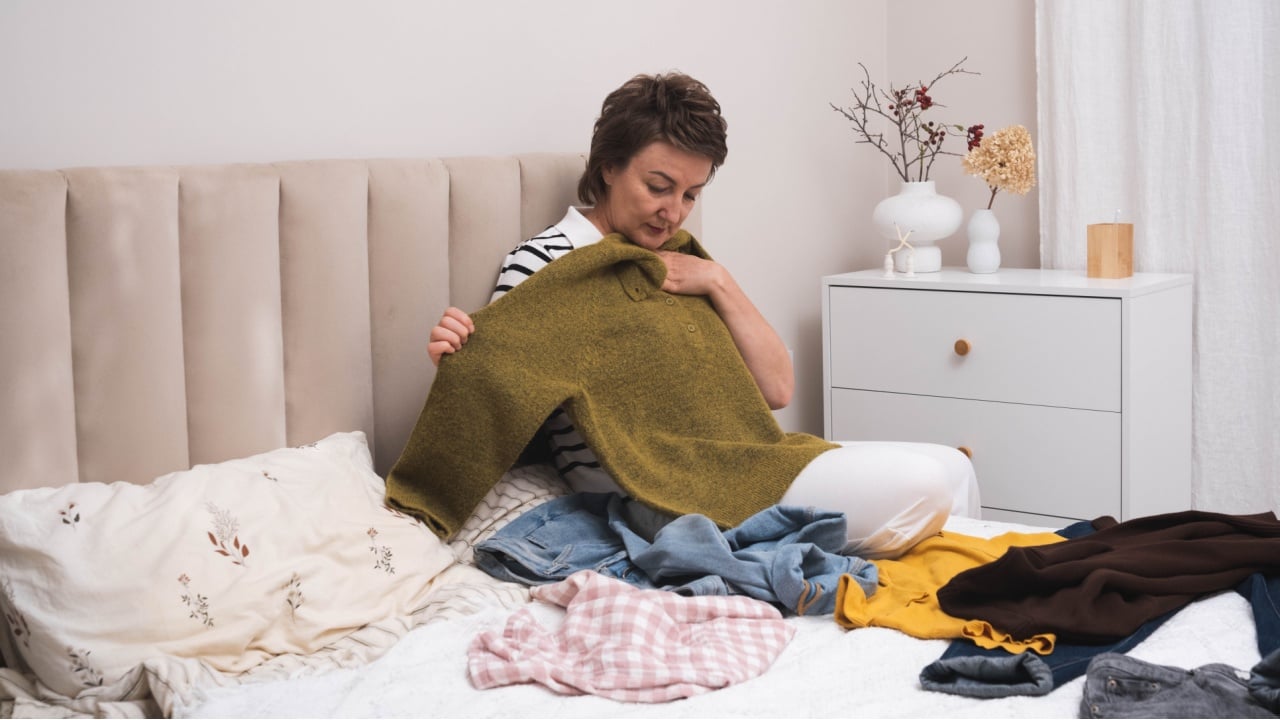
Summer is Almost Here, Ditch These 7 Items to Start is Fresh
The transition from spring to summer can feel sudden. One week you’re enjoying a cool breeze through an open window, and the next you’re firing up the grill. It’s an exciting change, but it also highlights how much clutter has accumulated since last year.
Clutter has a way of hiding in plain sight, tucked into drawers, stuffed into closets, and forgotten in the back of the freezer. A bag of reusable totes here, a half-empty bottle of SPF 30 from three summers ago there.
A home that feels ready for summer is very different from one where summer is just happening around it. Letting go of things you no longer need creates space, which impacts everything from your daily routines to how long you spend looking for misplaced items.
Find below seven common categories of clutter that tend to build up before summer arrives, with practical reasoning on why each one deserves a second look and what to do with them.
1. Expired Sunscreen and Toiletries

Sunscreen is one of the most important products for summer skin protection, and it is also one of the most commonly hoarded. Many bathrooms and beach bags accumulate half-used bottles from previous years, travel-sized samples from hotels, and duplicate SPF products bought on a whim.
The problem is that these products do not last forever, and using expired sunscreen means far less protection than the label claims.
The SPF rating on a bottle reflects the product at its peak performance, and that performance declines once it passes its expiration date. Beyond sunscreen, this same issue applies to bug spray, after-sun lotion, and other summer-specific toiletries.
A smart approach is to pull everything out, check dates, toss what is expired, and consolidate what remains into one dedicated bin that is easy to find and restock before the season begins.
2. Old Winter Clothing
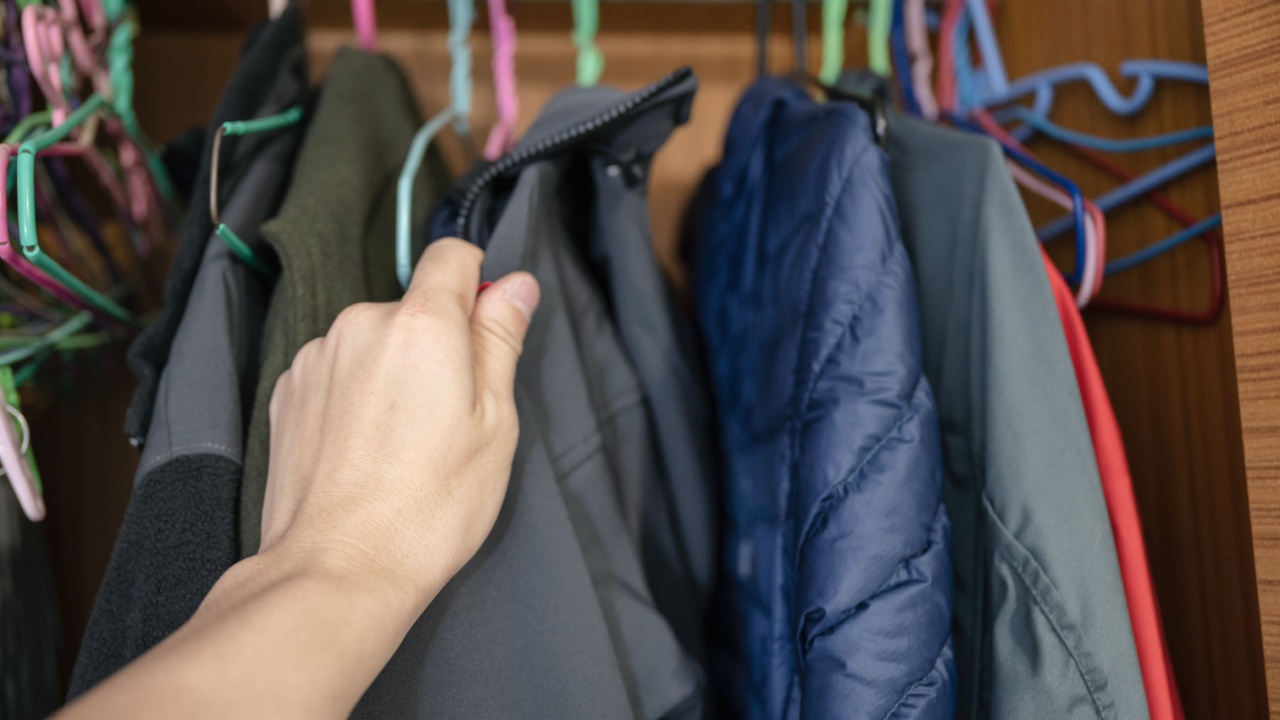
When the warm weather arrives, most people swap out their cold-weather wardrobe and box up the sweaters, scarves, and fleece layers for storage.
But that routine swap is also a good opportunity to reduce what goes back into storage in the first place.
If a sweater never got worn all winter, there is a fair chance it will not get worn next year either. This applies to children’s clothing especially, since kids grow quickly and last year’s winter coat or pair of boots may already be too small.
Passing it on to someone who can use it is a much better outcome than letting it sit sealed in a bin for another eight months.
3. Clothing From Past Seasons of Life

Most closets contain at least a few pieces that are being kept for vague reasons, items that fit slightly off, colors that are not quite right, or styles that are being held onto with a “maybe someday” mindset.
The standard for what deserves closet space is simple. Clothes should fit well, feel good, and be reached for with some regularity.
Anything that consistently gets passed over in favor of other options is taking up space that could hold something that actually gets worn.
Donating these items means someone else gets genuine use out of them, and the person letting them go ends up with a closet that is much easier to navigate.
4. Expired Freezer and Pantry Items

The freezer and pantry are two of the most overlooked spaces in a home when it comes to regular maintenance. Items get pushed to the back, buried under newer purchases, and quietly expire without anyone noticing.
As summer approaches and people shift toward grilling, fresh produce, and lighter meals, those forgotten shelves deserve a proper audit.
Expiration dates on food are not always rigid rules, but a product that is well past its best-by date and has not been touched in months is not worth keeping.
Clearing out these items creates real storage space and reduces the habit of buying duplicates of things already buried in the back of a shelf.
5. Reusable Shopping Bags
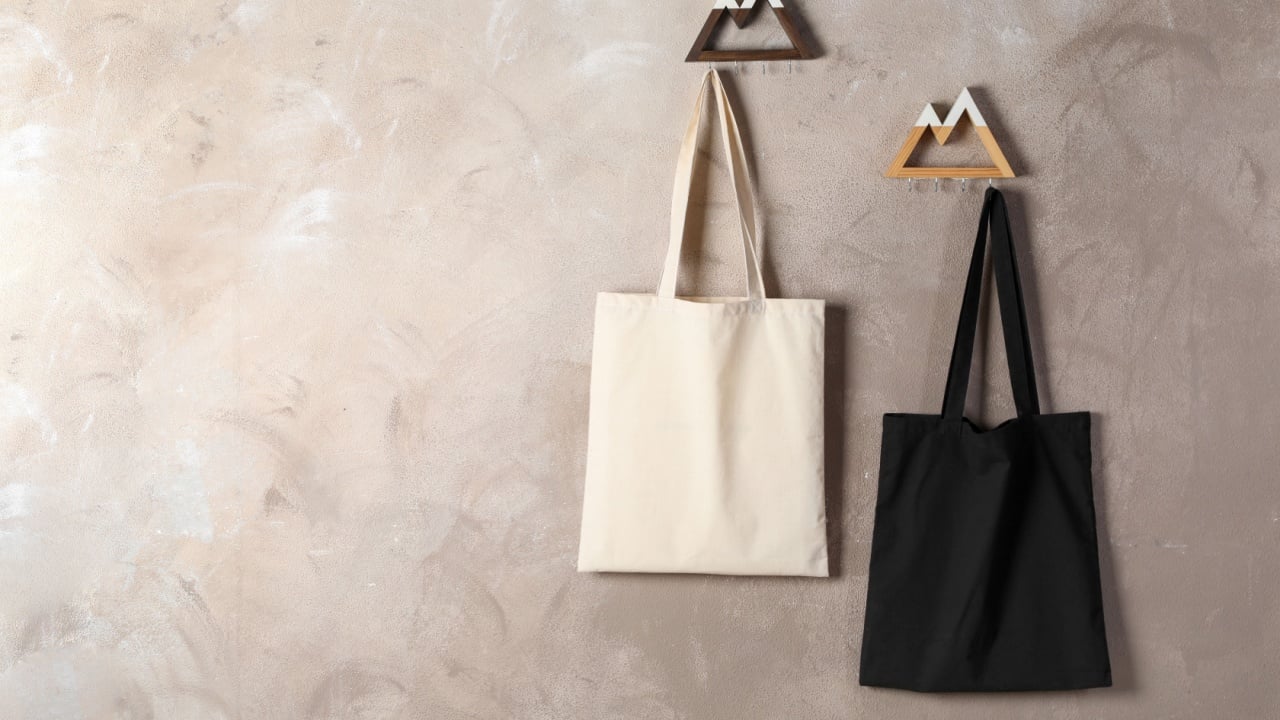
Reusable bags are one of the most well-intentional items to accumulate in large quantities. They come from grocery stores, events, subscription boxes, and brand promotions, and they multiply quickly.
A household might have a dozen or more bags stuffed into a cabinet, a closet, or a bin by the door, most of which rarely see any use.
Keep just a few favorites and donate the rest. Prioritize the larger, insulated bags for grocery shopping, since those offer the most practical value for summer trips to the farmers’ market or store.
Storing the keepers in a car, purse, or garage makes them much more likely to actually be used, which is the whole point of having them in the first place.
6. Kids’ Toys and Games
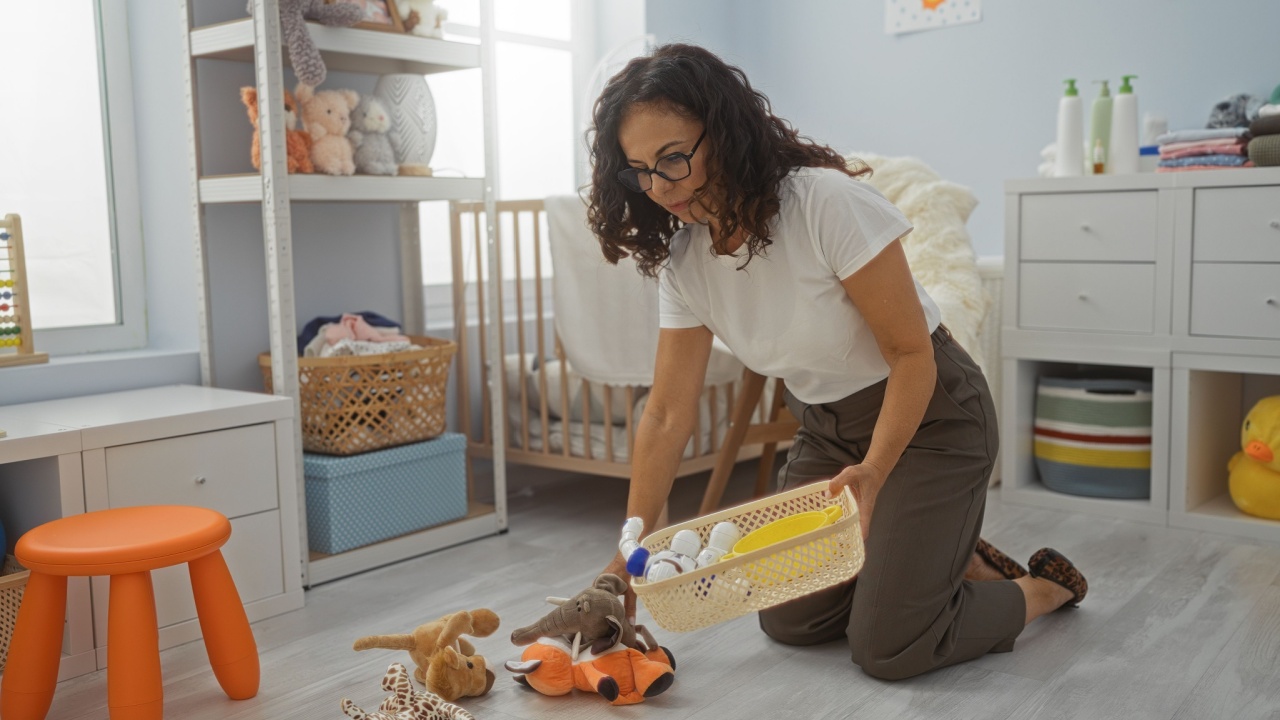
Children’s belongings have a way of multiplying between seasons, and summer is a good time to take stock of what has been outgrown, broken, or simply forgotten.
Outdoor toys in particular tend to show wear from a full season of use, and items that are damaged or missing parts are worth letting go rather than storing again.
Kids also shift their interests quickly, so a toy they were excited about last summer may hold no appeal now.
Sorting through these items early in the season means kids have access to things that actually work for them, and it frees up storage space that often fills with clutter by default.
7. Old Grilling and Kitchen Gear

Outdoor cooking season brings the grill back to center stage, and that is a natural moment to assess what is actually in the outdoor kitchen or garage cooking supply collection.
Spatulas with broken handles, duplicate tongs, rusted skewers, and gadgets purchased on a whim tend to gather in drawers and bins and create unnecessary chaos when someone is just trying to flip a burger.
Keeping only what gets used regularly makes the whole cooking experience smoother. Go through kitchen gear with intention, discarding items that have seen better days and donating anything in decent condition but never used.
This same logic applies to indoor kitchen tools that come out for summer entertaining, like large serving platters, specialty appliances, or gadgets purchased for a single recipe.
A leaner collection of well-chosen tools is far more useful than a packed drawer that is frustrating to sort through every time something is needed.
A Cleaner Home Makes for a Better Summer
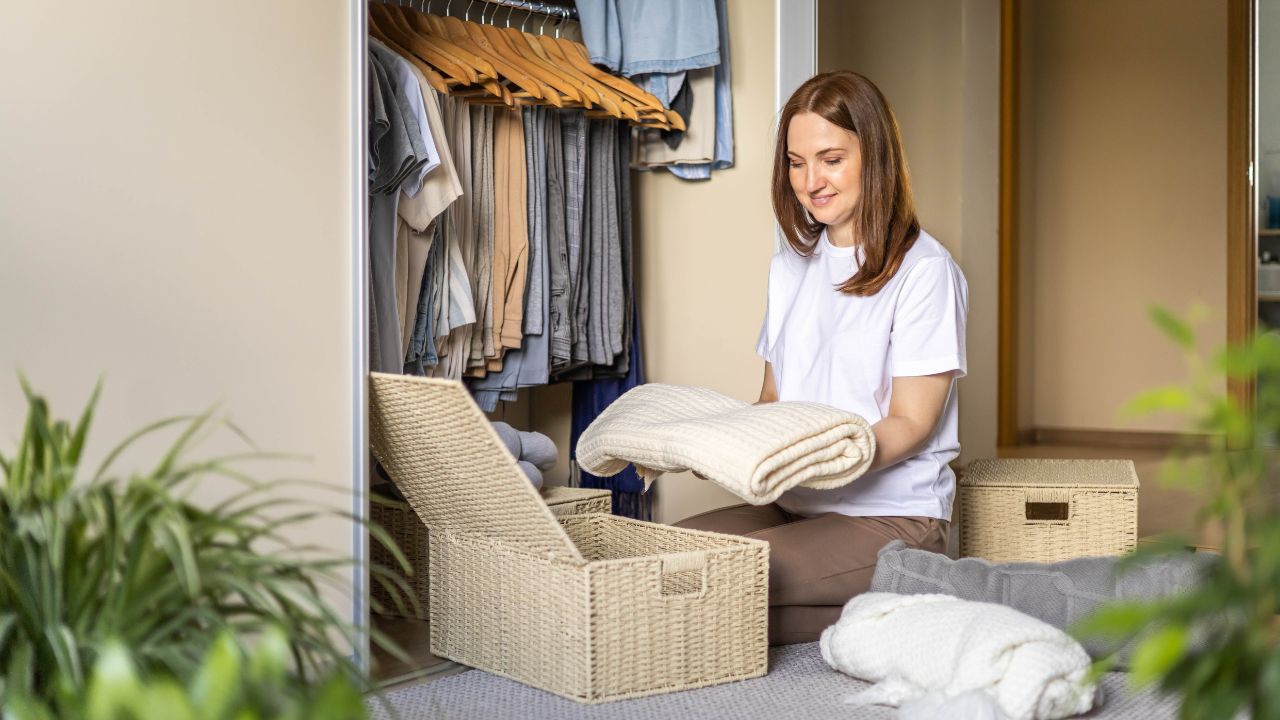
Decluttering before summer hits is not just a tidying exercise. It changes how a home functions during the busiest, most social months of the year.
When gear is easy to find, closets are not overflowing, and the kitchen is stocked with things that are actually usable, days run more smoothly, and less time is spent managing stuff.
Read More:
How to Clean Your Ice Machine and Avoid Consuming Filthy Ice This Summer