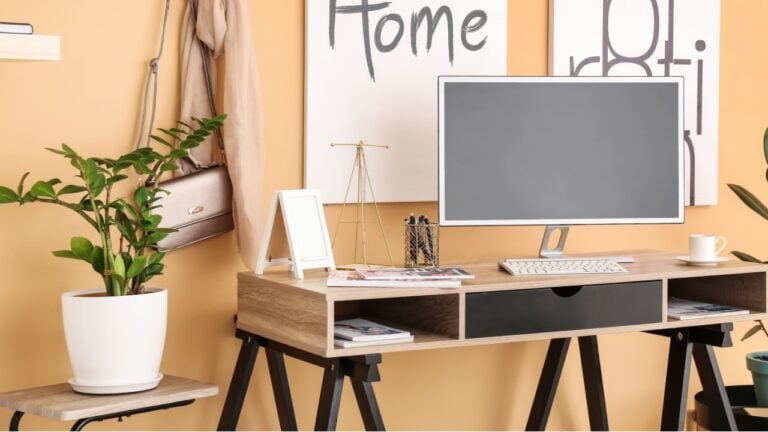
Stuck Inside? How to Create a Calm Winter Home
Winter has a reputation for being harsh, dark, and isolating. When you combine shorter days with the general unpredictability of modern life (and the year 2026 so far), it makes sense that anxiety levels often spike as the temperature drops.
That’s why your home should be your ultimate retreat, a place to unwind and let the world’s chaos fade away. While you cannot control the weather or the news cycle, you have immense power over your immediate environment. By intentionally curating your space and habits, you transform your home into a bastion of stability that you won’t mind feeling “stuck” in.
1. Master the Art of Ambient Lighting

Harsh overhead lighting can feel like the glare of offices or hospitals, keeping your brain on high alert. Softer, lower lighting helps your body relax and signals it’s time to wind down. During winter, when natural sunlight is limited, home lighting becomes even more important for your mood.
Swap cool-toned bulbs for warm ones (around 2700K) to mimic golden hour light. Use lamps at eye level or lower to create cozy pools of light instead of brightening the whole room. This simple change supports your body’s natural rhythm and helps lower stress in the evening.
2. Establish a Morning ‘Wintering’ Routine
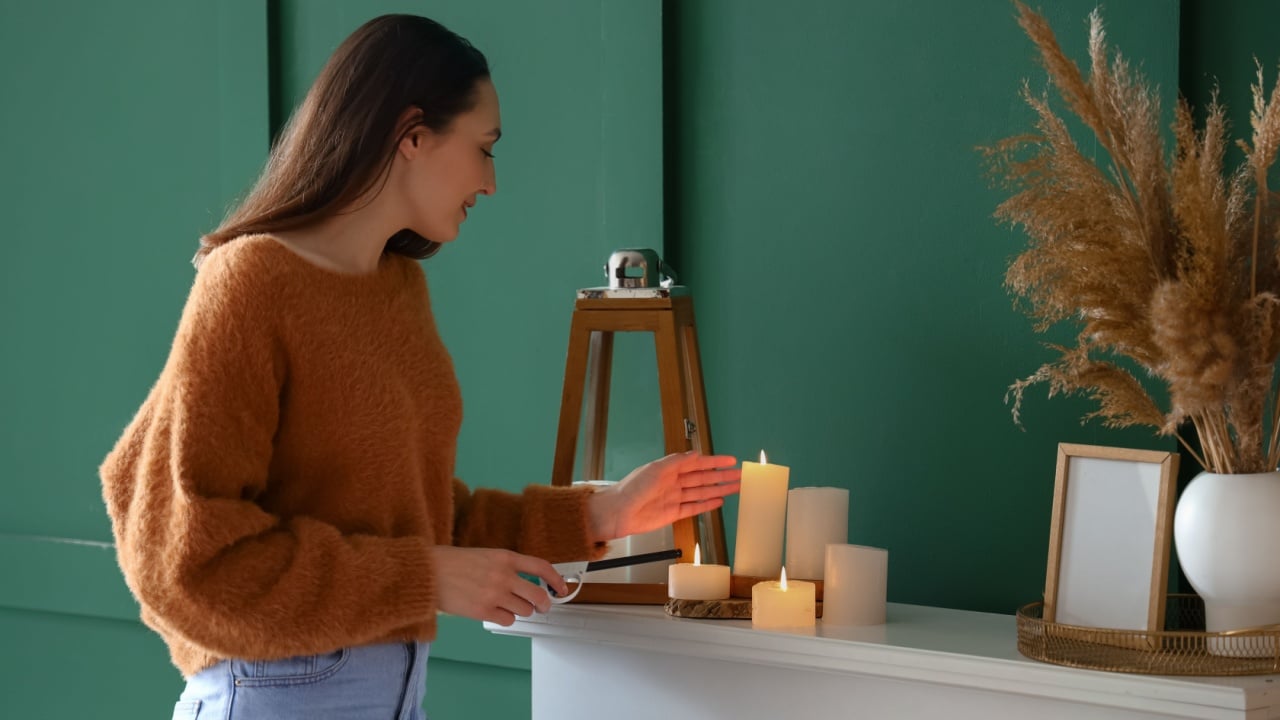
The human brain craves predictability because it signals safety. When life gets hectic, a simple morning ritual can be a grounding force. It doesn’t need to be a long, complicated routine; it could be as simple as lighting a candle while your coffee brews or stretching for five minutes before checking your phone.
Sticking to the same routine each morning can help you feel calm and in control, setting a stable foundation for the rest of your day.
3. Practice Box Breathing by the Fire (or Heater)

Mindfulness reduces stress by pulling you back to the present moment, but you do not need a meditation cushion to practice it. Utilize the “box breathing” technique: inhale for four counts, hold for four, exhale for four, and hold for four.
Research from Harvard Medical School suggests this specific pattern activates the parasympathetic nervous system, effectively hitting the brakes on stress. Do this while sitting in your favorite chair or warming up by a heat source. Anchoring the breath to a physical sensation of warmth doubles the grounding effect.
4. Reframe ‘Stuck Inside’ to ‘Safe Inside.’
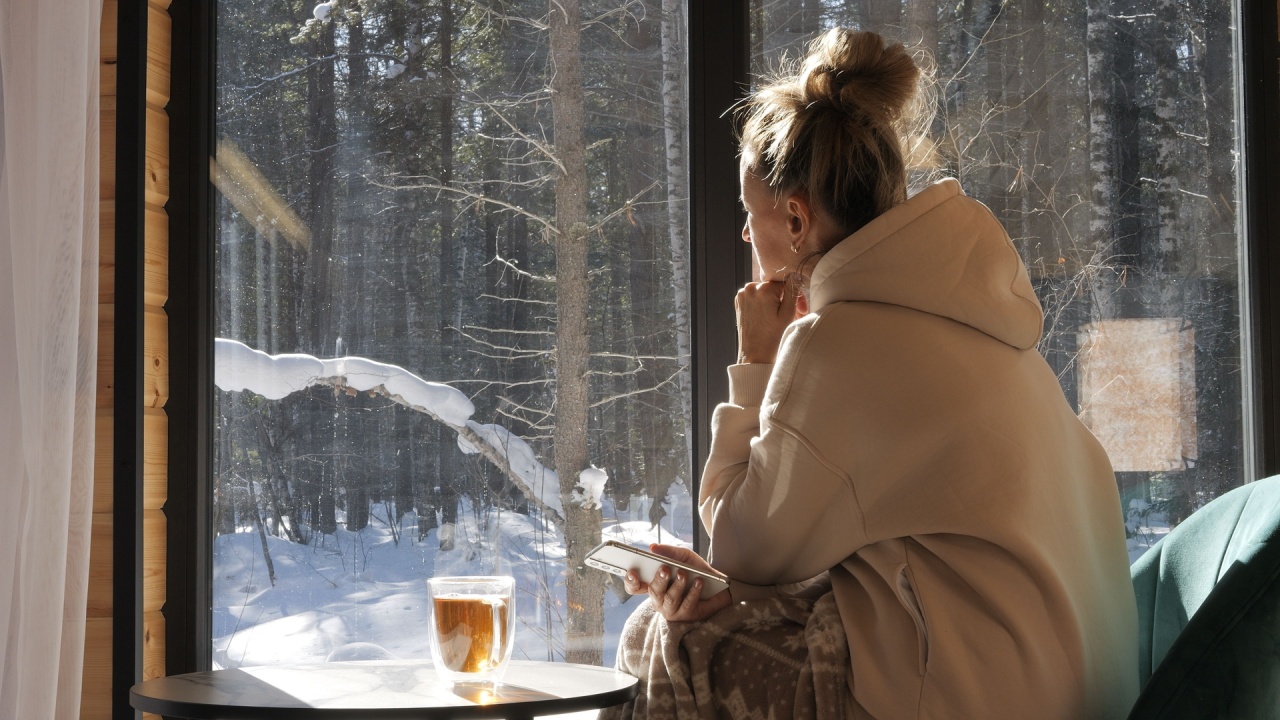
The story you tell yourself about your experience matters. This is called cognitive reframing, challenging a negative thought and swapping it for a better one. Instead of seeing a snowstorm or canceled plan as being “trapped,” think of it as being “sheltered.”
Use the time indoors to slow down instead of fighting against it. Ask yourself: Is this restlessness from the situation, or is it just the pressure to always be productive? Shifting your perspective can turn a winter weekend from a prison sentence into a permission slip to just rest.
5. Layer Textures for Physical Comfort
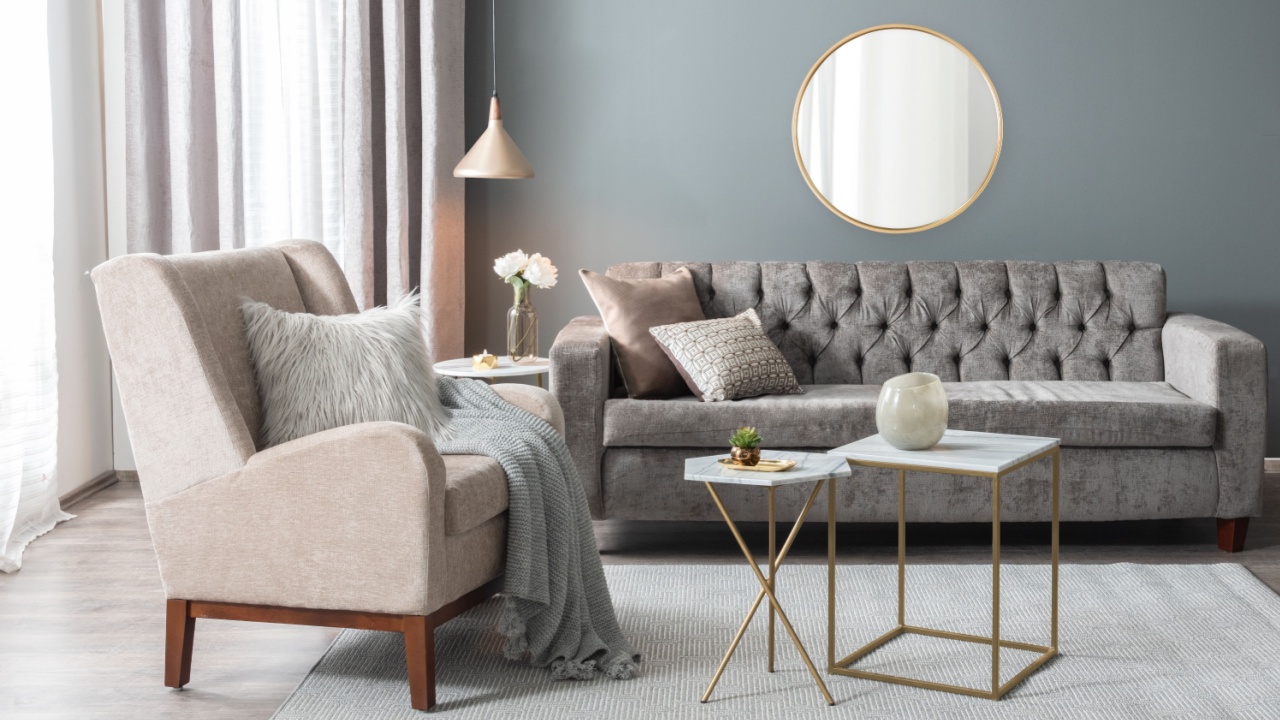
When the world feels cold and sharp, your home should feel soft. Adding different textures like chunky knit throws, velvet pillows, and faux sheepskin rugs can be soothing to your nervous system.
Weighted blankets are a great option here, as the pressure can help produce serotonin and lower anxiety. Drape these items over sofas and chairs to make your space more inviting and physically comforting, encouraging you to sit, stay, and settle in.
6. Create Spaces for Intentional Conversation and Interaction

If you live with others, tension can run high when everyone feels cooped up. Counteract this by arranging furniture to encourage connection rather than screen viewing. Turn chairs to face each other. Keep a deck of cards or a puzzle on the coffee table.
These cues encourage active listening and shared activities. When you validate the feelings of those around you and engage in genuine conversation, you lower the collective stress level of the household.
7. Bring Nature Indoors
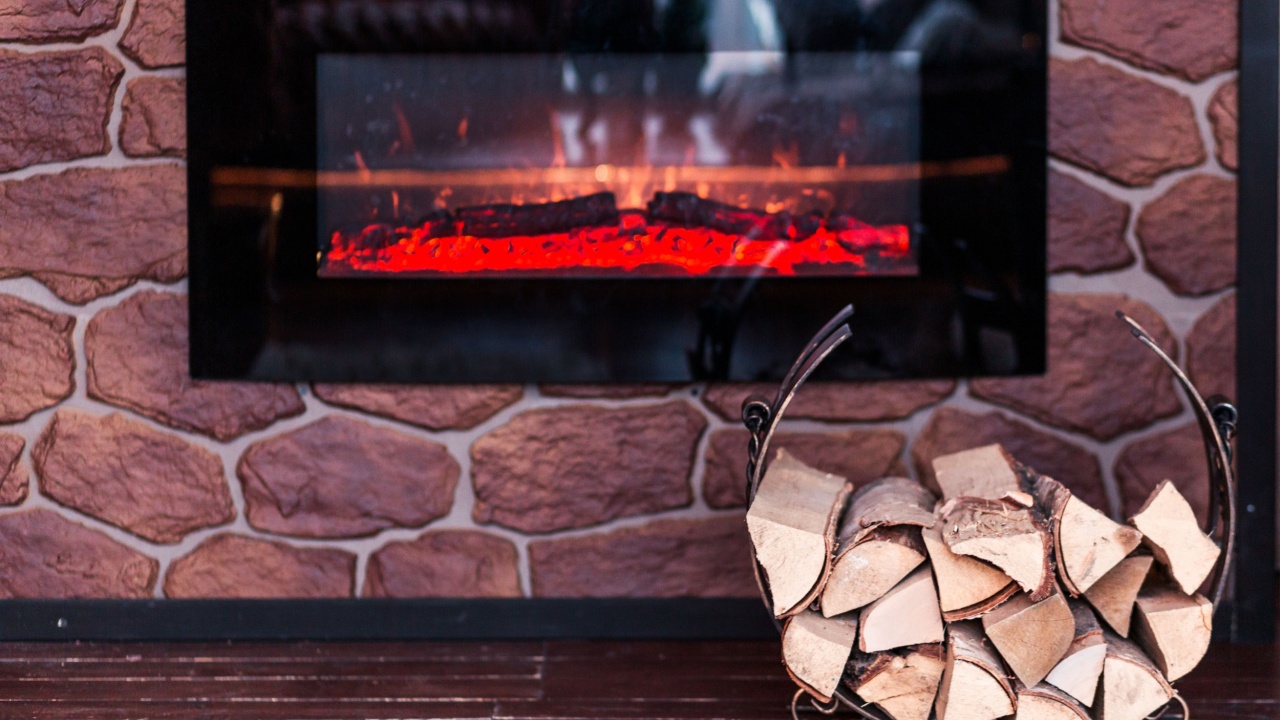
Biophilic design, the concept of connecting people with nature, has proven benefits for mental health. Since you likely spend less time outdoors in winter, bring the outdoors in.
Houseplants, a bowl of pinecones, or even a stack of firewood can reduce physiological stress. Seeing natural fractals and greenery improves focus and lowers blood pressure. It serves as a visual reminder that winter is a natural part of a cycle, not a permanent state, helping you maintain perspective during long, grey months.
Create a Sanctuary, Not Just a Home
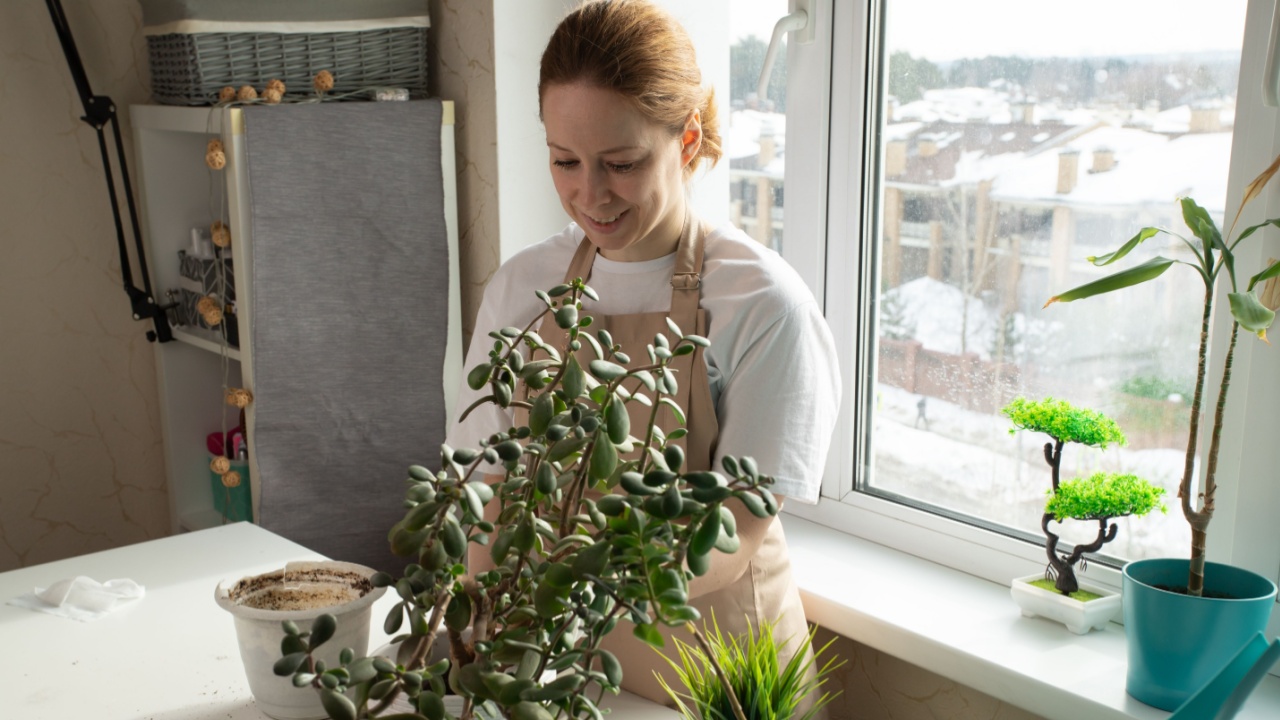
Navigating a chaotic world requires a solid foundation, and your home is the best place to build it. You do not need to renovate your house or buy expensive gadgets to find peace. Adjust the lighting, set boundaries with technology, and engage your senses; this way, you can create a buffer against the unpredictability of life.