Stop Wasting Water on a Lawn That’s Draining Your Wallet with 7 Low-Maintenance Turf Grass Alternatives
If your lawn is costing you more than your car payment every summer, that’s not maintenance, that’s a money leak hiding in plain sight.
The average American household spends between $500 and $1,200 annually on lawn care, with outdoor water use alone accounting for nearly 30% of total household water consumption, according to the U.S. Environmental Protection Agency. The modern lawn has become a weekly obligation that demands a mower, regular fertilizer, a sprinkler system, and sometimes a lawn crew. Most of that effort is going toward a plant that is notoriously bad at surviving drought, takes more chemical input than most food crops, and, frankly, doesn’t need to be there.
Here’s what the nursery industry rarely advertises: the month of May is the single best window to overseed or replace your lawn with a lower-maintenance alternative that still looks and feels like real turf. And most homeowners don’t know that recent laws in states like Colorado and California now prohibit HOAs from banning water-wise lawn alternatives, meaning the neighborhood rules you assumed were standing in your way may no longer apply.
The seven options below are not wildflower meadows or gravel yards. They are real-lawn-look alternatives that tolerate foot traffic, mow when you want them to, and can cut your outdoor water bill by 30% to 75% once established.
1. What Clover Did Before Herbicides Ruined Everything
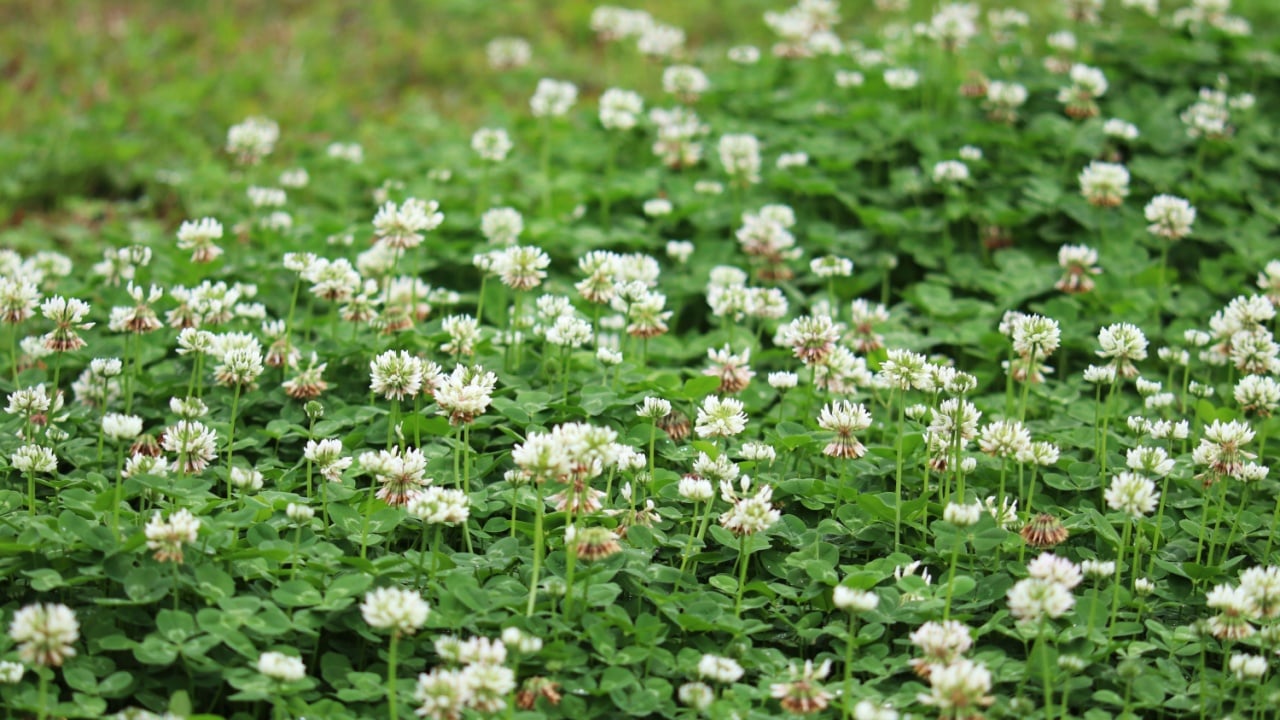
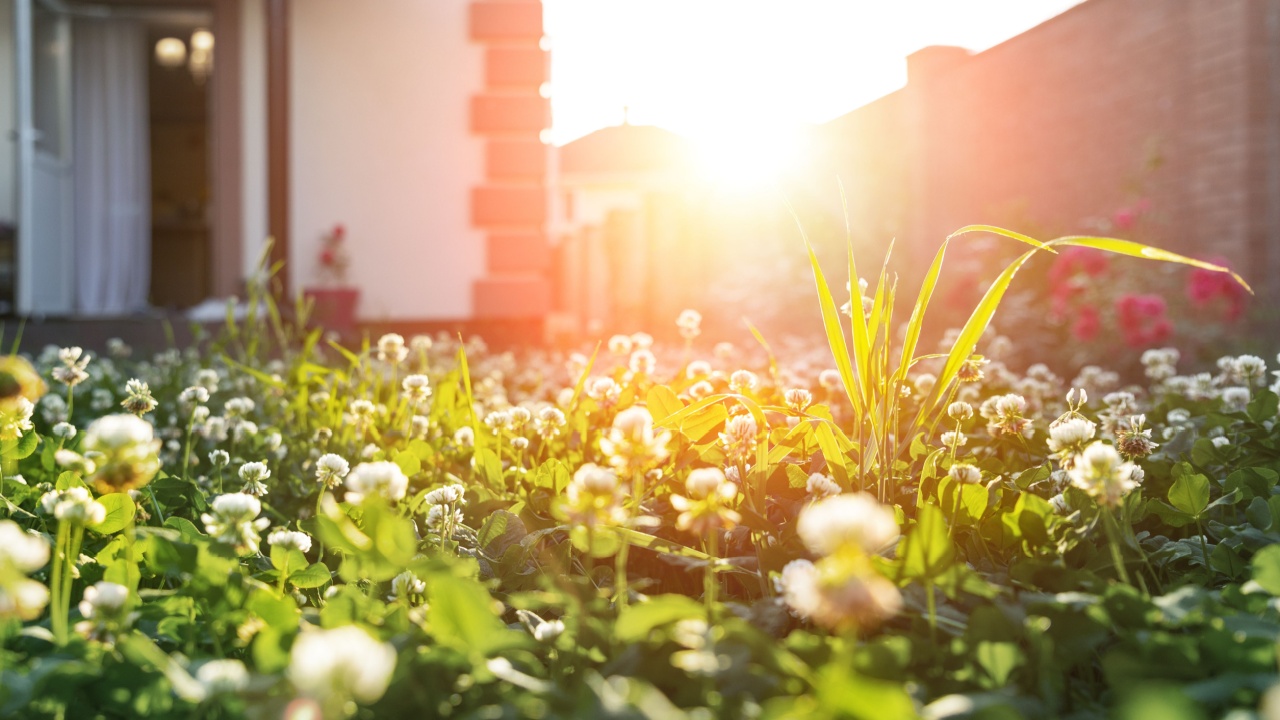
Most homeowners today have been trained to see clover as a weed. That’s not an accident; it’s a product of the 1950s, when broadleaf herbicides entered the consumer market and made clover incompatible with a chemically managed lawn. Before that, as The Old Farmer’s Almanac notes, clover was a standard ingredient in every grass seed blend precisely because it kept lawns green, fed the soil, and required almost no fertilizer.
White clover and microclover are making a major comeback, and for good reason. Both fix atmospheric nitrogen in the soil, which means they fertilize themselves and the surrounding turf for free. According to The Spruce, microclover seed covers up to 1,000 square feet per pound and costs between $20 and $30, making it one of the most budget-friendly lawn upgrades available. Clover lawns use 60% to 70% less water than traditional grass, which for a 2,000-square-foot lawn can translate to $30 or more in monthly water savings during peak summer months.
Microclover’s smaller leaves are the key advantage for homeowners with HOA oversight. It is nearly indistinguishable from a standard lawn at street level; experienced gardeners call it the “drive-by test,” and microclover passes every time.
One important caution: Broadleaf herbicides kill clover instantly, so avoid applying them if you overseed your existing lawn. And if clover blooms, mow before going barefoot; the flowers attract bees, which pose a sting risk for bare-footed children and anyone with severe allergies.
2. The Grass That Mows Itself (Almost)
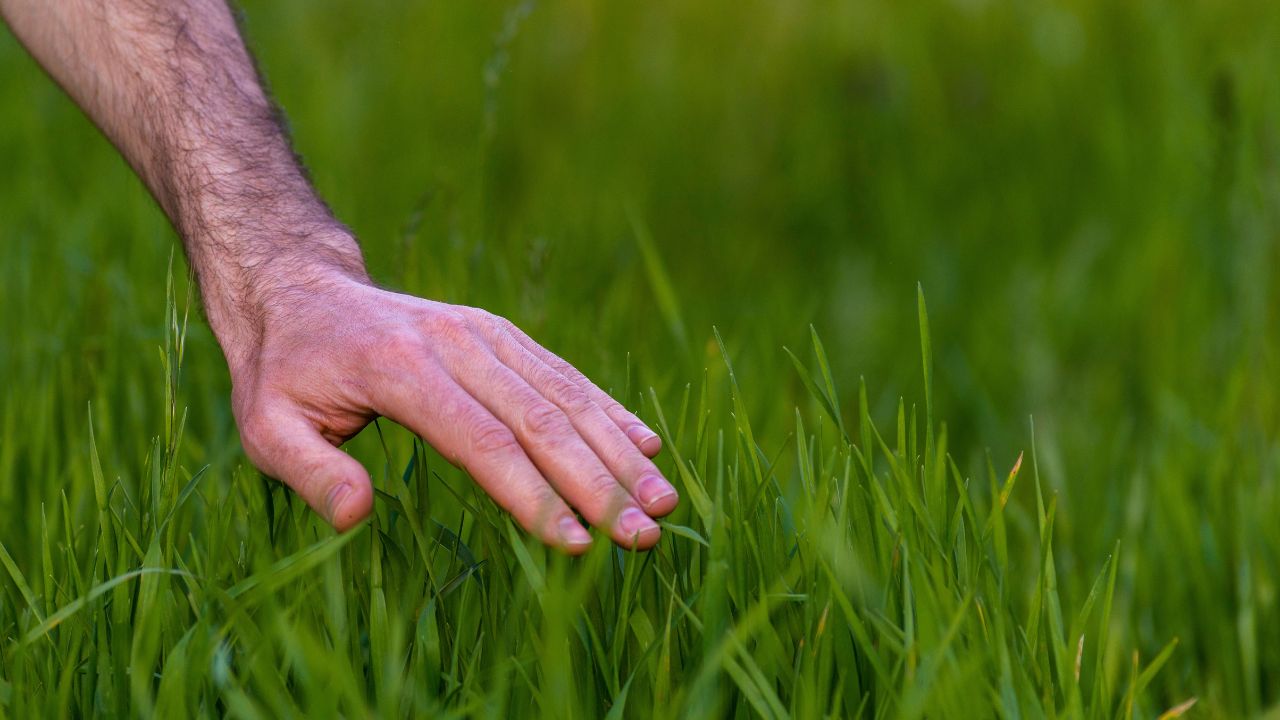
Fine fescue is a group of closely related cool-season grasses, like creeping red, chewings, hard, and sheep fescue, that share one remarkable trait: they grow so slowly and stop growing so early in their vertical reach that most homeowners mow them only once or twice a year. As Penn State Extension explains, uncut fine fescue lawns grow 12 to 15 inches and then fall over into undulating wave-like mounds about 6 inches high. Mowing two to four times per year is sufficient to maintain a clean 4-inch height.
According to the University of Minnesota Extension, fine fescues need only 1 to 2 pounds of nitrogen per 1,000 square feet per year, compared to 3 to 5 pounds for Kentucky bluegrass, the lowest fertilizer demand of any commonly planted lawn grass. The University of Minnesota’s turfgrass research program also confirms that a fine fescue lawn uses up to 60% less water than Kentucky bluegrass when properly managed.
There is one reality check that saves a lot of frustration: “no-mow” describes the lawn after establishment, not from day one. During the first 12 to 18 months, expect to mow two or three times to control weeds while the fescue fills in. The University of Minnesota’s turfgrass science program also recommends a fall mowing even for no-mow lawns, to reduce snow mold damage and promote faster spring green-up.
Fine fescue performs best in USDA Zones 3 to 7 and thrives in both sun and partial shade, making it one of the most broadly applicable options on this list. Colorado State University Extension specifically notes that hard fescue’s better heat tolerance makes it well-suited to the Front Range of Colorado.
3. The Native Lawn Your Water Bill Has Been Waiting For

Buffalograss is a warm-season native of the Great Plains that has been doing the low-maintenance thing since long before anyone coined the term. According to Colorado State University Extension, turf-type buffalograss varieties require 50% to 75% less irrigation than Kentucky bluegrass over the course of a season, largely because the grass is dormant in spring and fall, which dramatically reduces its total water demand. Missouri Extension confirms it is one of the most heat- and drought-tolerant turfgrass species available and can survive extended dry periods by entering dormancy and greening up when moisture returns.
What most buffalograss converts don’t tell you upfront: establishment requires significant water. CSU Extension is emphatic that supplemental irrigation during establishment equals or occasionally exceeds what a bluegrass lawn needs. The payoff comes in Year 2 and beyond. For low-maintenance areas, Missouri Extension recommends mowing buffalograss at 3 to 4 inches every three to four weeks, or simply an annual spring mowing to remove old growth.
Buffalograss is best suited to full-sun yards in the Great Plains, High Plains, and Southwest. It does not perform well in shade, heavy clay soils, or above about 6,500 feet in elevation. If your lawn is sunny and you can commit to a patient first year, buffalograss is arguably the most drought-resistant lawn surface you can plant.
4. The Lawn You Can Actually Smell
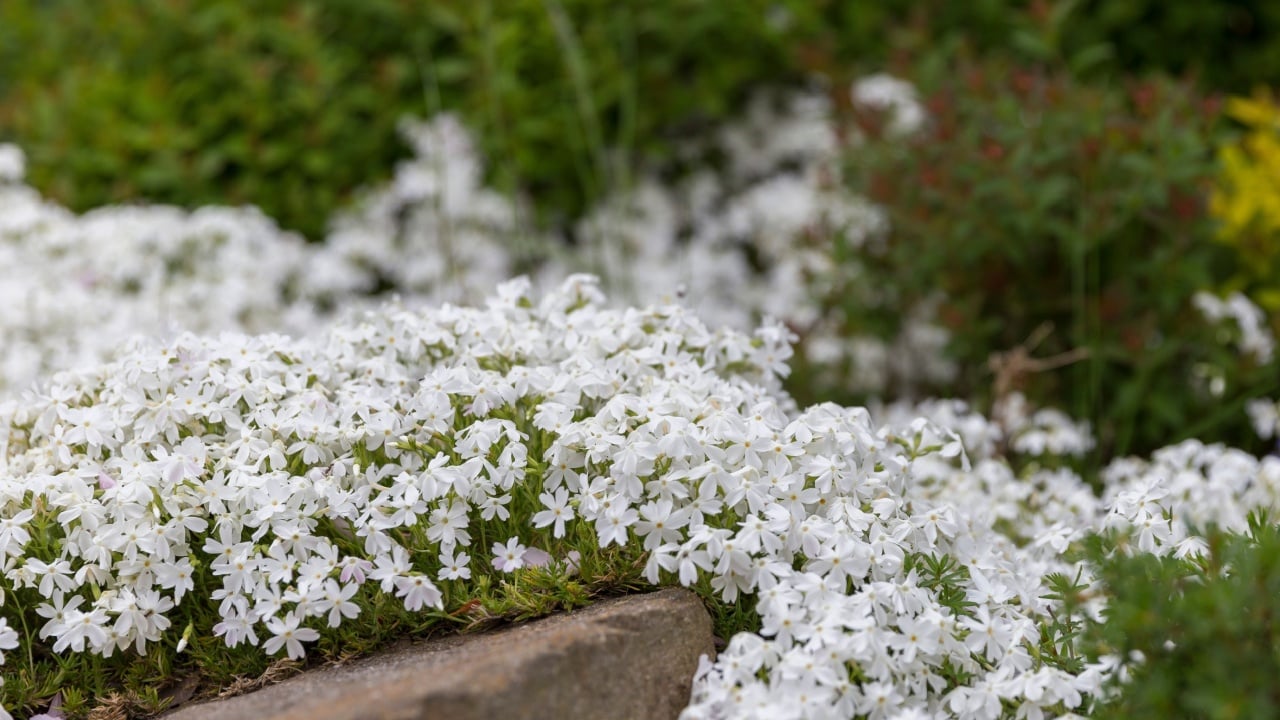
Creeping thyme grows only 4 inches tall, tolerates considerable foot traffic, and releases its herby fragrance every time someone walks across it. It is drought-tolerant, thrives in poor soils, works in USDA Zones 4 to 9, and requires no fertilizer once established. As The Old Farmer’s Almanac describes it, some homeowners have replaced their entire lawns with creeping thyme, and it holds up to daily use better than most groundcovers.
The honest caveat, confirmed by landscape horticulturist Jessica Mercer in research compiled by Lawn Love, is that creeping thyme fills in slowly. Mercer explains that creeping thyme requires patience because it fills in slowly, and the first year usually involves more weeding than people expect. Plan for two to three full seasons before coverage becomes dense. Plugs or transplants speed up establishment significantly versus seeding. Once established, it requires no mowing, though an optional trim after spring bloom keeps it tidy for the rest of the season.
5. The Groundcover That Grows Where Grass Dies
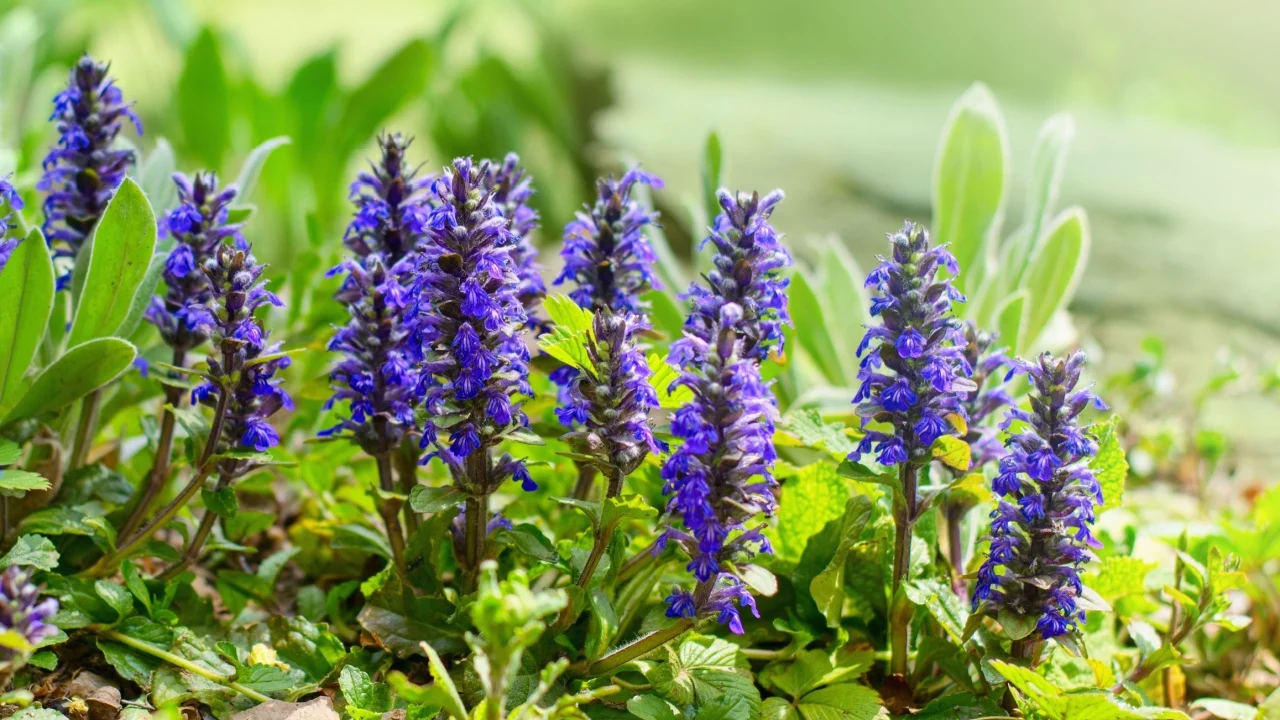
If part of your yard is deep shade under a tree canopy, you may have spent years watching grass thin out and die, no matter how much you water. Bugleweed (Ajuga reptans) is one of the few groundcovers that not only survives those conditions but thrives in them. As Penn State Extension notes, it grows well in dry shade, the notoriously difficult zone beneath trees where little else will grow, and blooms with small purple flowers in spring and autumn.
Maintenance is genuinely minimal: mow once per year after the flowers have faded, then leave it alone. It spreads by runners and seeds, forming a dense mat that crowds out weeds effectively. One critical caution: Ajuga is on the invasive species list in some states and regions. Before purchasing, check with your local university extension office to confirm it is not restricted where you live. If it poses no problem in your area, it is widely available at garden centers and is one of the most forgiving plants on this list.
6. What Nursery Professionals Rarely Tell You About Sedge
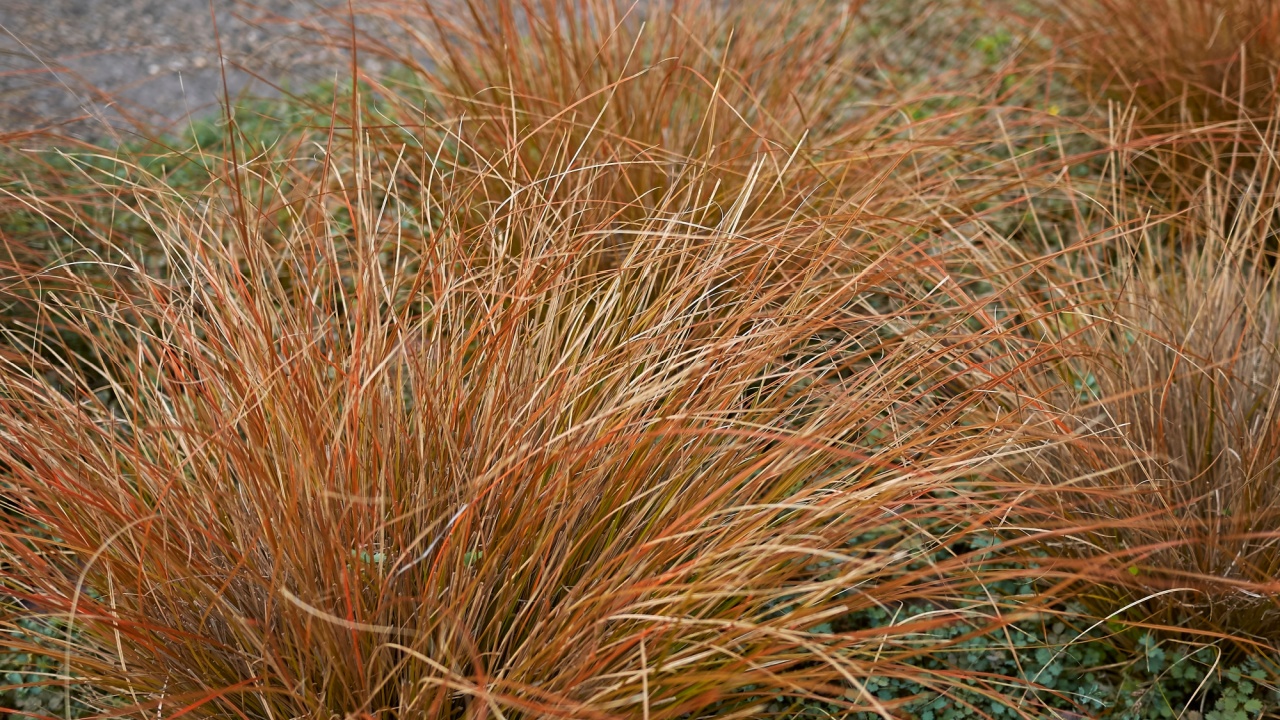
Pennsylvania sedge (Carex pensylvanica) is a native perennial that behaves almost exactly like a lawn without ever being treated like one. Penn State Extension describes it as having grassy leaves, strong drought tolerance, and a creeping colony habit that forms soft, 10-inch-tall clumps. Unlike most grass alternatives, it suppresses weeds through density rather than chemicals. It spreads by rhizomes to form a tough mat just below ground level that resists moderate foot traffic.
What nursery professionals sometimes omit: sedge strongly prefers shade. In full sun, it tends to brown at the tips and struggle. For sunny lawns, sun-tolerant liriope (particularly Liriope spicata, which fills in quickly) is a better companion or substitute. Pennsylvania sedge needs a single early-spring mowing at the highest mower setting to remove dead winter foliage. After that, it’s essentially self-managing from May through October.
7. The Ecolawn: When You Want a Real Lawn Without the Real Work
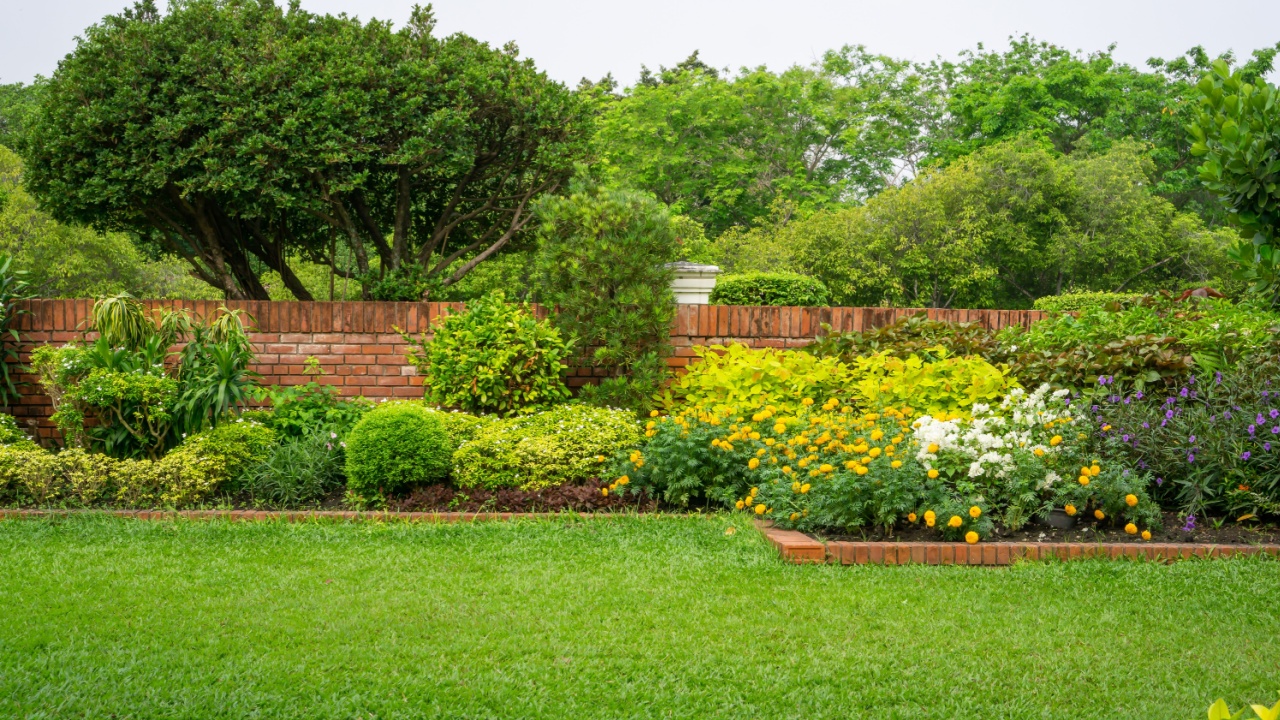
If none of the single-species options feel quite right, an ecolawn may be the answer. Oregon State University Extension defines an ecolawn as a stable blend of low-input grasses and broadleaf plants, typically hard fescue, dwarf perennial ryegrass, white clover, and yarrow, designed to function like a conventional lawn while requiring dramatically less of everything. Once established, OSU researchers estimate water requirements at one-quarter to one-third those of a conventional lawn.
Ecolawns do require mowing, approximately once every two to three weeks during the growing season, but they require no fertilizer (the clover fixes nitrogen for the entire mix), minimal irrigation, and no herbicides. Site preparation and seeding follow the same process as a standard lawn.
The key difference is patience: ecolawns take one full season to establish properly, and they look slightly less uniform than a monoculture turf during that period. By Year 2, most homeowners describe them as indistinguishable from a traditional lawn at a glance, while spending a fraction of the time and money to maintain them.
The Lawn Even Your HOA Can’t Complain About
If you’ve held off on switching your lawn because of HOA restrictions, it is worth doing some legal homework before assuming you’re stuck. Colorado passed landmark legislation in 2022 and 2023 that prohibits HOAs from banning water-wise alternatives and requires HOAs to offer homeowners at least three approved drought-tolerant landscape designs, as Colorado State University reports. California has similar protections under state law, and dozens of water districts now offer rebates of $2 to $5 per square foot of conventional turf removed.
Before planting any alternative, check your city’s lawn height ordinances. In many municipalities, lawns and groundcovers must be maintained below 8 inches, which affects no-mow fine fescue more than anything else. Overseeding your existing lawn with microclover rather than removing turf entirely is the lowest-friction path: it reduces mowing frequency by up to 50%, eliminates the need for fertilizer, and is nearly invisible to neighbors and HOA inspectors alike. Your grandmother’s generation didn’t have to fight their neighborhood association to grow a clover lawn. For many homeowners, that fight is now largely over.
Read more:
Why wildlife experts are telling people to take down their bird feeders
Plant these 10 companion plants with your tomatoes — and stop planting these 4