13 Ways to Use Every Part of Your Rhubarb Plant (Even the Leaves)
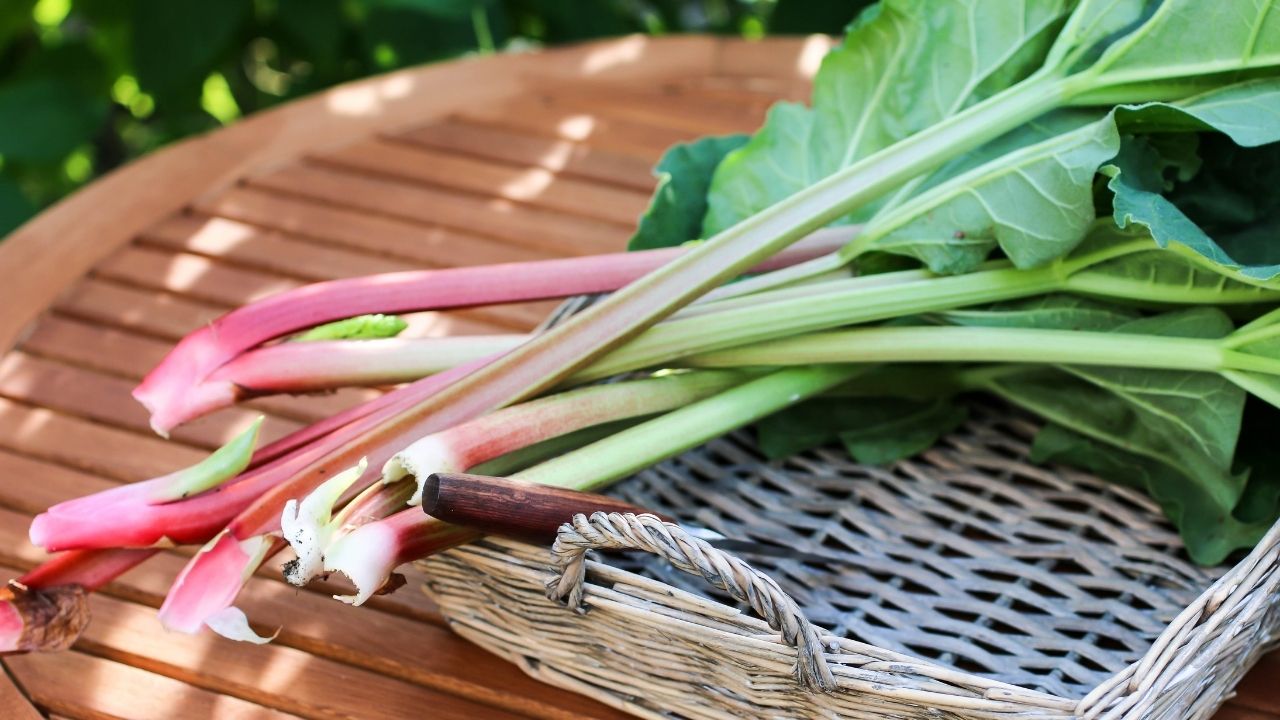
Home gardeners who grow rhubarb know the routine: harvest fistfuls of bright stalks, lop off the enormous leaves, and toss them straight into the trash or compost without a second thought. That is a mistake.
Those leaves are a free natural insecticide, a zero-effort weed barrier, and even the raw material for beautiful garden stepping stones. And that is before you get to the stalks themselves, which go far beyond strawberry-rhubarb pie into savory chutneys, shrubs, leather, and cocktail syrups that will genuinely surprise you.
Once an established rhubarb plant hits its stride, it produces faster than most gardeners can keep up with. Here is how to make sure nothing goes to waste.
Why Rhubarb Is the Hardest-Working Plant in the Spring Garden
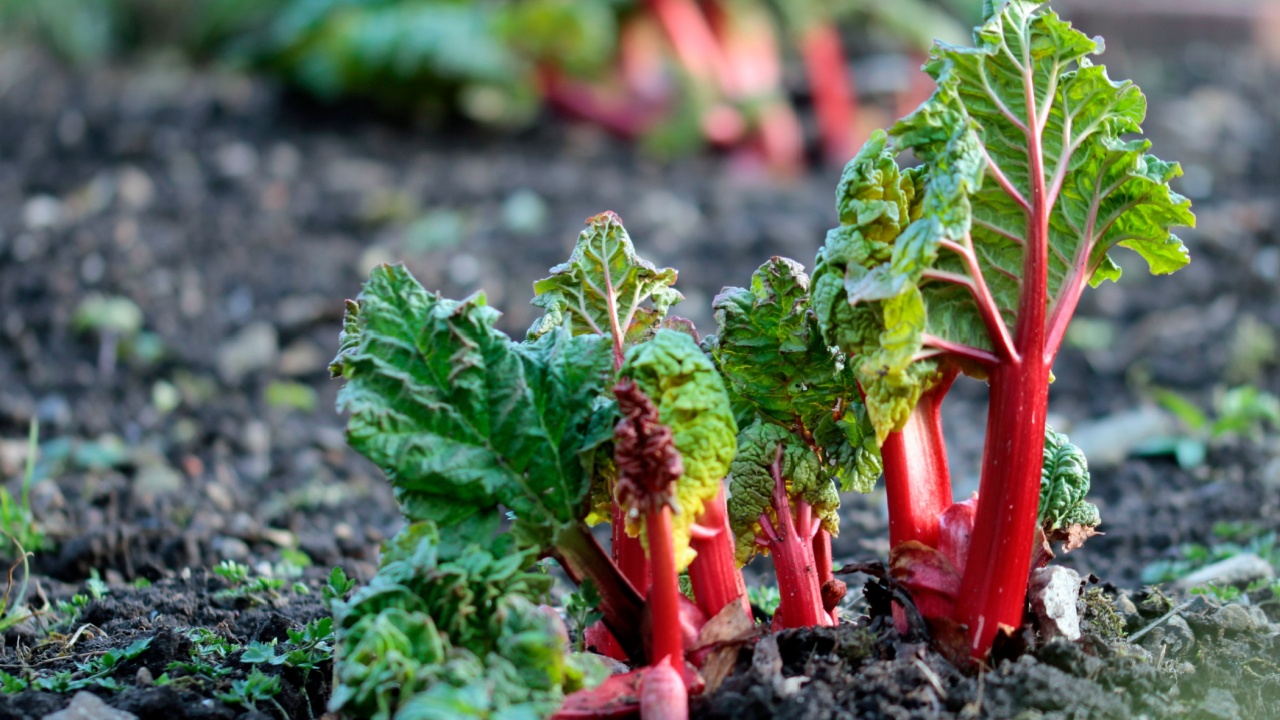
Rhubarb has been earning its place in kitchen gardens for thousands of years, with its roots tracing back to Tibet, where it was prized for its medicinal properties long before anyone thought to put it in a pie. Today, horticulturists at the University of Minnesota Extension describe it as one of the toughest and most rewarding perennials a home gardener can grow: low-maintenance, pest-resistant, and among the very first crops ready to harvest each spring.
A single, well-placed rhubarb plant can produce abundantly for 15 years or more with nothing more than an annual top-dressing of compost and occasional division. It is high in fiber, potassium, and vitamins C and K, and it is low in calories, making it one of the more nutritious things growing in your backyard right now, according to Eartheasy.
Rhubarb is technically a vegetable, though most Americans treat it like a fruit; in fact, a 1947 U.S. court ruling officially classified it as a fruit for regulatory purposes because of how it is used in American kitchens. Whether you call it a fruit or a vegetable, what matters is that you are getting full value from every part of the plant.
Before You Cook a Single Stalk, Know This
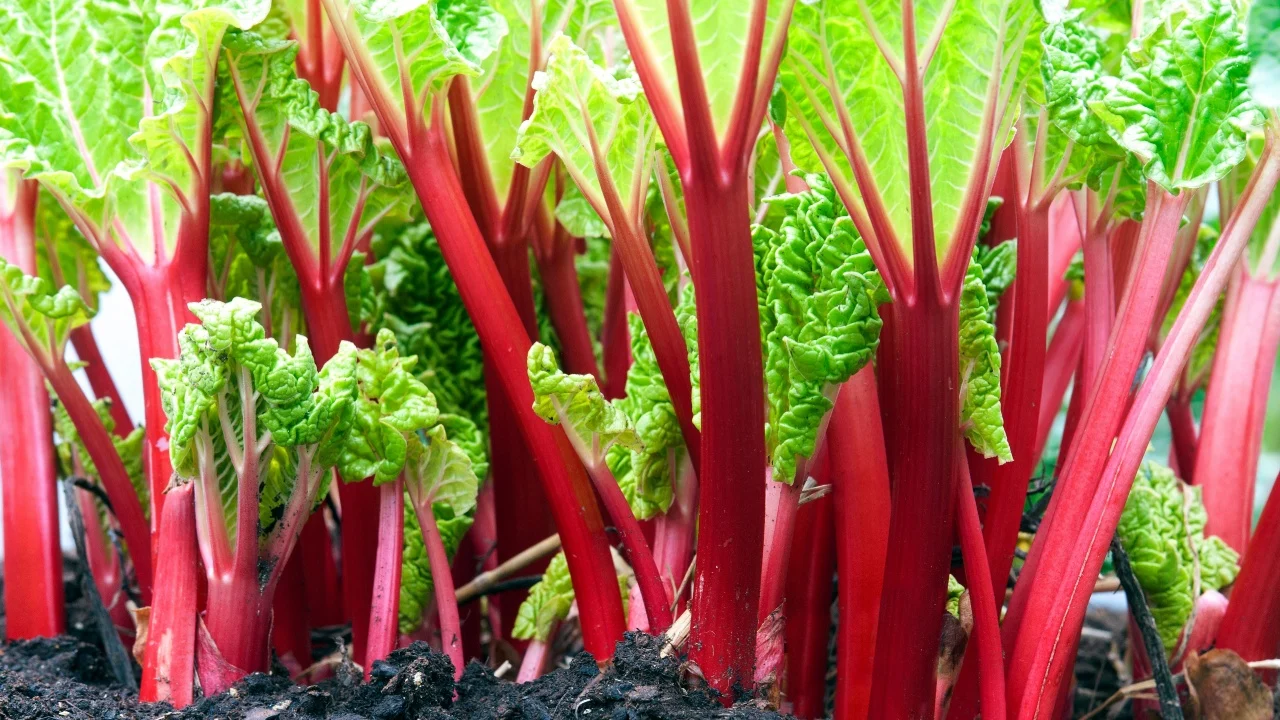
The one non-negotiable rule with rhubarb is to eat only the stalks, never the leaves. The leaves contain high levels of oxalic acid and anthraquinone glycosides, compounds that are toxic to humans and pets when consumed. According to Gardener’s Supply Company, you would need to eat approximately 11 pounds of rhubarb leaves for a lethal dose, but even a small amount can cause significant gastrointestinal distress. Trim and discard the leaves from the stalks before bringing them inside.
Before you get nervous about adding rhubarb to your garden repertoire because of the leaf toxicity, it is important to know that the leaves are only dangerous when eaten. Handled with care, they are extraordinarily useful in the garden (as you will see below). Rhubarb leaves are also perfectly safe to compost; the oxalic acid breaks down during decomposition and does not harm soil microorganisms or transfer toxicity to other plants, writes Gardening Know How.
However, do not eat rhubarb stalks after a hard frost. Freezing temperatures can cause oxalic acid from damaged leaves to migrate into the stalks. If you have a frost warning, harvest what you need before it hits.
Here are 13 ways to use every part of your rhubarb plant.
1. Classic Rhubarb Compote
This is the gateway recipe, and it is almost embarrassingly simple. Combine 4.5 cups chopped rhubarb, 1.5 cups sugar, and 2 tablespoons lemon juice in a saucepan, and simmer until soft, about 7 minutes. Serve over vanilla ice cream, stir into yogurt, or spoon over pancakes. The Pioneer Woman describes rhubarb compote as one of the most versatile springtime kitchen staples you can keep in the refrigerator.
2. Rhubarb and Ginger Jam
Skip the strawberries for once. Rhubarb paired with fresh and candied ginger makes a sophisticated jam that does not require strawberry season to be in full swing. It is one of the most rewarding preserves you can put up in a spring kitchen, and it lasts for months. Treehugger recommends making at least two batches once you try it.
3. Rhubarb Shrub (Drinking Vinegar)
A shrub is a colonial American tradition: a sweet-tart syrup made with fruit, sugar, and vinegar that is used as a mixer for cocktails and mocktails. Rhubarb makes an extraordinary shrub because its natural tartness complements the vinegar beautifully. Mix it with sparkling water for a sophisticated non-alcoholic drink or add it to gin for a seasonal cocktail. Forks in the Dirt calls it a revelation for anyone who thinks rhubarb is only for dessert.
4. Savory Rhubarb Chutney
In the Middle East and Scandinavia, rhubarb has been cooked with meats and used as a souring agent in savory dishes for centuries. At home, it shines as a chutney: combine chopped rhubarb with red onion, ginger, brown sugar, spices, and a splash of vinegar; simmer until thick. The result is extraordinary on a charcuterie board, served alongside pork, or used as a burger condiment. The University of Alaska Fairbanks Cooperative Extension Service recommends rhubarb chutney as one of the most practical ways to use a surplus harvest.
5. Rhubarb Leather
Eartheasy describes rhubarb leather as the recipe that turned a whole household into rhubarb converts, and it is easy to see why. Cook rhubarb down with a little sugar until very soft, spread it thin on a dehydrator sheet or parchment-lined baking pan, and dry it low and slow. The result is a sweet-tart fruit leather that children devour and that stores for weeks. It is technically a vegetable masquerading as candy, which is its own kind of triumph.
6. Frozen Rhubarb for Year-Round Baking
One of the smartest things you can do with a surplus is freeze it in labeled recipe-sized portions (2-cup bags are ideal). Rhubarb requires no blanching; simply chop, pack raw into freezer bags, and freeze for up to a year. An Oregon Cottage notes that frozen rhubarb performs just as well as fresh in muffins, crumbles, and breads, which means strawberry-rhubarb muffins in January are entirely achievable.
7. Rhubarb Simple Syrup
Simmer equal parts rhubarb, water, and sugar until the fruit dissolves; strain and refrigerate the brilliant pink syrup. It keeps for two weeks in the refrigerator and is extraordinary in lemonade, iced tea, champagne cocktails, or drizzled over vanilla panna cotta. The Old Farmer’s Almanac recommends rhubarb tonic as one of the most underrated spring kitchen projects for gardeners with abundant harvests.
8. Rhubarb Leaf Weed Barrier
Place the large, flat leaves directly on the soil around your plants immediately after harvesting. They smother germinating weeds, hold moisture in the soil, and decompose into the earth within a few weeks, adding organic matter. No special preparation is needed; just lay them flat, overlapping slightly. Garden Culture Magazine recommends this as one of the simplest and most effective mulching hacks available to gardeners who grow rhubarb.
9. Rhubarb Leaf Natural Insecticide
This is the use that surprises even experienced gardeners. Boil rhubarb leaves in water for 20 to 30 minutes, cool completely, strain into a spray bottle, and add a few drops of liquid dish soap. The oxalic acid in the leaves acts as a natural pesticide against aphids, spider mites, and caterpillars on ornamental plants. Plant Care Today notes that it should not be used on edible crops and should be kept away from dogs, who may be attracted to the soap. Apply in the evening to avoid disrupting pollinators.
10. Rhubarb Leaf Compost
If you are not using the leaves for insecticide or weed control, they are excellent compost material. Despite the toxicity concerns that make gardeners nervous, composting rhubarb leaves is completely safe; the oxalic acid breaks down fully during decomposition without harming soil microorganisms or the plants that grow in the finished compost. Gardening Know How confirms that composting rhubarb leaves is one of the most straightforward ways to return nutrients to your garden.
11. Rhubarb as an Ornamental Plant
If your rhubarb is tucked in a corner of the vegetable garden, consider moving a division to a sunny flower border. Iowa State University Extension specialists describe rhubarb as a striking ornamental plant whose dramatic leaves provide a bold, coarse texture that contrasts beautifully with fine-textured perennials like ornamental grasses, penstemon, or tall bearded iris. It is genuinely beautiful and one of the most overlooked edible landscape plants.
12. Rhubarb Leaf Casting
Press a large rhubarb leaf vein-side down into a mound of damp sand, pour a thin layer of concrete over it, smooth it, and let it cure. When the leaf breaks away, you are left with a beautifully textured, botanically accurate garden stepping stone. The deeply veined underside of rhubarb leaves makes them among the best casting leaves available; the results look professional and cost nothing. Plant Care Today recommends this project for any gardener with a surplus of large leaves.
13. Dividing and Sharing Crowns
One of the most generative uses of a mature rhubarb plant is to divide it every 3 to 4 years and give the divisions away. The University of Minnesota Extension recommends division both to keep individual plants vigorous and to share the wealth with neighbors and fellow gardeners. A chunk of a 10-year-old established plant is one of the best gardening gifts you can give, and it will produce in its new home within two seasons.
The One Mistake That Wastes Half Your Harvest
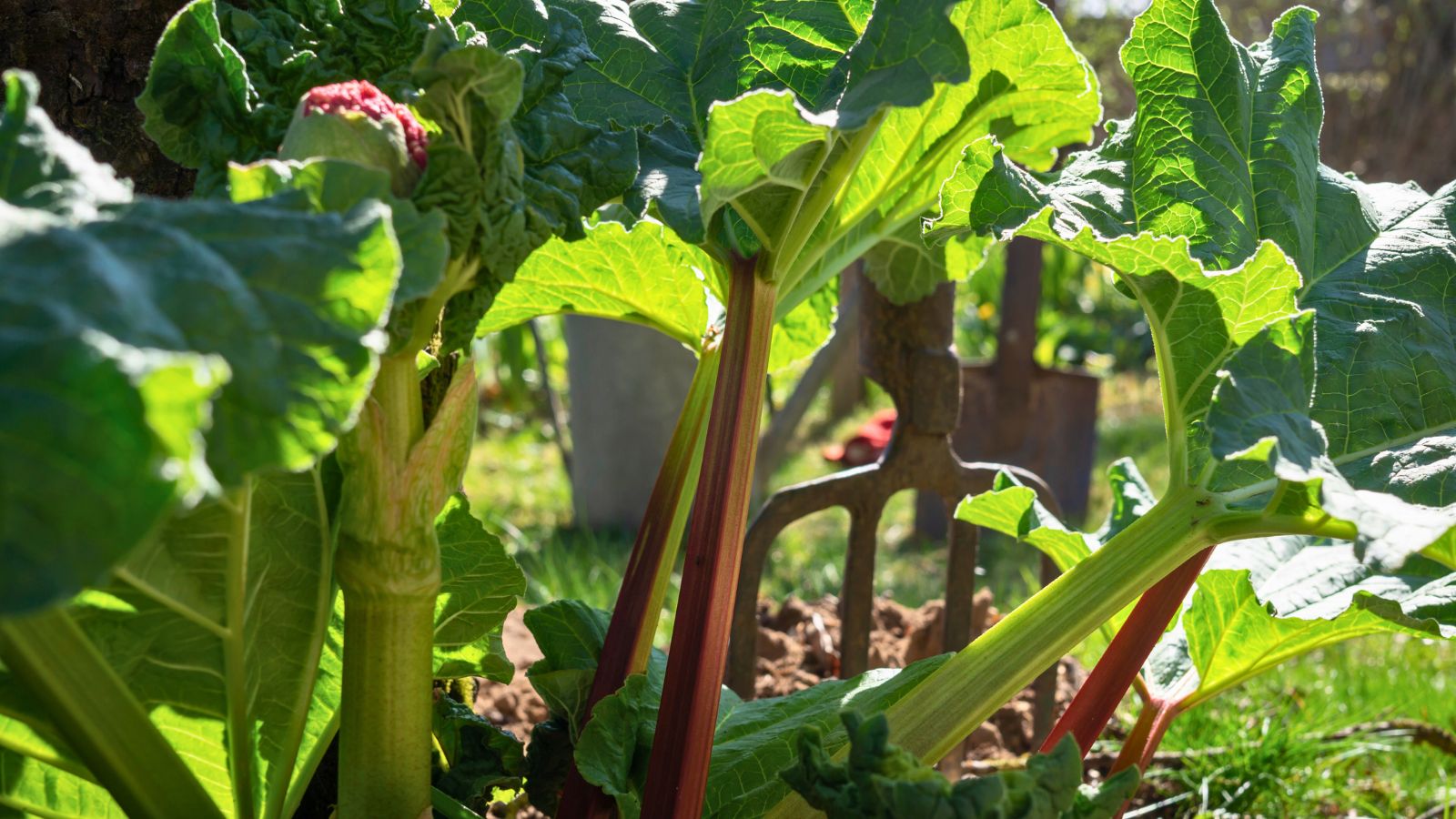
When a rhubarb plant sends up a tall, round flower stalk, many gardeners assume it is a sign of health and let it bloom. It is not. Flowering diverts significant energy away from stalk production, resulting in thin, tough, less flavorful stalks for the rest of the season. Cut flower stalks off at the base the moment you see them. Iowa State University Extension horticulture specialists note that flower formation is often triggered by drought, heat, or infertile soil, all of which are worth addressing proactively.
The other common error is over-harvesting in the first two years after planting. A new plant needs its stalks and leaves to build root reserves. Harvest nothing in year one; take only a few stalks in year two. From year three onward, you can harvest freely for a six to eight-week window each spring, and you will have rhubarb to spare.
How to Keep Your Rhubarb Plant Producing for Decades
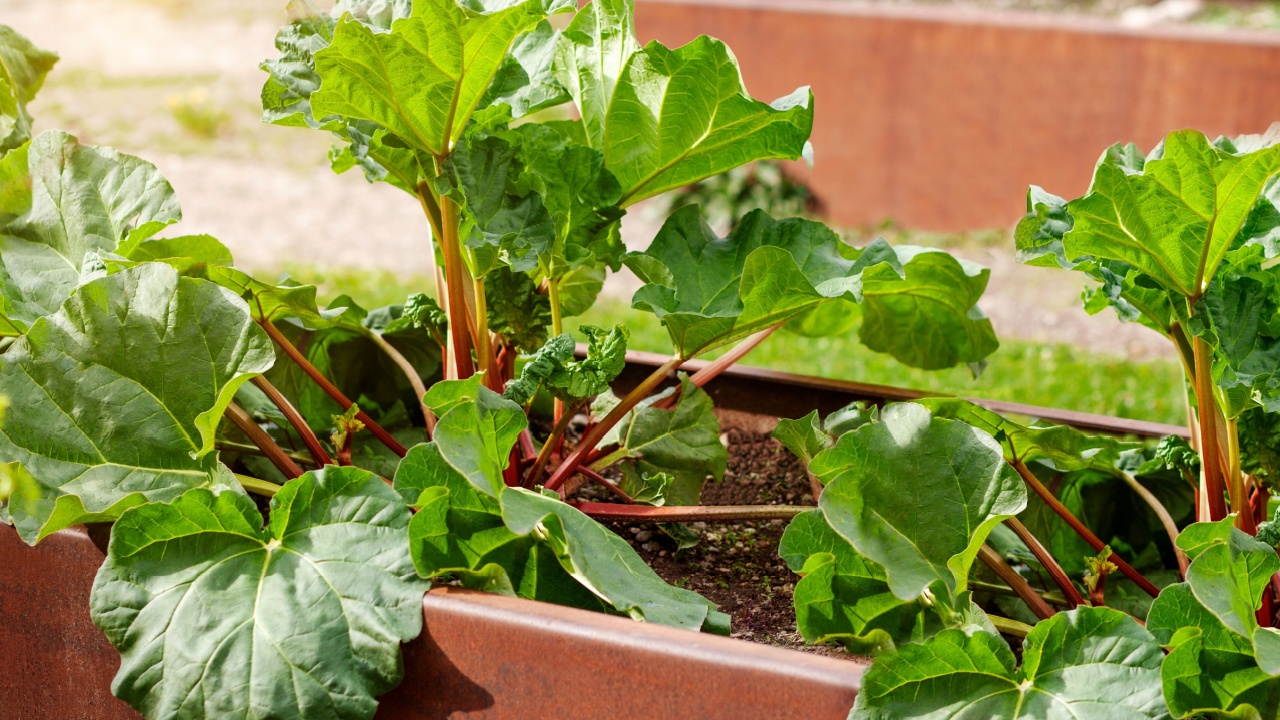
Rhubarb’s longevity is remarkable; documented plants have been producing in the same spot for 40 to 50 years. The keys to that kind of longevity are straightforward. Top-dress the crowns with compost each spring. Water consistently during the first two years; after that, established plants are quite drought-tolerant. Remove flower stalks as soon as they appear. Divide the plant every three to four years when the center becomes crowded, and the stalks start to thin.
Gardener’s Supply Company notes that four to six plants will provide more than enough for most families once established, but a single well-tended plant can carry an entire household through spring and fill the freezer for winter.
Rhubarb is one of those plants that rewards gardeners who pay attention to it. This year, instead of reaching for the same pie recipe year after year, pull out a fresh stalk, brew a batch of rhubarb shrub, lay those big leaves across your garden beds, and boil up a jar of insecticide for your roses. You already did the hard work of growing the plant. Now use all of it.
Read More
Washing Your Lettuce Won’t Remove Cyclosporiasis, But Growing Your Own Will
Your Grandmother Stored These 8 Foods All Winter Without Canning a Single Jar