Stop Planting These 9 Perennials This October
That pot of blooming mums on your front steps is about to talk you into one of the most common garden mistakes of the year. Plant it in the ground this week, and there is a real chance it will be an empty, brown crown by April, hardy label and all.
Fall truly is a terrific season to plant, which is exactly what makes this trap so easy to fall into. University of Illinois Extension calls fall planting “like putting money in the bank for next year,” but it also advises getting plants in the ground about six weeks before the first frost. Your grandmother’s rule that “fall is for planting” was right; it just came with fine print. Across much of the country, late October is well past that window, and a handful of popular perennials were never suited to autumn planting at all. Some are tender, some rot in cold, wet soil, and some simply can’t anchor themselves before winter’s freeze and thaw cycles begin.
This is also the season when garden centers slash prices, and that is where the damage adds up. Indiana horticulturist Moya Andrews has said her late fall purchases rarely survive unless they get at least six weeks to settle in before a hard freeze, and she now tries to resist those bargains. The math explains why. Plant a dozen discounted perennials at roughly $15 apiece and you have put $180 in the ground; lose half to rot, frost, or heaving and that is $90 you’ll be raking into the compost next spring.
The good news is that every plant below has an easy fix, and most of them simply want to wait until spring. Start with the plant you’re most likely to buy this week.
1. Stop Planting Potted Fall Mums in Late October
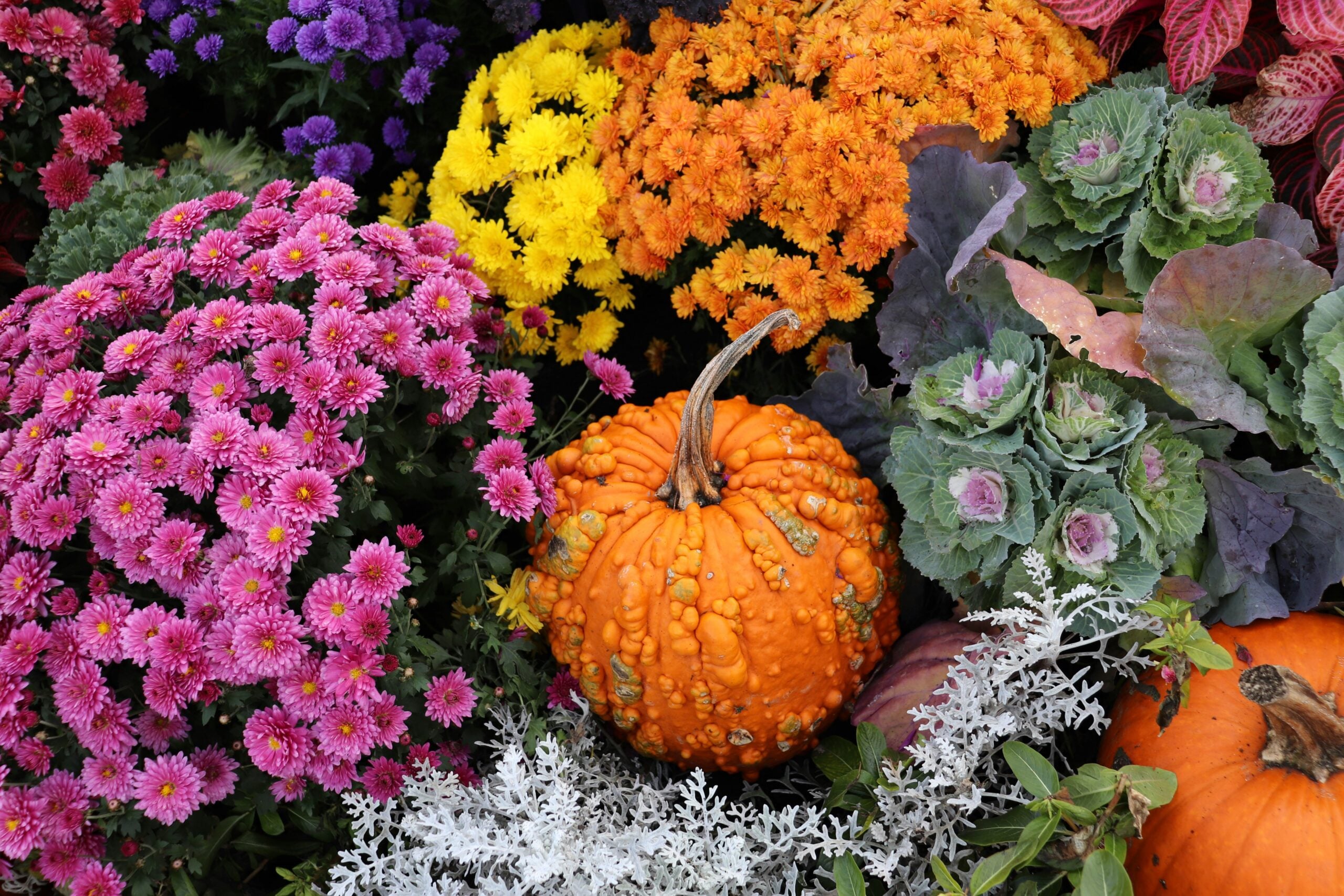
According to Iowa State University Extension, even garden mums labeled as hardy “frequently don’t survive the winter when planted in the fall.” Many of the blooming pots sold in autumn are florist mums that were never bred for winter, and even the true garden types need a full season to root. Enjoy them on the porch through Thanksgiving, then buy hardy garden mums in spring for flowers that actually return.
2. Don’t Put Dahlia Tubers in the Ground Until Spring
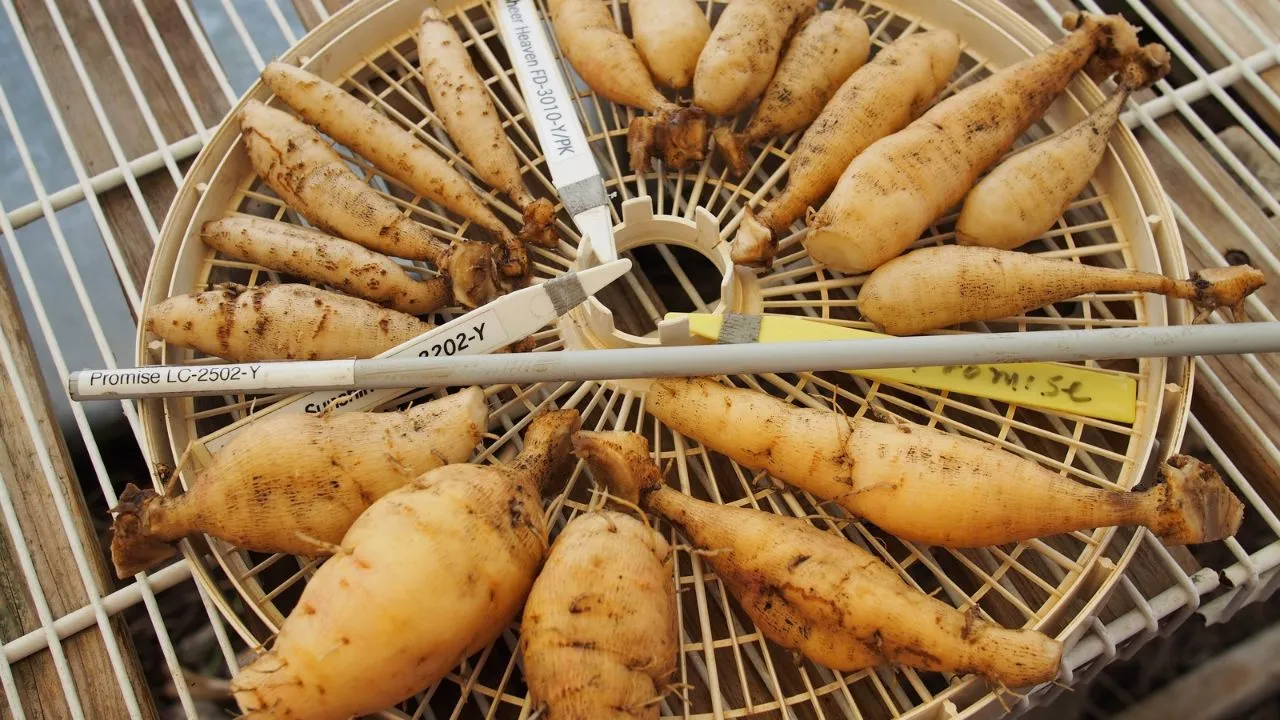
Dahlias are summer bloomers that sit dormant in fall, and tubers planted now tend to rot. Real Simple spoke with Palmstreet gardening expert Bryan Wu, who explains that a frozen tuber’s cells burst, turning it into “a mushy mess.” Better Homes & Gardens adds that autumn planting also raises the odds of losing tubers to rodents. If yours are already growing in a cold region, Penn State Extension recommends digging and storing them somewhere they cannot freeze, which saves you from rebuying tubers next year.
3. Skip Gladiolus Corms, Especially If You Have a Dog
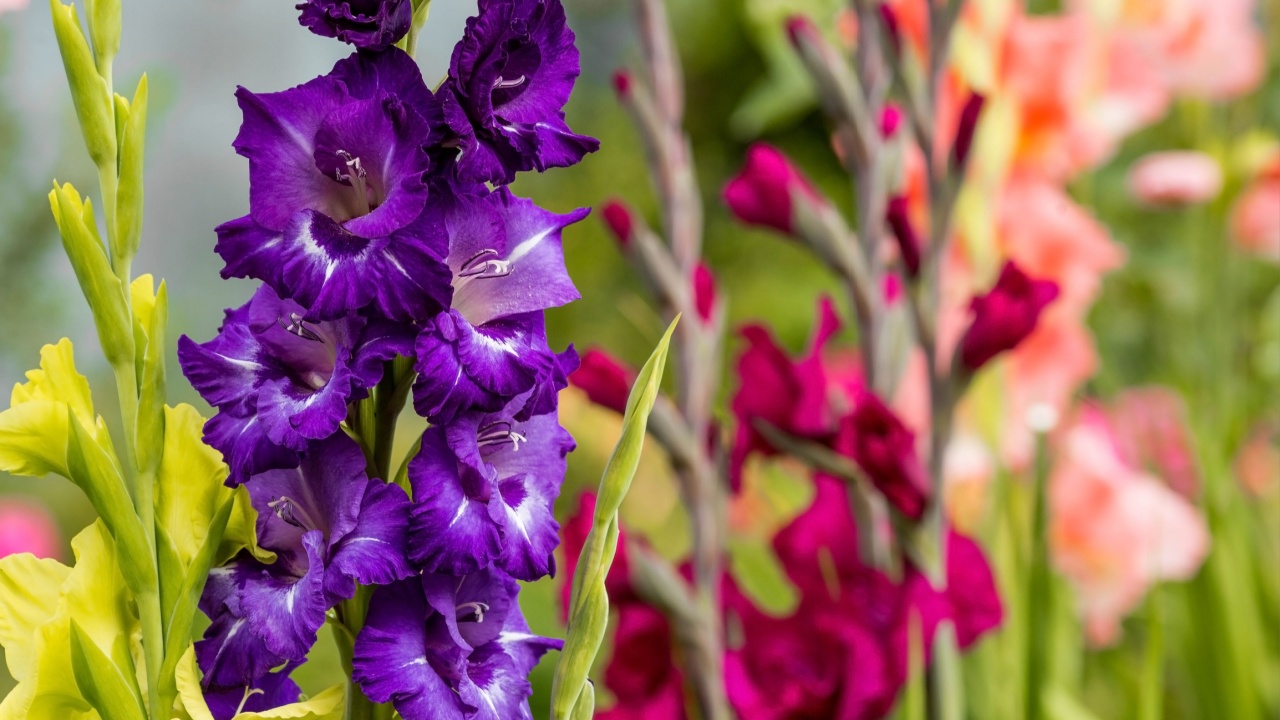
Gladiolus corms behave much like dahlias: planted in fall, they often rot, and Better Homes & Gardens notes that hungry rodents may eat them before they sprout. There is a second reason to wait. The ASPCA lists gladiolus as toxic to dogs, cats, and horses, with the “highest concentration in corms (bulbs).” Freshly dug soil is an open invitation to a curious dog, which makes a fall planting the worst of both worlds. The Spruce recommends planting after your last spring frost, once the ground stays above 55°F.
4. Stop Assuming Lavender Can Handle a Cold, Wet Winter
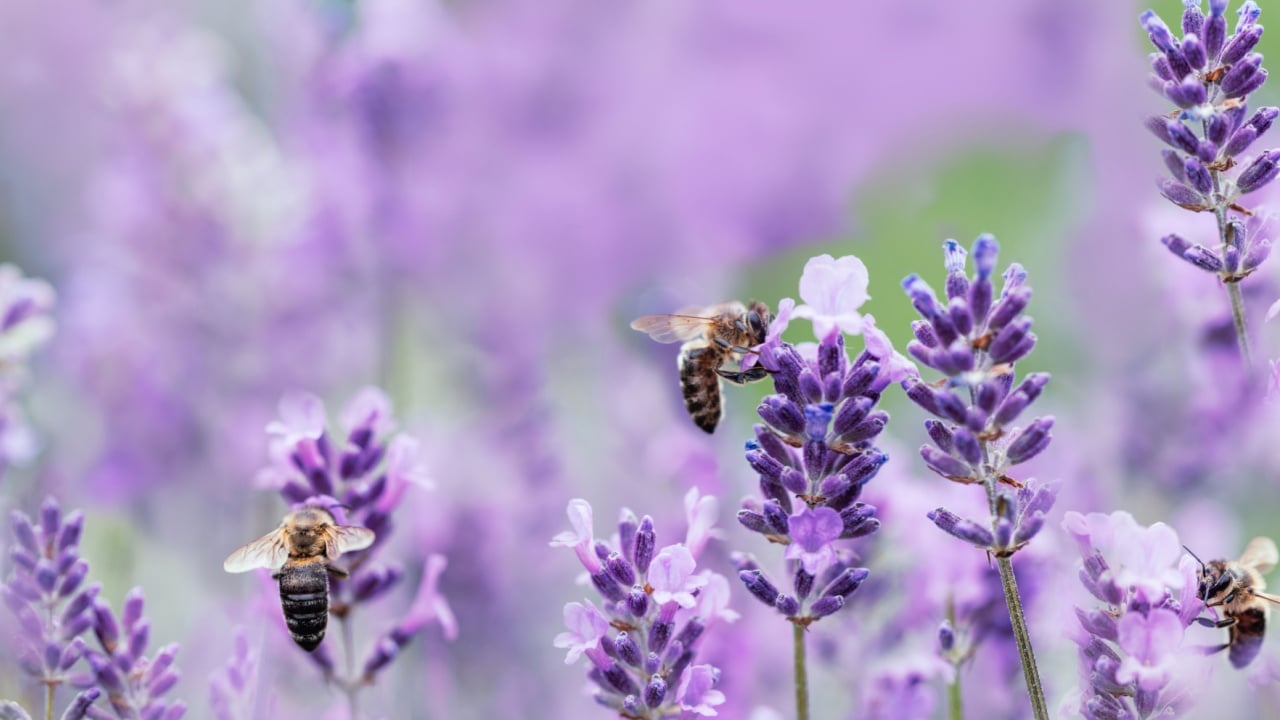
Lavender needs at least eight weeks in the ground before the first frost, according to The Spruce, and October misses that window in most regions. Cold isn’t really the villain here. University of Illinois Extension puts it plainly: “It is dampness more than cold that is responsible for killing lavender plants.” A new transplant sitting in soggy autumn soil is a recipe for root rot. Plant it in spring, in sharp drainage or a raised bed, and a single plant can perfume your yard for a decade.
5. Never Plant Tuberous Begonias as the Nights Turn Cold
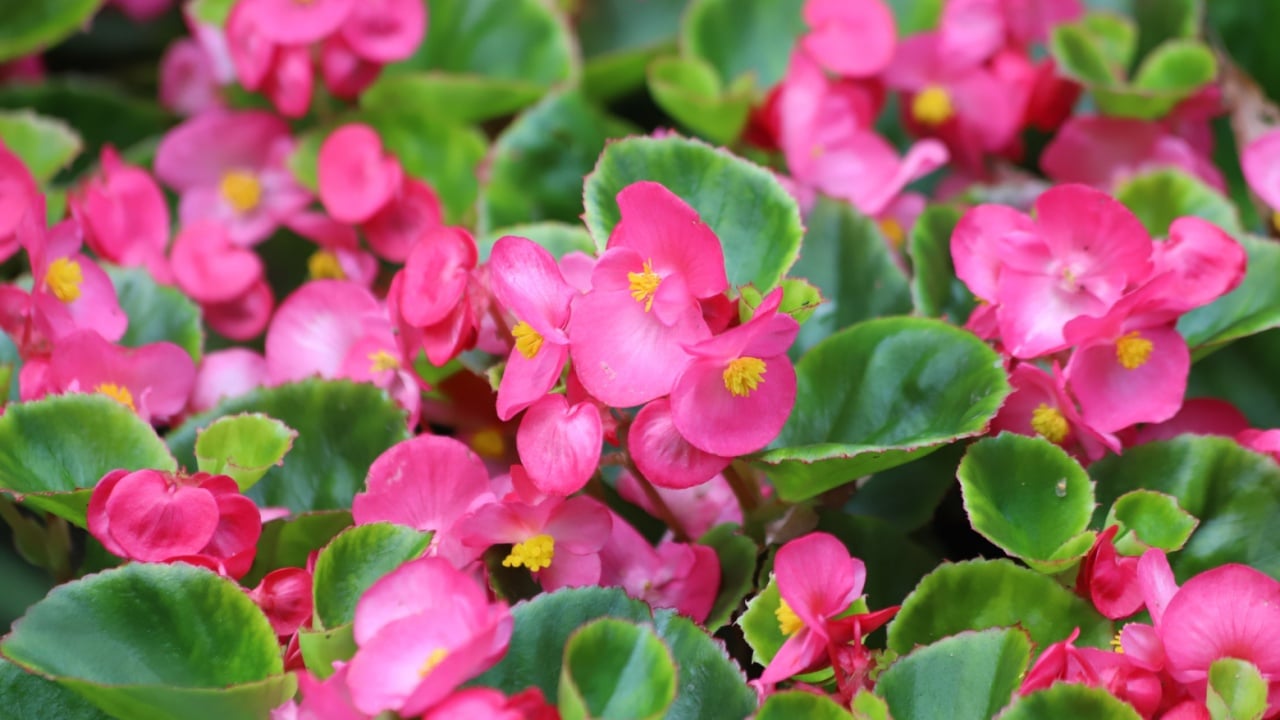
Tuberous begonias won’t tolerate temperatures below 45°F, and The Spruce is blunt about the result: “Once a tuberous begonia is frozen, the entire plant dies.” Southern Living says October is the month to dig and store these tubers, not plant them. Dog owners should also know that the ASPCA lists begonias as toxic to dogs and cats, and the most toxic part is underground. Replant in spring, ideally in a container your dog can’t dig into.
6. Avoid Canna Lilies Until the Soil Warms Up
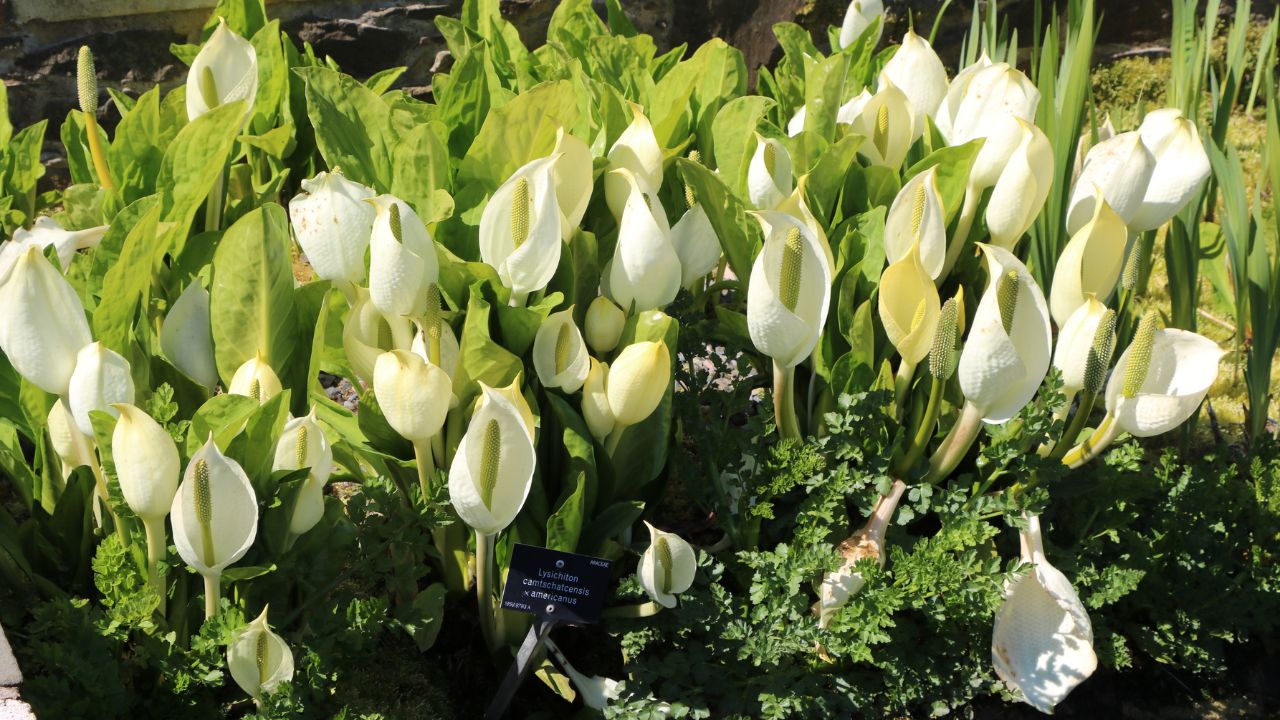
Canna lilies grow from rhizomes rather than true bulbs, and The Spruce notes they cannot grow in soil colder than 65°F. Better Homes & Gardens says they “shouldn’t be planted in fall, even in areas where they’re winter hardy.” Where winters freeze, dig existing rhizomes after frost and store them indoors. That one step means you never have to buy the same cannas twice.
7. Don’t Confuse Tropical Hibiscus With the Hardy Kind
Garden center tags make this mistake easy. According to The Spruce, hardy hibiscus can survive temperatures as low as 30 below zero, while tropical hibiscus can be killed by just a few nights under 50°F. Southern Living’s advice before you buy is simple: “make sure you know what you are buying.” Tropical types belong in a pot you can carry indoors, not in the ground in October.
8. Hold Off on Shasta Daisies and Coral Bells
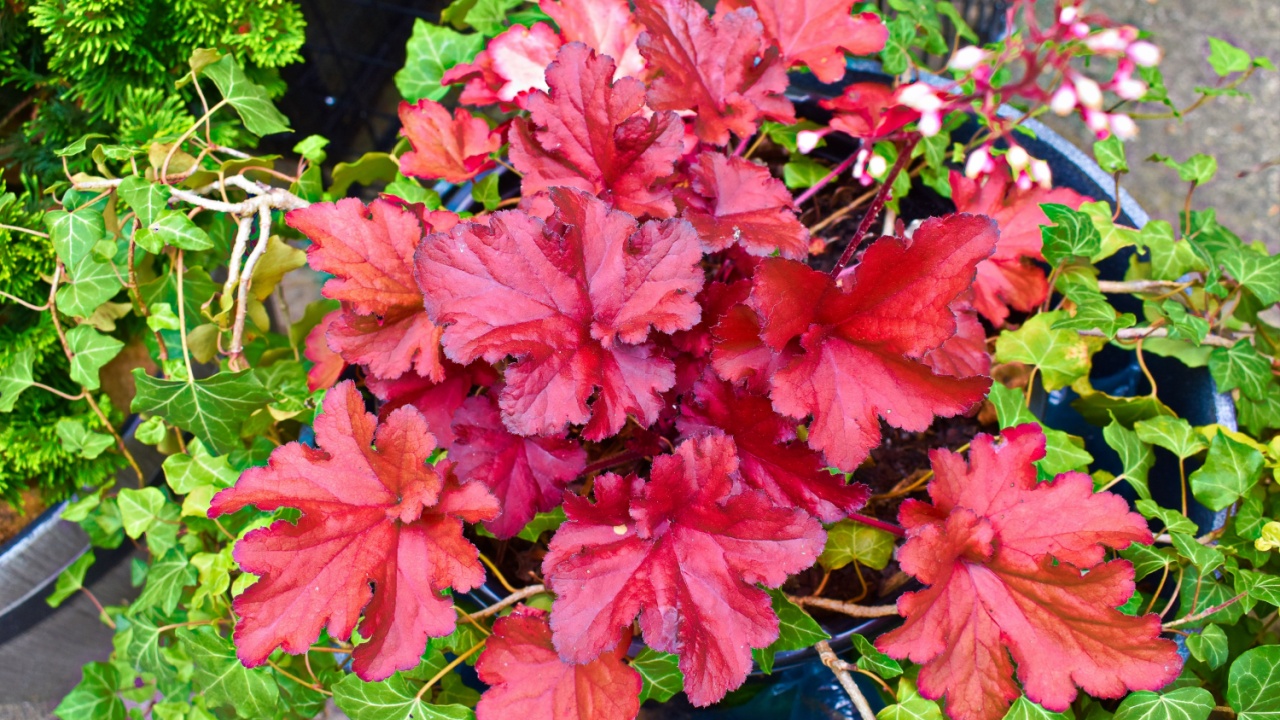
Some perfectly hardy perennials still fail when planted late, because their roots are shallow. Iowa State University Extension names garden mums, Shasta daisies, painted daisies, and coral bells as the plants most likely to be pushed out of the soil by winter freeze and thaw cycles. The Missouri Botanical Garden warns that heaved plants “may be seriously damaged, stunted or killed,” and advises planting at least six weeks before the first fall frost.
9. Never Plant Maiden Grass in Fall, and Think Twice About Planting It at All
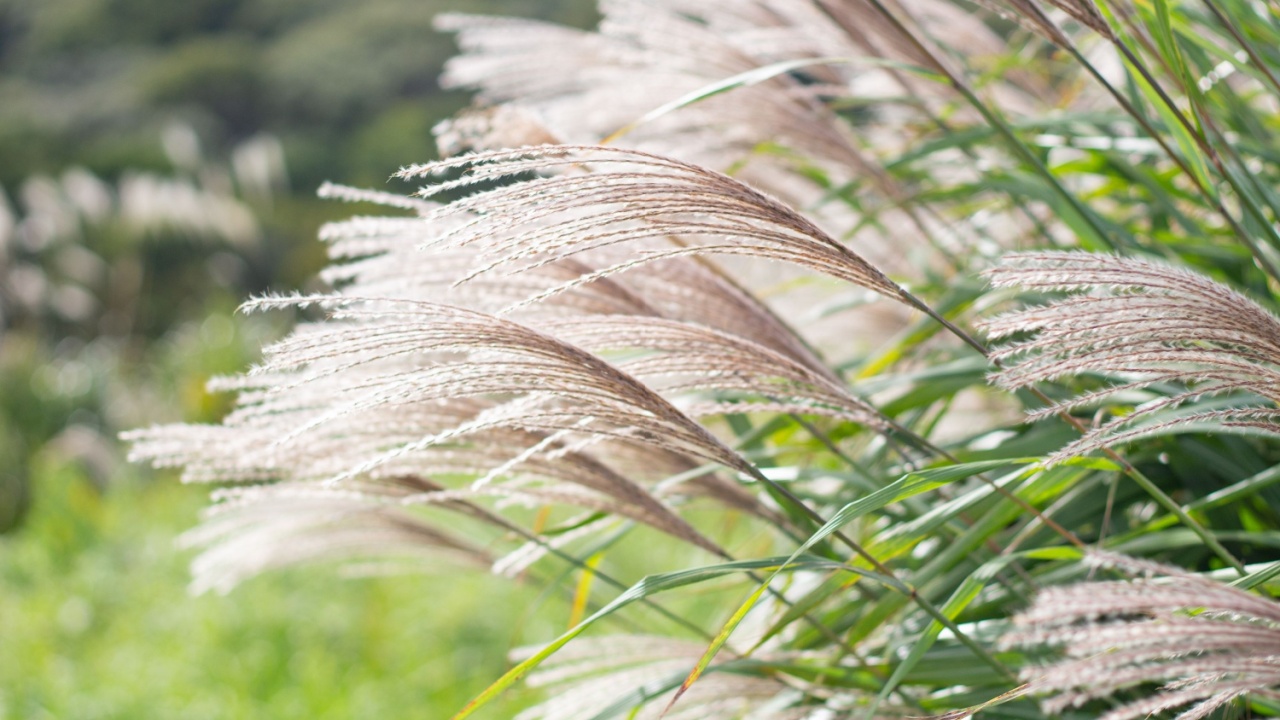
Darwin Perennials expert Mike Annes told Real Simple that warm season grasses such as switchgrass, little bluestem, and miscanthus (maiden grass) don’t establish well in fall. Maiden grass carries a bigger risk. Massachusetts added Miscanthus sinensis to its Prohibited Plant List after the Massachusetts Department of Agricultural Resources determined it poses “a threat to land in Massachusetts,” with a one-year phase-out period reported by Nantucket Current. Most homeowners don’t realize it also appears on invasive species lists in other states, including New York, where it is regulated, according to EDDMapS. It escapes ornamental plantings and crowds out native vegetation, which means it doesn’t politely stay on your side of the fence. For the same swaying texture, Real Simple’s experts suggest feather reed grass, which roots well in autumn.
What to Do With the Plants You Already Bought
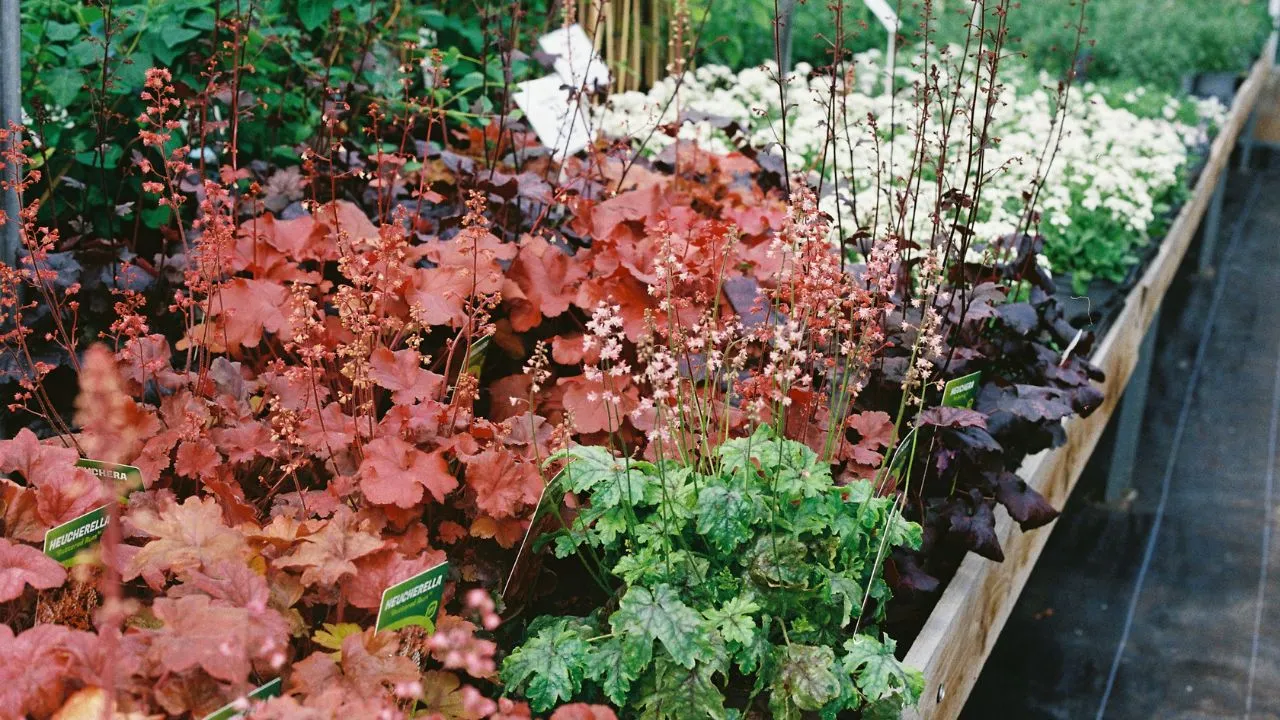
According to Penn State Extension, fall markdowns partly exist to ease the nursery staff’s winter workload, so check that any discounted plant looks healthy and is rated for your hardiness zone. As the Coeur d’Alene Press put it, “a 50%-off perennial isn’t a bargain if it doesn’t survive the winter.” If tender pots are already in your driveway, bring them indoors. For hardy ones that missed the window, garden expert Melinda Myers recommends heeling them in: dig a trench in a sheltered spot, set the pots in with their rims level with the soil, water through fall, then cover with straw or evergreen boughs once the ground freezes. Plant them properly in spring, for free.
None of this means you should stop planting this October. Spring bloomers, like peonies and bearded irises, belong in the ground in fall. The villain was never autumn itself; it was the assumption that every perennial runs on the same calendar. A perennial that dies before spring was never a bargain; it was just a slower way to throw money away. Leave the mums on the porch, let the tubers rest, and give the tender plants a spring start, and those same plants will repay you with years of blooms instead of a bed full of empty holes.
Read More
Washing Your Lettuce Won’t Remove Cyclosporiasis, But Growing Your Own Will
Your Grandmother Stored These 8 Foods All Winter Without Canning a Single Jar