Injured Hiker Crawls Down Mountain as 24 Rescue Volunteers Rush to Reach Him
Unable to stand on an injured leg and still miles from safety, a Connecticut hiker faced a torturous journey down a New Hampshire mountain. Before him were two options: remain where he was or start trekking, however impossible that seemed. Rather than remain in one place, the hiker began making his way down the trail by crawling and scooting, helped by his three hiking companions.
He managed to cover more than half a mile before the first rescue workers reached him. By then, a much larger operation was underway, an operation that involved conservation officers and 24 search-and-rescue volunteers responding to the emergency.
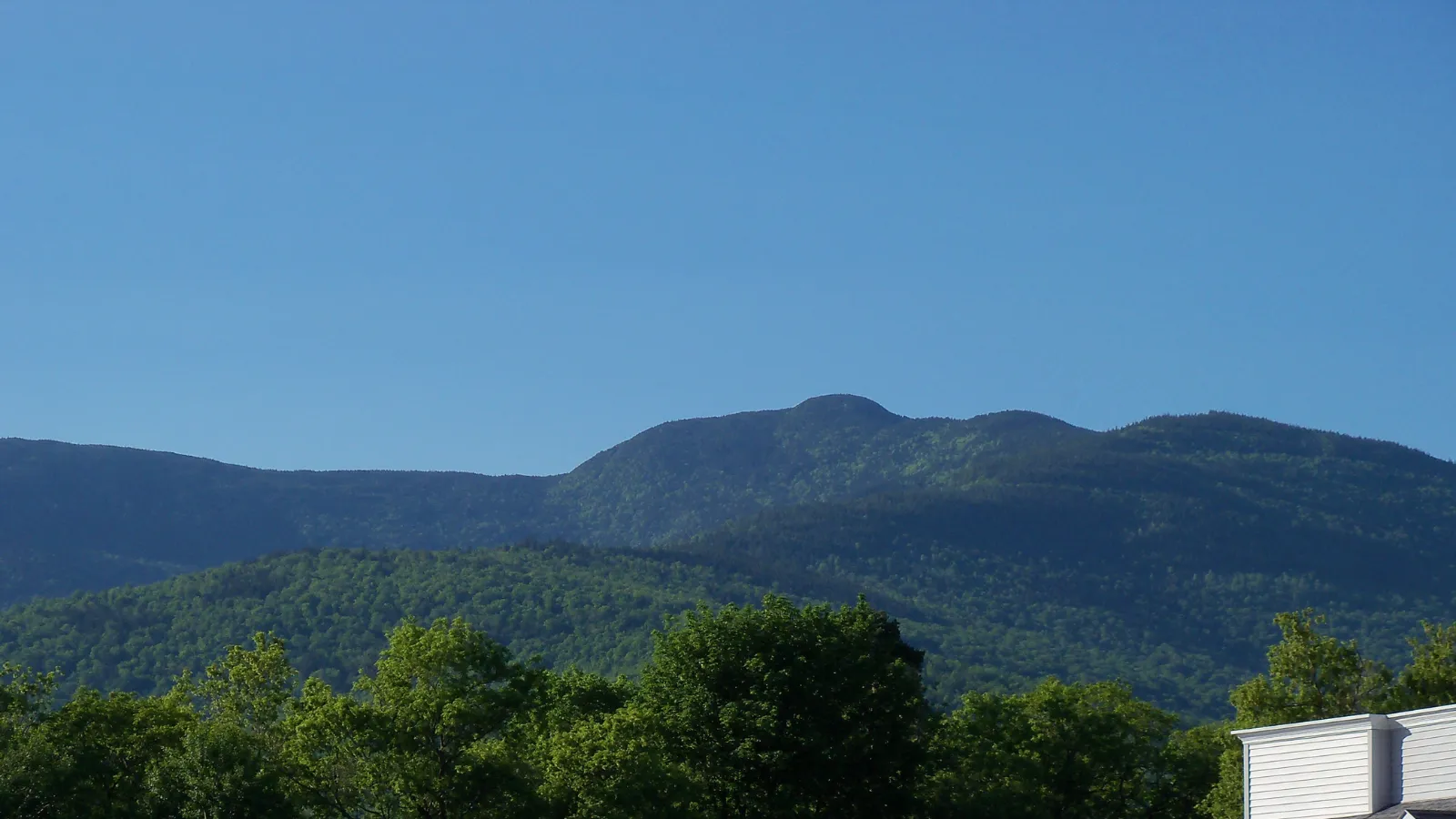
The incident occurred on Oct. 22 on Mount Moriah in New Hampshire’s White Mountains. 42-year-old Thomas McGrimley, of Cheshire, Connecticut, had been hiking with three companions on the first day of a planned three-day trip when he slipped on a steep section of exposed rock near the summit.
According to the New Hampshire Fish and Game Department, McGrimley suffered a lower leg injury that left him unable to bear weight. His companions called 911, setting a lengthy mountain rescue into motion.
Hiker Crawls Toward Rescuers After Fall Near Summit
Emergency officials received the call at approximately 2 p.m., with McGrimley about four miles from the parking area.
Before rescuers arrived, another hiker happened upon the injured group. The Good Samaritan used his skills to splint McGrimley’s leg, then remained with the group to provide assistance.
McGrimley and his companions subsequently began descending the Carter-Moriah Trail. Despite being unable to walk normally, he managed to make it approximately 0.63 miles downhill before rescue personnel reached him at 6:15 p.m.
The response included conservation officers and volunteers from Androscoggin Valley Search and Rescue and Lakes Region Search and Rescue.
Once rescuers reached McGrimley, they stabilized his injured leg using a vacuum splint, a device that molds around an injured limb to help prevent movement. They then placed him in a rescue litter, which is a stretcher designed to transport people through difficult terrain.
There were still several miles of mountain trail between the group and the waiting ambulance.
Rescue Teams Complete Hours-Long Mountain Evacuation
Carrying an injured person through steep, rocky terrain is demanding work, and the rescuers faced a long descent.
The team reached the parking area at 10:55 p.m., more than eight hours after authorities first received the emergency call and nearly five hours after rescuers made contact with McGrimley.
A Gorham Ambulance crew assessed his injury before transporting him to Androscoggin Valley Hospital in Berlin, New Hampshire, for treatment.
McGrimley and his companions had planned to spend three days in the mountains, and they hadn’t set out unprepared. According to Fish and Game, the group was carrying enough equipment and supplies for the trip—and preparation like that can make all the difference in the world, especially when rescue attempts such as this can prove to be time-consuming, stretching over vast swaths of terrain.
Officials did not provide a more specific diagnosis or an update on McGrimley’s condition after he reached the hospital.
The rescue required hours of work from volunteer teams, though it began with the help of someone who hadn’t been dispatched at all: a passing hiker who stopped to splint a stranger’s injured leg and stayed until help arrived.