Stop Making These 8 Food Preservation Mistakes This October: The Safer Methods That Make Your Fall Harvest Last Longer
That jar of home-canned pumpkin puree tucked in the back of your pantry is one of the few things food safety scientists say no home kitchen can make safely, no matter how carefully you follow the recipe.
It isn’t the only habit that has quietly fallen out of favor. Many preservation methods passed down on stained recipe cards were written before modern testing, and some create exactly the conditions dangerous bacteria love: low acid, low oxygen, and a room-temperature shelf. The Centers for Disease Control and Prevention reports that home-canned vegetables are the most common cause of botulism outbreaks in the United States, and the toxin can’t be seen, smelled, or tasted.
The stakes run the other direction, too. According to the USDA, the average American family of four loses $1,500 a year to food that goes uneaten, and an October garden can easily produce more than any household can eat fresh. Knowing the different methods of food preservation, and which ones actually suit each crop, is the difference between a pantry that feeds you until spring and a compost pile full of wasted work.
The good news is that the safer methods are usually the easier ones. Here are eight mistakes worth dropping right now, and the smarter way to make every basket count, starting with the one sitting on so many front porches.
1. Stop Canning Pumpkin Puree and Squash Butter
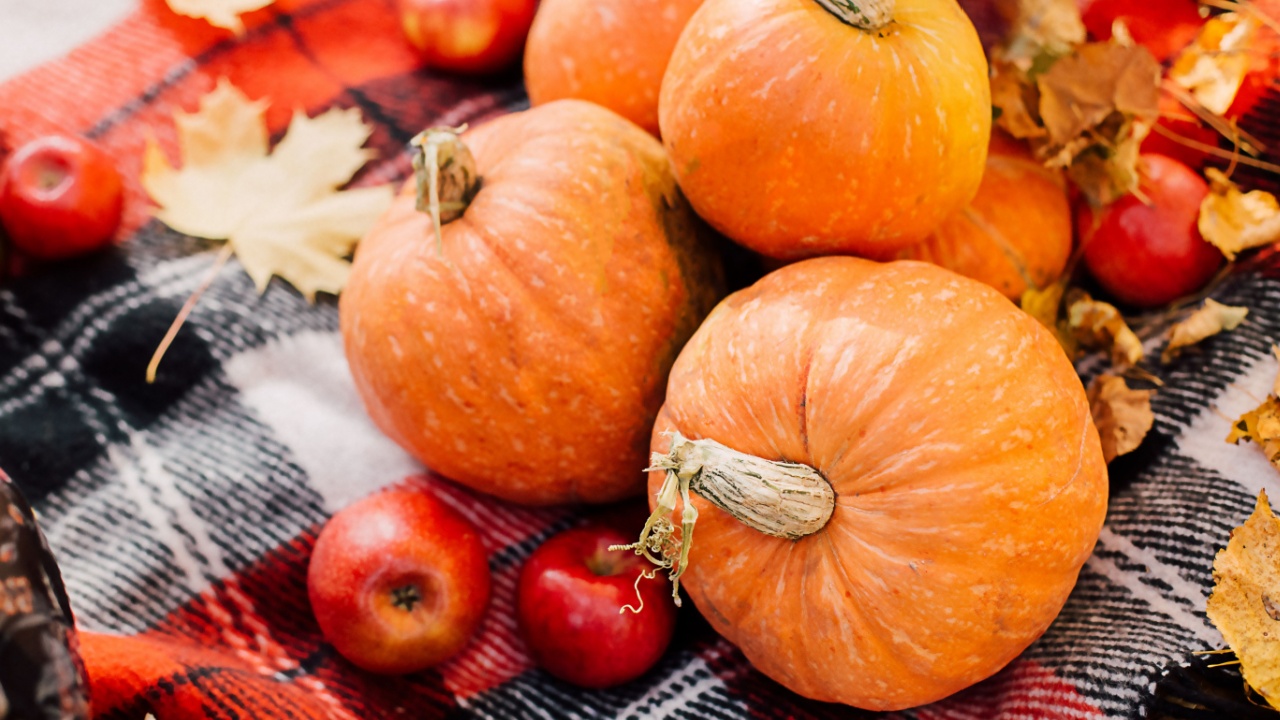
It feels like the perfect October project, but current USDA canning guidance offers no tested method for mashed or pureed pumpkin or winter squash. The directions for cubed pumpkin even carry a blunt warning, as the National Center for Home Food Preservation notes: “Caution: Do not mash or puree.” Purees vary too much in thickness and acidity from batch to batch for heat to reliably reach the center of the jar, and pumpkin is a low-acid food that can support botulism. If you’re a gardener who learned from an older canning book, this may be news; NCHFP considers USDA publications from before 1989 with mashed squash directions out of date. Freeze cooked puree instead (Iowa State University Extension notes two cups equals one store-bought can), or store whole, cured squash somewhere cool.
2. Never Water Bath Green Beans, Corn, or Carrots
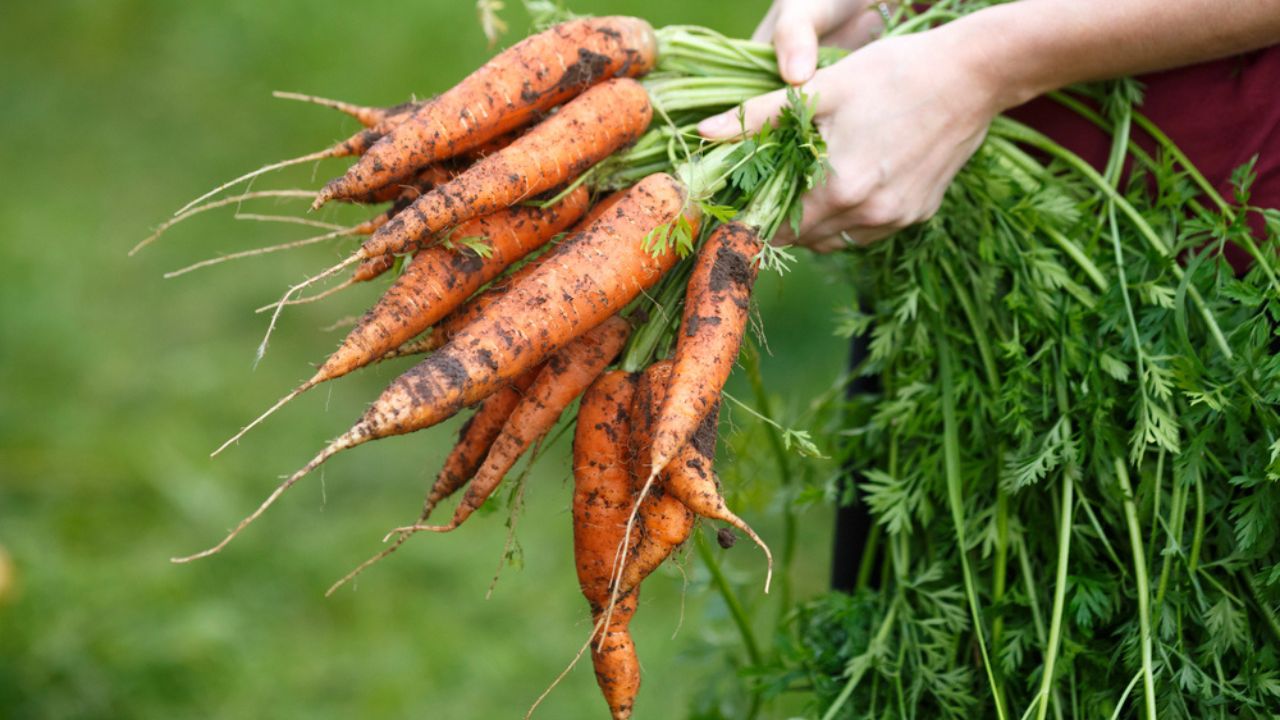
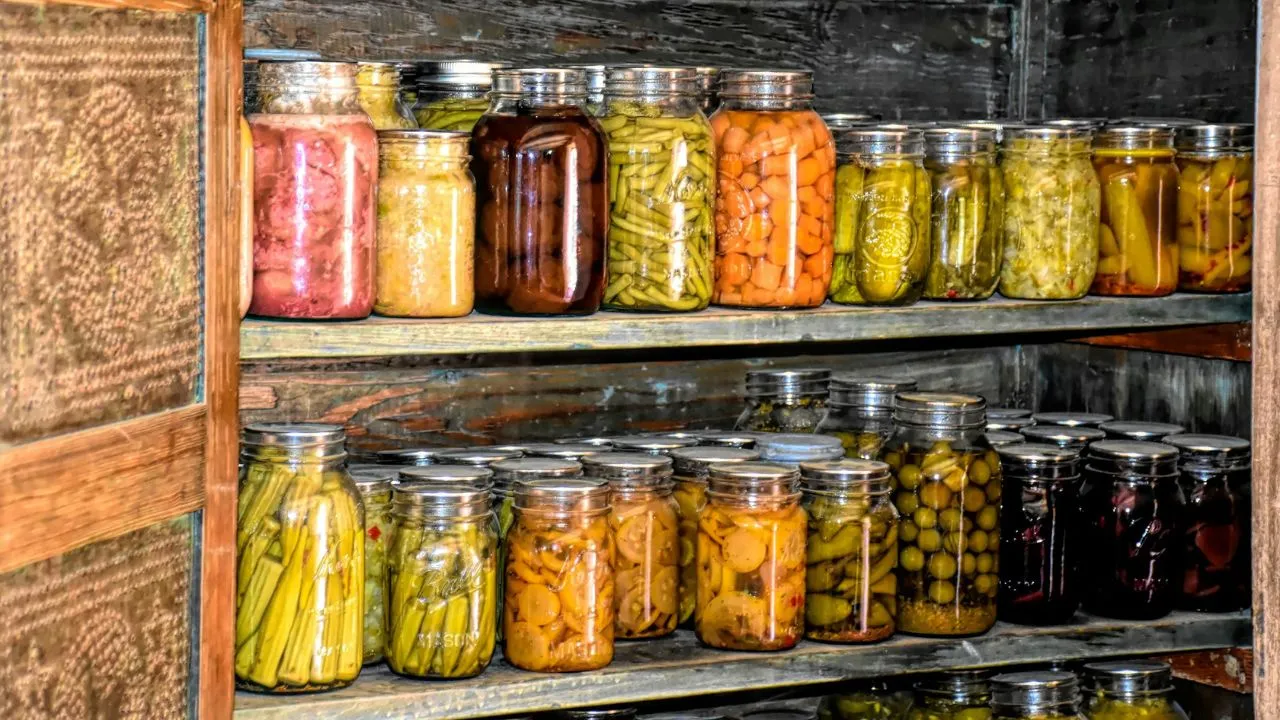
A boiling water bath works for high-acid foods like fruit, jams, and pickles, but it simply can’t get hot enough for plain vegetables. Clemson Cooperative Extension is clear that low-acid vegetables “must be pressure canned to destroy bacteria,” including the spores behind botulism. The USDA Food Safety and Inspection Service explains that only a pressure canner reaches the 240 to 250 degrees needed to kill those spores.
A jar that seals isn’t the same as a jar that’s safe. No pressure canner? Blanch and freeze those beans instead; it costs almost nothing and takes minutes.
3. Stop Trusting Every Heirloom Recipe Card

Your grandmother was right that putting food by is worth every minute. She just didn’t have today’s research. University of Missouri Extension lists unsafe family canning methods among the most common preservation mistakes, and notes that Newell Brands, the parent company of Ball and Kerr, attributes 99% of canning or seal failures to user error. Eartheasy puts it simply: “it’s important not to preserve your home goods freestyle.” Before you fill a single jar this October, check the recipe against the National Center for Home Food Preservation or your state extension service, and follow processing times, jar sizes, and altitude adjustments exactly.
4. Never Store Potatoes Right Next to Onions
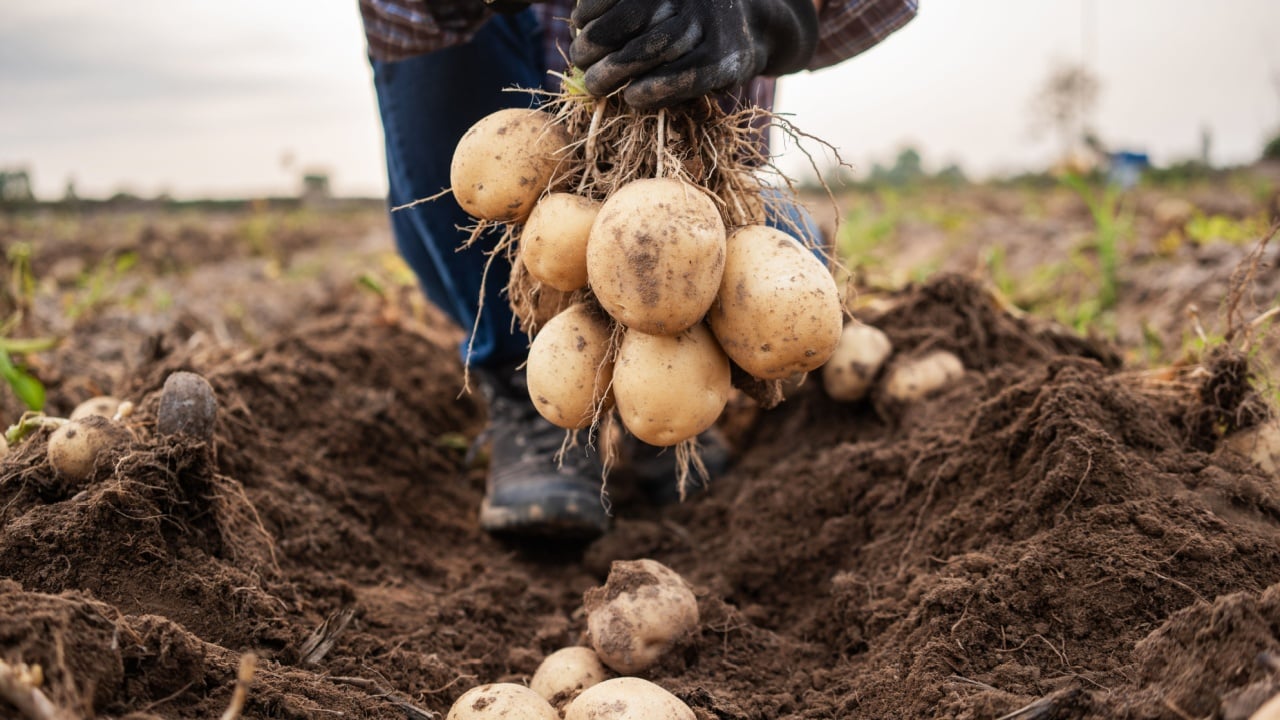
The root cellar your grandparents relied on is still one of the cheapest ways to keep a fall harvest, but only if the crops are kept apart. The Farmers’ Almanac warns that onions give off gases that push potatoes toward sprouting and spoilage, and NC State Extension adds that apples stored with potatoes or carrots can cause bitterness and sprouting. “Potatoes and onions are best kept outside the fridge and separate from each other,” Hudson Valley farmer Brenda González told Scenic Hudson.
5. Stop Leaving Garlic or Herbs in Oil on the Counter
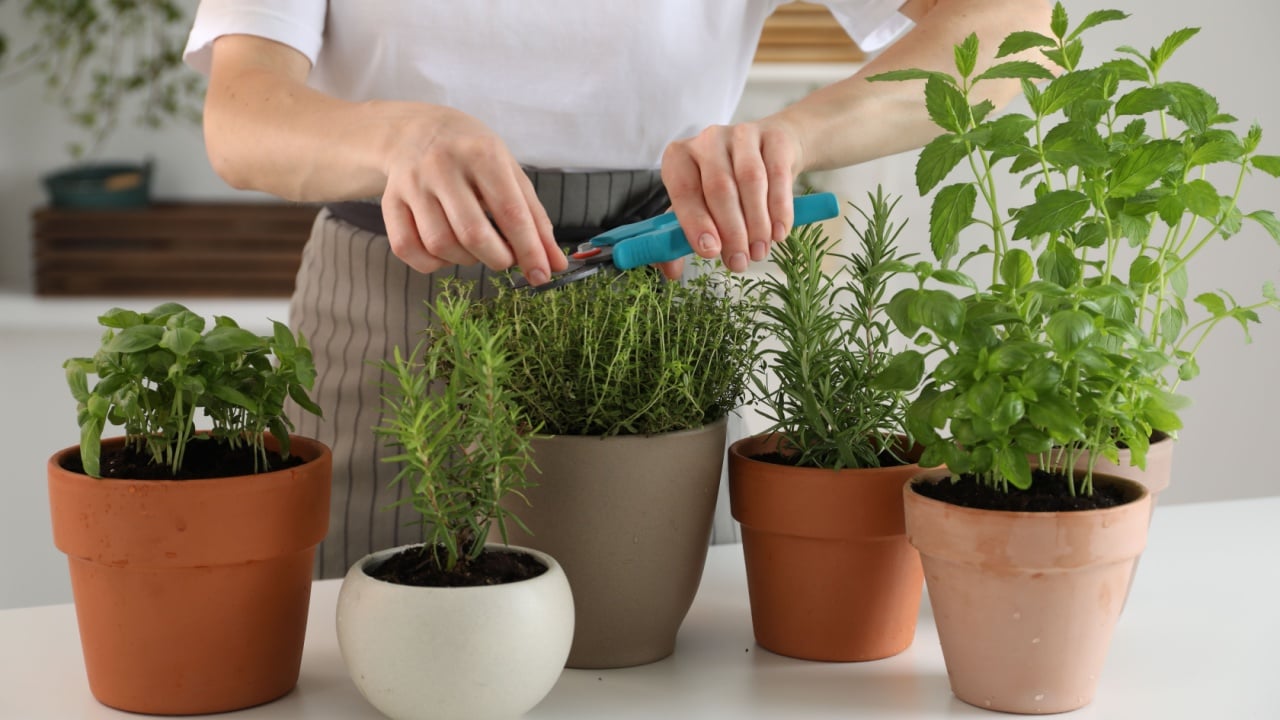
Homemade garlic oil looks lovely on a windowsill, but raw garlic and herbs are low-acid foods, and covering them in oil shuts out oxygen, which is exactly what botulism bacteria need. Oregon State University Extension advises refrigerating any homemade mixture of fresh garlic or herbs in oil and using it within four days, or freezing it for longer storage. Its smartest suggestion is to freeze chopped herbs in oil in ice cube trays, so you can drop a cube straight into a winter soup. That habit pays for itself, since herbs, as Creative Vegetable Gardener points out, “can be very expensive to purchase during the winter.”
6. Don’t Toss Most Vegetables Into the Freezer Raw
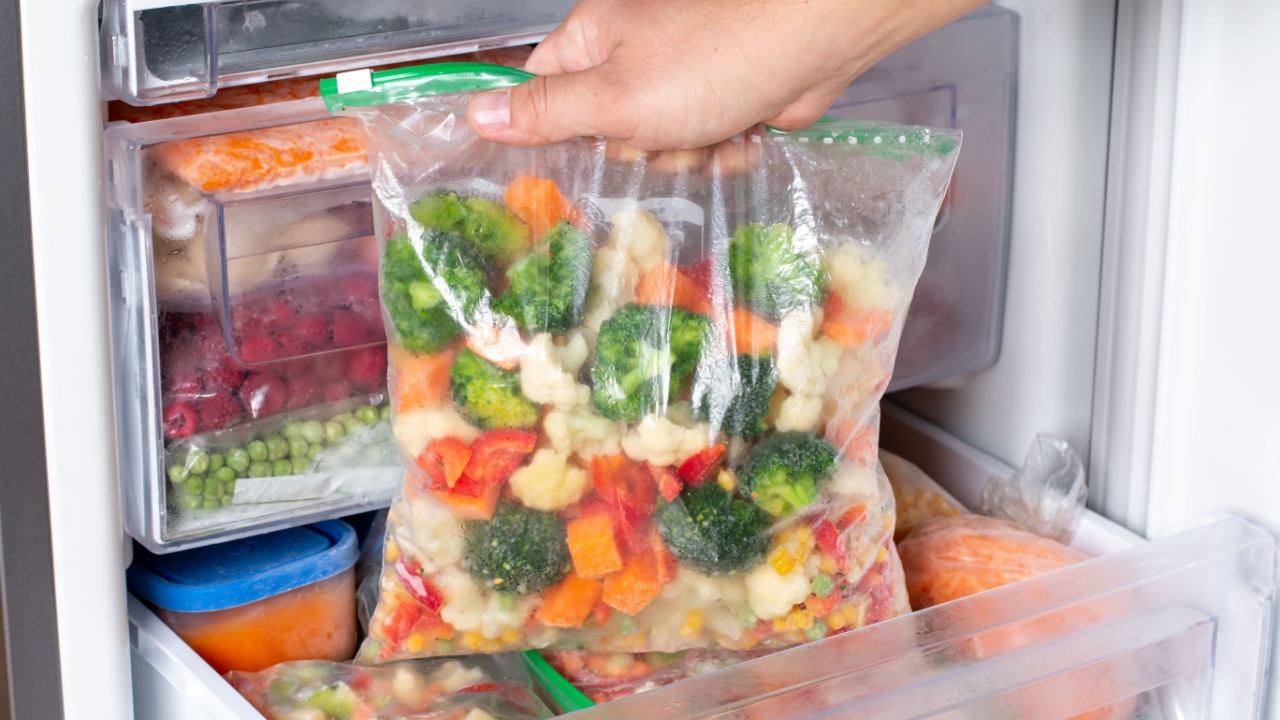
Freezing is the fastest route from garden to storage, but most vegetables need a quick blanch first. Farmer Christina Chan told Scenic Hudson that a brief dip in boiling water followed by an ice bath preserves texture, flavor, and color. Peppers and tomatoes are the happy exceptions; Clemson notes peppers can be chopped and frozen without blanching, and tomatoes can go in whole. Packaging matters just as much. Regular plastic bags “tend to be too thin to protect food from freezer burn,” says Leda Meredith, author of Preserving Everything, in Nature’s Green Grocer. Squeeze out the air, lay bags flat, and keep them off the door shelves, which run warmest.
7. Avoid Sun Drying When the Weather Is Humid
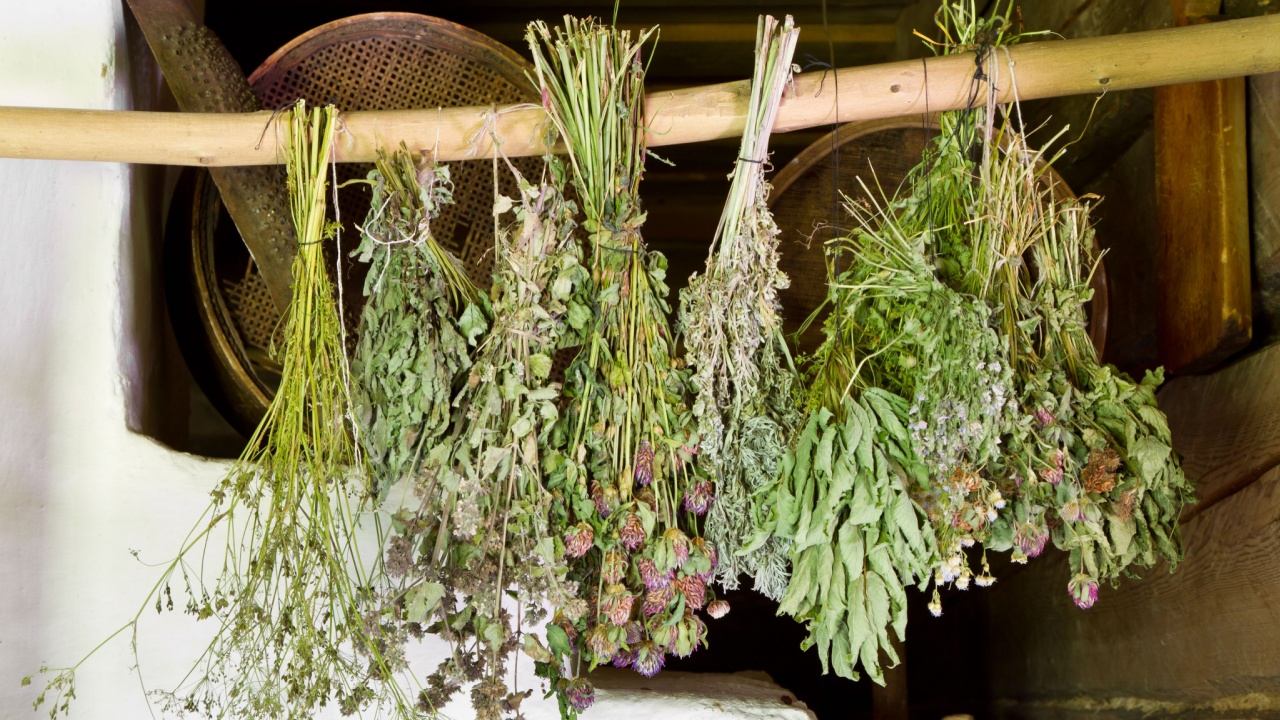
Sun-dried tomatoes sound romantic, but outdoor drying only works in truly dry climates. Nature’s Green Grocer points out that the same technique used in arid Southern California tends to produce mold in the humid Northeast. An oven at its lowest setting or an electric dehydrator gives you control. Woody herbs like rosemary, thyme, and oregano air-dry well in small bundles, but Denver Urban Gardens warns that with tender herbs such as basil and cilantro, “their flavor can dissipate as they dry,” so freeze those instead. Apples are a fall bonus; Scenic Hudson suggests baking thin slices at about 225°F for three hours for crisp, sweet snacks.
8. Stop Assuming Canning Is the Only Way (or Always Cheaper)
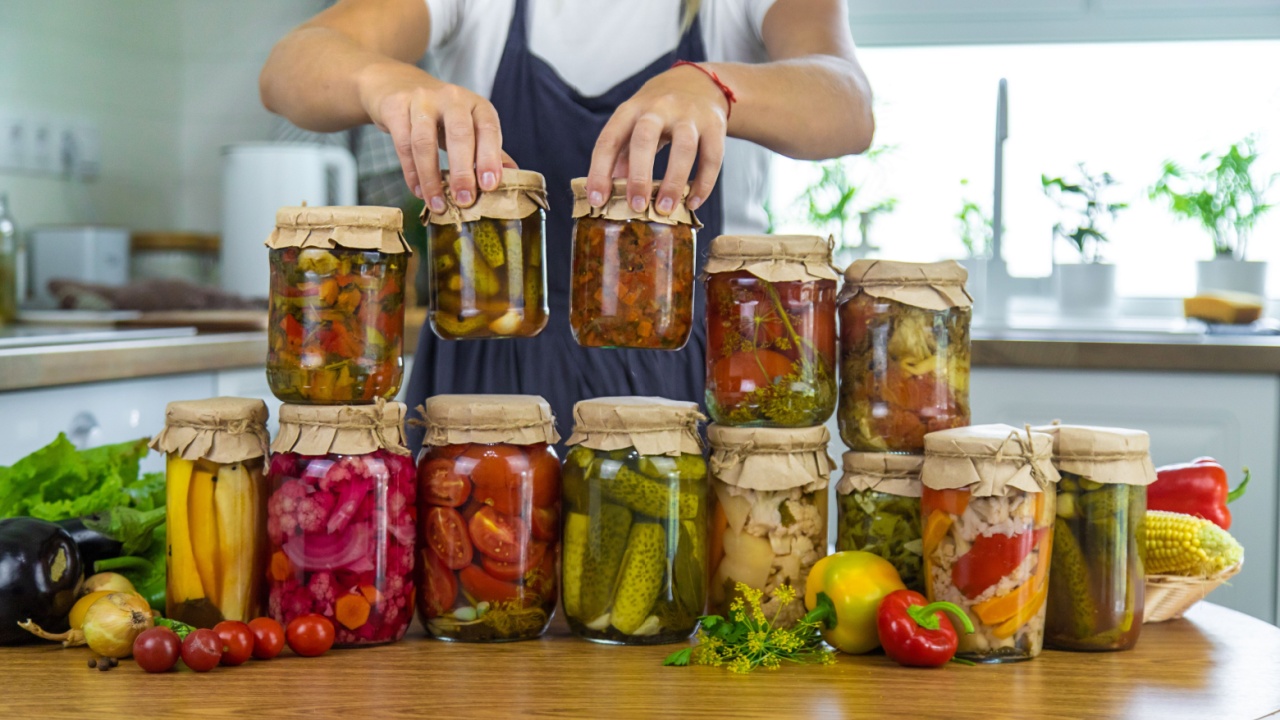
Canning gets the glory, but it is the most labor-intensive option, and it isn’t automatically a bargain. Carolyn Thomas of Homesteading Family learned this after paying full price for organic peaches, then realizing store-bought canned peaches cost less. Her advice: “Don’t assume homemade is automatically cheaper. Do the math.” Quick pickles, ferments, and freezing often deliver more value for far less work. A quick pickle brine is simply equal parts water and vinegar with a tablespoon of salt per cup, and the finished jar keeps about a month in the fridge, according to Kingston fermenter Darich Pérez Reyes in Scenic Hudson.
Which Food Preservation Method Makes Your Fall Harvest Last Longer?
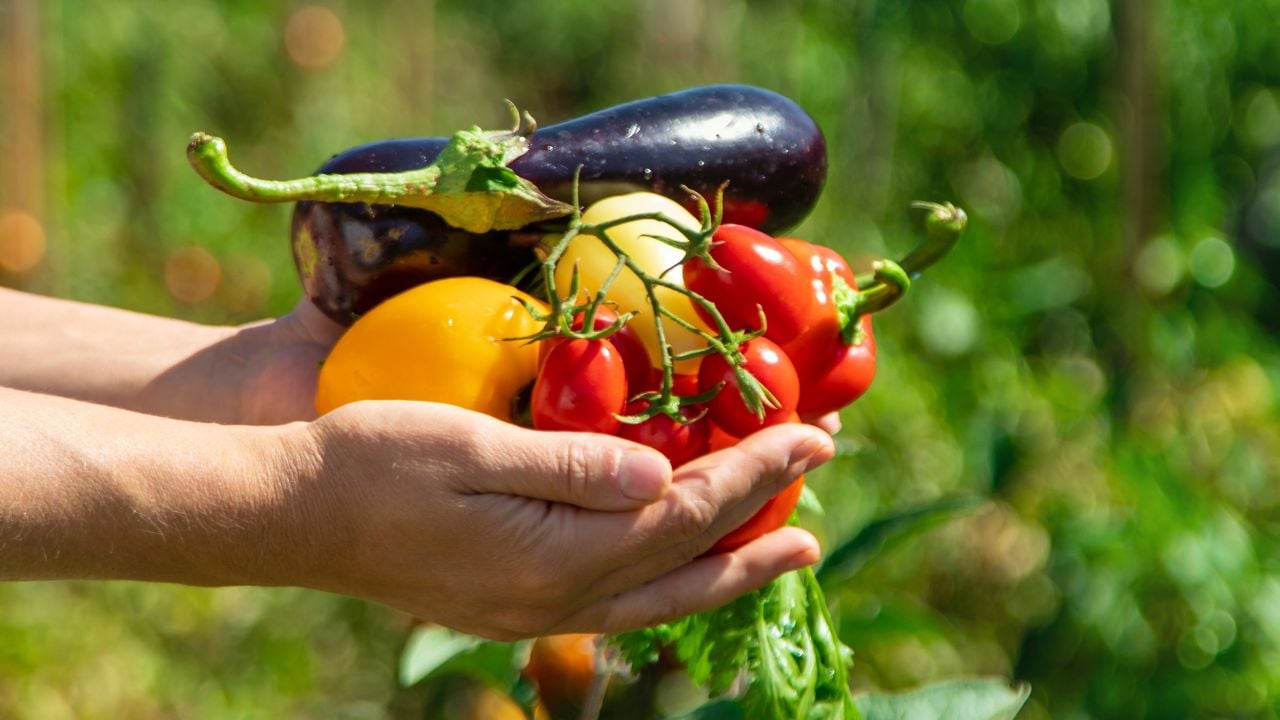
Match the method to the crop, not the other way around. Cure onions, garlic, potatoes, and winter squash for cool, dark storage. Keep beets and carrots in the crisper drawer. Blanch and freeze beans, corn, greens, and broccoli; freeze peppers, tomatoes, and cooked pumpkin puree without blanching. Dry woody herbs and hot peppers, and turn cucumbers, beets, and red onions into quick pickles or ferments. Pressure can low-acid vegetables only with the right equipment and a tested recipe. Eden Brothers encourages every gardener to learn “at least one way to extend their shelf life,” and for most crops, that way is simpler than you think.
The real villain in most pantries isn’t an overflowing harvest; it’s the belief that the old way is always the right way. Retire the pumpkin butter recipe, split up the potatoes and onions, and let the freezer do the heavy lifting. Farmer J of Kids Food Basket describes sweet corn “grown by yourself and eaten in February” as something special, and that payoff is waiting for anyone who acts before the first hard freeze. Start with one method this week, label every jar and bag with the date, and your winter grocery bill will thank you.
Read More
Is Your Garden Hurting You? 9 Tools Doctors Say Could Save Your Joints
Ten Companion Plants Your Peppers Need For A Successful Growing Season