Stop Killing Your Houseplants by Recognizing These 8 Stress Signals
Your plant looked perfectly fine last week. Now it’s drooping, dropping leaves, or turning a concerning shade of yellow, and you haven’t changed a single thing. You’re watering on the same schedule. It’s sitting in the same window. Nothing in your routine is different, and yet something is clearly wrong. Sound familiar?
If you’ve ever stood over a wilting pothos or a crispy fern wondering what you did to deserve this, you’re not alone. It’s one of the most common frustrations in indoor gardening; the feeling that your plant turned on you overnight for no reason at all.
Here’s the reassuring truth: it didn’t. Plants communicate stress in consistent, readable ways. They can’t tap you on the shoulder, but they can change color, shift posture, drop a leaf, or slow their growth. Once you know what to look for, those signals stop feeling like mysteries and start looking more like a checklist.
The other good news is that most signs of houseplant stress are reversible, as long as you catch them early and respond calmly. The instinct is to panic and overcorrect: dump a gallon of water on a drooping plant, move a yellowing one into direct sun, repot everything in sight. But the plants that bounce back fastest are usually the ones whose owners slowed down, read the signs, and made one small adjustment at a time.
These eight signs of houseplant stress cover the most common ways your plants might be telling you something’s off, and what to do about each one before it becomes a bigger problem.
1. Yellowing Leaves
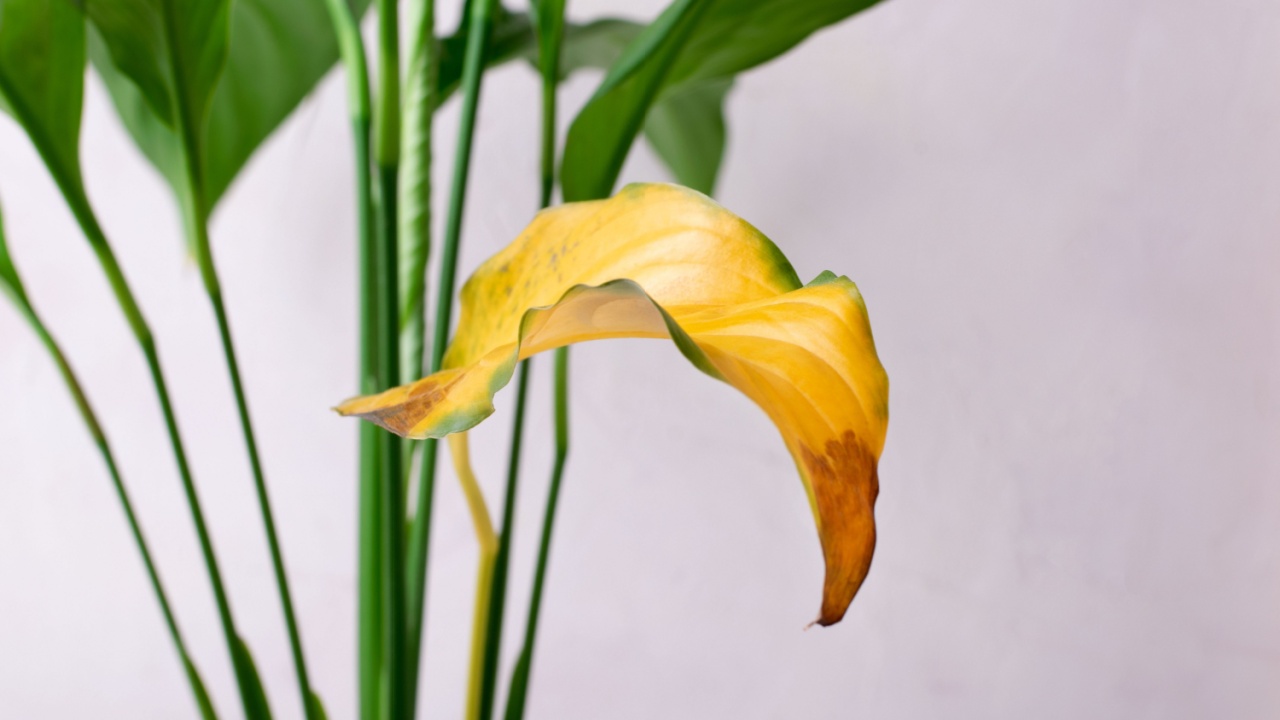
Yellowing leaves are the most common and misread stress signal in houseplants. The frustrating reality is that they can point to opposite problems: too much water or too little.
The key is context. Dry, crispy, papery yellow leaves usually mean the plant is thirsty. Soft, mushy yellow leaves, especially the lower ones, typically point to overwatering. As Renea Baker of ePlantrs blog notes, “discoloration can be caused by a range of factors, including overwatering, underwatering, nutrient deficiencies, or too much direct sunlight.”
One important reassurance if you spot yellowing leaves: the occasional yellowing of an older, lower leaf is part of a plant’s natural growth cycle. It’s only when yellowing becomes widespread, moves up the plant, or appears alongside other symptoms that it warrants real attention.
2. Wilting, Even When the Soil Is Wet
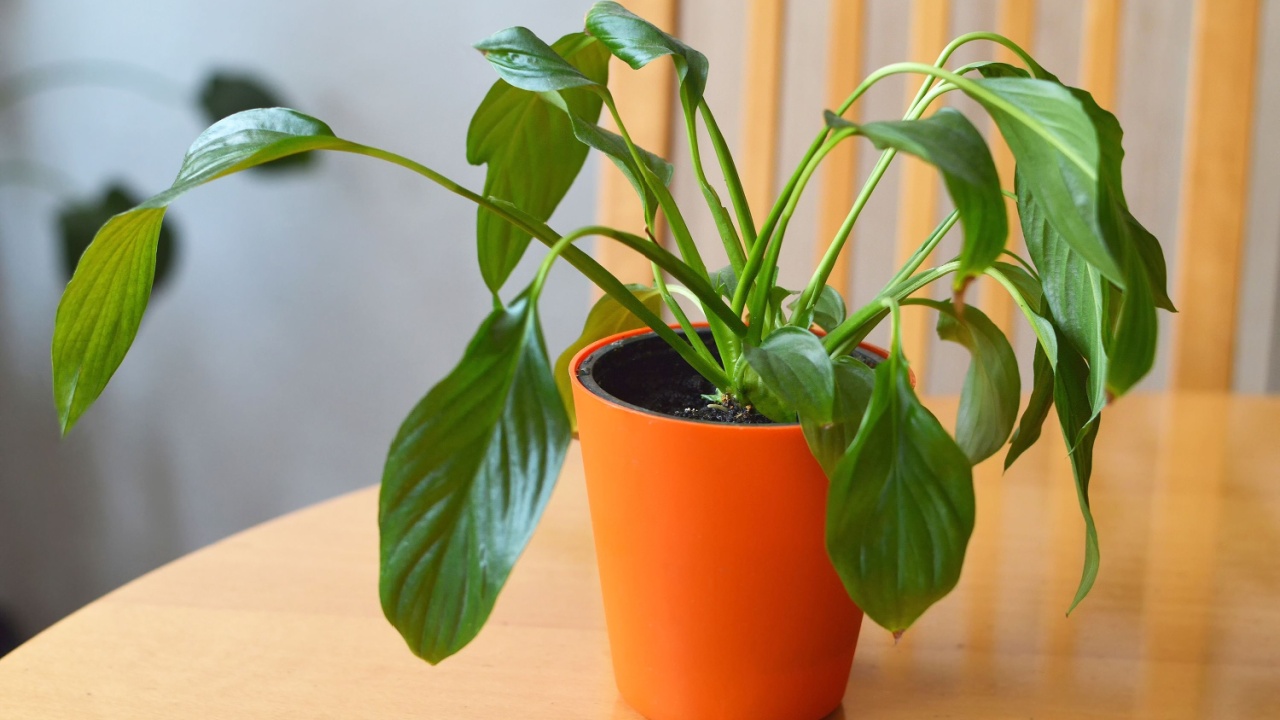
This is the sign that trips up the most plant parents. Your plant looks droopy and thirsty, so you water it. But the soil is already moist. And the plant keeps wilting.
When roots sit in waterlogged soil for too long, they begin to rot and can no longer absorb water or oxygen. The plant behaves exactly as though it’s drought-stressed, even while surrounded by moisture. The University of Florida’s Carrie Harmon, an extension specialist at UF-IFAS, puts it plainly: if the soil feels wet and soggy, “gently pull the plant out of the pot and look and see if the roots are white, or if they’re brown or black.” Healthy roots are white and firm; rotted roots are soft and dark, often with a sour smell.
The fix: allow the soil to dry out, improve drainage, and, if root rot has set in, prune the damaged roots and repot in fresh, well-draining soil.
3. Brown Leaf Tips, Edges, or Spots
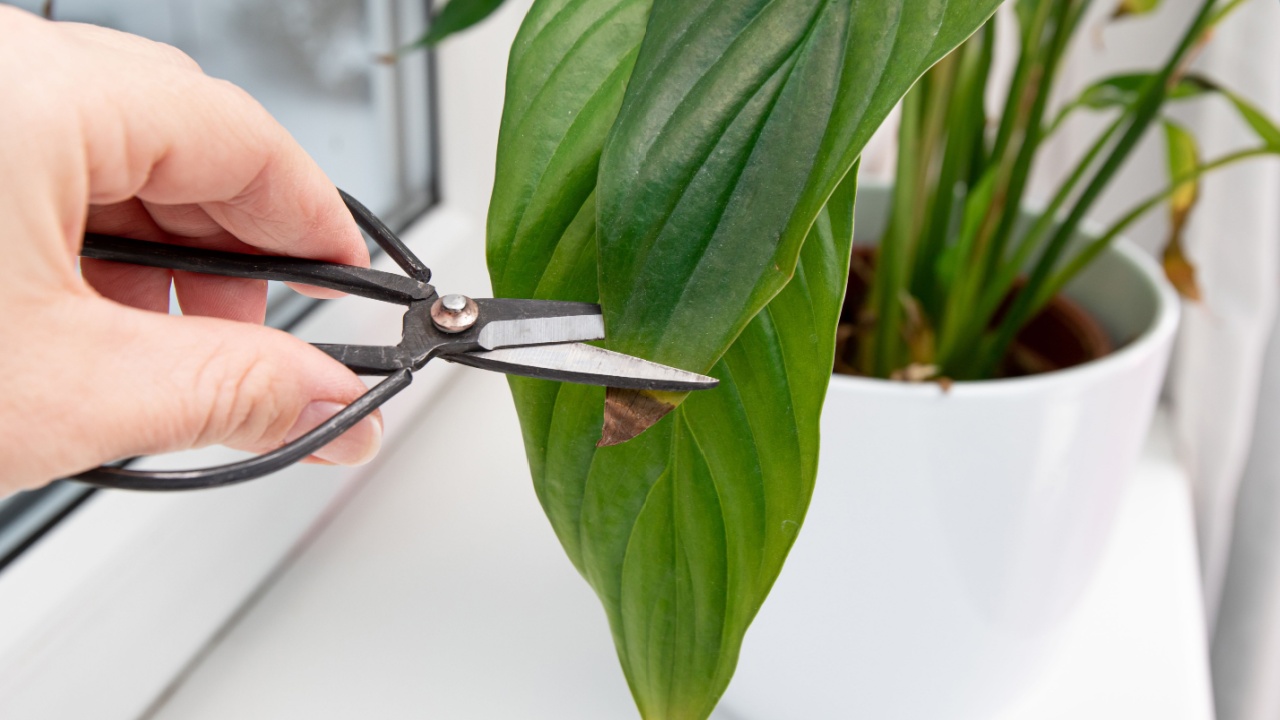
Not all browning looks the same, and the location of browning tells you a lot about the cause. The Royal Horticultural Society explains that brown tips or margins more often indicate underwatering or low humidity, while browning in the middle of a leaf is more commonly associated with overwatering.
Brown, crispy patches on the side of the plant facing a window are a sign of leaf burn, which is the result of too much direct sun. Similarly, if a plant sits in the direct path of a heating or cooling vent, Echter’s Garden notes that the forced air will cause leaves to yellow or brown prematurely, often with crispy edges. Tropical houseplants like monsteras, philodendrons, and ferns are particularly susceptible to dry indoor air and typically need at least 50% humidity to stay comfortable.
4. Leggy, Stretched, or Leaning Growth

When a plant’s stems grow long and spindly, the gaps between leaves widen, and the whole plant tilts toward the nearest window, it’s asking for more light. According to Richard Cale at Leaf Culture, this reaching, elongated growth is “the plant’s way of trying to find better light.”
Variegated plants are especially sensitive: in dim conditions, they may lose their decorative markings and revert to solid green. Monsteras may produce leaves without their signature splits. Moving the plant to a brighter spot, rotating it a quarter turn each week, or adding an LED grow light are all effective solutions.
5. Sudden Leaf Drop
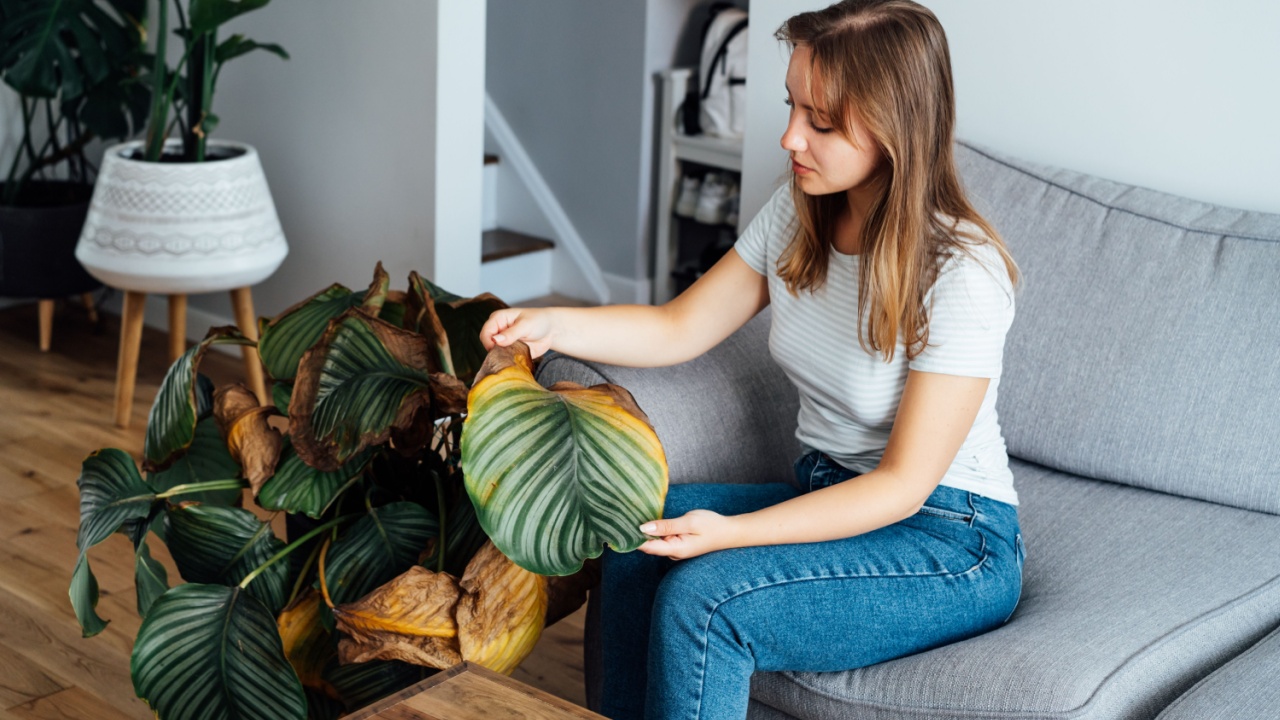
Occasional leaf drop is normal, but sudden, significant shedding is a stress response.
The Missouri Botanical Garden explains that “any stress, such as lack of water, overwatering, temperature change, reduction of light, or relocating of a plant, can result in leaf and/or flower drop.”
One of the most common triggers of leaf drop is simply moving the plant to a new location, which changes light, humidity, and temperature all at once. If you’ve identified and addressed the cause, most plants will adapt and stabilize on their own.
6. Stunted or Stalled Growth
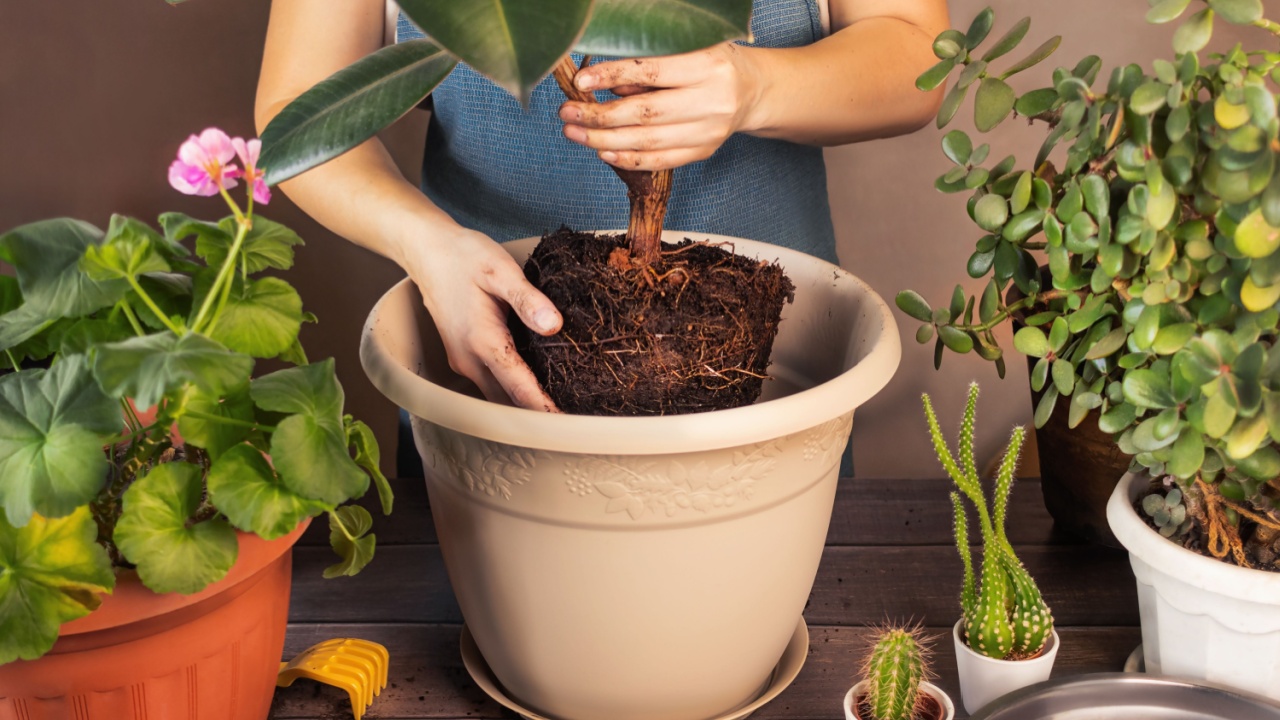
A plant that simply stops putting out new leaves is one of the quieter stress signals and one of the easiest to miss.
Poor light, nutrient deficiencies, compacted soil, or a root-bound container can all cause growth to stall. If roots are escaping drainage holes or visibly circling inside the pot, repotting into a slightly larger container with fresh potting mix is usually enough to get things moving again.
7. Fungus Gnats, Pests, or Mold on the Soil
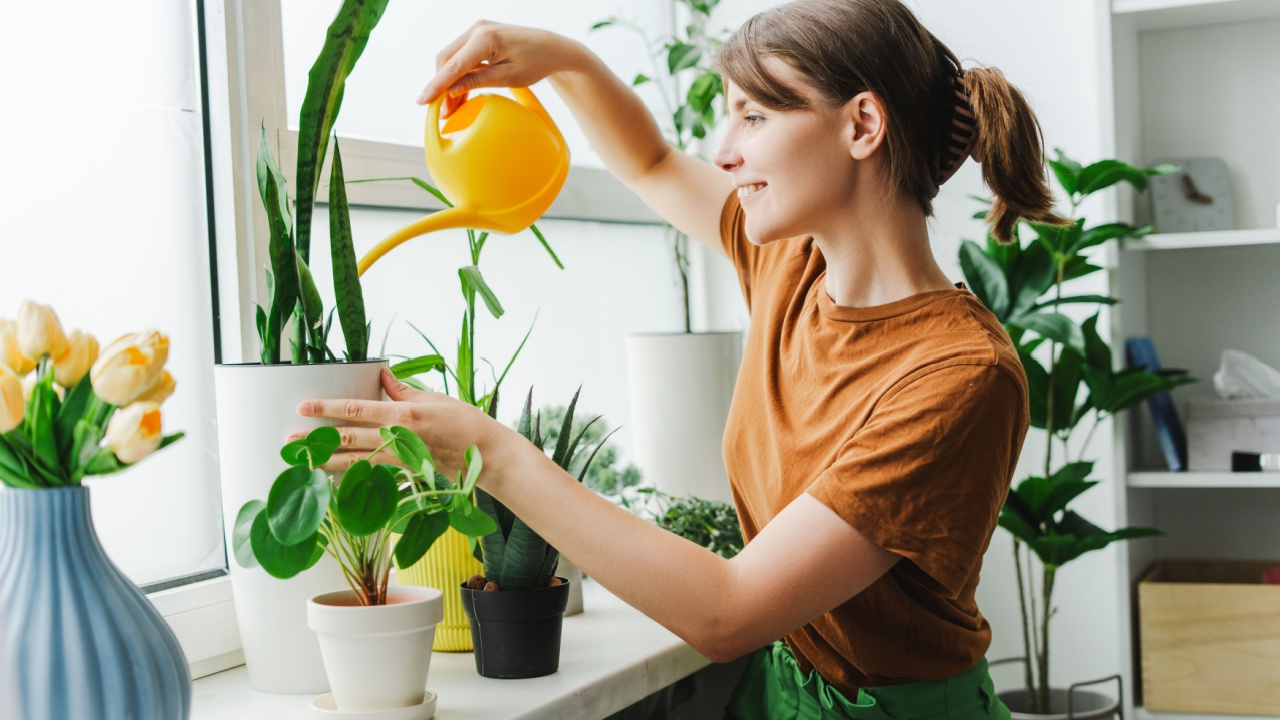
Tiny flies hovering around the soil are almost always a sign of one thing: the soil is staying too damp for too long.
Fungus gnats thrive in moist conditions, and their presence is a reliable indicator to ease back on watering. A musty smell or visible mold on the soil surface tells the same story.
Beyond overwatering indicators, common pests like spider mites, aphids, and thrips tend to target already-stressed plants, meaning the pest problem is often a secondary symptom of a deeper care issue. Address the underlying stressor, and the plant’s natural defenses should improve.
8. Soft, Swollen Stems or Blistered Leaves
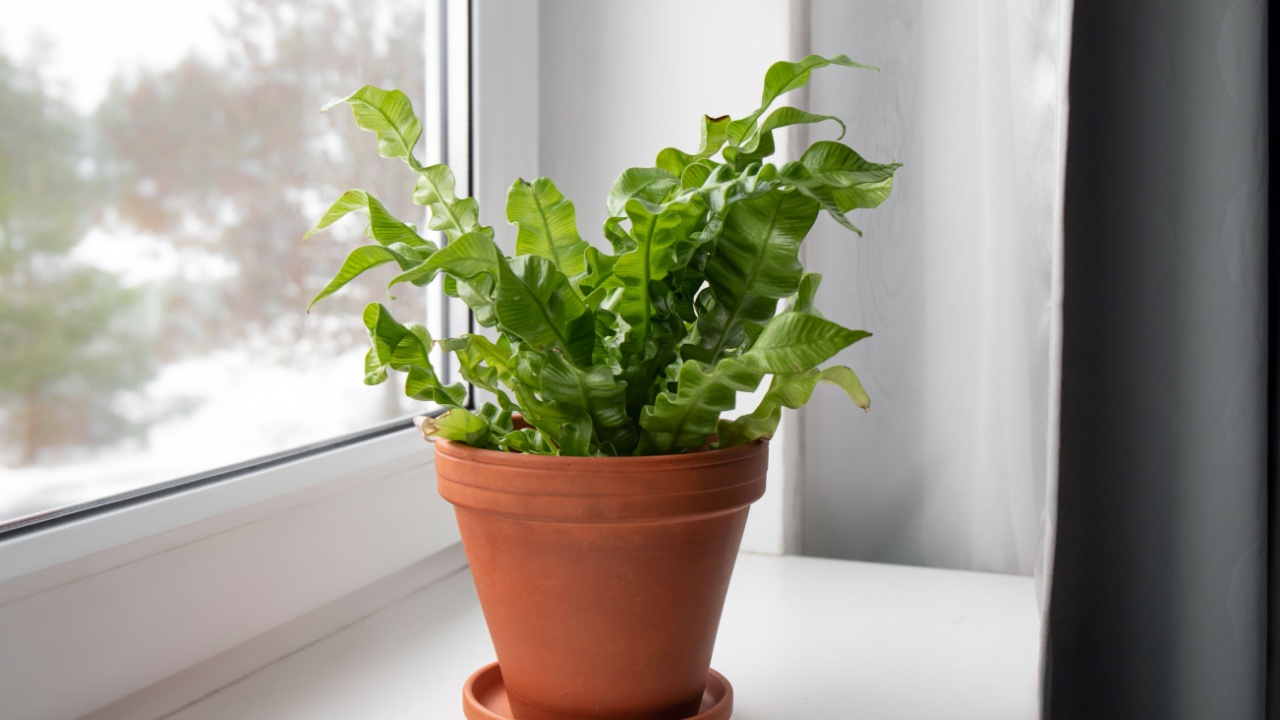
Small raised bumps on leaves that are sometimes clear or sometimes corky are a condition called edema, which occurs when roots absorb water faster than the plant can release it. This means the plant is overwhelmed and out of balance.
A stem base that feels soft or swollen rather than firm is sending the same message. Left unaddressed, this can develop into stem rot, which is far harder to reverse than the moisture issue that caused it.
What Your Plant Is Really Telling You
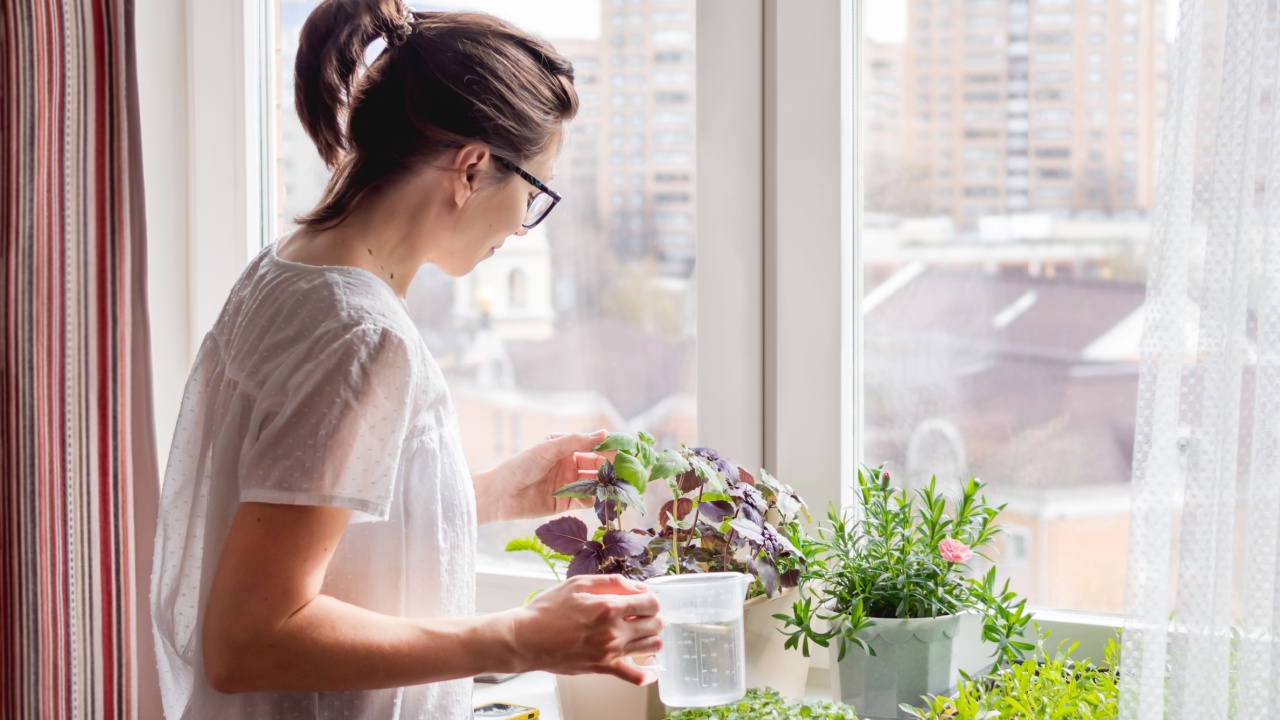
Most houseplant stress signals share one important trait: they appear before the damage becomes irreversible. Noticing a soft stem, a cluster of yellowing leaves, or a subtle lean toward the window is not a sign of failure; it’s a sign that you’re paying attention.
Before reaching for the watering can or making any changes, observe the whole plant and check the soil. Those two simple steps will answer most questions. Your houseplants are telling you something, and now you know how to listen.
Read More
Is Your Garden Hurting You? 9 Tools Doctors Say Could Save Your Joints
Ten Companion Plants Your Peppers Need For A Successful Growing Season