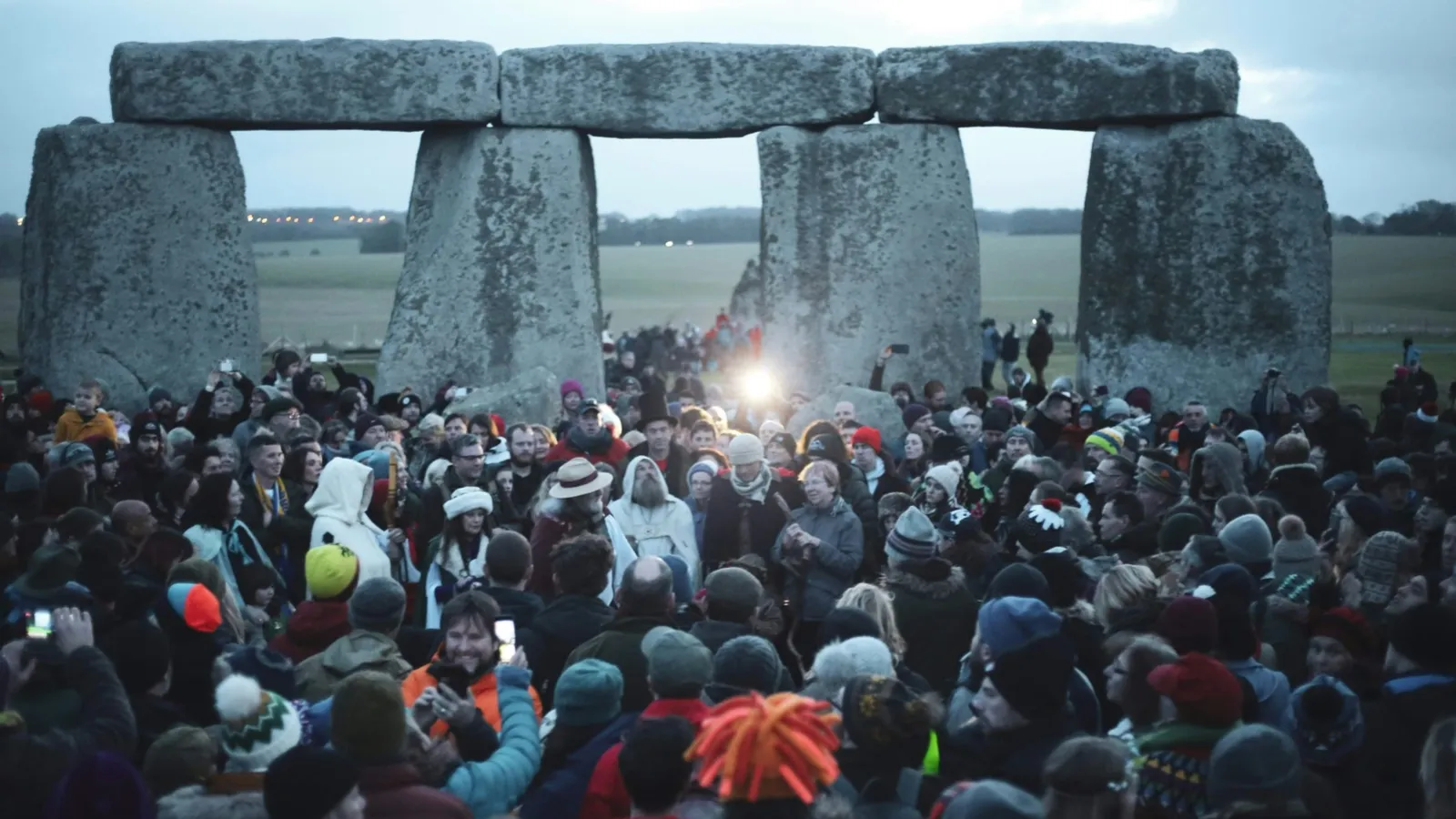
Stonehenge Will Welcome Visitors Inside Its Ancient Circle This December For Winter Solstice
Dozens of towering structures arranged in tidy arcs. Mysteries carved in aged stone. It’s a location that has captivated countless individuals every year. Now, thousands of people are preparing to gather at one of England’s most famous prehistoric landmarks this December, continuing a tradition that celebrates the changing seasons beneath the impassive stones of Stonehenge.
The mysterious monument, located on Salisbury Plain in Wiltshire, will open to visitors for its annual winter solstice celebration on Tuesday, Dec. 22. Admission to the early-morning gathering is free, which provides visitors with a rare opportunity to enter the stone circle and witness the sunrise from within the ancient monument.
This year’s event begins before dawn. The astronomical winter solstice actually occurs on Dec. 21, according to the Royal Observatory Greenwich. The public celebration takes place the following morning.
English Heritage, the organization responsible for managing Stonehenge, has announced its plans for the gathering, from mandatory parking reservations for drivers to special transport services. Approximately 8,500 people attended last year’s celebration.
What Strong Connection Does Stonehenge Have to Winter?
Embedded media follows. Please allow a moment for it to load.
View this post on Instagram
Stonehenge dates back thousands of years, and its enormous central stones were erected around 2500 B.C. Their arrangement was carefully planned with great deliberation to align with the rising sun at midsummer and the setting sun at midwinter. Archaeologists believe these seasonal milestones carried great importance for the people who both built and gathered at the monument.
The winter alignment is particularly interesting. According to research published by Historic England, the setting midwinter sun was originally framed by the monument’s tallest stone arrangement, known as a trilithon. Some archaeologists believe the winter solstice may have been even more important to Stonehenge’s builders than the summer celebration.
Time has left some clues indicating how people marked the season, too. Excavations at Durrington Walls, a prehistoric settlement approximately two miles from Stonehenge, uncovered large quantities of animal bones. English Heritage explains that many pigs were slaughtered at around nine months old, suggesting they were born in spring and consumed during midwinter feasts.
While the exact ceremonies practiced at Stonehenge remain a topic of some debate, its alignment and the evidence of communal feasting suggest that midwinter was an occasion for gathering. Thousands of years later, visitors continue to assemble at the stones to welcome the return of longer days.
What Visitors Need to Know Before Arriving
Back in the present, the celebration itself is free; however, anyone driving must reserve parking in advance. English Heritage lists parking at £16 for cars and vans, £21 for motorhomes, and £5 for motorcycles. The parking area opens at 5:15 a.m., with a 7 a.m. cutoff for drivers hoping to view the sunrise. All vehicles must leave by 11 a.m.
Organizers strongly recommend public transportation because of expected congestion and temporary road closures. Salisbury Reds will operate special buses from Salisbury, including connections through Amesbury, while a shuttle will run between the Stonehenge Visitor Centre and the stone circle.
Anyone making the journey on foot from the visitor center should prepare for a roughly 1.5-mile walk over uneven ground. Warm waterproof clothing, sturdy shoes, and a flashlight are recommended for the early-morning journey.
The monument is considered sacred by many attendees, and visitors are asked to respect both the stones and those gathering for the occasion. Touching or climbing on the stones is prohibited, as is bringing alcohol, drones, glass containers, or large bags.
Anyone unable to make the trip can still watch the celebration. English Heritage plans to stream the sunrise for free through its official YouTube and Facebook channels, allowing viewers around the world to follow the gathering without traveling to Wiltshire.