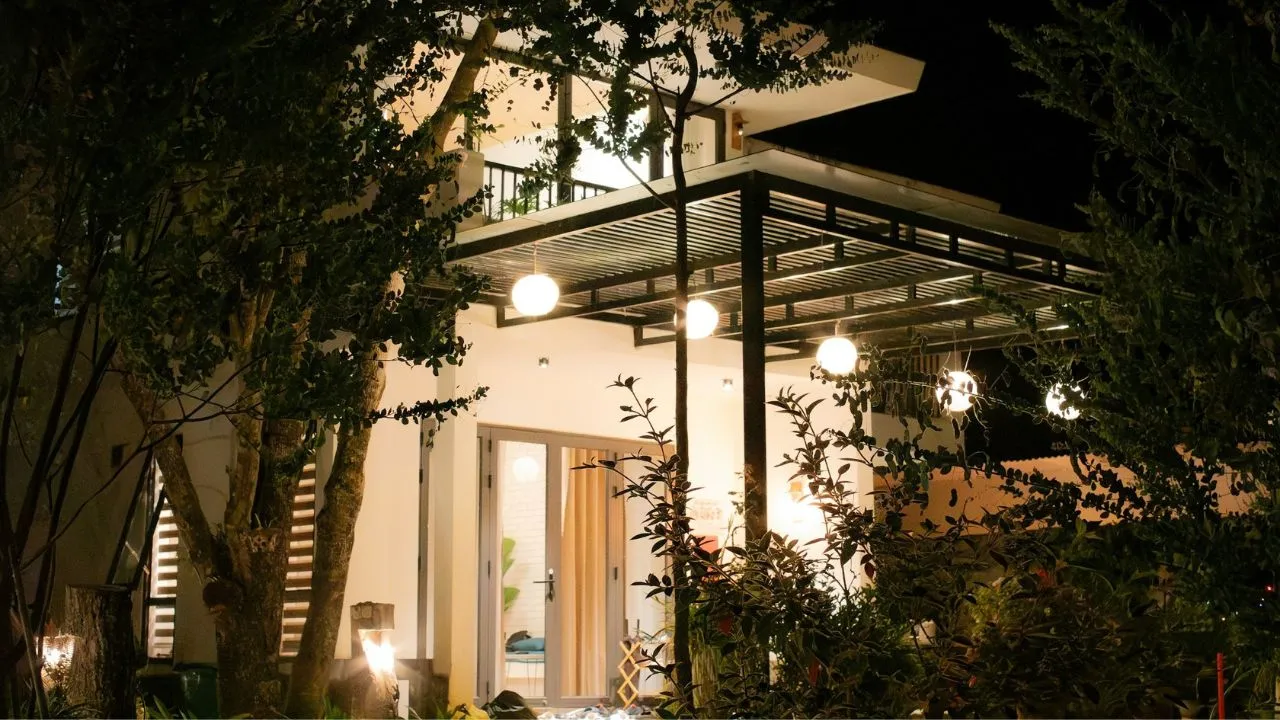
8 Outdoor Lighting Mistakes That Make Your Home an Easy Target for Burglars
The porch light you faithfully switch on every night might be doing something you never intended: telling anyone who’s paying attention that nobody’s home.
It sounds counterintuitive, but it’s backed by data. According to FBI crime statistics in Reolink, the majority of residential burglaries don’t happen under cover of darkness. They happen during the day, while you’re at work, running errands, or dropping the kids at school. What that means is that the lighting habits most homeowners have practiced for decades, such as the all-night porch light, the floodlight aimed at the driveway, or the solar path lights glowing along the walkway, were designed around a threat that isn’t actually the most common one. Meanwhile, those same habits can send signals that experienced burglars read clearly.
A break-in costs the average American household far more than the value of what’s stolen. The FBI reported more than 847,522 residential burglaries in 2022, representing over $463 billion in stolen goods, and that figure doesn’t account for the cost of repairs, the spike in insurance premiums, or the months of unease that follow, according to Backyard Garden Lover. The good news is that most of the lighting mistakes that invite this kind of risk are fixable for well under $50, often without replacing a single fixture.
What follows are eight of the most common outdoor lighting mistakes homeowners make, and what to do instead. Some of these will surprise you. All of them are worth checking this week.
1. Leaving the Porch Light On All Night
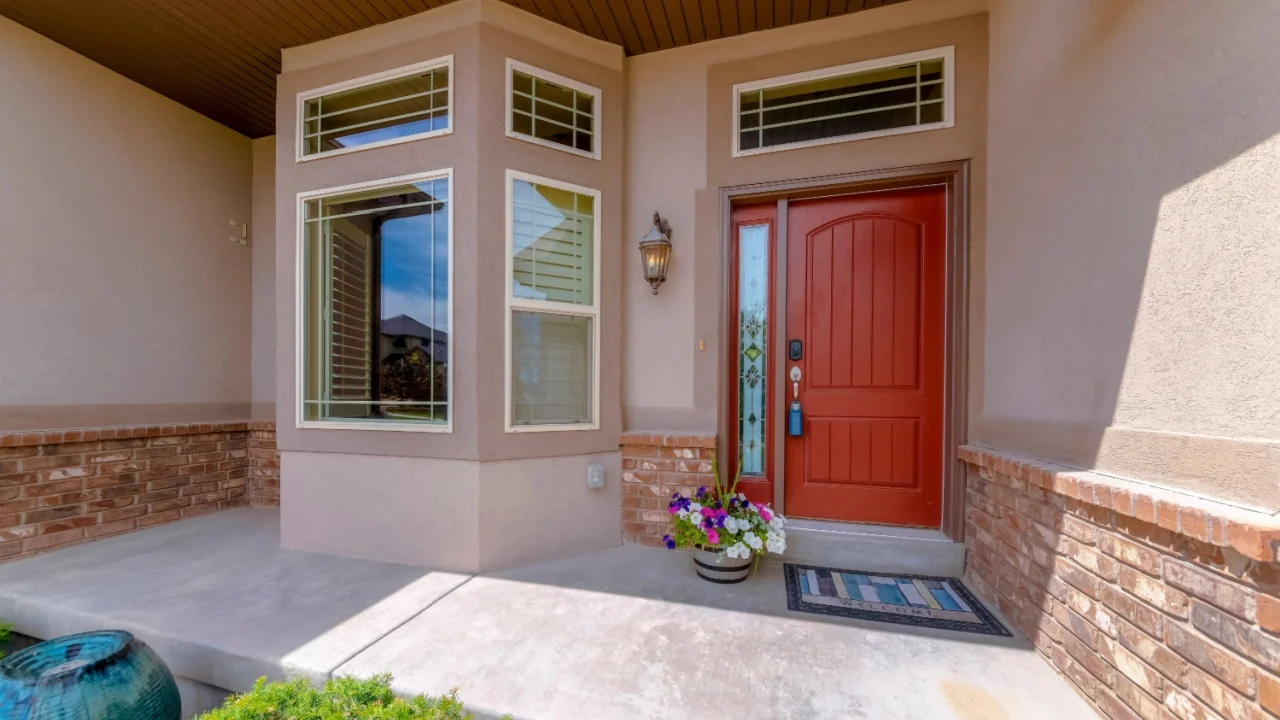
This is the habit most homeowners feel the most confident about, and it may be the single most misunderstood security move in the playbook.
A porch light left on from dusk until dawn signals, to anyone watching, that no one turned it off. Experienced burglars scout neighborhoods over multiple nights. A light that burns on the exact same schedule, every single night, is a pattern, and patterns communicate vacancy far more loudly than presence. As the security research team at Reolink notes, constant artificial illumination provides a false sense of security rather than genuine deterrence.
The fix is simple and costs almost nothing: install a mechanical timer or a smart switch that randomizes when the light turns off, or switches it off entirely during hours you’re typically home. Motion-activated lighting, which responds to actual movement rather than a schedule, is a far stronger deterrent because it signals active attention, not automated routine.
2. Using Static Lights Instead of Motion-Activated Ones
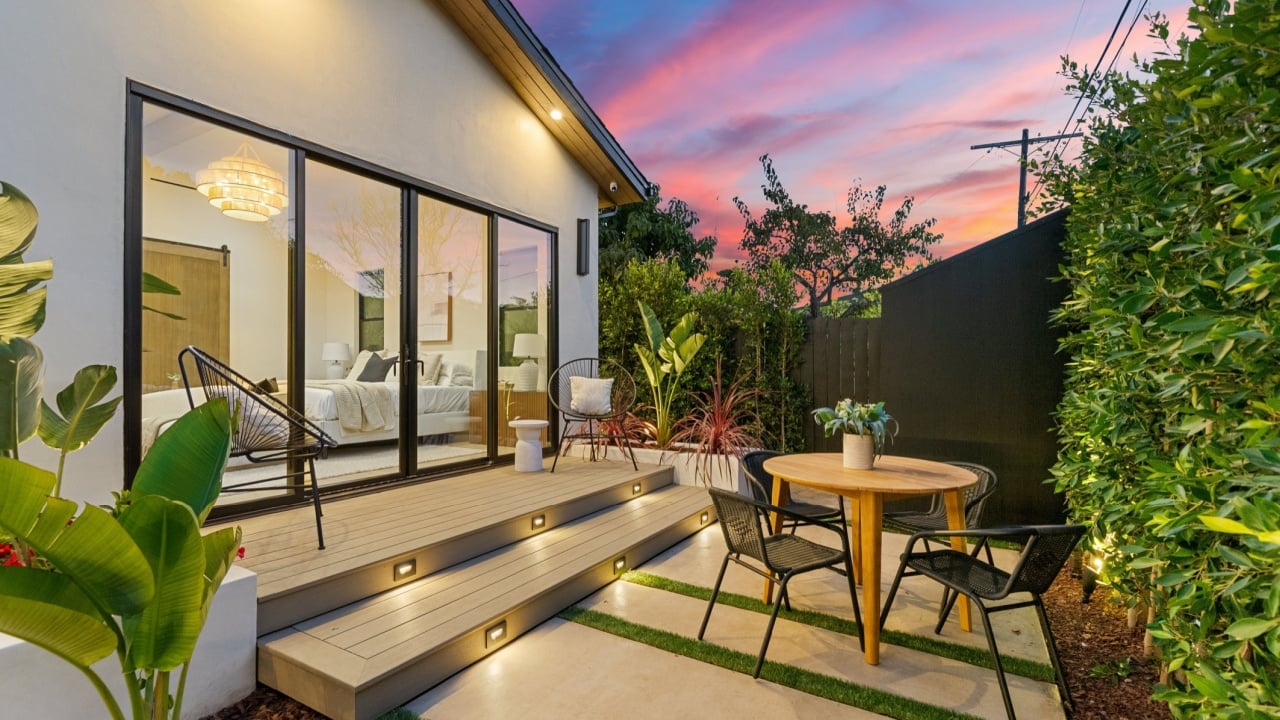
Static always-on lighting has become so common that most experienced burglars no longer register it as a deterrent. Motion-activated lighting, by contrast, introduces unpredictability, and unpredictability is exactly what burglars work to avoid.
According to Lang Lighting, burglars rely heavily on the cover of darkness and well-lit homes present a higher risk of detection and capture. But that deterrence effect is amplified significantly when a light turns on unexpectedly, drawing attention in a way that a permanently lit fixture never does. A light that switches on when someone walks near your side gate at 2 a.m. is functionally an alarm, while a light that was already on tells no one anything.
Motion-activated floodlights with adjustable sensitivity are widely available for under $30, and most can be installed in under an hour without an electrician.
3. Ignoring the Side Yard and Back Gate
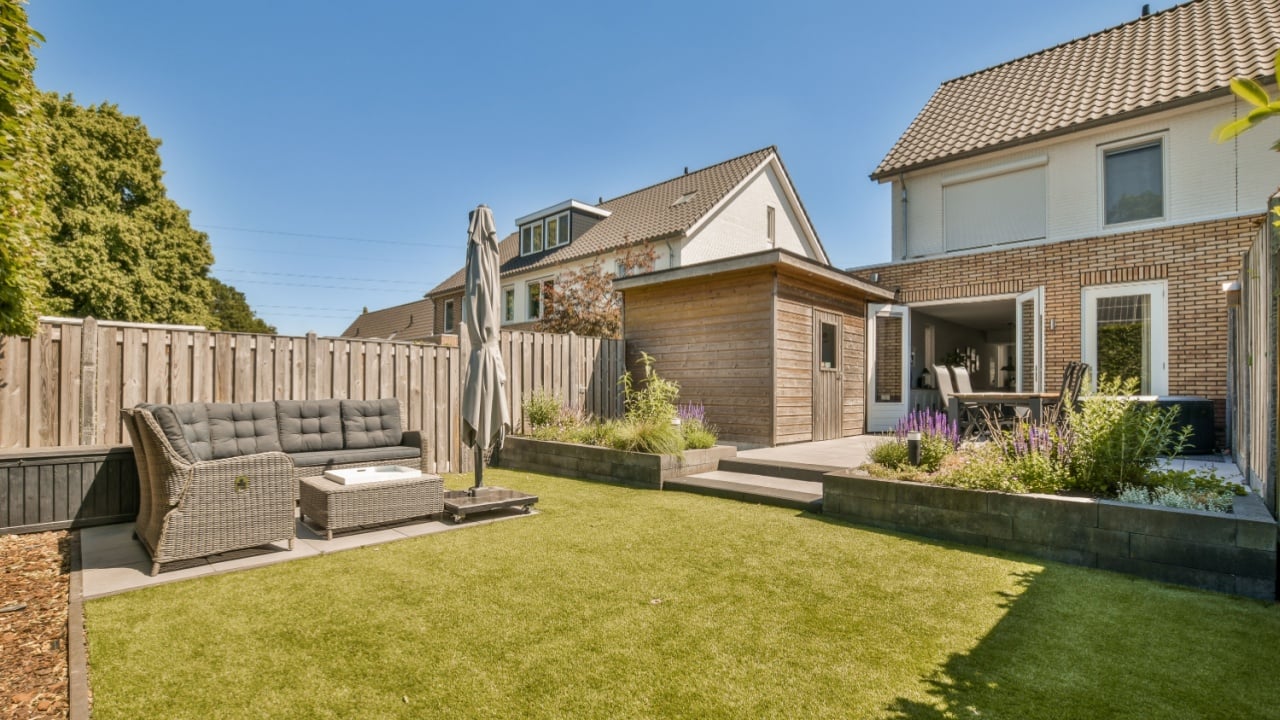
Most homeowners pour attention into the front of the house, where curb appeal matters and visitors arrive. But experienced burglars almost never use the front door. Side yards, back gates, and the narrow passage between the house and a fence are the corridors of choice precisely because they’re the least likely to be lit, watched, or noticed.
Security professionals consistently identify the garage side door as the most commonly used entry point in residential break-ins, and it is also, reliably, the least illuminated. If you cannot clearly see the back gate and side yard from a lit position outside your home at night, a burglar can approach them without being seen by anyone, including your neighbors.
A single motion-activated fixture mounted at the corner of the roofline, aimed to cover the side yard and back access, closes one of the most common vulnerabilities a property can have. Layered perimeter lighting, not just front-facing, is the foundation of a genuinely secure yard.
4. Pointing Floodlights at the Wrong Angle
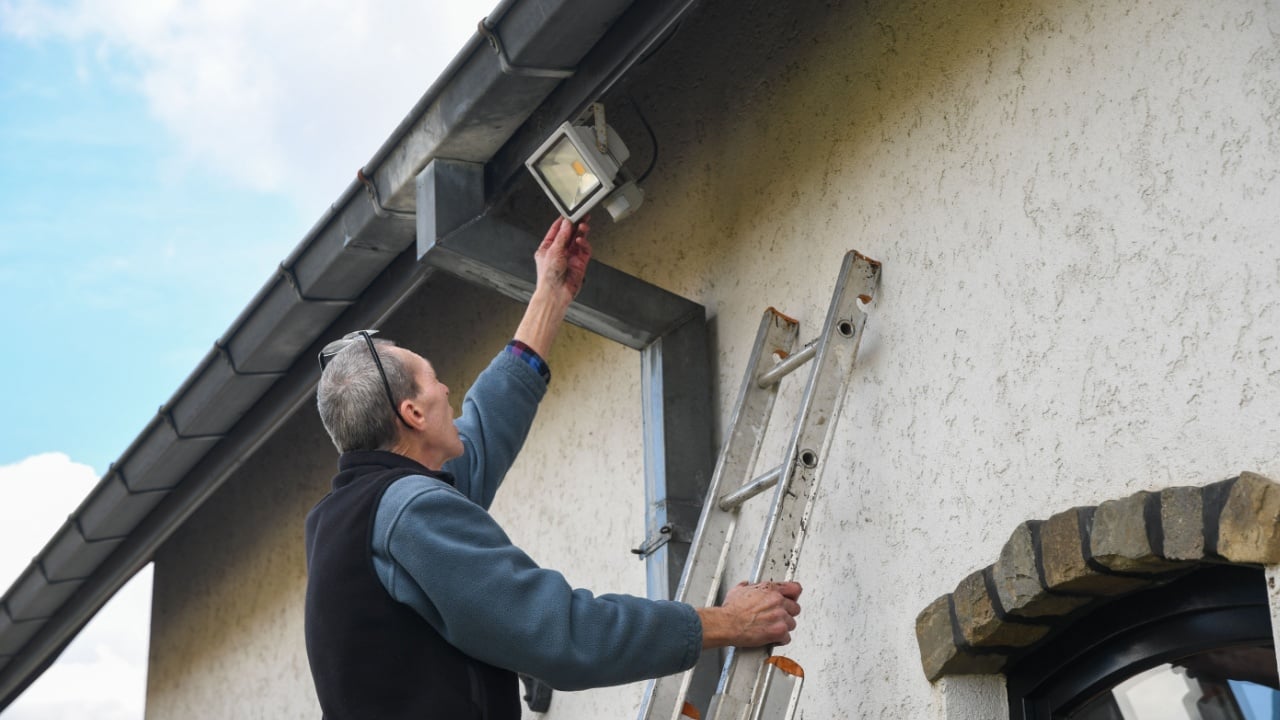
A bright floodlight aimed directly outward from the garage or front of the house creates exactly one well-lit zone: the driveway. Everything immediately beside it, from the shrub line to the walkway edge to the corner of the porch, drops into deeper shadow by contrast, and those shadows are what burglars use.
Worse, poorly aimed floodlights create glare that blinds neighbors and passersby rather than helping them see what’s happening. As DarkSky Texas notes in their research on outdoor security lighting, some fixtures actually make it more difficult to see welcomed visitors and make a home more vulnerable rather than less. When light is aimed horizontally into a neighbor’s sightline, it eliminates rather than enables the neighborhood visibility that is one of the most effective natural deterrents to property crime.
The fix is to aim fixtures downward at a 45-degree angle toward the ground plane, not outward. This illuminates the area around the house without creating glare, preserves neighbor visibility, and eliminates the shadow zones that poor placement creates.
5. Relying on Solar Lights Alone
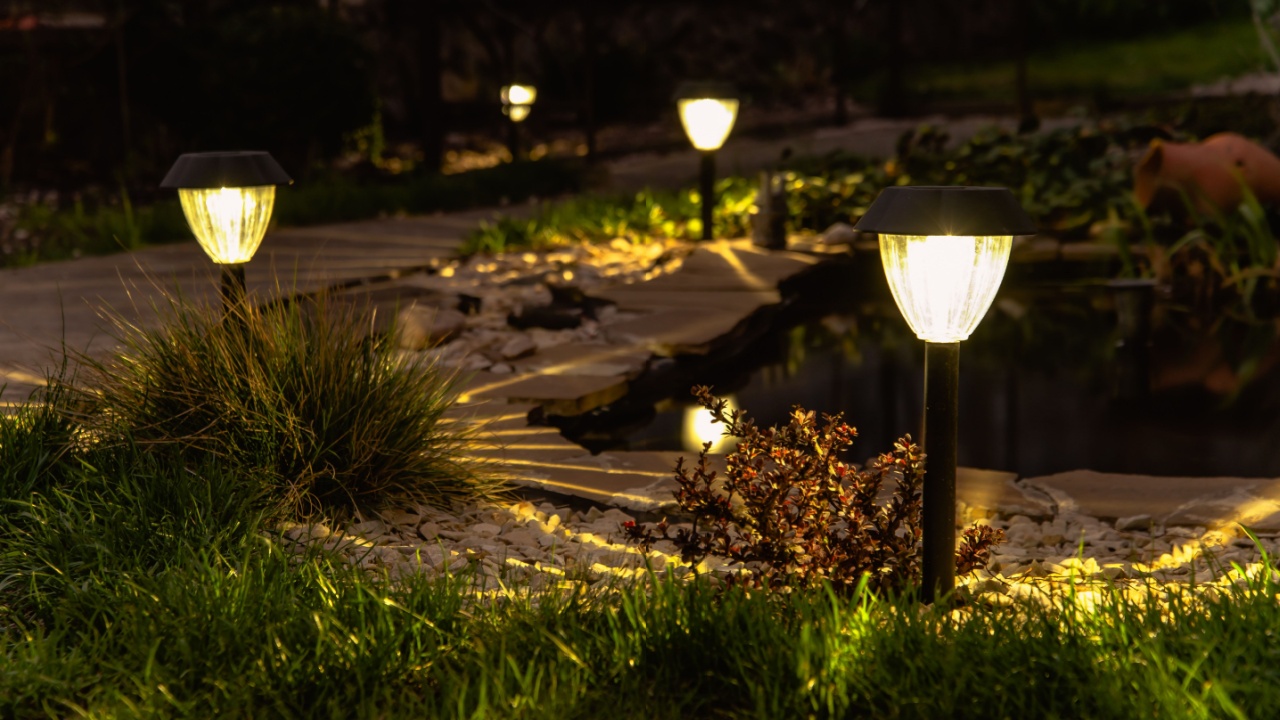
Solar path lights are charming. They line driveways and walkways beautifully, they cost almost nothing to operate, and they feel like a responsible energy choice. They are not, however, a security tool.
Low-voltage solar path lights aim their dim glow at the ground, which illuminates pavers and garden borders but does nothing to illuminate the person walking up them. More critically, solar lights positioned under tree canopy or in north-facing yards frequently fail to hold a full charge through winter months, leaving properties dark precisely when nights are longest.
If your current outdoor lighting consists primarily of solar path lights, treat them as what they are: landscape accents. Supplement with at least two motion-activated fixtures covering the primary entry zones, and choose battery-backed or hardwired options for any position where a security gap would be unacceptable.
6. Using Cool or Blue-Tinted LED Bulbs
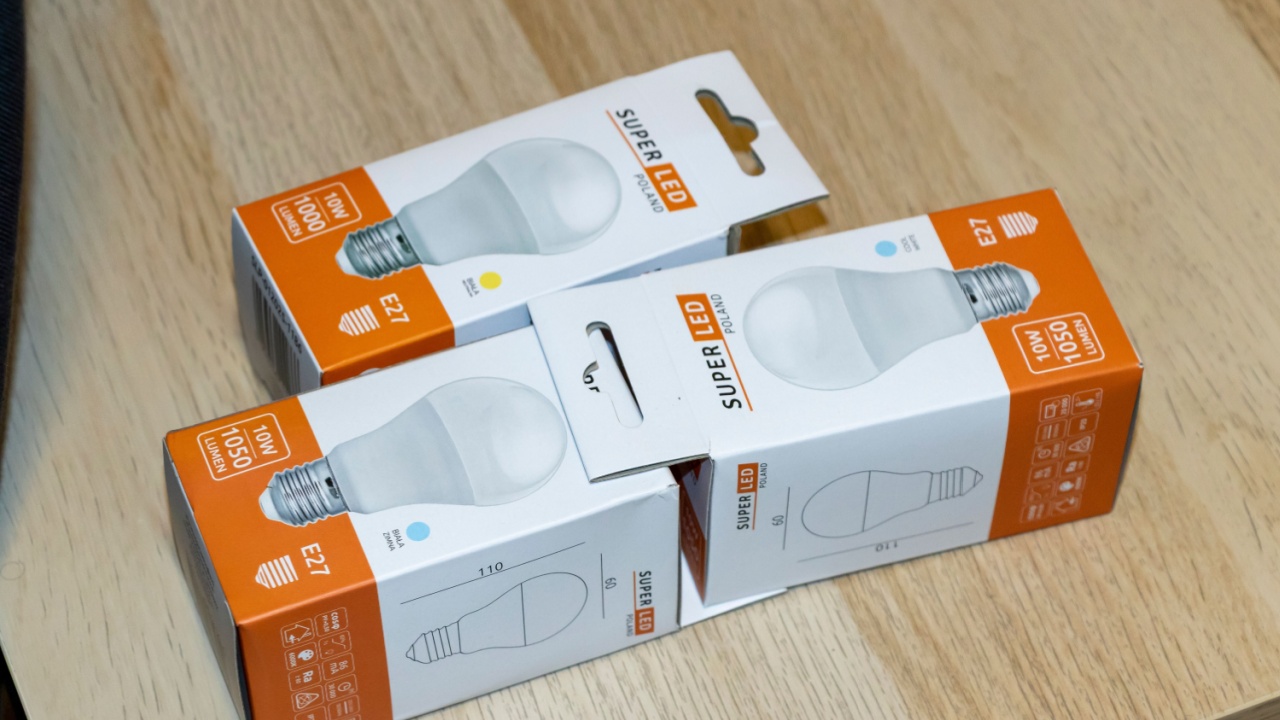
This is the mistake that lighting professionals see constantly, and it carries a consequence most homeowners don’t know about: cool-toned LED bulbs, typically rated above 4,000 Kelvin, don’t just look harsh and uninviting. They actively reduce the effectiveness of security cameras after dark.
Warm-toned lighting in the 2,700 to 3,000 Kelvin range renders faces, clothing colors, and license plates accurately on camera footage. Cool or blue-tinted light distorts color rendering and flattens contrast, producing footage that’s harder to use for identification. As Alex Thies, owner and creative director of Adelyn Charles Interiors, told Martha Stewart: “Using a very high Kelvin temperature or cool tone feels unnatural outdoors and can distort the colors of your home.”
Warm-toned LED bulbs cost the same as cool-toned ones and use identical energy. There is no reason to use the wrong one.
7. Setting Motion Lights with the Wrong Sensitivity or Duration
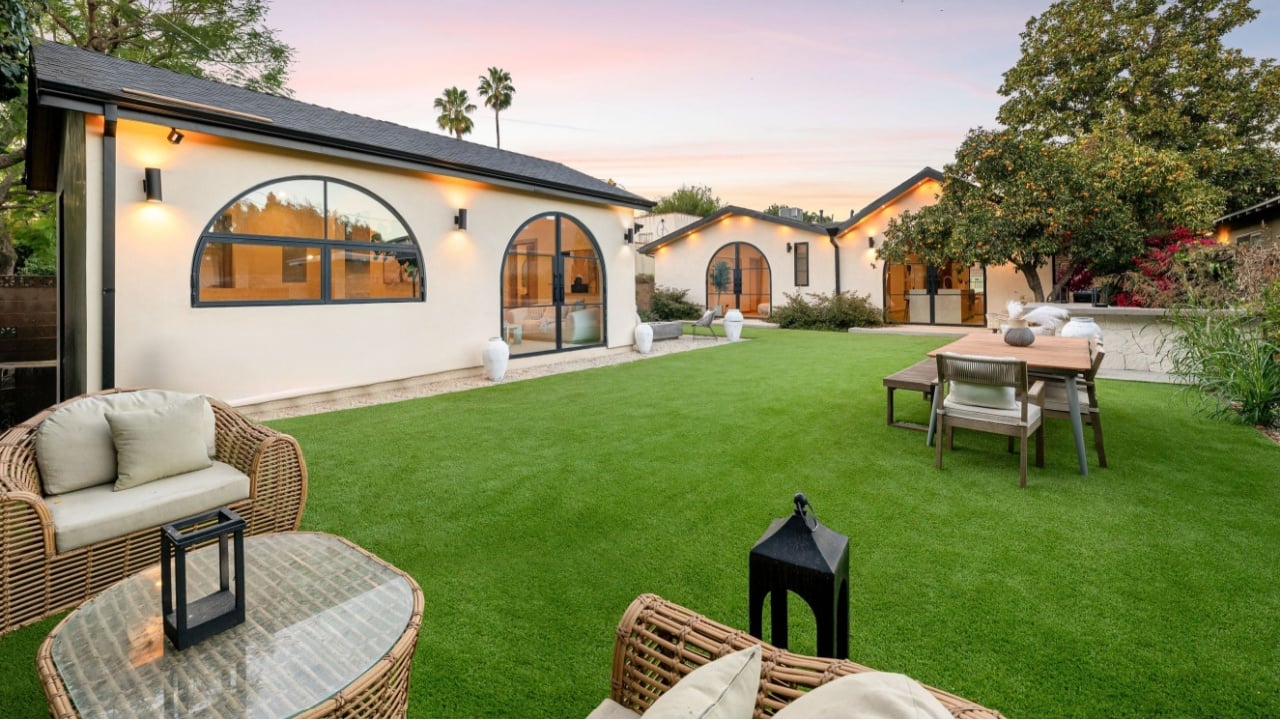
A motion light that triggers every time a car passes on the street is a motion light that gets ignored. Once neighbors and homeowners have seen it fire a dozen times for squirrels, passing bicycles, and wind-blown branches, its activation stops registering as meaningful. This is exactly the outcome a patient burglar is willing to wait for.
On the other end of the spectrum, a motion light with a hold duration of less than 20 seconds can be gamed by anyone moving slowly. The light resets before the person has finished crossing the illuminated zone, leaving them in darkness at the moment they reach the door or window.
The right setting for most residential applications: a sensitivity radius that covers the relevant zone without extending to the street, and a hold duration of 30 to 60 seconds minimum. Many fixtures allow both adjustments with a screwdriver. Check yours. If it’s been on default settings since installation, it almost certainly hasn’t been optimized.
8. Forgetting to Light Where Your Camera Can See
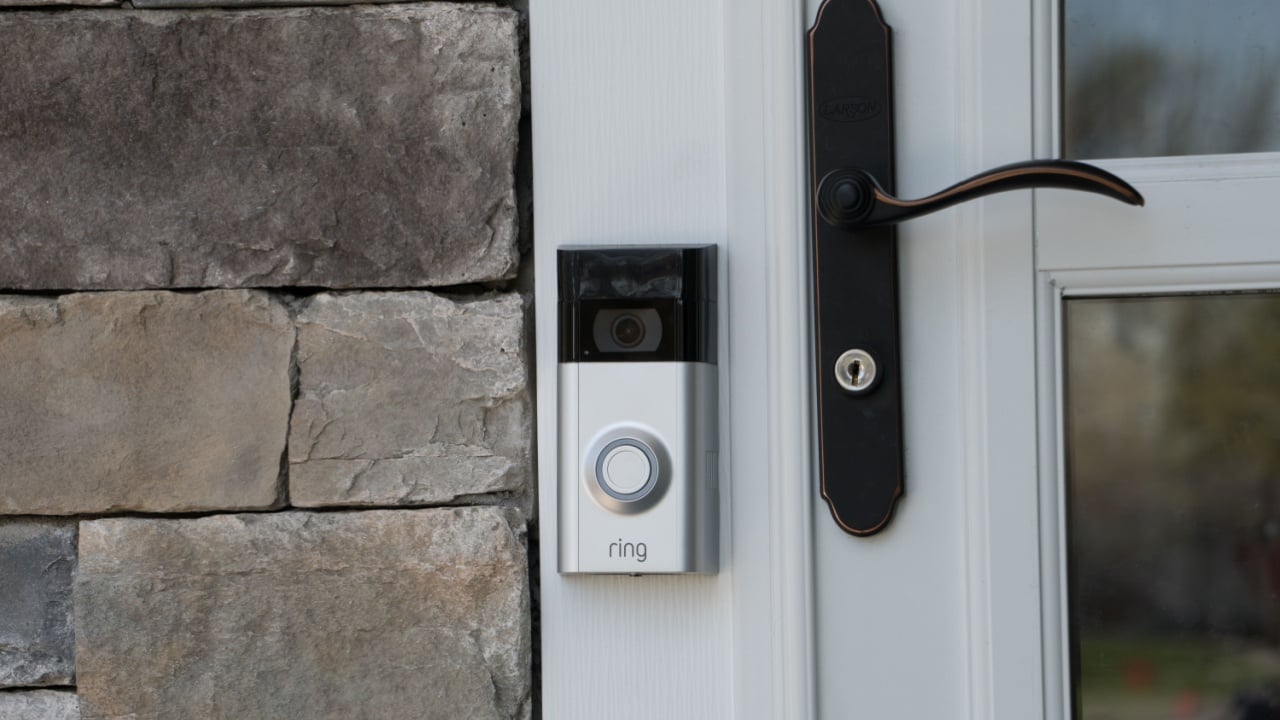
Security cameras have become standard equipment on American homes, and most homeowners position them carefully. What many don’t account for is that a camera without adequate lighting underneath it produces, at best, a silhouette.
Ring cameras and similar devices are increasingly capable in low light, but they are not magic. A camera mounted under an eave, aimed at a dark front walkway, captures the outline of a person in a hoodie, not a face, not a license plate, not identifying details. The footage may confirm a crime occurred without providing anything useful to law enforcement.
Instead, mount a small supplemental motion light within the camera’s field of view, angled to illuminate the face of anyone approaching, not the back of their head. This is a $25 to $40 addition that converts footage from evidence of a crime into evidence that identifies who committed it.
What to Do Instead
Most of the vulnerabilities above can be addressed without replacing fixtures or hiring an electrician. A $15 smart plug or mechanical timer eliminates the always-on vacancy signal. A $30 motion-activated floodlight covers the side yard. A bulb swap costs under $10. The full correction stack for an average home runs well under $100, which is a fraction of the average loss from a residential break-in.
Start with the zones you’ve been ignoring: the side yard, the back gate, the area directly below your camera. Then check your existing lights: are they motion-activated or static? Are the bulbs warm or cool-toned? Have you ever adjusted the sensitivity settings?
Small Fixes, Real Deterrence

If you’ve had the same outdoor lighting setup for years, you’re in good company. Most homeowners set it and forget it, which is exactly why these habits persist. But for homeowners who’ve spent decades tending their property and making it beautiful, it’s worth taking one evening this month to walk the perimeter after dark and see what you actually have.
The goal isn’t to turn your yard into a spotlight. It’s to close the gaps that experienced eyes are already reading. A few small changes, made now, shift the calculus for anyone making a quick assessment of your block. And that shift, most of the time, is enough.
Read more:
Why wildlife experts are telling people to take down their bird feeders
Plant these 10 companion plants with your tomatoes — and stop planting these 4