
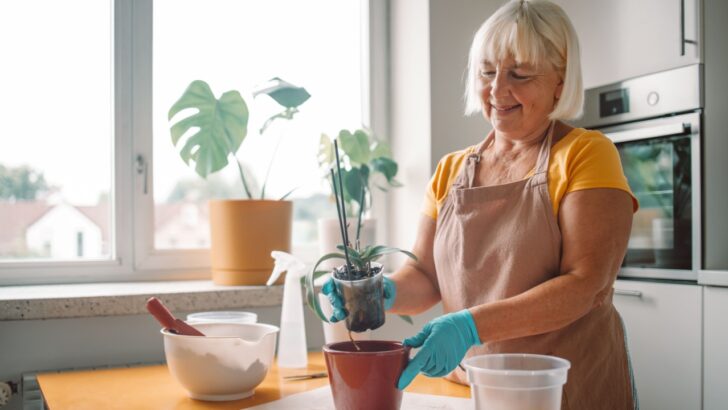
Some plants just sit on a windowsill, quietly existing. Others enter a room and own it. They are the horticultural equivalent of a velvet armchair or a giant piece of art.
These are statement plants, and they have the power to transform a space from simply “a room with plants” to an intentional indoor garden. Cultivating one of these living sculptures is a rewarding pursuit that elevates a collection from a hobby to a passion.
Here are fourteen options that will make a significant impact on your indoor environment.
1. Bird of Paradise (Strelitzia reginae)

Image Credit: Shutterstock.
The Bird of Paradise brings an unmistakably tropical feel to any space. Its large, paddle-shaped leaves grow on long stalks, fanning out to create a lush, upright form. This plant’s grand scale and architectural shape can fill a corner with vibrant green, reminiscent of a faraway jungle. It is named for its unique flowers, which resemble a brightly colored bird in flight.
Getting it to bloom indoors can be a challenge, requiring lots of light, but its foliage alone is worth the effort. Rotate the plant periodically to encourage even growth on all sides. Keep soil consistently moist during the growing season, but not waterlogged. It’s a fast grower under the right conditions, so give it room to spread its wings.
2. Fiddle Leaf Fig (Ficus lyrata)

Image Credit: Shutterstock.
A darling of interior design for years, the Fiddle Leaf Fig maintains its status through its dramatic and sculptural form. Its huge, violin-shaped leaves are its main attraction, creating a dense canopy atop a slender trunk. This plant can be a bit particular about its environment, demanding consistency in light, water, and temperature.
It does not appreciate being moved or subjected to drafts. It needs lots of bright, indirect light; place it near an east-facing window. Water thoroughly when the top inch of soil is dry. Avoid letting it sit in water. Wipe the leaves with a damp cloth every few weeks to keep them dust-free and glossy, which aids in photosynthesis. This plant’s sap contains calcium oxalate crystals, which are toxic to pets and can irritate human skin.
3. Monstera ‘Albo’ (Monstera deliciosa ‘Albo Variegata’)
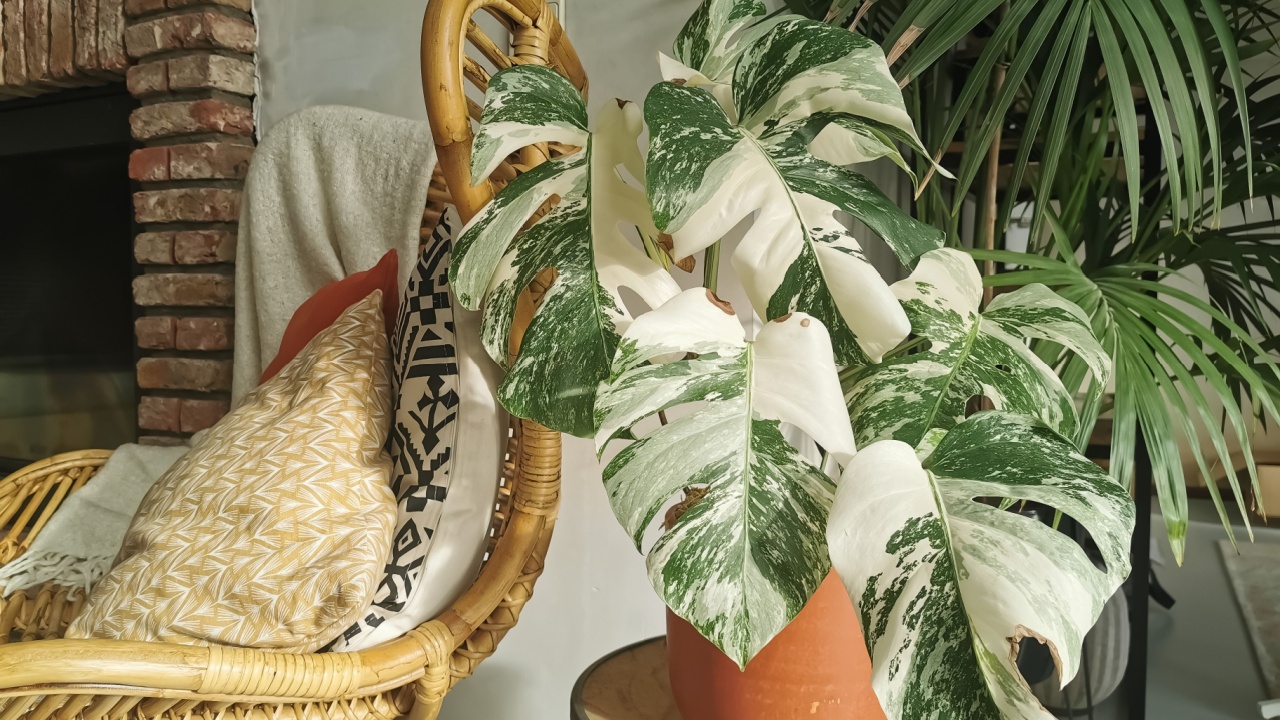
Image Credit: Shutterstock.
The Monstera ‘Albo’ is the crown jewel for many collectors. It possesses the iconic split leaves of the classic Monstera, but with the added allure of striking white variegation. Each new leaf is a surprise, unfurling to reveal a unique pattern of green and creamy white. This variegation means the plant has less chlorophyll, so it grows more slowly and requires more light than its all-green counterpart.
Its rarity and breathtaking beauty make it an undeniable showpiece. It requires very bright, indirect light to maintain its variegation. Avoid direct sun, which can scorch the white sections. Water when the top 1-2 inches of soil feel dry; it is sensitive to overwatering. You should also provide a moss pole or trellis for support. This encourages larger leaf development and mature splits. Like all monsteras, this plant is toxic to humans and pets due to calcium oxalate crystals that cause mouth irritation, swelling, and vomiting.
4. Elephant’s Toothpick (Sansevieria cylindrica)

Image Credit: Shutterstock.
Also known as the Cylindrical Snake Plant, this specimen is the definition of modern, minimalist style. It features stiff, spear-like leaves that grow straight up from the soil. The smooth, cylindrical leaves can be braided or left to grow naturally for a fan-like effect. It’s an incredibly hardy plant, tolerant of low light and infrequent watering, making it a great option for those who want a strong visual impact without a demanding care routine.
Its clean lines and upright habit are perfect for contemporary spaces. It tolerates low light but thrives better in medium to bright, indirect light. Water it sparingly; allow the soil to dry out completely between waterings. It is highly susceptible to root rot. This plant is slow-growing, so be patient. It is also toxic to dogs and cats, causing nausea, vomiting, and diarrhea if ingested
5. Tropical Pitcher Plant (Nepenthes spp.)

Image Credit: Shutterstock.
For a truly unusual statement, the Tropical Pitcher Plant is an excellent choice. This carnivorous plant develops modified leaves that form hollow, pitcher-like traps at their tips. These pitchers contain a fluid that drowns and digests insects, providing the plant with nutrients.
Hung in a basket, its vining habit and dangling pitchers create a captivating and slightly otherworldly display. It needs bright, indirect light. It also prefers to be kept consistently moist with distilled, reverse osmosis, or rainwater. Tap water can harm the plant. High humidity is crucial for pitcher development; misting the plant daily or placing it near a humidifier will help.
6. Polka Dot Begonia (Begonia maculata)
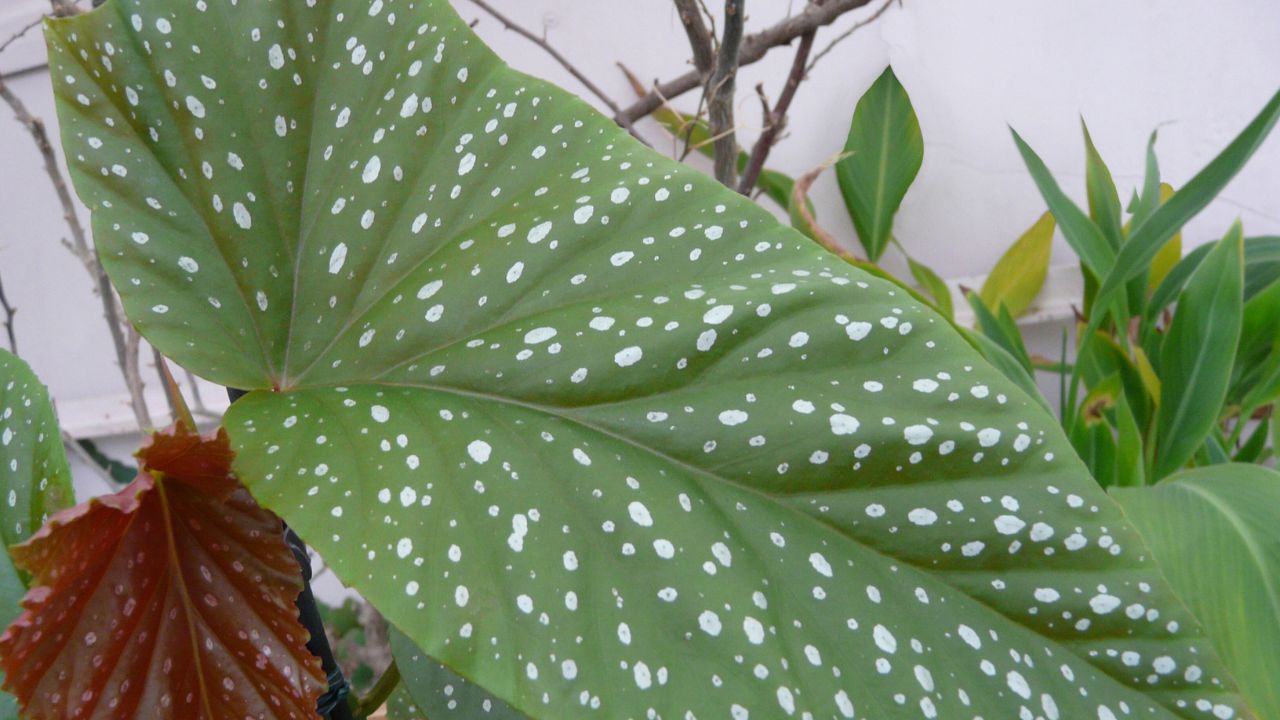
Image Credit: Fjvelsen – Own work, CC BY-SA 4.0/Wiki Commons.
The Polka Dot Begonia is all about whimsical charm. Its angel-wing-shaped leaves are a deep olive green, covered in uniform silver spots that look almost painted on. The undersides of the leaves are a contrasting deep red, adding another layer of visual interest. This plant offers more than just foliage; it also produces delicate clusters of white or pink flowers.
Its playful pattern and elegant shape make it a standout in any collection. Give it bright, indirect light; too much direct sun can scorch the leaves. When watering, keep the soil evenly moist but not soggy. Let the top inch of soil dry out before watering again. This begonia appreciates higher humidity. Grouping it with other plants or using a pebble tray can help. It is toxic to pets and mildly toxic to humans, with roots posing the greatest risk if ingested.
7. Alocasia ‘Dragon Scale Black’
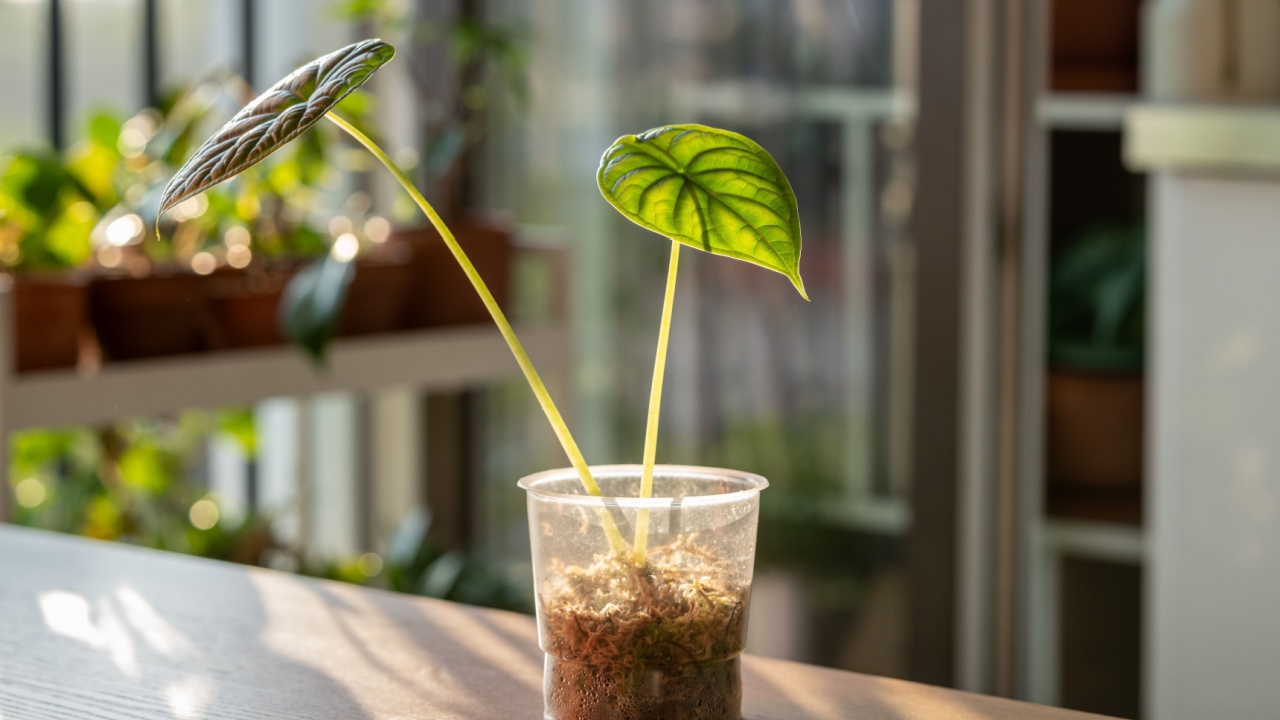
Image Credit: Shutterstock.
Dark, brooding, and textured, the Alocasia ‘Dragon Scale Black’ is a plant for those who appreciate the finer details. Its leaves have a deep, almost black coloration with a network of lighter green or silver veins, creating a pattern that resembles the scales of a mythical creature. The foliage has a thick, leathery texture that begs to be touched.
This Alocasia remains relatively compact, but its intense coloring and unique texture give it an outsized presence. Keep it in bright, indirect light, protected from direct sunlight. Keep the soil consistently moist. Alocasias do not like to dry out completely. Alocasias can go dormant in winter, so reduce watering if you notice growth has stopped. Growth will resume in the spring. It is highly toxic to humans and pets due to calcium oxalates that cause severe mouth and throat irritation.
8. Rattlesnake Plant (Goeppertia insignis)
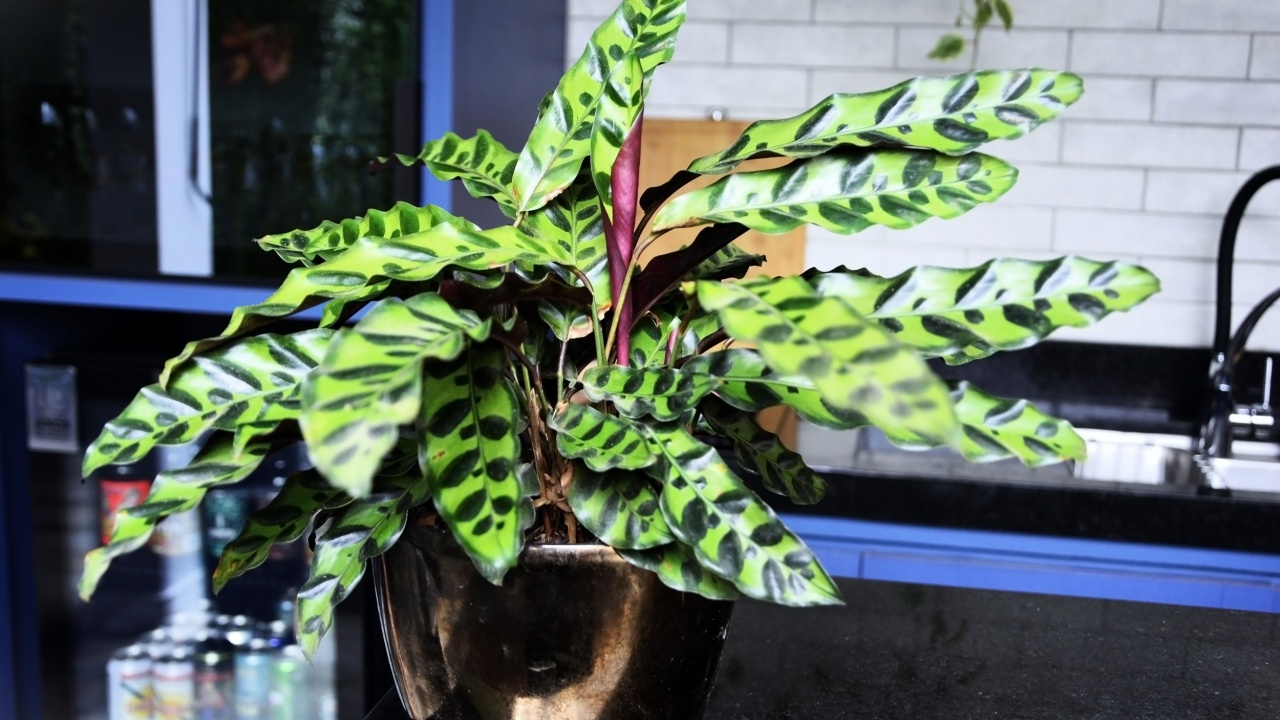
Image Credit: NANCY AYUMI KUNIHIRO / Shutterstock.
The Rattlesnake Plant is a member of the Calathea family, known for its intricate leaf patterns and movement. Its long, wavy-edged leaves are bright green on top, marked with a pattern of dark green ovals that resemble reptilian skin. The undersides are a rich purple-red. Like other “prayer plants,” its leaves fold up at night and lower during the day, adding a dynamic quality.
This daily motion, combined with its detailed patterning, makes it a mesmerizing specimen. It prefers medium to bright, indirect light. Direct sun will fade the patterns and burn the leaves. Keep the soil consistently moist; high humidity is a must for this plant to prevent brown, crispy edges on its leaves.
9. Banana Plant (Musa acuminata)
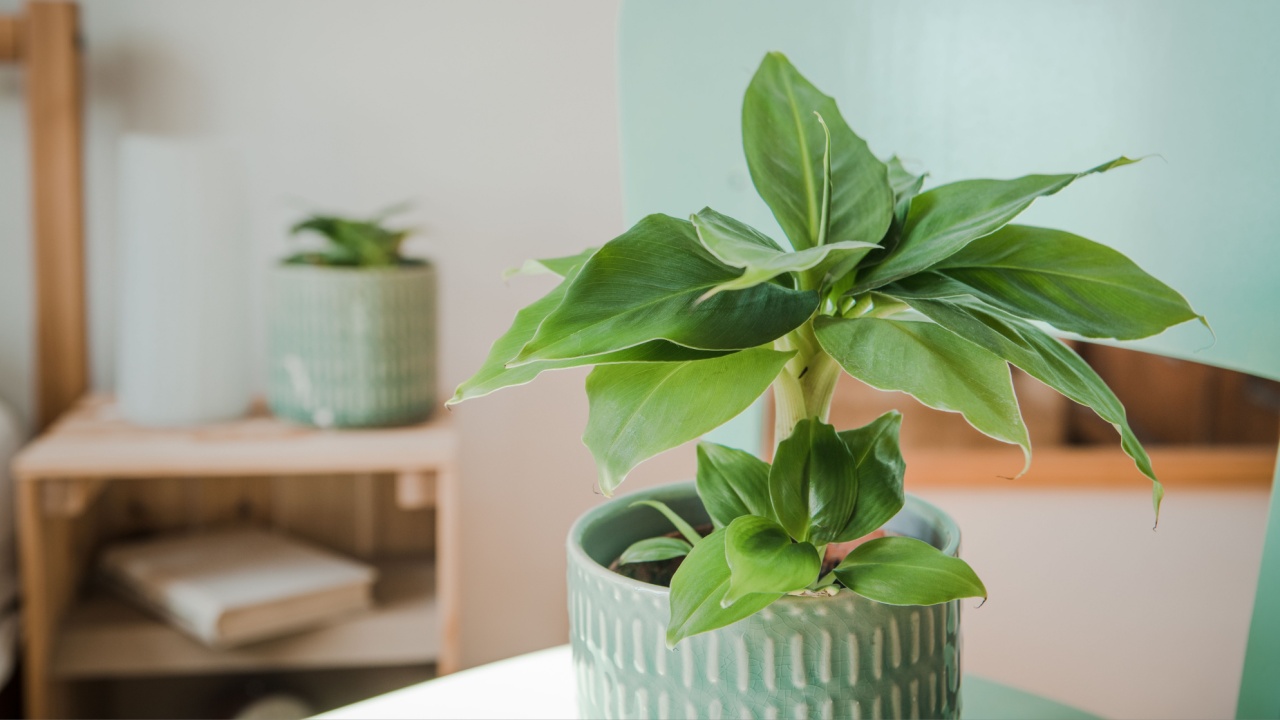
Image Credit: Shutterstock.
For the ultimate tropical statement, bring a Banana Plant indoors. While you might not harvest any fruit, the Dwarf Cavendish variety (Musa acuminata) can be managed in a large container, growing rapidly to create a jungle-like canopy. Its enormous, tender leaves are a vibrant green and will quickly fill a bright corner.
This plant is a heavy feeder and drinker, requiring consistent attention, but it rewards you with impressively fast growth and a commanding presence. It needs at least 6-8 hours of bright, direct light per day. It is very thirsty. Keep the soil consistently moist, especially during the growing season.
10. Croton (Codiaeum variegatum)

Image Credit: Shutterstock.
If color is what you seek, look no further than the Croton. This plant is an explosion of yellows, oranges, reds, and even purples, often on a single leaf. There are many varieties, each with its own unique leaf shape and color combination, from the narrow, ribbon-like leaves of ‘Zanzibar’ to the broad, oak-leaf shape of ‘Petra’.
To maintain its vibrant coloring, a Croton needs a lot of light. It’s a fantastic way to introduce a permanent splash of autumn color into your home. Crotons are sensitive to being moved and may drop leaves in response. Find a good spot and leave it there. They are mildly toxic to pets and irritating to humans, potentially causing vomiting, diarrhea, and skin irritation.
11. Olive Tree (Olea europaea)
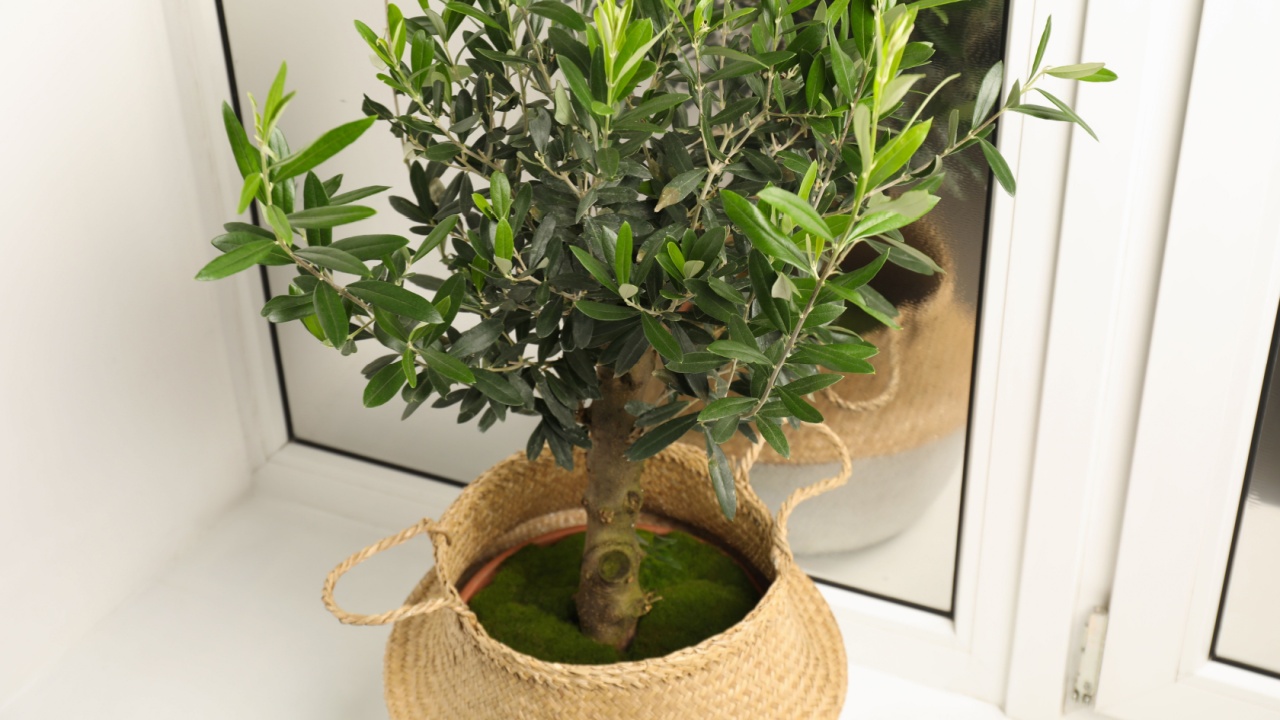
Image Credit: Shutterstock.
An Olive Tree brings a touch of Mediterranean sophistication indoors. Its silvery-green foliage and delicate, airy structure create a feeling of calm and refinement. While they need a lot of light to thrive indoors, dwarf varieties can be managed in containers. An olive tree doesn’t scream for attention with loud colors or huge leaves; instead, its statement is one of understated elegance and timeless style.
It needs at least 6 hours of direct sunlight per day. A south-facing window is best. Water thoroughly when the top few inches of soil are dry. It is drought-tolerant and dislikes wet feet. Good drainage is absolutely critical. Use a sandy, well-draining cactus or succulent mix.
12. Burro’s Tail (Sedum morganianum)
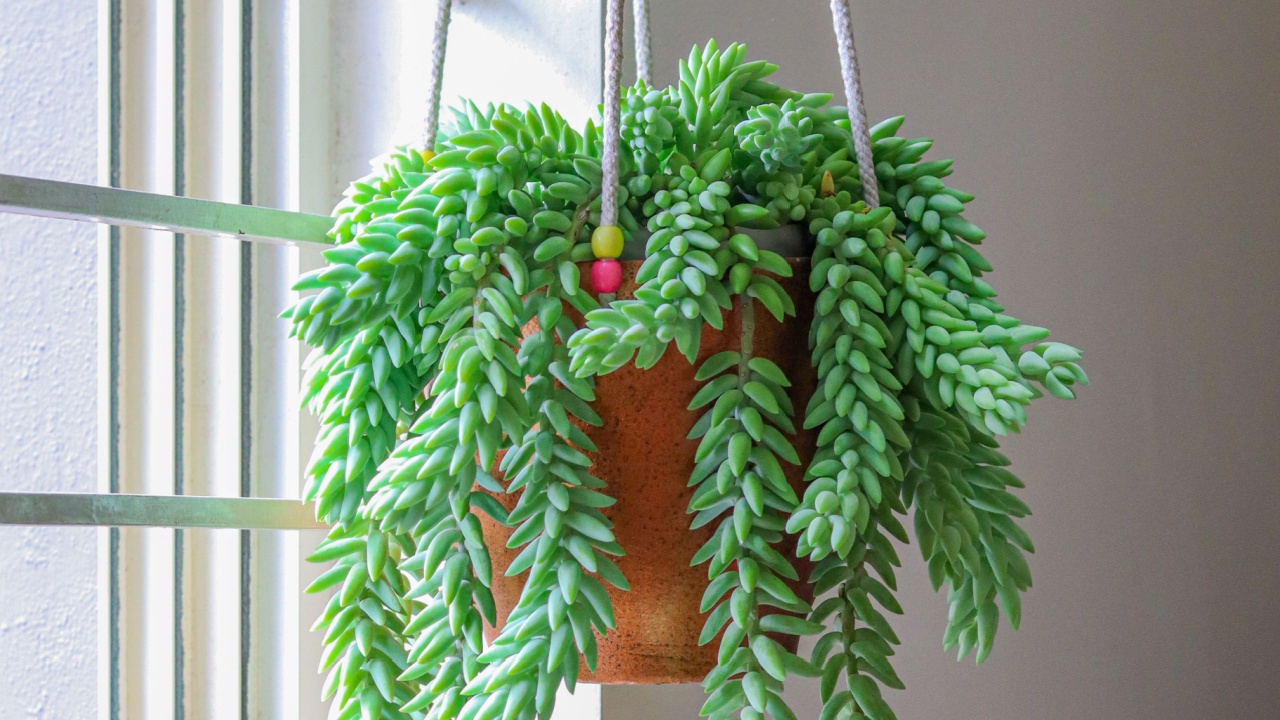
Image Credit: Shutterstock.
The Burro’s Tail is a cascading succulent that becomes more impressive with each passing year. It produces long, trailing stems covered in fleshy, bead-like leaves, creating a waterfall of greenery. When hung in a basket or placed on a high shelf, its stems can grow to several feet long.
The pale green, plump leaves are covered in a powdery bloom, giving the plant a soft, ethereal look. Its unique texture and dramatic trailing habit make it a stunning hanging specimen. The leaves are very delicate and can fall off with the slightest touch. Place it where it will not be bumped or disturbed.
13. Golden Pothos (Epipremnum aureum)
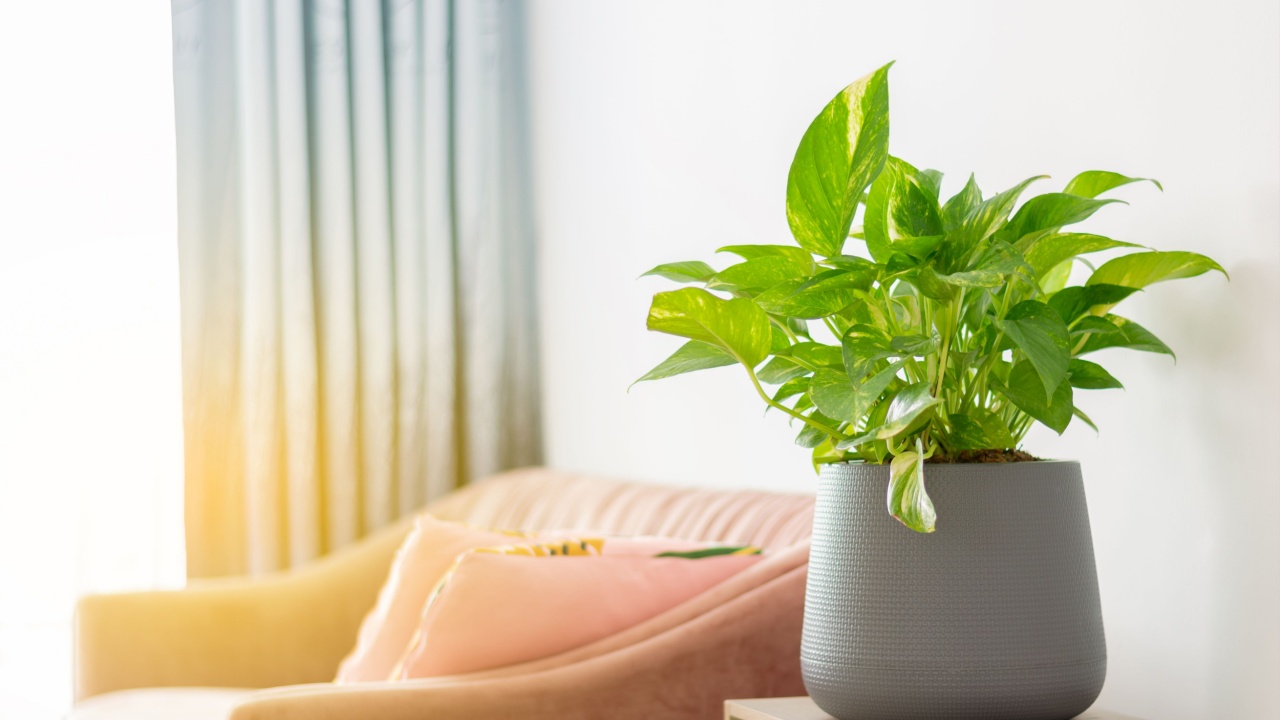
Image Credit: Shutterstock.
The Golden Pothos might seem too common for this list, but its power is in its potential. When given proper support and allowed to climb, its leaves can grow to an impressive size, becoming fenestrated much like a Monstera. A well-established, climbing Pothos with mature leaves is a very different plant from the small-leafed trailers typically seen.
It can be trained up walls or around windows, creating a living frame of lush, golden-variegated foliage. It’s a testament to how the right conditions can transform a familiar plant into something extraordinary. When allowed to climb, its leaves mature and grow to a massive size, creating a lush, jungle-like vine. To encourage large, mature leaves, provide a moss pole or wooden plank for it to climb. The aerial roots will attach and signal the plant to grow larger foliage.
14. Peace Lily ‘Sensation’ (Spathiphyllum ‘Sensation’)
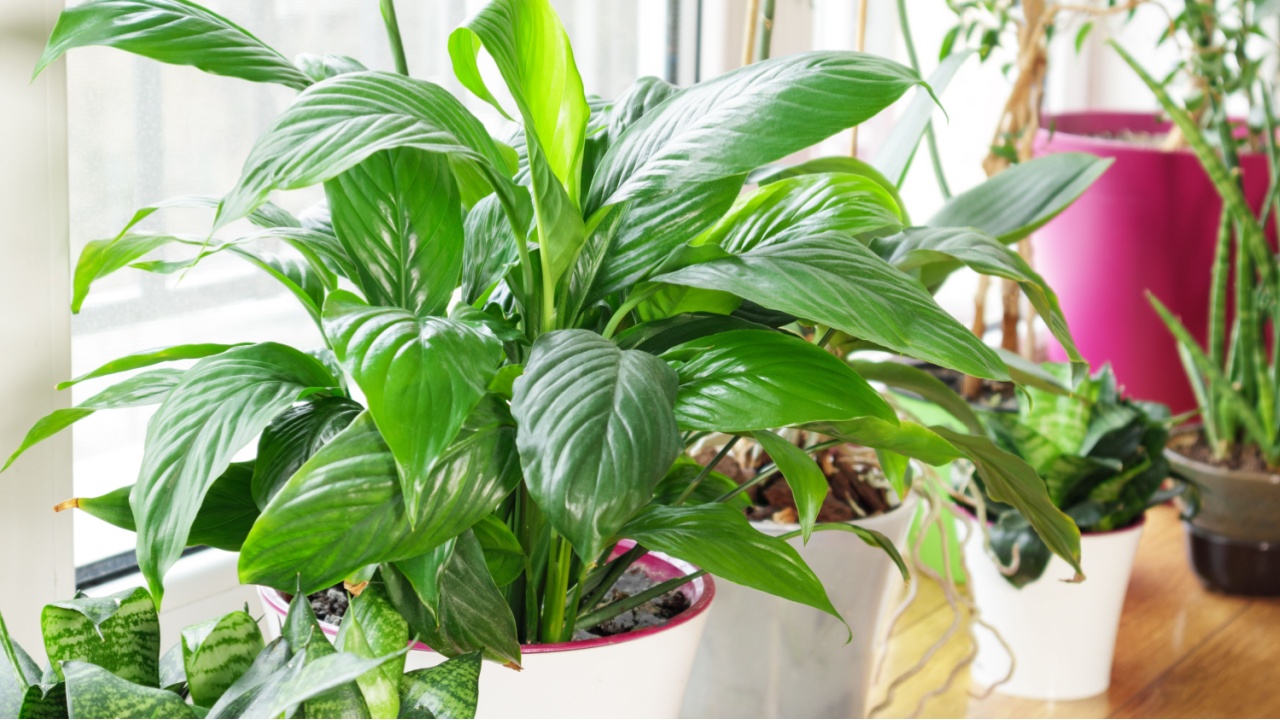
Image Credit: Shutterstock.
This is not your average Peace Lily. The ‘Sensation’ variety is a giant, with enormous, deeply ribbed, dark green leaves that can reach several feet in length. It can grow up to six feet tall and wide, making it a true floor plant. It produces the same elegant white spathes as its smaller cousins, but on a much grander scale.
Its ability to tolerate lower light conditions than many other large plants makes it a great choice for filling a corner that might not get direct sun. The sheer size of its foliage creates a lush, serene, and impactful display. Keep the soil consistently moist. It will wilt dramatically when it needs water, but usually bounces back quickly. The large leaves are dust magnets; wipe them down regularly with a damp cloth to keep the plant healthy and looking its best.
Bringing a Statement Plant Home
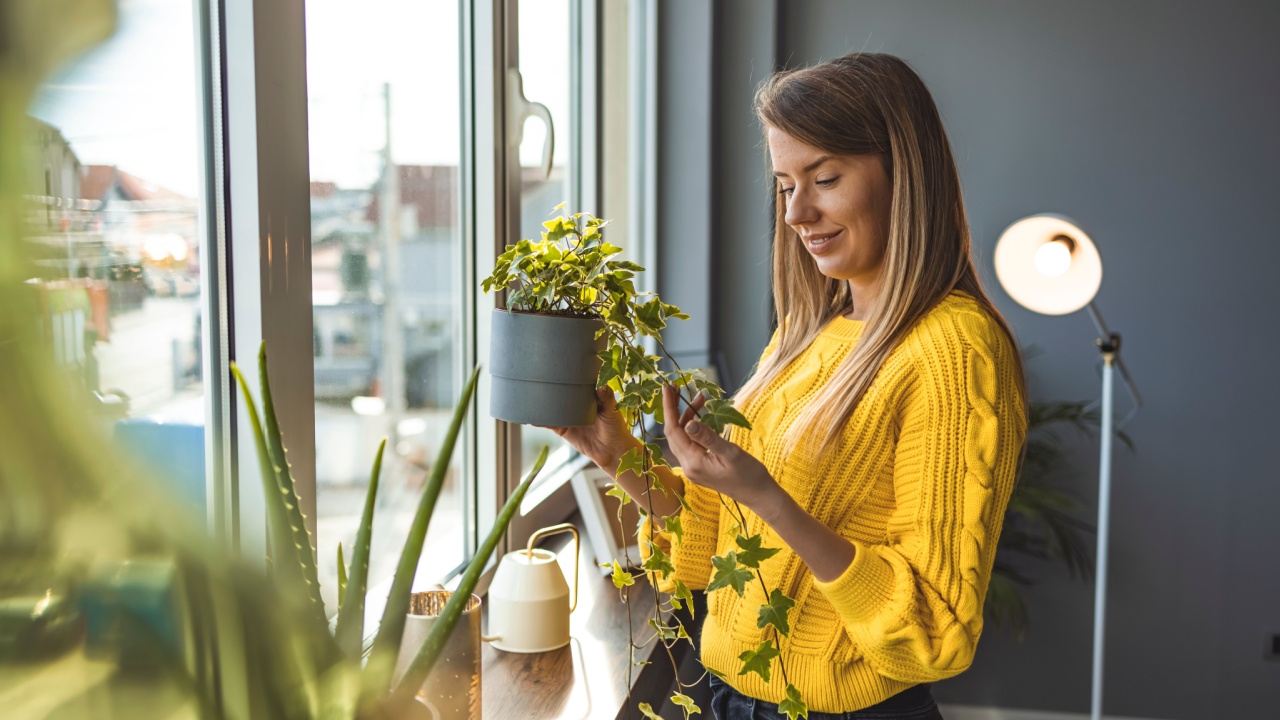
Image Credit: Shutterstock.
Some plants act as second home decor, and a statement plant is an investment in a living feature for your home. Before you commit, take a realistic look at your environment. Assess the light in the spot you have in mind and be honest about the level of care you are prepared to provide.
When you bring your new plant home, give it time to acclimate. Don’t be alarmed if it drops a leaf or two as it adjusts to its new surroundings. Focus on providing consistent conditions, and you will be rewarded with a magnificent green companion that grows with you and transforms your space.