
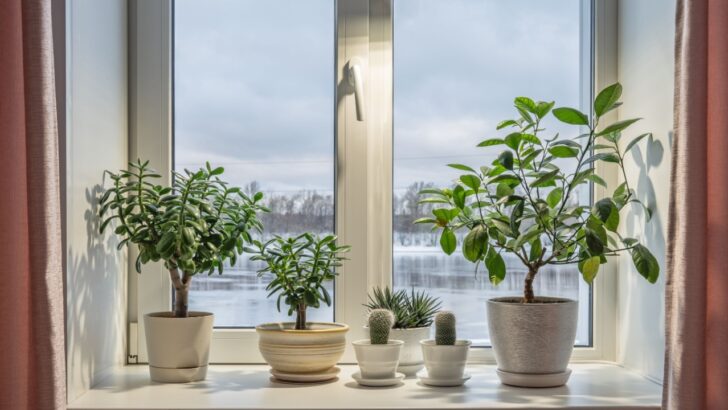
Sometimes, houseplants struggle; other times, they thrive a little too much. You bring home a cute little pothos, name it Paulleta, and place it lovingly on a floating shelf. You water it, you talk to it, you might even play it some smooth jazz. Suddenly, you’re living in a jungle, and that sweet little plant has launched a hostile takeover of your living room. Its vines are plotting to trip you, and its leaves are blocking the remote sensor.
Before you surrender your home to your leafy overlords, know that you have options. It is possible to manage your indoor garden without constantly upsizing pots or staging a full-scale botanical intervention. Here are some botanist-proven ways of keeping your houseplants in check.
1. Prune and Shape Strategically

Image Credit: Shutterstock.
Giving your plant a haircut is one of the most direct ways to manage its size. Strategic pruning doesn’t just shorten unruly stems; it encourages bushier, fuller growth. By snipping off leggy branches or excess foliage, you can redirect the plant’s energy into developing a more compact and attractive shape. It’s like teaching your plant some manners.
Pruning offers immediate results and improves the plant’s overall health by removing dead or yellowing leaves. It also increases air circulation, which helps prevent pests and diseases. Start by identifying any overgrown, weak, or crossing stems. Using clean, sharp scissors or pruning shears, make cuts just above a leaf node (the little bump on the stem where a leaf grows). This is where new growth will emerge.
Quick Guide:
- What to cut: Leggy stems, yellow or brown leaves, and branches that are crossing or crowding others.
- How to cut: Use clean, sharp shears to cut just above a leaf node at a 45-degree angle.
- When to prune: Late winter or early spring is often ideal, just before the plant’s main growing season.
2. Choose Compact Plant Varieties
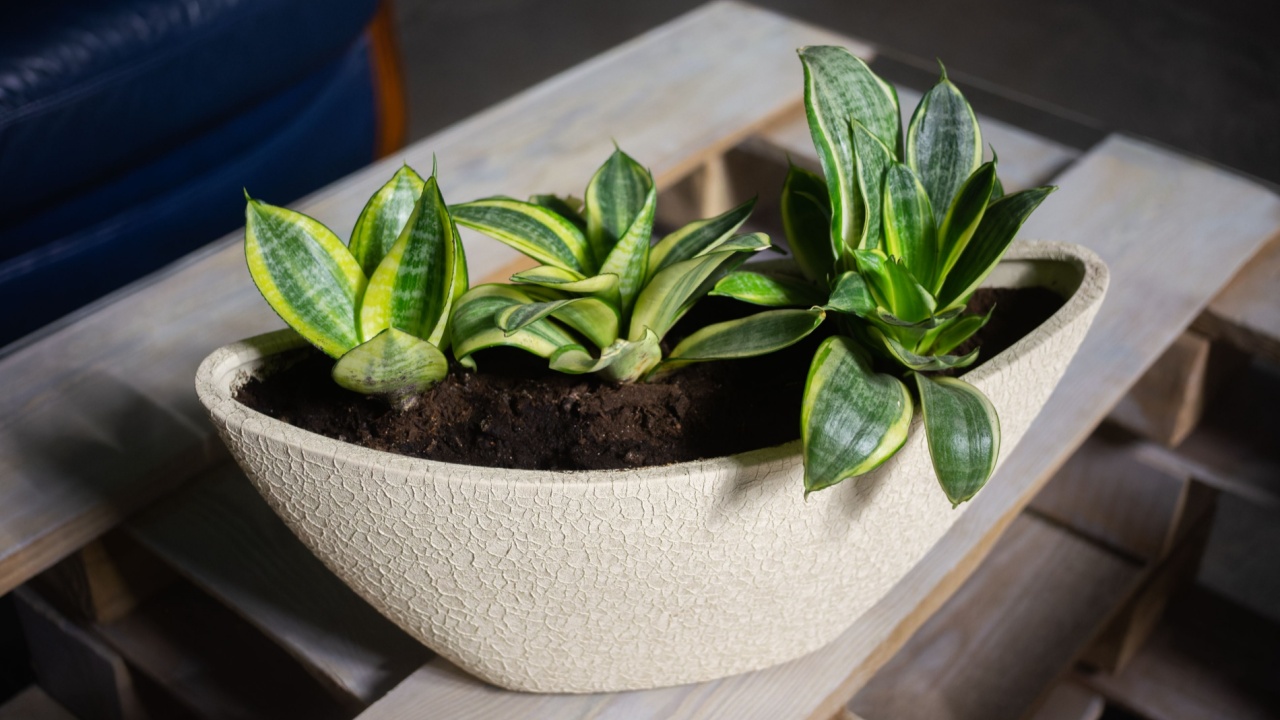
Image Credit: Shutterstock.
Some plants are just born to be big. A monstera deliciosa is never going to be happy staying tiny in a teacup. If space is a concern, set yourself up for success by selecting plants that are naturally small or slow-growing. Dwarf varieties and compact cultivars are specifically bred to remain manageable, providing you with the lush look without the overwhelming size.
Opting for compact types from the start is a proactive way to avoid future size wars. Research plants before buying. Look for labels like “dwarf,” “compacta,” or “miniature.” Good choices include the Chinese money plant, desert cacti, and the peace lily.
Quick Guide:
- Great options: Haworthia, many peperomia varieties, nerve plants (Fittonia), dwarf snake plants (Sansevieria trifasciata ‘Hahnii’).
- What to look for: Read plant tags and descriptions for words indicating a smaller growth habit.
- Benefit: Less pruning and repotting required down the line.
3. Use Appropriately Sized Pots
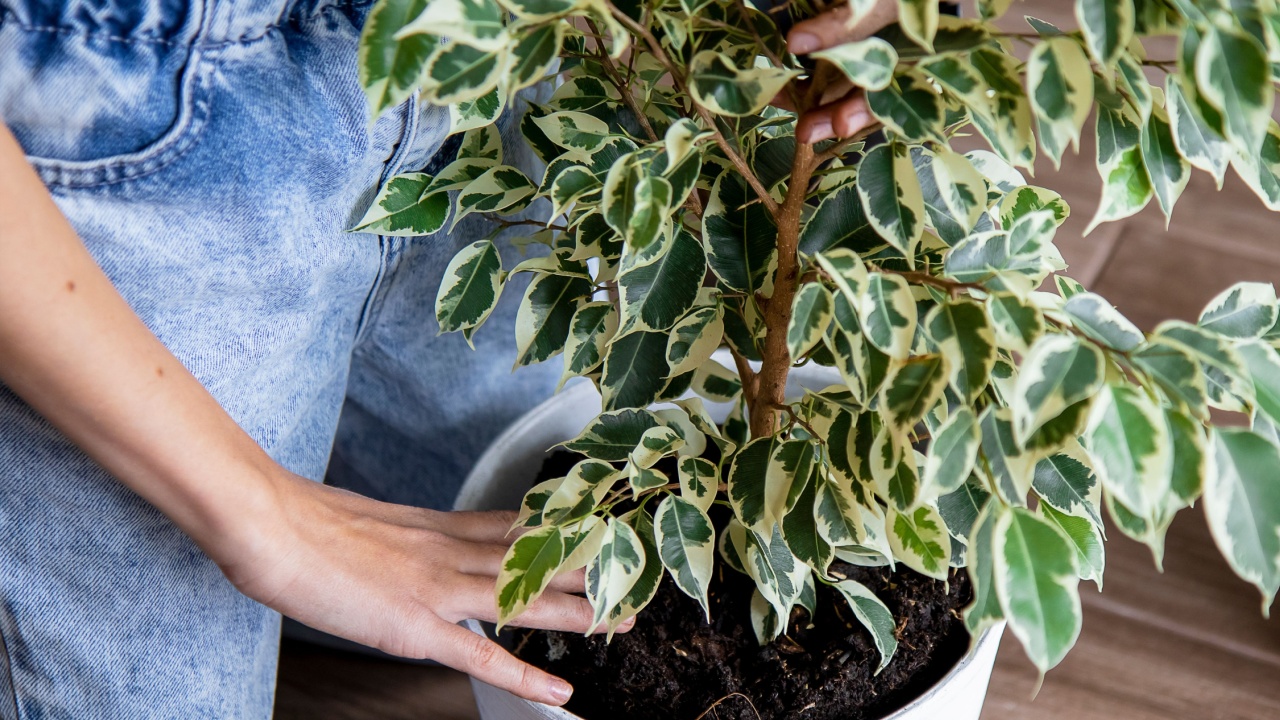
Image Credit: Shutterstock.
Container size plays a major role in how a plant behaves. A pot that’s too large can lead to excess moisture retention, which increases the risk of fungal issues and overwatering.
On the other hand, a well-fitted container helps maintain balance between the plant’s size and its environment. It also maintains the plant’s visual proportion and makes it easier to manage in small spaces. When upsizing, go only slightly larger, about 1–2 inches wider than the current pot to maintain control over growth without encouraging a sudden surge.
Quick Guide:
- Rule of thumb: Select a new pot that is only 1-2 inches wider than the old one.
- Risk of oversized pots: Excess soil stays wet, leading to root rot and fungal issues.
- Sign of a good fit: The root ball fits comfortably inside with a little room around the edges for fresh soil.
4. Moderate Root Development
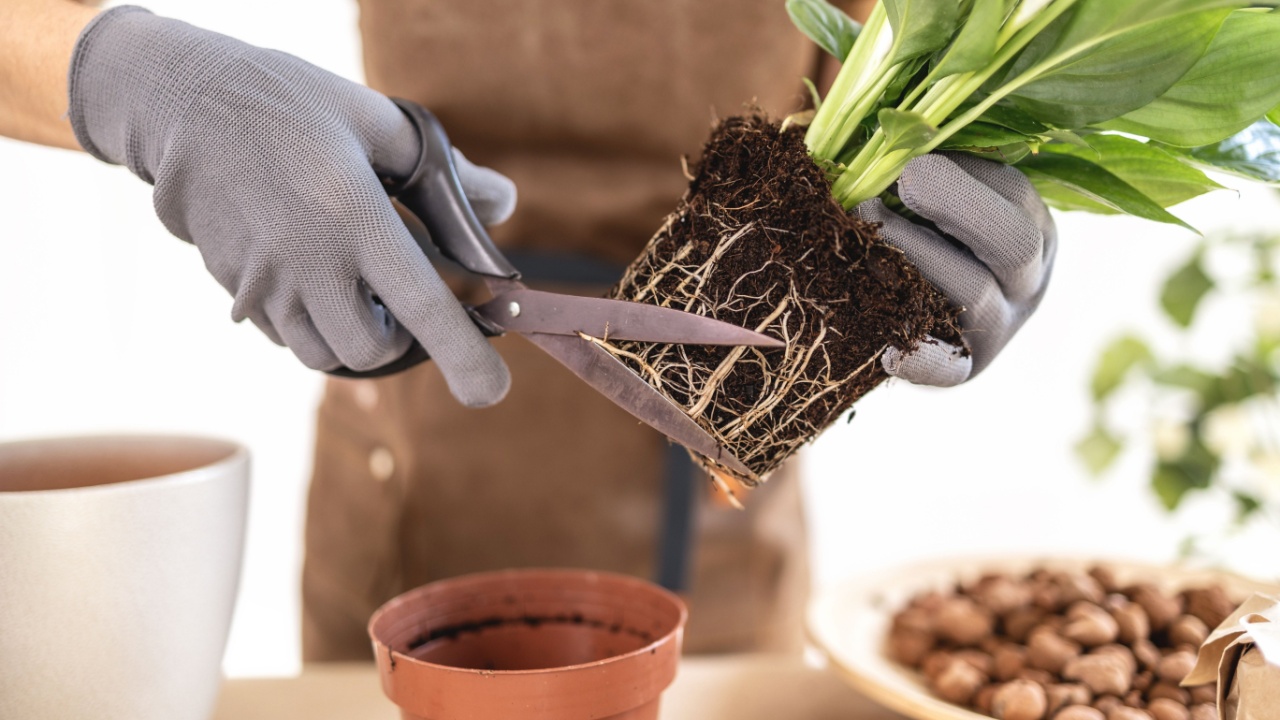
Image Credit: Shutterstock.
If you’re feeling a bit more adventurous, you can perform a root trim. During a repot, you can carefully prune the plant’s roots to physically limit its ability to grow larger. By reducing the size of the root ball, you can often replant the plant directly back into its original pot with fresh soil.
It refreshes the root system and encourages the growth of new, more efficient feeder roots. Gently remove the plant from its pot and unwind or trim away about a quarter to a third of the roots from the bottom and sides of the root ball. Use a clean, sharp knife or shears.
Quick Guide:
- How much to trim: Remove the outer 25-30% of the root ball.
- Best time: Do this in the spring when the plant is in an active growth phase and can recover quickly.
- Aftercare: Water thoroughly and keep the plant out of direct sun for a week or two to let it recover.
5. Control Environmental Factors
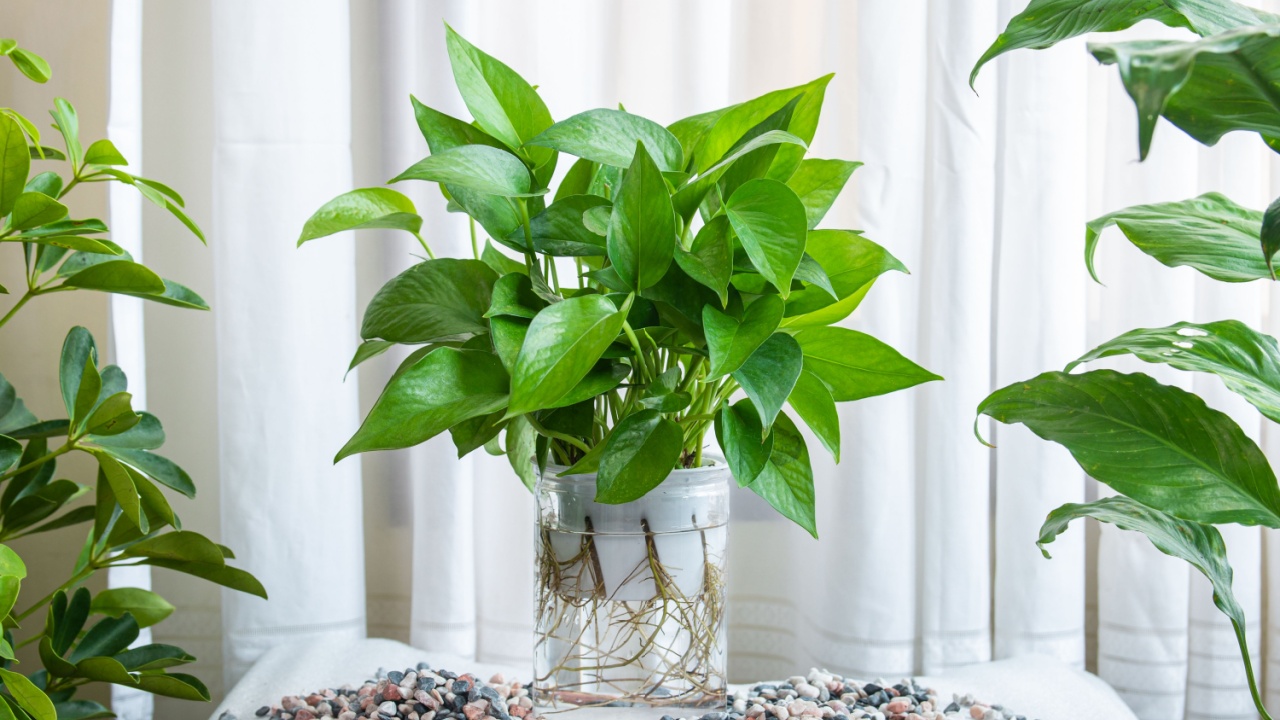
Image Credit: Shutterstock.
Plants are fueled by their environment. Lots of light and warmth signal them to grow, grow, grow. You can gently pump the brakes on a plant’s growth spurt by adjusting its living conditions. Moving a plant to a spot with slightly less light or a cooler temperature can naturally slow its metabolism and growth rate.
This is a gentle, non-invasive way to keep a plant in check. It’s about finding a balance where the plant receives enough light to stay healthy but not so much that it triggers explosive growth. For example, moving a fast-growing vine from a bright, south-facing window to an east-facing one could be all it takes to slow its roll. Be careful not to move it to a location that is too dark, which could harm the plant.
Quick Guide:
- Light: Shift the plant from high-light to medium-light conditions.
- Temperature: Cooler temperatures (within the plant’s acceptable range) can slow growth.
- Caution: Monitor the plant’s health to be certain it’s still thriving in its new, less stimulating spot.
6. Limit Fertilization
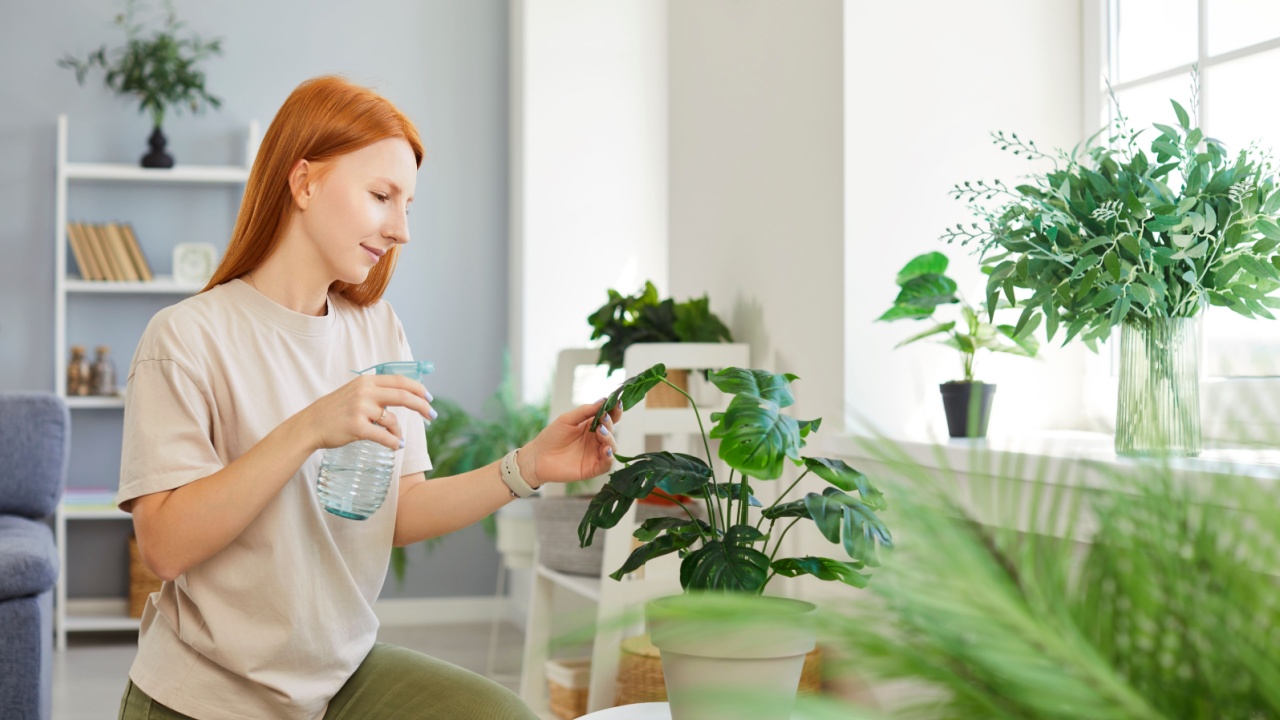
Image Credit: Shutterstock.
Fertilizer is like an energy drink for your plants. It provides the nutrients needed for vigorous new growth. If you want your plant to slow down, it might be time to cut back on the juice. Reducing the frequency or amount of fertilizer you provide tells your plant that it’s time to conserve energy instead of expanding.
Withholding fertilizer is an easy way to manage growth without any cutting or repotting. Most houseplants don’t need as much fertilizer as we think, especially during the fall and winter when their growth naturally slows. Instead of fertilizing every month, try stretching it to every other month or diluting the fertilizer to half-strength.
Quick Guide:
- How to reduce: Fertilize less often or use a more diluted mixture.
- When to stop: Avoid fertilizing completely during the plant’s dormant period (usually fall and winter).
- Exception: If the plant shows signs of a nutrient deficiency (like uniformly yellowing leaves), provide a light feeding.
7. Top-Dress with Fresh Soil
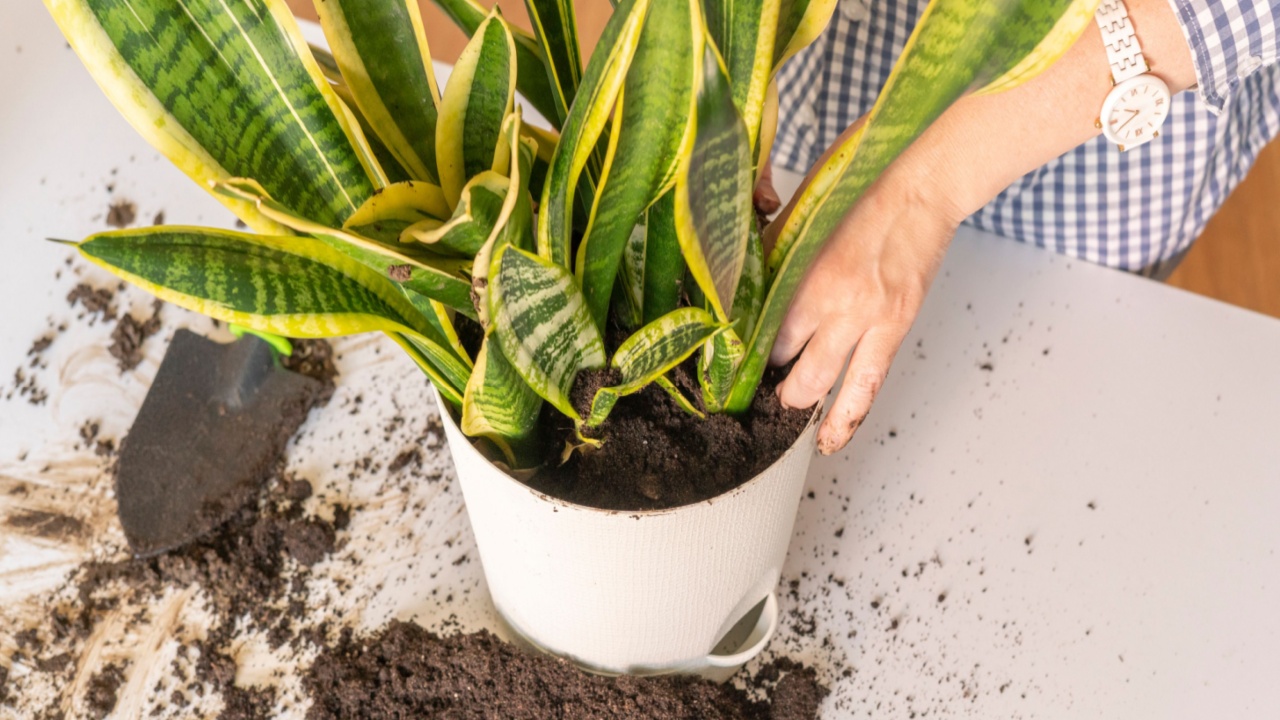
Image Credit: Shutterstock.
Sometimes a plant doesn’t need a full repot; a little refreshing is enough. Top-dressing with soil involves scraping off the top inch or two of old soil and replacing it with a fresh, nutrient-rich mix. This gives the plant a small boost without encouraging it to outgrow its container.
This technique is a great compromise when you want to improve soil quality but not plant size. It replenishes nutrients that have been depleted or washed away and can improve the soil’s structure and appearance. It’s handy for huge plants that are difficult to repot. Be careful not to damage any surface roots while scraping out the old soil.
Quick Guide:
- Process: Gently remove the top 1-2 inches of soil from the pot.
- Replacement: Add a fresh layer of appropriate potting mix and water it in.
- Frequency: This can be done once or twice a year to refresh the plant.
8. Apply Bonsai Techniques
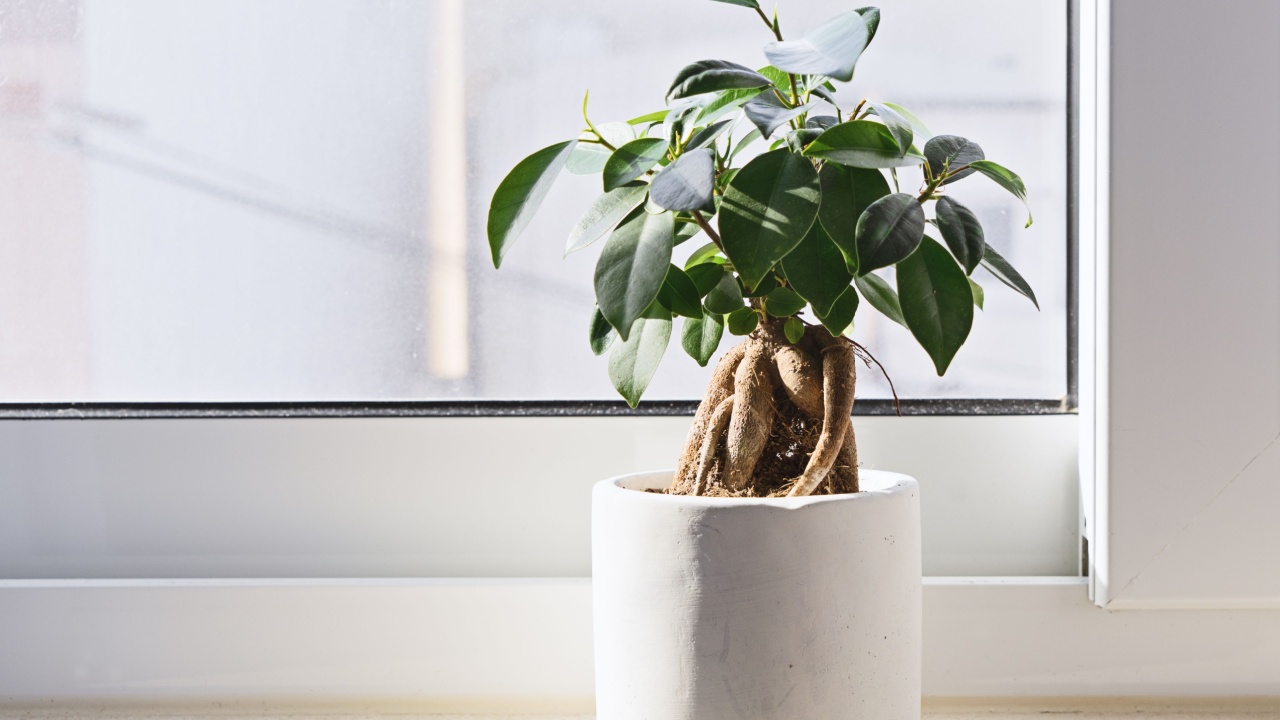
Image Credit: Shutterstock.
The ancient art of bonsai is all about keeping trees small and beautifully shaped. You can borrow some of these principles for your own houseplants. This involves a combination of strategic pruning of both the branches and the roots, along with wiring branches to guide their direction of growth.
Applying bonsai techniques can turn a regular houseplant into a living sculpture. It’s an involved but rewarding process that gives you maximum control over the plant’s size and form. This method is best suited for woody-stemmed plants, such as a ficus or jade plant. It requires patience and a bit of learning, but the results can be stunning.
Quick Guide:
- Elements: Combines strategic top pruning, root pruning, and shaping.
- Best candidates: Woody plants like Ficus, Schefflera, or Crassula (jade).
- Tools: Sharp pruners, root hooks, and soft wire are helpful.
9. Provide Structural Supports
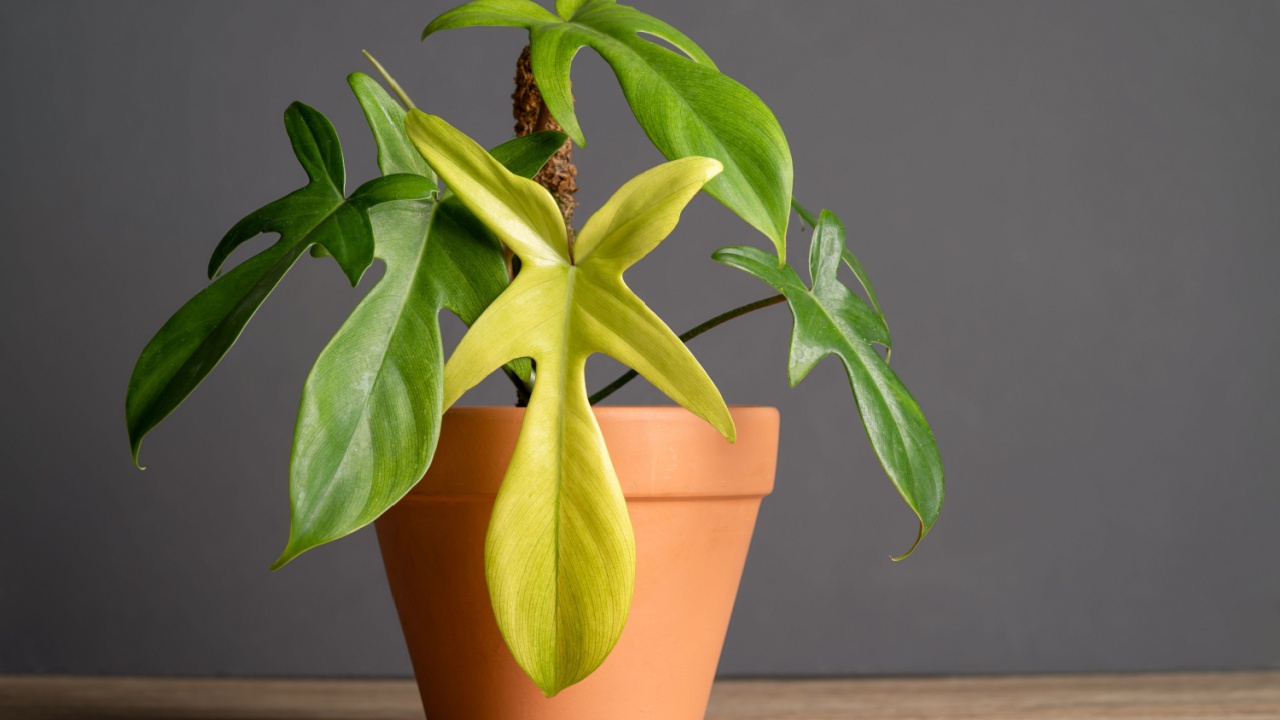
Image Credit: Shutterstock.
Vining and climbing plants often grow outward or downward unless given a structure to guide them. Adding supports, such as moss poles, trellises, stakes, or wall clips, helps contain their growth vertically and prevents them from sprawling across furniture or floors. Training the plant to follow a support also enhances its natural form, making it easier to manage in tight spaces.
Quick Guide:
- Support options: Moss poles, trellises, stakes, or even wall clips.
- Training: Gently guide and secure new growth to the support structure.
10. Rotate Plants Regularly
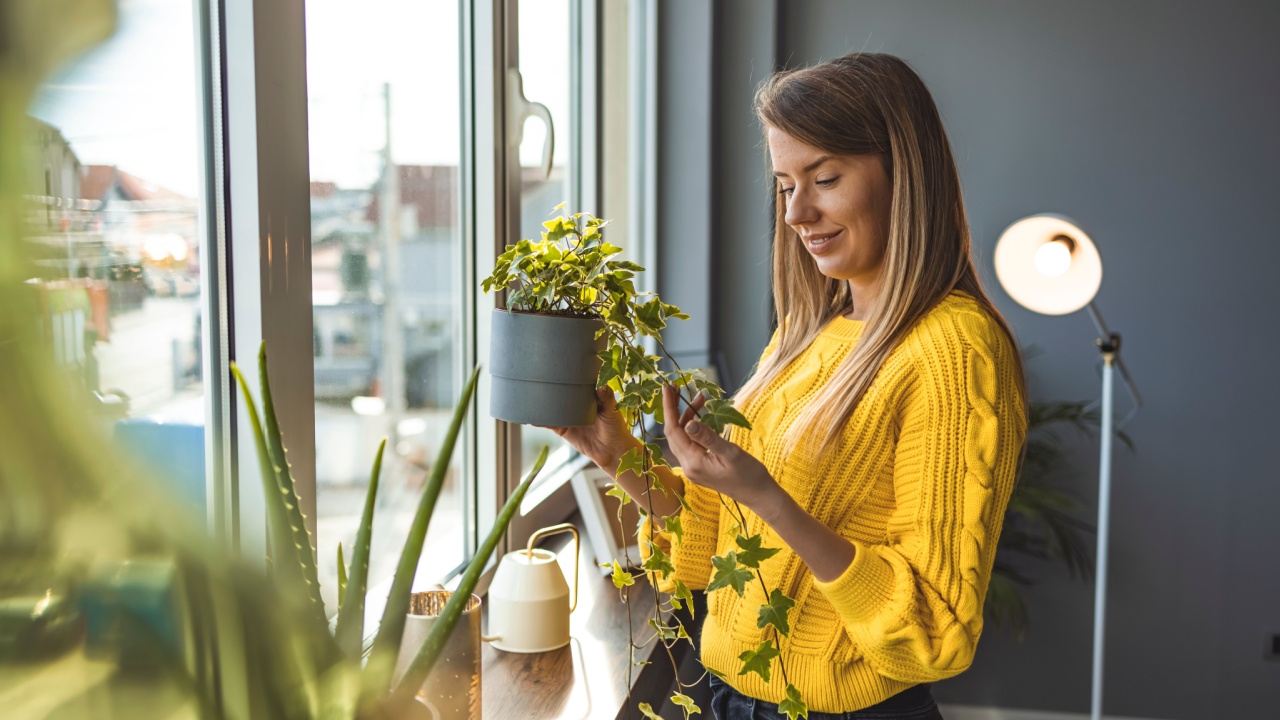
Image Credit: Shutterstock.
Indoor plants naturally lean toward their light source, which can lead to uneven growth and a lopsided appearance over time. Rotating the pot by a quarter turn every week helps distribute light exposure evenly across all sides, encouraging symmetrical development. This habit is especially useful for plants placed near windows or under directional grow lights.
A plant that grows evenly is less likely to topple, bend, or develop weak stems. Rotation also helps prevent one side from becoming overly leggy or pale due to lack of light. You can pair this practice with visual checks for pests or leaf discoloration, making it part of a simple weekly care routine.
Quick Guide:
- Rotation frequency: Quarter turn every 7 days
- Best time: During watering or weekly check-ins
- Benefit: Promotes symmetry, stability, and even light distribution
11. Experiment with Hydroponics
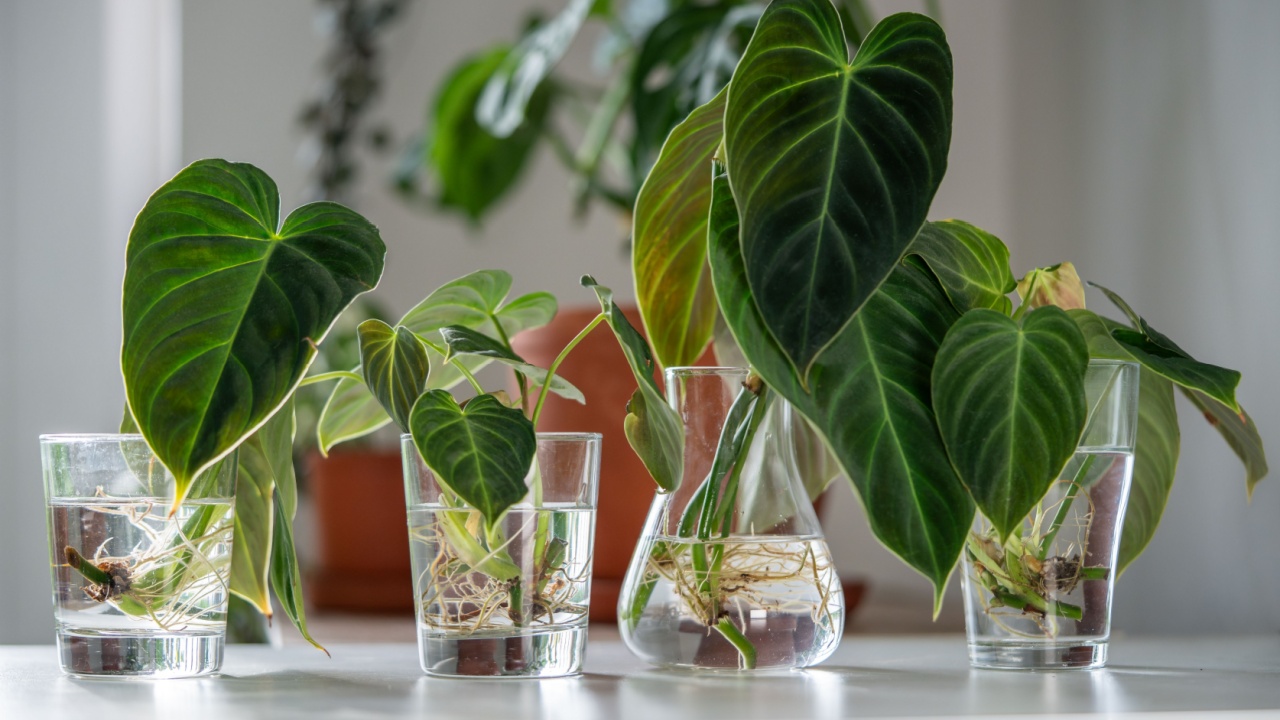
Image Credit: Shutterstock.
Hydroponics, or growing plants in water instead of soil, gives you ultimate control over nutrient delivery. Since you are providing all the nutrients directly in the water, you can easily adjust the “food” supply to manage the plant’s growth rate. It’s a clean, modern way to grow plants that also happens to be an excellent tool for size management.
This method eliminates soil-related pests and can be less messy than traditional potting. Many common houseplants, such as pothos, philodendron, and lucky bamboo, adapt beautifully to a soil-free lifestyle. By providing a weaker nutrient solution, you can keep the plant healthy while preventing it from becoming too large.
Quick Guide:
- How it works: Plants grow with their roots directly in water fortified with a liquid nutrient solution.
- Good starter plants: Pothos, spider plants, English ivy, and philodendrons.
- Growth control: Use a diluted hydroponic fertilizer to slow down growth.
12. Avoid Unnecessary Repotting

Image Credit: Shutterstock.
This might be the easiest tip of all: if it ain’t broke, don’t fix it. Many plant parents feel an urge to repot their plants on a strict schedule. But most houseplants are perfectly happy, and even prefer, to be slightly root-bound. Repotting a plant that doesn’t need it can stimulate a growth spurt you weren’t prepared for.
Resisting the urge to repot saves you time, money, and effort. Before you grab a bigger pot, check if the plant is actually ready. Signs that it’s time to repot include roots growing out of the drainage holes, water running straight through the pot without being absorbed, or the plant’s growth completely stalling. If you don’t see these signs, let it be.
Quick Guide:
- When to repot: Only when the plant is severely root-bound and showing signs of stress.
- Benefit of waiting: Keeps the plant’s size stable and reduces your workload.
- Check first: Slide the plant out of its pot to visually inspect the roots before making a decision.
Keep Growth in Balance
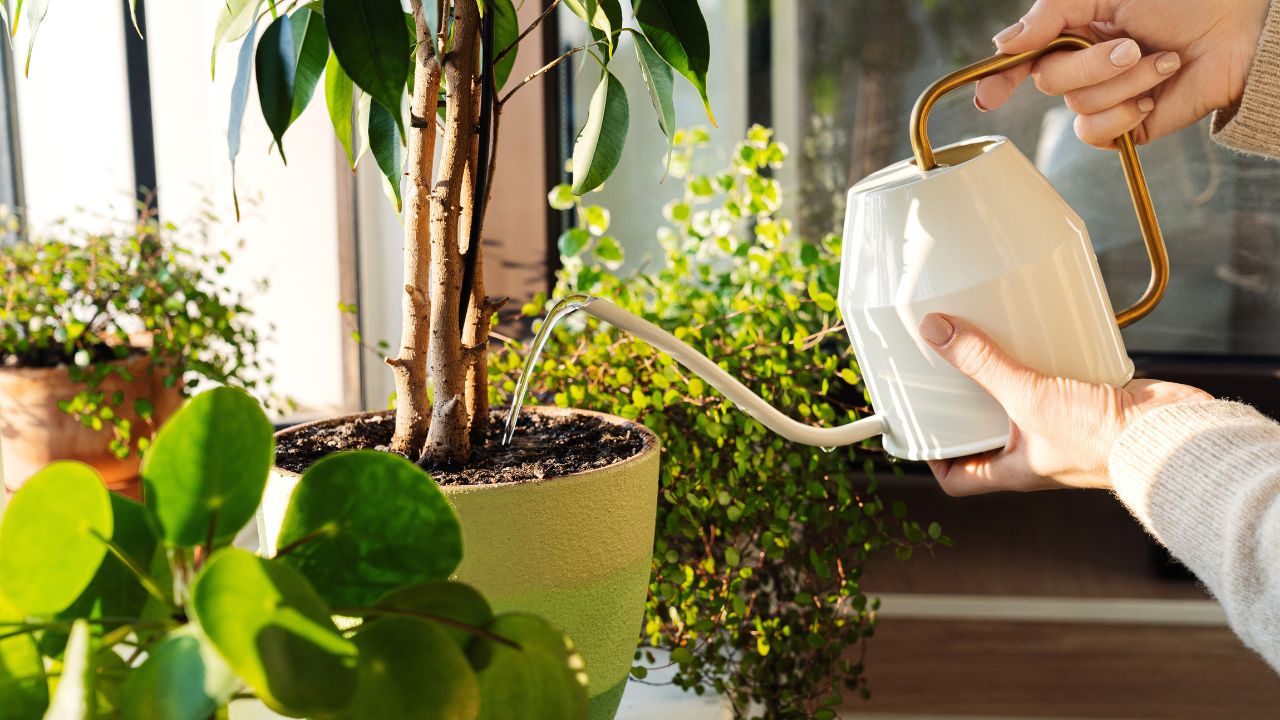
Image Credit: Shutterstock.
Managing your indoor garden is a dance between letting nature do its thing and gently guiding it to fit your space. By employing these strategies, you can cultivate a stunning collection of plants that enhance your home without overwhelming it.
Your green thumb is about creating a healthy relationship with your plants, and sometimes that means setting a few loving boundaries. Now, go enjoy that beautifully balanced green space you’ve created.