
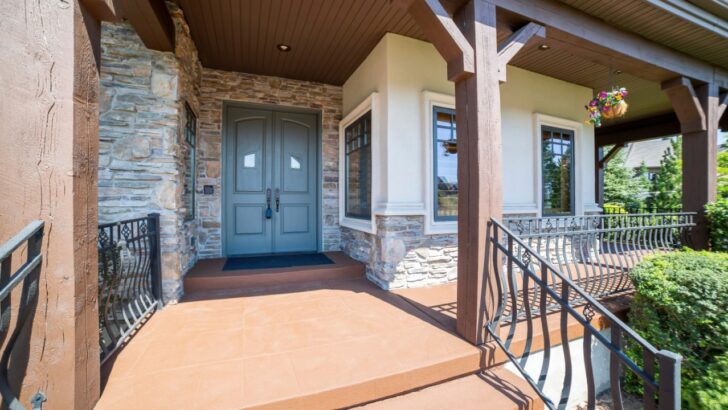
Our front doors are meant to welcome guests into our homes, but we don’t want just any random person strolling by to feel comfortable enough to step onto our porch or into our house.
Unfortunately, front doors can also invite those with malicious intentions (According to Get Safe and Sound, a burglary occurs every 25.7 seconds in the U.S.). Luckily, a few simple changes to your entryway can go a long way in discouraging would-be burglars and increasing your peace of mind.
It’s not about living in fear or turning your home into an impenetrable fortress. Rather, it’s about understanding how criminals often think and operate. Most burglaries are crimes of opportunity, and some surprisingly subtle adjustments can make your home a far less enticing target.
Let’s explore some simple yet effective changes that can boost your front door security and empower you to make your home a safe haven.
1. Upgrade Your Lock

Image Credit: Depositphotos.com.
It might seem obvious, but a surprising number of homes still have flimsy, outdated locks. Invest in a high-quality deadbolt with at least a 1-inch throw (the part that extends into the door frame). Consider smart locks that can be controlled remotely, but ensure they come from a reputable brand with a focus on robust security features.
Don’t ignore the strike plate! This metal piece on your door frame is where the lock engages. Even a strong lock is useless if the strike plate is poorly secured, allowing the door to be kicked in.
2. Peephole Power

Photo Credit: Depositphotos.com.
A peephole lets you see who’s at your door without opening it – a simple but essential security feature. If you don’t have one, get it installed! Opt for a wide-angle version for maximum visibility. Consider a video doorbell for the ultimate upgrade – the mere presence of a camera can deter some criminals.
Answering the door blindly puts you in a vulnerable position. Identifying visitors before opening up greatly reduces your risk, especially for elderly homeowners or those living alone.
3. Light It Up
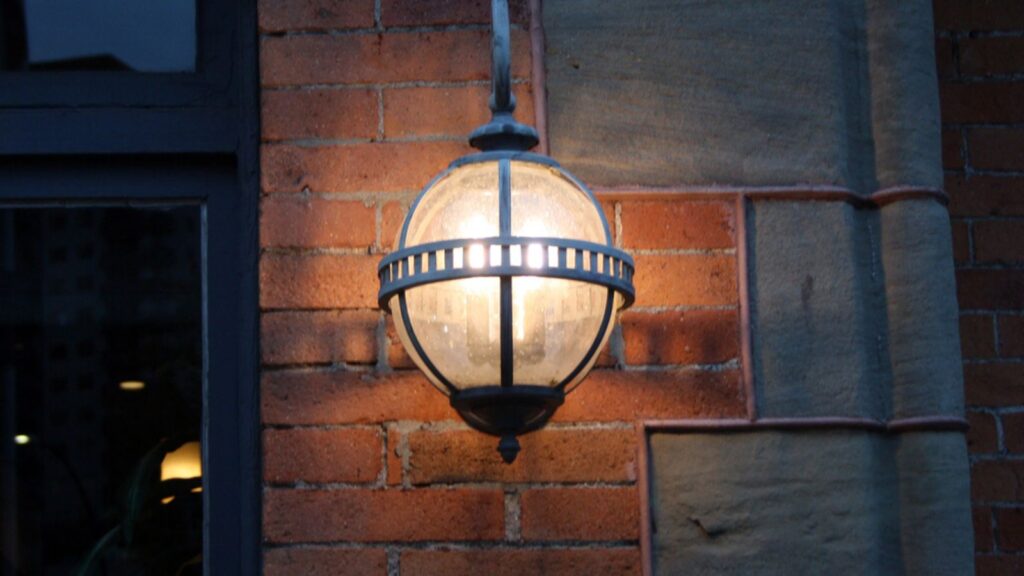
Photo Credit: Depositphotos.com.
Burglars prefer to operate in darkness. Ample lighting around your front door makes it harder for them to lurk unseen. Invest in motion-sensor lights that automatically illuminate the area when someone approaches.
Good lighting benefits everyone. It deters crime and enhances visibility for you and your guests, making it less likely that someone will trip and get hurt on your doorstep.
4. Lose the Landscaping (Strategically)

Photo Credit: Depositphotos.com.
Overgrown bushes and hedges near your entryway provide convenient hiding spots for criminals. Keep landscaping neatly trimmed, especially around the front door and windows. Choose low-lying shrubs that don’t obscure your line of sight.
“Defensive landscaping” can be beautiful! Thorny rose bushes or prickly succulents can be both aesthetically pleasing and a natural obstacle that makes intruders think twice.
5. Don’t Advertise Your Absence

Photo Credit: Depositphotos.com.
Packages piled up on the porch are a beacon for opportunistic thieves. If you’re leaving, arrange to hold mail and deliveries or have a trusted neighbor collect them. Install a package lockbox for secure delivery even when you’re not home.
Criminals scan neighborhoods, looking for signs of empty homes. Timers that automatically turn lights on and off in the evening can create the illusion of occupancy, making your home less appealing.
6. Secure those Sliding Doors

Photo Credit: Depositphotos.com.
While your front door is the main focus, don’t neglect those often-flimsy sliding patio doors. A simple wooden dowel placed in the track can prevent the door from being forced open. For a more robust solution, invest in specialized security bars or aftermarket keyed locks for the ultimate in peace of mind.
Burglars know many homeowners neglect secondary entrances. Securing those less obvious entry points can make them move on to an easier target.
7. Hinge Reinforcement

Photo Credit: Depositphotos.com.
Your door is only as strong as its hinges. If they’re flimsy or have exposed screws that can be easily removed, upgrade to heavy-duty hinges with long screws that anchor deep into the framing of the door.
Many break-ins involve simply kicking the door in rather than picking the lock. Strengthening those often-overlooked elements makes it much harder for brute-force attacks to succeed.
8. Window Film

Photo Credit: Depositphotos.com.
Windows next to your door offer would-be burglars a chance to peek inside and possibly even unlock the door by reaching through broken glass. Security film applied to the window makes it significantly harder to shatter, deterring “smash and grab” attempts.
There are even DIY, affordable window film options. While not foolproof, they offer an extra layer of protection that often makes a criminal think twice about the noise and effort of breaking that window.
9. Fake It Till You Make It (Security System Edition)

Photo Credit: Depositphotos.com.
Not everyone can afford a fancy monitored alarm system. However, sometimes even the suggestion of surveillance is enough. Obvious signage from a security company can be a powerful deterrent even if you’re not a customer.
This plays on the psychology of criminals. They want easy targets and will often bypass a home that seems to have security measures, even if those are merely a bluff.
10. Keep it Tidy

Photo Credit: Depositphotos.com.
An unkempt yard with discarded tools or ladders lying around sends a signal that you might be lax about other aspects of home security. Keep tools secured, and don’t leave items around that a burglar could easily use to break a window or pry open a door.
Prevention means removing opportunities. Tidying up isn’t simply for appearances – it makes your home a less appealing “soft target.”
11. Make Some (Strategic) Noise

Photo Credit: Depositphotos.com.
Place a layer of gravel or similarly crunchy material around your entryway. Walking on this creates an unavoidable sound alerting you to anyone approaching, eliminating the element of surprise.
This low-tech trick is highly effective. Burglars want to operate undetected – the mere possibility of making noise as they approach can be enough to send them searching for quieter targets.
12. Smart Doorbell with Two-Way Audio

Photo Credit: Depositphotos.com.
Upgrading from a simple ‘ding-dong’ doorbell to a video-enabled smart version offers several advantages. Many include a two-way talk feature. This allows you to answer the door even when you’re not home, creating the impression of occupancy without leaving yourself vulnerable.
The ability to communicate through the doorbell surprises potential burglars, who might assume the house is empty. Even seeing the camera often deters them, as they know their actions are potentially being recorded.
13. Don’t Broadcast Your WiFi

Image Credit: Depositphotos.com.
Burglars are getting tech-savvy too! Avoid naming your home WiFi with your address or any other identifiable information. Additionally, ensure your network has a strong password and robust encryption, especially if you have smart security devices connected.
Hacking your WiFi could potentially allow criminals to disable smart alarms or camera systems remotely. Good cyber hygiene is essential to overall home security in our digital age.