

The refrigerator works around the clock, no complaints, just a steady hum, so it’s easy to overlook until it starts making its presence known. Maybe it’s a whiff of something suspicious, or you notice food looks wilted before its time.
Sometimes, a fast swipe with a dishcloth just won’t cut it. If your fridge could talk, it might be hinting that it’s overdue for some real attention.
Here are the signs to look for (and practical steps to tackle them) before things get out of hand.
1. A Persistent Bad Odor Lingers

Image Credit: Shutterstock.
You open the fridge door, and an unpleasant smell greets you, even though nothing looks visibly spoiled. This lingering aroma is a classic sign that something is amiss. It often points to hidden spills, forgotten leftovers, or bacteria that have made a home in an unseen corner. A clean fridge should smell like nothing at all. Ignoring these odors can lead to cross-contamination.
What to Do About It:
- Empty: Remove every single item from your refrigerator.
- Discard: Get rid of any expired products or questionable leftovers.
- Wash: Use warm, soapy water to wash all shelves, drawers, and removable parts.
- Rinse & Dry: Rinse everything with clean water and dry it completely before placing it back.
2. You Spot Crumbs, Sticky Residue, or Dried Spills

Image Credit: Deposit Photos.
A visual inspection reveals the truth. Crumbs from that everything bagel, a sticky ring from a jam jar, or a dried-up splatter of mysterious origin are more than just cosmetic issues. These little messes are feeding grounds for bacteria. Even small amounts of food residue can support microbial growth, creating an unhealthy environment for the food you and your family eat.
What to Do About It:
- Disassemble: Take out all removable shelves and drawers for easier access.
- Clean Parts: Wash them thoroughly in the sink with a mild cleaning solution.
- Wipe Interior: Clean the inside walls and corners of the fridge, paying attention to any crevices.
- Rinse & Dry: Wipe down all surfaces with a clean, damp cloth and then dry them completely.
3. Mold or Mildew Makes an Appearance

Image Credit: Shutterstock.
Finding dark spots on your shelves, in the corners of your drawers, or along the rubber door gaskets is a definite red flag. Mold and mildew thrive in damp, dark environments, and your refrigerator can become a prime location if moisture is not controlled. These growths are not just unsightly; they can release spores that contaminate your food.
What to Do About It:
- Sanitize: Use a mixture of one part white vinegar to one part water to clean affected areas.
- Scrub: Use a small brush, like an old toothbrush, to get into the crevices of the door gaskets.
- Rinse: Wipe the cleaned areas with a cloth dipped in plain water.
- Dry: Make sure all gaskets and surfaces are completely dry to prevent regrowth.
4. Your Food Is Spoiling Faster Than Usual

Image Credit: Shutterstock.
Are your leafy greens wilting a day after you buy them? Is milk souring well before its expiration date? When food spoils quickly, it could be a sign that your refrigerator is harboring bacteria. Contamination can accelerate the decay process, turning your fresh produce into a sad, wilted mess faster than you would expect. Maintaining a clean fridge disrupts this cycle.
What to Do About It:
- Inspect & Discard: Remove any spoiled food immediately to prevent it from affecting other items.
- Sanitize: Clean the shelves and drawers where the spoiled food was stored.
- Store Properly: Keep produce, meats, and leftovers in airtight containers or sealed bags.
- Maintain: Commit to a regular cleaning schedule to keep bacteria at bay.
5. You Notice Excess Moisture or Dampness
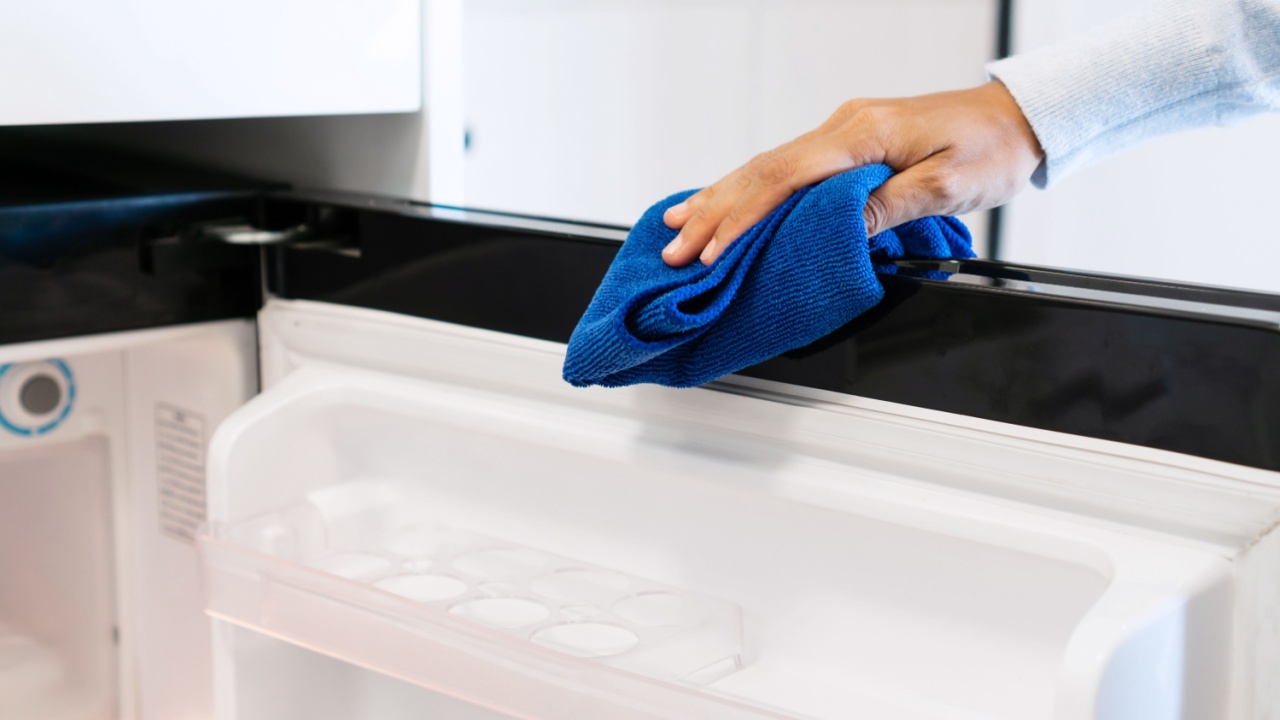
Image Credit: Shutterstock.
Finding puddles of water in your fridge is never a good sign. It might be pooling under the crisper drawers or creating condensation on the interior walls; excess moisture creates the perfect environment for mold and bacteria to flourish. This dampness can come from a blocked defrost drain, poor sealing around the door, or simply from placing hot foods inside.
What to Do About It:
- Wipe Up: Use a dry cloth or paper towels to absorb all visible moisture.
- Clean Seals: Thoroughly clean and dry the rubber door gaskets to ensure they are creating a proper seal.
- Air Out: After cleaning, consider leaving the fridge door open for 15-20 minutes to allow the interior to air dry completely.
Keeping Your Fridge Fresh for Good

Image Credit: Shutterstock.
Recognizing the signs of a dirty fridge is the first step. The next is creating a simple routine to keep it consistently clean. You don’t need to perform a deep clean every week. Instead, make small, consistent efforts part of your kitchen habits. Wipe up spills as soon as they happen. Once a month, take ten minutes to quickly wipe down the main shelves and check for anything that needs to be tossed. A full, deep clean can be done every three to four months.