

If you’re looking to add vibrant blooms to your garden without the hassle of replanting every year, self-seeding flowers are the perfect solution. These hardworking plants naturally drop seeds to regrow, saving time and providing continuous beauty season after season. Whether you’re a seasoned gardener or just starting out, self-seeding flowers are an excellent choice for creating a low-maintenance, colorful garden.
Here are 20 self-seeding flowers that will delight you year after year.
Caution: Always double-check that a flower isn’t invasive in our area before planting. Check with your local extension office.
1. Columbine (Aquilegia)
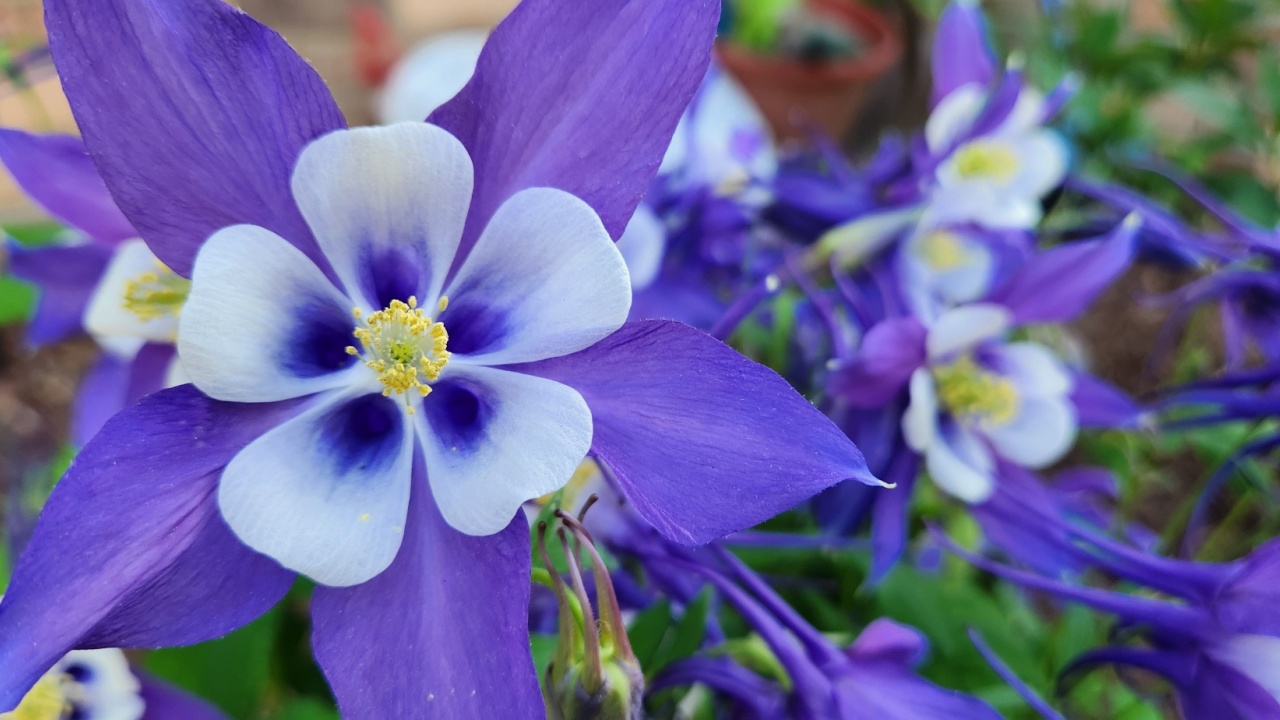
Image Credit: Shutterstock.
Columbine is a delicate flower with uniquely shaped blooms in shades of blue, purple, pink, and white. Its whimsical petals attract pollinators like bees and hummingbirds.
Benefits
- Thrives in partial shade, making it ideal for woodland gardens.
- Attracts beneficial wildlife.
- Reseeds readily, filling your garden with vibrant color.
Care Tips
Plant columbine in well-drained soil, and allow it to drop its seeds once blooms fade. Avoid overwatering, as it prefers moderate moisture.
2. Poppies (Papaver)
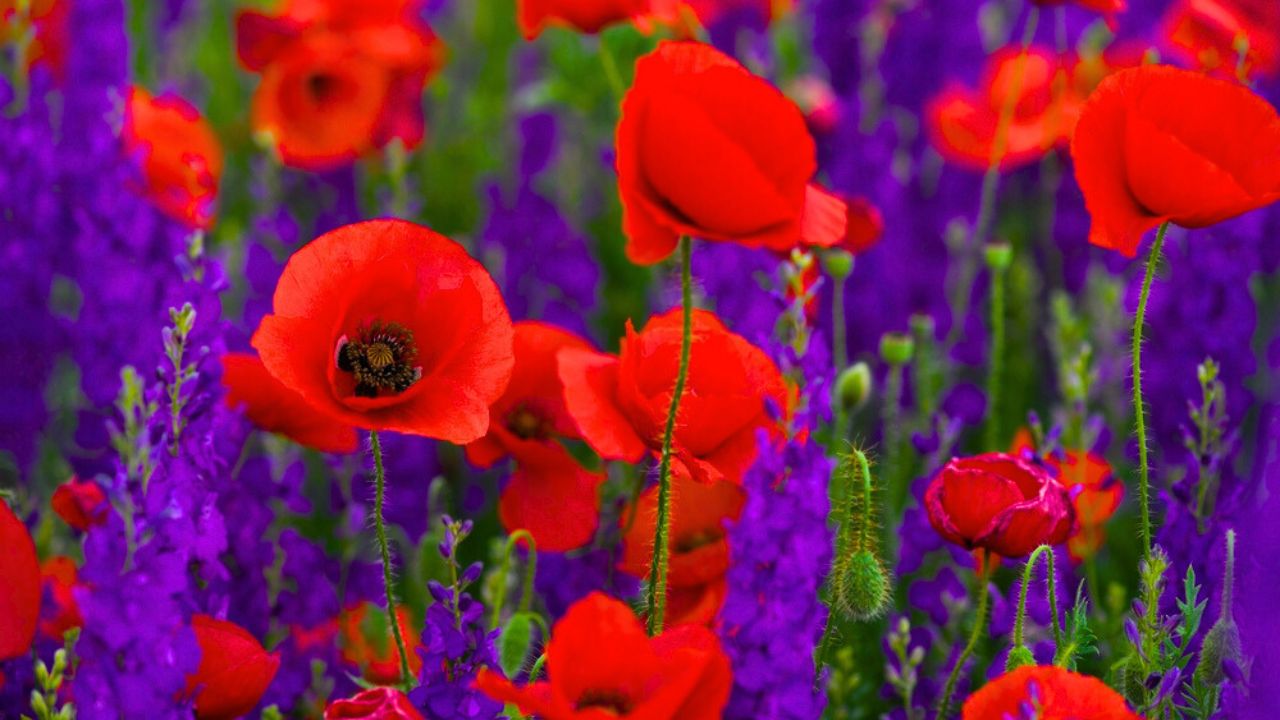
Image Credit: Shutterstock.
Poppies are cherished for their tissue-paper-like petals and iconic black centers. These cheerful flowers establish easily and quickly spread throughout the garden.
Benefits
- Adds bold color in shades of red, orange, pink, and white.
- Attracts pollinators.
- Requires minimal attention.
Care Tips
Plant poppies in full sun with sandy, well-draining soil. Allow seed pods to dry on the plant to encourage self-sowing.
3. Forget-Me-Nots (Myosotis)
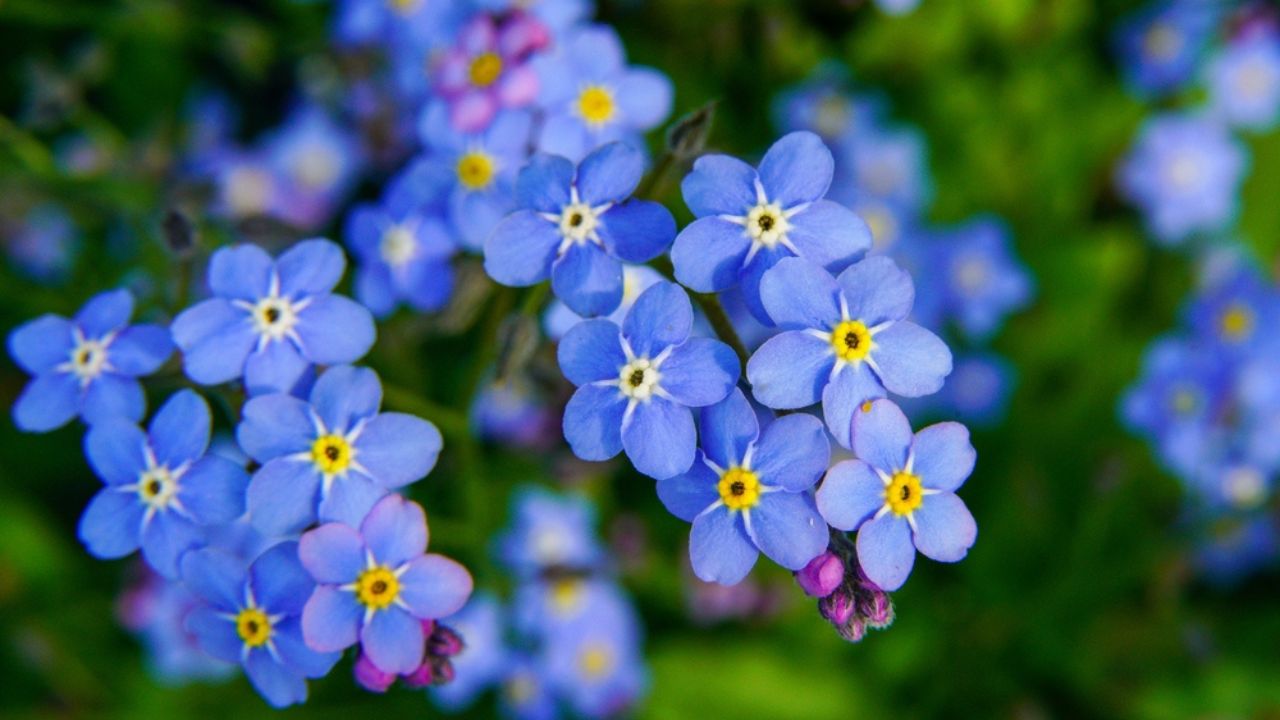
Image Credit: Shutterstock.
Forget-Me-Nots are low-growing plants with clusters of tiny, sky-blue flowers. They are perfect for adding charm to garden borders. It’s important to note that these can become prolific in damp areas, so proceed with caution.
Benefits
- Flourishes in shady or damp areas where many other plants struggle.
- Self-seeds prolifically, providing dense ground cover.
Care Tips
Plant in moist, well-drained soil and deadhead faded blooms if you want to control reseeding.
4. Larkspur (Consolida ajacis)

Image Credit: Shutterstock.
Larkspur produces tall spikes of purple, pink, or white flowers, resembling its cousin, the delphinium. It’s an excellent choice for vertical garden interest.
Caution: This plant is toxic to humans and animals.
Benefits
- Grows easily from seeds.
- Provides height and structure to flower beds.
Care Tips
Plant in full sun and well-draining soil. Allow spent flowers to distribute seeds naturally.
5. Cosmos (Cosmos bipinnatus)
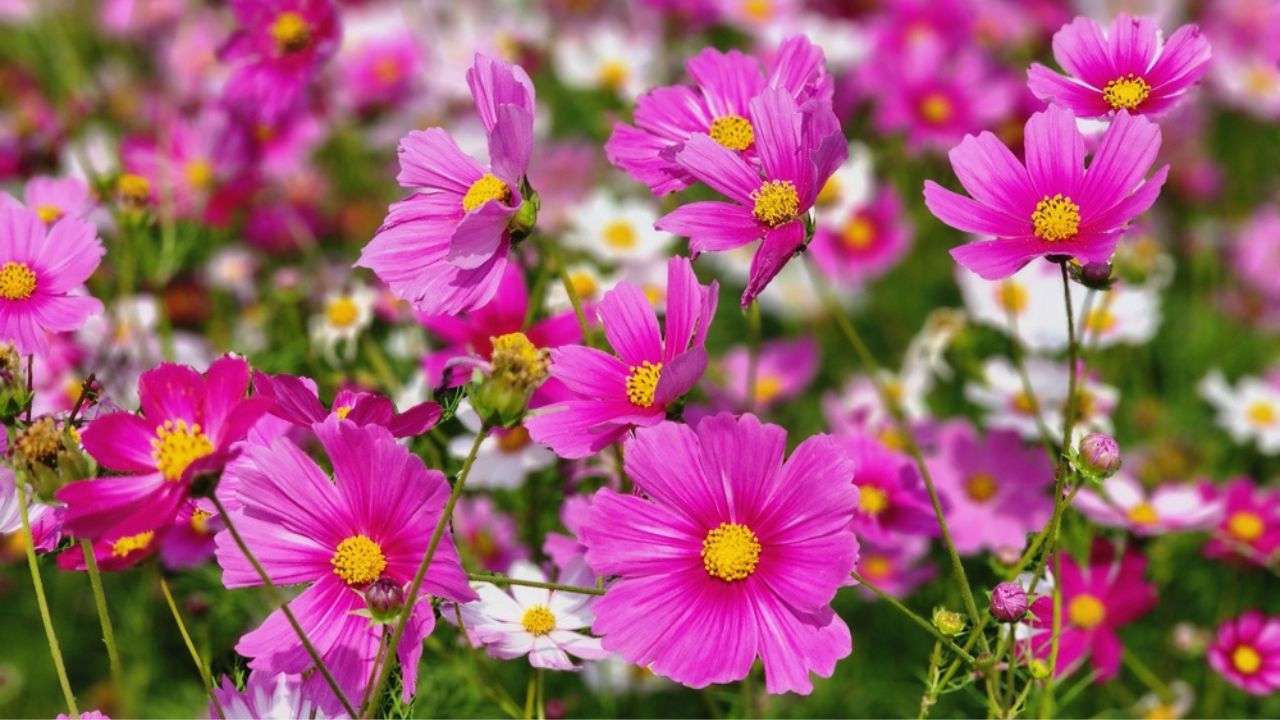
Image Credit: Shutterstock.
With their daisy-like blooms and feathery foliage, cosmos are a favorite for cottage gardens. These flowers come in shades of white, pink, and crimson.
Benefits
- Thrives in poor soil with little care.
- Attracts butterflies and bees.
- Rapidly self-seeds without taking over.
Care Tips
Plant cosmos in a sunny spot with well-drained soil. Water sparingly once established.
6. Love-In-A-Mist (Nigella damascena)
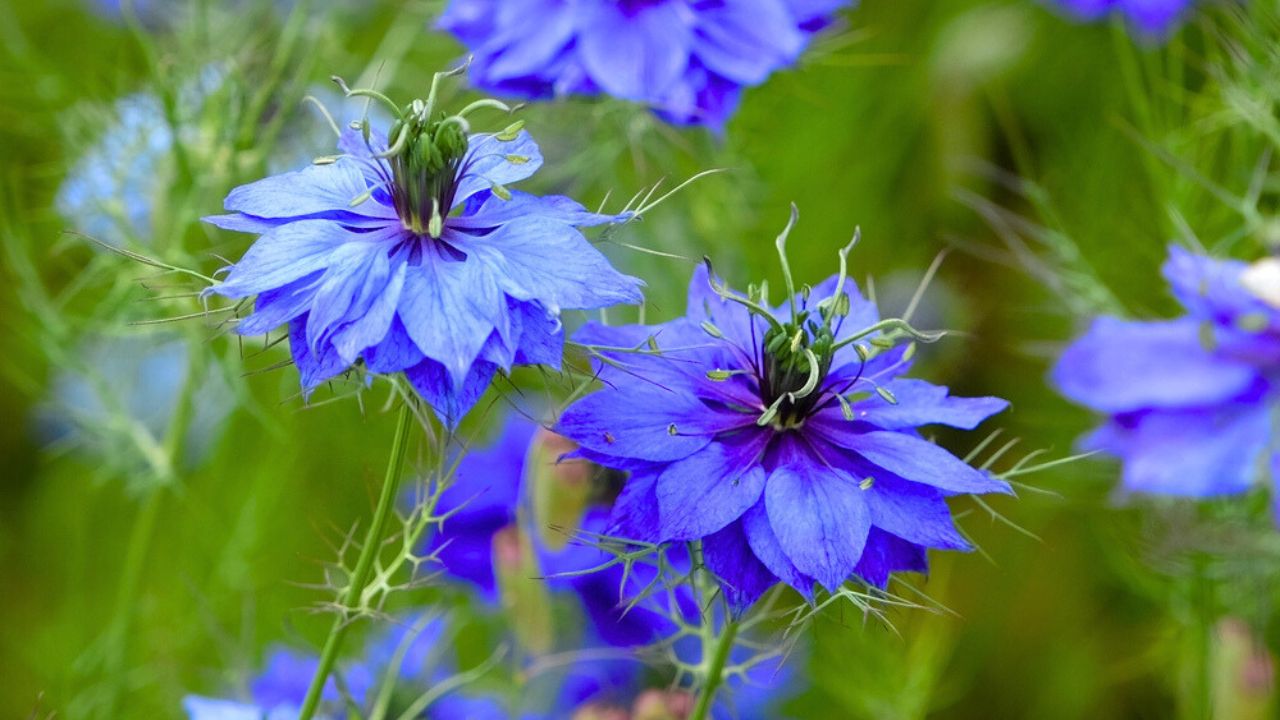
Image Credit: Shutterstock.
Known for its intricate blooms and feathery foliage, Love-In-A-Mist offers a touch of elegance and mystery to your garden.
Benefits
- Produces unique, star-shaped flowers.
- Reseeds easily for continuous blooms.
Care Tips
Sow seeds directly into the soil in early spring, and ensure the soil is moderately moist.
7. Sweet Alyssum (Lobularia maritima)
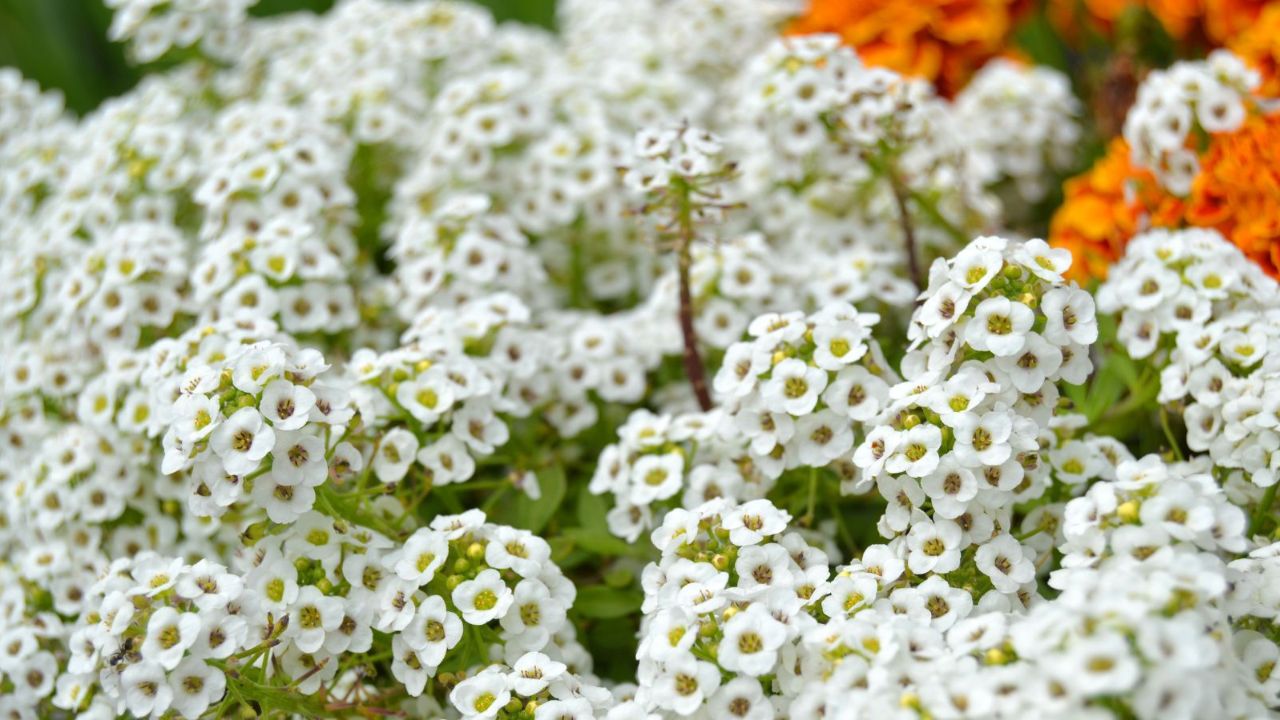
Image Credit: Depositphotos.com.
Sweet Alyssum is a fragrant, low-growing plant that produces clusters of tiny white, pink, or purple flowers. It’s an ideal choice for ground cover or containers.
Benefits
- Fills gaps with sweet-smelling blossoms.
- Self-sows for continuous coverage throughout the season.
Care Tips
Grow in full sun to partial shade and water lightly once established.
8. Coreopsis (Coreopsis tinctoria)
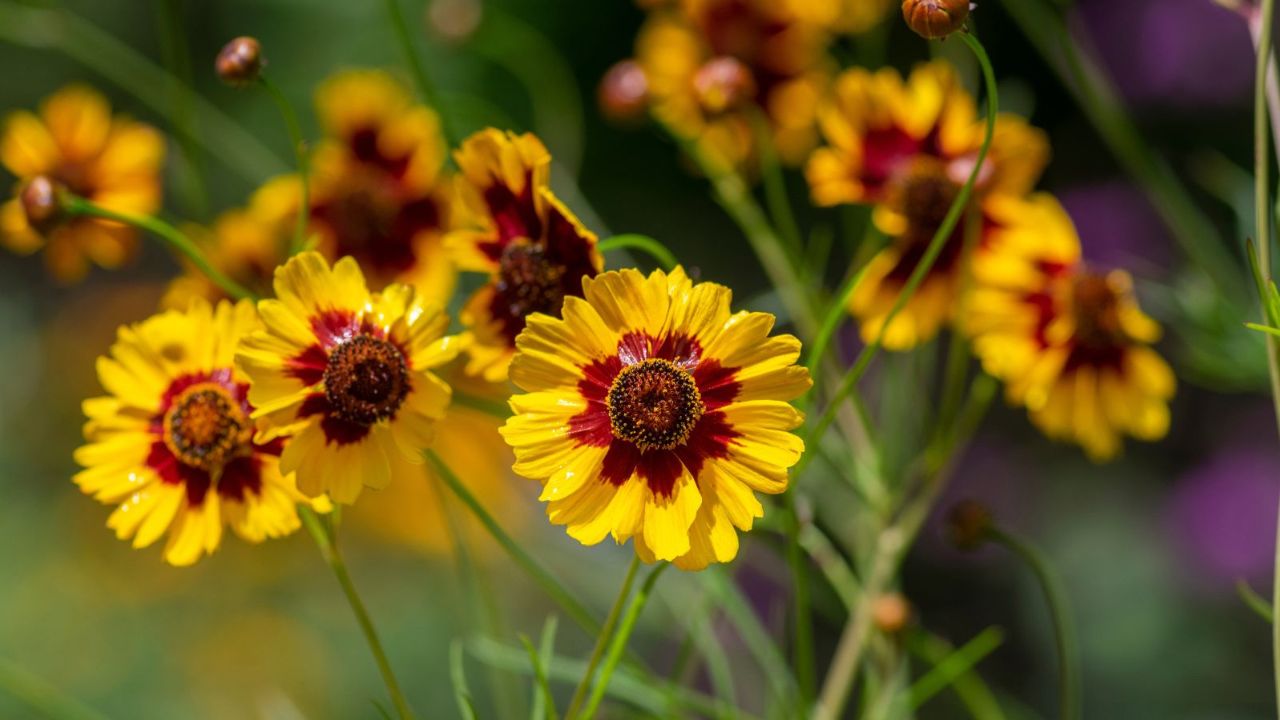
Image Credit: Depositphotos.com.
Coreopsis, often called tickseed, displays cheerful yellow flowers with red centers. Its long blooming period makes it a garden staple.
Benefits
- Thrives in dry or sandy soils.
- Readily reseeds for a naturalized appearance.
Care Tips
Plant in full sun and well-draining soil. Cut back after blooming to encourage additional blooms.
9. Borage (Borago officinalis)
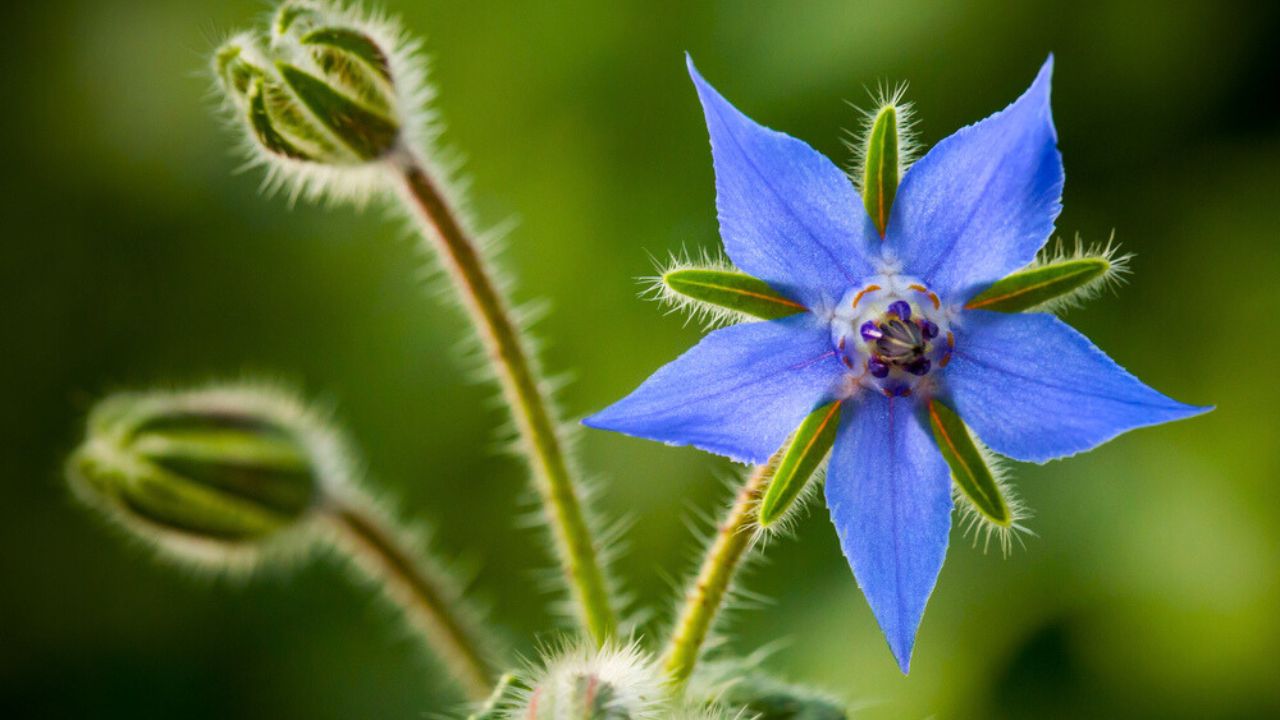
Image Credit: Shutterstock.
Borage is an herb with striking star-shaped blue flowers that attract pollinators. Its leaves are edible, often used in salads.
Benefits
- Attracts bees and butterflies.
- Self-seeds to fill garden gaps.
- Offers edible flowers and leaves.
Care Tips
Plant borage in full sun with average soil. Allow flowers to mature into seed and scatter naturally.
10. Foxglove (Digitalis)
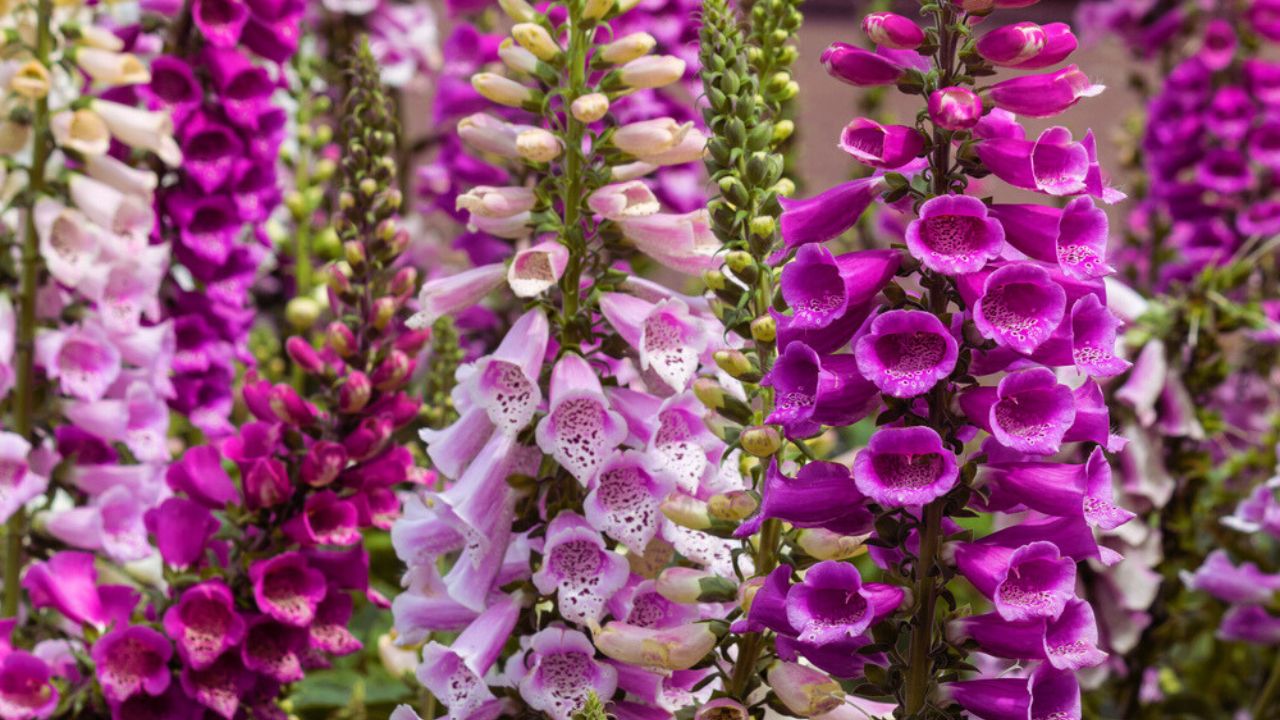
Image Credit: Shutterstock.
Foxgloves produce tall spires of bell-shaped flowers in shades of white, pink, and purple. They are a classic choice for cottage-style gardens. This flower can grow aggressively in some regions and is highly toxic to humans.
Benefits
- Adds height and drama to beds and borders.
- Attracts bees and hummingbirds.
Care Tips
Plant in partial shade with moist, well-drained soil. Allow seed heads to dry for natural self-sowing.
11. Echinacea (Echinacea purpurea)

Image Credit: Shutterstock.
Echinacea, or coneflowers, are hardy perennials with daisy-like petals and cone-shaped centers. These drought-tolerant plants are pollinator favorites.
Benefits
- Provides long-lasting blooms.
- Highly drought-tolerant.
- Reseeds easily while remaining non-invasive.
Care Tips
Plant echinacea in a sunny spot with well-draining soil. Deadhead sparingly to allow some flowers to produce seeds.
12. Black-Eyed Susan (Rudbeckia hirta)
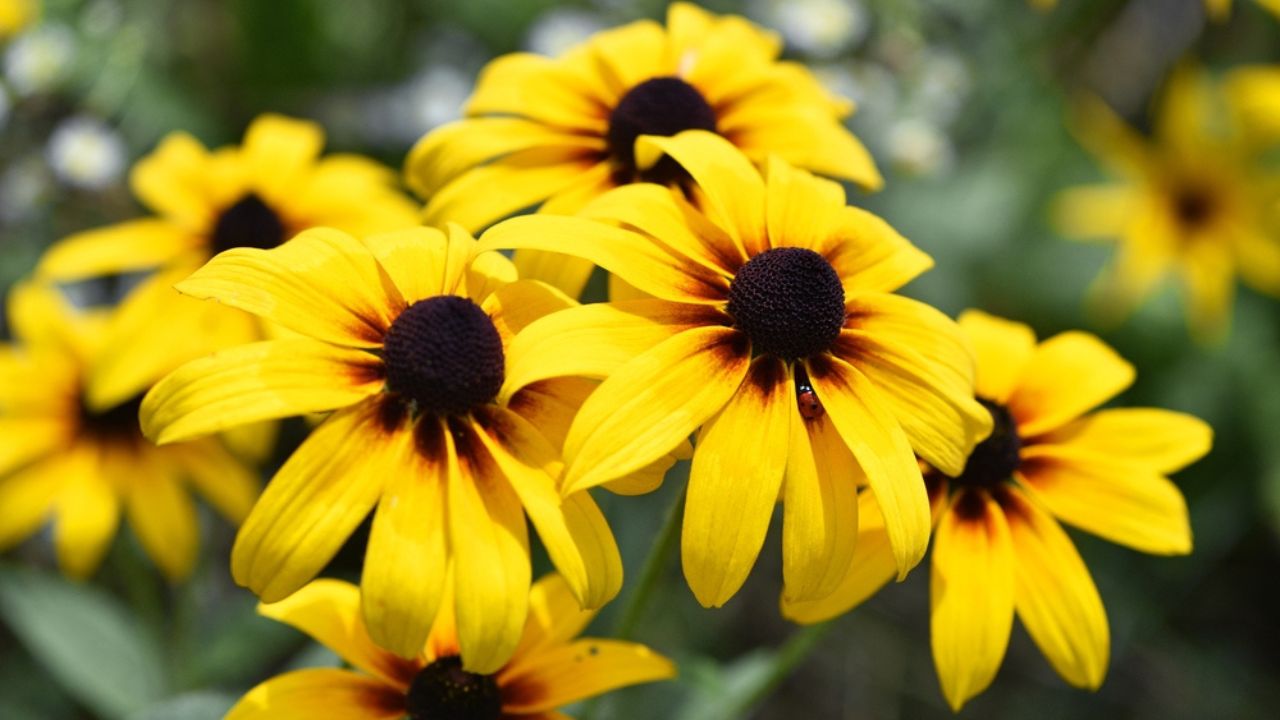
Image Credit: Shutterstock.
These sunny, yellow-petaled flowers with dark centers are synonymous with cheerful summer gardens.
Benefits
- Attracts butterflies and bees.
- Thrives in a wide range of soil conditions.
Care Tips
Grow in full sun, ensuring the soil is well-drained. Leave seed heads intact for self-sowing.
13. Calendula (Calendula officinalis)
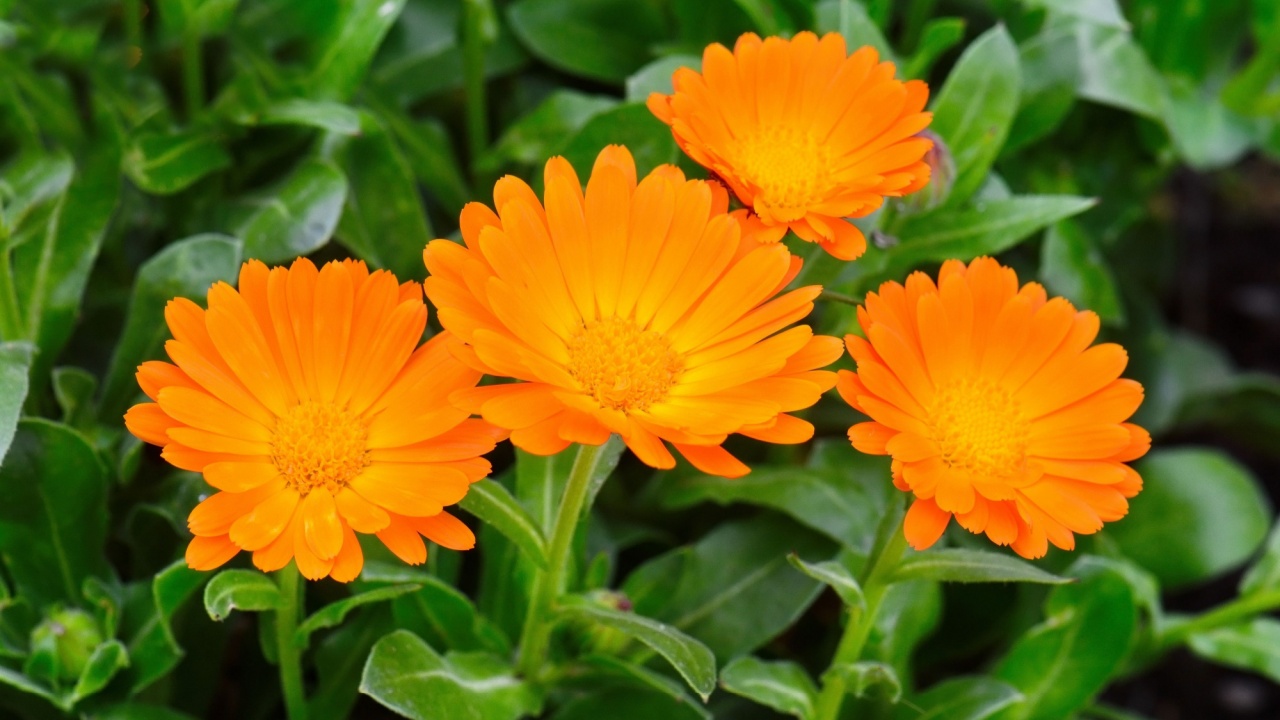
Image Credit: Shutterstock.
Calendula, also known as pot marigold, is a hardy flower that offers bright orange or yellow blooms.
Benefits
- Blooms prolifically from spring to frost.
- Self-seeds readily without becoming invasive.
Care Tips
Plant in full sun with well-draining soil. Trim fading flowers to encourage reseeding and new blooms.
14. Snapdragons (Antirrhinum)
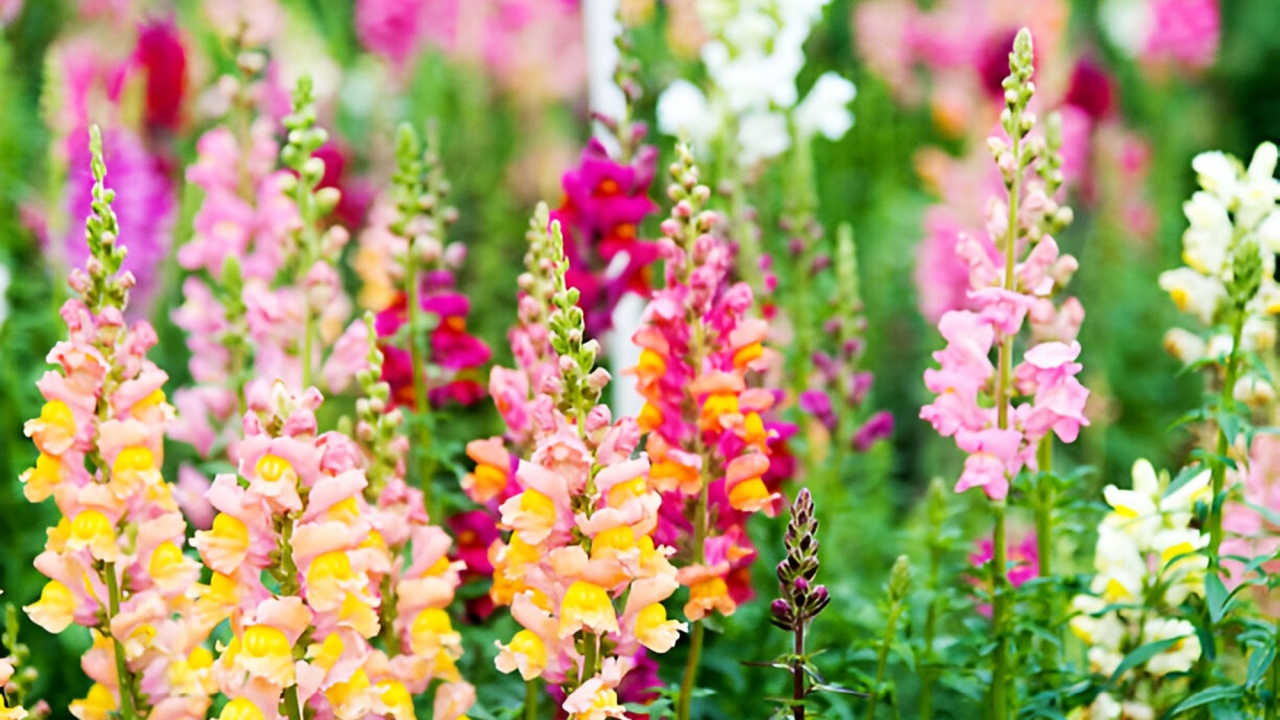
Image Credit: Shutterstock.
Snapdragons are loved for their colorful, tube-shaped blooms that children delight in “snapping.”
Benefits
- Adds vertical interest with a variety of colors.
- Reseeds freely in, but only in temperate climates. Otherwise, it behaves more like an annual in cooler regions.
Care Tips
Grow in sunny spots with moist, nutrient-rich soil. Allow flowers to mature into seed pods for reseeding.
15. Hollyhocks (Alcea)
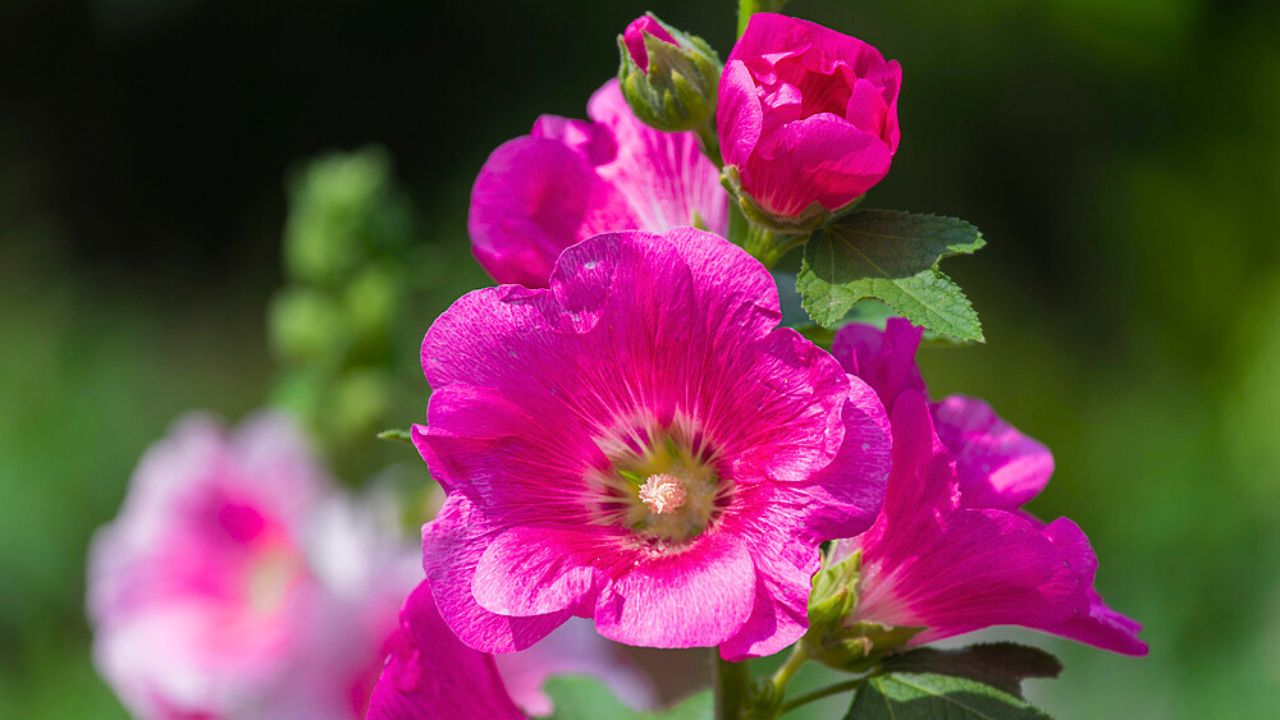
Image Credit: Shutterstock.
Hollyhocks are tall, stately flowers perfect for planting along fences or walls.
Benefits
- Adds height and old-fashioned charm to any garden.
- Reseeds abundantly for years of blooms.
Care Tips
Plant in full sun with fertile, well-drained soil. Water regularly, but avoid overwatering.
16. Cypress Vine (Ipomoea quamoclit)
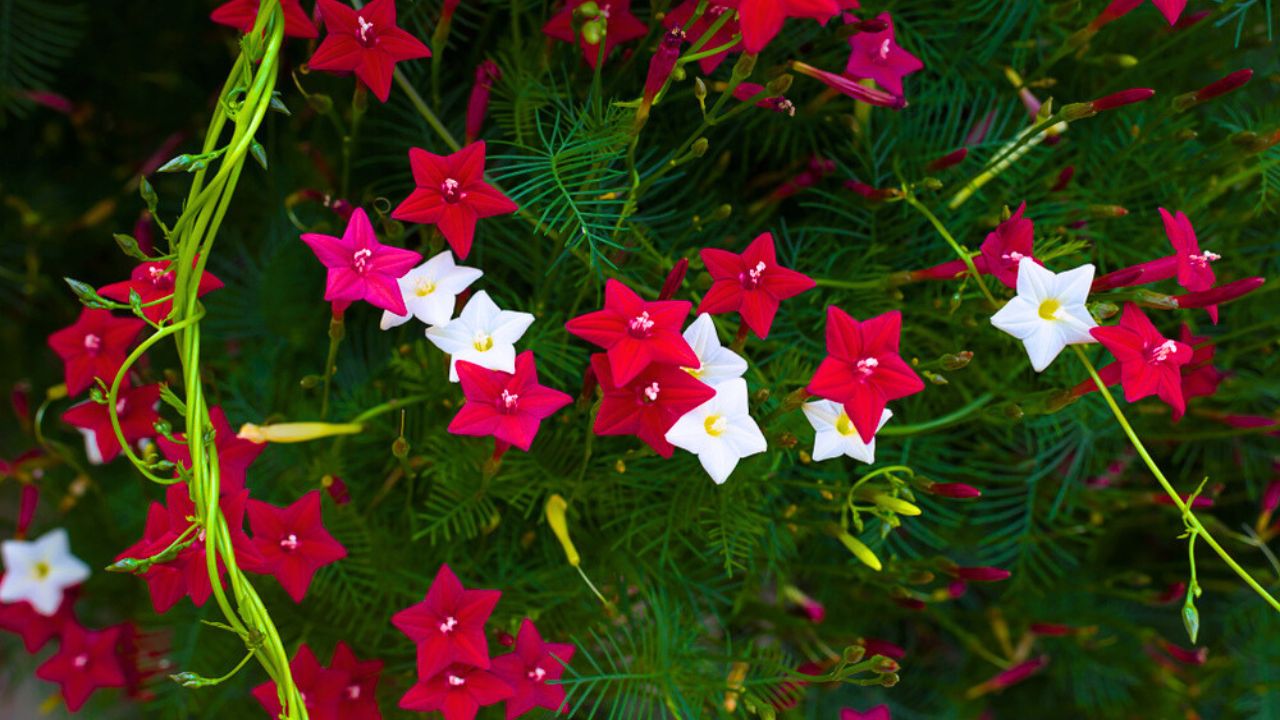
Image Credit: Shutterstock.
The delicate, star-shaped flowers of the cypress vine add a touch of elegance to any garden. A great alternative to morning glory that is considered aggressive in most U.S. regions.
Benefits
- A fast-growing annual that can quickly cover trellises and fences with its lush green foliage.
- Attracts hummingbirds and butterflies.
Care Tips
Plant in full sun or partial shade in well-drained soil. Keep soil consistently moist but not waterlogged. Prune regularly to promote bushier growth and more abundant blooms.
17. Verbena (Verbena bonariensis)
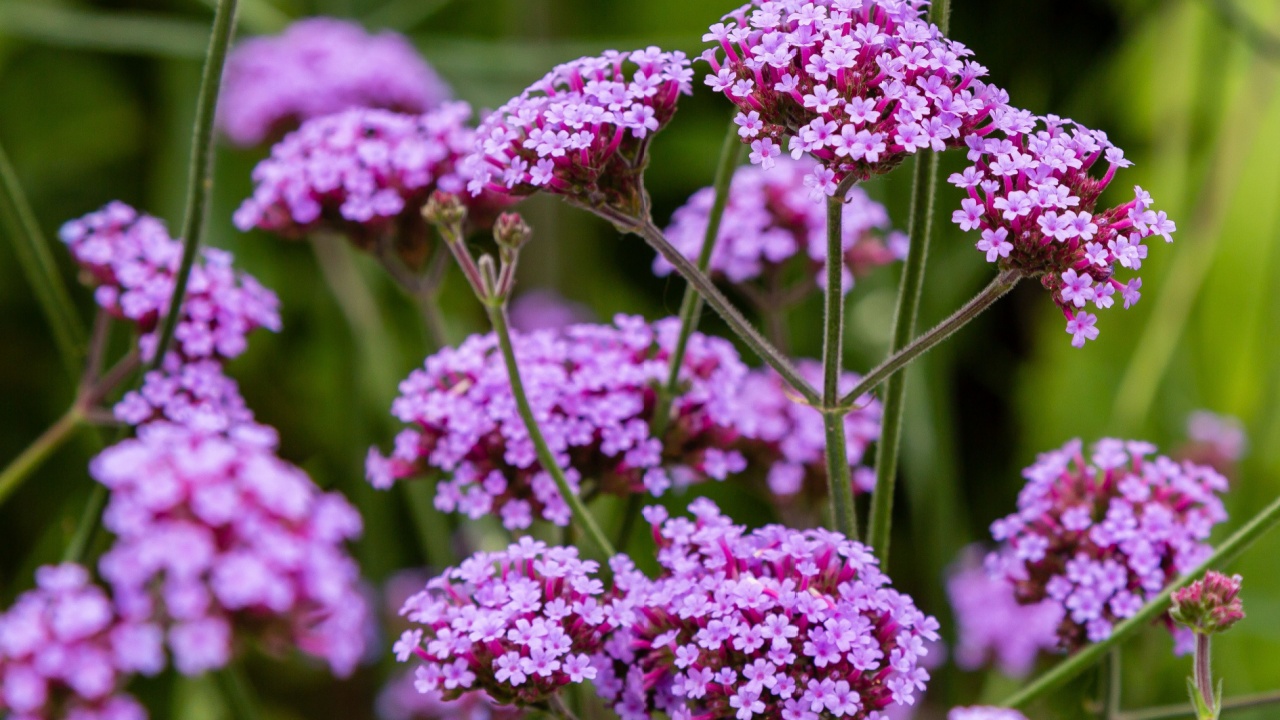
Image Credit: Shutterstock.
This airy perennial produces clusters of tiny lavender or purple blooms, offering elegance to any garden.
Benefits
- Attracts pollinators like butterflies and bees.
- Perfect for cottage garden aesthetics.
Care Tips
Plant in full sun with well-drained soil. Allow blooms to fade and scatter seeds naturally.
18. Shirley Poppies
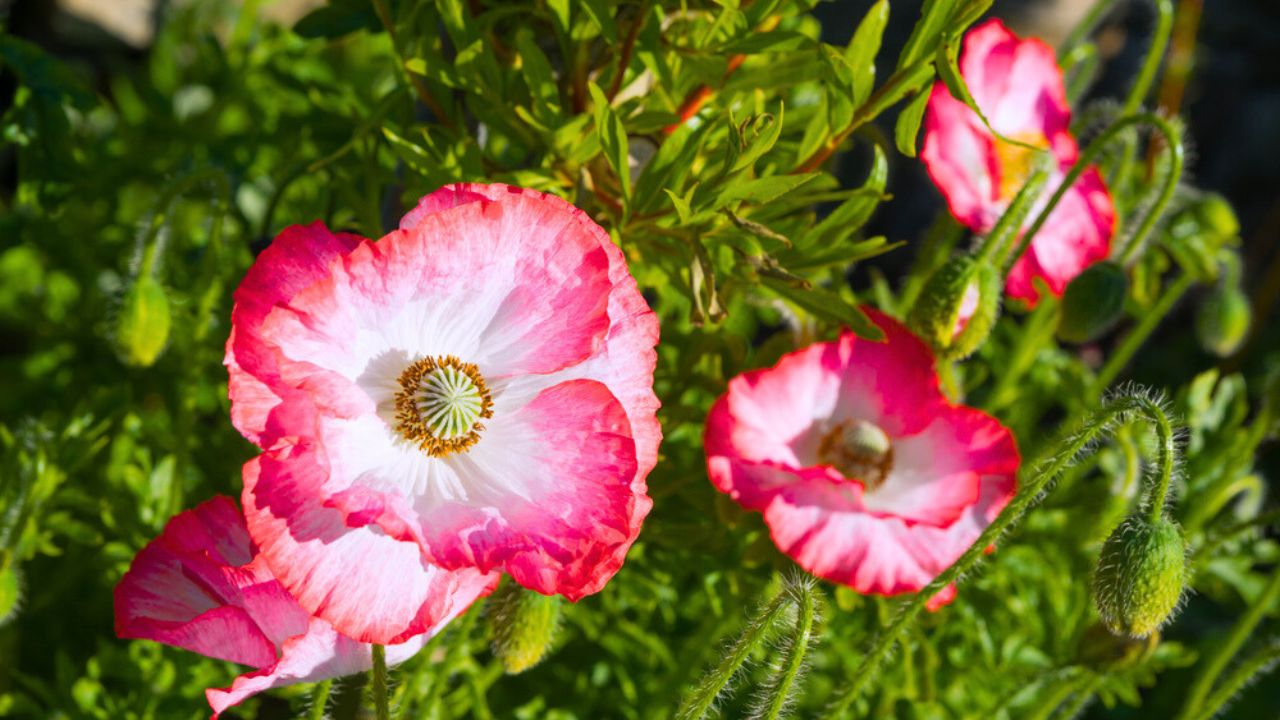
Image Credit: Shutterstock.
A variant of traditional poppies, Shirley poppies offer delicate blooms in a wider range of pastel shades.
Benefits
- Adds elegance with its soft hues.
- Self-seeds readily for effortless renewal.
Care Tips
Sow directly in sunny spots. Minimal care is needed once established.
19. Nigella Hispanica
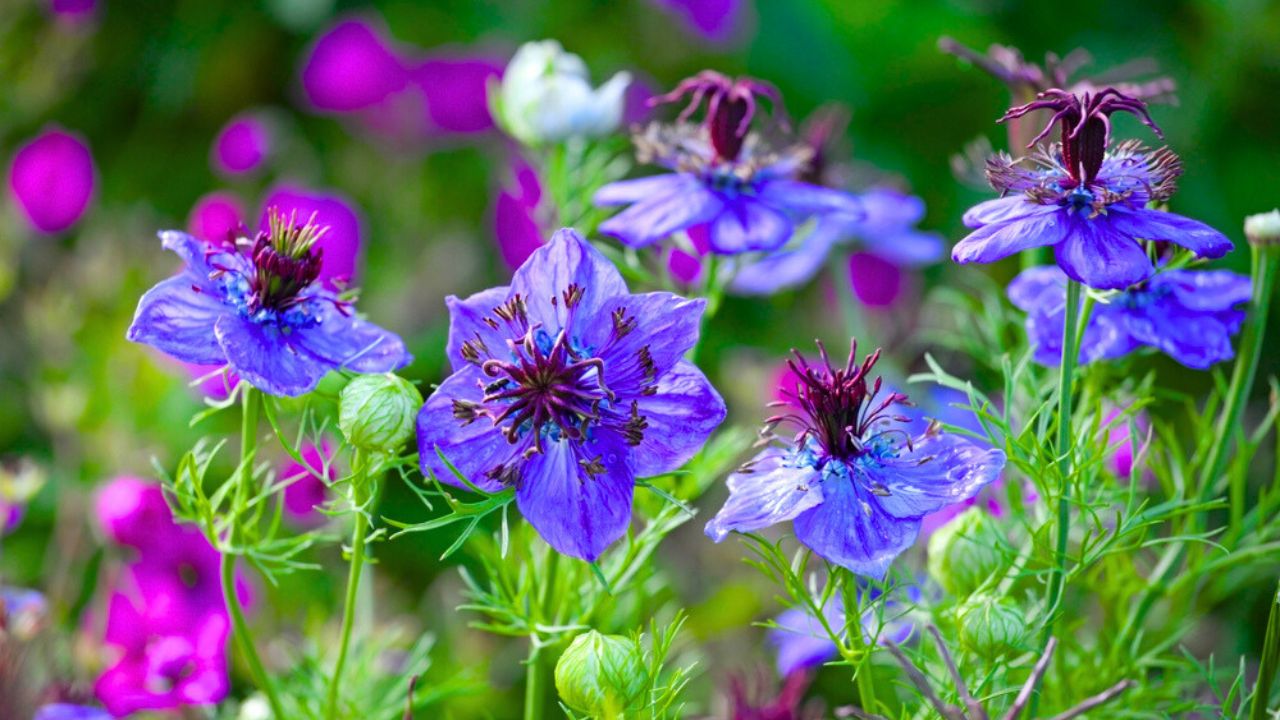
Image Credit: Shutterstock.
A cousin of Love-In-A-Mist, this plant offers striking dark seeds and intricate blooms.
Benefits
- Provides architectural flowers.
- Self-seeds consistently without spreading invasively.
Care Tips
Grow in well-drained soil, allowing blooms to wither naturally.
20. Sunflowers (Helianthus annuus)
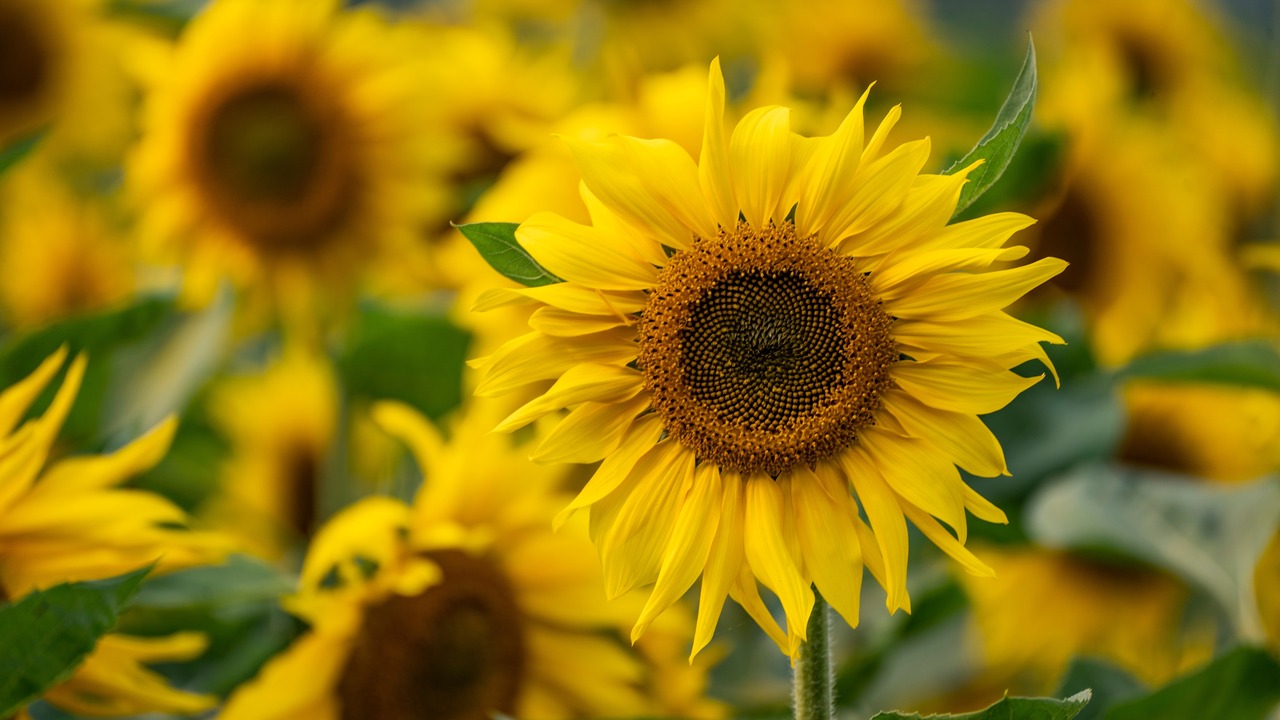
Image Credit: Shutterstock.
Sunflowers add warmth and cheer with their iconic yellow blooms. While annuals, they self-seed prolifically (more common with non-hybrid options).
Benefits
- Attracts birds, pollinators, and beneficial insects.
- Adaptable to most soil types.
Care Tips
Plant in full sun and ensure the soil drains well. Leave seed heads to dry for reseeding or wildlife feeding.
More Beautiful Blooms All Season Long
Image Credit: Shutterstock.
These 20 self-seeding flowers provide a low-maintenance way to enjoy blooms year after year. By carefully selecting and planting these varieties, you can create a thriving, colorful garden while saving yourself the trouble of replanting each season.