
14 Habits of Handymen That Get the Work Done
Handymen seem to have this mystical ability to fix anything. A wobbly chair? Fixed. A leaky faucet? No problem. And when they hang a picture frame, it’s perfectly level every time. But here’s the thing: their expertise isn’t magic, it’s a mix of clever tricks, hard-earned experience, habits, and a deep respect for the tools of their trade.
If you’re looking to impress your family with a quick fix or just want to feel a little handier around the house, these 14 habits (that you can learn too!) will make you rethink how you approach your next project. We sourced our inspiration from real handymen around the globe.
1. Measure Twice, Cut Once

Every seasoned handyman swears by this rule. It’s not just about saving materials, it’s about avoiding unnecessary frustration when your cuts don’t fit.
Imagine cutting a piece of wood, only to realize it’s a half-inch too short. Now you’re stuck making a second trip to the hardware store. Double-checking your measurements takes seconds but can save you hours of wasted time.
2. WD-40 Can Solve More Than You Think

Handymen know that WD-40 is like a miracle in a can. It stops squeaky hinges, loosens stuck bolts, and even removes stubborn sticker residue.
One trick? Spray it on garden tools to prevent rust, or use it to clean crayon marks off walls. Just don’t confuse it with a lubricant– it’s more of a cleaner and water displacer.
3. Stud Finders Aren’t Perfect—Trust Your Knuckles Too

Stud finders are handy, but they can give false readings. That’s why many pros tap the wall to listen for a solid sound. It’s old-school, but it works.
Once you locate the stud, mark it with a pencil or tape. You’ll be glad you did when it’s time to hang that heavy mirror.
4. Painter’s Tape Is a Multi-Tasker

Painter’s tape isn’t just for straight lines when painting. Use it to drill clean holes in wood, protect surfaces while sanding, or even mark measurements on a project.
One clever hack? Stick a piece under where you’re drilling to catch falling dust. It’s the small things that make a big difference.
5. Drywall Screws Are the Key to Hanging

These screws aren’t just for drywall. They’re versatile, strong, and perfect for quick fixes like securing loose furniture or hanging lightweight items.
Keep a box in your toolbox; they’re cheap, easy to use, and surprisingly reliable for a wide range of tasks.
6. Start Small and Work Your Way Up
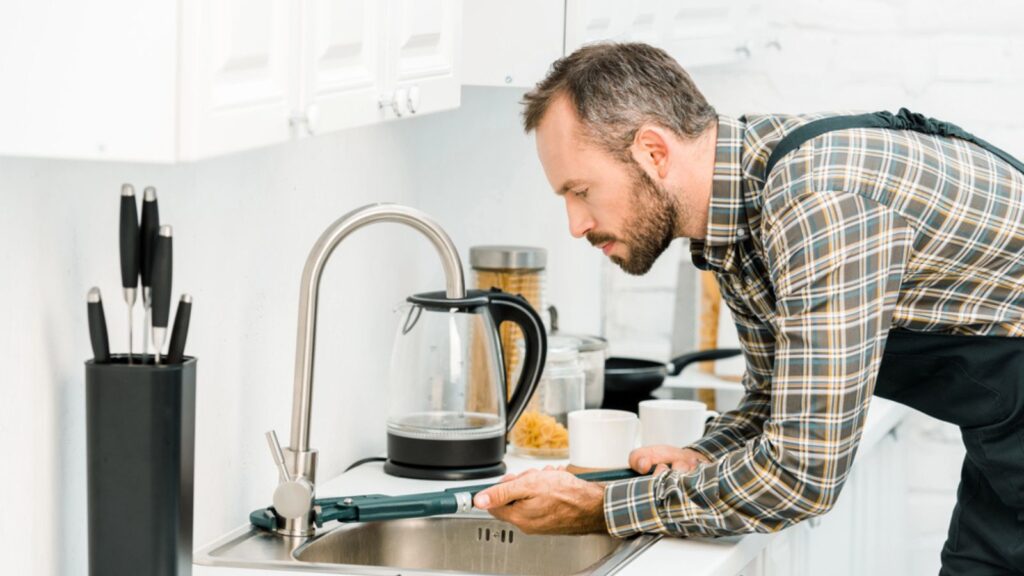
Handymen know it’s smart to start with the simplest step when faced with a big repair. Often, fixing one small thing leads to solving the larger issue.
For example, a leaky faucet might just need a new washer. Fixing the obvious first can save you time and keep you from overcomplicating the job.
7. Magnets Save the Day

Dropped a nail or screw in a hard-to-reach spot? A magnet can retrieve it in seconds. Many pros keep a small magnetized tool on hand for just this purpose.
For even more versatility, wrap a magnet in cloth and run it over your workspace to pick up metal shavings without getting dirty.
8. The Right Tool Makes All the Difference

Ever tried to hammer a nail or twist a screw with the wrong tool? It’s frustrating and can ruin the material. Handymen know that having the right tool for the job is non-negotiable.
That doesn’t mean you need a million tools– just invest in versatile, high-quality basics. A good multi-tool, a sturdy hammer, and a reliable drill can take you far.
9. Always Have a Backup Plan

Even the best-laid plans can go sideways. That’s why handymen always keep extra materials on hand, like spare screws, sandpaper, or caulk.
Being prepared for the unexpected isn’t just smart, it’s the difference between finishing the job in one try and running to the store mid-project. Being creative in problem solving also means getting things done efficiently and safely.
10. Levels Aren’t Optional

Your eyes can play tricks on you, especially when you’re hanging something on uneven walls or floors. That’s why pros always rely on a trusty level.
Even a small bubble level can make sure your shelves, frames, or countertops are perfectly aligned, and it’s way more accurate than just eyeballing it.
11. Sealant Adds Polish and Protection

Sealant isn’t just about waterproofing; it makes things look finished. Use it to seal edges around sinks, bathtubs, or even windows for a clean, professional look.
One tip? Smooth it out with your finger or a tool for a seamless finish. A little patience here goes a long way.
12. Sometimes You Need to Step Back

When a repair isn’t going well, take a breather. Handymen know that stepping away for a few minutes can clear your mind and help you see the problem in a new way.
Coming back with fresh eyes can prevent mistakes and make tricky fixes feel more manageable.
13. Shop Vacs Are Game-Changers

These aren’t just glorified vacuums; they’re a handyman’s best friend. Use them to clean up sawdust, suck up water from a small spill, or even retrieve tiny objects with a stocking over the hose.
Once you have one, you’ll wonder how you ever tackled projects without it.
14. Mark Your Tools or Lose Them

If you lend tools out or work in a group, marking them with tape, paint, or initials ensures they don’t disappear.
It’s a simple habit, but it saves handymen from the classic “I swear I had one of those” moment.
Ultimately, a handyman works smarter, not harder. They know what’s worth the effort and what isn’t, and you can too with a little elbow grease and know-how.