
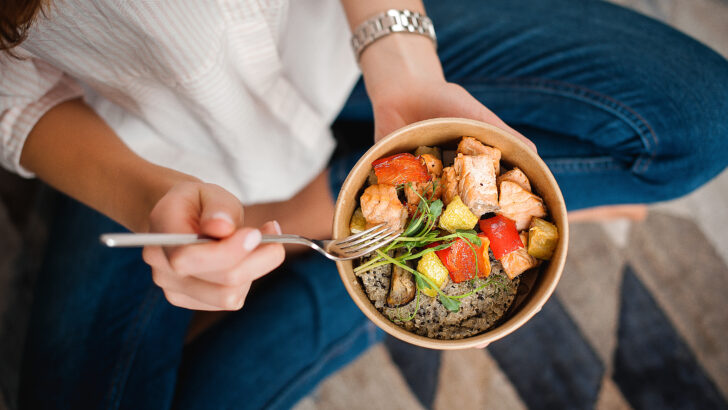
What do an overworked marketing executive, a shift worker, and a traveling consultant have in common? They are all part of the global frozen food industry, which is expected to reach $444 billion over the next seven years.
The rising demand for convenience food is driving the growth, thanks to rising per capita income, changing retail scenarios, and rapid urbanization. Busy professionals are seeking convenient, ready-to-cook meals, and the frozen food market is poised to deliver. According to a new comprehensive report from The Insight Partners, the market is expected to grow by $149 billion by 2031.
“With more people working and cooking at home since the pandemic (many of them juggling hybrid work, caregiving, and/or tight budgets), frozen food offers a way to simplify meal prep without relying on takeout or starting from scratch every time,” says Jennifer Pallian, Dietitian at Foodess.
Frozen Meals Are Recieve a Makeover
Modern frozen food is no longer the cardboard-tasting TV dinners of previous decades; it’s less mystery meat and mushy vegetables, and more organic penne with a spicy arrabbiata sauce. Advancements in preservation, such as individual quick freezing, cryogenic cooling, and isochoric freezing, have enabled the creation of frozen products that rival fresh, from-scratch-prepared meals.
These quality improvements have helped shed the previous stigmas around frozen meals. No longer the last resort for busy weeknights, frozen meals are now an acceptable option for those who want convenience without sacrificing taste or quality.
“Customers today aren’t just seeking ‘better-for-you,’ they are demanding better, period,” says Marc Connor, Co-Founder and President of rootberry, a frozen food purveyor based in St. Louis. He notes that good taste and high standards are no longer a niche trend, but the new baseline for what is expected from frozen food.
Connor adds, “The brands that succeed in this new era will be the ones that meet these raised expectations not as a marketing ploy, but as a product truth. And in doing so, they’ll help reshape what ‘frozen’ means — from merely preserved to proudly premium.”
Convenience Culture Reshapes Food Consumption
When it comes to food choices, convenience wins. Hectic work schedules have made time the most valuable commodity, prompting more consumers to opt for ready-to-heat meals and snack options.
Efficiency is a bonus, especially among the under-40 crowd. Rather than spending hours shopping for ingredients and preparing (and cleaning up) meals, this demographic is willing to pay higher prices for quality convenience foods.
“Frozen meals can be a lifesaver when you are short on time,” says Deborah Murphy, MS, RDN at Dietitian Debbie. “They are easier and healthier than ordering in, and freezing helps preserve all the nutrients that do your body good.” The frozen food aisle looks different these days, thanks to high-end, chef-inspired meals. Celebrity chefs have also taken note– Gordon Ramsay’s fish and chips earned a spot on The Kitchn’s must-try list, and Guy Fieri and Iron Chef Ming Tsai both have their own lines.
Trader Joe’s frozen section has almost a cult-like following, with Instagram review accounts and endless “best of” lists online debating which items are musts. Their Chicken Tikka Masala, Potstickers, and Veggie Enchiladas consistently rank as fan favorites.
Premium options can cost anywhere from $6 to $15 per meal. This is significantly more than traditional frozen dinners, but for many, it’s still cheaper than ordering takeout and faster than cooking at home. Most of Pallian’s desk-side lunches start with a frozen base, noting, “Pre-cooked grains, frozen seafood, and pre-portioned proteins make it easier to put together balanced meals quickly.”
There’s a practical angle here, too: portion control. Many recipes are designed for larger families, or at least a serving of four, which can lead to unwanted food waste for singles or couples.
Murphy notes that while frozen meals can be helpful for those wanting to lose weight, some are too low in calories, which can leave you feeling unsatisfied or hungry afterwards.
“If your meals aren’t providing at least 400 calories, bulk it up by adding a side salad, fruit, or even a cooked grain.”
Plant-Based Frozen Products Gain Market Share
Vegetarianism and veganism have gained momentum in recent years, and consumers are increasingly inclined to choose plant-based products, perceiving them as healthier options. Growing awareness of the health, ethical, and environmental benefits is also fueling demand.
A 2024 study by Virginia Tech found that the number of Americans following a plant-rich diet increased from 12% in 2012 to 26% in 2022.
The global vegan frozen food market has grown alongside this trend; its current value is $5 billion, with expectations of $12 billion by 2034.
Rootberry, a rising star in the frozen food category, has experienced growth since its launch early last year. Its distribution increased 10X in the first six months of 2025 and is now found in stores across the country, including Fresh Thyme, Bristol Farms, and Harmons. Distribution is set to double in the fall.
While all of their offerings are 100% plant-based, Connor believes their strength lies in delivering unapologetically delicious meals and snacks with nutrition in every bite.
Bestsellers include the Caribbean Lentil Bowl, Korean Fried Rice, and Peanut Stir Fry, reflecting demand for plant-based options with global flavors. Averaging 15 grams of protein and 7 grams of fiber per meal, these choices offer a variety of tastes with high-quality, whole-food ingredients.
“At rootberry, our product truths, path to market, and long-term vision is all about supporting, accelerating, and celebrating the reshaping of consumer expectations for food and the goodness that follows,” says Connor.
