Rome Targets Tourist Golf Carts as Historic Center Deals With Excessive Traffic
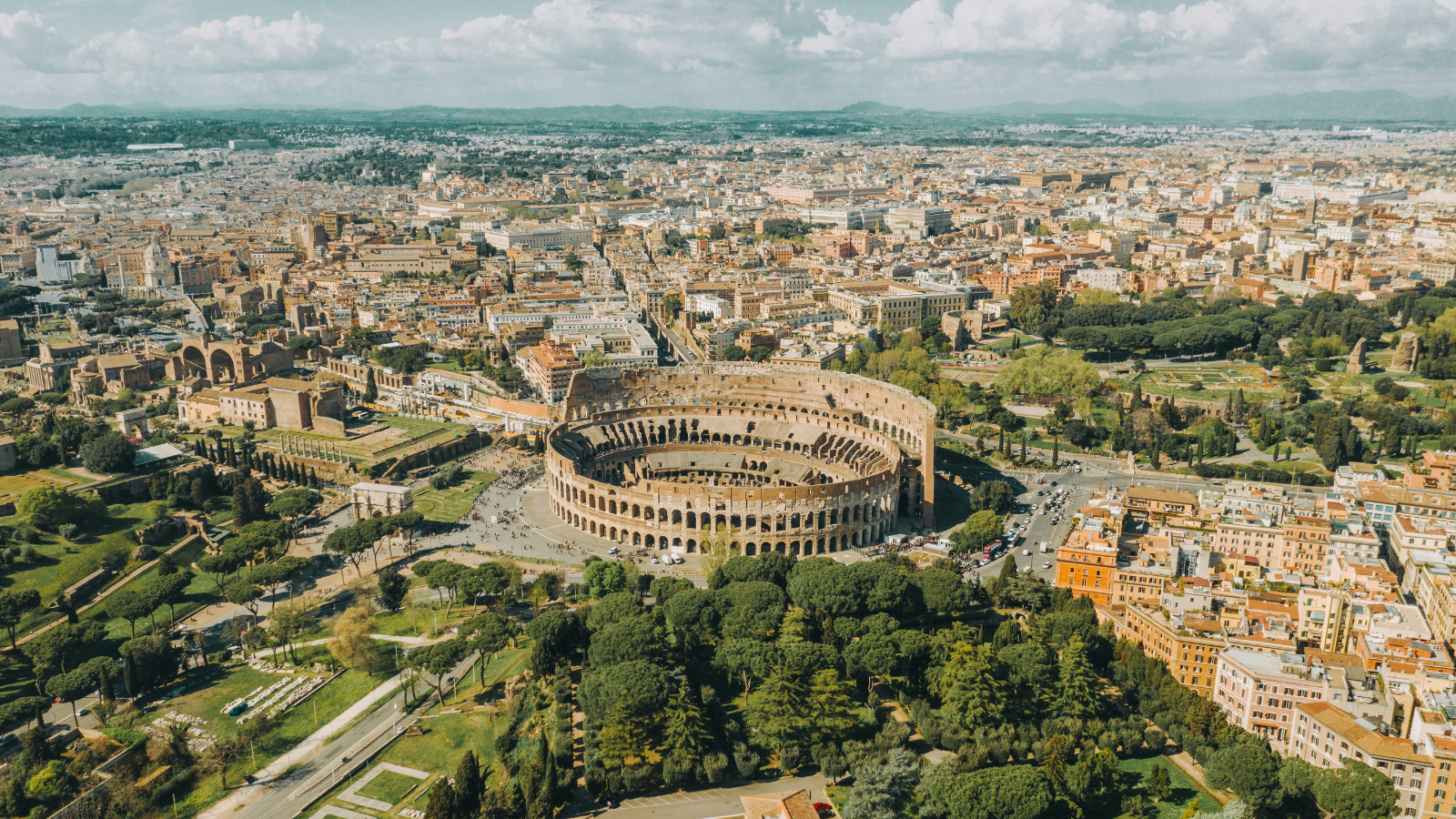
Golf carts have become an increasingly familiar sight among Rome’s cobblestones, carrying visitors past the Colosseum, Spanish Steps and other landmarks while eliminating the need for constant, exhaustive walking.
In fact, their popularity has also created a new headache for a city already wrestling with heavy tourism and overcrowded streets.
Rome’s central district formally called for the regulation of golf carts and other small mobility vehicles in February. This move is part of a broader plan to reduce traffic in the historic center, according to Rome Capitale.
Now deputy mayor for sustainable mobility and transport Eugenio Patanè wants to manage traffic further still. This would involve rules that could limit the number of carts, establish predesignated tour routes, and determine which operators are allowed to run them.
“The golf cart is the most obvious one — and the latest — but there are many others,” Luigi la Licata, head of the Monti neighborhood association, told the Associated Press.
The Tours Have Become Hard to Miss
Embedded media follows. Please allow a moment for it to load.
Hundreds of golf carts now operate in Rome, shuttling visitors through streets where parking and traffic were already scarce.
For tourists, the appeal is simple. A golf cart can cover several major sights in a few hours without the walking demanded by Rome’s sprawling historic center. This advantage becomes especially useful for older travelers, families or people with limited mobility, providing not just convenience but also accessibility.
But residents and city officials say the growing number of vehicles also puts pressure on streets with little room to spare. Rome’s own February mobility plan called for fewer vehicle permits in the historic center, more space for residents and pedestrians, and specific regulation of golf carts.
Rome Still Has to Work Out Who Makes the Rules
The city has already begun tightening access for some vehicles. Since July 1, even fully electric and hydrogen-powered cars have needed permits to enter Rome’s restricted zones, a change Roma Servizi per la Mobilità says was intended in part to reduce congestion and parking pressure.
Exactly what those restrictions will look like remains unsettled. Rome’s February mobility proposal calls for regulation of golf carts and other small mobility vehicles but does not lay out a final set of rules specifically for the tour industry.
The proposal is part of a larger effort to reduce congestion in the historic center, including changes to restricted-traffic access, parking, and tourist transportation.